Kitchen Hazards: 8 Modern Cookware Sets That Are Releasing “Forever Chemicals” Into Your Food
The average home cook probably doesn’t think twice about flipping an egg in their trusty nonstick skillet. It’s quick, convenient, and cleanup is a breeze. Here’s the thing though: while you’re focused on breakfast, your pan might be quietly serving up something far less appetizing alongside those scrambled eggs.
We’re talking about chemicals that scientists have dubbed “forever chemicals” because they don’t break down in our environment or in our bodies. These substances, known as PFAS (per- and polyfluoroalkyl substances), comprise a class of more than 14,000 identified synthetic compounds linked to cancer, reproductive harm and hormone disruption. I know what you’re thinking – this sounds like another scary health headline. The difference? States across the country are actually banning these cookware products, and the science behind it is solid enough that major retailers are pulling items off their shelves. So let’s dig into which cookware is causing concern and why you might want to rethink what’s sitting in your kitchen cabinet right now.
Traditional Teflon-Coated Nonstick Pans
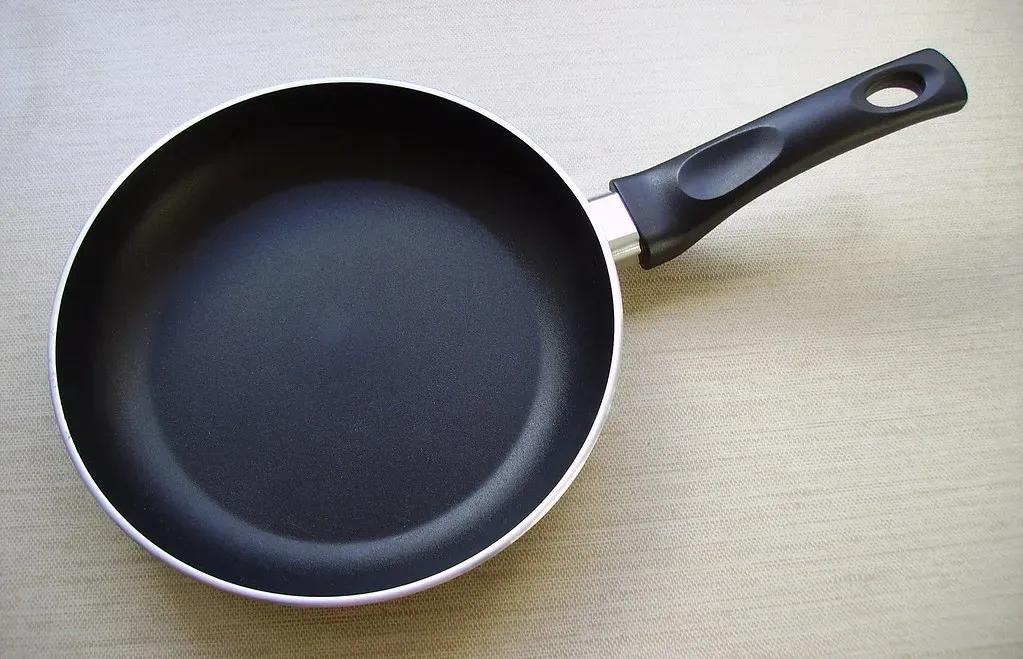
These are the classics that probably dominated your parents’ kitchen. PFAS are the key ingredients behind the slick coating on Teflon pans – a familiar fixture in many home kitchens. The problem runs deeper than most people realize.
An Ecology Center study found that 79% of tested nonstick cooking pans and 20% of tested nonstick baking pans were coated with PTFE, the technical name for what we commonly call Teflon. Research from 2022 found that scratched PTFE coatings can shed up to 2.3 million microplastic particles into food during normal use. Think about how many times you’ve accidentally used a metal spatula on your nonstick pan or noticed those little scratches building up over time.
What’s particularly unsettling is that overheated nonstick pans can release harmful fumes causing “Teflon flu,” with more than 265 suspected cases reported in 2023, the highest number since the year 2000. The symptoms – fever, chills, headache – mimic the flu so closely that most people never connect it to their cookware.
PFOA-Free Labeled Cookware (That Still Contains PFAS)
This category is where things get really tricky. You might think you’re making a safe choice by buying pans labeled “PFOA-free.” Unfortunately, that’s exactly what manufacturers are counting on.
Consumer Reports testing found that a Swiss Diamond pan had measurable levels of 16 different PFAS chemicals, including an average of 4 parts per billion of PFOA in the coating, even though the package claimed it was PFOA-free, with combined PFAS levels reaching up to 703 ppb in one sample. Let’s be real – that’s some serious false advertising hiding behind technical loopholes.
Research found many pans coated with PTFE are labeled as “PFOA-free” and sometimes “PFOS-free,” claims that may be misleading, even if technically true, because PFOA-free does not mean PFAS-free. It’s like saying a product is “sugar-free” when it’s loaded with artificial sweeteners. Technically accurate, but totally missing the point of what concerned consumers are trying to avoid.
Scanpan Brand Nonstick Cookware
Scanpan markets itself as a premium cookware option, often with health-conscious messaging. That makes the findings even more disappointing.
Testing by the Ecology Center’s Healthy Stuff Lab found that Scanpan brand pans were coated with PTFE, even though they claimed to be PFOA-free. The brand doesn’t exactly advertise the PTFE coating prominently, which raises questions about transparency. Consumers spending premium prices on Scanpan expect better.
The issue isn’t just about what’s in the coating. It’s about trust. When you’re paying more for what you believe is a safer product, discovering it contains the very chemicals you’re trying to avoid feels like a betrayal.
Zwilling Nonstick Cookware
Zwilling is another well-known brand that many home cooks trust for quality kitchen products. Their marketing is slick, their products look professional, and they carry a certain prestige. None of that matters if the coating is problematic.
Zwilling brand pans were coated with PTFE despite claiming to be PFOA-free, and the company’s website did not mention PTFE, other than to say their coating is “40 times more durable than traditional PTFE coatings”. That’s some clever wordplay right there – acknowledging PTFE exists while simultaneously burying that information.
The durability claim might actually make things worse. If the coating is more durable, you’re likely using it longer, potentially increasing your exposure over time. Sometimes what seems like a product benefit turns out to be the opposite when you understand the full picture.
Dollar Store and Budget Nonstick Pans
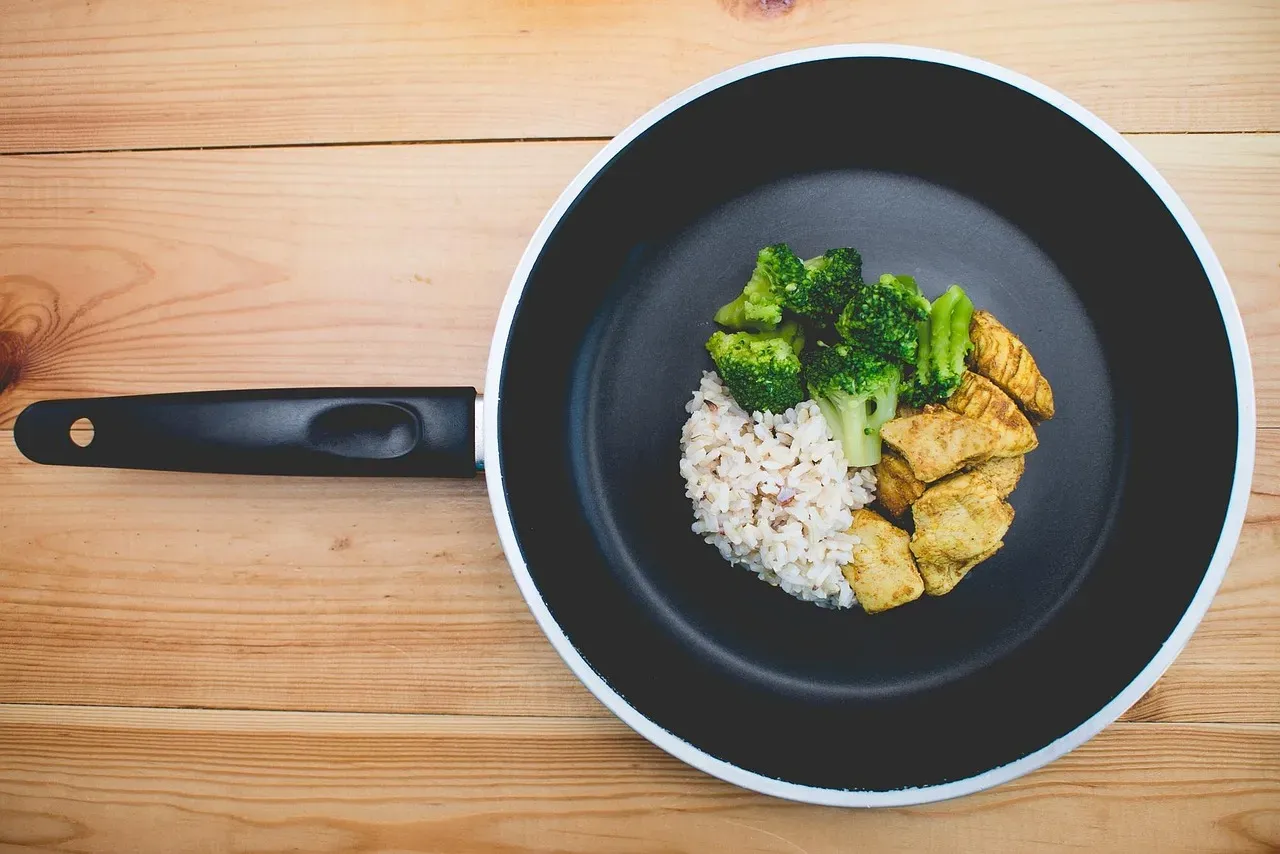
We all love a bargain, but those ultra-cheap nonstick pans from discount stores deserve extra scrutiny. Price often reflects quality, especially when it comes to chemical safety.
Researchers tested cookware from 10 popular retailers, including discount dollar stores, and found that of the 24 pans tested, only two were made in the U.S. while the rest came from South or East Asian countries, highlighting the global nature of PFAS production and pollution. Low-cost nonstick pans tend to have inferior quality coatings that break down quicker, raising the risk of toxic chemical release.
Think about it – that pan you picked up for under ten bucks is competing against cookware that costs ten times as much. Something has to give, and it’s usually the quality of materials and manufacturing standards. When those cheap coatings start flaking into your food after just a few months, you’re getting exactly what you paid for – and maybe a bit more than you bargained for.
Older Pre-2013 Nonstick Cookware
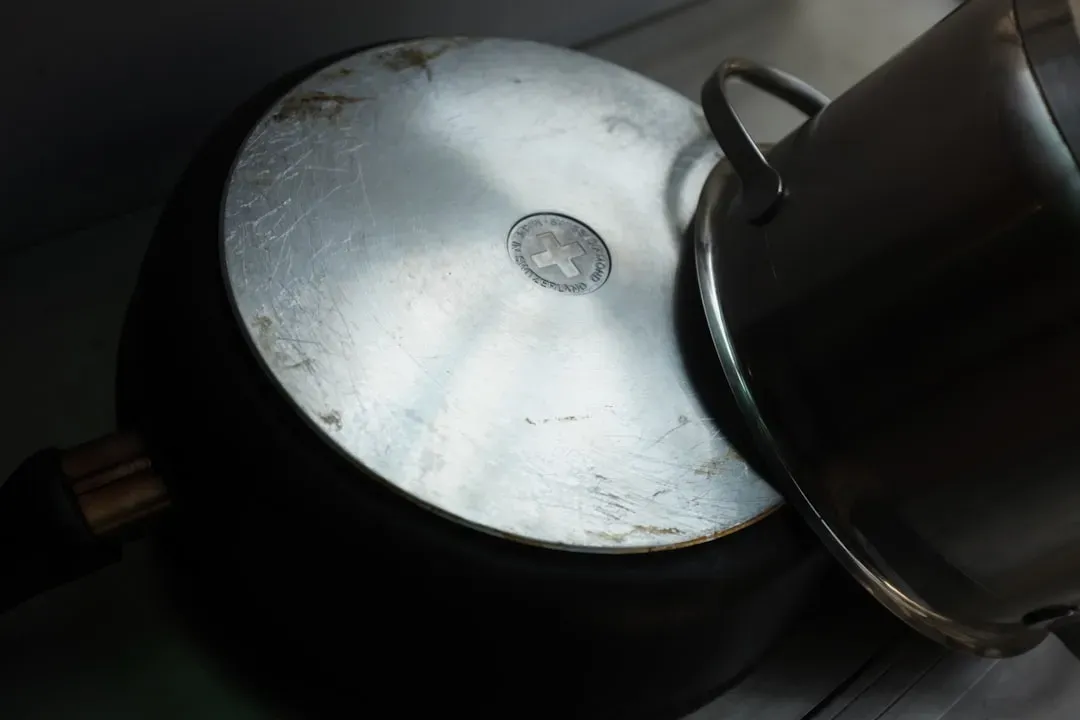
If you’ve held onto your trusty nonstick pan for over a decade, this section is for you. Nostalgia and frugality might be keeping that pan in your cabinet, but it’s worth reconsidering.
Old pans, particularly those manufactured before 2013, are especially hazardous since they are more likely to contain PFOA, which was phased out of production around 2014. Research analyzing nonstick cookware repeatedly used found that concentration of PFAS increases with repeated use – after being used ten times, PFOS levels reached 60.33 μg kg−1 and PFOA reached 54.21 μg kg−1.
I get it – that pan has been with you through college, your first apartment, and maybe a couple of moves. It feels wasteful to toss something that still technically works. The truth is, those scratches and that worn coating mean it’s been shedding chemicals into your meals for years.
Some “Ceramic” Nonstick Pans With Hidden PTFE

Here’s where the deception gets really sophisticated. Ceramic nonstick sounds natural and safe, right? Sand-based coating, no chemicals – what could go wrong?
PTFE, best known by the brand name Teflon, is itself a type of PFAS – so even some “ceramic” or “PFAS-free” cookware may contain it. Not all ceramic pans are created equal, and some manufacturers use misleading terminology. In addition to PTFE, testing identified several other plastic coating types on some pans, none of which were disclosed on the packaging, including an unexpected BPA-based epoxy coating found on two baking pans and one cooking pan.
The lesson? “Ceramic” has become a marketing buzzword that doesn’t always mean what consumers think it means. Some products genuinely use silicon dioxide-based ceramic coatings that are PFAS-free. Others slap “ceramic” on the label while still using PTFE or other concerning chemicals. Without third-party testing data or clear ingredient disclosure, you’re basically gambling.
Certain Baking Pans and Muffin Tins With Nonstick Coatings
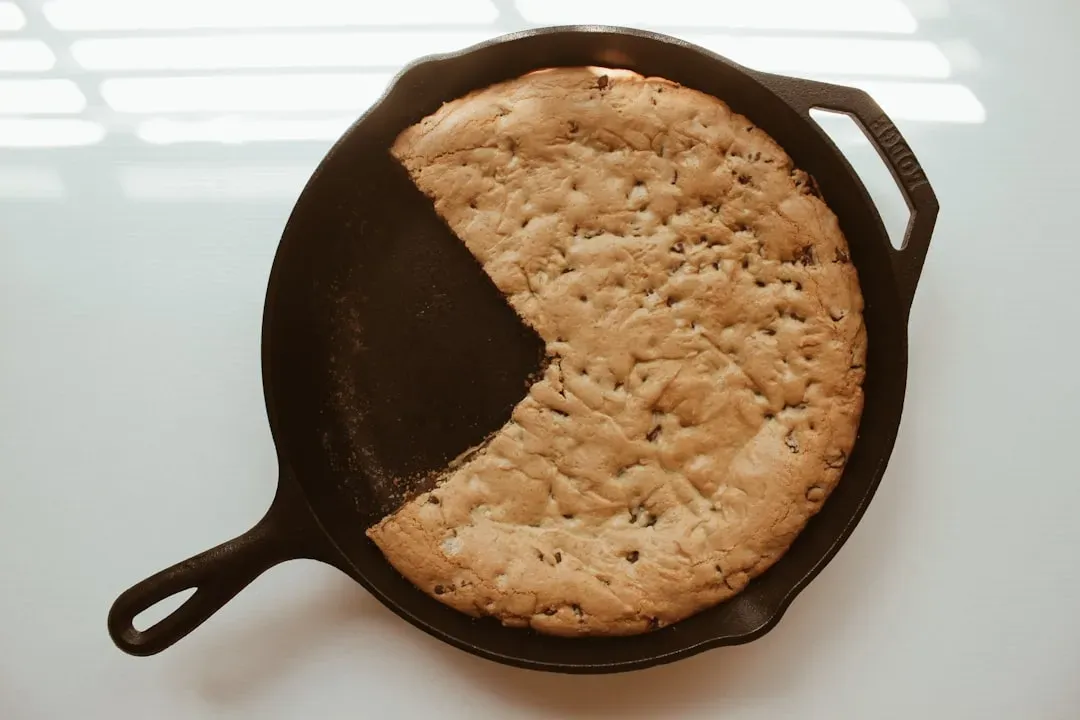
Most people focus on frying pans when thinking about nonstick cookware dangers, but baking pans deserve equal attention. Those convenient nonstick muffin tins and cookie sheets might be just as problematic.
The Ecology Center study found that 79% of tested nonstick cooking pans and 20% of tested nonstick baking pans were coated with PTFE. Microwave popcorn bags and nonstick cookware are where the highest content of PFAS were found, probably because they reach very high temperatures and are used for long periods. Baking typically involves sustained high heat – exactly the conditions that increase PFAS migration.
The thing about baking pans is they’re often more neglected than stovetop cookware. That muffin tin gets shoved in the back of the cabinet, pulled out occasionally, and we don’t really think about its condition. Those scratches from metal utensils or the worn spots where the coating has degraded? They’re quietly releasing chemicals every time you bake a batch of muffins.