The Grocery Illusion: 10 “Healthy” Snacks That Have More Sugar Than a Glazed Donut
Picture this. You’re standing in the supermarket aisle, feeling virtuous because you’re picking up granola bars instead of cookies. You grab a yogurt parfait for breakfast, convinced you’re making the right choice. Meanwhile, you’d never dream of eating a glazed donut because, well, that’s just asking for trouble.
Here’s the thing that might blow your mind. A standard Krispy Kreme glazed donut contains 10 grams of sugar. That’s your baseline, your villain if you will. Yet countless snacks lining those health food shelves contain way more sweetness than that innocent ring of fried dough.
Let’s be honest about something. The food industry has gotten really good at making us feel good about bad choices. They slap words like “natural,” “organic,” and “low-fat” on packages, and suddenly we’re tossing things into our carts without a second thought. So let’s dive in and uncover which supposedly virtuous snacks are secretly sugar bombs in disguise.
Flavored Yogurt Cups: The Breakfast Betrayal

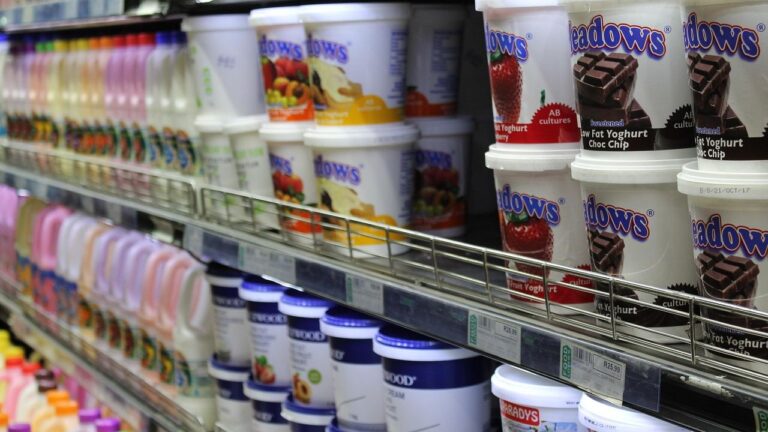
You know those adorable little yogurt cups with fruit on the bottom? While a Dunkin’ Jelly Donut has 13 grams of sugar, certain unhealthy yogurts surpass that, which honestly makes you wonder what we’re even doing anymore. Some varieties pack nearly twice the sugar content of our baseline glazed donut.
Store-bought parfaits can contain 35 grams of sugar, which is more than three times what you’d find in that glazed donut. Think about that for a second. You’re essentially eating dessert for breakfast, except you paid double the price and convinced yourself it was virtuous.
The problem isn’t just the yogurt itself. The fruit is often swimming in syrup, and the granola topping is typically clumped together with sugar and high fructose corn syrup. It’s like a triple threat of sweetness hiding under a health halo.
The flavored, fruit, organic, and children’s yogurt categories all had median sugar contents between 10.8 and 13.1 grams per 100 grams of yogurt. Plain yogurt, on the other hand, barely registers on the sugar scale. The lesson? Buy plain and add your own fresh fruit.
Granola Bars: Candy Bars in Disguise
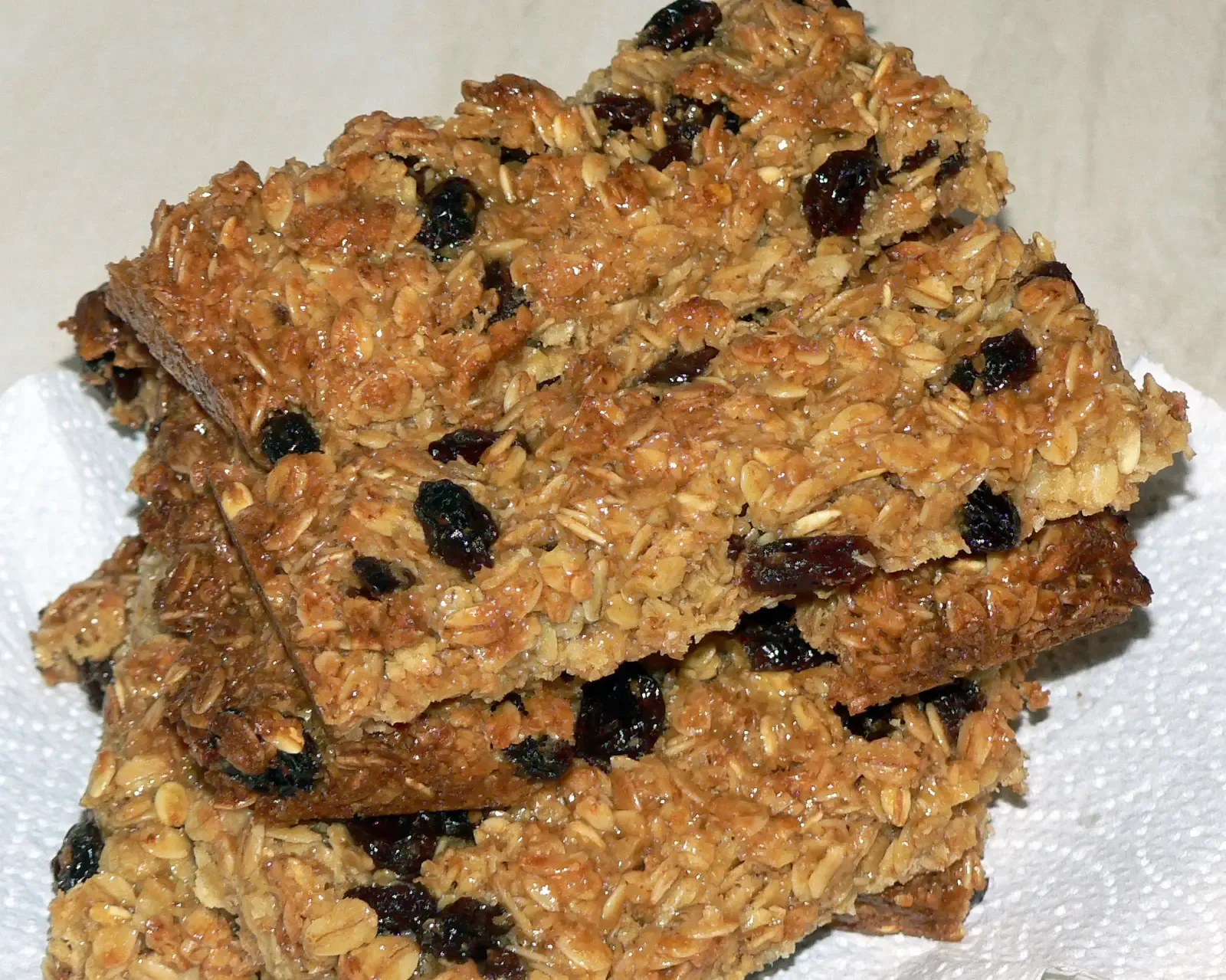
Doughnuts are typically seen as the most sugary breakfast or snack that you can eat, but it’s common to find a similar amount of added sugar in seemingly healthy foods, including granola bars. I know it sounds crazy, but your afternoon granola bar habit might actually be worse than grabbing a donut.
Kellogg’s Nutri-Grain Harvest granola bars can contain up to 15 grams of sugar per serving, mostly from added sugar. That’s half again as much as our baseline donut, packed into something you probably eat mindlessly between meetings. Most granola bars have well over 10 grams of added sugar per serving, and certain brands push that number even higher.
Here’s what really gets me. Reading the ingredient list reveals the truth: sugar appears near the top, often before actual nutritious ingredients like nuts or oats. You’re basically eating sugar with some oats sprinkled in, not the other way around.
The cruel irony is that many people reach for these specifically because they’re trying to avoid junk food. You think you’re being responsible, but many popular bars have as much sugar as a cookie, often hiding under sneaky names like “brown rice syrup” or “tapioca syrup”.
Protein Bars: The Fitness Fraud
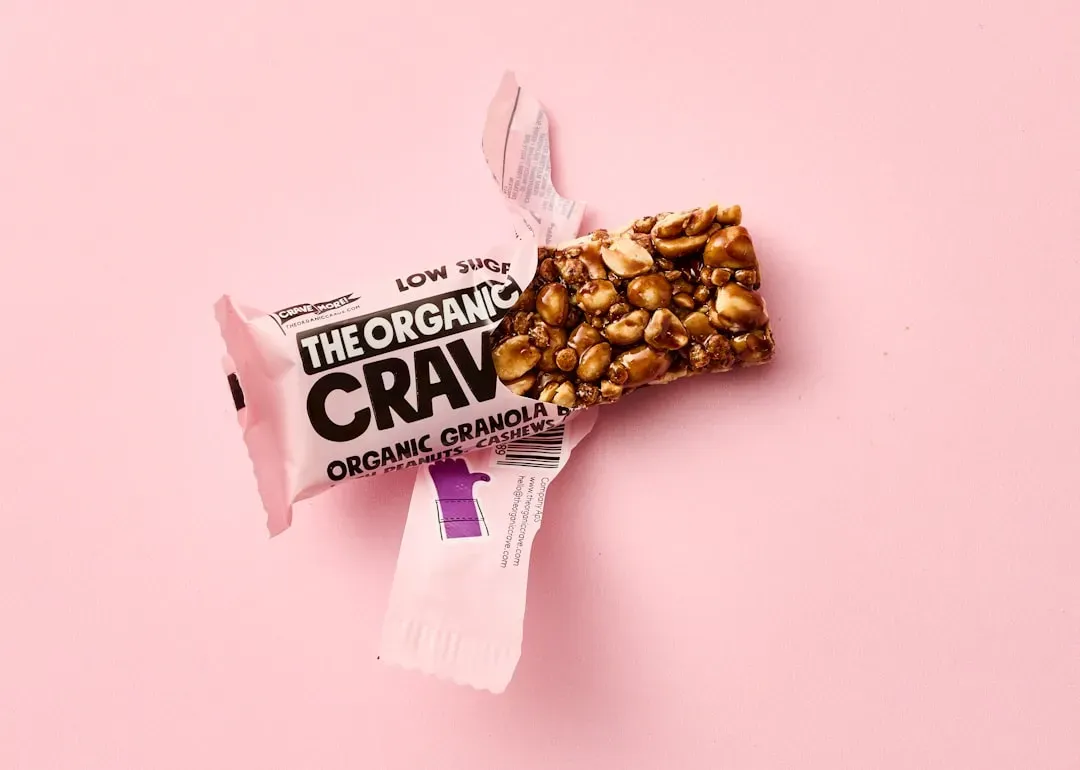
Protein bars feel like the ultimate health hack, especially post-workout. You’re building muscle, fueling recovery, getting those gains. Except here’s the uncomfortable truth that nobody wants to talk about at the gym.
Some protein bars contain 20 grams of sugar, nearly twice as much as a donut. Yes, you read that correctly. Nearly twice. Many bars sold today contain large amounts of ultra-processed ingredients, artificial sweeteners and added sugars.
Most protein bars contain added sugar, and on average, adults consume two to three times the recommended amount of added sugar every day, an amount that has been shown to increase the risk of cardiovascular issues, obesity, diabetes and even cognitive decline. Your post-workout recovery snack might be undermining your health goals.
The marketing is brilliant, honestly. Slap the word “protein” on something and suddenly it sounds responsible and athletic. Some protein bars masquerade as “healthy,” despite containing the calories of a candy bar. At least candy bars don’t pretend to be something they’re not.
Bottled Smoothies: Liquid Sugar Bombs
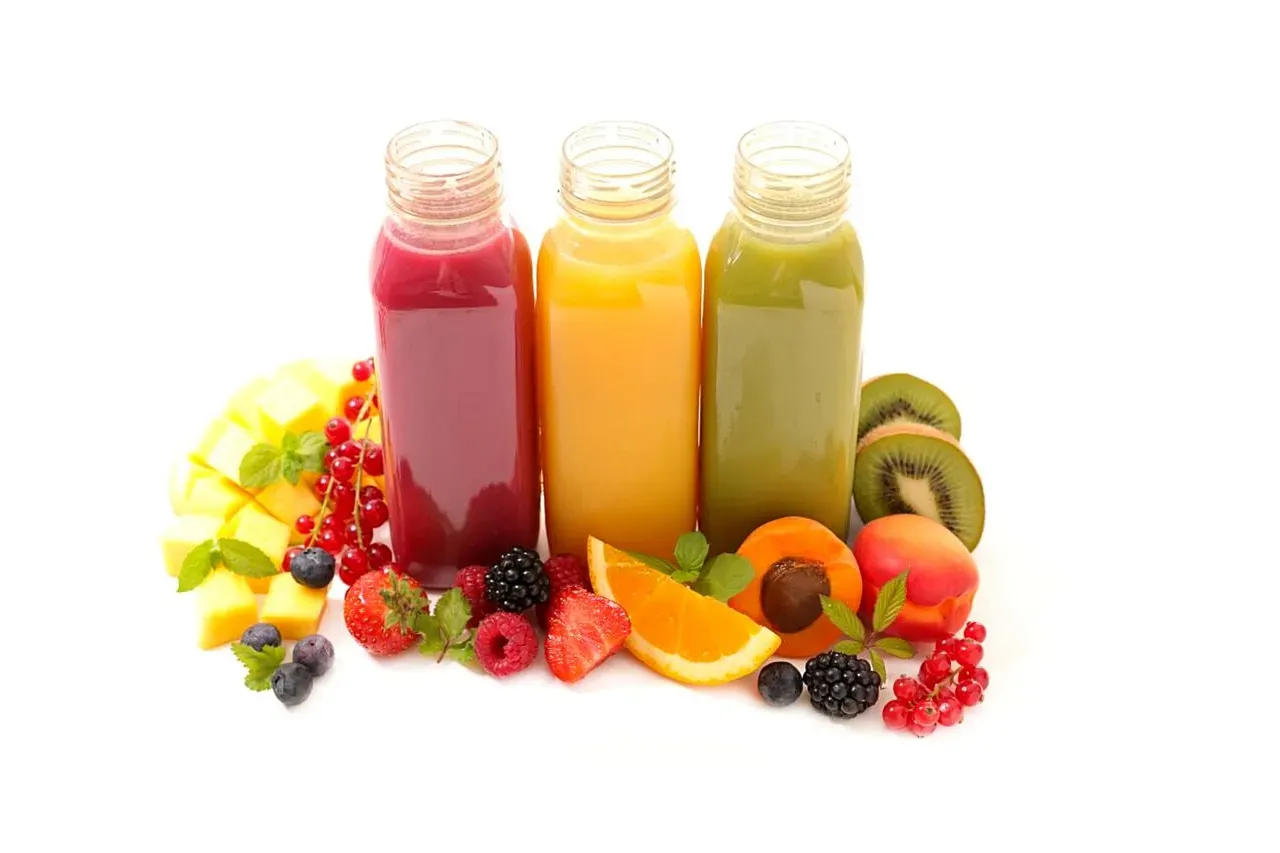
Those gorgeous bottles of jewel-toned smoothies in the refrigerated section look like concentrated health in a bottle. They’ve got pictures of fresh fruit all over them. The label probably says something about antioxidants or superfoods. You feel fantastic buying one.
Bottled smoothies, like Odwalla’s, are often overflowing (seriously, 12 donuts worth) with sugar, most of which is naturally occurring. Twelve donuts worth. Let that sink in for a moment. You could literally eat a dozen glazed donuts and get the same sugar hit.
When fruit juice concentrates are added to sweeten products, it’s just as bad as adding high fructose syrup, as these natural sugars are lacking in fruit’s waist-whittling partner in crime: Fiber. This is the key issue that makes bottled smoothies so problematic.
Making your own smoothie at home with actual whole fruit is an entirely different story. You get the fiber, you control the ingredients, and you’re not paying someone to remove all the good stuff and concentrate the sugar. Honestly, it’s hard to say for sure, but those bottled versions seem like convenience at a pretty steep nutritional cost.
Dried Fruit: Nature’s Candy Gone Wrong

Fruit is healthy, right? Dried fruit is just fruit without water, so it must be healthy too. This is where logic leads us astray in the most spectacular fashion.
Not only are natural sugars more concentrated in dried fruits than fresh, but manufacturers will also often coat dried fruit in even more sugar. Cranberries have the lowest sugar content of all fruits, but Ocean Spray took this as an open invite to inject them with as much cane sugar as seven donuts.
Seven donuts. They took one of the lowest-sugar fruits available and turned it into a sugar bomb that rivals seven glazed donuts. The audacity is almost impressive.
The problem with dried fruit isn’t just the added sugar some brands pile on. In many cases, these dehydrated chewy pieces of carbs might as well be candy. When you remove the water from fruit, you concentrate everything else, including the natural sugars, making it incredibly easy to overconsume.
Clif Bars and Energy Bars: The Workout Deception
Energy bars sound perfect for active lifestyles. You see people eating them on hiking trails, at the gym, before morning runs. They’re marketed as fuel for your adventures, your fitness journey, your active lifestyle.
If you’re recovering from a hard cardio workout, energy bars might be a good option to replenish spent glycogen stores. But, if you’re grabbing and munching on one without breaking a sweat first, you could be harming your health. Clif Bars, in particular, are teeming with added sugars – which are still bad news even if they are organic.
The first ingredient in these bars is organic brown rice syrup, followed by organic cane syrup, organic dried cane syrup (aka sugar, sugar, and more sugar), and barley malt extract. It’s basically four different types of sugar masquerading as wholesome ingredients.
These Clif Bars can be compared to a doughnut with 11 grams of added sugar per bar. While organic rolled oats and healthy grains like rye and barley are included in the ingredients, sugarcane juice is a top ingredient in this product. They’re fine occasionally, but treating them like everyday health food is probably misguided.
Chocolate-Covered Granola Bars: Double Trouble
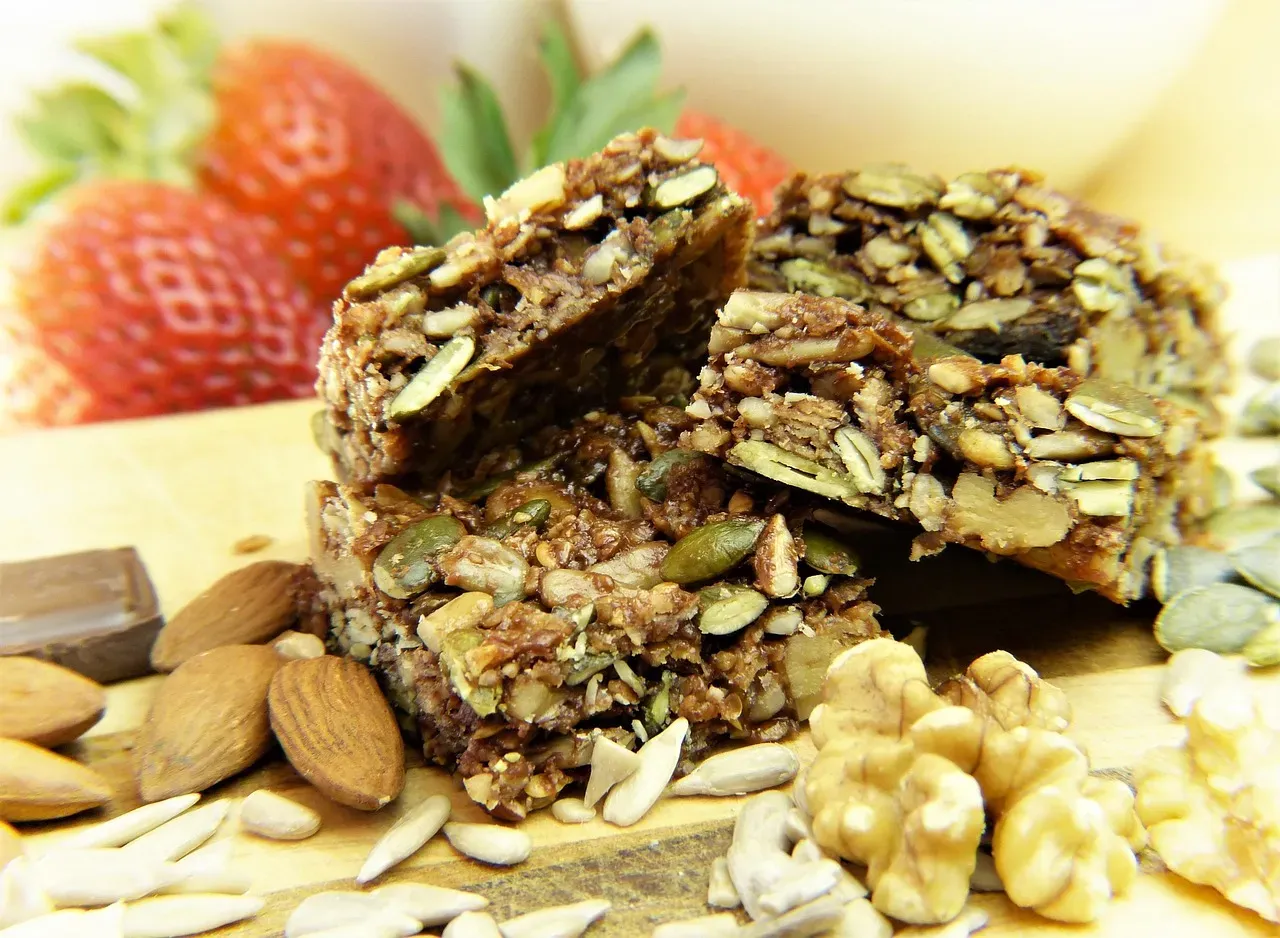
Let’s talk about what happens when the health food industry decides to make granola bars more fun. They dip them in chocolate, add caramel drizzles, throw in some candy pieces. Suddenly your “healthy snack” looks suspiciously like a candy bar.
The Quaker Chewy granola bars typically contain less added sugar than a doughnut, but the Dipps chocolate-covered granola bars should be eaten in moderation if you’re looking for a healthy snack. The chocolate coating pushes them firmly into treat territory, not snack territory.
Sold at Aldi, these Millville chocolate-dipped granola bars encounter the same issues: their regular bars have less sugar than a doughnut, but that’s not the case with the chocolate-covered ones, which aren’t the healthiest options for a midday snack. The pattern is clear across brands.
Those crunchy granola bits everyone loves? Those are basically candy clusters pretending to be health food. The chocolate is just the finishing touch on what’s already a sugar delivery system. At least with regular candy, nobody’s confused about what they’re eating.
Instant Flavored Oatmeal Packets: Breakfast’s Broken Promise
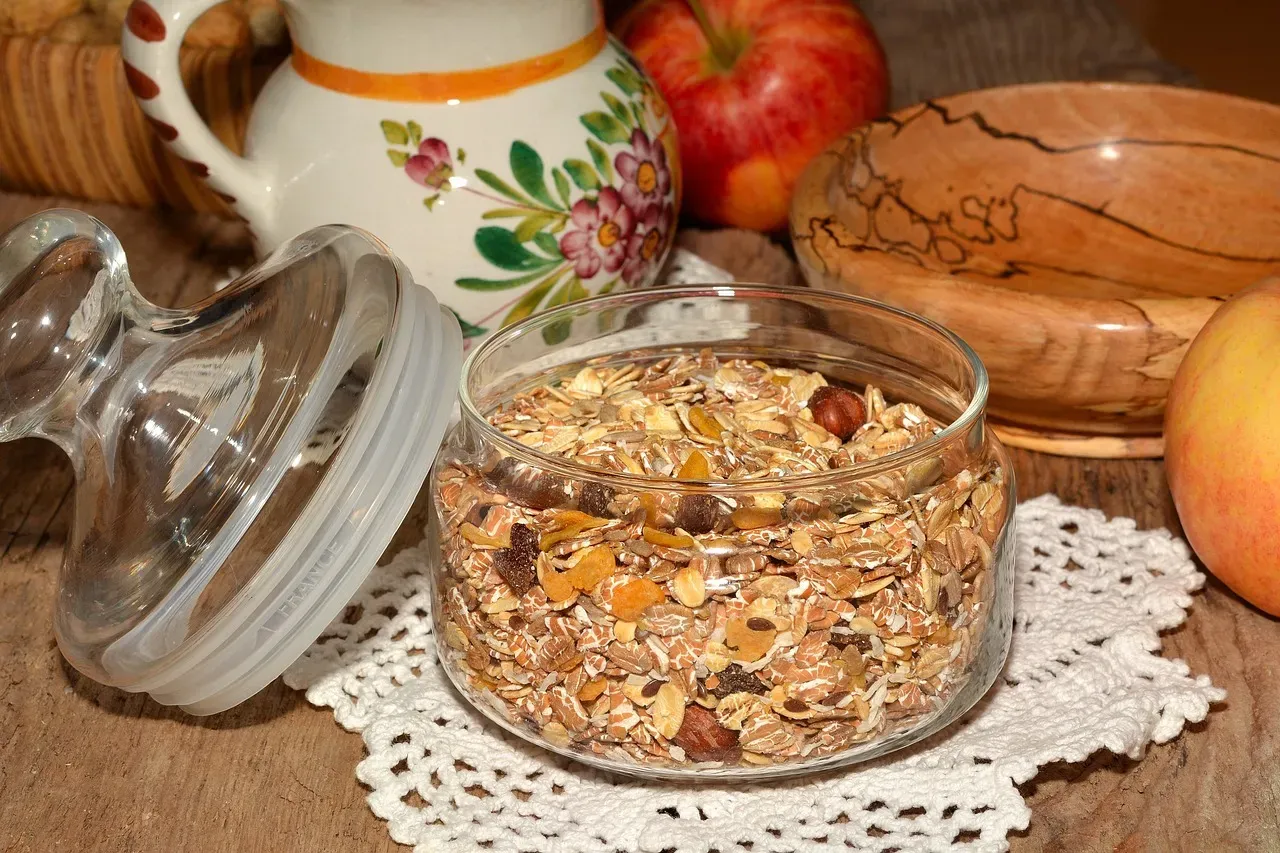
Oatmeal is the breakfast of champions, right? It’s wholesome, filling, heart-healthy. Those convenient little packets in the flavored varieties seem like the perfect weekday morning solution when you’re rushing out the door.
One packet of instant oatmeal contains 13 grams of sugar, which equals 3 Dunkin Donuts Sugar Raised Donuts. Your “healthy” breakfast is delivering the same sugar hit as three donuts. That maple and brown sugar flavor comes at a steep cost.
Oatmeal is a great option, but pre-flavored packets can be high in sugar, so it’s best to make your own. The solution is incredibly simple: buy plain oats and add your own toppings. You’ll save money and drastically cut the sugar.
The beauty of plain oatmeal is that you control everything. Add a small drizzle of maple syrup, some fresh berries, maybe a sprinkle of cinnamon, and you’ve got something that actually tastes good without the sugar overload. Pre-flavored packets are convenience packaged as health, and we’re paying for both the convenience and the illusion.
Fat-Free Salad Dressings: The Hidden Saboteur
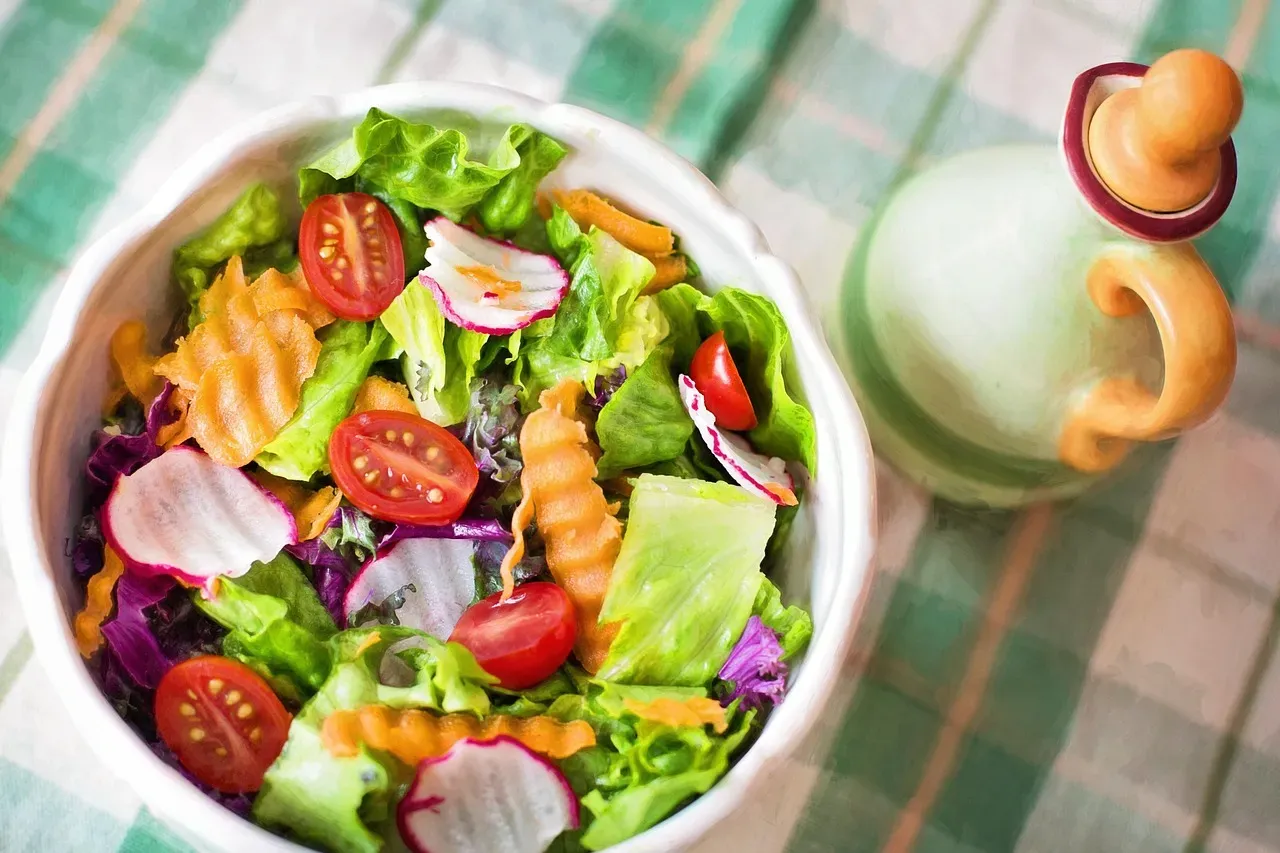
You made a salad. You chose spinach, added vegetables, maybe some grilled chicken. You’re absolutely crushing this healthy eating thing. Then you reach for the fat-free dressing because fat is bad, right?
Salad dressings might be marketed as “light” and “fat-free” because their fat has been cut out, but these salad dressings have been loaded with salt and sugar in order to compensate. When manufacturers remove fat, they have to replace that flavor and mouthfeel with something, and that something is usually sugar.
Some fat-free dressings contain enough sugar to equal multiple donuts per serving. Your virtuous salad just became a sugar delivery vehicle. The irony is thick enough to cut with a knife.
Here’s the thing. Fat isn’t your enemy. A little olive oil and vinegar on your salad actually helps you absorb the fat-soluble vitamins in those vegetables. Fat-free dressing undermines the entire point of eating a salad in the first place. You’re better off with a modest amount of full-fat dressing than drowning your greens in sugary alternatives.
Store-Bought Parfait Cups: The Instagram Lie
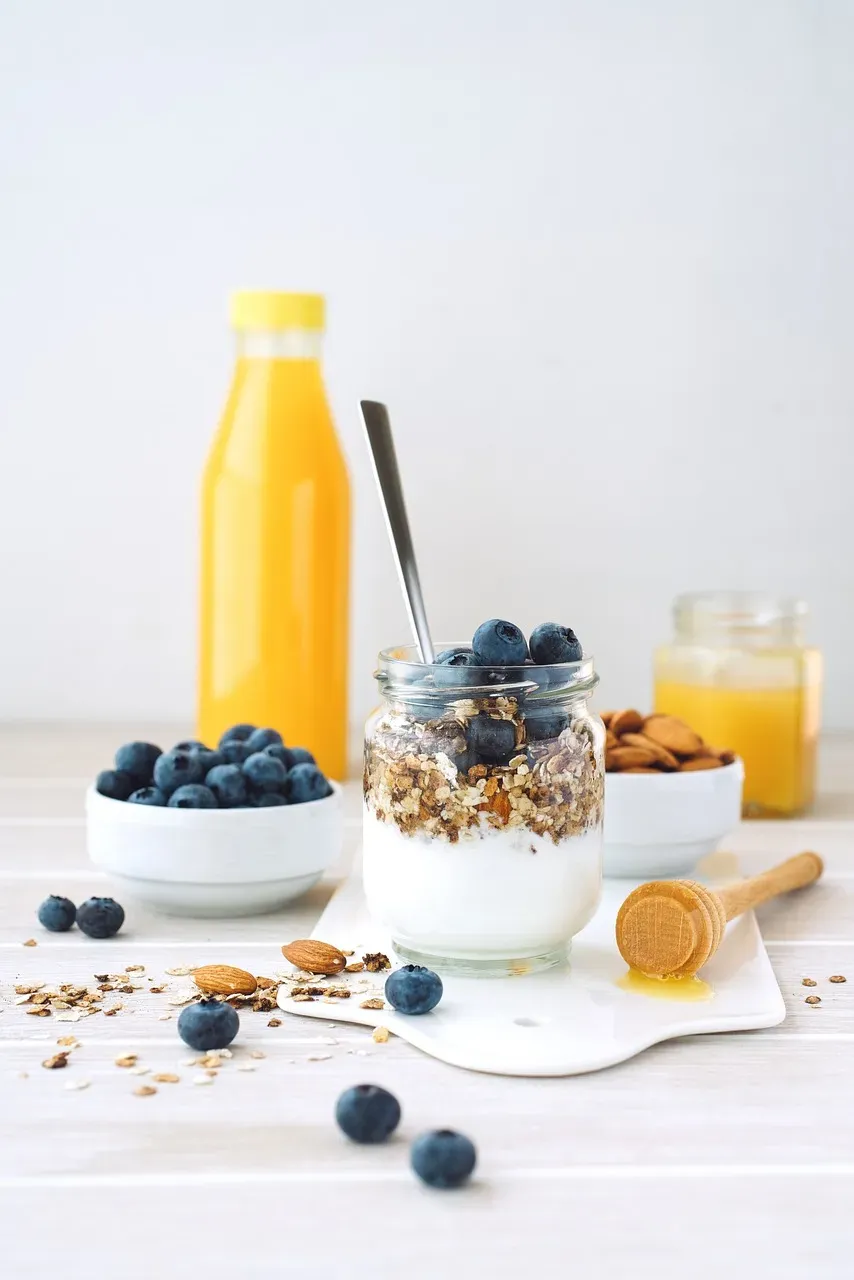
That pretty layered cup of yogurt with fruit and granola looks Instagram-worthy and practically screams wellness. It’s got protein from the yogurt, fruit for vitamins, granola for whole grains. The marketing team really nailed this one.
Store-bought parfaits can contain 35 grams of sugar, which is more than three times what you’d find in that glazed donut. Three and a half times. You’re essentially having dessert and calling it breakfast, except you paid premium prices for the privilege.
The problem isn’t just the yogurt itself, though flavored varieties are absolutely loaded with added sweetness. The fruit is often swimming in syrup, and the granola topping is typically clumped together with sugar and high fructose corn syrup. It’s a perfect storm of sugar from every layer.
Making your own parfait at home takes maybe five minutes. Plain Greek yogurt, fresh berries, and a small handful of nuts or seeds will give you all the satisfaction without the sugar crash an hour later. The store-bought version is paying for convenience and marketing, not nutrition.