6 Subscriptions Most People Forget That Are Silently Draining Your Savings
There’s a slow financial leak happening in millions of households right now, and most people don’t even know it’s there. It isn’t a single big expense. It’s dozens of small, automated charges quietly pulling money out every month while life stays busy and bank statements go unchecked.
Honestly, the gap between what people think they spend and what they actually spend on subscriptions is almost hard to believe. According to C+R Research in 2024, consumers think they spend about $86 per month on subscriptions, but the actual amount is closer to $219. That’s a stunning difference. So, let’s get into the six types of subscriptions that are most likely bleeding your savings dry without you even noticing.
1. Streaming Services That Pile Up Faster Than Your Watchlist
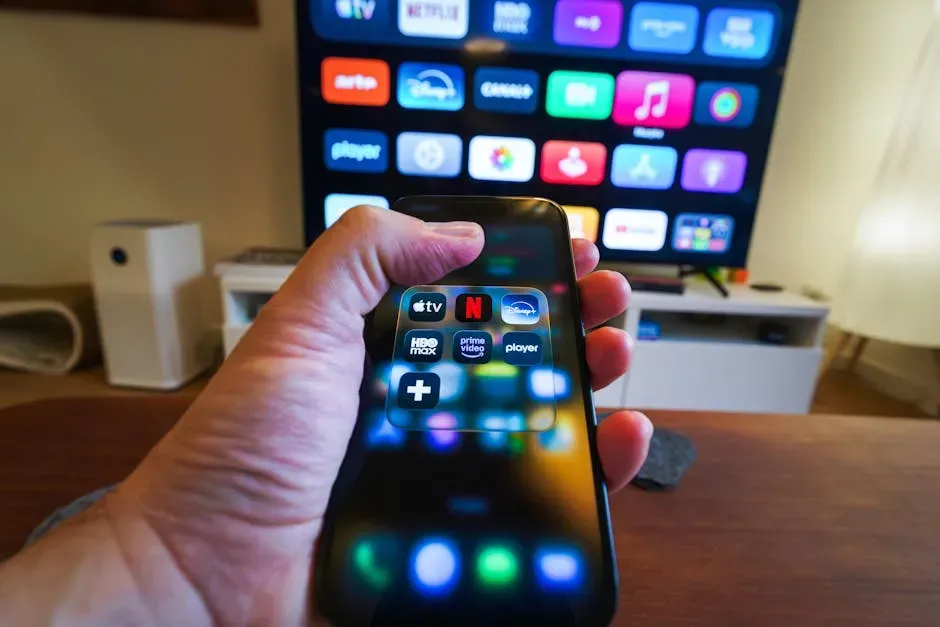
Here’s the thing about streaming: it started as a way to save money by ditching cable. Somewhere along the way, most households ended up subscribed to four or five services at once and watching maybe one or two of them regularly. According to a YouGov survey conducted for CNET, the average adult spends $1,080 per year on subscriptions, with roughly three in five paying for video streaming services.
U.S. consumers subscribe to an average of four video streaming services and spend a total of about $69 a month on these, according to Deloitte. That adds up to more than $800 a year just on streaming. Meanwhile, price hikes keep coming. Nearly half of subscribers now say they won’t put up with another price hike, and a few dollars more for Disney+, Hulu, or Apple TV+ might not seem like much, but across multiple services it piles up to a small rent payment.
The sneaky part is that most of us don’t actually audit what we’re watching. Apple TV+ subscribers were among the most likely to cancel, with roughly two in five saying they planned to drop it, while Starz came in close behind. Think about your own list. When did you last open half the apps you’re paying for?
2. Gym Memberships: The Classic “I’ll Go Next Week” Trap

Few subscriptions carry more guilt than an unused gym membership. You sign up in January, full of motivation. By March, it’s just a charge on your card. This is arguably one of the oldest and most well-documented money drains in personal finance. An estimated 67% of gym members rarely or never use their memberships, and approximately $1.3 billion is wasted annually on unused gym memberships in the U.S.
The average monthly gym membership fee was $69 in 2024, up from $65 in 2023, according to the Health & Fitness Association. That’s over $800 a year for a place you might visit twice in January and never again. Half of new gym members quit within their first six months. The fitness industry actually relies on this behavior, since gyms would be overwhelmed if every member showed up at once.
About 38% of ex-members cite high fees as a reason for cancellation, and 23% cite not using the club enough to justify it. The math is simple. If you’re not going, you’re paying for someone else’s treadmill time.
3. Free Trials That Quietly Became Paid Plans

This one gets almost everyone at some point. A free trial feels harmless, especially when it only requires entering a card number “just to verify.” The problem is that remembering to cancel before the deadline is a surprisingly unreliable human skill. Nearly two-thirds of respondents in the Self Financial survey admitted to forgetting to cancel a free trial before getting billed.
An exclusive 2024 CNET survey found U.S. adults spend $91 on subscriptions each month on average, and 48% have forgotten to cancel a free trial before it rolled into a paid plan. Companies know this. The business takes your silence as permission to charge you, and problems arise when the business doesn’t clearly explain that it will keep billing you unless you do something, or makes it difficult to cancel.
The FTC has been taking notice. The Federal Trade Commission logged 70 complaints per day in 2024 regarding what it calls predatory subscription practices, up 67% since 2021. That number alone should tell you just how widespread and frustrating the problem has become.
4. App Store and Software Subscriptions You’ve Completely Forgotten
Think about how many apps you’ve downloaded over the past two or three years. Now think about how many of them had a premium upgrade that you tried. Productivity and utility apps such as Evernote, Todoist, Grammarly, and password managers often have auto-renewing subscriptions that you might have signed up for to try a premium feature and then forgotten about, and these apps are only helpful if you use them regularly.
There are digital subscriptions for almost every hobby or interest, including language learning apps, recipe sites, and photography tools, and you might have signed up to try something new and then lost interest – and these subscriptions often auto-renew and can be easy to miss. It’s surprisingly easy to rack up five or six small software charges, each under $15 a month, that together cost you nearly as much as a car payment.
Subscriptions to newsletters, magazines, news aggregators, and premium content can also stack up. The really insidious part is that many of these are billed annually, so you only see the charge once a year, right when you’ve completely forgotten you ever signed up.
5. Subscription Boxes and Delivery Passes That Went Stale

Subscription boxes exploded in popularity during the early 2020s. Meal kits, beauty boxes, wine clubs, book clubs, pet treat deliveries. There was seemingly a box for every lifestyle. Subscription creep refers to the gradual accumulation of subscriptions over time that creep up on your finances without you fully noticing, often starting innocently with a few small monthly trials here and there, with these small charges being automated and easy to overlook.
On the food delivery side, more than half of people with subscriptions from services like Caviar, Grubhub, or Postmates admitted they hadn’t used them in the past month. A delivery pass that costs $10 to $15 a month sounds negligible, but if you’re not ordering regularly enough to break even, you’re effectively paying a convenience tax for nothing.
Having automatic renewals set up is the main obstacle cited by respondents for not canceling subscriptions, and a grocery delivery pass automatically renewing each month is a prime example of how people forget the need to cancel. I think this category might be the sneakiest of all, because the charges are small enough to fly under the radar month after month.
6. Cloud Storage and Premium Digital Services You’ve Long Outgrown
Cloud storage subscriptions are among the quietest drains because they feel vaguely necessary. You signed up for extra storage on iCloud, Google One, Dropbox, or OneDrive when you needed space, probably years ago. Then you got a new phone, cleaned out old photos, or switched platforms entirely. The subscription kept running. According to a 2024 study, over half of consumers now track their subscription spending, up 9% from 2023, suggesting people are becoming more intentional about these costs.
Subscription-based product marketing is a massive enterprise, comprising $2 trillion in annual revenue globally, and a report from Market.US estimates that subscription revenue in the United States was $232 billion last year, with projected growth at a compound annual rate of nearly 12%. Companies in this space have every financial incentive to make you forget your renewal date.
The majority of survey respondents said they have at least one paid subscription going unused. For cloud and software services specifically, that’s especially likely because the value isn’t visible day-to-day. It’s hard to feel the absence of something you stopped using six months ago.
The Real Cost of Doing Nothing

Add all of this up and the picture becomes genuinely alarming. The average American spends nearly $1,100 on subscription products each year, of which $200 goes toward services they rarely or never use. That’s not pocket change. Over five years, that’s a vacation or a solid chunk of an emergency fund, just evaporating on auto-pilot.
That wasted spending adds up to around $27 billion down the drain every year across the country, and for members of Gen Z, it’s even worse, with $276 per year washed away. Meanwhile, research from Deloitte in 2024 shows that the average American household has seen its spending on subscriptions increase by over 15% in the last two years alone, far outpacing wage growth.
The good news is that awareness itself is a powerful first step. Already, 40.8% of respondents had canceled a subscription in the past year, and 31.2% intended to, suggesting people are becoming more intentional with their subscription spending habits. Sometimes the most financially impactful thing you can do in an afternoon is simply open your bank statement, highlight every recurring charge, and ask yourself honestly: when did I last use this?
What would you have guessed you were spending on subscriptions each month? Drop your number in the comments, the real answer might surprise you.