What’s Really Driving the Spread of “Coyote Hybrids” Along the East Coast
If you’ve been hearing more howls in the night along the Eastern seaboard, you’re not imagining things. The canids roaming from Maine to Virginia aren’t your typical western coyotes. They’re bigger, bolder, and carrying a genetic secret that’s rewriting the rulebook on North American predators.
These animals, sometimes called coywolves or Eastern coyotes, represent one of the most dramatic wildlife success stories of the past century. Their spread has been swift, their adaptation remarkable, and the science behind it absolutely fascinating. Let’s dive into what’s really fueling this phenomenon.
The Wolf DNA Connection Makes Them Different
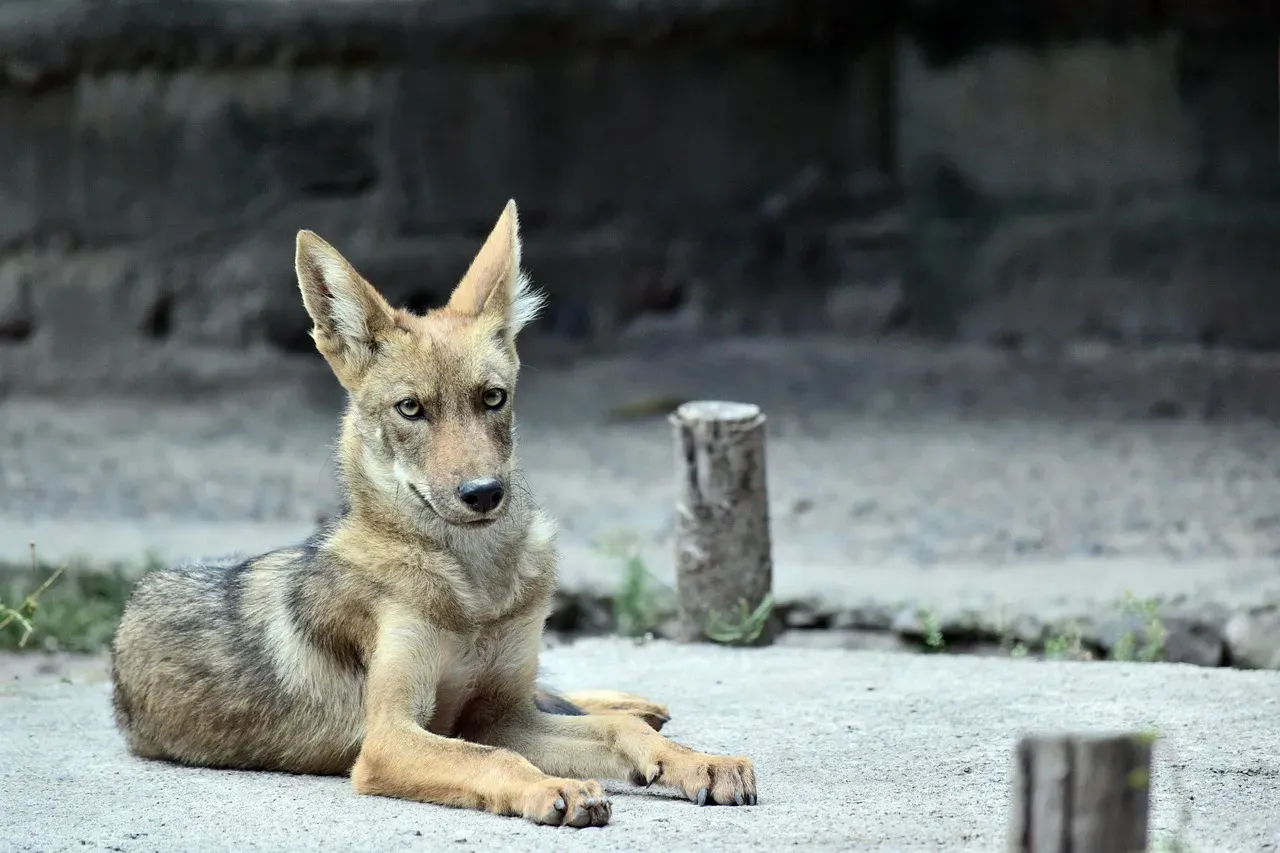
A 2014 DNA study of northeastern coyotes showed them on average to be a hybrid of western coyote (62%), western wolf (14%), eastern wolf (13%), and domestic dog (11%) in their nuclear genome. This genetic cocktail isn’t just a biological curiosity – it’s the reason these animals thrive where their western cousins would struggle. Adult eastern coyotes are larger than western coyotes, weighing an average of 20–25 kilograms (45–55 lb), with female eastern coyotes weighing 21% more than male western coyotes.
The size difference matters tremendously in the wild. Research on the previously known eastern hybrids has shown that a third of their diet is deer – a much higher proportion than in western states. Western coyotes rarely tackle prey that large on their own. The wolf genes changed the game entirely, giving these hybrids the physical tools to exploit a food source that’s abundant across the Eastern forests.
Wolf Extinction Created the Perfect Opening
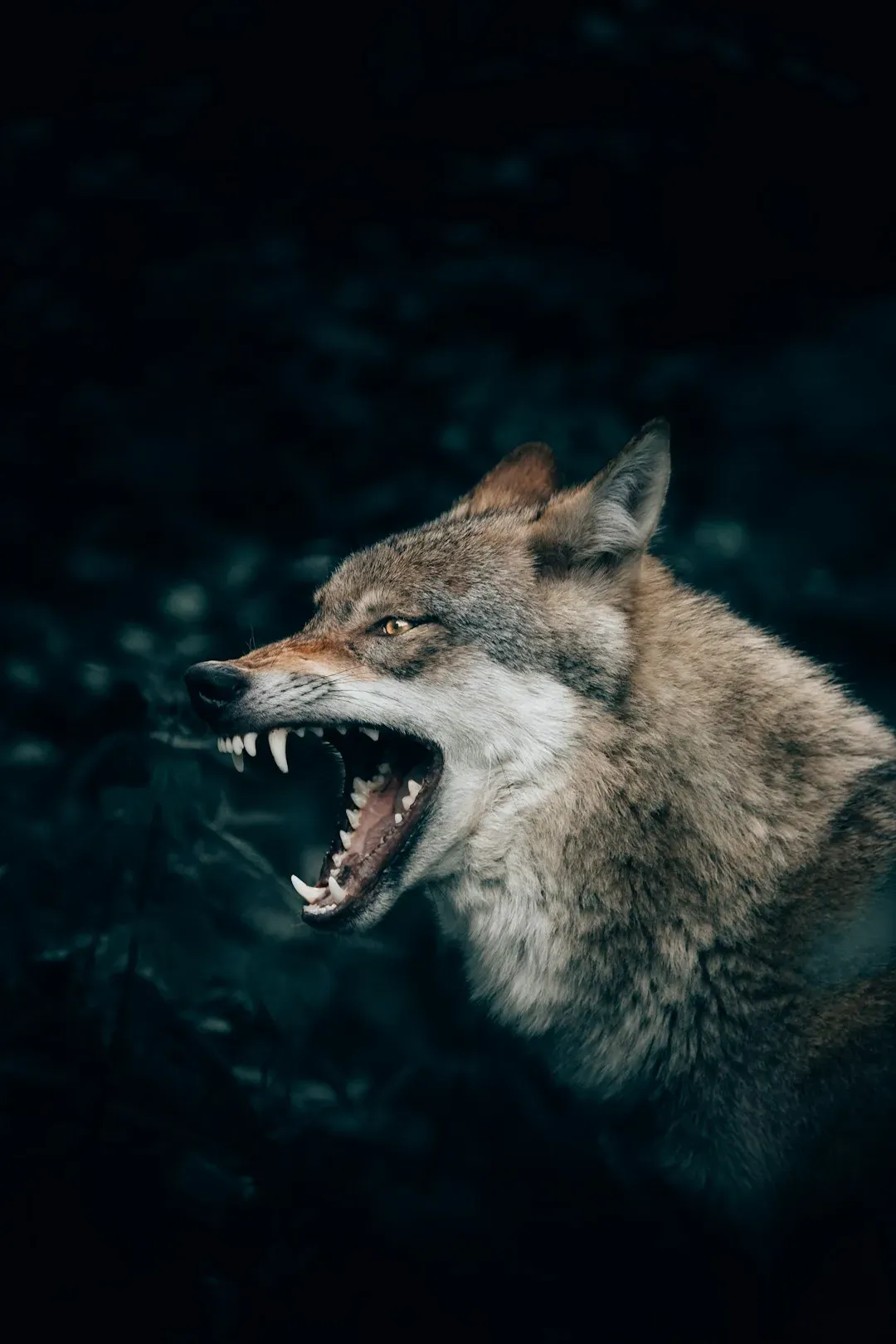
Around 1940, coyotes started showing up east of the Mississippi for the first time. This timing wasn’t coincidental. From the 1890s, dense forests were transformed into agricultural land and wolf control implemented on a large scale, leaving a niche for coyotes to disperse into. When wolves disappeared, they left behind an ecological vacuum that needed filling.
Here’s where it gets interesting. As coyotes moved eastward, the dwindling eastern wolf population began to see western coyotes as potential mates. As wolves and coyotes began to mate, a coyote-wolf hybrid began to inhabit the eastern United States. Desperate times called for desperate measures, and remnant wolf populations, stripped of their traditional mates, turned to the new arrivals.
Evidence for hybridization with Great Lakes wolves only along the northern front is correlated with larger skull size, increased sexual dimorphism and a five times faster colonization rate than the southern front. Northeastern haplotype diversity is low, suggesting that this population was founded by very few females moving across the Saint Lawrence River. Those few founder animals carried genes that would transform an entire species’ trajectory.
Hybrid Vigor Accelerated Their Expansion
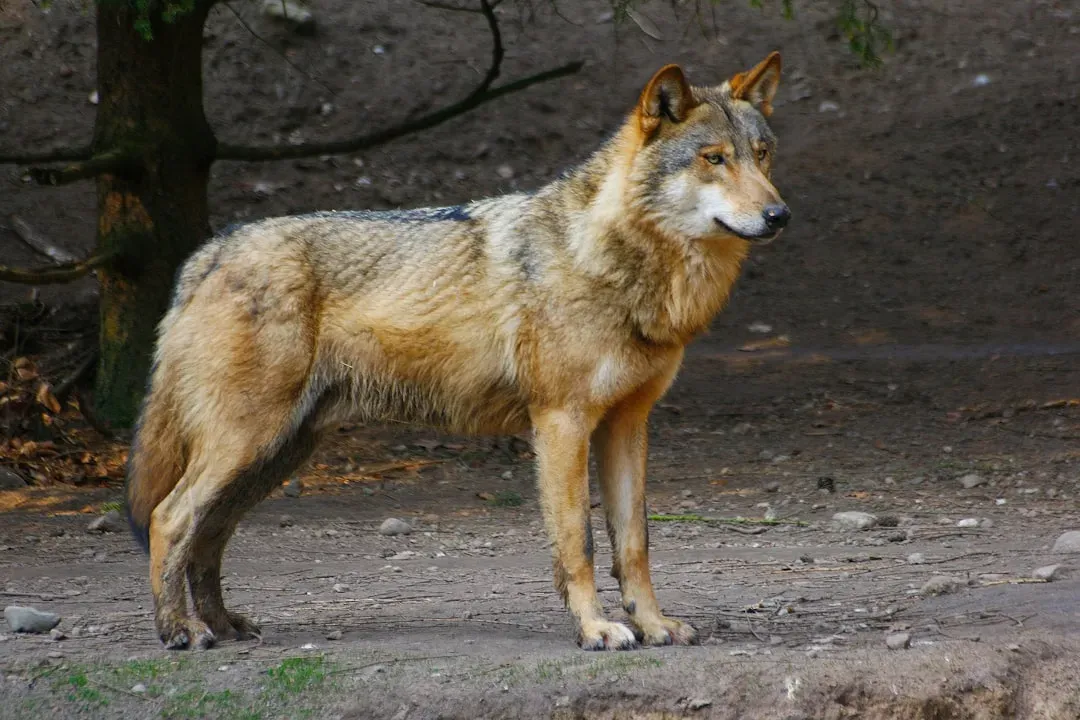
The hybridization wasn’t just a genetic accident – it was an evolutionary advantage. Scientists have compared eastern wolves, coyotes, and their hybrids in terms of temperature requirements, habitat needs, and tolerance of human disturbance. They found that hybrids use conditions intermediate to wolves and coyotes, and this may make them well suited for living in human-disturbed areas.
Hybridization with wolves in Canada introduced adaptive variation that contributed to larger size, which in turn allowed eastern coyotes to better hunt deer, allowing a more rapid colonization of new areas than coyotes without introgressed wolf genes. Think about it: these hybrids inherited the coyote’s adaptability and cunning alongside the wolf’s size and hunting prowess. That’s a winning combination in fragmented Eastern landscapes where both forest patches and open areas exist side by side.
Hybridization was found to be the preeminent factor driving variation in coyote space use, with non-introgressed populations having considerably smaller home ranges than those from within the Canis hybrid zone of eastern North America. The hybrids didn’t just survive – they claimed more territory and used it more effectively than pure coyotes ever could.
Urban Adaptation Gives Them an Edge
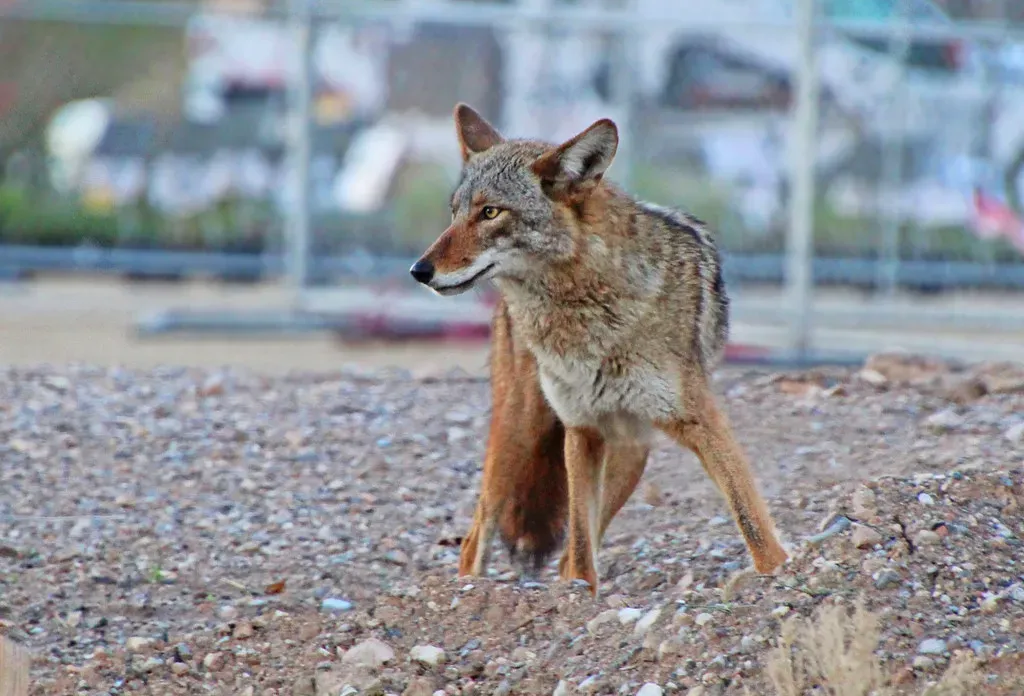
At least 20 now live in New York City, and others have been spotted in Washington D.C., Boston and Philadelphia. The ability to thrive in cities sets these animals apart from nearly every other large predator. The addition of domestic dog genes may have played a minor role in facilitating the eastern hybrids’ adaptability to survive in human-developed areas. That small percentage of dog DNA might be giving them just enough tolerance for human noise and activity to make urban life workable.
“What’s striking is almost all eastern states show exponential growth,” says Roland Kays, a zoologist at the North Carolina Museum of Natural Sciences and North Carolina State University in Raleigh, who studies how coyotes evolved and spread across the continent. “There’s no leveling off in most places”. These populations aren’t just surviving in the East – they’re exploding.
The Numbers Tell a Remarkable Story
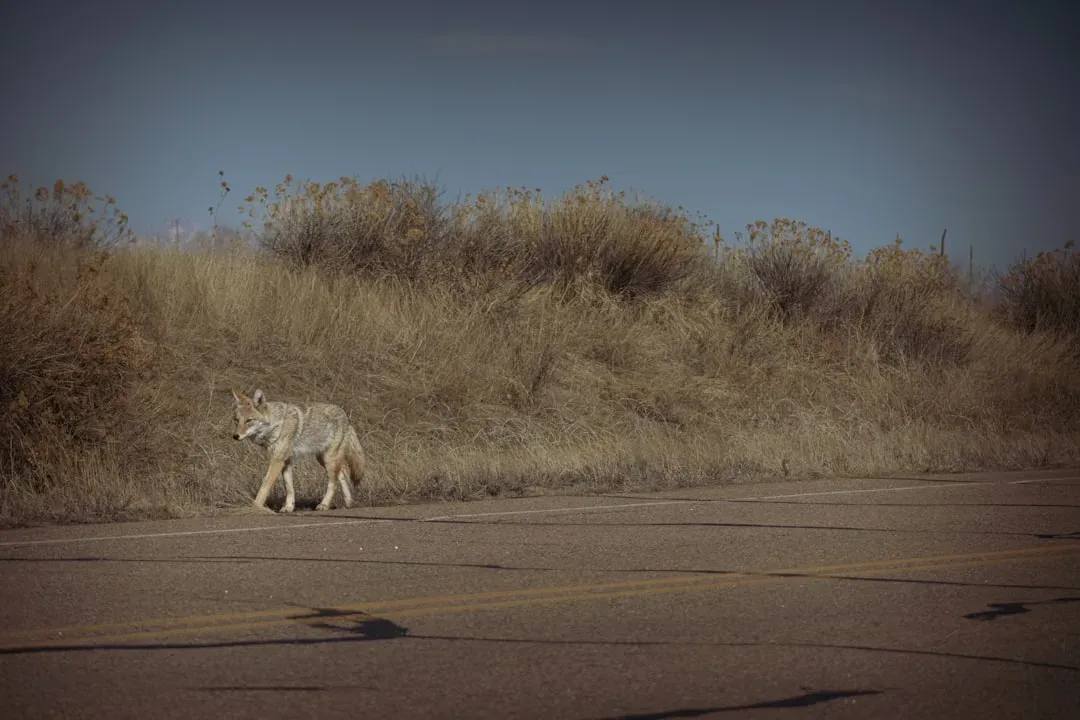
That blend helps make the hybrid so successful that it now numbers in the millions, Roland Kays of North Carolina State University tells The Economist. We’re not talking about a small, isolated population clinging to survival. This is a continental-scale phenomenon reshaping predator-prey dynamics across the entire Eastern United States.
Researchers from the University of New Hampshire used data from over 4,500 camera traps to study coyotes across multiple different habitats and found that human hunting did not reduce populations but instead led to an increase in coyote numbers, perhaps due to reproduction and immigration rates. Even intensive management efforts haven’t slowed them down. In fact, those efforts might be backfiring by creating openings for younger, more reproductive animals to move in.
The genetic persistence is equally striking. Murphy’s team studied scat samples and found 55 percent had at least 10 percent red wolf ancestry. Several had more than 40 percent ancestry. One had as much as 100 percent red wolf ancestry, according to one analysis method. Even in places like Galveston Island, Texas, where you’d expect pure coyote genetics to dominate, wolf genes are hanging on with surprising tenacity.