The Silent Devaluation: Why 9 Household Antiques Are Losing Value Fast Along the East Coast
Imagine spending decades carefully preserving your grandmother’s mahogany dining set or that ornate china cabinet you inherited, only to discover it’s now worth a fraction of what it once was. It’s happening right now across East Coast homes, from Connecticut to Georgia, where entire categories of once-prized antiques are quietly dropping in value. The market isn’t just cooling. It’s collapsing for certain pieces that families assumed would be financial cushions.
The antiques world has undergone a dramatic transformation that few saw coming. What seemed like timeless investments have turned into difficult-to-sell relics as younger generations reject formal dining, embrace minimalism, and downsize their living spaces. By some estimates, antique furniture has decreased by 45 percent in total value over the past 15 years.
Mahogany and Dark Wood Dining Sets
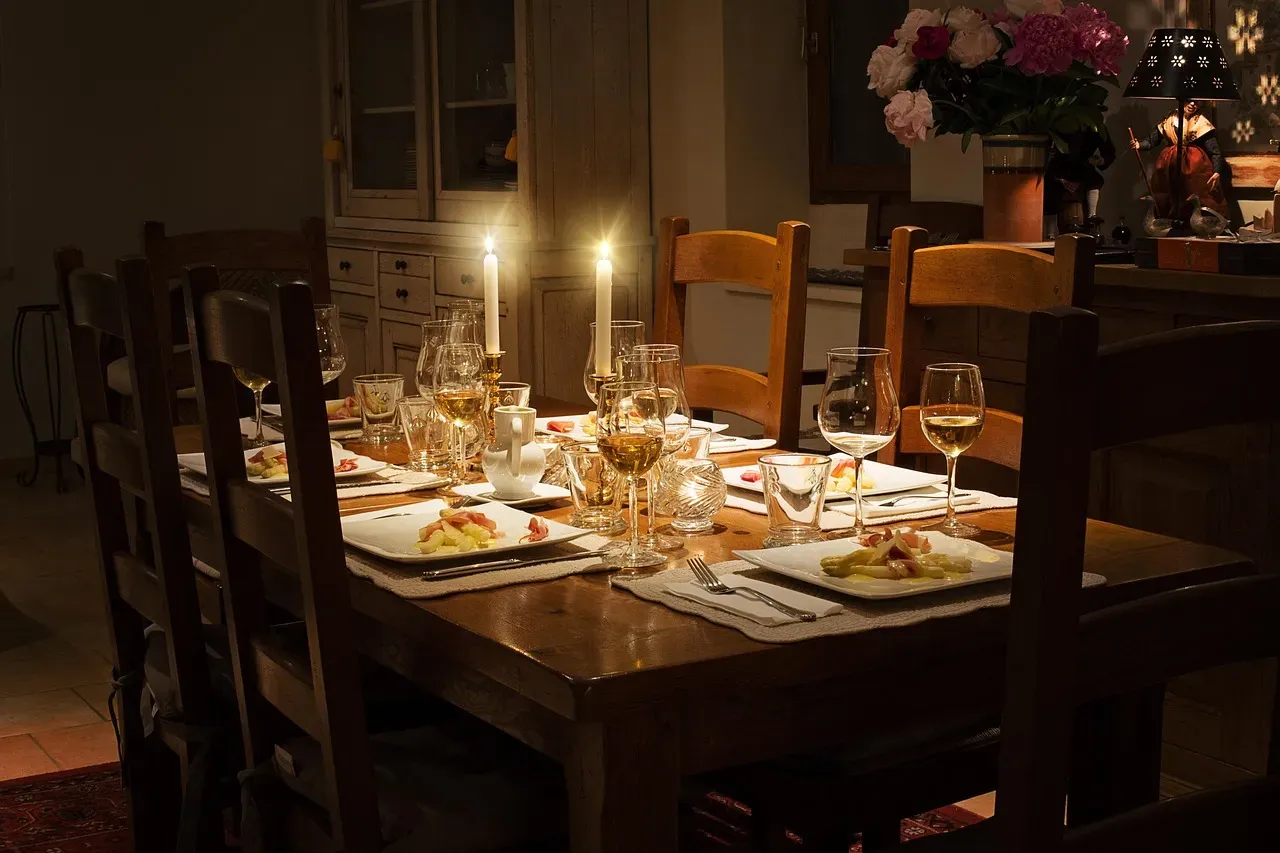
Walk into any estate sale along the Eastern seaboard and you’ll spot them immediately. Massive mahogany dining tables with matching chairs, once the centerpiece of family gatherings, now languish with price tags slashed by thousands of dollars. These days, meals happen on the couch, in front of the TV, or on-the-go, leaving formal dining sets gathering dust, and mahogany dining tables, chairs, and sideboards that were once coveted pieces are now hard to sell or even give away.
Dark brown furniture gives the younger generation the willies just to look at it, says Julie Hall, aka “the Estate Lady,” a North Carolina professional who has helped thousands of clients dissolve or downsize family estates. These formal pieces represented tradition and status for generations. Today they’re viewed as impractical relics that don’t fit modern open-concept floor plans or casual lifestyles. The result is devastating for sellers.
A mahogany desk that sold for roughly $56,000 in 2004 fetched only $12,000 in 2018, with its market value falling almost 80 percent. Dealers report similar drops across the board for dark wood furniture from the Georgian, Federal, and Victorian eras.
Fine China Dinnerware Sets
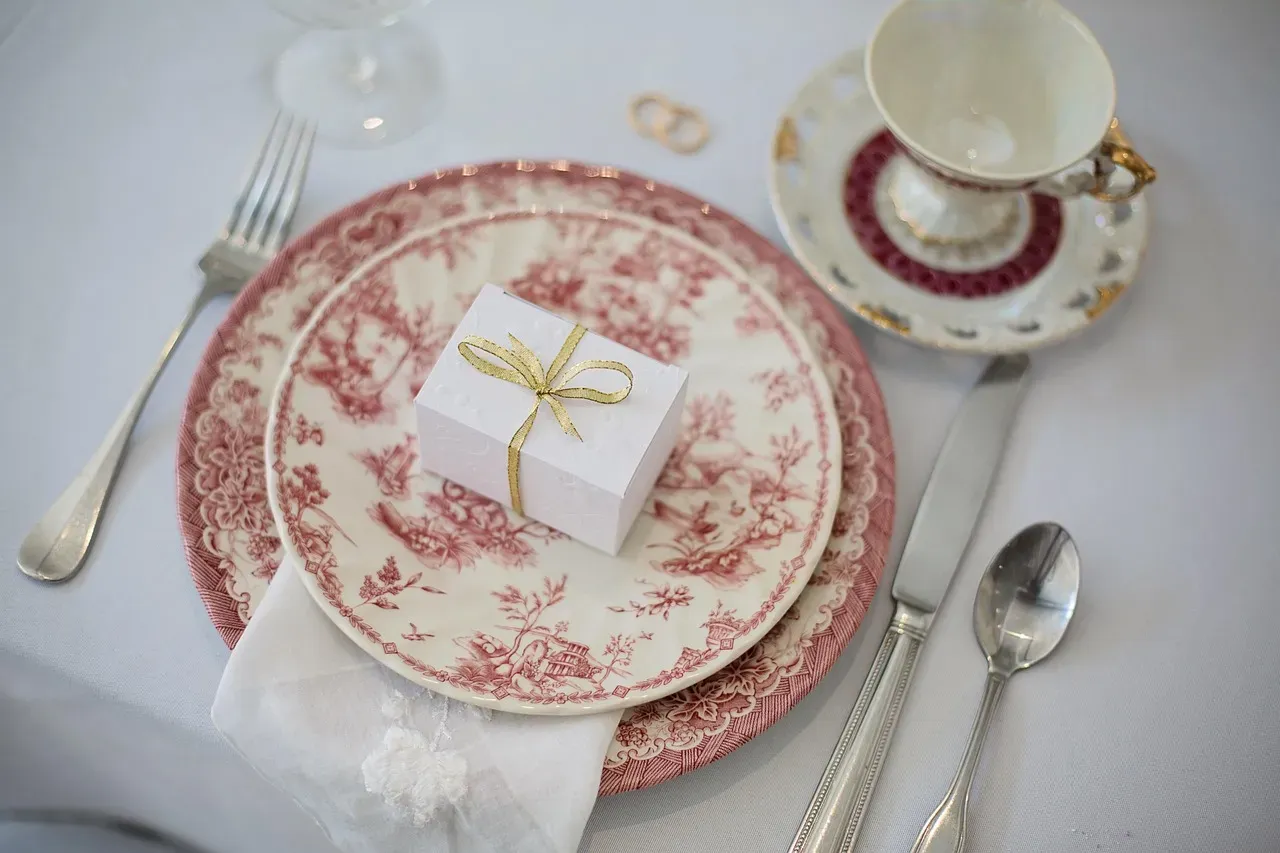
Those carefully preserved sets of fine china sitting in cabinets throughout New England and the Mid-Atlantic states are facing a harsh reality check. The value of some China pieces is quickly dwindling, with many Royal Copenhagen, Royal Worcester, Lenox, and Wedgwood China sets retailing at half the price of new China. Even prestigious brands aren’t immune to the market correction.
Let’s be real here. Nobody under 40 wants to hand wash delicate plates after Thanksgiving dinner. The shift toward casual dining and dishwasher-safe stoneware has gutted demand for formal china patterns. Someone with a Wedgwood five-piece place setting may get around $40-$60 per setting, while Lenox brings in around $25-$35 and Mikasa around $20.
China, china cabinets, crystal goblets, silver tea sets, pianos, bureaus, sideboards, and collectible figurines, such as Hummels, are among the items also not wanted. Entertainment habits have changed dramatically, leaving these once-essential items without buyers.
Sterling Silver Flatware Collections
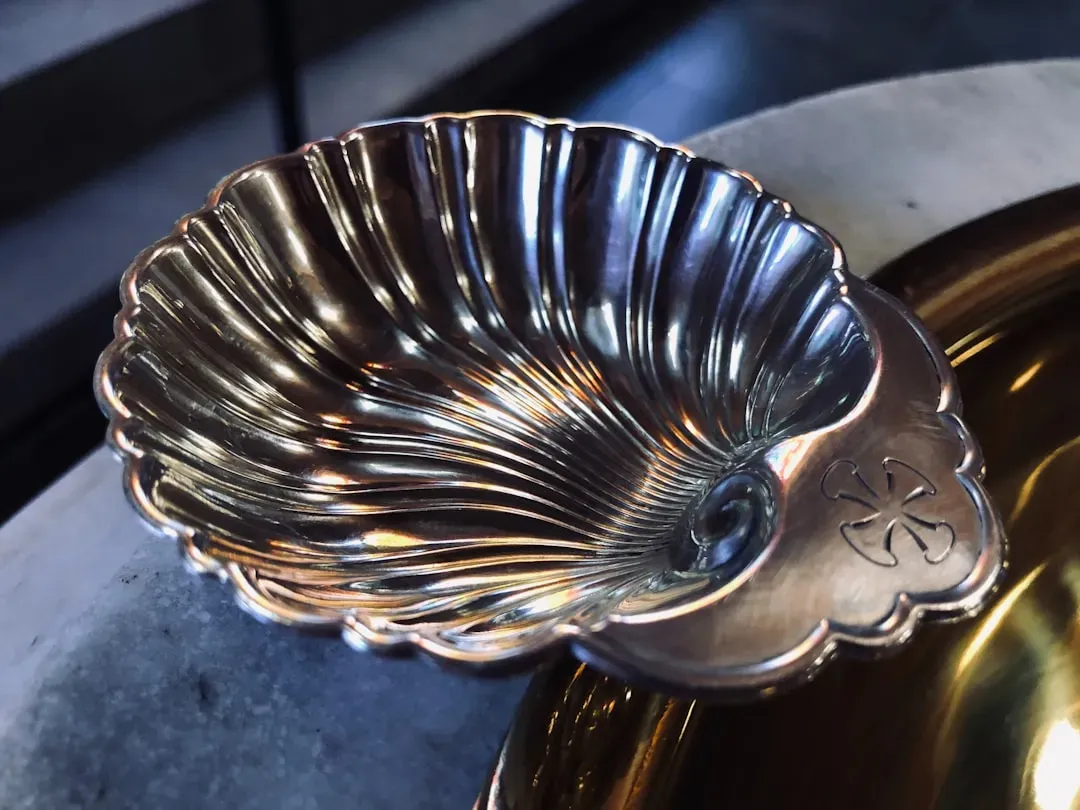
Here’s where things get interesting. While sterling silver flatware still holds melt value based on silver content, the market for ornate patterns and complete sets has softened considerably. Fancy silverware and dining sets haven’t escaped this fate, as unless you’re talking about sterling silver, you shouldn’t expect much interest, and even those ornate, fancy dining sets are being passed over more often than not.
Sterling silver maintains inherent worth because it can be refined and sold for its metal content. With silver at $25 per ounce, a single fork could be worth somewhere between $23 and $46, though with refining costs, a trustworthy dealer might pay around $12-$30 for the same fork. That sounds decent until you realize previous generations expected much higher collectible premiums.
The issue isn’t the metal itself. It’s that silverplate items, which contain minimal silver, have become virtually worthless. There is an oversupply of silverware because pretty much every family owned a set in the 1950s, and the demand for this item is very low since silver-plated flatware is very high maintenance, so most people prefer stainless steel nowadays.
American Empire Furniture
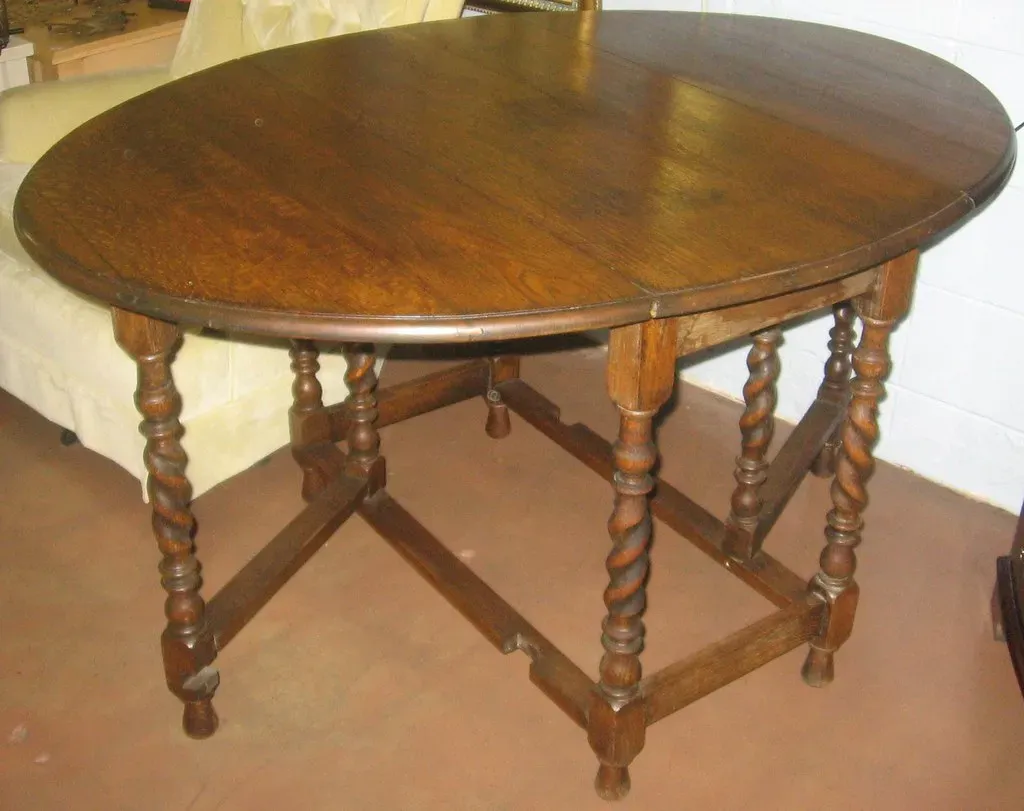
Solid, heavy, and impressively dark, American Empire furniture from the early 19th century once commanded respect and serious money. Not anymore. American Empire furniture continues to lose value even as its emblematic characteristics of solid heft and deep color make a comeback in contemporary furniture, likely because it fell out of fashion with Baby Boomers who saw it as representing a heavy tradition-burdened style belonging to their parents, with Mid-century and other more modern manufactured furniture styles becoming the light, new alternative antidote.
Solid wood tables from the American Empire era could fetch around $5,000 two decades ago and now, even with inflation, are worth less. The craftsmanship remains exceptional. The mahogany is still genuine. None of that matters when buyers simply don’t want the aesthetic anymore.
Large China Cabinets and Armoires
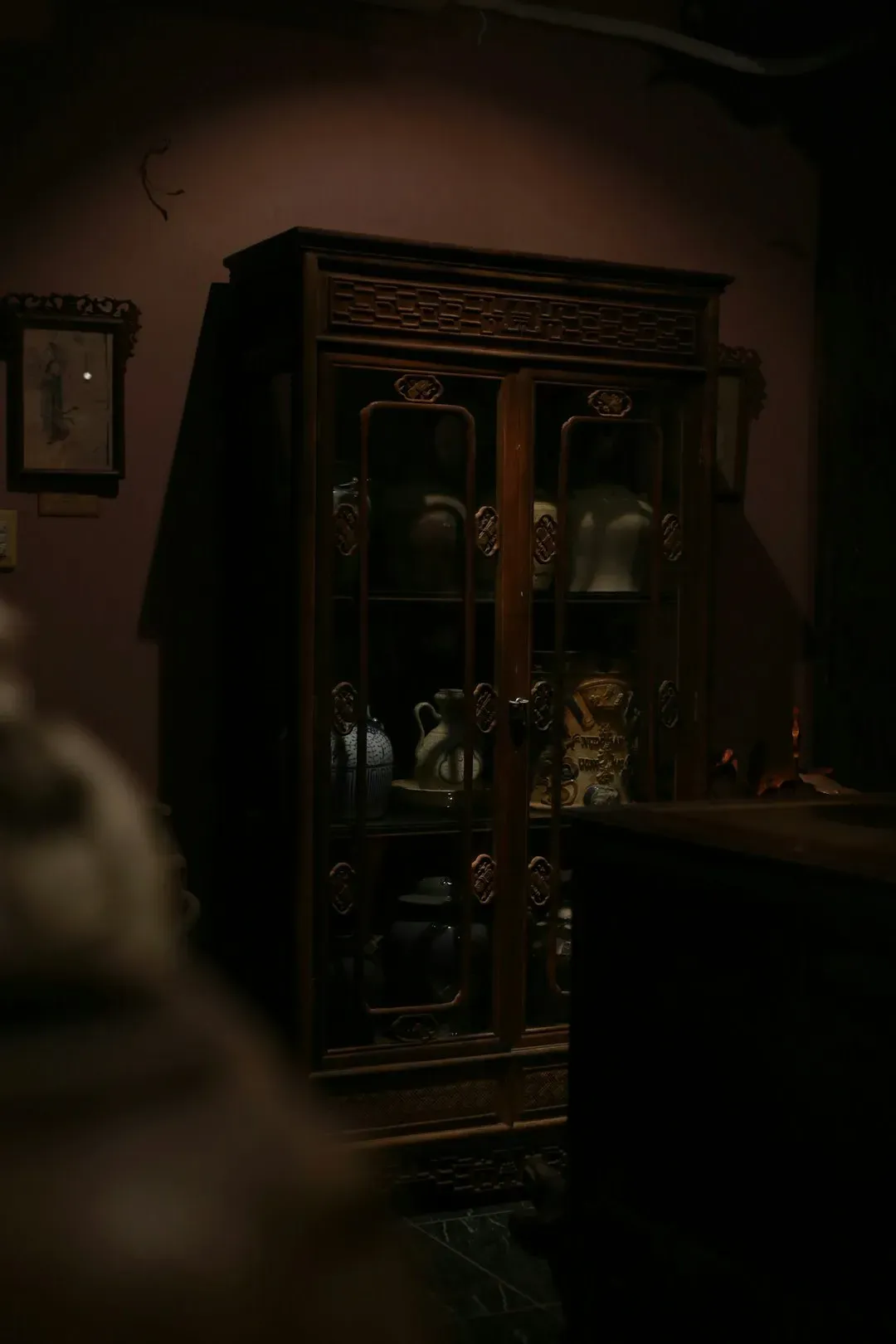
Those towering pieces that once showcased family treasures are now nearly impossible to unload. Baby boomers are downsizing their homes and flooding the market with antiques and other furniture, while many more people are buying open concept homes which don’t require as much furniture, and large antique cabinets, bookcases and china cabinets seem too large for today’s look. The size that made them impressive now makes them impractical.
Modern homes simply don’t accommodate these massive storage pieces. Closets are built-in. Entertainment centers are flat-screen TVs mounted on walls. Books are digital. A dealer would stock an antique armoire 30 years ago, but no one needs one of those things today since there’s a walk-in closet in every bedroom.
Even beautifully crafted examples with intricate veneers and original hardware struggle to find buyers. Estate sale coordinators report having to practically give away pieces that would have sold for thousands just 15 years ago.
Formal Sideboards and Buffets
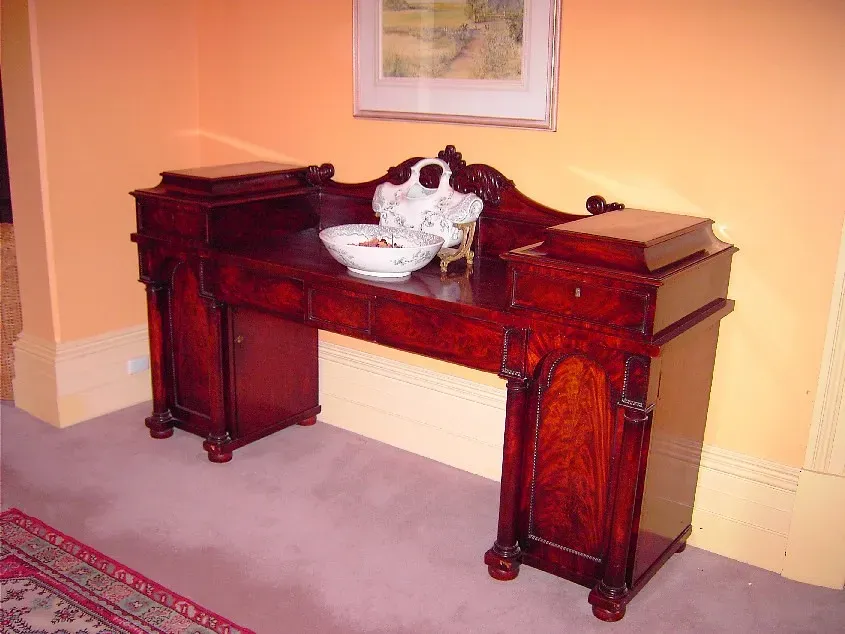
These serve-ware storage pieces share the same fate as dining sets. Traditional home and office furnishings such as desks, bookcases, and dining room furniture used to be solid and steady winners, but these days small and quirky objects are in vogue. The shift in collecting preferences has been swift and merciless for large case goods.
Part of the problem is purely practical. Moving a 200-pound sideboard up narrow staircases in old East Coast townhouses isn’t appealing to millennial and Gen Z buyers who value convenience. They’d rather order modular furniture online that ships flat-packed. Can you blame them when most are still paying off student loans?
Brown furniture is currently not in stylistic favor, particularly in the eastern mid-Atlantic North America northward and especially with the younger generations, as brown is flooding the marketplace. Supply has overwhelmed demand, creating a buyer’s market where prices keep dropping.
Porcelain Trinket Boxes and Collectible Figurines
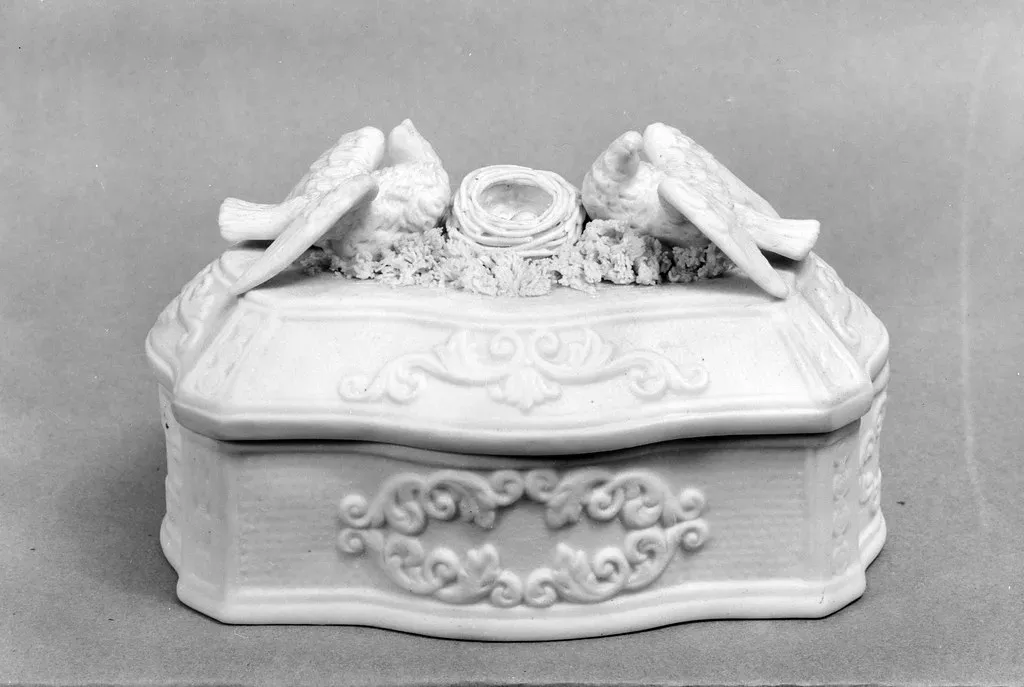
Porcelain trinket boxes and dinnerware sets aren’t fetching as much as they once did, as entertainment needs have changed and some people are living in smaller spaces, so many don’t have interest in large tureens or traditionally decorated complex serving sets. These decorative items once symbolized refined taste. Now they’re viewed as dust collectors.
Dolls, figurines, and Hummels are “dead categories,” according to appraiser and collector Gary Sohmers, with some of the decline attributed to the laws of supply and demand, as pre-internet, no one knew how many of these items were made, since “limited” just meant limited to how many a manufacturer could make within a time period, and there is zero demand for most of these items now.
The internet revealed what collectors already suspected but couldn’t prove. Those “limited edition” pieces? Manufacturers produced them by the tens of thousands. Once that reality became searchable online, the collectibles bubble burst spectacularly across categories.
Antique Mantel Clocks
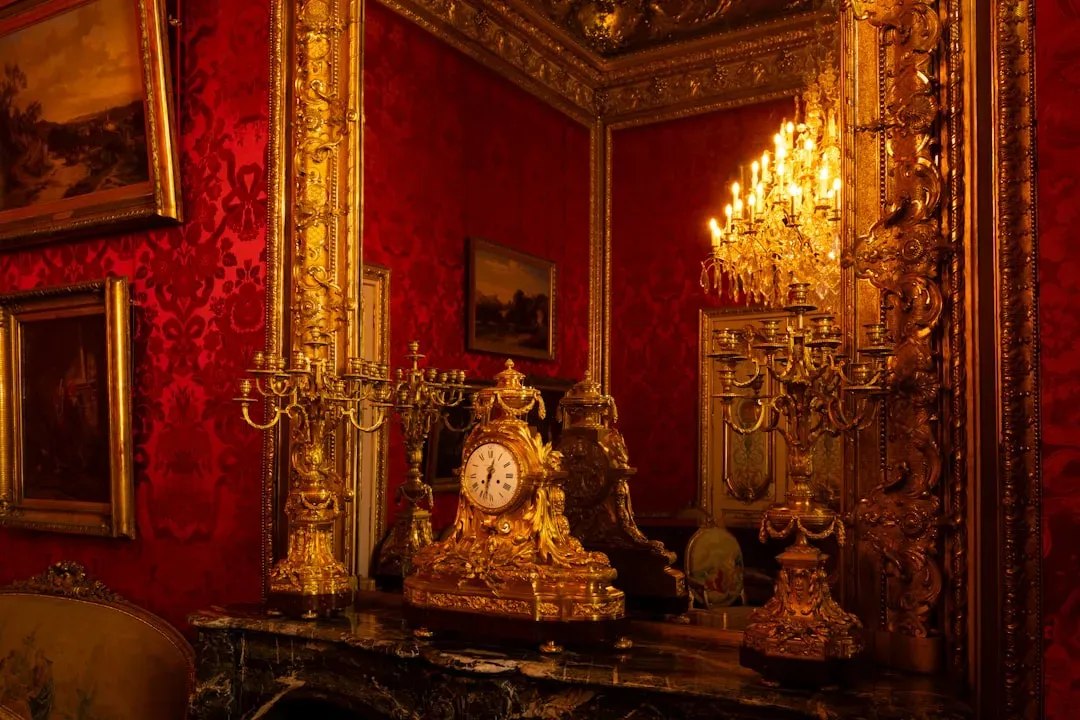
Technology hasn’t just changed how we tell time. It’s devastated the market for antique timepieces. With the rise of smartphones and other forms of technology that make it easy to stay up to the minute, the demand for antique and vintage mantel clocks has dramatically fallen, with intricately-made antique and vintage timepieces from makers like William Gilbert, Junghans, and Sessions that once could demand upwards of $1,000 as they were still en vogue in homes now selling for less than a hundred dollars.
These aren’t cheap quartz clocks. We’re talking about mechanical masterpieces with brass movements, intricate chiming mechanisms, and beautiful cases. The craftsmanship is undeniable. Market demand, however, has evaporated. Estate liquidators report stacks of once-valuable clocks sitting unsold at auction after auction along the Eastern seaboard.
Ornate Victorian Serving Pieces
Hand painted Limoges porcelain is considered to be of good value because of the high level of draftsmanship and craft, though prices continue to drop, and a 10-piece set from around 1960 listed for $515 recently would have retailed for more than double a decade ago. Even quality craftsmanship can’t overcome shifting tastes and oversupply.
Victorian-era serving pieces face multiple headwinds. They’re ornate when minimalism dominates. They’re formal when casual rules. They’re plentiful when scarcity drives value. Dealers love the stuff, but the market has caved in due to wide-ranging factors including Americans losing their sense of history, people downsizing their overstuffed baby-boomer households, and house interiors changing with dining rooms and shelves for books going, going, gone.
The antiques market correction has been brutal for East Coast families counting on inherited items as nest eggs. Generational wealth in the form of fine furniture and decorative arts has largely evaporated. Still, this creates opportunities for those who genuinely appreciate craftsmanship and history. Prices may never return to peak levels, yet the quality remains undeniable for buyers willing to look past current trends. What do you think about these market shifts? Will brown furniture ever make a comeback?