7 Warning Signs Your Personal Data Is Already for Sale on the Dark Web
Think your data is safe? The truth is, millions of people right now are going about their lives with no clue that their personal information is circulating on hidden corners of the internet, ready to be sold to the highest bidder. It’s happening at an alarming scale, and the scariest part is this: you won’t know until the damage is already done.
The US was on track for a record year in 2025, having already recorded 1,732 incidents in the first half of the year, leading to over 165.7 million breach notifications. Meanwhile, in 2024, data breaches reached unprecedented levels, with over 5.5 billion accounts compromised – nearly eight times the number recorded in 2023. These aren’t just abstract statistics. They’re real people whose login details, credit cards, and Social Security numbers ended up packaged and traded like merchandise.
So how do you tell if your data’s already out there? Let’s be real. Most people won’t get a polite warning letter from a hacker. Instead, the signs creep in slowly, quietly disrupting your financial stability and peace of mind.
Mysterious Credit Card Charges You Never Made
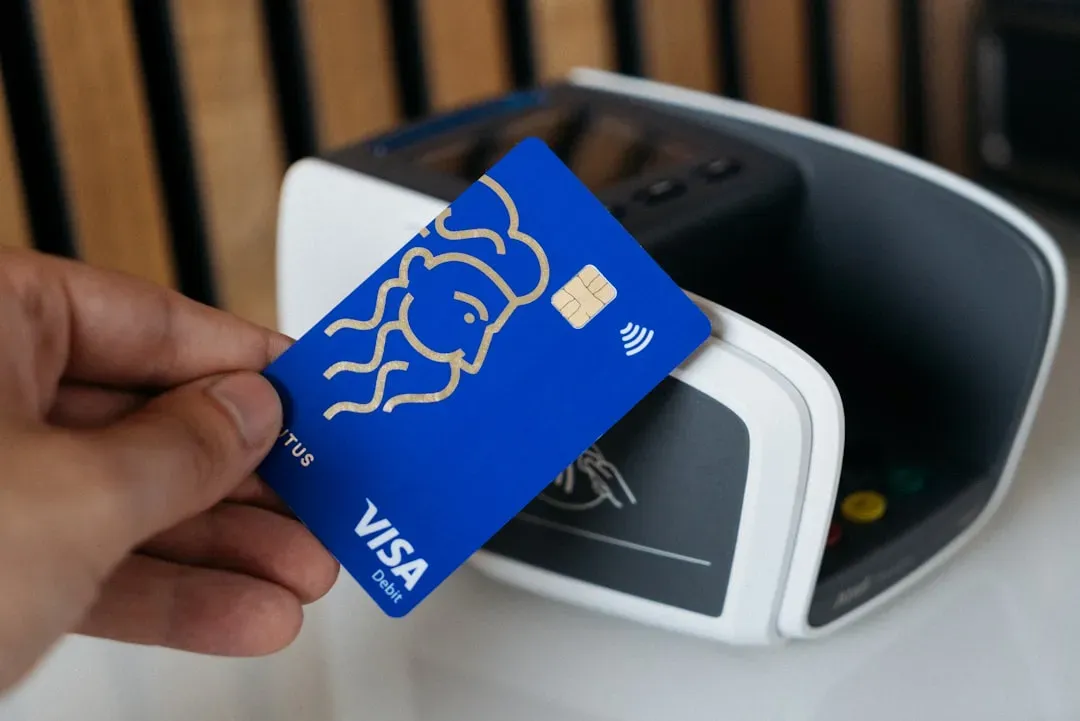
Credit card fraud is currently the most reported form of identity theft, with more than 440,000 cases noted last year. Unauthorized or suspicious charges are often the first indication you’ve been a victim of credit card fraud, and you should review your monthly statements carefully to make sure there are no charges for things you didn’t buy – or withdrawals you didn’t authorize. Sometimes these charges are small, under a dollar even, as criminals test whether your card is active before making larger purchases.
Cybercriminals could purchase the details of a credit card with a $5,000 balance for just $110 as of April 2023. It’s disturbing how cheap your financial security is on the dark web. Fraudsters purchase card details in bulk, then either use them directly or resell them to others. Small-dollar authorizations or transactions are used to ‘test’ an account prior to larger transaction activity. If you notice even tiny, unfamiliar transactions, don’t ignore them.
Fake Social Media Accounts Using Your Name and Photos
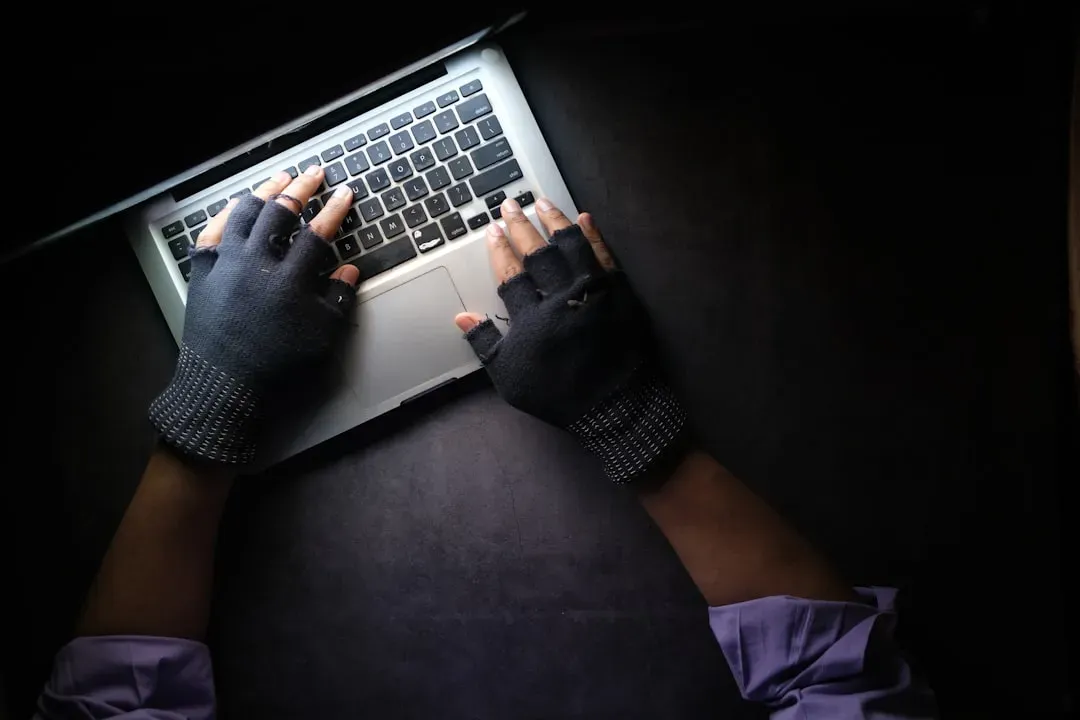
A full 30 per cent of identity fraud attacks targeted social media in Q4 2024, compared to a mere three per cent in Q1. Social media impersonation has exploded recently, and the damage isn’t always immediately obvious. Social media impersonation is a form of digital identity theft where a cybercriminal or scammer creates a profile using personally identifiable information stolen from a certain individual.
Criminals scrape your photos, your name, your location, and pieces of your life from public profiles. Then they build fake accounts designed to trick your friends and family. Criminals use fake social media profiles to get people to send them money, sign up for bogus investment schemes, or reveal sensitive personal information. Sometimes they’ll send urgent messages to your contacts asking for cash. Other times, they pose as you to spread malware or phishing links.
Honestly, the emotional toll of seeing yourself impersonated online is unsettling. People trust what looks familiar. Scammers exploit that trust ruthlessly.
Sudden Flood of Spam Emails and Robocalls
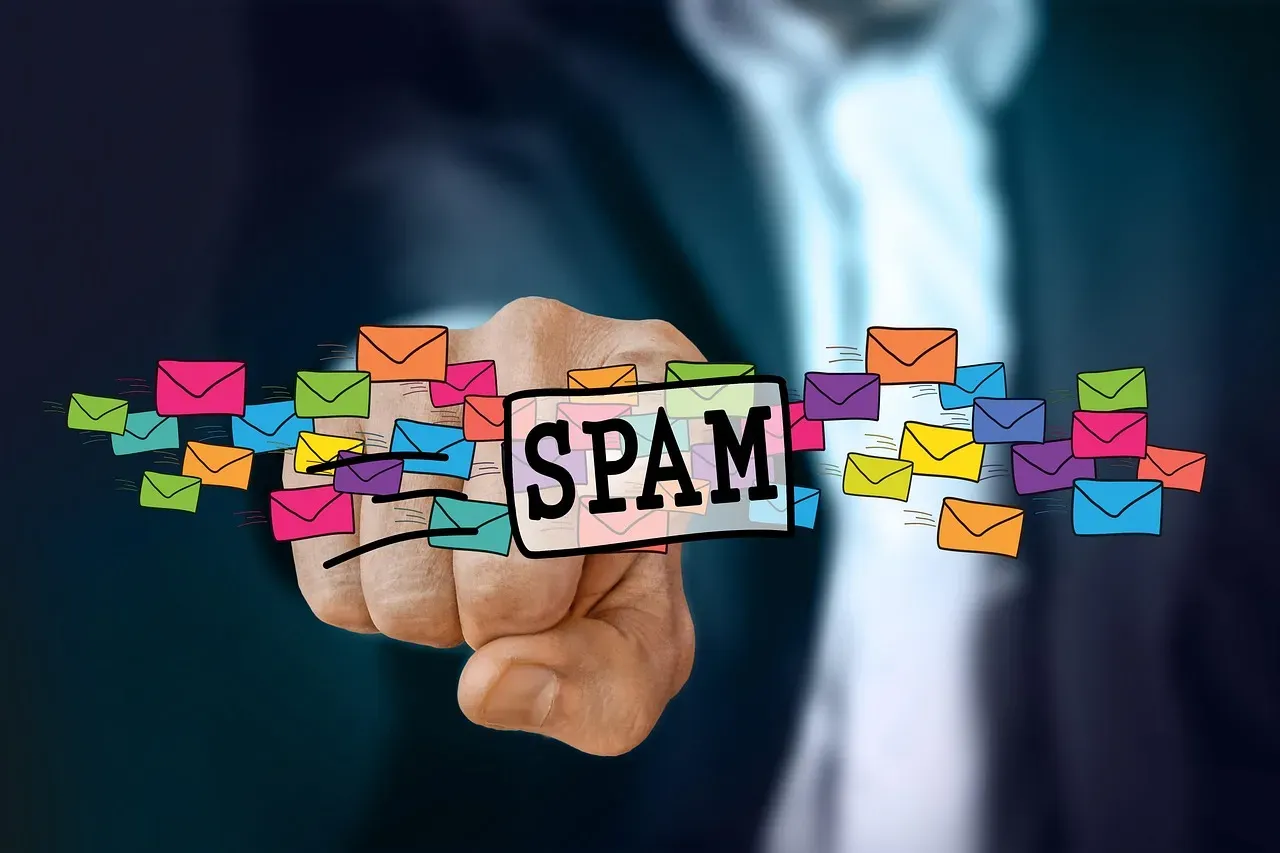
One day your inbox is manageable. The next, you’re drowning in spam. That shift often signals your email address got leaked and spread across dark web marketplaces. The most common combination of exposed data is e-mail address and password, present in 89.6% of cases, often accompanied by a username in 87.5% of situations.
Stolen account credentials available on the dark web surged by 82% in 2022, reaching an estimated 15 billion credentials. When your email lands in these massive databases, scammers buy it for pennies. They use it for phishing campaigns, fake promotions, and endless robocalls trying to extract more information or money from you. The sudden increase in spam isn’t random. It’s the direct result of your data being actively traded and exploited.
Password Reset Emails You Never Requested
Unrequested password reset messages are often an early warning sign that someone may be trying to access your account. If you suddenly receive multiple password reset notifications from services you actually use, but you didn’t ask for them, someone likely has partial access to your information and is testing where it works.
Hackers often test stolen credentials from data breaches to see where they still work, and if they find an account tied to your email, triggering a password reset is one way they try to gain control. In early 2026, thousands of Instagram users experienced this exact scenario when attackers exploited a flaw to trigger mass password reset requests. Instagram stated there was no breach of their systems, but the issue ‘let an external party request password reset emails for some people.’
These emails mean your login credentials are circulating somewhere, and criminals are actively trying to break into your accounts.
Unexpected Denials for Credit or Loans
Imagine applying for a car loan or mortgage only to be rejected for reasons that make no sense. You check your credit report and see accounts you never opened, addresses you never lived at, or inquiries you never authorized. If you receive credit cards or bills for accounts you didn’t open, or notice a new account on your credit report, it could be a sign of identity theft.
Stolen or compromised credentials are the second most common initial attack vector, accounting for 16% of data breaches, according to IBM’s Cost of a Data Breach 2024 report. When your personal information ends up on the dark web, criminals can use it to open fraudulent credit accounts in your name. They rack up debt, destroy your credit score, and disappear while you’re left dealing with collection agencies.
This kind of damage takes years to repair. Monitoring your credit regularly is critical because by the time you notice something’s wrong, the fraud may have already spiraled.
Medical Bills for Treatments You Never Received
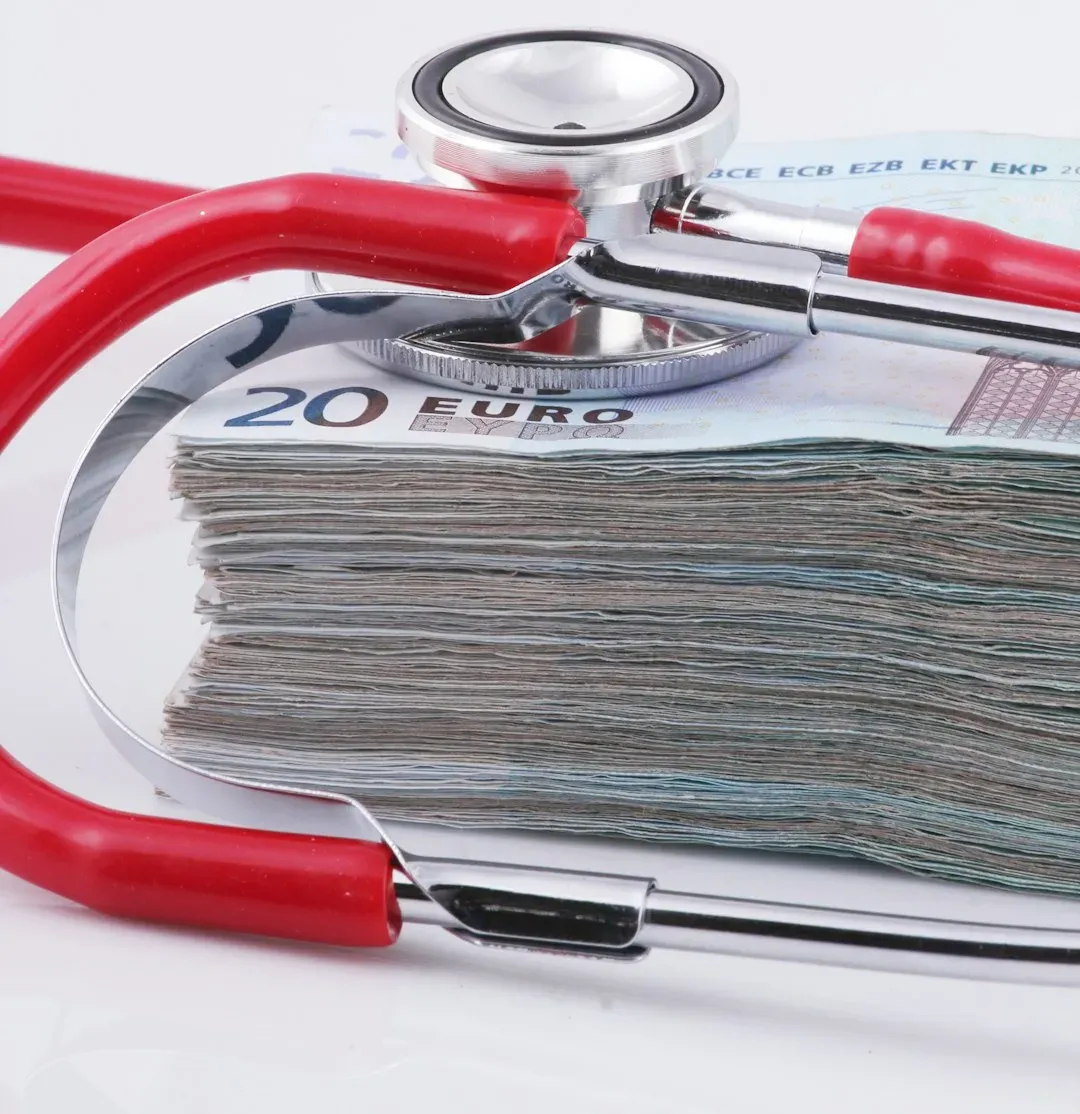
Medical identity theft is one of the most dangerous and least talked about consequences of dark web data sales. During a McLaren Health Care data breach, a wide range of sensitive personal and medical information was exposed, including names, Social Security numbers, health insurance information, and medical records. When healthcare data leaks, criminals can use your insurance information to obtain prescriptions, schedule surgeries, or receive expensive treatments, all billed to you.
You might receive an explanation of benefits from your insurance company for medical services you never got. Worse, fraudulent medical records could be mixed into your actual medical history, potentially affecting future diagnoses or treatments. The global average cost of a data breach reached an all-time high of $4.45 million in 2023. Healthcare breaches are particularly costly, both financially and personally.
Your Accounts Getting Locked Due to Suspicious Activity
If you notice unexpected password change notifications, unauthorized bank account statements, or logins from unusual locations, it could be a sign of a data compromise, and you should be vigilant and take immediate action to secure your data. Sometimes financial institutions or online services lock your account after detecting suspicious login attempts from unfamiliar locations or devices you don’t own.
Organizations with compromised credentials found on the dark web face a 2.56x higher risk of experiencing a cyberattack. When attackers get hold of stolen credentials, they launch automated attacks trying different password combinations across multiple platforms. Your bank or email provider might notice login attempts from countries you’ve never visited or at times you’re normally asleep.
Getting locked out of your own accounts repeatedly is frustrating, yet it’s actually your security systems working. It means someone out there has enough of your information to make credible attempts at accessing your accounts. The bad news is, they’re already trying.
Think about how much of your life lives online. Banking, shopping, health records, social connections. All of it vulnerable if the wrong data lands in the wrong hands. The dark web isn’t some distant threat anymore. In 2024, cyber threats recorded a worrying increase, with a 15.4% rise in reports related to data exposure on the dark web, with more than 2,080,000 alerts.
Protecting yourself starts with awareness. Monitor your accounts religiously. Enable two-factor authentication everywhere you can. Use unique passwords for each service. Check your credit reports regularly. These aren’t perfect shields, but they dramatically reduce your risk. What warning signs have you noticed lately?