11 Things in Your Parents’ Home That May Hint They’re Struggling More Than They Say
Sometimes the people we love most are the best at hiding their struggles. Our parents spent decades caring for us, so it’s no surprise they often resist asking for help when they need it themselves. Yet certain clues in their home environment can reveal challenges they’re not ready to discuss.
Piles of Unpaid Bills or Unopened Mail
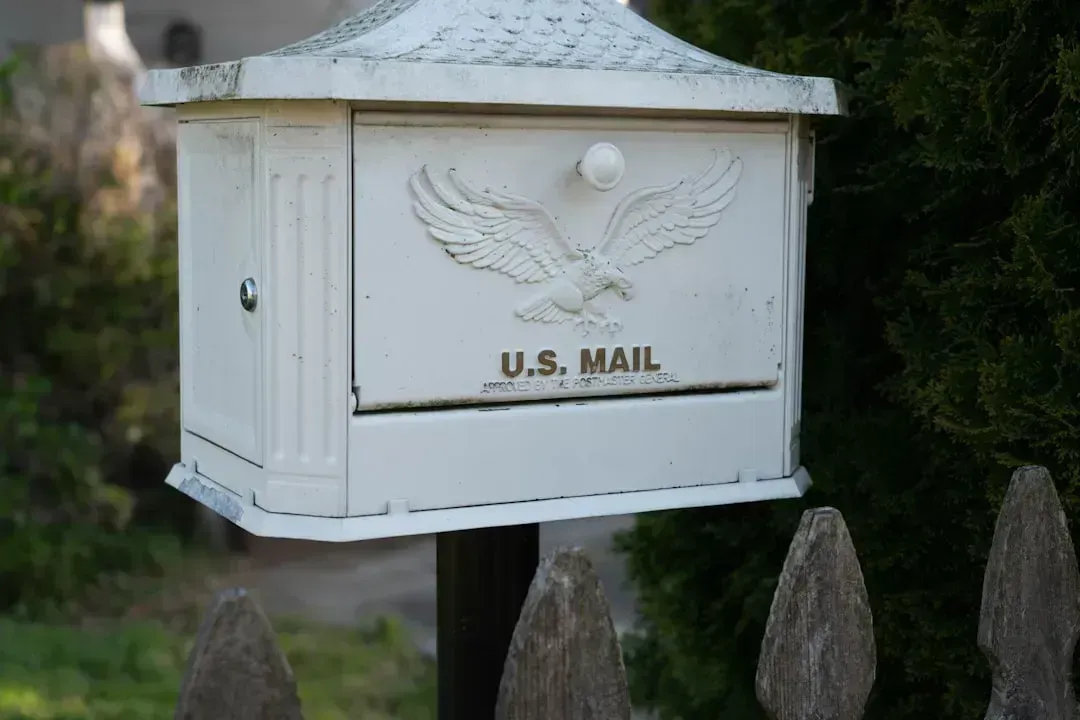
When important bills like utility or credit card statements remain unpaid, or when mail containing bills sits unopened, it signals that a senior may need help managing their finances. As many as seven percent of adults receiving Social Security benefits have difficulty managing their finances, according to the AARP. Research indicates that approximately two out of three Americans experience some degree of cognitive impairment by an average age of 70, often leading to diminished financial capacity. A pileup of mail can also indicate unusual purchases, falling behind on bills, or entering sweepstakes.
Excessive Clutter and Difficulty Maintaining the Home
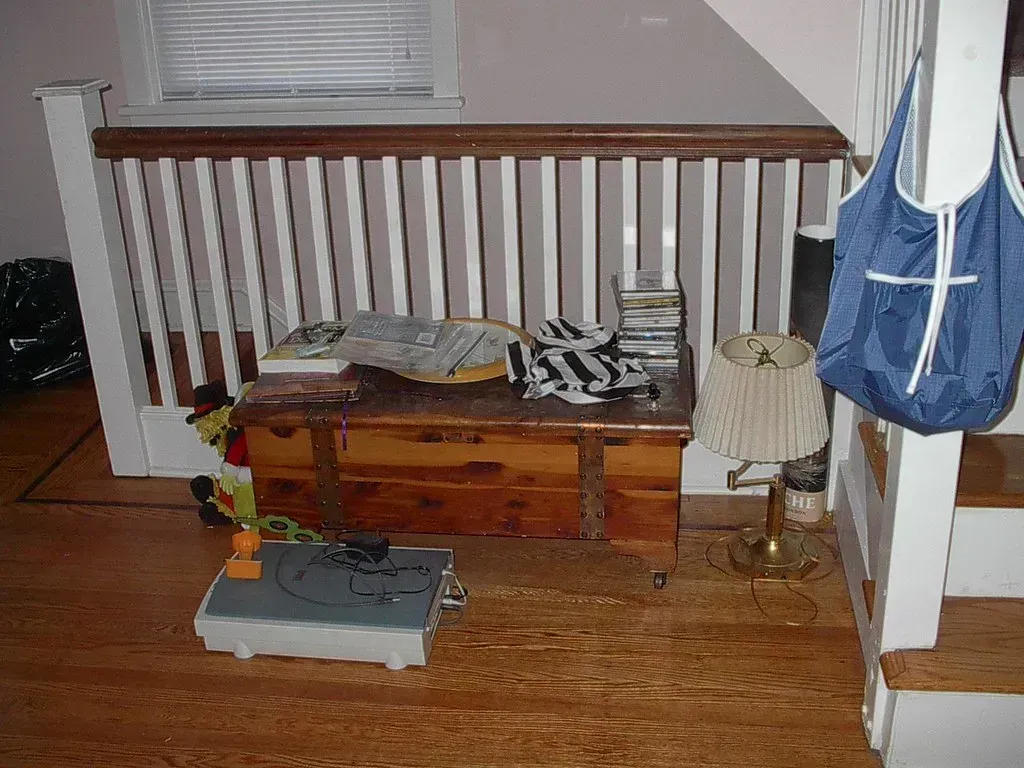
Late-life hoarding has been associated with deficits in memory, attention, and executive function. Evaluating the level of clutter in the house is especially critical in geriatric populations because older adults have increased medical issues, including fall risks. An uncharacteristically disorganized home might look like simple laziness at first glance, but it often reveals something deeper. An unkept home may indicate their physical health is holding them back from keeping up with the usual housework.
Spoiled or Expired Food in the Refrigerator
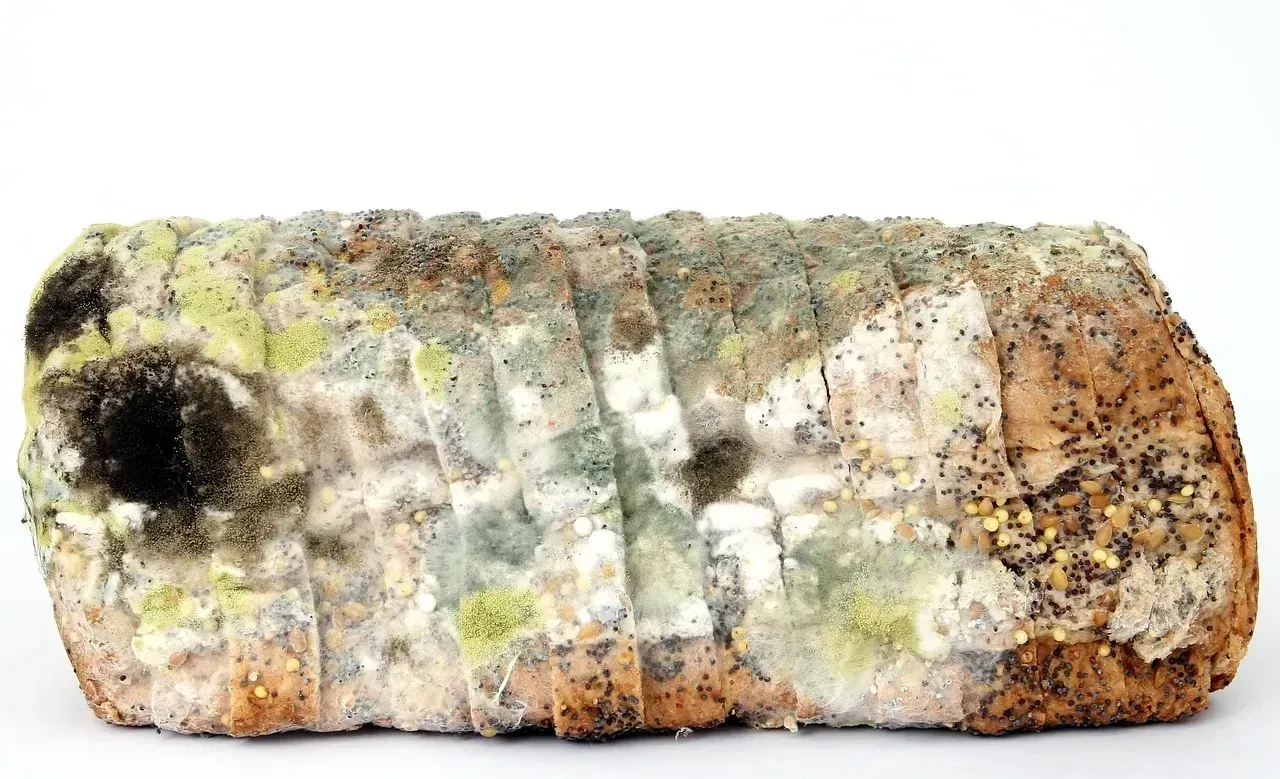
Spoiled food in the fridge and laundry piling up can be a sign of forgetfulness, an early symptom of dementia. Spoiled food in the refrigerator, hiding food, or not eating regularly may all be signs that someone living alone needs more support. You might find produce that’s turned to mush, milk that’s been expired for weeks, or forgotten leftovers growing mold in the back. Even early stages of dementia involve confusion around calendar dates and times, making it difficult to monitor food freshness.
Mysterious Bruises or Unexplained Injuries

Unexplained bruises, scrapes, or cuts could be signs that your loved one has experienced a fall and could indicate trouble with strength and balance, notes a director of quality and care delivery with Homewatch CareGivers, citing Centers for Disease Control and Prevention data that one in four Americans age 65 and older falls each year. Marks and bruises could be a sign that they’re losing their footing. These physical signs often appear before parents admit they’re having mobility issues.
Signs of Poor Personal Hygiene

A noticeable decline in personal hygiene may indicate underlying physical or cognitive issues. They could be avoiding the shower for fear of a fall. Noticeable changes in your parent’s personal appearance or basic hygiene might indicate that they need help, especially if they once took pride in their appearance but now wear dirty clothes or neglect bathing and grooming. It’s hard to watch someone who always looked put-together suddenly appear unkempt.
Medication Bottles Everywhere

Full bottles of prescription medicine around the house, or bills not being paid at all, could lead to serious medical complications or household emergencies and could also be early signs of dementia or Alzheimer’s disease. About one in three adults between the ages of 62 and 85 take at least five different prescriptions, and if a parent is taking five or more medications, it’s important to check if they’re well-organized. Multiple bottles of the same medication filled on different dates can indicate refills without proper use.
Overgrown Yard or Neglected Home Maintenance
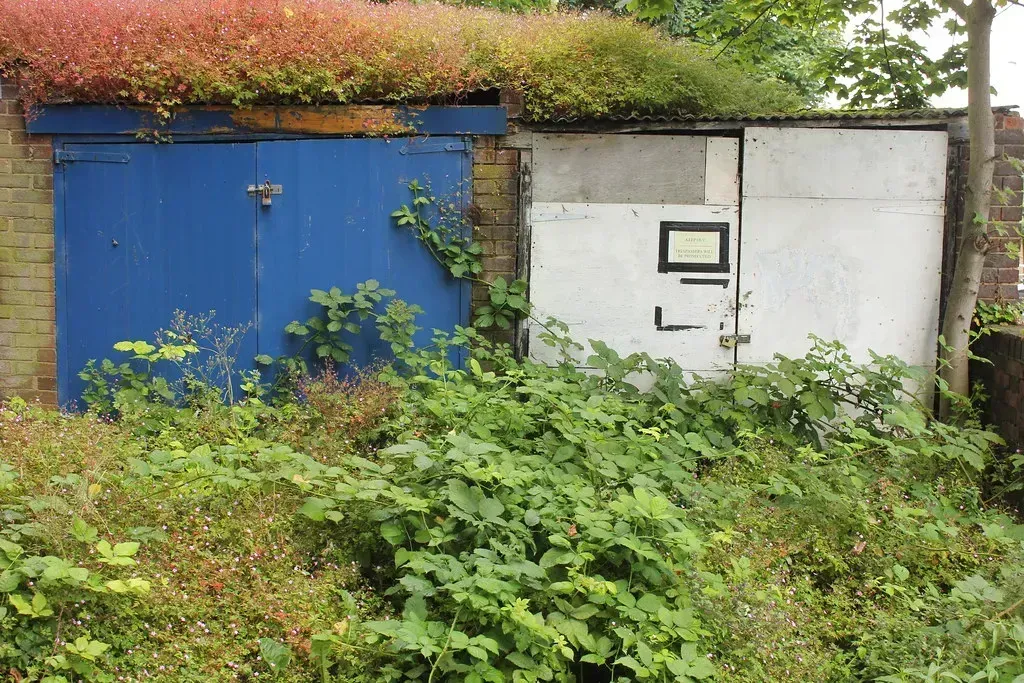
An overgrown lawn, excess weeds in the flower beds, and neglected outdoor furniture are all signs for concern, as are clutter on the property and overlooked repairs to the siding, porch, or patio. These external warning signs are often visible to neighbors before family members notice. Tasks like mowing the grass or fixing small repairs might have once been sources of pride but now feel overwhelming.
Evidence of Isolation or Mood Changes

If a parent gives up on being with others, it could be a sign of a problem. Seniors who feel lonely or isolated may be more susceptible to fraud, according to the Center for Retirement Research at Boston College. Social withdrawal doesn’t always announce itself loudly. Sometimes it’s just a parent who used to love book club suddenly making excuses not to attend.
Strange Items Misplaced Around the House
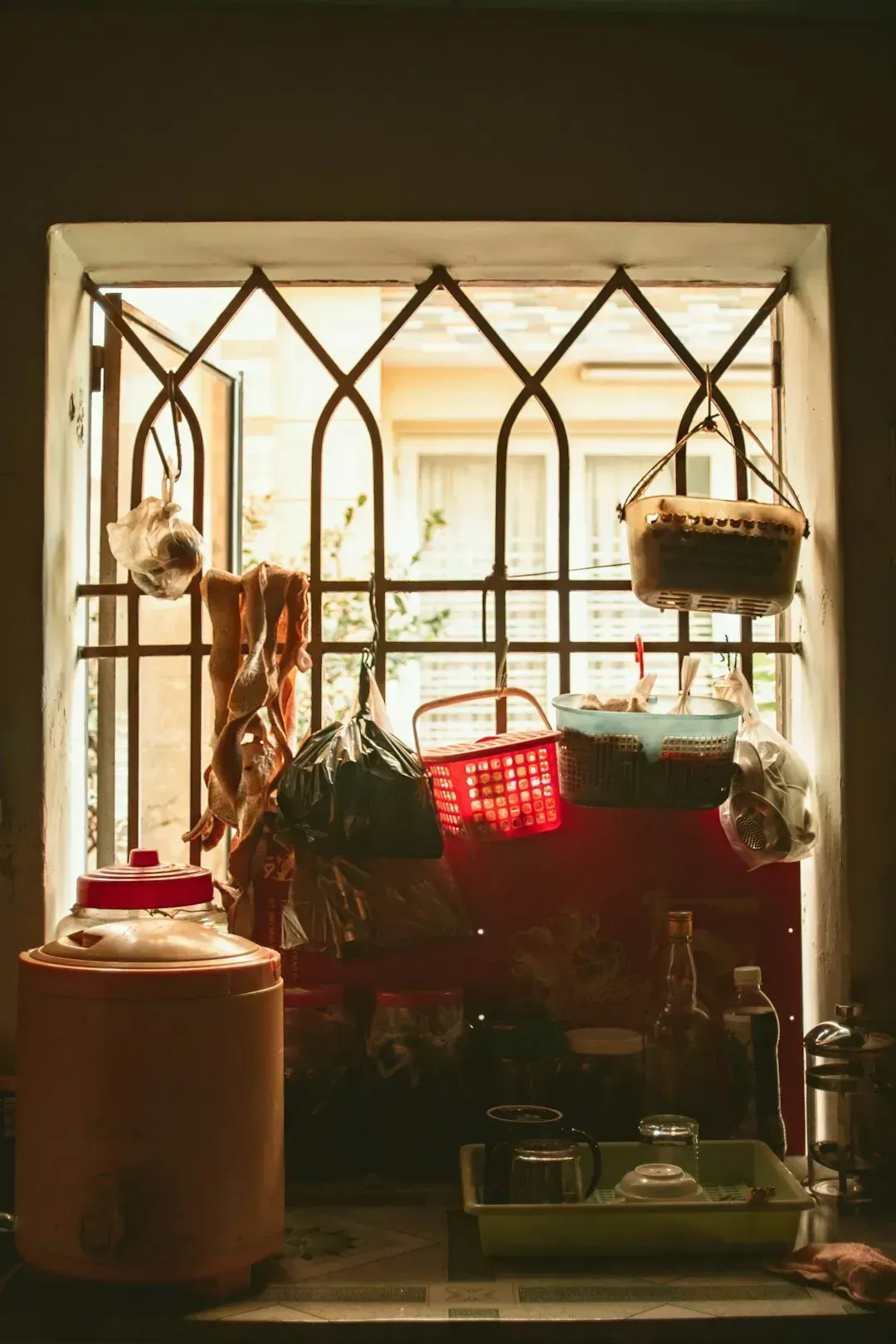
Leaving important items like a walker or housekeys behind in a restaurant or retail store can indicate cognitive decline and the need for more support. While everyone occasionally puts the cereal in the wrong cabinet, persistent confusion with everyday objects tells a different story. Scorched pots could mean your parents are forgetting about food cooking on the stove. These small but telling signs often reveal larger struggles with daily functioning.
Little Fresh Food in the Kitchen

If you find a lot of expired items, processed foods, or very few groceries in your parent’s pantry and fridge, it likely suggests shopping or cooking has become too arduous. Weight changes can indicate that aging parents are struggling with daily tasks like grocery shopping, cooking, or eating; for example, older adults with dementia may forget to eat meals or how to prepare a meal, while those with Parkinson’s or other mobility issues may find food preparation painful. Empty cupboards speak volumes about capability.
Multiple Duplicate Items or Unusual Purchases

Buying the same thing over and over suggests memory problems are interfering with daily routines. A mailbox full of donation requests may be normal if your parents are particularly generous, but watch for solicitations from groups or causes that don’t seem to connect with their interests. Impulsive spending, such as substantial purchases on a whim without considering the consequences, can drain savings fast. Sometimes you’ll notice five bottles of the same shampoo or three new toasters still in boxes.
These subtle signs in your parents’ home environment are often their way of silently asking for help they’re too proud to request. Paying attention during visits allows you to step in with compassion before small challenges become crises. Have you noticed changes like these when visiting your own parents?