I’m a First-Class Flight Attendant – Here Are 10 Signs a Passenger Is “New Money” vs. “Old Money”
After years of working the first-class cabin, I’ve learned one undeniable truth: the seat you’re sitting in tells me almost nothing. The way you behave in it tells me everything.
Most people assume the premium cabin is filled with a certain type of person. Polished, poised, effortlessly comfortable. Honestly, that’s only half true. The first-class cabin is one of the most fascinating social experiments you’ll ever witness at 35,000 feet, because it mixes people who have always had money with people who just got it. The difference between the two? It shows up in the smallest, most unexpected ways. Let’s dive in.
1. The Boarding Moment Reveals Everything
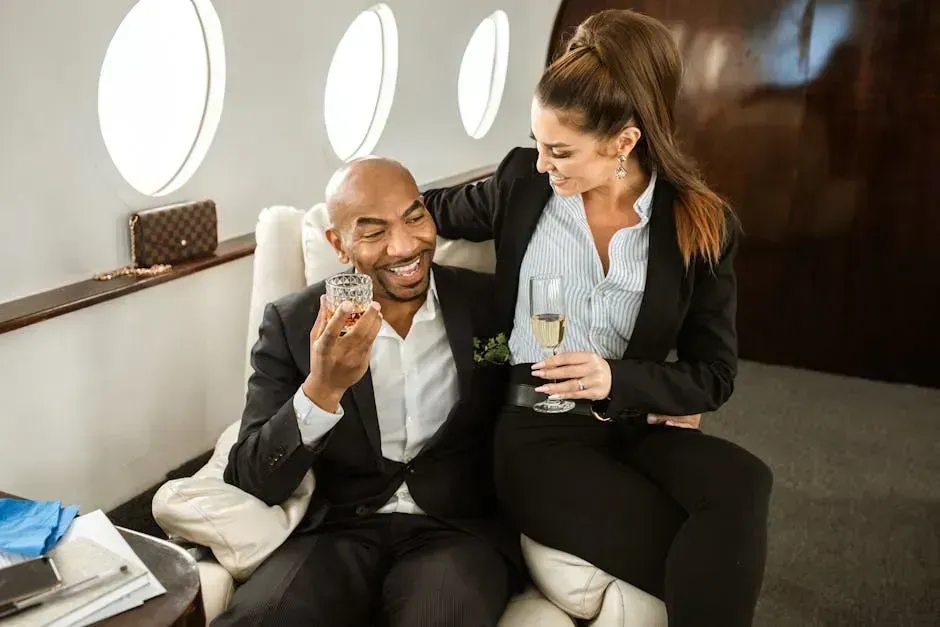
Those first thirty seconds of boarding tell a story. You can spot them immediately – not because they’re flashy or demanding. Actually, it’s the opposite. They’re so comfortable in that world that they don’t even think about it. Old money passengers walk into the first-class cabin the way most people walk into their own kitchen. No hesitation, no scanning the cabin to see who’s watching.
Flight attendants have to be very observant of passengers during the boarding process to assess any potential issues that could occur during the flight. The aim is to identify risks before take-off. It requires emotional intelligence, situational awareness, and strong decision-making skills. Experienced crew members learn to read a boarding passenger in seconds. New money passengers often look around as they enter, almost checking whether anyone noticed them. Old money passengers simply settle in. There’s a quiet authority to their movement that no first-class ticket can teach you.
2. The Logo Situation

Ever notice someone walking into a room and you can spot every designer brand they’re wearing from ten feet away? That’s new money energy. The oversized Gucci belt, the Louis Vuitton monogram bag, the Chanel T-shirt with the name splashed across the chest – it’s fashion as a billboard. Old money, on the other hand, whispers. Labels are either hidden, understated, or non-existent.
The old money aesthetic is rooted in generational wealth, tradition, and understated elegance. Rather than following seasonal trends, it emphasizes longevity, refinement, and subtlety. This aesthetic is often associated with private clubs, elite schools, and heritage lifestyles. I’ve served passengers in what looked like a plain navy cashmere sweater and simple trousers who turned out to be among the wealthiest individuals on the flight. Meanwhile, someone draped in visible logos was photographing the in-flight amenity kit to post online before we even left the gate.
3. How They Treat the Crew
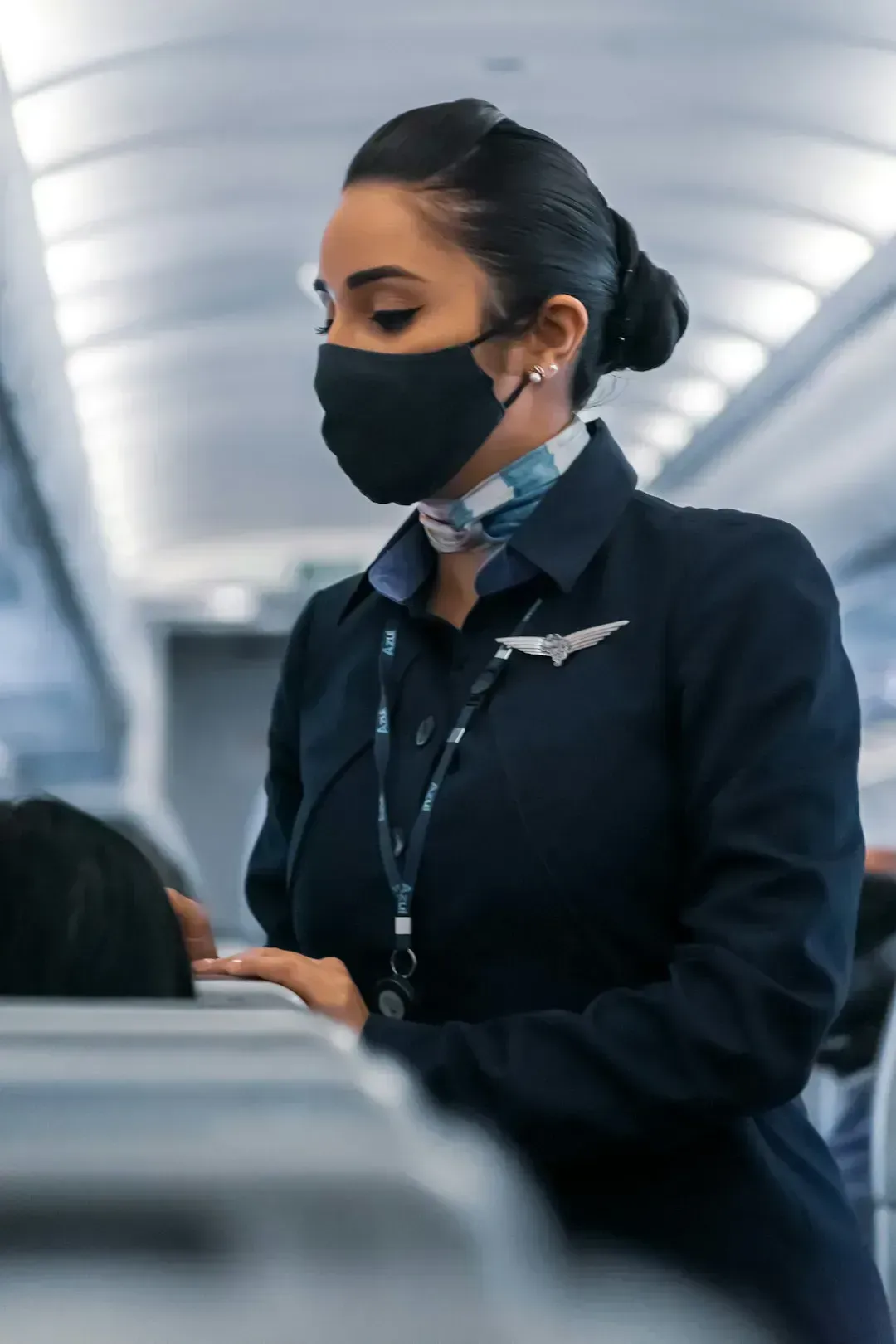
I’ve watched passengers snap their fingers at me like I’m a dog. I’ve had drinks thrown at me (yes, really). But I’ve also had passengers learn my name, ask about my day, and treat me like an actual human being. Want to know something interesting? The genuinely successful people – the ones who’ve built something real – almost always fall into that second category. They understand that everyone’s just doing their job. They get that respect costs nothing but says everything.
People who grew up with money were taught from an early age to acknowledge service staff. Not in a condescending way, but as a basic social grace. Their parents likely emphasized treating everyone with respect, especially those helping them. This is honestly one of the clearest tells of all. New money passengers sometimes confuse buying a premium ticket with hiring personal staff. Old money passengers never make that mistake. They say please and thank you without thinking about it.
4. The Clothing Condition (Not Just the Brand)
New money wardrobes tend toward brand new everything, purchased at full retail, worn for one season then replaced. Old money wardrobes include pieces that have been re-soled, tailored, and maintained for years or decades. A slightly worn Barbour jacket with real patina reads differently than a pristine one purchased last week.
Those raised with serious wealth board planes in clothes that look simple but feel expensive. Think cashmere sweaters, perfectly fitted jeans, leather shoes that have been resoled rather than replaced. I think this is one of the subtler signals that most people miss entirely. It’s not the newness of the garment that signals status. It’s the quality and the ease with which it’s worn. A worn-in, perfectly tailored blazer speaks volumes that a brand-new suit does not.
5. The Seat Controls Test
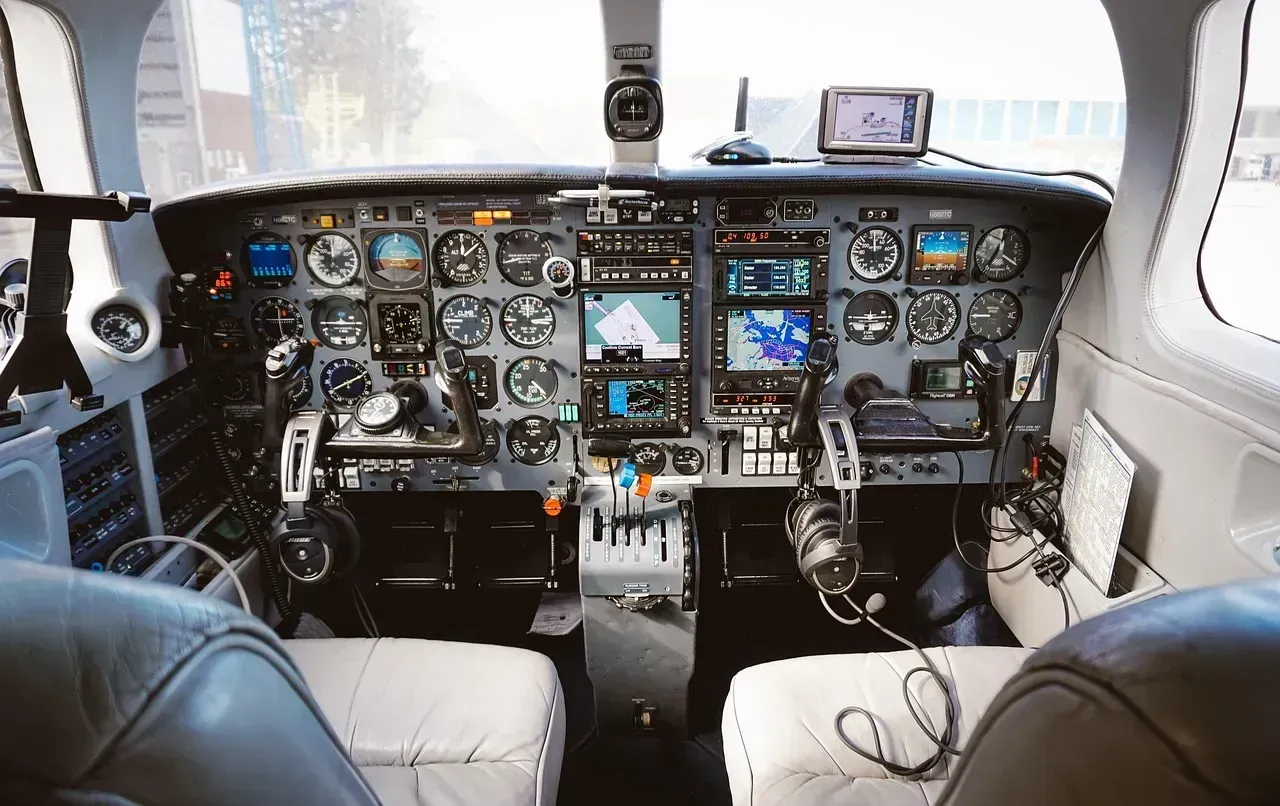
This is such a specific tell, but flight attendants swear by it. Most of us fumble with seat controls, especially on unfamiliar aircraft. We’re looking for buttons, trying to figure out which lever does what. People who grew up flying regularly in business or first class? Their hands go straight to the controls without looking. They’ve been adjusting airplane seats since they were kids flying to ski vacations or summer homes.
It’s muscle memory from countless flights, the same way you can still set a formal dinner table without thinking about it from years of practice. I know it sounds like a tiny detail, but after thousands of flights, these micro-behaviors are striking. A passenger confidently reclining their seat, finding the massage function, and adjusting the lighting without a second of searching – that’s someone who grew up in this environment. It’s almost impossible to fake.
6. The Champagne Order (and What Comes Next)
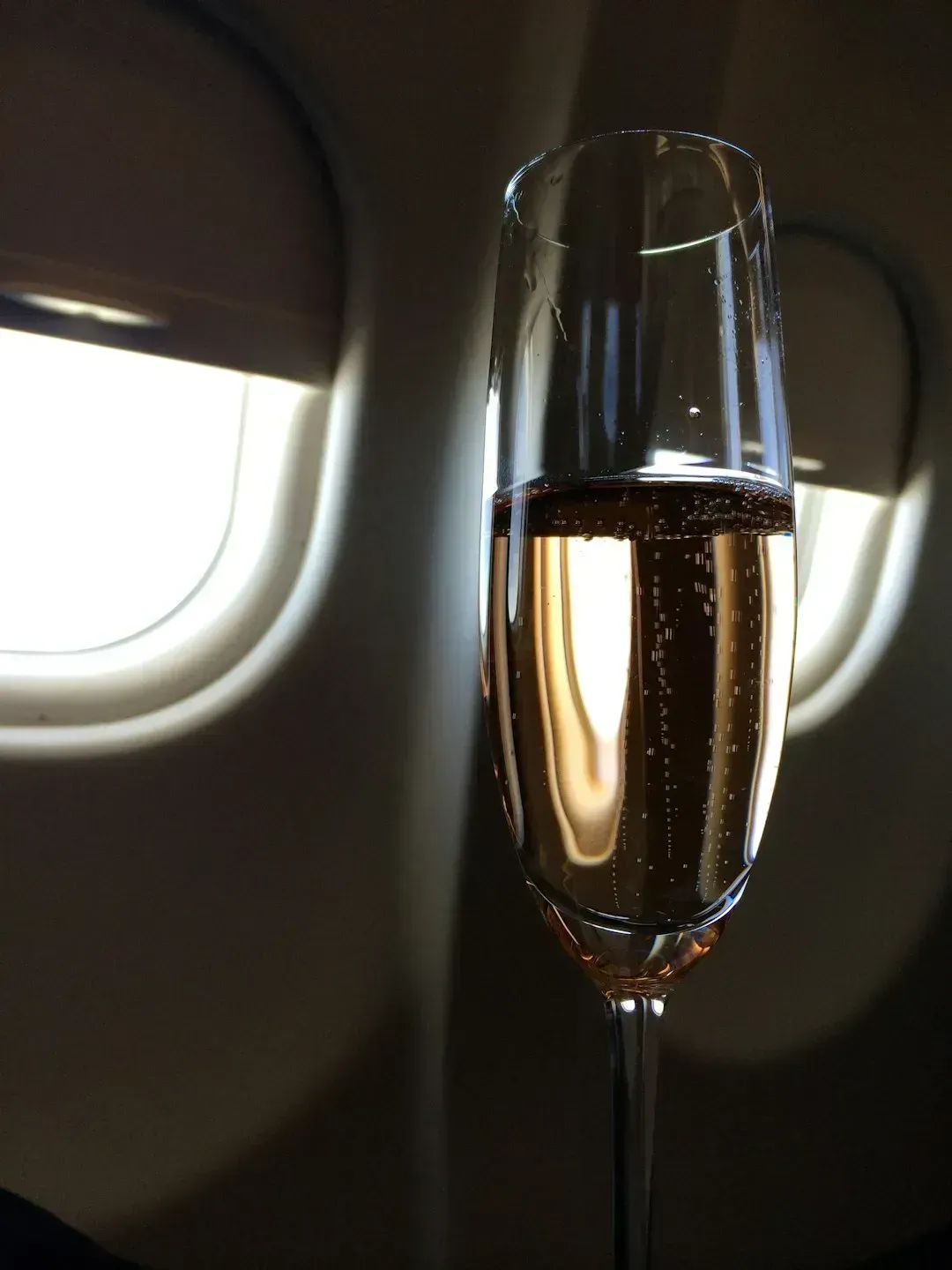
It may be a business class rite of passage to take the obligatory champagne selfie or to broadcast your boarding pass to all your followers, but when you fly first-class you are expected to be a bit more subtle. Channel your inner baseball cap wearing A-lister, not your inner flashy B-list influencer. Let’s be real: the champagne selfie the moment the glass arrives is a giveaway every single time.
Old money passengers accept champagne as a matter of routine. They might not even drink it. Keeping the drink order simple and not lingering over the decision is a mark of someone comfortable in the setting. The cabin crew has a lot of other passengers to deal with, so the easier you make it for them, the better. A seasoned first-class flier simply knows what they want, communicates it calmly, and gets back to whatever they were doing. No performance, no theatrics.
7. How They Handle Disruptions
The people who feel compelled to announce their importance usually aren’t that important. Real power whispers, it doesn’t shout. I’ve seen this play out hundreds of times. A delayed meal service, a slight turbulence reroute, a minor issue with the entertainment system – these moments sort new money from old money faster than almost anything else.
The people who’d actually earned their wealth through building businesses were usually the most understanding when something went wrong. The ones who married into money or inherited it? Different story entirely. That’s not quite what I mean by old money either – inherited generational wealth tends to produce calm, not entitlement. It’s really the freshly wealthy who are most likely to escalate. The passenger who’s been wealthy for three generations has seen enough of the world to know that making a scene at 35,000 feet helps absolutely no one.
8. The Social Media Behavior

Old money social behavior feeds private accounts posting landscapes, antique books, or quietly luxurious table settings. New money style feeds: daily outfit grids, “tap for brand” stickers, unboxing reels. The mystery of limited exposure actually increases perceived exclusivity. This dynamic shows up in the cabin, too. New money passengers photograph the meal before eating it, the seat before sitting in it, and the amenity kit before using it.
Beyond clothing, the old money aesthetic communicates discretion and inherited taste. Fashion and behavior are not used as a tool for attention but as a quiet signal of status and cultural continuity. This approach aligns with the broader concept of “quiet luxury,” where quality is recognized by those who understand it rather than advertised publicly. Old money passengers simply do not feel the need to document and share their experience. Their lives don’t need external validation from a feed.
9. How They Leave Their Space
People with genuine class leave their space tidy. They put their trash in the bag when we come through. They put their magazines back in the seat pocket. They wipe up their spills. Not because they have to, but because they consider the next person who’ll sit there and the crew who’ll clean the plane. The others leave disasters. Crumbs ground into seats, garbage stuffed everywhere.
This one genuinely surprises passengers when I bring it up. The assumption is that wealthy people let others clean up after them. In reality, old money upbringing instills consideration for shared spaces almost instinctively. It’s the same reason well-raised children from wealthy families often have impeccable table manners – it’s a form of respect that was modeled for them from an early age. The truly wealthy families were often the most polite. Their kids would say “please” and “thank you” without prompting. It wasn’t performative kindness; it was genuine courtesy drilled into them since birth.
10. The Quiet Confidence vs. the Performance

Clothes – and behavior – can reveal whether someone is reaching for validation, or if they’re so secure they don’t need to prove anything at all. This is really the underlying theme behind every single point on this list. Old money passengers have nothing to prove. They are not performing wealth. They are simply living within it, as naturally as breathing. New money passengers are often in a kind of active display mode – consciously or not.
After years of observing wealthy people up close, these behaviors aren’t about showing off. They’re the opposite: the complete absence of needing to prove anything to anyone. These subtle tells are fascinating because they reveal how upbringing shapes our smallest actions. The way we board a plane, order coffee, or walk into a hotel lobby all telegraph our relationship with comfort, service, and belonging. Honestly? There’s nothing wrong with being new money. Everyone was new money once. The difference is simply time, familiarity, and what gets quietly passed down through generations. After years in the first-class cabin, I can say with certainty: the most impressive passengers aren’t necessarily the most recognizable. They’re the ones you barely notice – because they never needed you to.
What do you think? Does wealth really show in behavior, or is it all just perception? Drop your thoughts in the comments.