The 10 Worst-Ranked States To Live In Across The U.S.
Not every corner of the United States is created equal. While some states consistently top livability charts, others have been struggling with deeply rooted problems for decades. Healthcare gaps, soaring crime, crumbling infrastructure, and persistent poverty form a web of challenges that drag millions of Americans down year after year.
Rankings from WalletHub, U.S. News & World Report, and DataPandas all point to a troubling cluster of states that repeatedly land at the very bottom. The data is stark, the trends are consistent, and honestly, the results might surprise you. Let’s dive in.
#10 – Pennsylvania: The Hidden Underperformer
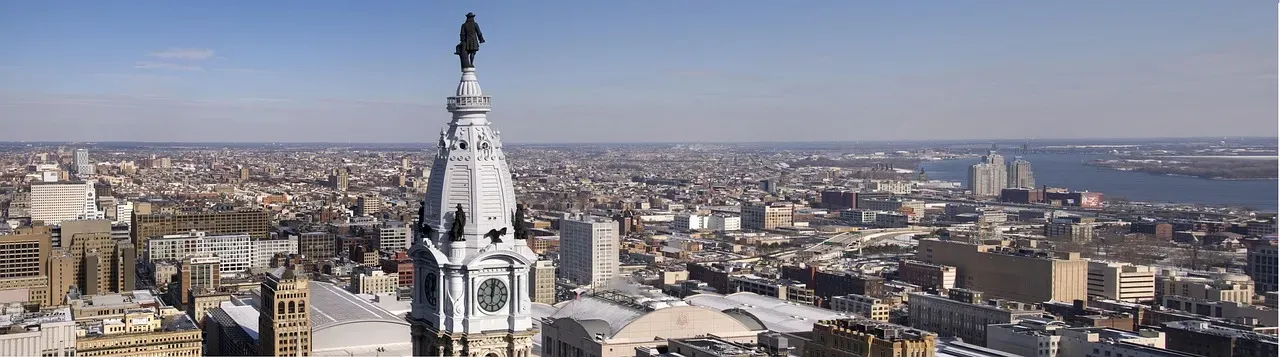
Pennsylvania might not be the first state that comes to mind when you think of struggling states, but the numbers tell a different story. U.S. News & World Report ranks Pennsylvania as the tenth worst state to live in for 2025. That’s a surprising result for a state home to some of the country’s most respected universities and medical centers.
Fiscal pressures are a major factor. Pennsylvania carries significant pension liabilities, and its slow progress on reducing long-term obligations has drawn repeated scrutiny from analysts. Think of it like a household that keeps putting off paying its credit card bill while the interest compounds – eventually, it catches up with you.
Infrastructure remains another persistent weakness: the state consistently reports one of the highest shares of structurally deficient bridges in the nation, especially in rural regions. Metropolitan areas such as Pittsburgh and Philadelphia continue to record elevated levels of particulate pollution, contributing to Pennsylvania’s low ranking in natural environment measures.
#9 – Oklahoma: Healthcare Gaps and Rising Crime
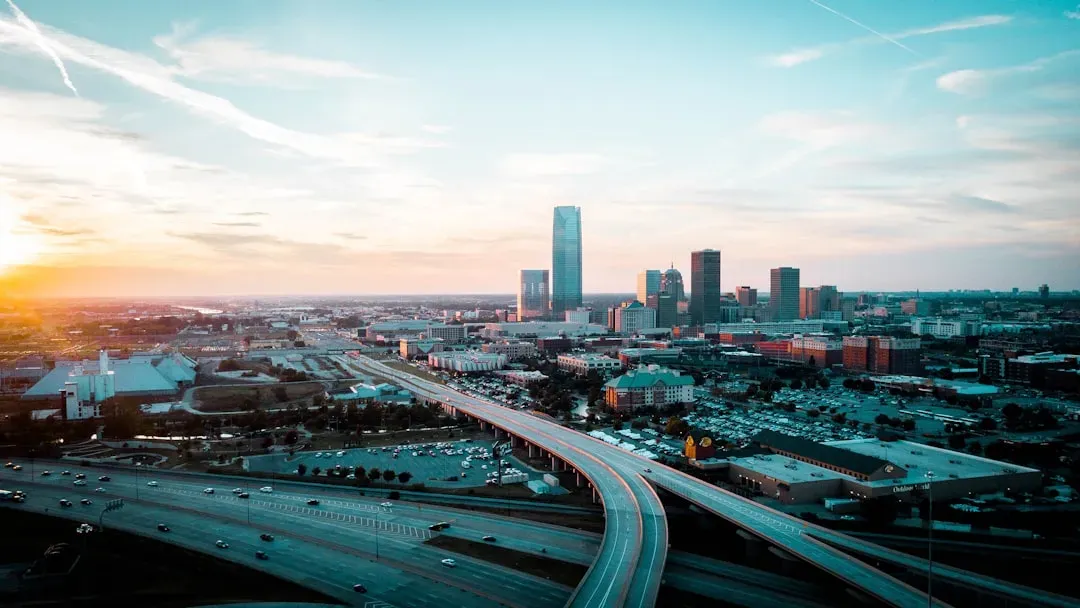
U.S. News & World Report ranks Oklahoma the ninth-worst state for living, a rank that has fluctuated little since 2018 due to healthcare concerns and crime rates. When a state’s position barely budges across multiple years, it signals something deeper than a bad cycle – it’s structural.
Oklahoma faces a high premature death rate and one of the lowest rates of adults meeting federal physical activity guidelines, while suicide deaths have climbed 27% since 2010. Economic strain also affects health outcomes, reflected in Oklahoma’s high economic hardship index score and growing housing cost burden, which has risen 12% since 2016.
Oklahoma has the 17th highest murder rate in the country and has seen a rise in violent crimes. The state also has the nation’s fourth-highest incarceration rate, with 563 out of every 100,000 people behind bars. When looking at the population of insured residents in each state, Oklahoma had the second lowest percentage of insured people, behind only Texas.
#8 – West Virginia: A State Running on Empty
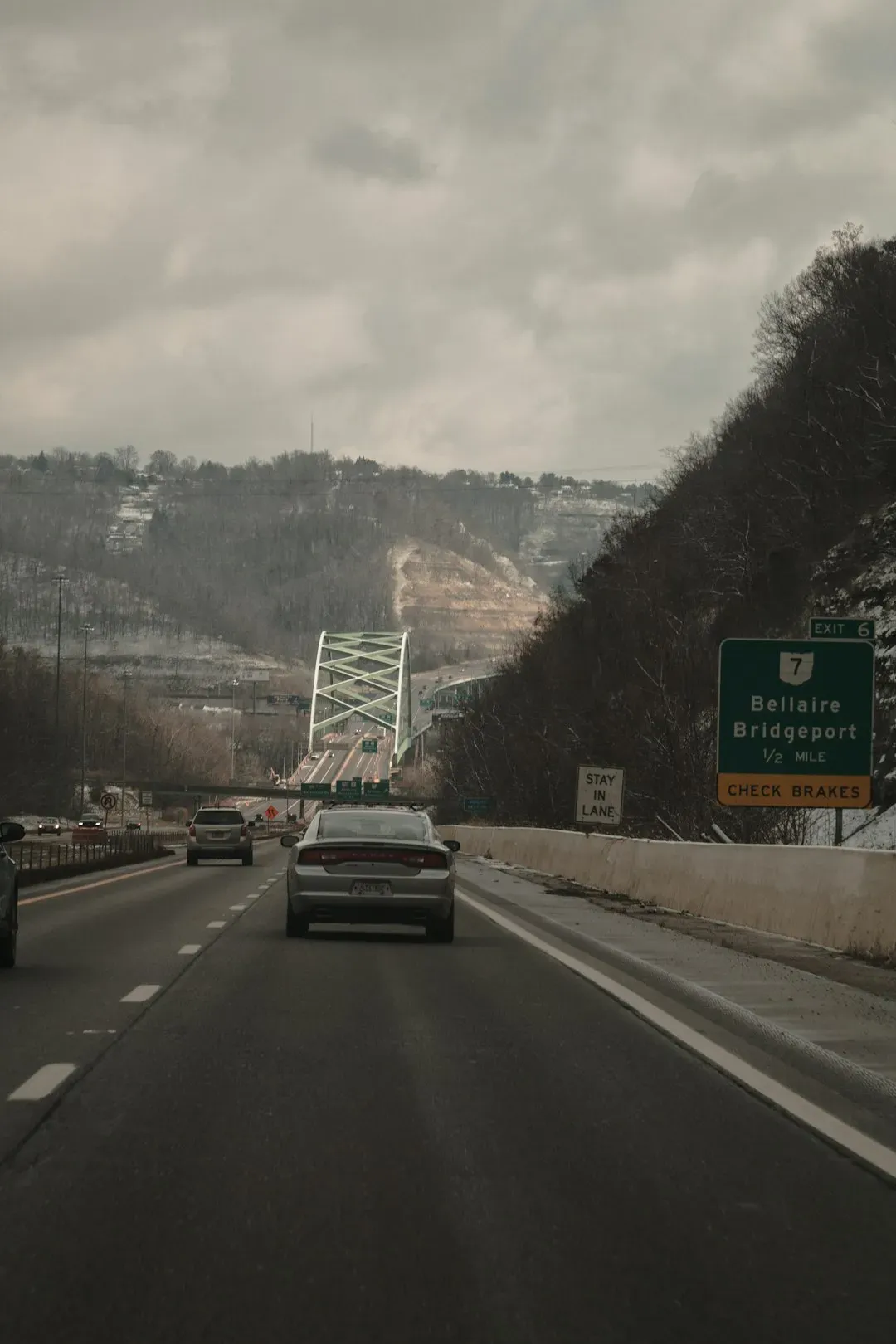
West Virginia is one of those states where the statistics are almost hard to believe. West Virginia ranks 40th overall, facing one of the highest poverty rates in the nation at 17.1%. The state struggles with a lack of economic opportunities, reflected in a declining population and high unemployment rate.
Migration studies have shown that 60% more people moved out of West Virginia than moved in. West Virginia is the only state where death rates exceed birth rates. Let that sink in. A state literally shrinking because more people are dying than being born, and more leave than arrive.
Hospital closures have been particularly devastating, with West Virginia losing 12 hospitals between 2020 and 2025, forcing residents to travel greater distances for care. West Virginia was, however, ranked as the second most affordable U.S. state – which is really the only bright spot in an otherwise difficult picture.
#7 – South Carolina: Safety and Health Fall Short
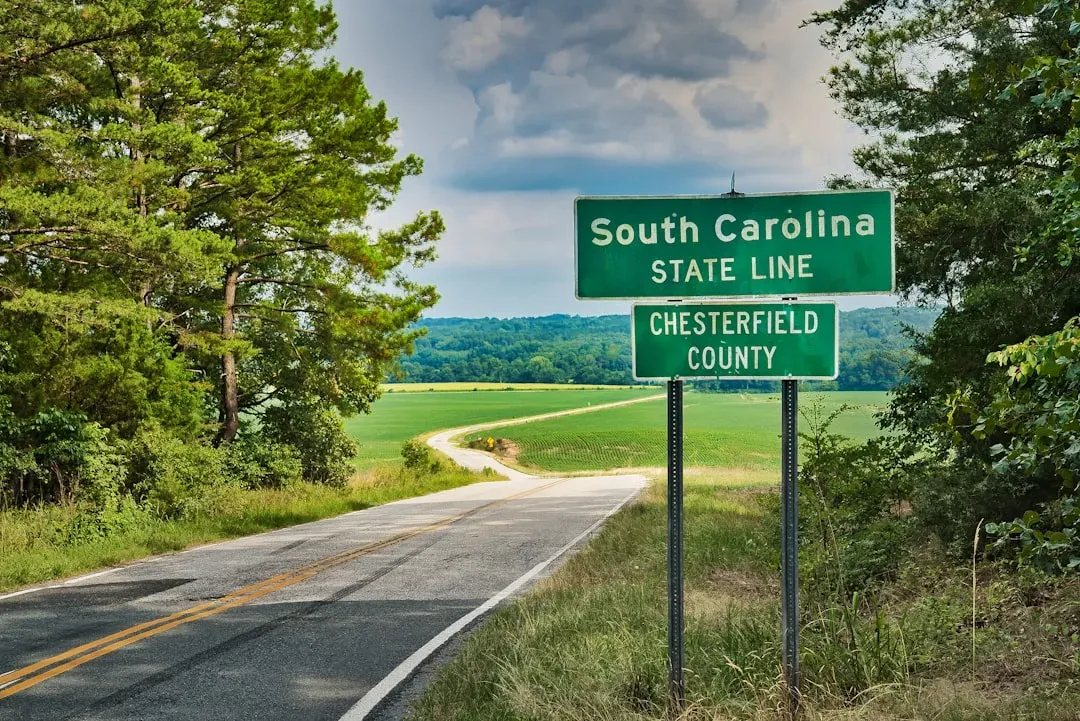
South Carolina has pockets of genuine beauty and some coastal areas experiencing real economic growth. South Carolina was ranked the fifth least safe U.S. state in the WalletHub study. South Carolina was ranked within the top 10 most affordable states, but that wasn’t enough to make up for its low rankings in other categories.
It was ranked the fifth unsafest state in the U.S., according to the WalletHub study, and it was within the 10 worst states in the education-and-health index. Here’s the thing – affordability only gets you so far when your schools are underperforming and your streets aren’t safe.
With a poverty rate of 14.7%, South Carolina balances coastal economic growth with inland rural challenges. Manufacturing expansion and tourism provide economic opportunities in some regions. Educational performance shows improvement but disparities persist. Healthcare access varies between urban and rural areas.
#6 – Nevada: Glitter on the Outside, Struggles Within

Las Vegas might project an image of endless wealth and entertainment, but outside the neon lights, Nevada’s residents face serious hardships. Nevada, often known for its vibrant entertainment scene, is facing serious challenges. The state ranks 44th overall as a place to raise a family, with particularly poor scores in socioeconomics, education, and affordability. Nevada is also struggling with health and safety, ranking 45th in these areas.
Nevada’s unfavorable ranking is at least partly due to the state’s unaffordable housing, which contributes to it having the third lowest homeownership rate and third highest housing cost in the study. Owning a home, which is arguably the most fundamental form of financial stability for Americans, is practically a dream for many Nevada residents.
Nevada had one of the lowest home ownership rates, as well as the highest housing costs in 2025. The state’s reliance on sales and excise taxes, due to the lack of a personal income tax, exacerbates income inequality. The wealthiest residents pay significantly lower taxes compared to the poorest, leading to a regressive tax system that further strains the lower and middle classes.
#5 – Alaska: Stunning Scenery, Brutal Reality

Alaska is one of those places people dream about visiting but would struggle to live in. Alaska has a strong economy but faces major challenges with its high cost of living and limited healthcare access, especially in remote areas. It ranked dead last in WalletHub’s quality of life measure, in part due to the infrastructure challenges faced by residents in rural areas of the state.
The Last Frontier has a serious violent crime problem that puts thousands at risk every year. WalletHub placed it dead last in terms of life quality, and it has very high unemployment. The climate doesn’t provide an advantage either; weather conditions can make it difficult to even leave the house for months at a time.
The state’s economy is heavily dependent on oil, and with projections indicating a drop in oil prices and production, Alaska’s financial stability is at risk. The state’s Unrestricted General Fund revenue is expected to decrease significantly, putting more strain on an already struggling economy. In 2025, Alaska had the lowest income growth of any bottom-ranked state, compounding problems for ordinary families just trying to get by.
#4 – Mississippi: A Poverty Crisis That Won’t Quit
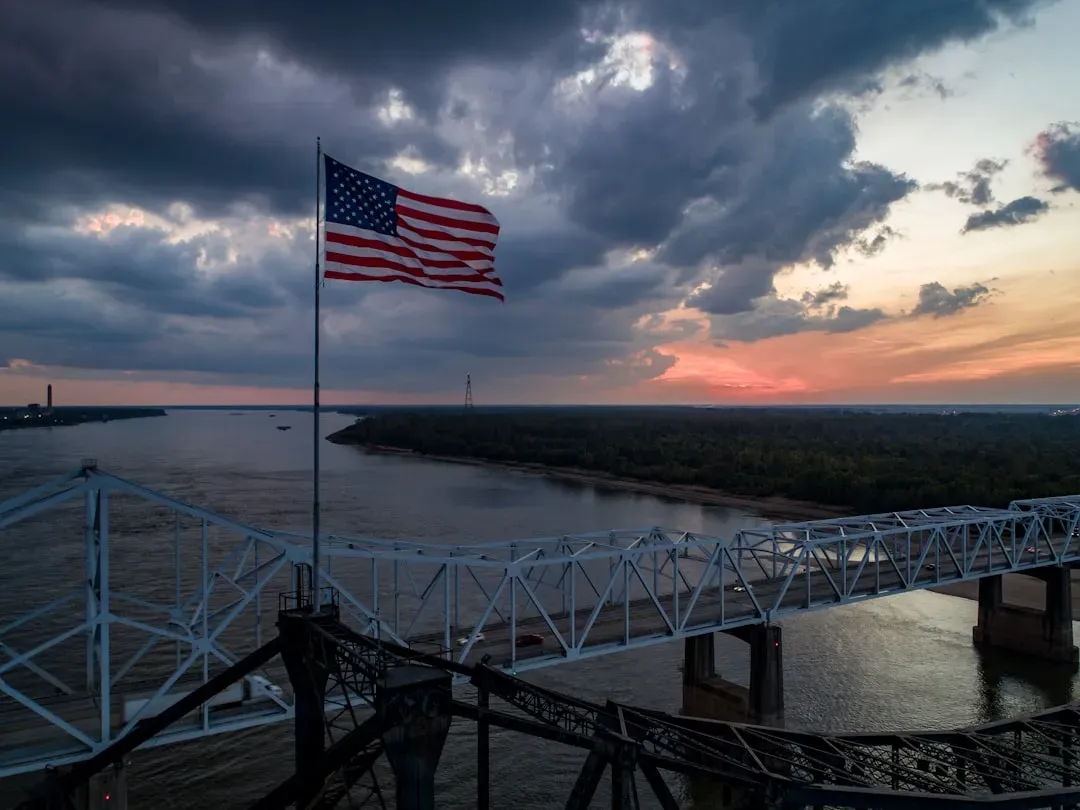
Mississippi is, by nearly every measurable standard, one of the hardest places to build a decent life in America. The state of Mississippi has the nation’s lowest per capita income and the highest poverty rate. Depending on which data source you consult, the numbers shift slightly year to year, but the position at the bottom never really changes.
About 17.8% of Mississippi’s population lived in poverty in 2024 – the state’s lowest poverty rate based on survey data dating back to 2010, yet still the highest in the nation. Even their improvement is, by national standards, still deeply troubling.
Eighty counties are federally designated as either whole or partial-county Health Professional Shortage Areas for primary care. Seventy-nine counties are designated as dental shortage areas, and all but four counties are designated as mental health shortage areas. Mississippi ranked worst for health and education in WalletHub’s 2025 national comparison. I honestly find that staggering for a state inside one of the wealthiest nations on Earth.
#3 – Arkansas: Inequality, Crime, and Limited Opportunity

Arkansas is often called the Natural State for its scenic landscapes, but the socioeconomic landscape is far less picturesque. Arkansas is grappling with significant income inequality and economic challenges. The state has some of the highest rates of income inequality in the nation, with the richest residents earning vastly more than the poorest. Food insecurity is a major issue, with a large percentage of the population facing hunger.
Arkansas has the third-highest number of assaults per capita and the fifth-highest bullying incidence rate. Arkansas also has the fifth-highest murder rate in the U.S. with 8.6 murders per 100,000 people. That last figure is especially grim when you consider the national average sits considerably lower.
Arkansas struggles with education and healthcare access, which significantly brought down its scores in WalletHub’s ranking. Crime is high and economic growth remains slow, and the state’s relatively affordable housing wasn’t enough to keep it out of the bottom three overall. The poverty rate in Arkansas stood at 15.5% in 2024, placing it firmly among the nation’s most economically challenged states.
#2 – Louisiana: Violence, Poverty, and a Struggling Economy
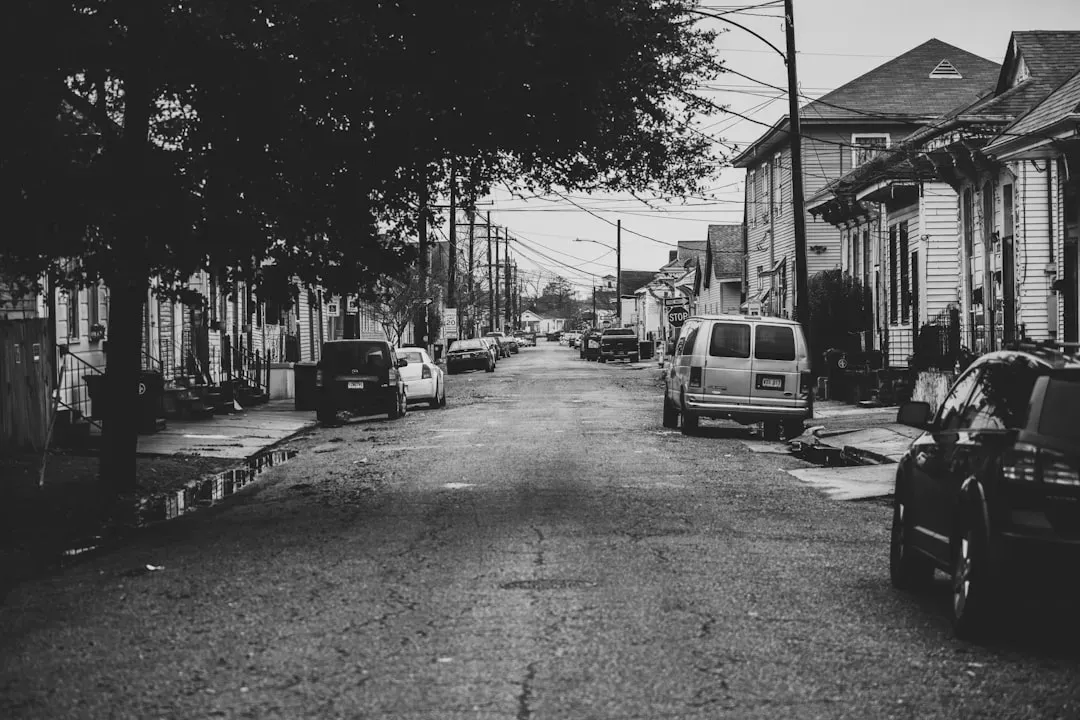
Louisiana is the kind of state that breaks your heart a little. Rich in culture, food, and music – yet consistently ranked near the very bottom in almost every quality-of-life measure imaginable. Louisiana’s rank suffers under one of the country’s highest violent crime rates and high rates of poverty.
Louisiana ranks at the bottom, revealing the region’s pressing challenges across critical quality of life measures such as healthcare, education, and economic opportunity. The state has consistently ranked poorly, suggesting slow progress in improving living conditions. Slow progress is actually an optimistic way to put it.
With an 18.6% poverty rate, Louisiana faces unique challenges from natural disasters and economic transition. The state’s economy heavily depends on oil, petrochemicals, and agriculture, sectors vulnerable to market volatility. Louisiana also had one of the highest crime rates in the country in 2025. The combination of environmental vulnerability, economic fragility, and violent crime creates a cycle that is extremely hard to break.
#1 – New Mexico: The Worst State To Live In, Ranked
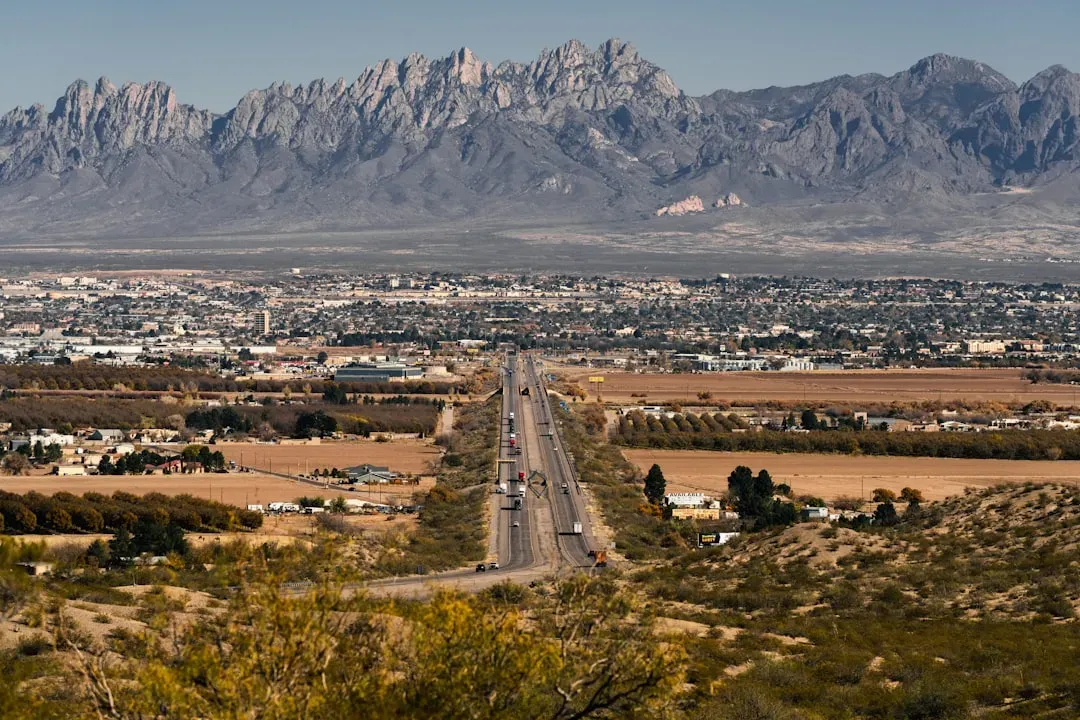
New Mexico sits at the very bottom of the pile according to multiple major 2024 and 2025 studies, and the reasons are both shocking and deeply troubling. Ranked as the worst U.S. state to live in in 2025, New Mexico had the highest crime rate of any U.S. state. That single fact alone is enough to give anyone pause.
When it comes to crime, New Mexico ranks first in rates of both violent and property crime, according to FBI data. The state’s violent crime rate of 749 per 100,000 is 106% above the national average and the property crime rate of 2,888 per 100,000 is 51% above the national average. Those are not just bad numbers – they are catastrophic by any standard.
New Mexico also has the third worst education-and-health ranking and the third highest share of its population living in poverty. Drug use is another major problem in New Mexico, which ranks as the worst state for drug abuse. The state’s high rates of alcohol-related deaths further exacerbate the health challenges faced by residents. It’s a convergence of every possible risk factor, all hitting one state at once.