12 Home Decor Trends Designers Say Are Quietly Phasing Out
Home design moves fast. Faster than most people realize. What felt impossibly fresh just a few seasons ago can suddenly look like a relic, a memento of a trend cycle that came and went while you were busy living your life. The truth is, some of the most popular home decor looks of the past decade are now being quietly retired by professional designers, not with a dramatic announcement, but with a gradual fade.
If you’ve been wondering why your space feels a little off or why those Pinterest boards from a few years back look strangely dated, this article is for you. Some of what you’re about to read might sting a little, but it’ll also give you a clear map of where design is actually going. Let’s dive in.
1. The Accent Wall Is Losing Its Spotlight
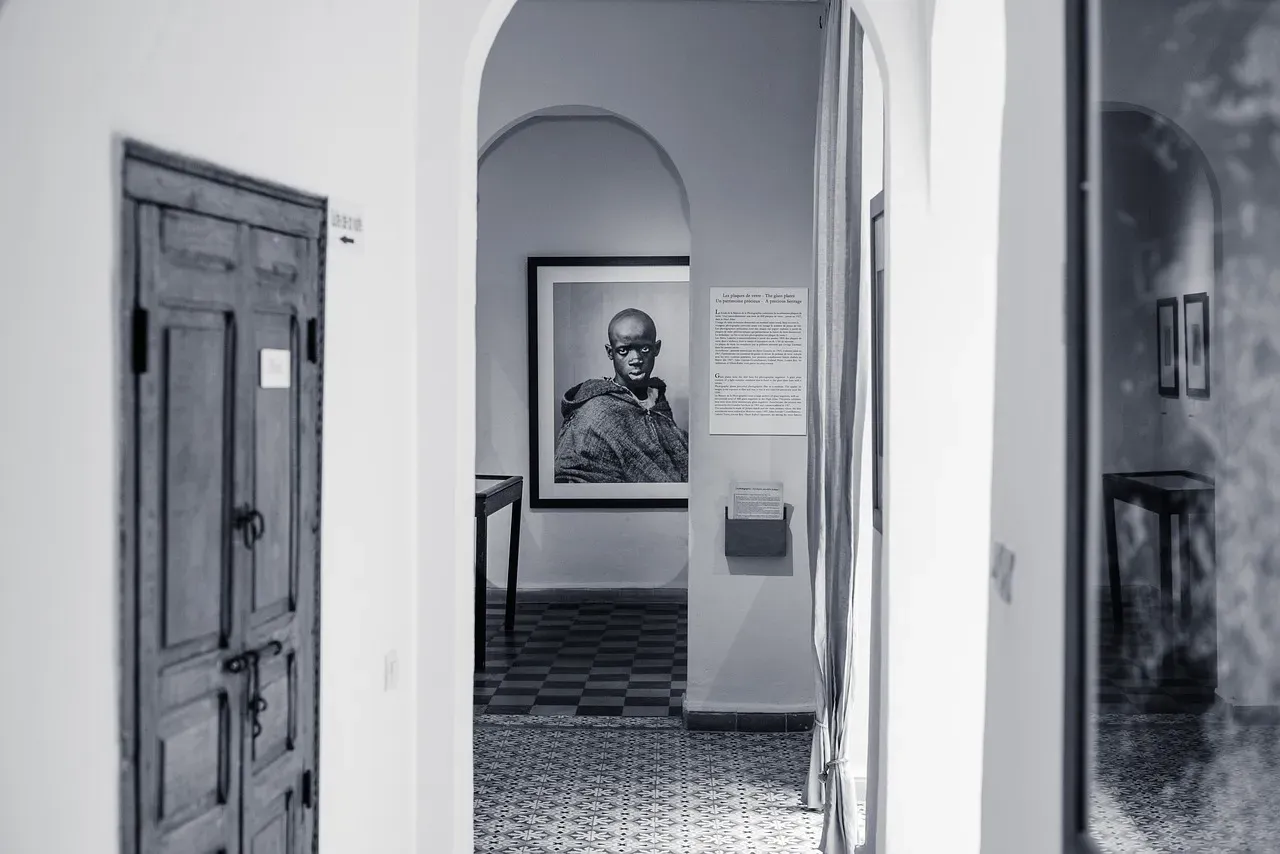
For years, the accent wall was practically a design rite of passage. Paint one wall a bold color, call it a day. Designers are now hoping that 2026 is the year they can kindly retire the accent wall. The concept, while easy to execute, has grown so overused that it no longer reads as intentional or exciting.
Once trendy, accent walls are being phased out in favor of cohesive color schemes, with homeowners preferring a consistent flow of color throughout a room instead of a single bold wall. The replacement? Color drenching, where walls, ceilings, trim, and doors are all enveloped in the same shade for a far more immersive effect.
2. Bouclé Furniture Has Peaked
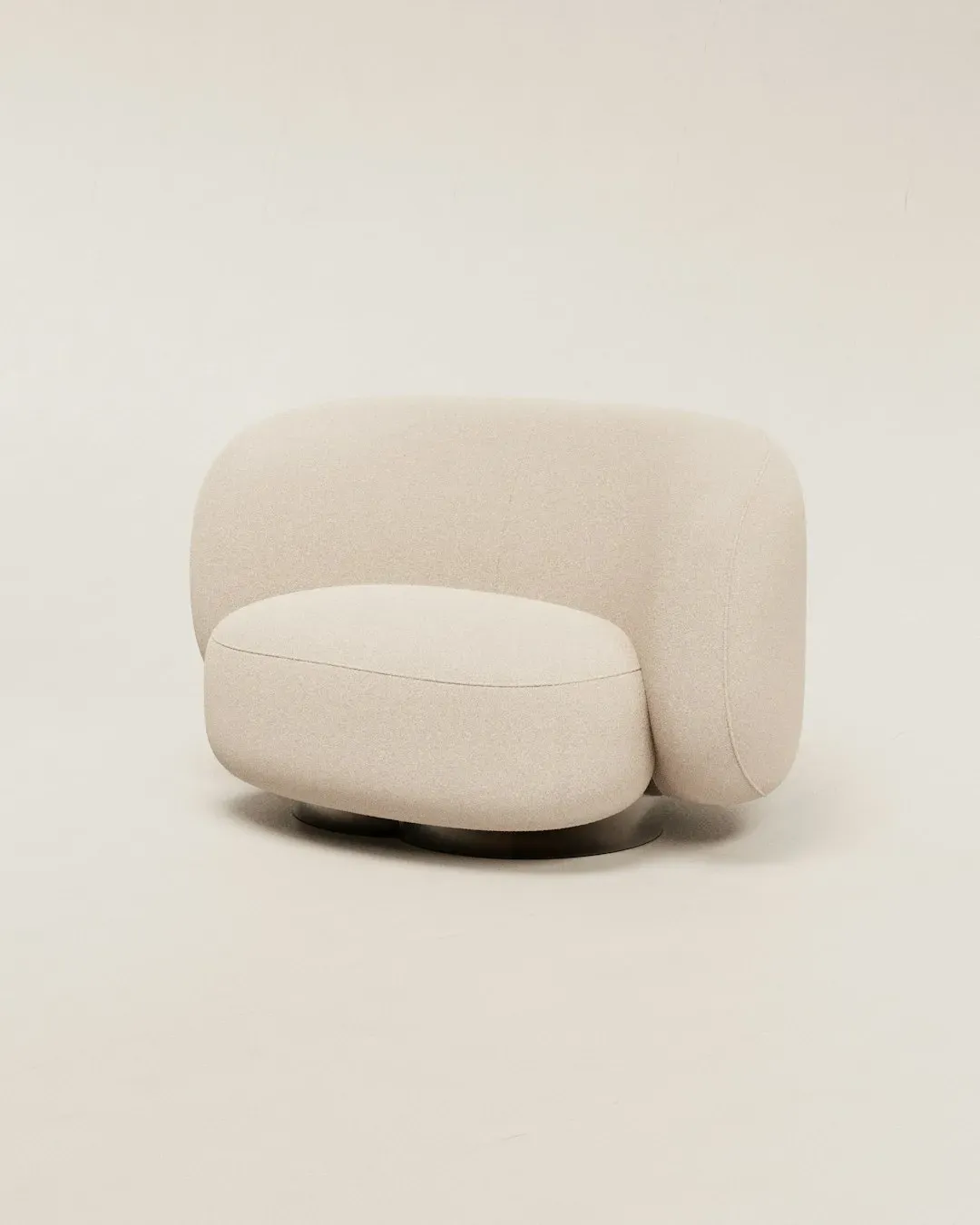
Recently, bouclé furniture dominated seating and accent pieces. However, designers are now fed up seeing white bouclé sofas everywhere. The fabric doesn’t wear very well, especially in areas of friction. Honestly, the bouclé obsession always puzzled me a little. Something that looks that precious in a showroom rarely survives a Tuesday evening with a glass of red wine.
Bouclé is on its way out in 2026. It is uncomfortable to sit on, collects every speck of dust or crumb it touches, and is impossible to clean. According to the 1stDibs Designer Trends Survey, bouclé, rose gold, and acrylic are each at or under three percent in designer preference rankings. That’s a sharp fall from grace for a fabric that once dominated every design feed.
3. Millennial Gray Is Officially Done
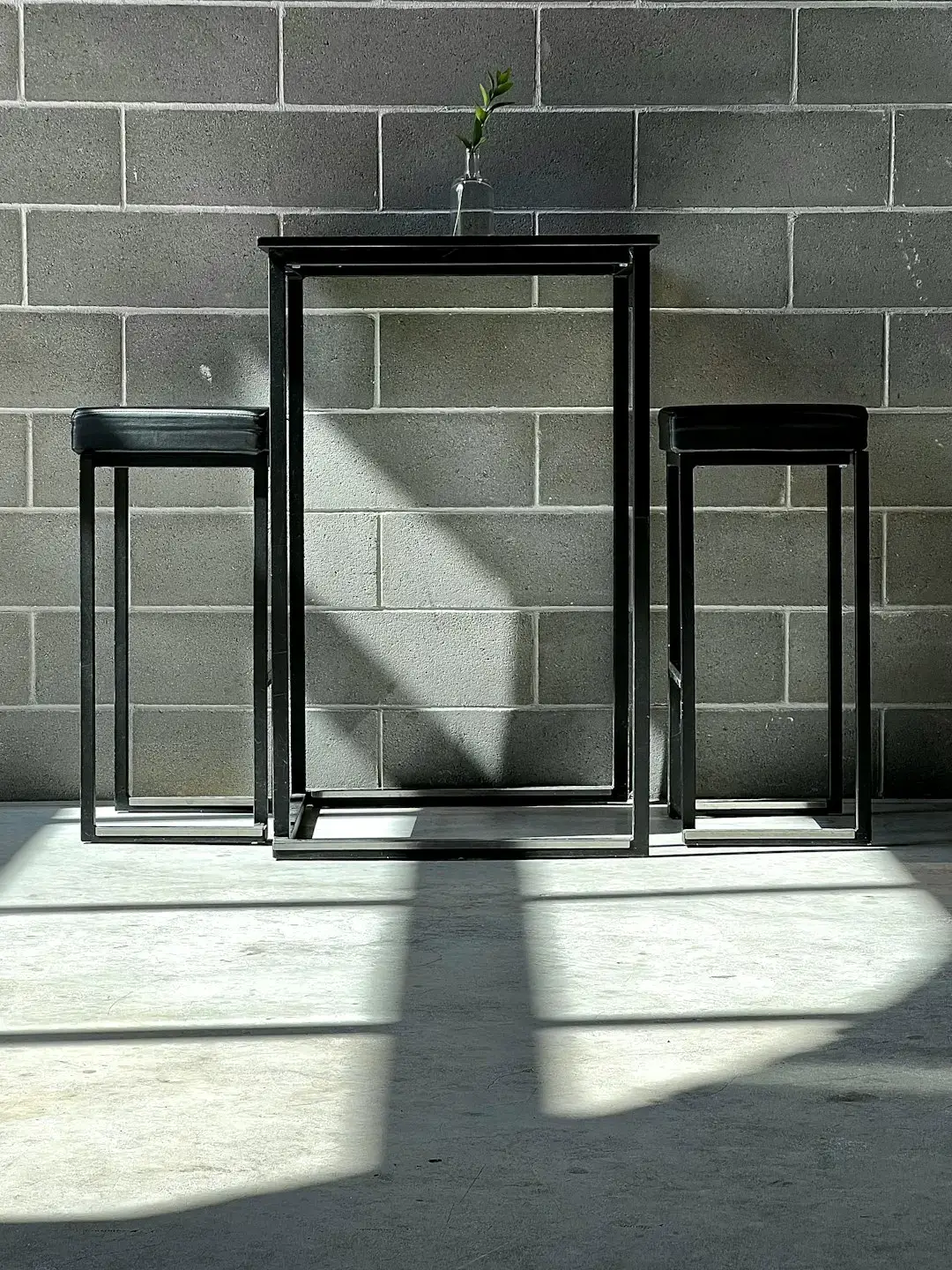
For over a decade, gray and white ruled interior design, defining a generation of home aesthetics often labeled as “Millennial Gray,” characterized by cool gray walls, crisp white trim, and monochrome spaces that dominated real estate listings, home renovation shows, and social media as a go-to palette for its neutrality, versatility, and modern appeal. It was safe. Maybe too safe.
While three years ago roughly eight out of ten color consultations focused on gray paint colors, today that number has dropped to about one out of ten on a good day. Following the Tuscan craze of the 90s, gray became synonymous with a more modern look, but now, after many years of splashing gray on everything, it just feels tired, cold, and boring – and trends will continue to steer away from the millennial gray aesthetic as more people embrace bolder colors and warmer neutrals.
4. Open Kitchen Shelving Is Fading
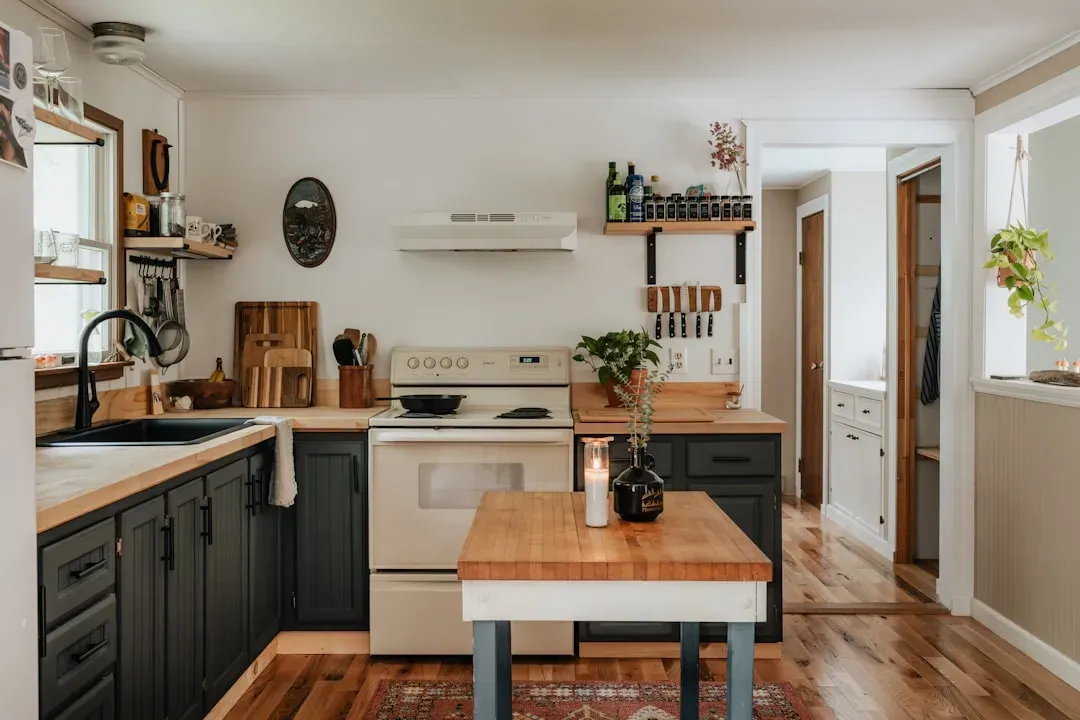
Once hailed for its “airy charm,” open shelving is now criticized for its impracticality, with designers noting that dust build-up and styling demands make it a less functional choice. The idea always looked better in photos than it did in real life, where cooking inevitably means grease, clutter, and the slow collapse of that perfectly styled shelf.
Open shelves in the kitchen expose items to dust, need to be cleaned and organized consistently to keep up the appeal, and are difficult to clean – making it not a practical option for many homeowners, particularly in small spaces where they also make storage more challenging. Open shelving is increasingly being replaced by closed cabinets or glass-fronted options to reduce clutter and dust accumulation.
5. The All-White Interior Is Losing Its Appeal
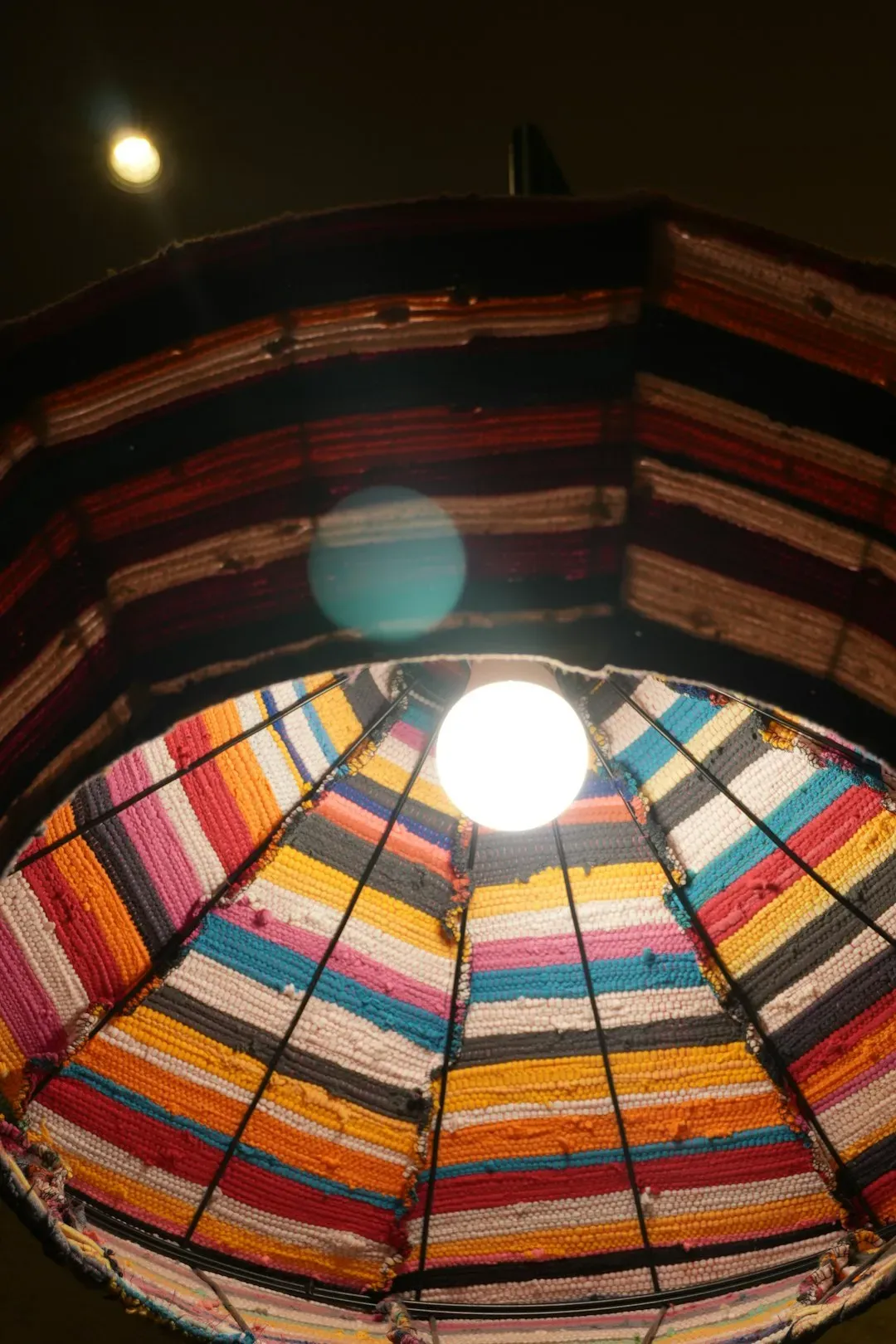
What was once in vogue, like pristine all-white interiors and stark, minimalist spaces, is giving way to more inviting and personalized environments, with homeowners now embracing warmer colors, rich textures, and sustainable materials that reflect their individuality and create a sense of comfort. The all-white kitchen and living room looked great on a moodboard, but living inside one often felt more clinical than calming.
According to the National Kitchen and Bath Association’s 2025 trend reports, nearly three quarters of designers now prefer a colorful kitchen to the all-white designs long considered a staple in the trade. Some designers say that sentiment will be supported by a movement away from anything white, with interiors that feel warmer, darker, and more expressive taking its place, favoring moody atmosphere over brightness and tactility over seamless finishes.
6. Shiplap Is Running Out of Steam
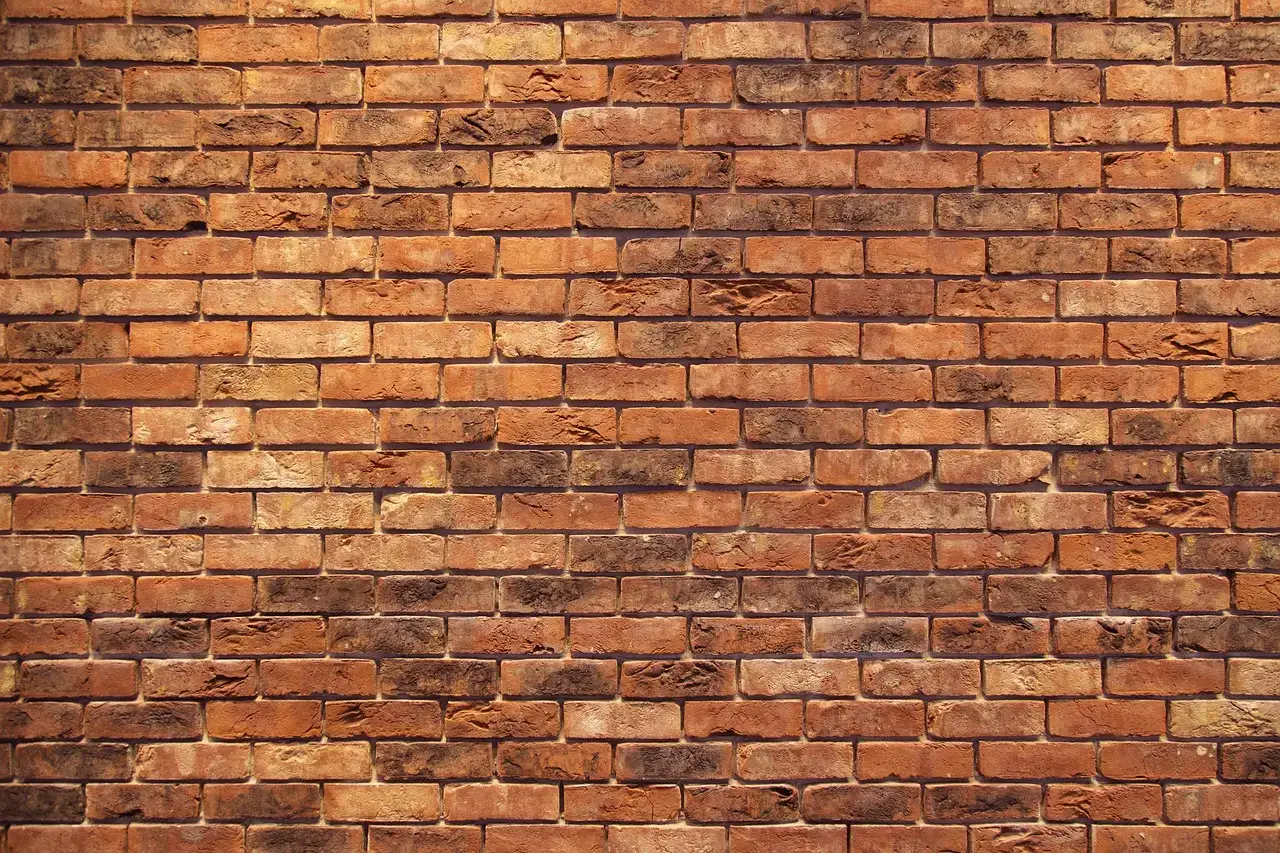
Shiplap is a trend designers aren’t loving anymore, and questions about whether it was going out of style were already being raised back in 2023, with answers mixed even then. It had a genuinely good run, riding the wave of farmhouse and coastal aesthetics for years. In designers’ words, shiplap has become so overplayed that it now makes feature walls feel builder-grade rather than special.
According to interior designer Artem Kropovinsky, hand-applied mineral plaster finishes will replace basic shiplap accent walls as the trend to watch in 2026. Plaster works much better with different styles, while shiplap has a more coastal and farmhouse direction and lacks versatility. The shift is away from prefabricated texture and toward something that feels genuinely handcrafted.
7. Open-Concept Living Layouts Are Being Reconsidered
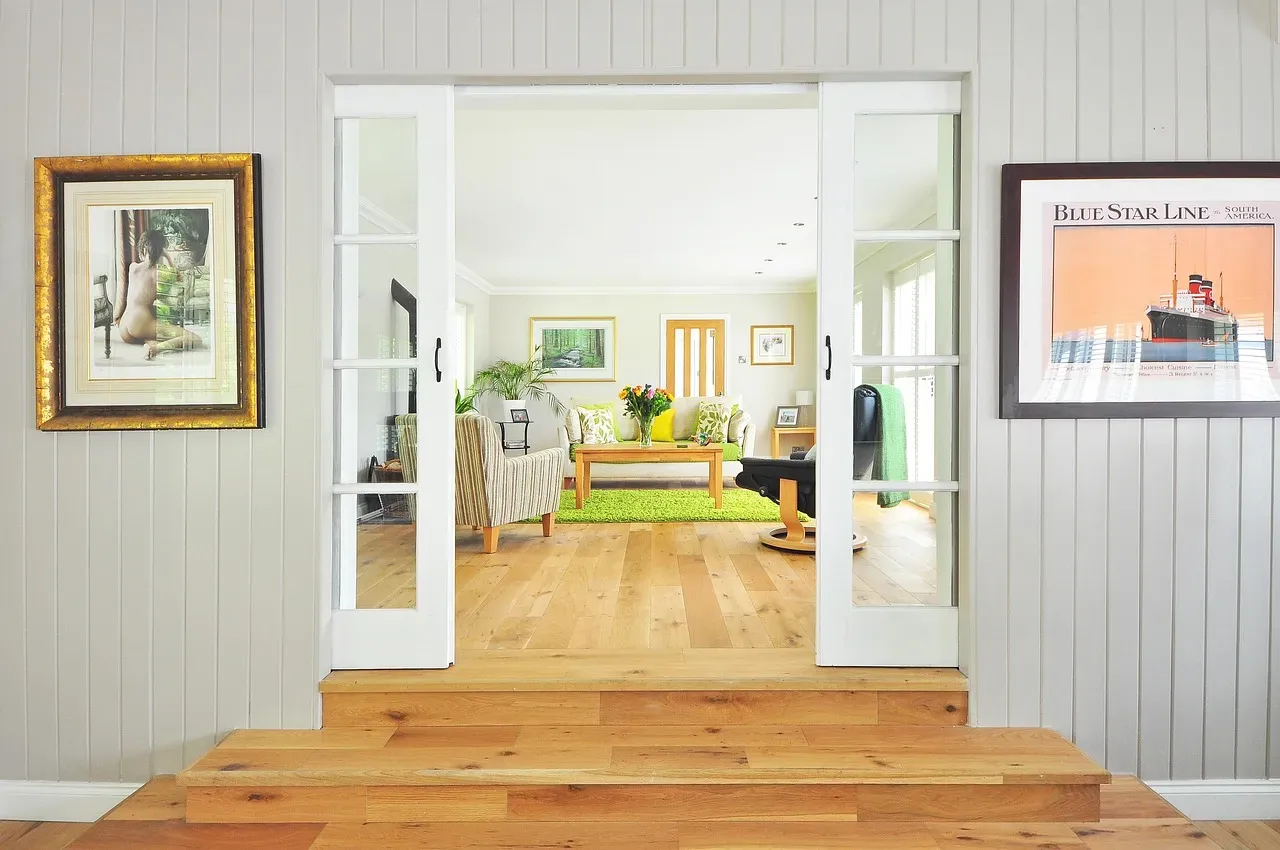
The open-concept layout, a primary feature of modern homes, is continuing to face pushback from designers who value privacy, defined function, and acoustic separation. It’s one of those ideas that sounds great in theory. Knock down a few walls, let the light flow through, make everything feel big and connected. The reality, though, is often noisier and harder to furnish than expected.
While open layouts have been all the rage for over a decade, they have led to the main floors of many homes feeling like one big room. Most of the trends fading in 2026 revolve around themes that either lacked lasting charm or weren’t practical over the long run, including open shelving overload, industrial coldness, monotone minimalism, and overly themed farmhouse motifs.
8. Perfectly Matching Furniture Sets Are Out
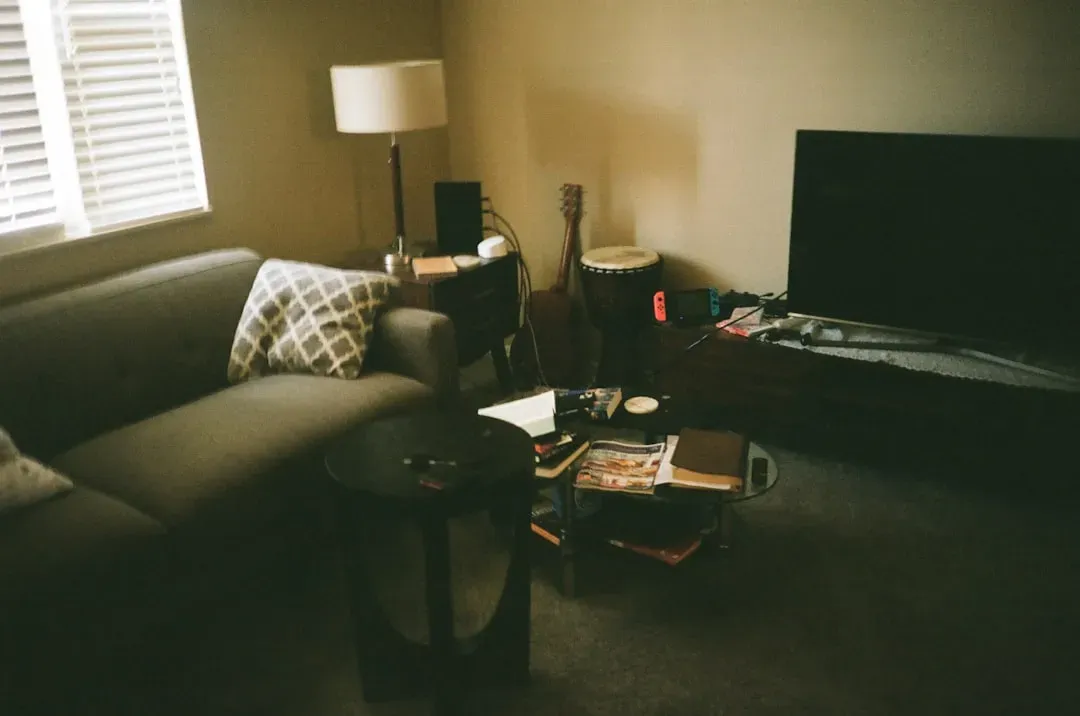
Though matching furniture sets haven’t really been a trend for years, we’re still seeing plenty of them in 2025, even as the trends for the years to come lean into secondhand, layered, organic vibes. Think of the matching furniture set like a school uniform for your living room. Neat on the surface, but lacking any personality or story.
The era of perfectly matched furniture sets is fading, with today’s eclectic and curated looks featuring complementary pieces rather than identical ones, since mixing textures, colors, and styles adds dynamism and interest to a space. Whether you buy pieces as needed or scour your favorite vintage store, mismatched furniture can give your living room a personable, curated edge.
9. Overly Staged, Picture-Perfect Spaces Are Falling Flat
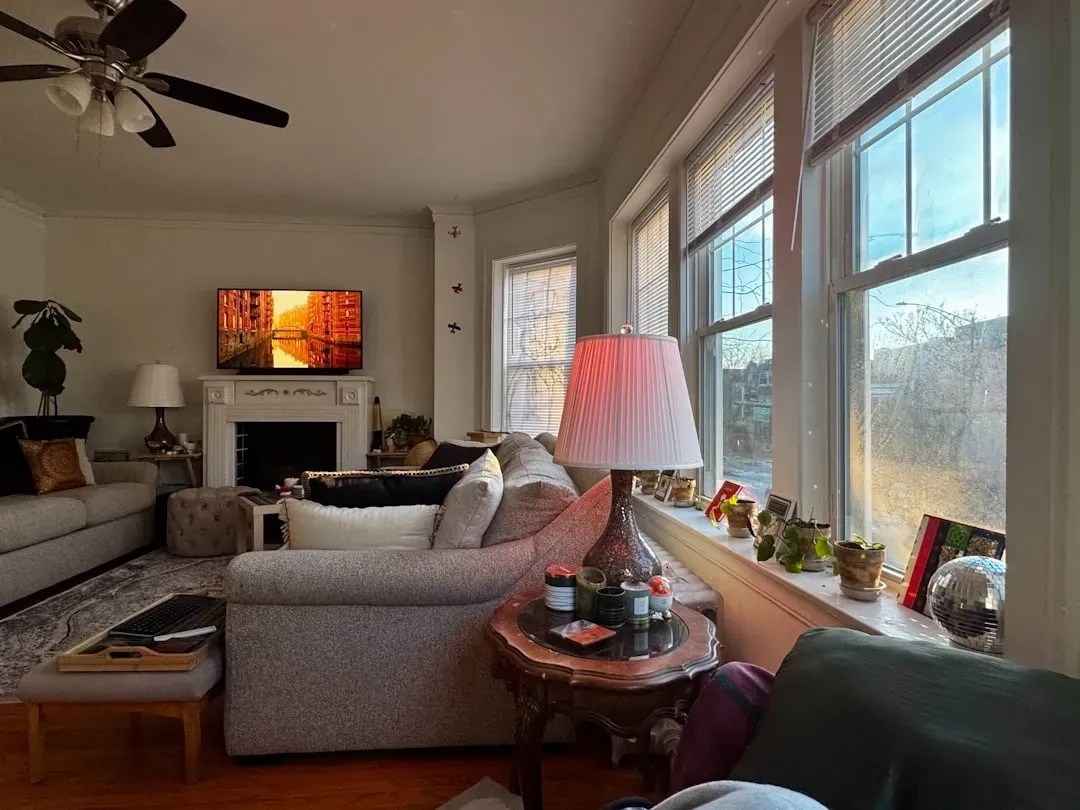
Designers hope we’re moving away from the obsession with “perfect” spaces, homes that feel overly staged, overly coordinated, and so polished that there’s no real life or soul in them, with a preference for interiors that actually have a story, pieces with personality, rooms that feel collected rather than curated, and materials that show their age and texture. This is something I think we all quietly knew but were slow to admit.
Homes that feel curated solely to chase trends lack emotional resonance, and the overly perfect stack of books, the untouched sculptural object, and the chair no one can sit in because its silhouette is more concept than function might perform well online but rarely support real living. Heading into 2026, we’re seeing a shift away from copycat, picture-perfect spaces that feels long overdue.
10. Blonde and Light Wood Everywhere Is Fading
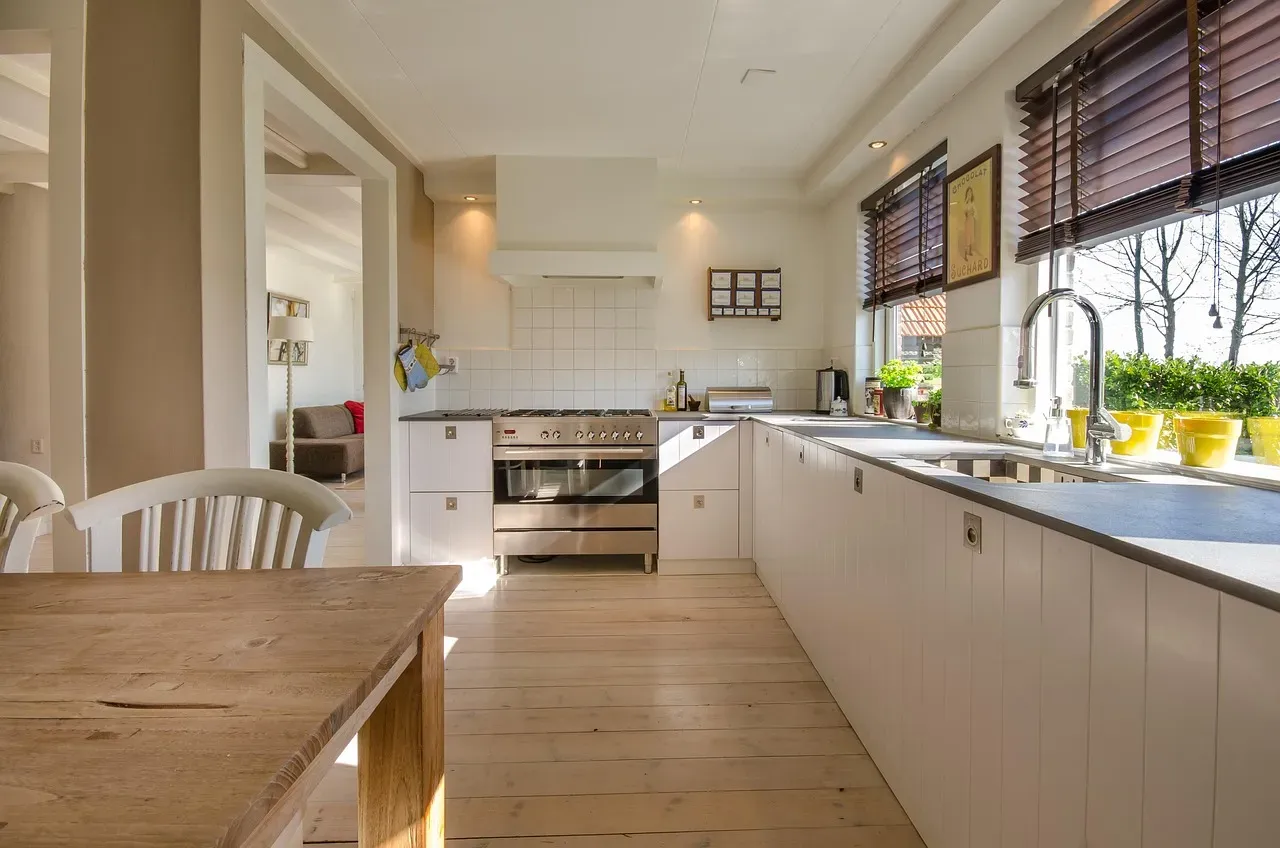
In the 1stDibs Designer Trends Survey, blonde wood slid to just nine percent of designer preference from an enthusiastic twenty-four percent the year before, marking one of the sharpest declines tracked in the survey. Light, washed-out woods have had an extraordinarily long reign, fueled by the Scandinavian design wave and the broader minimalism movement. Their time, it seems, is winding down.
In 2026, it’s finally time to say goodbye to this last vestige of the minimalist Scandi aesthetic, as darker, richer wood finishes have so much more depth, warmth, and character, which is exactly what people are craving in their homes right now. Whether it’s in paneling, door cases, furniture, or flooring, it’s becoming acceptable to get a little moody in wood choices, a trend that reemerged in 2025 and is sure to take off in 2026.
11. Sage Green Overload Has Reached Its Tipping Point
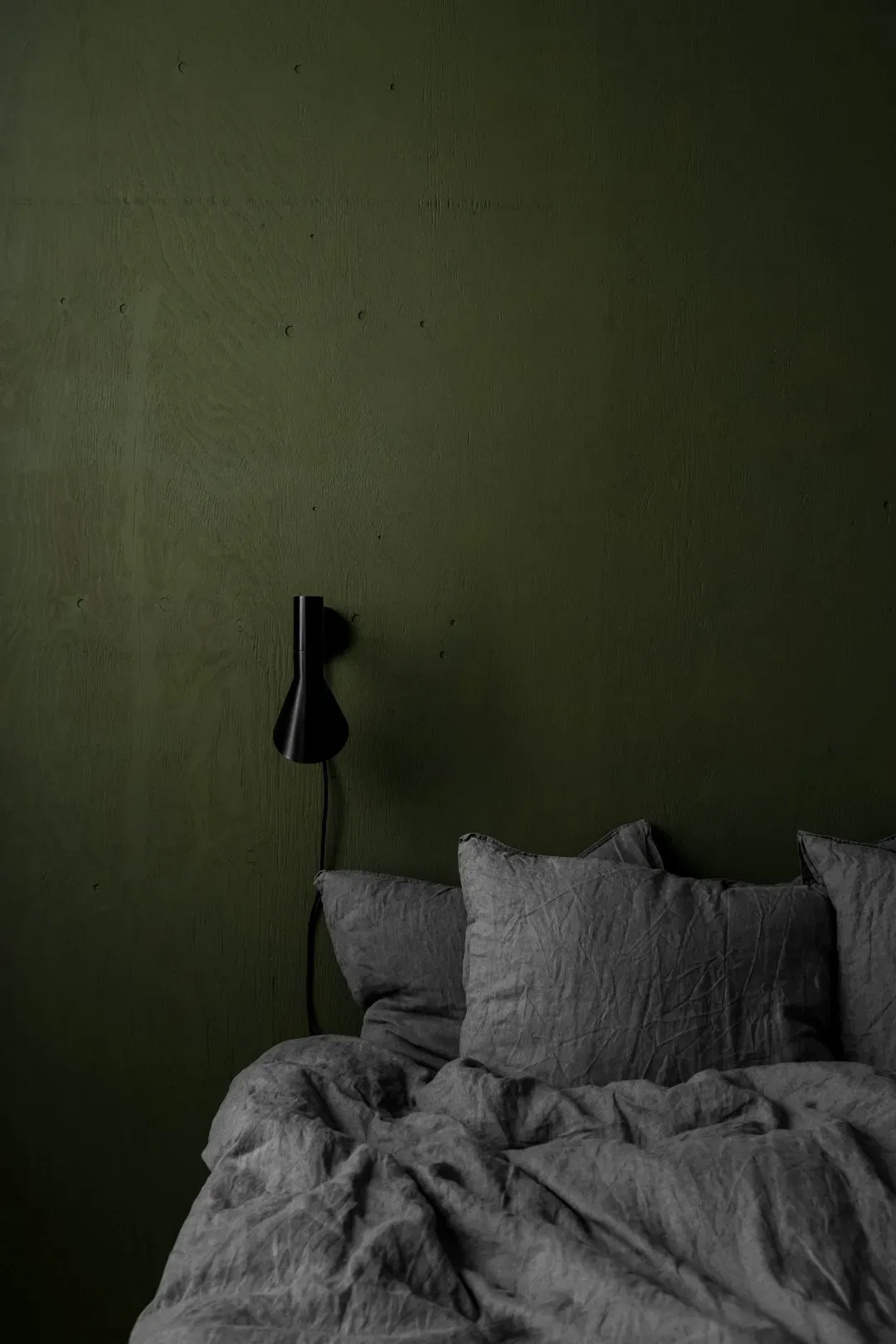
As we welcome 2026, we’re also saying goodbye to a number of design trends that have been “in” for far too long, including sage walls and accents, indoor jungles, pale wood, and stainless everything, which once felt fresh, trendy, and progressive in all the right ways, but like sage itself, once it’s overused, it becomes stale. Sage had a beautiful moment. A genuinely warm, nature-connected shade that felt like a breath of fresh air after years of cold gray.
On-trend designers are really shifting toward jewel tones and dark palettes, thinking dark, edgy, veined marble, velvet ruby-colored curtains, and rich, textured wallpapers in moody shades. Sage isn’t dead forever, of course. It simply got overexposed. Green hues have overtaken gray in popularity in recent years, especially with millennials, though the direction is shifting toward richer, more saturated versions of the color.
12. Overly Industrial Aesthetic Is Softening Out
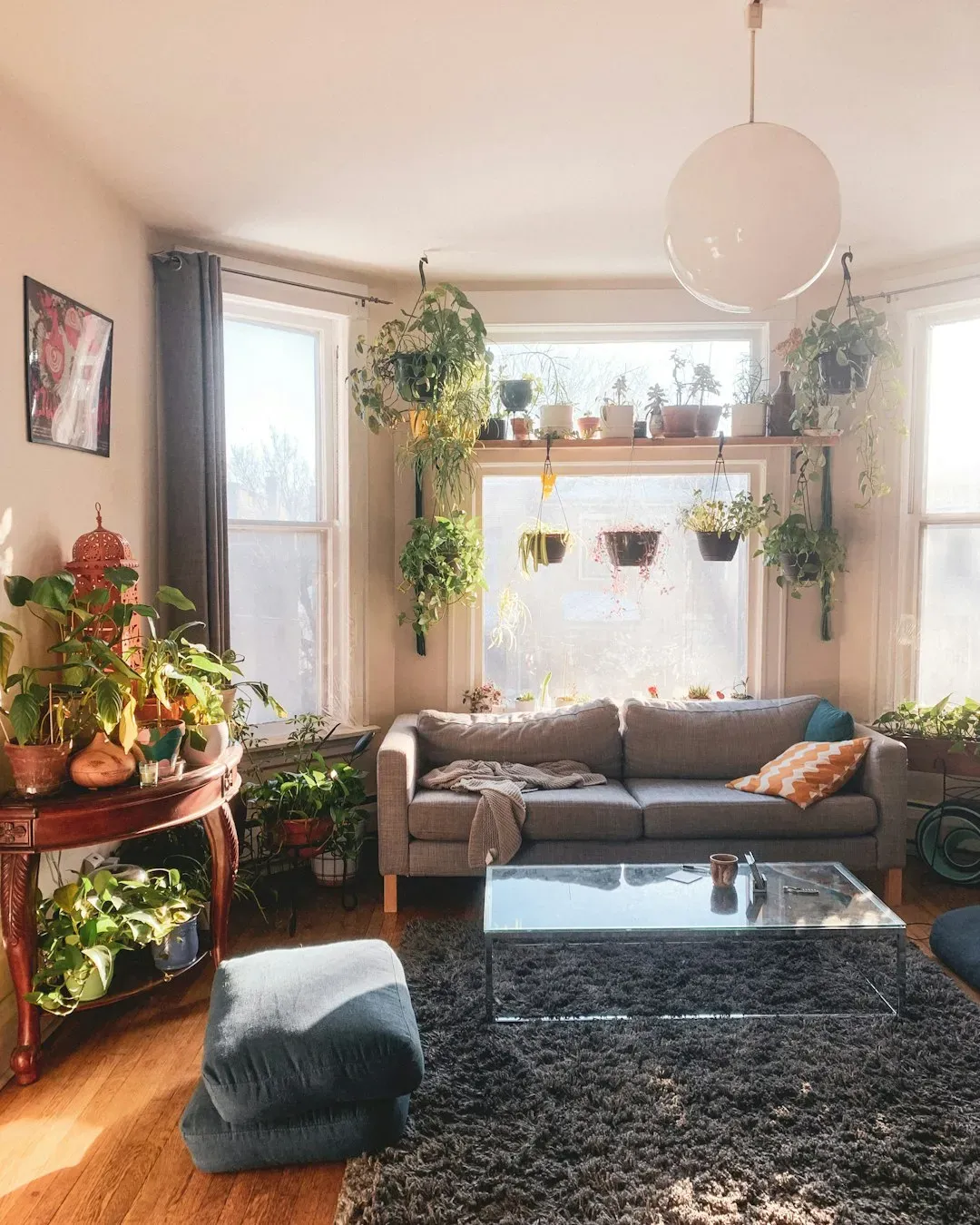
Industrial elements such as exposed ductwork and concrete floors are becoming less desirable as people gravitate toward cozier, softer design choices that feel more livable. The raw industrial look, all exposed pipes, polished concrete, and Edison bulbs, was genuinely exciting for a while. It brought an urban edge into domestic spaces. Over time, though, it started feeling cold rather than cool.
As sustainability becomes not just a value but an expectation, the emphasis on vintage, longevity and thoughtful materiality will continue to shape the conversation, pushing the industry toward design that’s both timeless and personally meaningful, with a surging interest in things that are made by hand, that are high design, and have great longevity. The hyper-minimalist approach, with its clean, stark lines and absence of visual interest, is being phased out as designers reintroduce texture, layers, and touches of warmth into living spaces.