12 Home Decor Trends Designers Say Are Quietly Phasing Out
There is something quietly thrilling about watching a decor trend die. One season it is everywhere, the next it feels like a relic from a decade you can’t quite place. If you have been scrolling through home feeds lately and sensing a shift, you are not imagining it. Designers are openly calling out the looks they are tired of and, in many cases, the looks their clients are finally willing to let go of too.
From the wall treatments that Joanna Gaines accidentally immortalized to the sofa fabric that conquered every Instagram page, quite a few beloved trends are being ushered quietly toward the exit. Some of them may surprise you. Let’s dive in.
1. Shiplap Walls
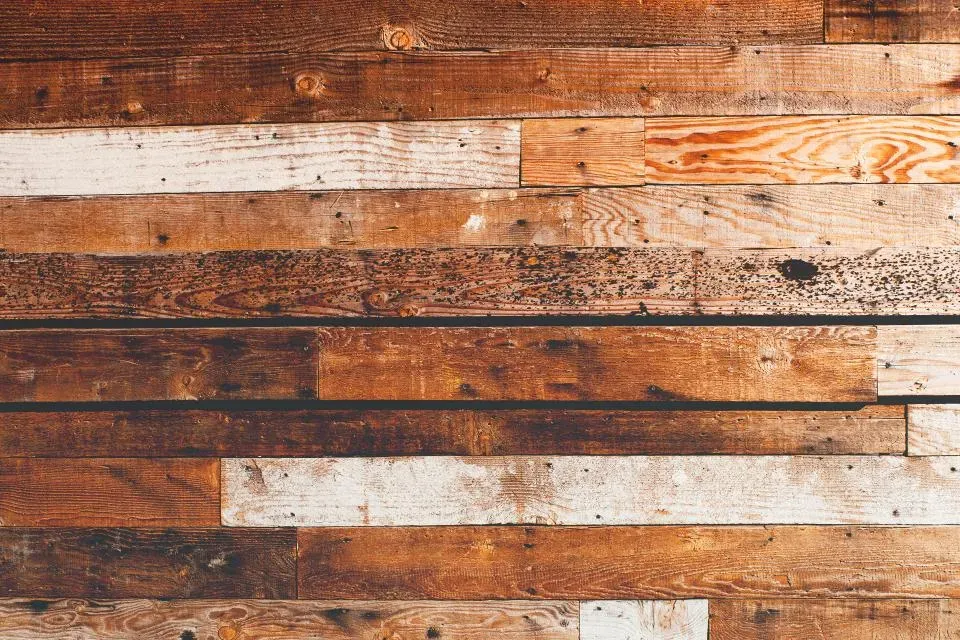
If you watched any home design shows in the mid to late 2010s, you would find it hard to believe there would ever come a time when homeowners would miss the chance to install shiplap. The white horizontal wood panels that neatly overlap with one another became an immediate mainstay when Chip and Joanna Gaines installed them during a farmhouse renovation on Fixer Upper in 2013. For a long time, it felt fresh. Honest, even. Rustic without trying too hard.
When Apartment Therapy surveyed both homebuyers and a selection of real estate experts, they asked about home trends that are on their way out, and both groups said shiplap is on the decline. In fact, more members of each group selected shiplap than any other trend. Designer Yena Jung of By Yena Designs said there are so many places she sees shiplap being used, and it is just so overplayed. She especially does not want a feature wall made with shiplap. The whole point of a feature wall is to make it special, and shiplap makes it feel builder-grade.
2. The All-Gray Interior
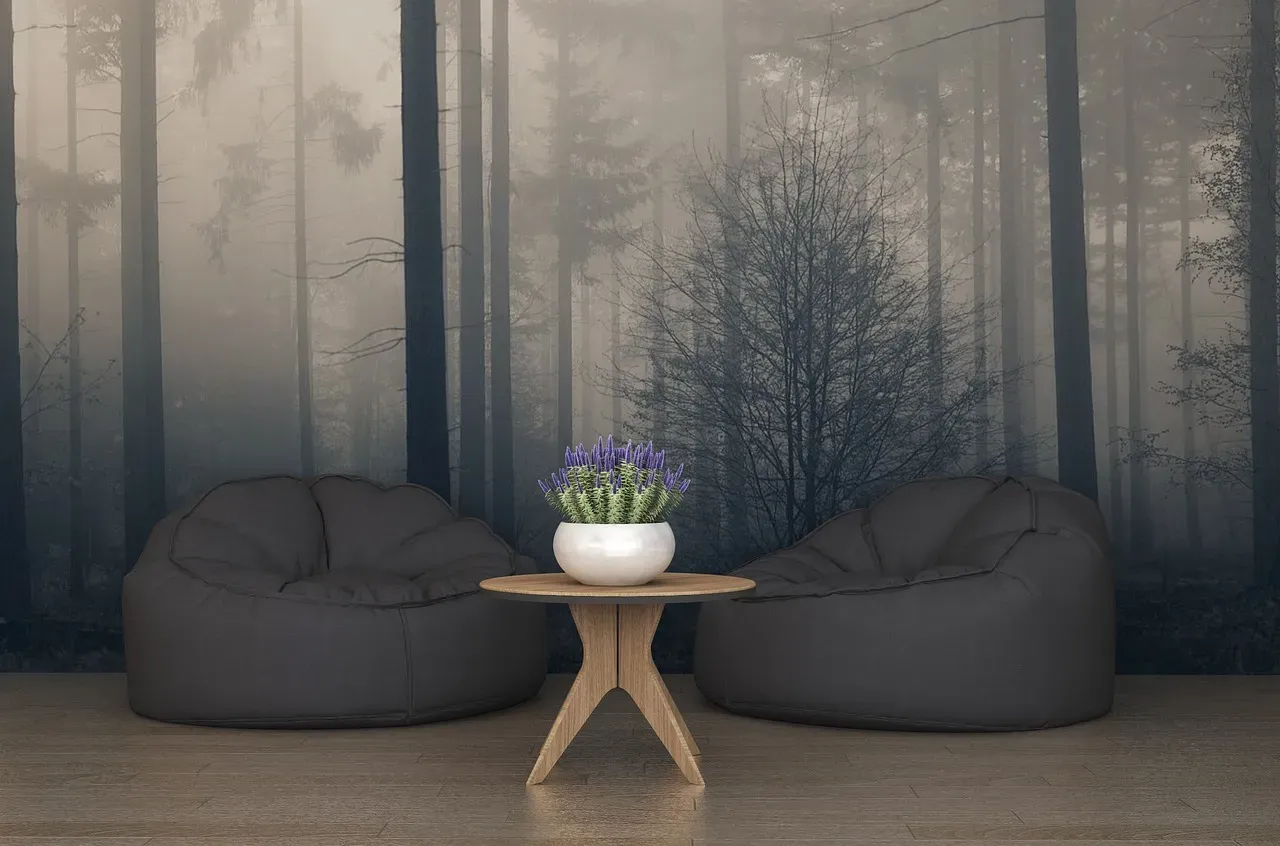
Following the Tuscan craze of the 90s, gray became synonymous with a more modern look. After many years of splashing gray on everything, it just feels tired, cold, and boring. Trends continue to steer away from the millennial gray aesthetic as more people embrace bolder colors and warmer neutrals. Honestly, gray had a better run than it deserved. It was safe, and safety got boring fast.
Interior designer Nina Lichtenstein says flat, cool grays top the list. They had a long run, covering walls, flooring, and cabinetry, but they can leave a room feeling cold and impersonal. Homeowners now want warmth and comfort, so richer neutrals with a hint of beige, clay, or mushroom are replacing icy tones. Gray is outdated, in most cases, for walls, cabinets, flooring, and other interior finishes. The data backs this up repeatedly across designer surveys in 2025 and 2026.
3. Bouclé Furniture Overload
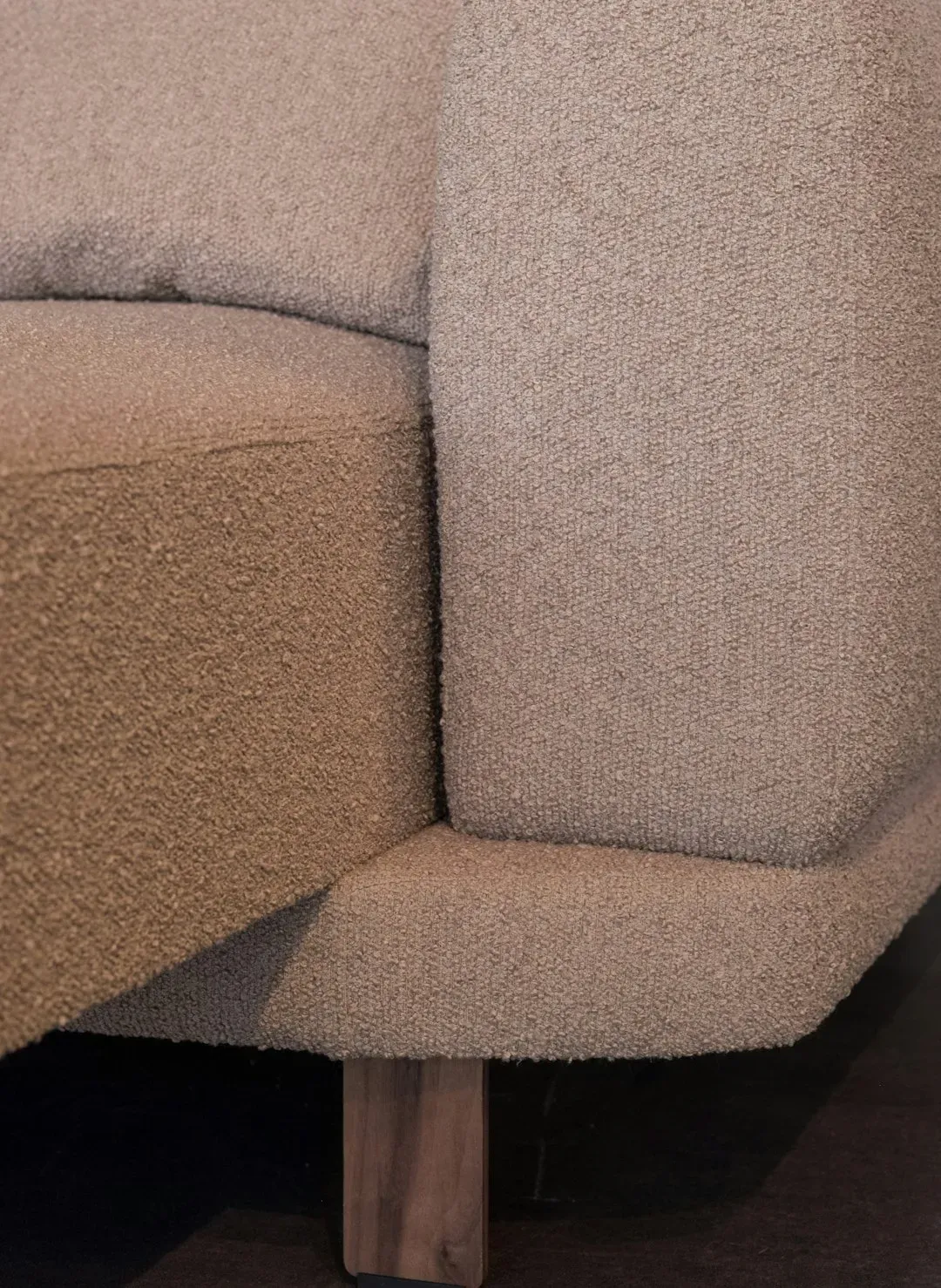
Recently, bouclé furniture has dominated seating and accent pieces. Designers are now fed up seeing white bouclé sofas everywhere. The fabric also does not wear very well, especially in areas of friction. Let’s be real, bouclé looked incredible in editorial photos. It was terrible at everything else.
Bouclé is on its way out in 2026. It is uncomfortable to sit on, collects every speck of dust or crumb it touches, and is impossible to clean. It really had no business taking over like it did. There are so many other, more durable fabrics like linen, velvet, and leather that are better suited for everyday life. According to the 1stDibs Designer Trends Survey, bouclé, rose gold, and acrylic are clearly on the outs, each at or under three percent of designer preference.
4. Open-Concept Everything
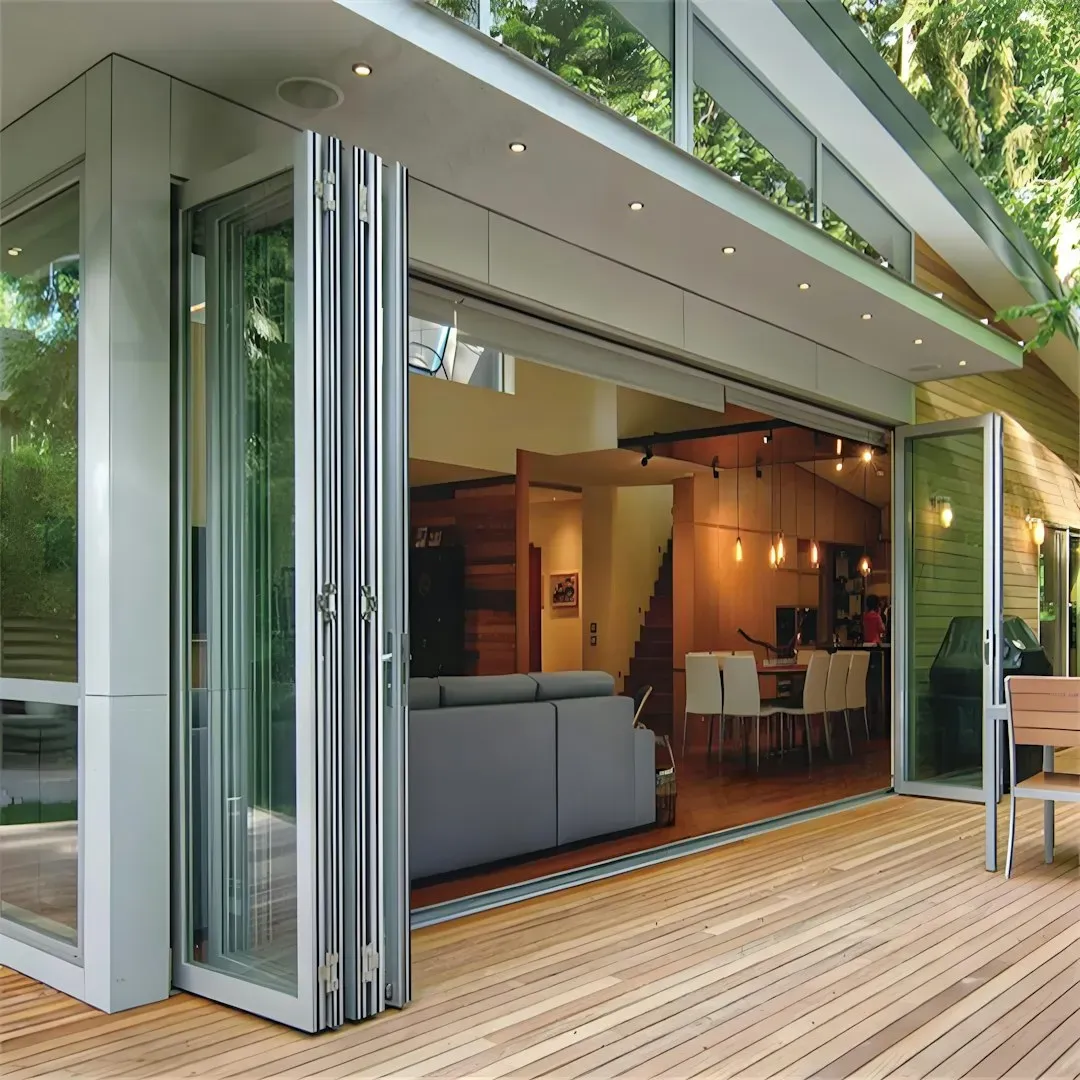
The open-concept layout, a primary feature of modern homes, is continuing to face pushback from designers who value privacy, defined function, and acoustic separation. It was such a dominant idea for so long that questioning it felt almost radical. Walls were torn down in millions of homes. Now, those walls are missed.
Designers agree that just because you double-tapped a viral trend does not mean it belongs in your home. The overly perfect stack of books, the untouched sculptural object, the chair no one can sit in because its silhouette is more concept than function. These choices might perform well online, but they rarely support real living. The trends for the years to come are definitely going to lean into secondhand, layered, organic vibes. Whether you buy pieces as needed or scour your favorite vintage store, mismatched furniture can give your living room a personable, curated edge.
5. The Single Accent Wall
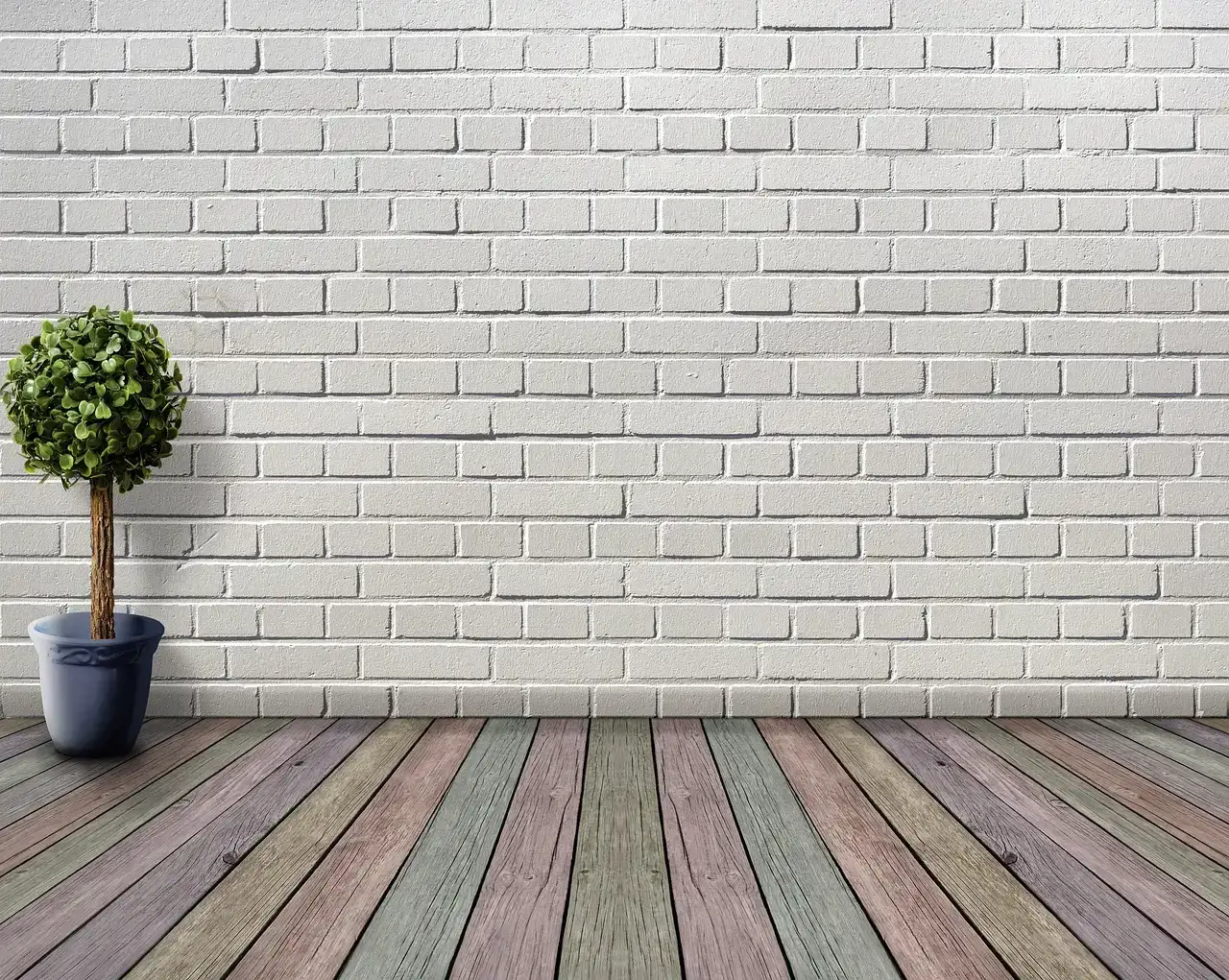
Once trendy, accent walls are being phased out in favor of cohesive color schemes. Homeowners prefer a consistent flow of color throughout a room instead of a single bold wall. Think of the accent wall like a mullet. Business in the front, party in the back. It looked clever for a moment, then it just looked tired.
Designers are hoping 2026 is the year we kindly retire the accent wall. Instead, they are leaning into color drenching: painting everything, the walls, ceiling, doors, and moldings all the same color. It makes a room instantly feel warm and playful without trying too hard. It is not necessarily shiplap accent walls that are going out of style, but accent walls in general. After showing up as a quick way to revamp a room about 10 years ago, the design world has realized the look is a little unfinished.
6. Sage Green as a Default Color
Sage green was once the go-to shade for homeowners and interior designers everywhere, cropping up on kitchen cabinets, front doors, and even window treatments. Nowadays, it is starting to feel a little too familiar. There is a fine line between a universally loved color and a universally overused one, and sage crossed it somewhere around 2023.
One designer noted that once someone called sage green “the new millennial gray,” she could not unsee it. That specific soft sage and eucalyptus tone has been done, and it is time to give it a break. For 2026, designers predict a shift away from vibrant forest greens as well. One Los Angeles-based designer says forest green is going out of style for 2026, having simply been done too much.
7. Open Kitchen Shelving
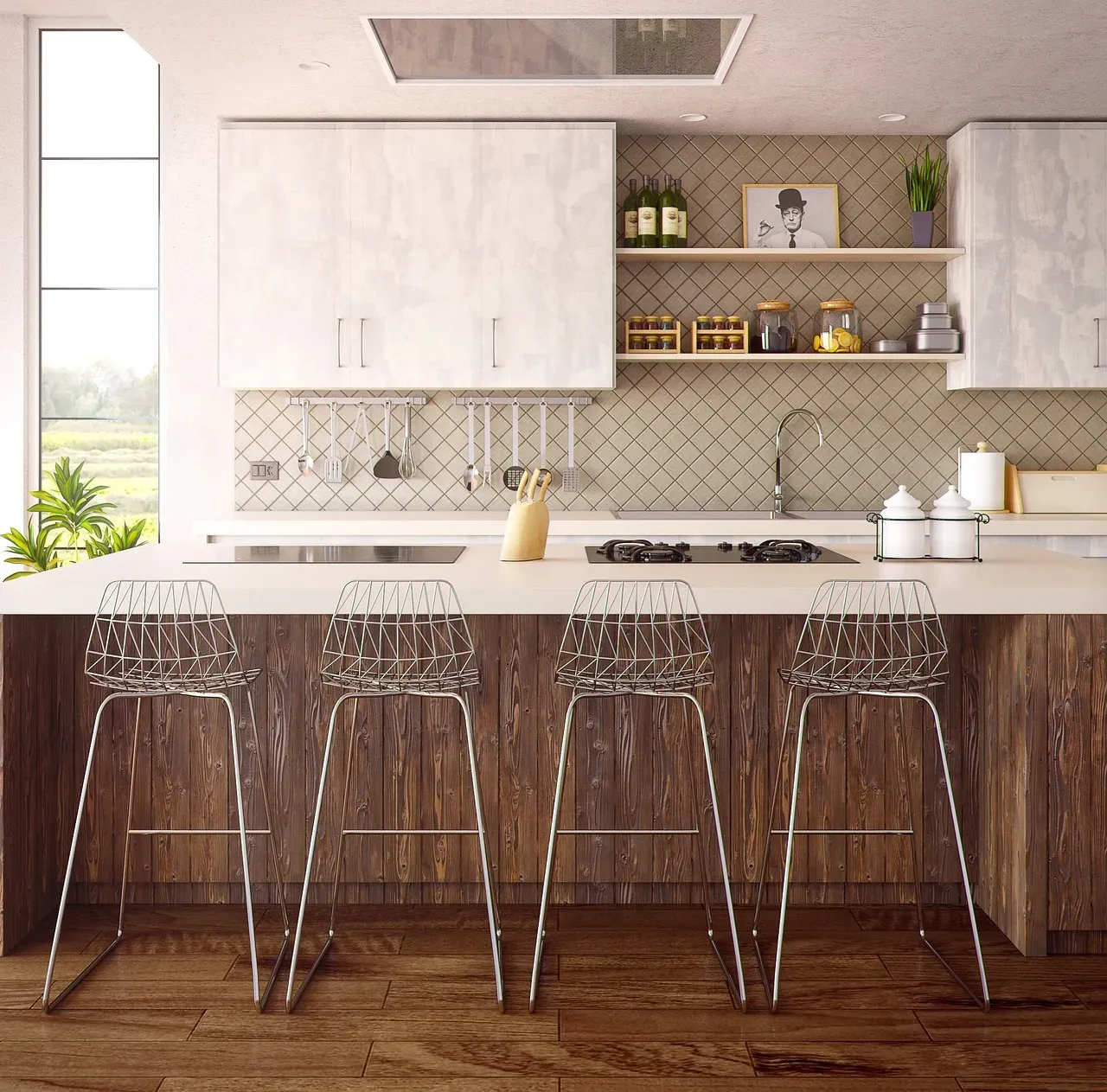
Open shelving has been a favorite for showcasing beautiful dishware, but its impracticality is causing a decline in popularity. The dream was a kitchen that looked like a curated European pantry. The reality was dusty plates, mismatched mugs, and a constant anxiety about everything looking just right.
Designers are advocating function over form in 2026, particularly in the kitchen. Practical storage is a must-have for keeping things looking clean and stylish. That is why they are turning away from open shelving. According to the National Kitchen and Bath Association’s 2025 trend reports, roughly seven in ten designers now prefer a colorful kitchen to the all-white designs, long a staple in the trade. Closed cabinets are making a full comeback, and they are bringing storage with them.
8. Matching Furniture Sets
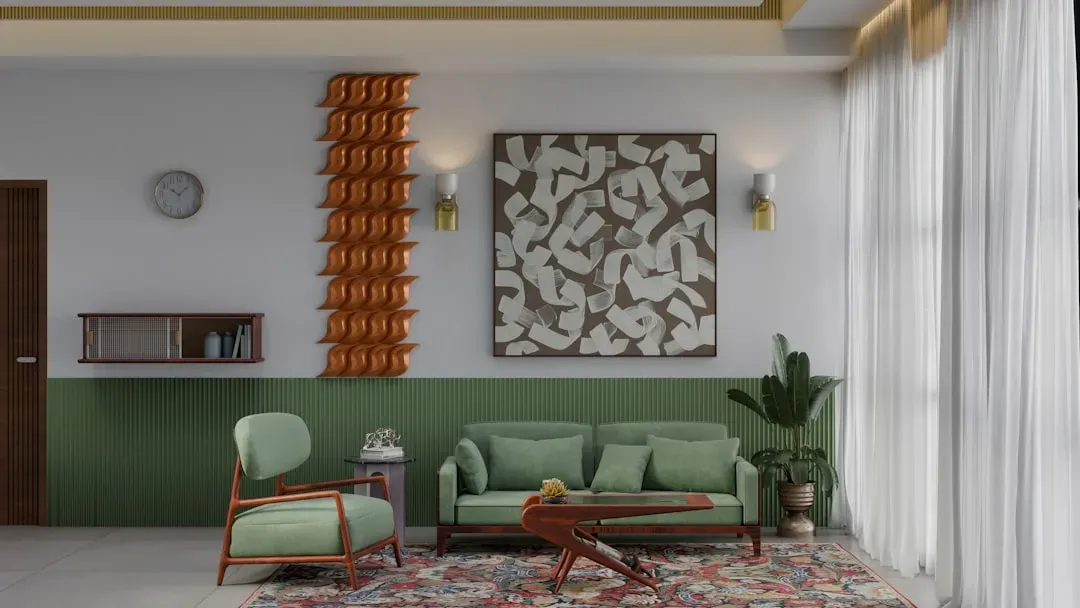
The era of perfectly matched furniture sets is fading. Today, eclectic and curated looks featuring complementary pieces rather than identical ones are preferred. Mixing textures, colors, and styles adds dynamism and interest to a space. There is something almost sweet about the matching set. It screamed fresh start, new apartment. Unfortunately, it also screamed showroom floor.
Though matching furniture sets have not really been a trend for years, we are still seeing plenty of them. The trends for the years to come are definitely going to lean into secondhand, layered, organic vibes. What we are seeing now is a shift away from mass-produced, one-size-fits-all design. Clients are craving more meaning and uniqueness in their homes.
9. All-White Interiors
What was once in vogue, like pristine all-white interiors and stark minimalist spaces, is giving way to more inviting and personalized environments. Homeowners are now embracing warmer colors, rich textures, and sustainable materials that reflect their individuality and create a sense of comfort. The all-white room was once the pinnacle of chic. It is now the interior design equivalent of a blank document nobody had the nerve to fill in.
Some designers say that sentiment will be supported by a movement away from anything white, as well as sterile minimalism. In its place will come interiors that feel warmer, darker, and more expressive, ones that favor moody atmosphere over brightness and tactility over seamless finishes. According to the National Kitchen and Bath Association’s 2025 trend reports, the vast majority of designers now prefer colorful kitchens to all-white designs, and in bathrooms, verdant or azure color schemes are trending.
10. Overly Industrial Aesthetics
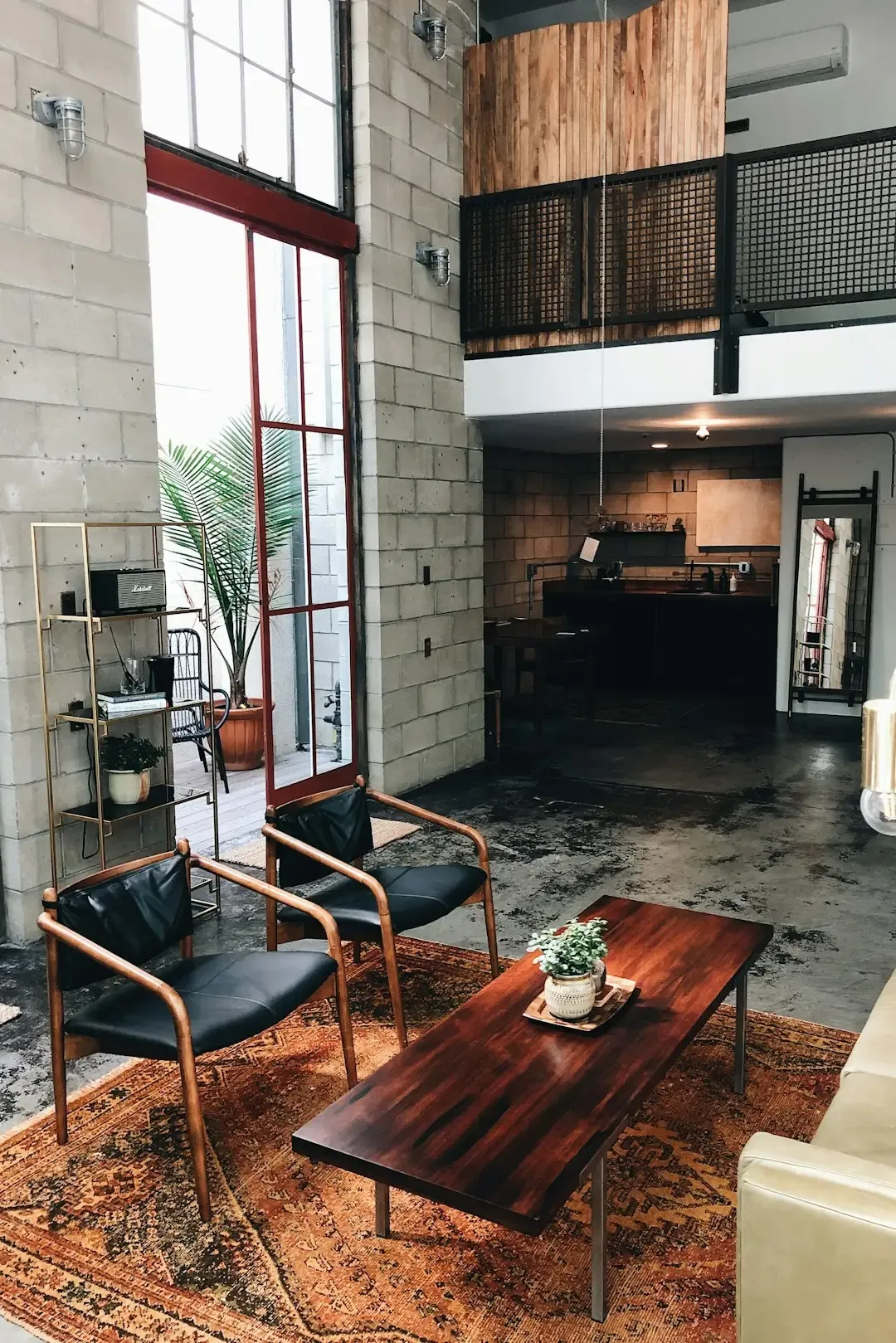
Industrial elements such as exposed ductwork and concrete floors are becoming less desirable as people gravitate toward cozier, softer design choices that feel more livable. The exposed pipe ceiling had a great decade. It made lofts feel like artsy urban retreats. Somewhere along the way, it started feeling more like an unfinished renovation than a deliberate design choice.
Designers and other industry experts seem certain that even as powerful tech plays a yet larger role in our lives, homes will go in the opposite direction, becoming refuges that support connection not with screens or computer-generated thought, but with one another. With the surging interest in AI-created images, industry leaders believe people are going to go for organic content, things that are made by hand, that are high design, designed by people, and have great longevity. Cold industrial design simply works against all of that.
11. Blonde and Light Blond Wood Finishes
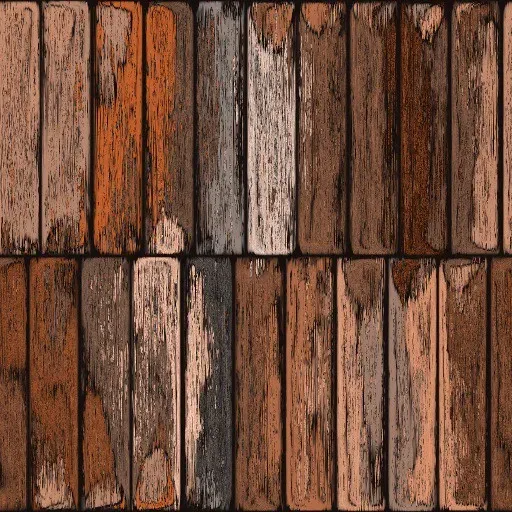
In 2026, it is finally time to say goodbye to this last vestige of the minimalist Scandi aesthetic. Darker, richer wood finishes have so much more depth, warmth, and character, which is exactly what people are craving in their homes right now. Light blonde wood had a beautiful run, it really did. It was airy. It was Scandinavian. It was also absolutely everywhere for years.
According to the 1stDibs Designer Trends Survey, blonde wood slid to just nine percent of designer preference, down from an enthusiastic twenty-four percent just two years before. Whether it is in paneling, door cases, furniture, or flooring, it is becoming acceptable to get a little moody in wood choices. This trend reemerged in 2025 and is sure to take off in 2026. Rich oak, walnut, and mahogany are taking center stage.
12. Overly Curated, Stage-Ready Spaces
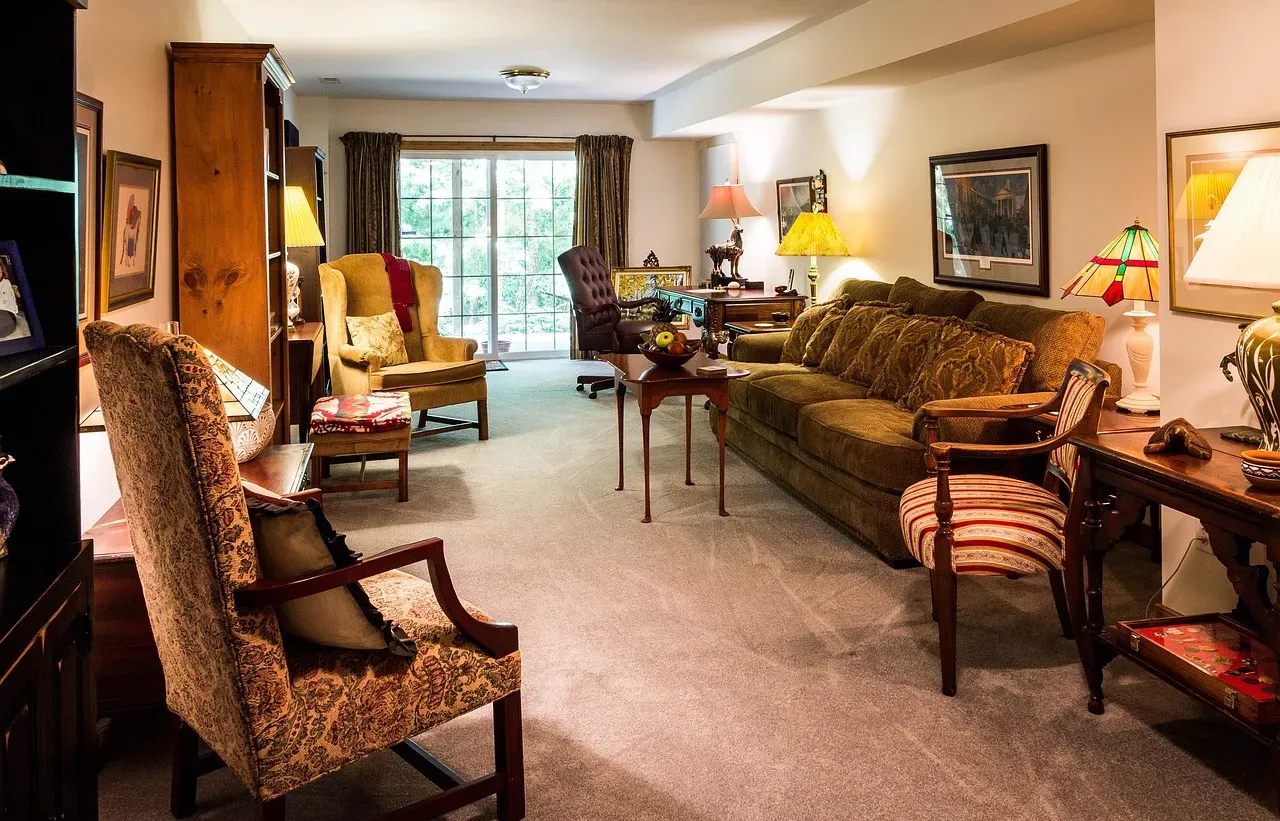
Designers hope we are moving away from the obsession with perfect spaces, homes that feel overly staged, overly coordinated, and so polished that there is no real life or soul in them. What many would rather see in 2026 are interiors that actually have a story. Pieces with personality, rooms that feel collected rather than curated, and materials that show their age and texture.
Heading into 2026, we are seeing a shift away from copycat, picture-perfect spaces that feels long overdue. The general consensus among designers is that you are going to want to worry less about chasing the next “it” look and more about creating a home that is layered, unique, and full of soul, the kind of home that truly feels like you. There is a broad shift, led by digital natives, toward authenticity and the analogue, including collected objects, vintage finds, hands-on hobbies, and interiors that feel personal rather than optimized.