12 Home Decor Trends Designers Say Are Quietly Phasing Out
Home decor shifts don’t usually announce themselves with a drumroll. They creep in slowly, like a color you keep noticing is gone from store shelves, or a look that used to feel fresh but now just feels… familiar. The design world in 2025 and heading into 2026 has been doing exactly that: quietly retiring some of the most beloved visual languages of the past decade.
The interior design trends of 2025 continued the momentum first seen in 2024, with a noticeable shift away from fleeting, pop-culture-driven fads toward designs inspired by the past and focused on longevity. If your home still leans on any of these twelve staples, don’t panic. Just know that the tide is turning. Let’s dive in.
1. The All-White Interior
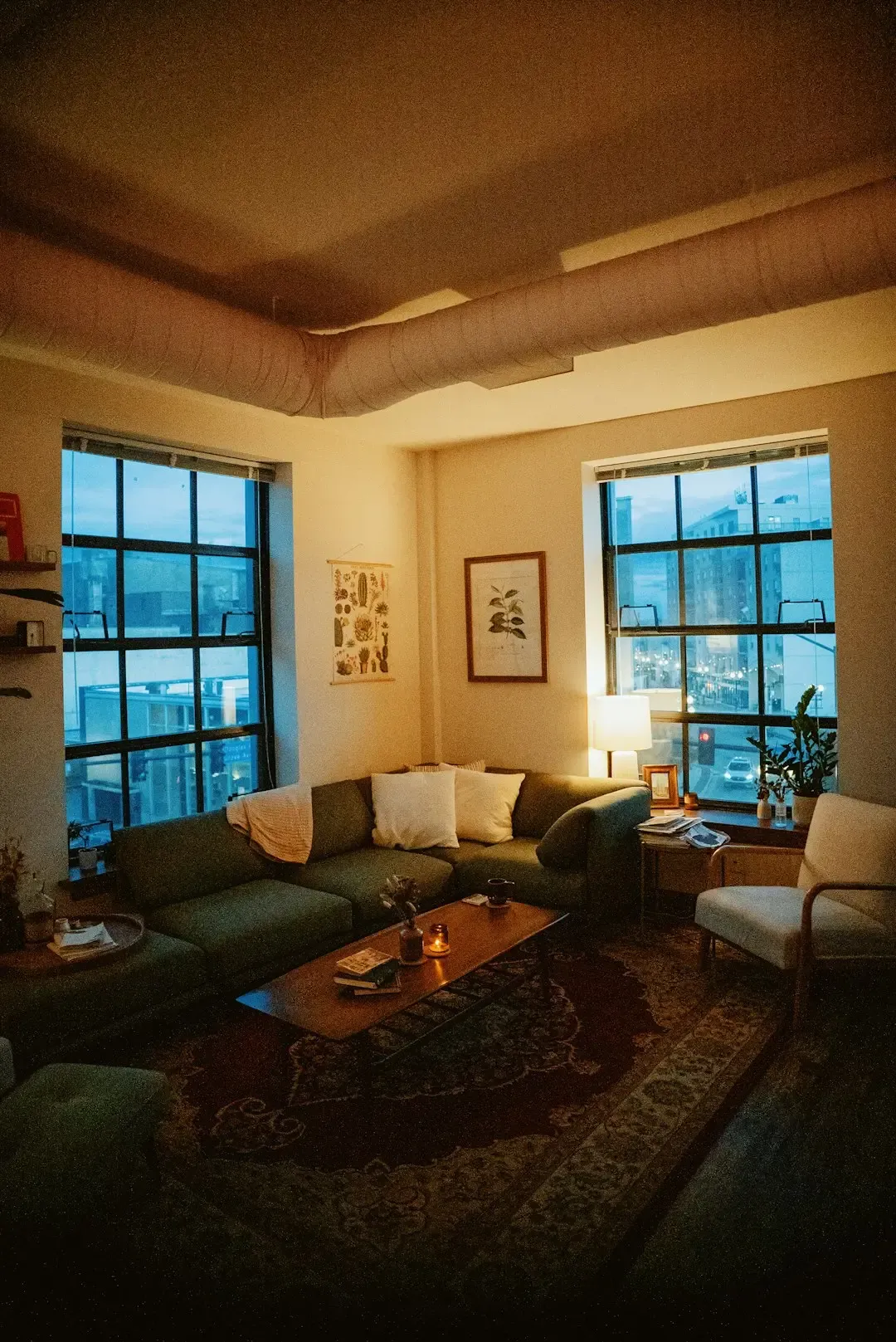
If there is one trend designers agree is over, it is the all-white interior. Sterile white environments are taking a back seat as homeowners move toward spaces that feel lived-in rather than staged. Honestly, it makes total sense. Living inside something that looks like a hospital waiting room was never really the dream.
For nearly a decade, we saw a wave of bright white interiors: white kitchens, white living rooms, white walls, white trim, white everything. That era is now quietly closing. Warm earth tones like mocha brown, olive green, terracotta, deep navy, and clay pink are dominating walls, furniture, and textiles, replacing the cooler neutrals that defined previous years.
2. Bouclé Fabric Everywhere
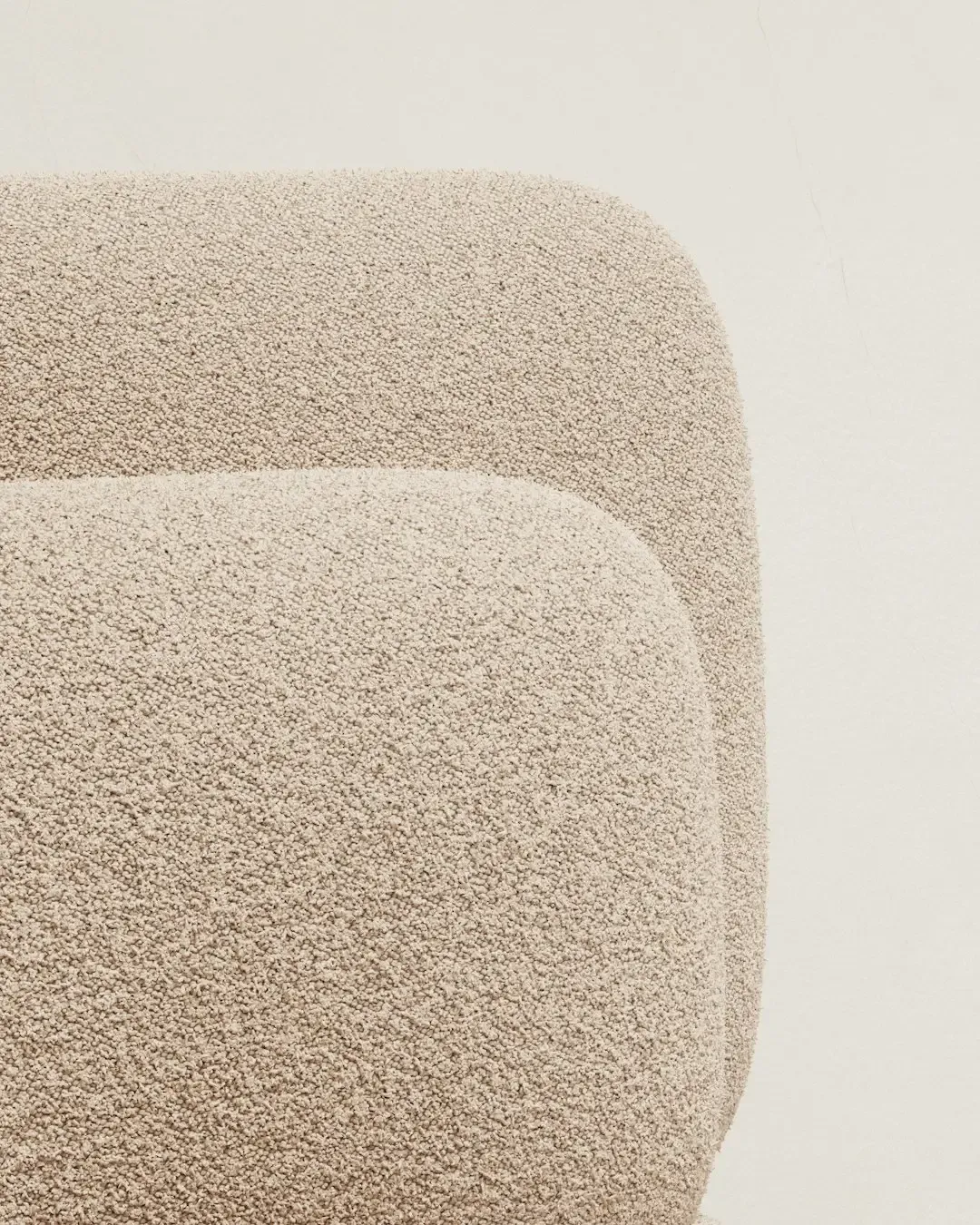
Bouclé has become the Sol de Janeiro of the interior decorating world: it was splashed everywhere, and everyone is over it. The loopy, woolly fabric has been used on everything from furniture to cushions, throws and even dog collars. Let’s be real, when a textile ends up on a dog collar, the trend has officially peaked.
Bouclé is on its way out in 2026. It is uncomfortable to sit on, collects every speck of dust or crumb it touches, and is impossible to clean. Designers are predicting bouclé’s replacement in 2026 with mohair, velvet, and woven knits in deep, rich hues, as well as interesting prints like paisley, herringbone, and plaid.
3. The Modern Farmhouse Aesthetic
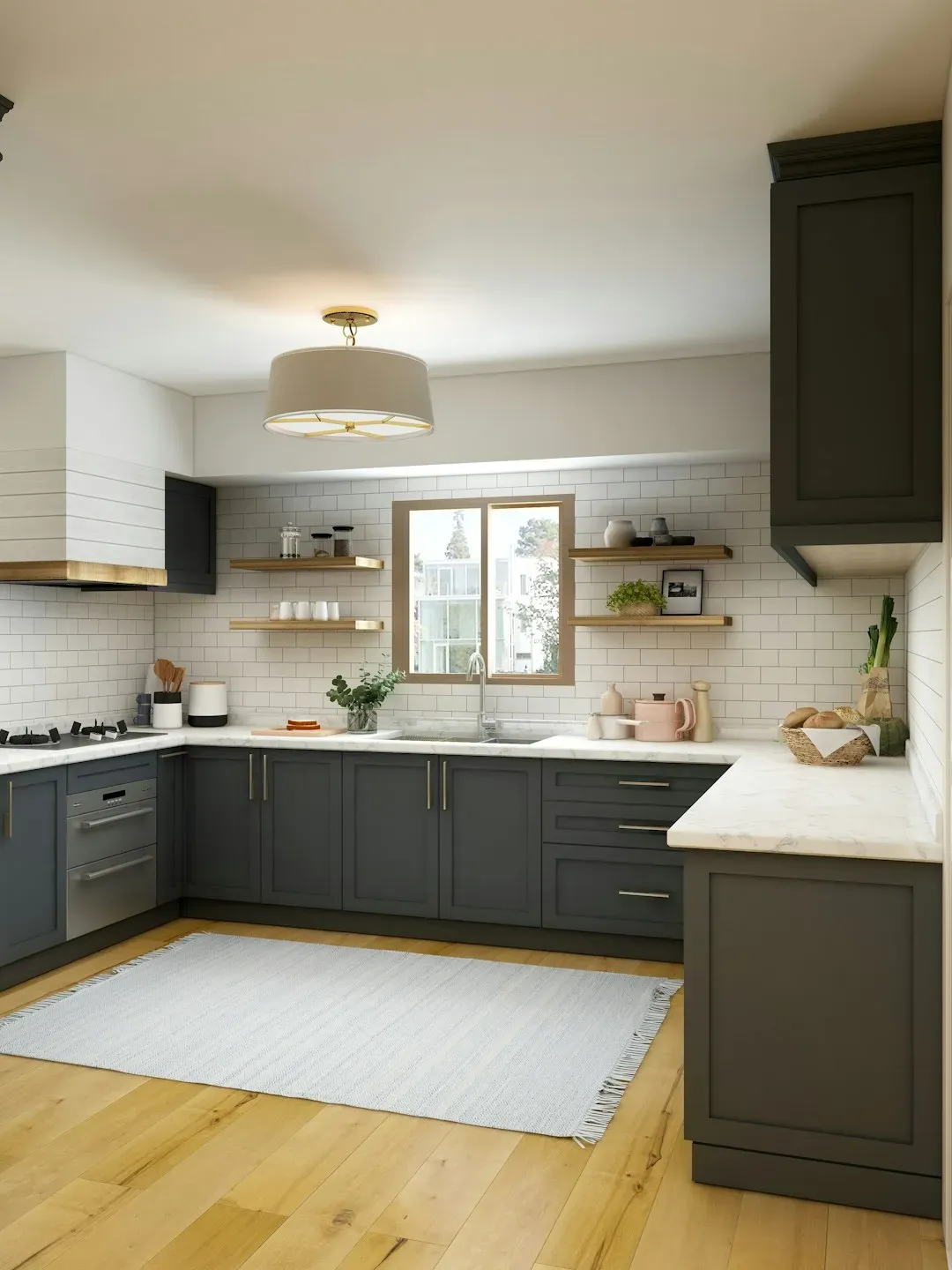
Shiplap panels, reclaimed wood, barn-accent lighting and white paint are hallmarks of the modern farmhouse, which first emerged in 2016. It has been a go-to design aesthetic for years, beloved for its welcoming and cozy elements that add rustic charm to contemporary homes. However, designers say the trend is evolving.
White shiplap, black matte hardware, barn doors, and distressed wood signs were repeated so often that they stopped feeling charming. They started feeling like a template. When a style becomes that predictable, it loses personality. The modern farmhouse style is evolving into warmer, more refined styles like modern cottage and organic traditional, keeping comfort and simplicity but dropping the clichés, with more heritage materials, softer hardware finishes, and vintage furniture.
4. Open Shelving in Kitchens
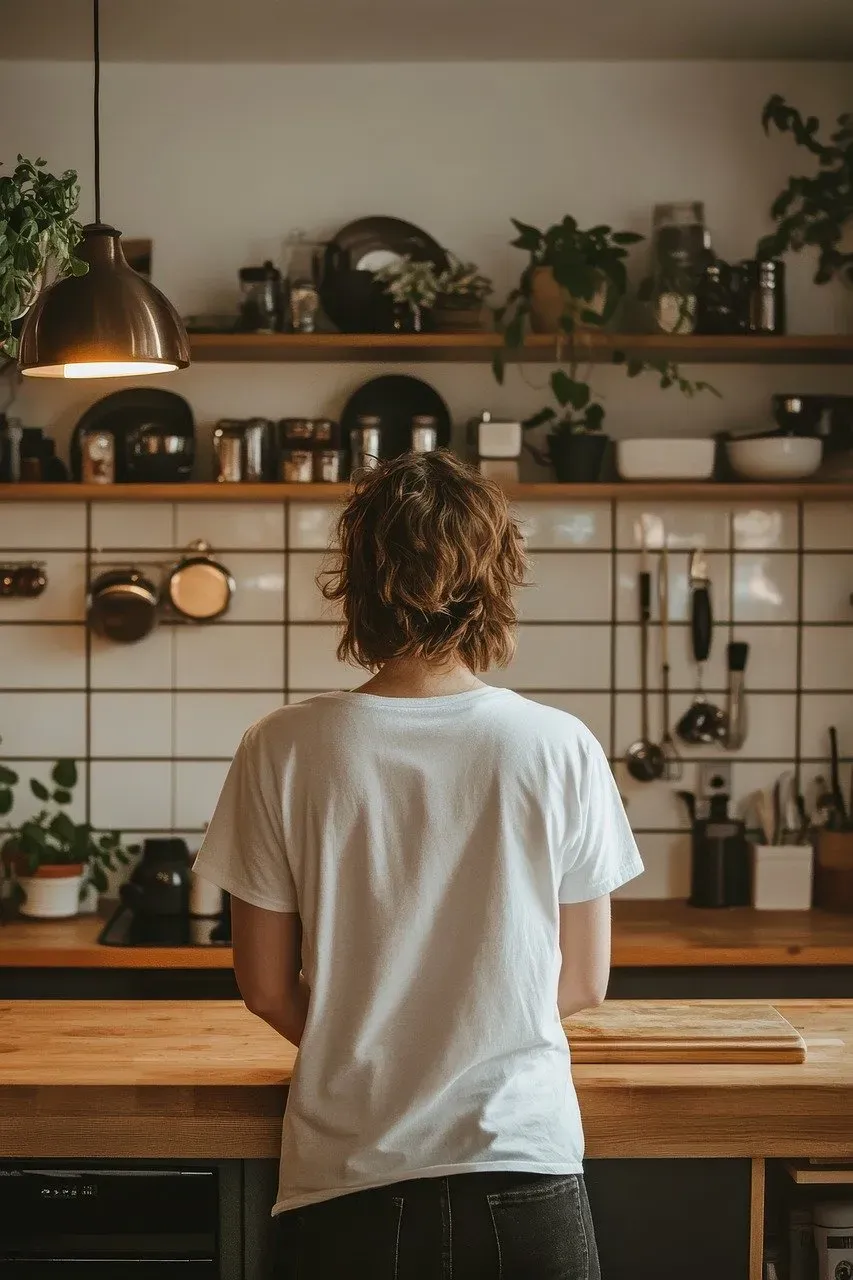
Open shelving isn’t disappearing entirely in 2026, but in newer kitchen remodels, its prevalence is fading. These days, fewer homeowners are ripping out all their upper cabinetry in favor of open shelves, and if they are featured, they’re more strategically placed. People have finally realized that open shelves can be difficult to style, a hassle to dust, and prone to making your kitchen look more cluttered.
Here’s the thing: the fantasy version of open shelving, with its perfectly arranged artisan ceramics and zero crumbs, only works in magazines. The overuse of open shelving is falling out of favor. While it’s still functional in moderation, the cluttered look of too many open shelves is being replaced by closed cabinetry with clean lines, offering a more polished and organized appearance.
5. Extreme Minimalism
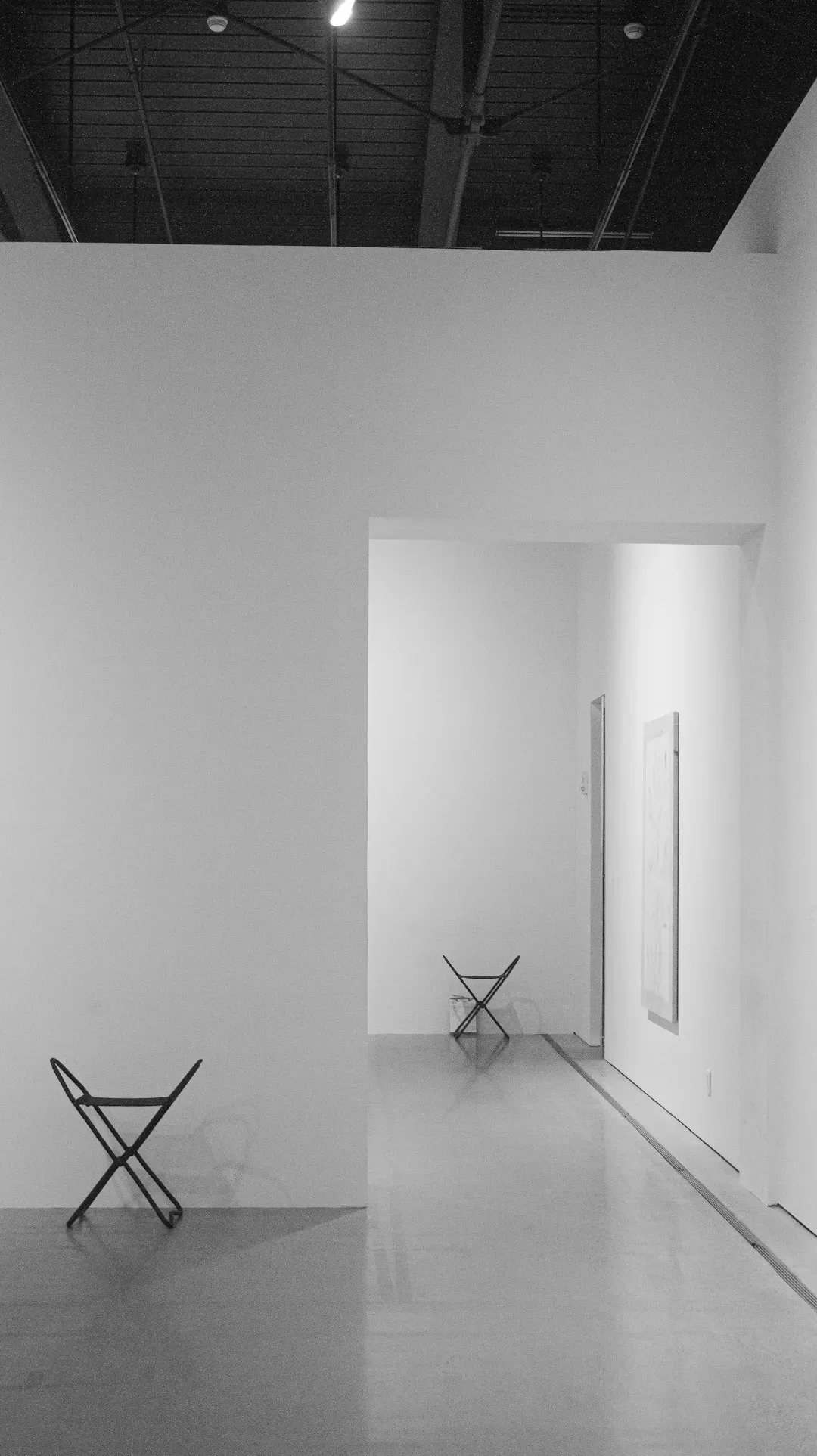
There was a period when everyone wanted extremely minimal rooms: bare surfaces, empty walls, sparse furniture, everything curated to an extreme degree. The issue is that these rooms looked beautiful in images but often felt empty in real life. Think of it like a showroom you’d never actually want to live in.
Minimalism is not completely gone, but the extreme version of it is fading fast. In 2026, the goal is calm interiors, not empty ones. People want warmth, texture, and interest. Gone are the days of cool-toned neutrals and stark minimalism. One way to know minimalist aesthetics are on their way out is the rise of lush textures and patterns.
6. Matching Furniture Sets
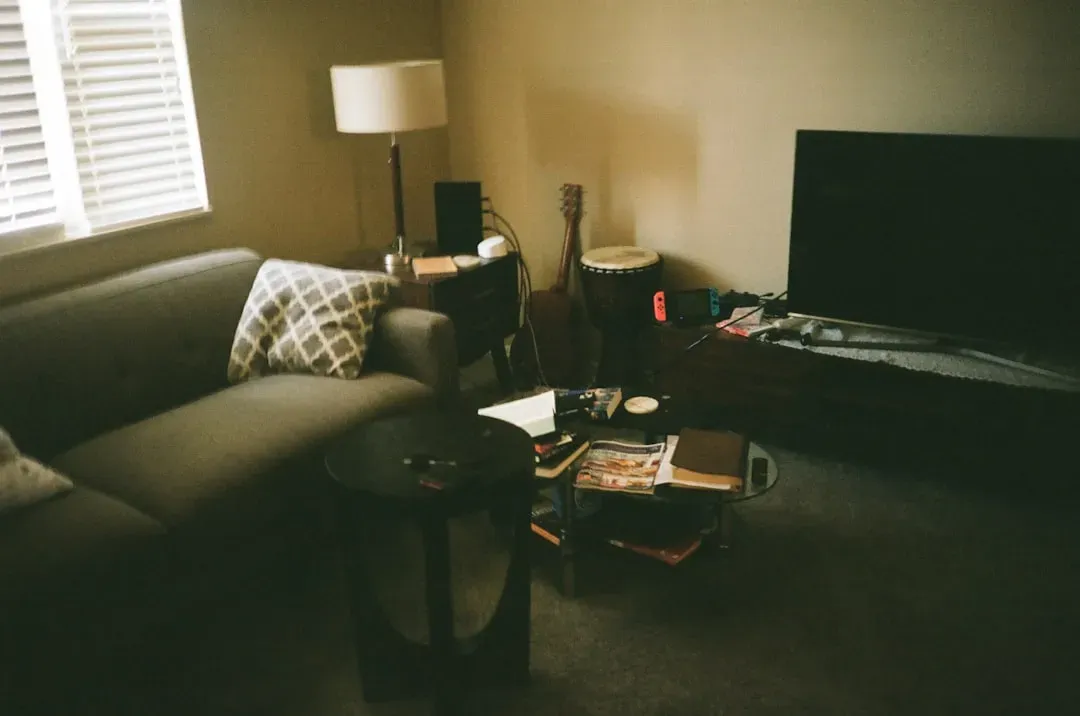
With greige tone-on-tone interiors ousted, it’s only natural that matchy-matchy, uber-coordinated furniture sets are following suit. Interior design trends for 2026 are an exercise in variety and contrast, with a couple of couches in different materials and colors, bed frames and bedside tables that don’t match, or dining tables and chairs in different wood tones.
A home feels all the warmer and cozier the more layered and collected it looks. It’s okay if furniture doesn’t match. It’s encouraged, even. The charm of a space that looks like it was gathered over years, piece by piece, is far more compelling than anything that looks like it arrived on a single delivery truck.
7. The Accent Wall
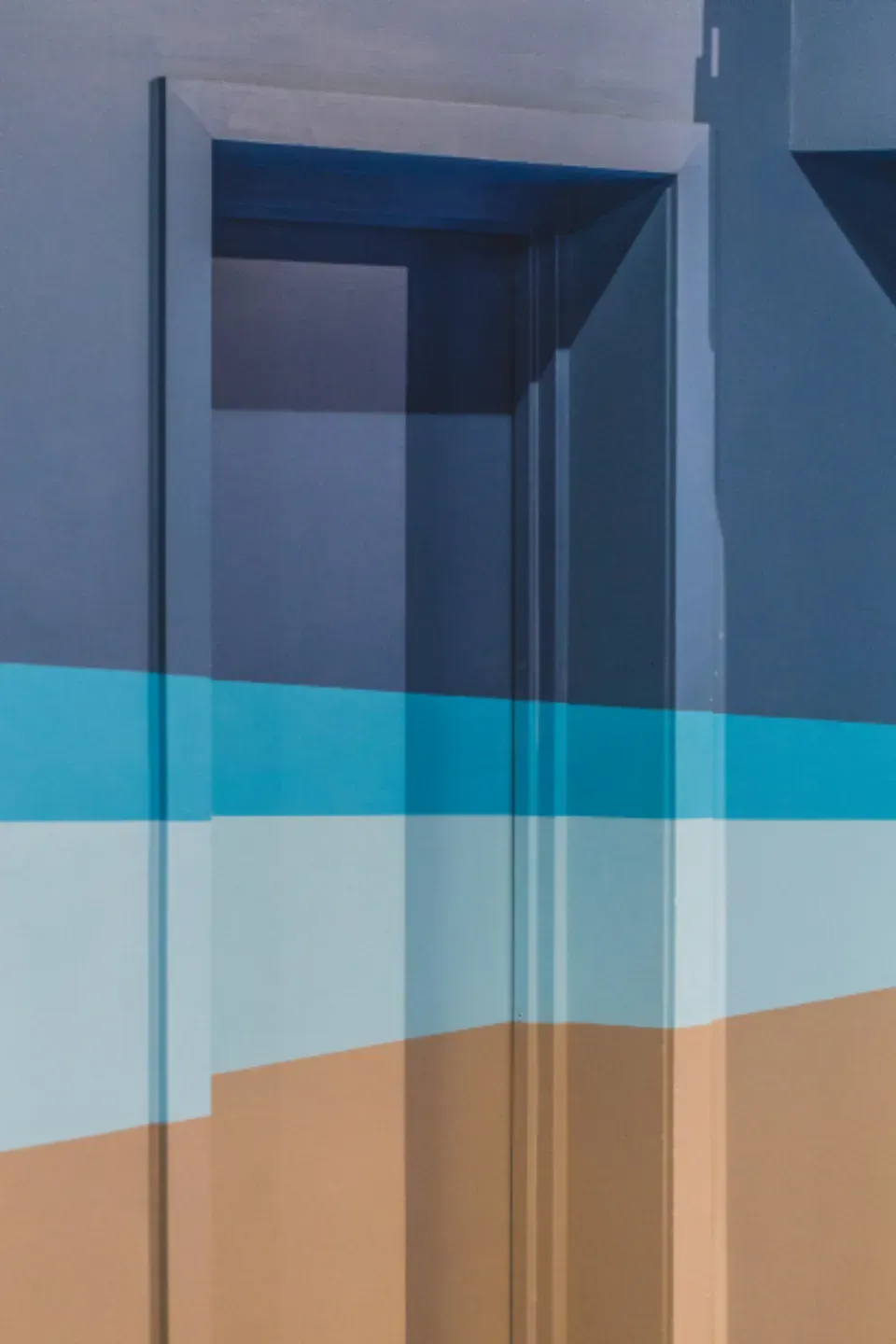
Accent walls have had their moment during the past several years, but if you’re adding paint or wallpaper, why not just do the whole room? Yes, it’s less effort to only do one wall, but it’s also far less impactful. Accent walls can make a room look awkward and unfinished instead of creating a harmonious feel.
Leading designers are hoping 2026 is the year we kindly retire the accent wall. The concept of one bold wall surrounded by three bland ones has run its course. Color-drenching, the trend of covering a room from ceiling to floor in color, took off in 2025, and it’s still going strong for 2026. After years of minimalist walls covered in white and gray, consumers appear ready to break free and coat their rooms in as much color as possible.
8. Fast Furniture and Disposable Decor
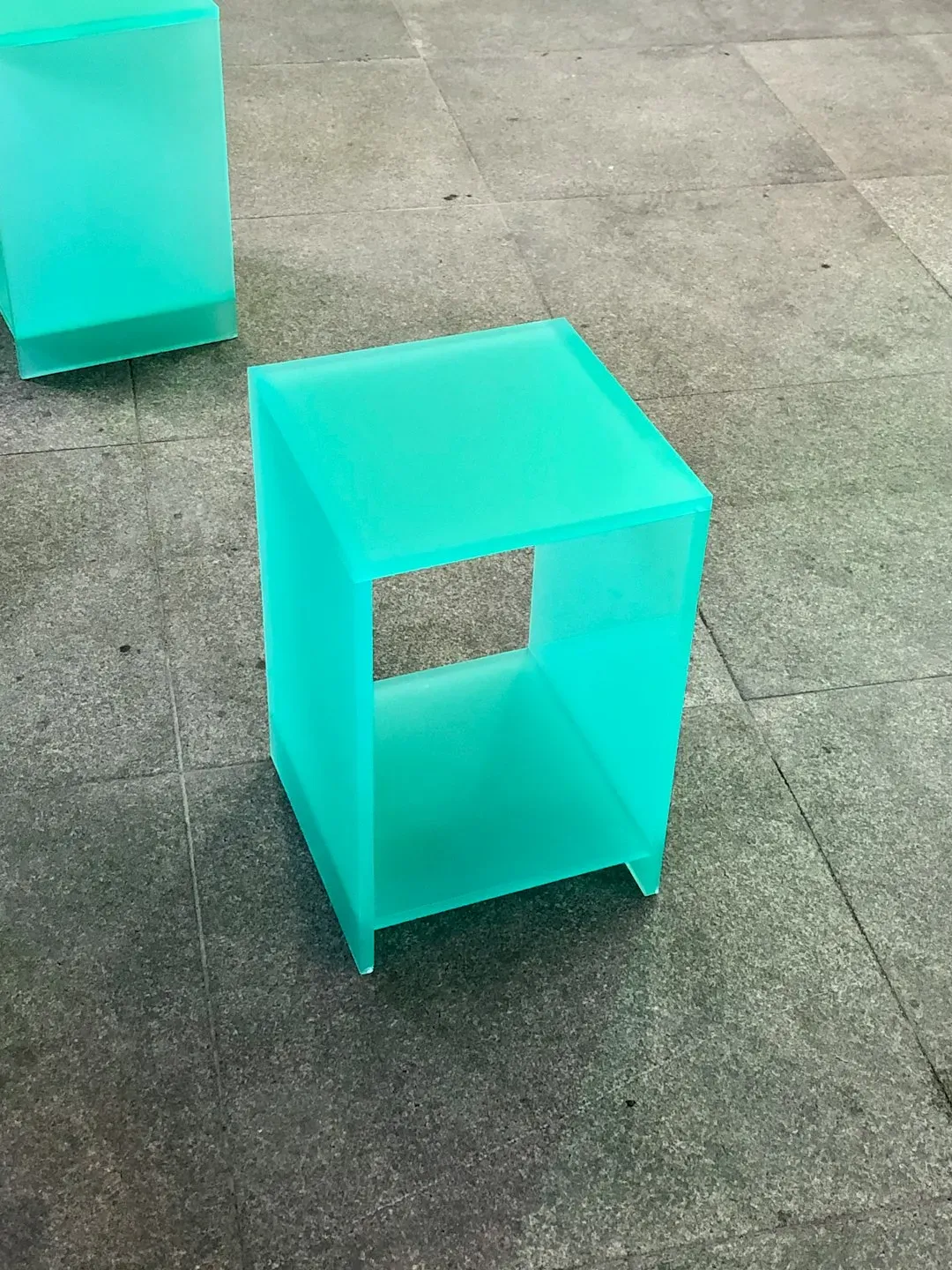
Fast furniture made the issue worse. Cheap materials, quick assembly, and short lifespans mean pieces sag, wobble, or peel after a few years, sometimes sooner. People are also more aware of the environmental cost of disposable furniture, especially when replacing it becomes part of the cycle.
The era of cheap, mass-produced and quick-to-assemble furniture has gone. Consumers are growing more eco-conscious and have realized that powdered wood kept together with glue won’t last as long as real wooden furniture. Homeowners are now ditching the “everything new” mindset, opting instead for durable vintage finds, upcycled pieces and furniture investments that will last a lifetime.
9. The Coastal Grandma Aesthetic
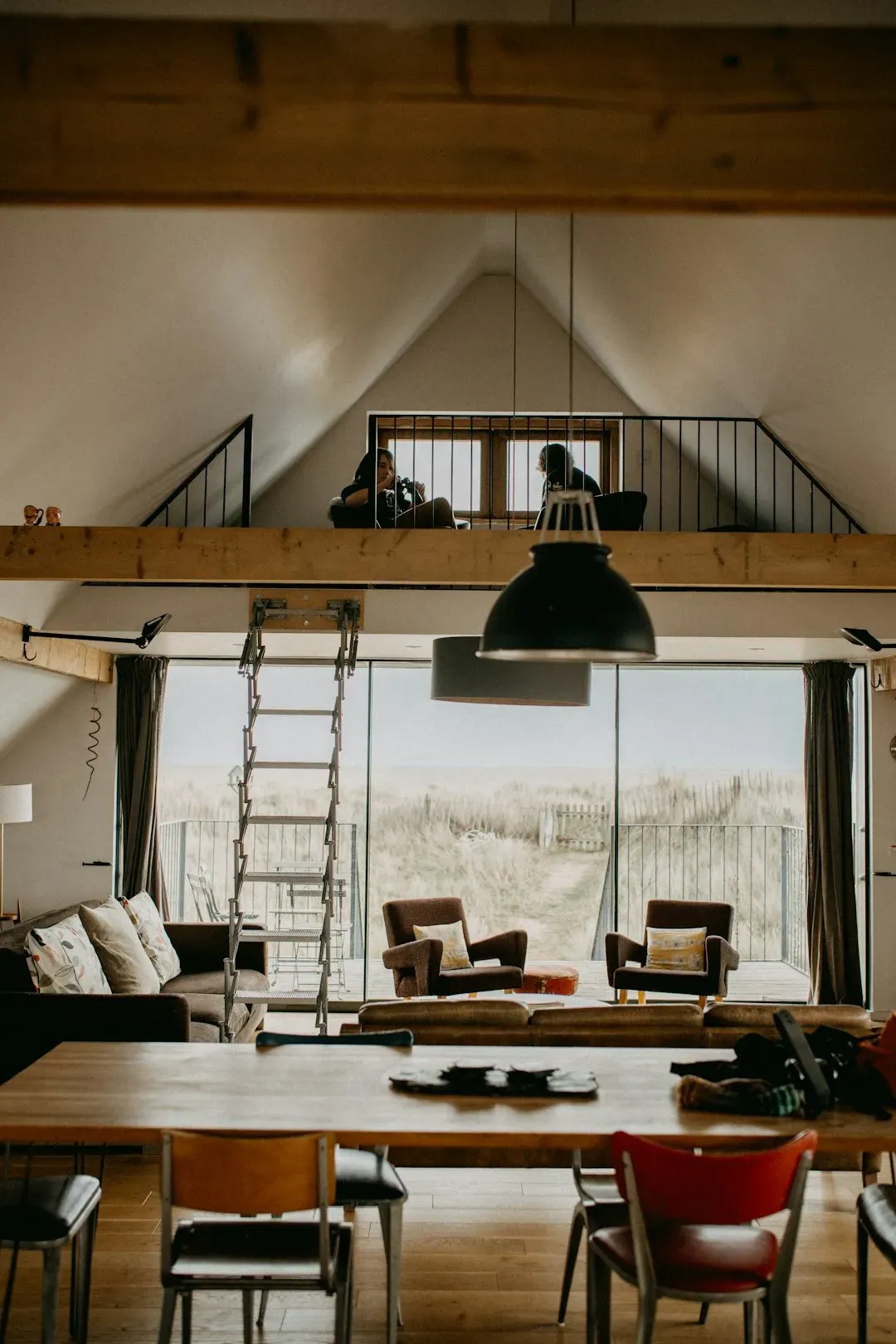
The tide has started to turn on the coastal grandma aesthetic. Instead of lusting after that exclusive summer-in-the-Hamptons vibe, people want their homes to feel a little more relaxed and lived-in. Trying to commit to an aesthetic defined by all-white furniture and hard-to-care-for jute rugs is just a little too restrictive for real life.
Coastal touches are here to stay, but we’ll see more people incorporate them in small ways that feel fresh and personal, rather than copy-and-pasting a specific formula. It’s a bit like fashion. Wearing one coastal-inspired piece is elegant. Wearing the entire lookbook head-to-toe starts to look like a costume.
10. The Gray Color Palette
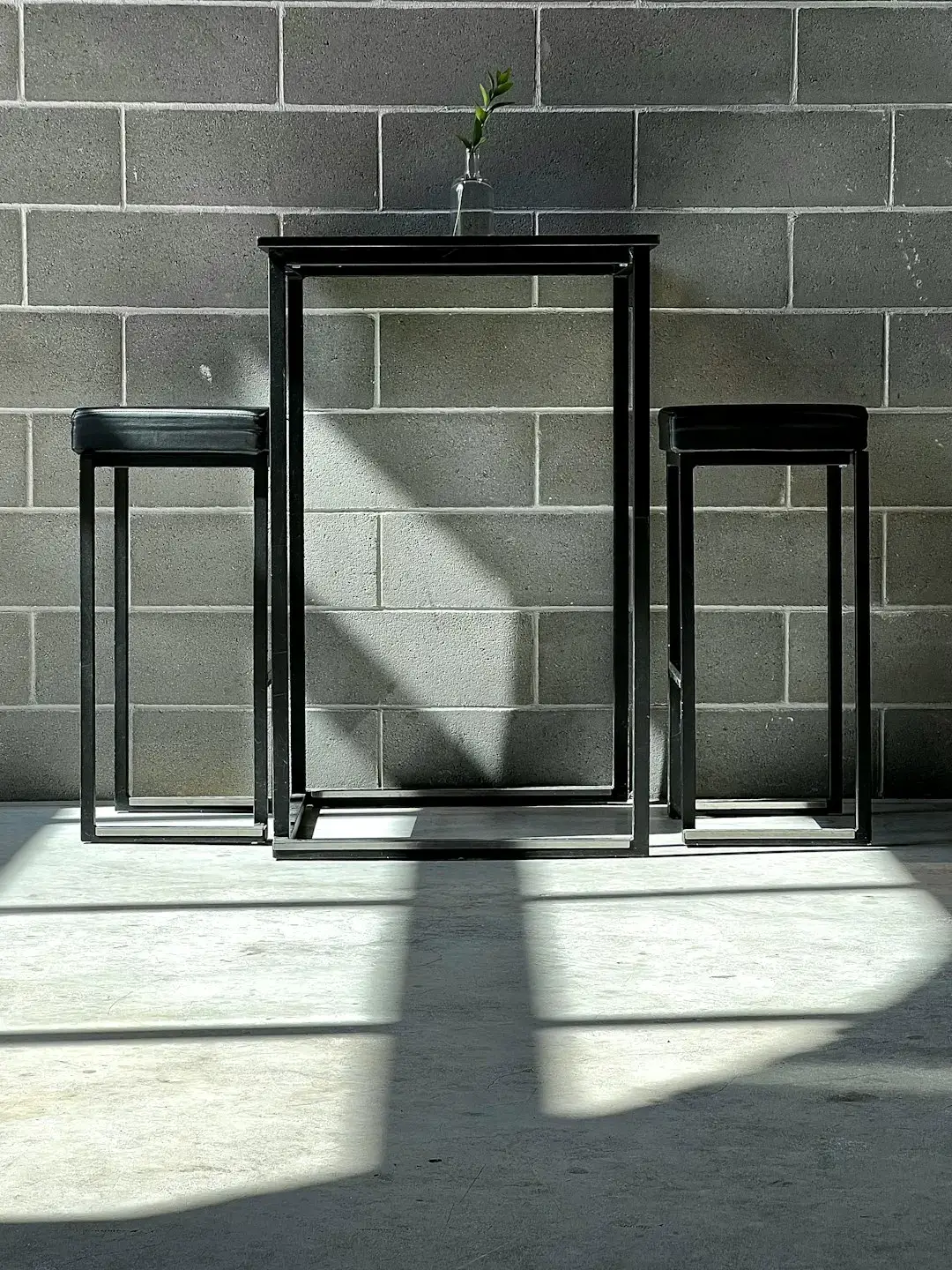
The avalanche of soft grays, whites, and beiges in interior design was largely driven by millennials as a reaction to the stuffy, orangey brown, pattern-clad homes of their parents and grandparents. For years, this soft, monotone color scheme was seen as the paragon of sophistication and modernity, but now the trend meter has come full circle.
More vibrant and colorful spaces are replacing the gray-on-gray trend. Warmer tones like beige, taupe, and jewel tones are starting to emerge, moving away from the cool, monochromatic palettes that have dominated in recent years. By far the word designers hear most when it comes to interior trends is “warmth.” You see this manifest in a shift from cool whites and grays to warm off-whites, tans, beiges and creams.
11. Shiplap as a Statement
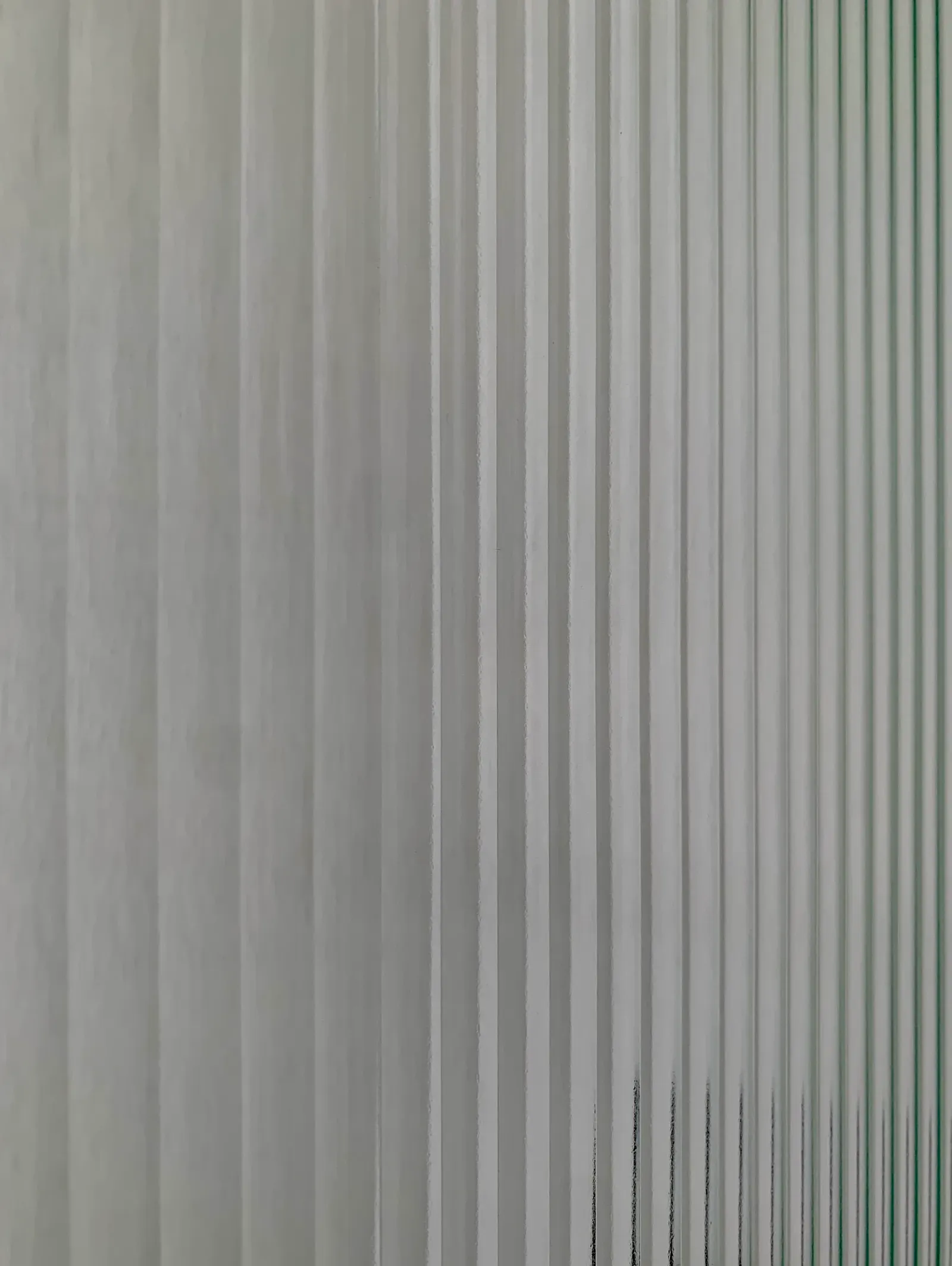
Shiplap panels became a household staple over the last decade, especially for fans of the farmhouse look. Thanks to shows like Fixer Upper, it was everywhere, from kitchen backsplashes to bedroom accent walls. But as design trends shift in 2025, homeowners are leaning toward cleaner lines, more natural textures, and a wider range of wall treatments.
Shiplap and reclaimed wood are more likely to make your home look dated to the farmhouse craze of just a few years ago, while fluted walls and trim make your home look updated and modern. Shiplap is a trend designers aren’t loving in 2025, while this was a popular design feature for a while, especially when interiors were covered in wood paneling reminiscent of a country cabin.
12. Overly Polished, Picture-Perfect Spaces
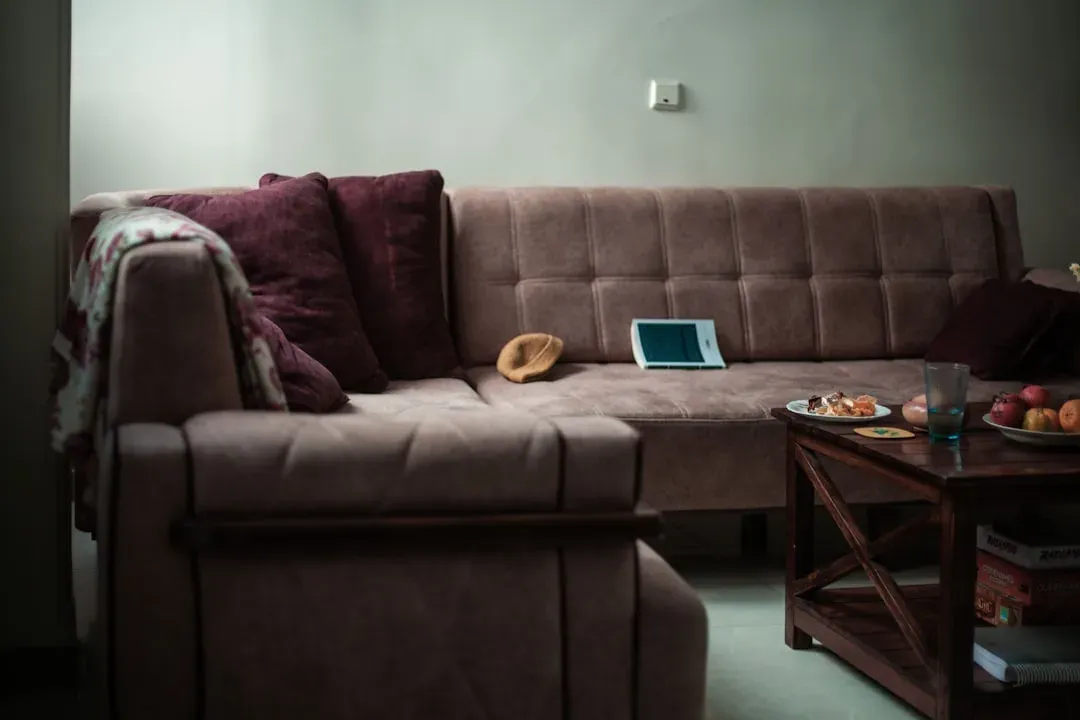
Designers are hoping we’re moving away from the obsession with “perfect” spaces: homes that feel overly staged, overly coordinated, and so polished that there’s no real life or soul in them. What’s desired in 2026 are interiors that actually have a story, pieces with personality, rooms that feel collected rather than curated, and materials that show their age and texture.
It feels clear that 2025 marked a shift from interiors designed to deliver a “wow” effect to spaces that hold and support human time. Cookie-cutter interiors are officially out. “Individual, handcrafted and vintage” is the 2026 trifecta. In a world where mass production and artificial intelligence are prominent, having your interiors reflect your individuality will be more celebrated than ever.
There’s a thread connecting all twelve of these fading trends: they were all, in some way, about performing an aesthetic rather than actually living one. The design world in 2026 is decisively done with homes that look better in a photo than they feel in real life. Experts agree that “interiors with soul” and homes that people are “gravitating toward character-rich” spaces will top everyone’s wish lists in 2026. The shift is real, and honestly, it’s a welcome one. What does your home say about you right now – and is it the story you actually want to tell?