The “Middle-Class Trap”: 10 Habits That Keep Families from Reaching the Next Wealth Tier
You work hard. You pay your bills. You maybe even have a nice car in the driveway and a decent neighborhood to call home. So why does it feel like you’re running on a treadmill, moving fast but going absolutely nowhere? Millions of families sit comfortably in the middle class, earning steady incomes, yet somehow never manage to cross that invisible line into genuine, lasting wealth. It’s not bad luck. Honestly, it rarely is.
While inflation erodes purchasing power and wages struggle to keep pace, the real damage often comes from predictable money traps that silently drain wealth-building capacity. These aren’t dramatic financial disasters, but normalized expenses and habits that feel manageable in the moment, yet compound into years of stagnation. The frightening part is that most of these habits feel completely normal, even responsible, to the people practicing them.
So let’s get into it. These are the ten habits that quietly keep middle-class families from ever reaching the next tier.
1. Lifestyle Inflation: Spending Every Raise Before It Even Lands

Here’s the thing about getting a raise: it feels like freedom. You worked hard, you earned it, and suddenly there’s more breathing room. But for most middle-class families, that breathing room gets filled up almost immediately with a newer car, a bigger apartment, fancier dinners out, or a premium streaming bundle they didn’t have before.
Lifestyle inflation occurs when people spend more as their income increases. This phenomenon has plagued millions of middle-class families during the post-pandemic era. While average wages rose over twenty percent between January 2020 and January 2024, the personal savings rate actually fell from 7.2% to 4% during the same period. That’s a stunning disconnect.
Income increases should accelerate wealth building, but most middle-class families automatically upgrade their lifestyle to match each raise. The slightly bigger house, newer car, more expensive vacations, and premium streaming services feel like earned rewards. The problem is that lifestyle upgrades are often permanent, while income increases can be lost during job changes, economic downturns, or industry disruptions. When every raise gets absorbed into higher fixed expenses, you’re perpetually starting over with no accumulated assets.
The antidote involves creating intentional friction between income and spending increases. Automatically directing raises and bonuses toward savings and investments before they hit checking accounts prevents this trap entirely. Think of it as paying your future self first, before your present self gets greedy.
2. The Emergency Fund Gap: Living One Crisis Away from Debt
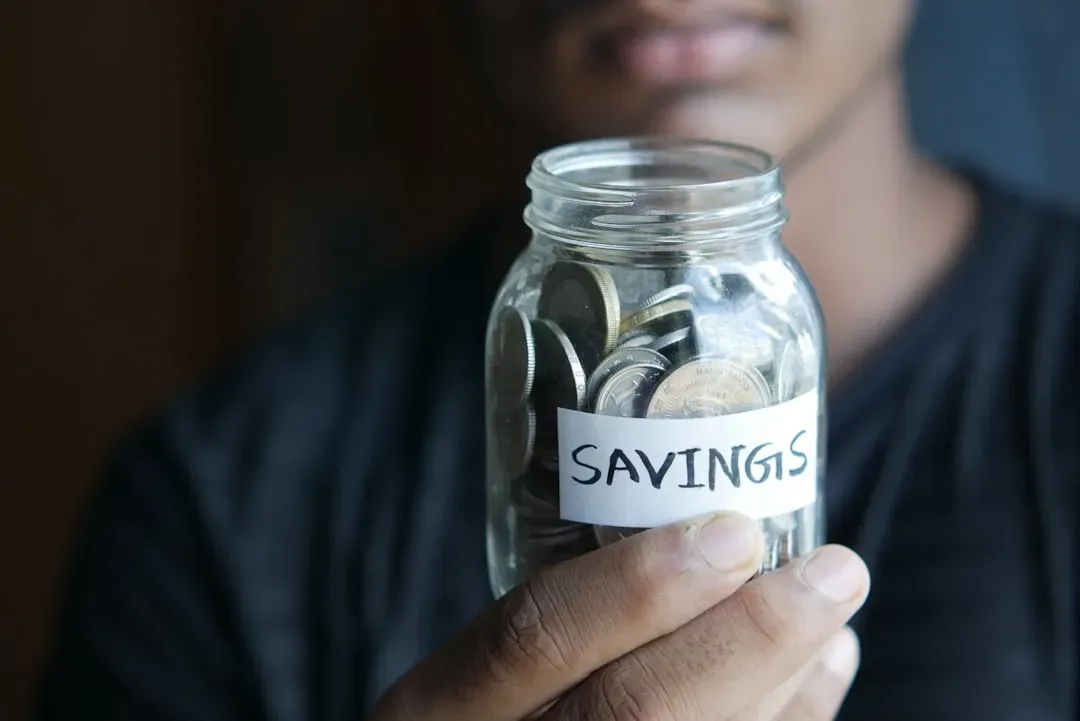
Imagine your car breaks down tomorrow. Or your furnace dies in February. Or you wake up with a medical bill you didn’t plan for. These aren’t rare scenarios; they’re just Tuesday for a lot of families. The question is whether you have the cushion to absorb the hit without going into debt.
According to the Federal Reserve’s 2024 household report, only roughly half of adults said they could cover an expense of $2,000 using savings. A slightly higher share said they had rainy-day savings to cover three months of expenses, which for many families would require considerably more than that.
Living without an emergency fund forces families back into expensive debt after every unexpected expense. Car repairs, medical bills, home maintenance, and temporary job loss aren’t rare events but predictable parts of life. Without savings to cover these costs, middle-class families often rely on credit cards or loans, creating debt that can take months or years to eliminate.
Research shows that roughly more than a third of Americans don’t have even $400 in liquid savings. A lack of emergency savings can negatively impact an individual’s ability to save for retirement as well – those with inadequate emergency funds are 13 times more likely to take a hardship withdrawal from their 401(k). One crisis cascades into another.
3. Keeping Up with the Joneses: Status Spending That Destroys Real Wealth

Social pressure is relentless, and social media made it ten times worse. When your neighbor pulls up in a new SUV or posts vacation photos from a five-star resort, the pressure to keep up is real, even if completely irrational. This pattern is older than the internet, of course, but it has never been more expensive.
Societal pressure can lure people into emulating the lifestyles and consumption habits of their peers, leading to excessive spending on superfluous items and services. This pattern of consumption, known as keeping up with the “Joneses,” can lead to unnecessary debt and a cycle of overspending that pushes wealth accumulation further away.
Status spending redirects wealth-building money toward items purchased primarily for their signaling value rather than utility. The luxury car lease, designer clothing, premium brands, and keeping up with neighbors’ purchases all communicate success to others while quietly undermining actual wealth accumulation.
About one in four U.S. households spends more than 95% of their income on necessities, according to a 2024 Bank of America Institute analysis. Even among households earning over $150,000, roughly one in five fit this “paycheck to paycheck” definition. High income is no shield if status spending runs unchecked.
4. Over-Relying on Debt: The Credit Card Trap Nobody Talks About

Debt isn’t always the enemy, but consumer debt with sky-high interest rates is absolutely devastating to wealth-building. The problem with middle-class debt is how normalized it has become. Credit cards, personal loans, and now “buy now, pay later” services have all made it incredibly easy to spend money you don’t actually have.
The average credit card balance sits at around $6,380, with interest rates averaging nearly 24.62% APR. At this rate, a consumer paying only the minimum monthly payment would spend thousands in interest alone. High-interest debt creates a wealth-draining cycle that diverts money from potential investments and savings. Many middle-class people don’t realize that paying off a credit card with a 24% interest rate is equivalent to earning a 24% return on an investment – something rarely achieved in the stock market.
Credit cards and personal loans have long destroyed middle-class wealth, but “buy now, pay later” services have added a deceptively friendly new trap. The installments feel small. The total cost is anything but.
Research published by the Federal Reserve Bank of Chicago revealed that a significant share of middle-class and poor families saddled with high credit card interest rates are devoting as much as 30% of monthly disposable income to debt costs. That’s nearly a third of every paycheck working against you before you even think about savings.
5. Oversized Housing Costs: Buying More Home Than Needed

Homeownership is the American dream, sure. But there’s a version of that dream that silently becomes a nightmare. When families stretch to buy in the best neighborhood, max out their mortgage approval, and then pile on property taxes, insurance, and endless maintenance, housing stops being an asset and starts becoming a trap.
Housing costs have become the dominant expense for middle-class families, often consuming a disproportionate share of monthly income before accounting for utilities, property taxes, insurance, and maintenance. The pressure to own homes in desirable neighborhoods, combined with high prices, has pushed many families into mortgages that leave little room for saving or investing.
One of the most significant challenges facing the middle class is the high cost of living, particularly in housing, education, and healthcare. These expenses can consume a substantial portion of income, leaving little room for savings or investments. In many urban areas, housing costs alone can account for 30% or more of a family’s income.
The nation’s affordability crisis has not spared middle-class families, with roughly a third struggling to afford basic necessities such as food, housing, and childcare. Across the 160 U.S. metro areas studied, at least 20% of middle-class earners cannot afford to live in their area, after adjusting for local income ranges and price variations. Owning a home is a goal, but owning too much home is a wealth killer.
6. Neglecting Retirement Savings: Kicking the Can Down the Road

There is a deeply human tendency to think retirement is a problem for future you. Today you needs the new couch. Today you deserves the vacation. And retirement? That’s decades away. Except it isn’t, and the math of compound growth is ruthlessly unforgiving when it comes to delays.
Most Americans don’t feel prepared for retirement. In 2024, only about 35% felt on track for retirement, up from 34% the previous year but down from 40% in 2021, per the Federal Reserve. That’s a trajectory heading in the wrong direction.
The average 401(k) balance stands at around $110,000, but median IRA balances hover around just $35,000, indicating a large gap in savings across income levels. The average number flatters the reality: most people are sitting on far less than they think.
Many middle-class individuals fall into the trap of thinking it’s too early to start saving or investing, especially when they’re young or have other financial priorities. This misconception can dramatically affect long-term wealth accumulation due to the power of compounding gains. The earlier one starts saving and investing, the more time their money has to grow. Even small, regular contributions can snowball into substantial sums over decades. Investing $200 monthly at age 25 versus age 35 can result in a difference of hundreds of thousands of dollars by retirement age.
7. No Written Financial Plan: Winging It and Wondering Why Nothing Changes

Would you build a house without blueprints? Probably not. Yet that’s exactly what most families do with their finances. They earn, they spend, they maybe save a little, but there’s no actual plan on paper guiding any of it. It’s not laziness, it’s just a habit nobody ever taught them to build.
According to a Northwestern Mutual Planning and Progress Study, only 35% of Americans have a comprehensive written financial plan. Those with a documented financial strategy tend to feel more financially secure, with roughly two thirds of planners reporting confidence in their financial situation compared to well under half of non-planners. While having a written plan doesn’t guarantee financial success, it can provide a clearer roadmap for achieving financial goals.
Many families underestimate the importance of truly understanding their household budget. Without clarity on where their money goes, especially regarding the distinction between fixed and variable expenses, financial decisions often feel reactive rather than intentional.
Only 1 in 4 middle-class Americans has a financial strategy for retirement in the form of a written plan. A written plan is not a magic wand. But families with one are dramatically more likely to actually build wealth over time, because they’re making decisions with intention instead of impulse.
8. Low Financial Literacy: Not Knowing What You Don’t Know

This one stings a little, because financial literacy isn’t really taught in schools. Most people enter adulthood with almost zero formal knowledge about investing, compound interest, tax-advantaged accounts, or asset allocation. They learn by making mistakes, which is a very expensive way to get an education.
According to the National Foundation for Credit Counseling’s 2024 Financial Literacy Survey, nearly half of U.S. adults continue to give their personal finance knowledge a grade of “C” or worse, an increase of roughly 12% from results of the same survey in 2009.
There are clear gaps in financial literacy across income levels. Americans in households with upper incomes are significantly more likely than those in households with middle or lower incomes to say they know at least a fair amount about personal finances. The less you know, the more it literally costs you.
Research published in the Journal of Political Economy shows that financial knowledge is a key determinant of wealth inequality in a life cycle model, enabling individuals to better allocate lifetime resources. Researchers estimate that somewhere between 30 and 40 percent of retirement wealth inequality is accounted for by differences in financial knowledge alone. That’s not a small number. That’s a defining factor.
9. Depending on a Single Income Stream: One Job, One Risk

There is nothing wrong with having a day job. But treating that paycheck as your only financial lifeline is a dangerous game in an economy where layoffs happen overnight, industries get disrupted, and automation keeps quietly changing the rules. The wealthy, almost universally, do not rely on a single stream of income.
Most middle-class individuals depend entirely on active income, trading their time directly for money through employment. While this provides steady cash flow, it creates a wealth-building ceiling and leaves people vulnerable to job loss, illness, or economic downturns.
Wealthy individuals typically diversify their incomes, combining employment income with passive streams that generate money without constant time investment. These might include dividend-paying investments, rental income, business ownership, or royalties from intellectual property.
Adding a side hustle due to the volatility of the job market is a sound strategy for many in the middle class. Technological advancements and outsourcing have made it more insecure than ever to rely on one job for a lifetime. The second income stream doesn’t need to be massive at first. It just needs to exist.
10. Delaying Investing: Waiting for the “Right Time” That Never Comes

Let’s be real: there is no right time. The market is too high, too low, too volatile, too uncertain. There’s always a reason to wait. Meanwhile, the most powerful force in personal finance, compound growth, is ticking away without you. Every month of delay is money permanently left on the table.
A report released by the Financial Health Network in September 2024 found that a middle-class income no longer guarantees financial security. The report described how daily economic challenges have heightened pessimism among households, and previous research found that only about one-third of Americans are considered “financially healthy.”
In 1989, the wealthiest 10% of Americans held seven times more wealth than the bottom half of the population in terms of net household worth. By 2024, the wealthiest 10% held 11 times more wealth than the bottom 50%. That gap has a lot to do with who invests and who doesn’t.
Americans are saving less than 5% of their income in 2024, down dramatically from 32% in 2020. Saving alone, of course, is not enough. That saved money needs to be put to work in investments that can grow over decades. The families who understand this and act on it, even imperfectly, are the ones who eventually break out of the middle-class trap.