Neighborhood Warning: 6 Subtle Signs a Neighborhood Is on the Decline
Most people don’t notice a neighborhood slipping until it’s already too late. The changes are rarely dramatic at first. Instead, they creep in slowly, like a crack in a foundation that goes unpatched for too long. Knowing what to look for early on can save homeowners thousands of dollars and help families make smarter decisions about where they put down roots. These are the six subtle signs that deserve your attention.
1. Visible Physical Neglect and Deferred Maintenance
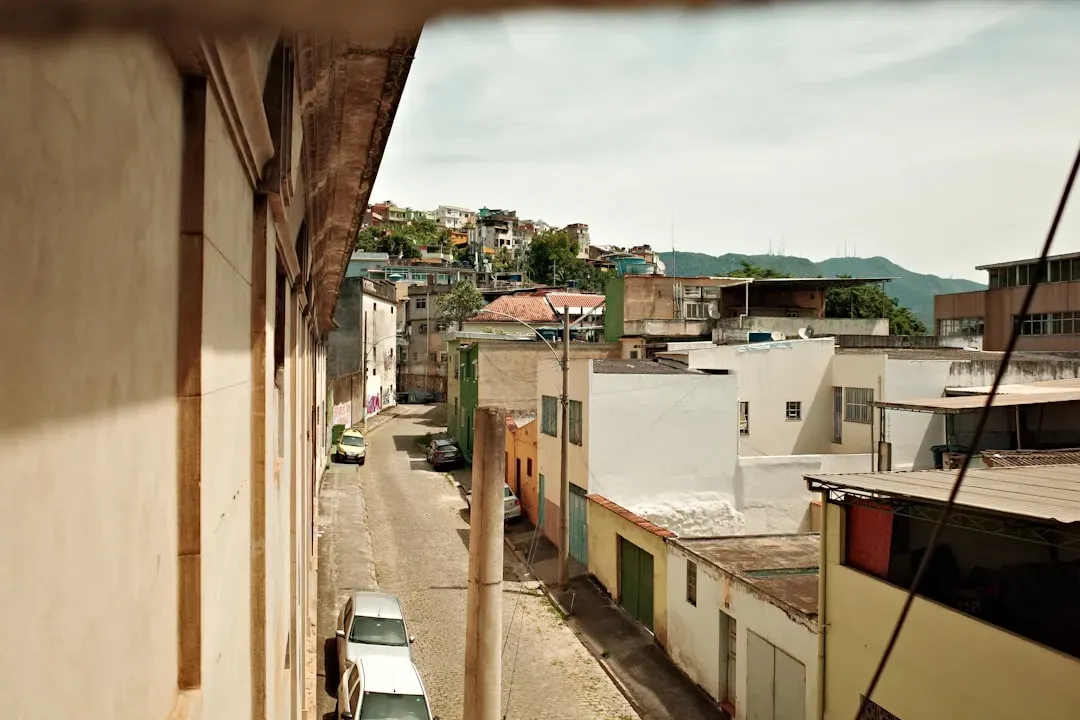
Your neighborhood does not have to boast overt signs of deterioration to suggest trouble. Small things tell the real story: trash on the streets, smudges on buildings and sidewalks, and broken or dilapidated property. When small repairs go unattended, it often signals that the neighborhood lacks the resources to make fixes. This kind of creeping neglect rarely reverses itself without deliberate action from residents or local government.
The physical signs are often the most obvious – cracked sidewalks, peeling paint, and overgrown lawns become more common. Buildings start showing their age without regular maintenance, and infrastructure issues pop up more frequently. What makes this sign tricky is that a single neglected property doesn’t mean much, but once several homes on the same block go unmaintained, it usually reflects a broader loss of investment and pride in the area.
2. Rising Vacancy Rates and Homes That Won’t Sell
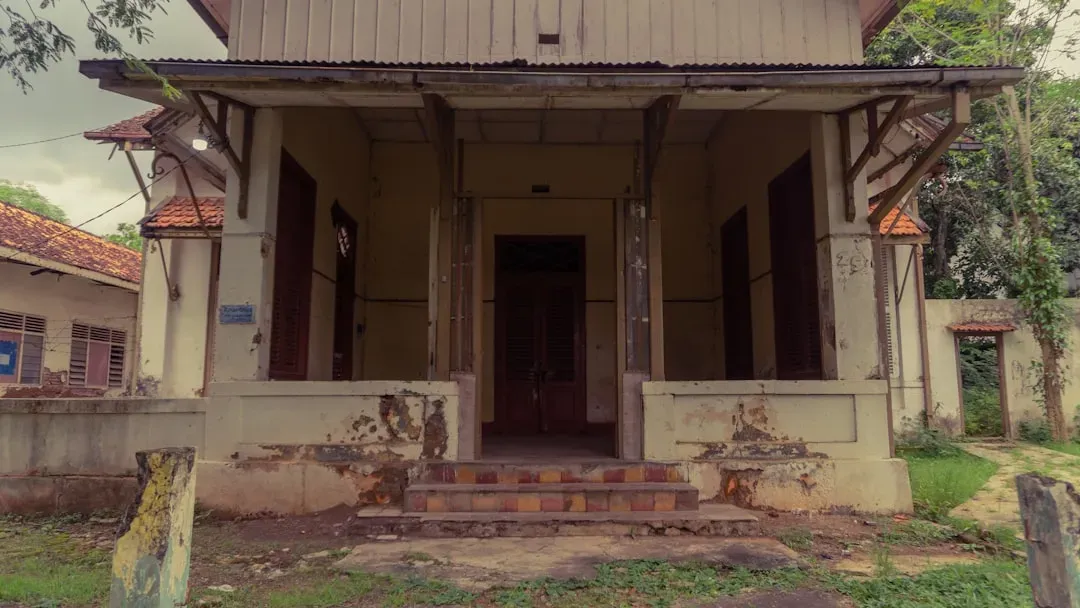
One of the first signs of a declining neighborhood is an increase in vacant homes and properties. Vacancies can lead to a reduction in community engagement and upkeep, resulting in a downward spiral of property values. An abundance of “For Sale” signs can also indicate that residents are looking to leave the area, potentially due to rising crime rates or a decrease in local amenities. It’s a feedback loop – the more people leave, the less desirable the area becomes for newcomers.
As the number of vacant properties increases, the value of the remaining properties declines further, and the confidence of the remaining homeowners begins to disappear. Signs of disorder begin to appear, from litter in the gutters to graffiti on the walls of vacant houses or storefronts. The housing vacancy rate – the share of habitable housing that is unoccupied – acts as a proxy for neighborhood demand and infrastructure stability, and researchers at the Economic Innovation Group use it as one of the primary indicators in their Distressed Communities Index.
3. Local Businesses Closing and Empty Storefronts
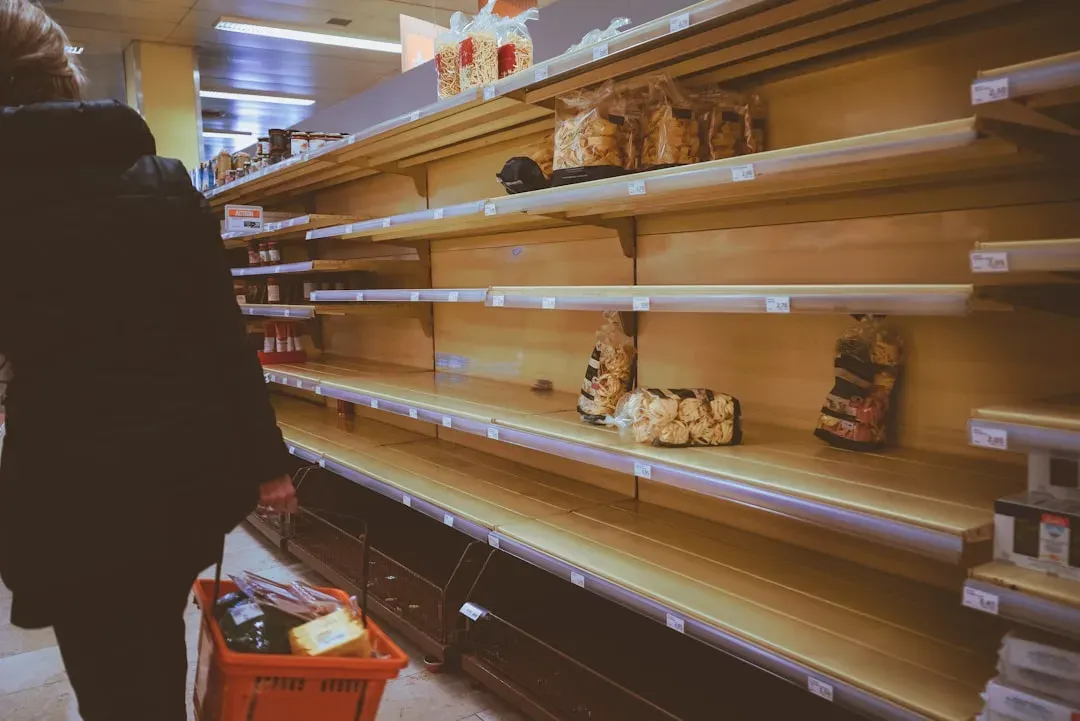
Local businesses closing their doors is a major red flag. When grocery stores, banks, restaurants, and other service providers start to leave, it suggests a decrease in economic stability. This can make daily life less convenient for those who remain, potentially leading to further departures and a cycle of decline. Once the anchor businesses go, the smaller shops tend to follow quickly.
As real estate professionals note, “a noticeable exodus of businesses, particularly those that cater to families and contribute to a vibrant community atmosphere, clearly indicates that your neighborhood is losing its appeal.” Empty storefronts and boarded-up businesses paint a bleak picture of a neighborhood on the downward spiral. The business establishment change – measuring the percent change in the number of businesses over five years – is considered a direct indicator of the growth or decline of the local business ecosystem.
4. Crime Upticks, Even Subtle Ones
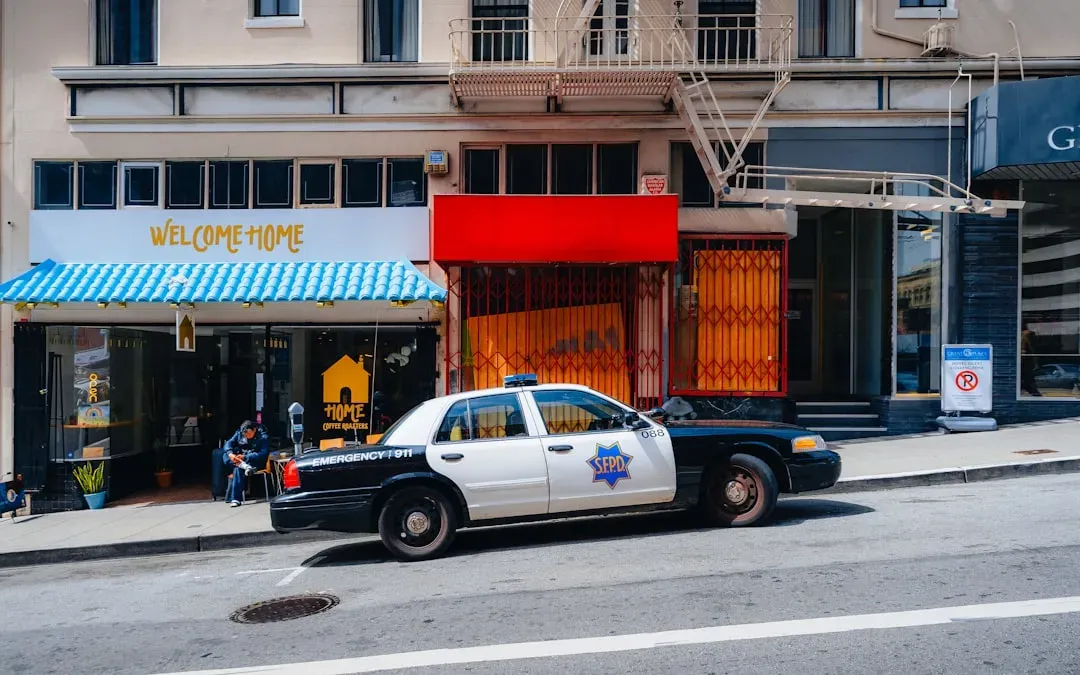
An increase in police cars in your neighborhood could indicate that crime is rising. Property crimes like vandalism and theft, as well as violent offenses, signal a decline in law and order, eroding the sense of safety and security among residents. Even when the change is modest at first, the perception of rising crime can be just as damaging as the crime itself – it shapes whether people choose to move into a neighborhood or avoid it entirely.
Research consistently shows that where crime rates go up, property prices go down. According to 2024 FBI data, violent crime fell four percent nationally and property crime declined eight percent overall, with motor vehicle theft down nearly twenty percent after several years of increases. Still, those national trends mask intense local concentrations, and crime remains concentrated in particular cities, and in many cases, smaller communities have rates far exceeding the national averages. A neighborhood where crime is moving in the wrong direction, even as surrounding areas improve, is one worth watching closely.
5. Falling Property Values While Surrounding Areas Grow

If property values are staying flat or decreasing while the rest of a city experiences price appreciation, this can be a serious warning sign. As real estate experts note, “a decline in property values is a more subtle, yet equally concerning, sign of neighborhood decline.” The key word here is relative – a flat market in a rising city is effectively a declining one, and buyers notice.
Researchers at Harvard’s Joint Center for Housing Studies define neighborhood decline as a type of neighborhood change characterized by growing neighborhood poverty, decreasing housing values, and the deterioration of neighborhood services through the withdrawal of public and private investment capital. Findings from the University of Minnesota show that the most common form of American neighborhood change, by far, is poverty concentration, with roughly 36.5 million residents living in a tract that has undergone low-income concentration since 2000. When property values drop in isolation from broader market trends, that concentration dynamic is often already underway.
6. Declining School Quality and Enrollment
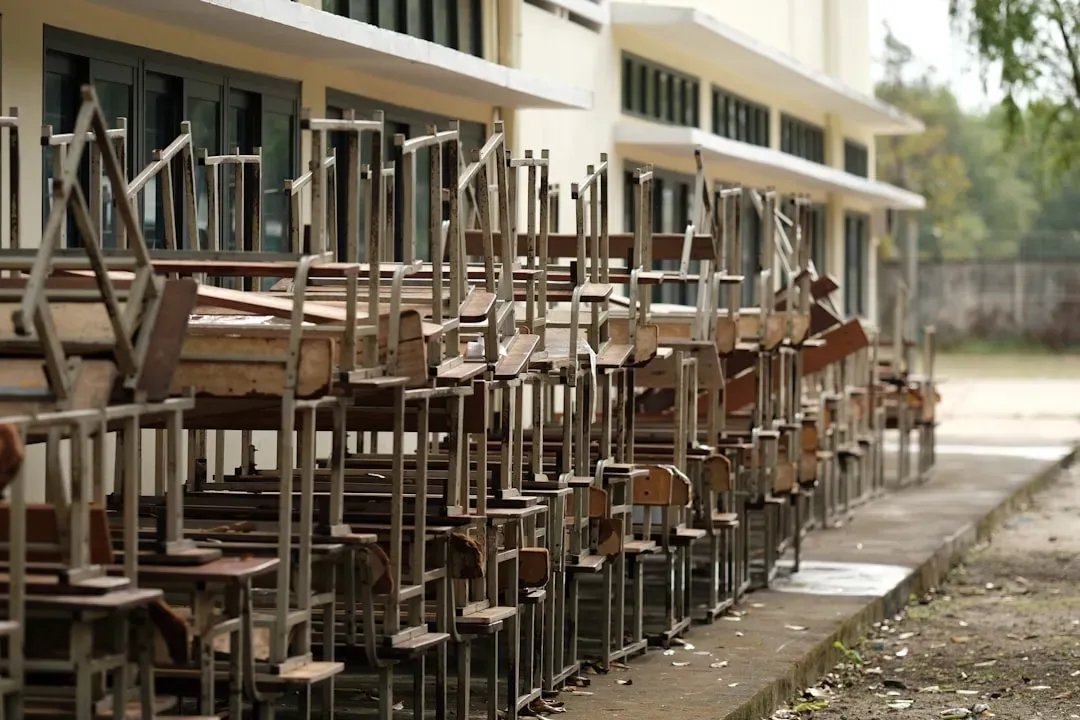
Education institutions, like schools, can serve as a barometer for neighborhood health. Declining enrollment numbers, poor academic performance, or school closings can indicate that families are leaving the area or are dissatisfied with local educational opportunities. Families with children tend to be among the most mobile of all demographic groups, and when they start pulling their kids out of local schools, it says a great deal about their confidence in the neighborhood’s future.
Research from the Hamilton Project confirms that higher-poverty districts saw larger declines in school enrollment, and that pattern tends to reinforce itself over time. According to U.S. Census Bureau data released in December 2024, the median estimated poverty rate of children ages 5 to 17 in U.S. school districts in 2023 was 13.4%. When a local school loses students steadily year over year while city-wide enrollment holds steady, it’s one of the clearest data points that families are quietly voting with their feet – and that a neighborhood’s decline has moved beyond a temporary rough patch into something more structural.