12 Home Decor Trends Designers Say Are Quietly Phasing Out
Home decor moves fast. What felt effortlessly chic just three or four years ago can suddenly feel tired, overdone, or just plain off. And the tricky part? Most of these shifts happen gradually, almost under the radar, until one day you look at your own living room and realize something feels a little off.
In a similar way to the fashion industry, many trends have their moment in the spotlight, only to fizzle out just as quickly as they appeared. Because interior design trends often swing between extremes, it can be hard to catch up. Designers heading into 2026 have been refreshingly candid about which looks are quietly losing their shine. Some of these will surprise you. Let’s dive in.
1. The All-Gray Everything Era
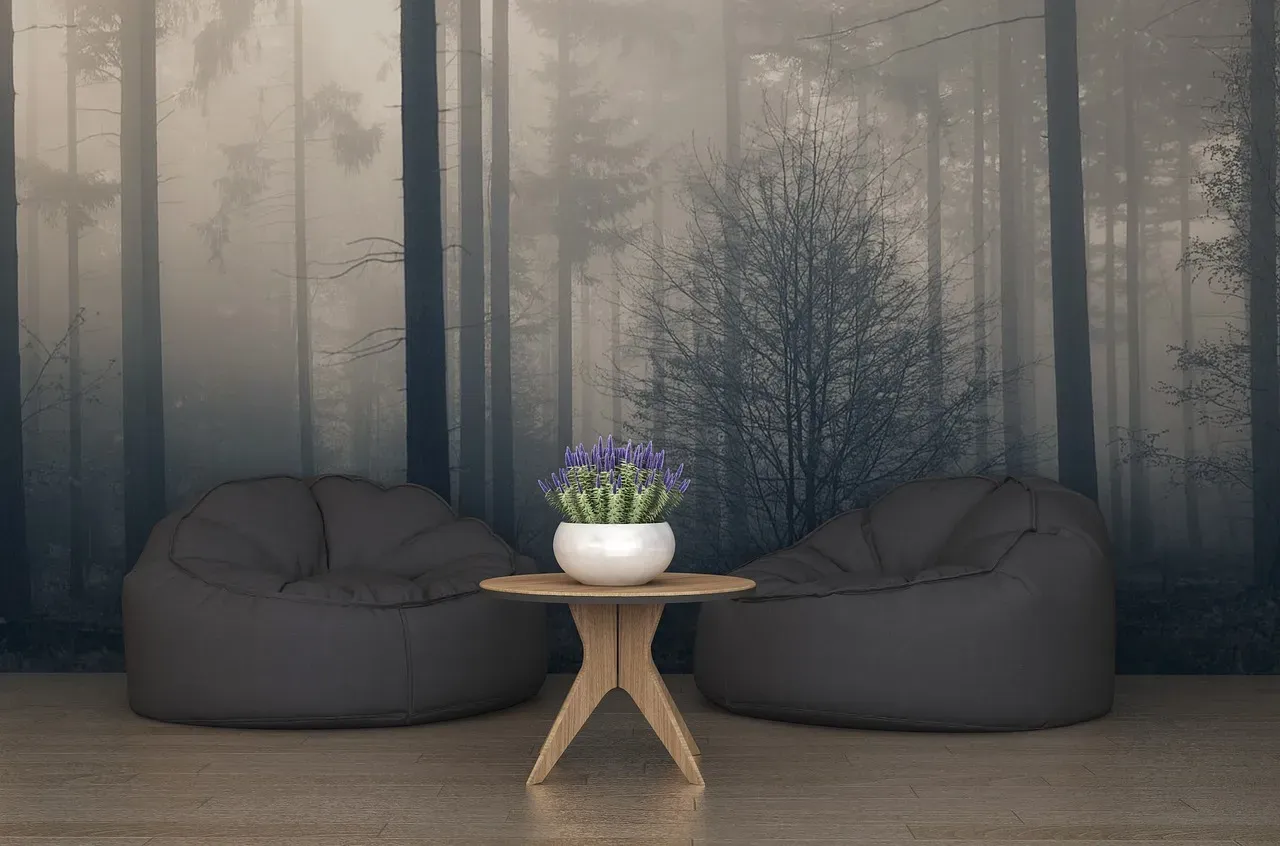
Gray had an incredible run. For well over a decade, it was the go-to backdrop for nearly every interior style imaginable, from sleek modern lofts to cozy farmhouse kitchens. It felt safe, sophisticated, and endlessly versatile. Honestly, it’s hard to argue against a color that played well with so many different aesthetics.
Gray interiors once felt like a safe, modern choice, but years of overuse have drained them of character. When walls, sofas, floors, and finishes all sit in the same cool gray range, spaces start to feel flat, generic, and emotionally distant. Designers say the issue isn’t gray itself, but relying on it as a default.
By 2026, all-gray rooms signal hesitation rather than intention. Homes are shifting toward warmer neutrals, layered undertones, and materials that reflect light and place, creating depth instead of uniform calm. Think creamy whites, earthy ochres, and soft terracotta tones stepping in to fill the void.
2. Bouclé Fabric on Absolutely Everything
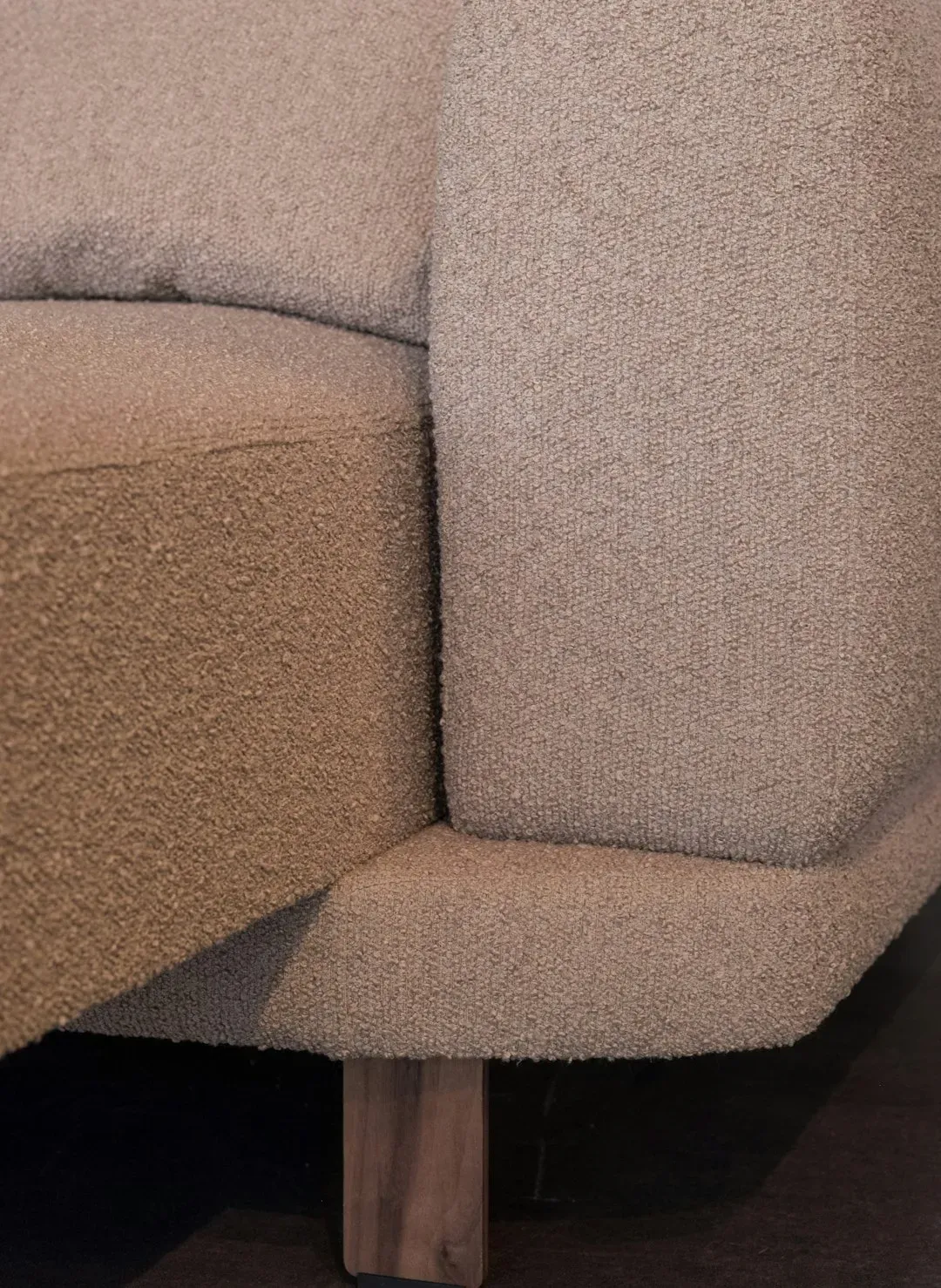
Here’s the thing about bouclé: it was genuinely charming when it first showed up. That loopy, tactile texture felt like a warm hug translated into furniture. Designers loved it. Homeowners loved it. And then, somehow, it ended up on sofas, ottomans, dining chairs, dog beds, and even throw pillows simultaneously.
Bouclé has become the Sol de Janeiro of the interior decorating world: it’s been splashed everywhere, and everyone is over it. The loopy, woolly fabric has been used on everything from furniture to cushions, throws, and even dog collars.
Some of you may not be ready to hear this, but bouclé is on its way out in 2026. It is uncomfortable to sit on, collects every speck of dust or crumb it touches, and is impossible to clean. It really had no business taking over like it did. There are so many other, more durable fabrics like linen, velvet, and leather that are better suited for everyday life.
3. The Open-Concept Floor Plan
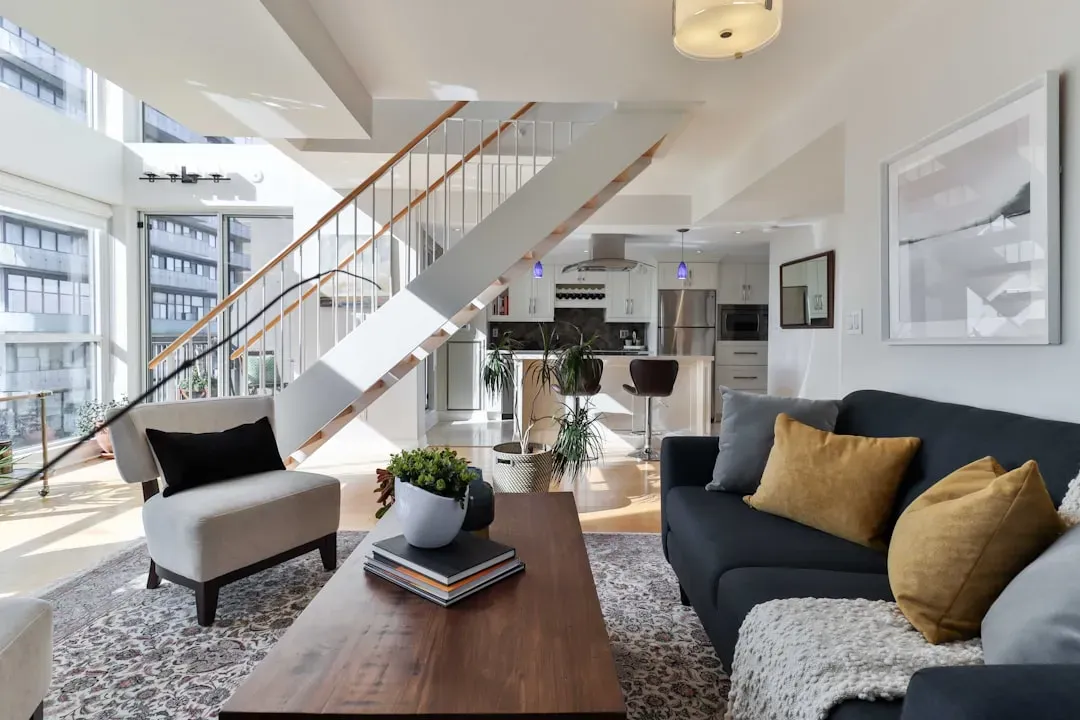
Open-concept layouts became the undisputed king of home design throughout the 2000s and 2010s. Walls came down everywhere. Kitchen, dining, and living areas merged into one vast, flowing space. It felt modern, it made smaller homes appear larger, and it worked beautifully for entertaining. Then came the pandemic, and everything changed.
The pandemic and the rise of remote work influenced the kind of homes buyers seek. During lockdowns, open spaces granted less privacy and families sought privacy in separate spaces. Even as restrictions eased, the benefits of having separate rooms left their imprint on interior design trends. As a result, soft versions of closed floor plans have been making their way back.
Like all trends, open concepts are on the wane. While they will likely never disappear completely, a more closed-off alternative is gaining popularity in 2026: closed layouts. Separate rooms allow for distinct design identities per space, quieter work-from-home environments, and better acoustic separation, something anyone who has tried to take a video call next to a partner cooking dinner will deeply appreciate.
4. The Modern Farmhouse Aesthetic
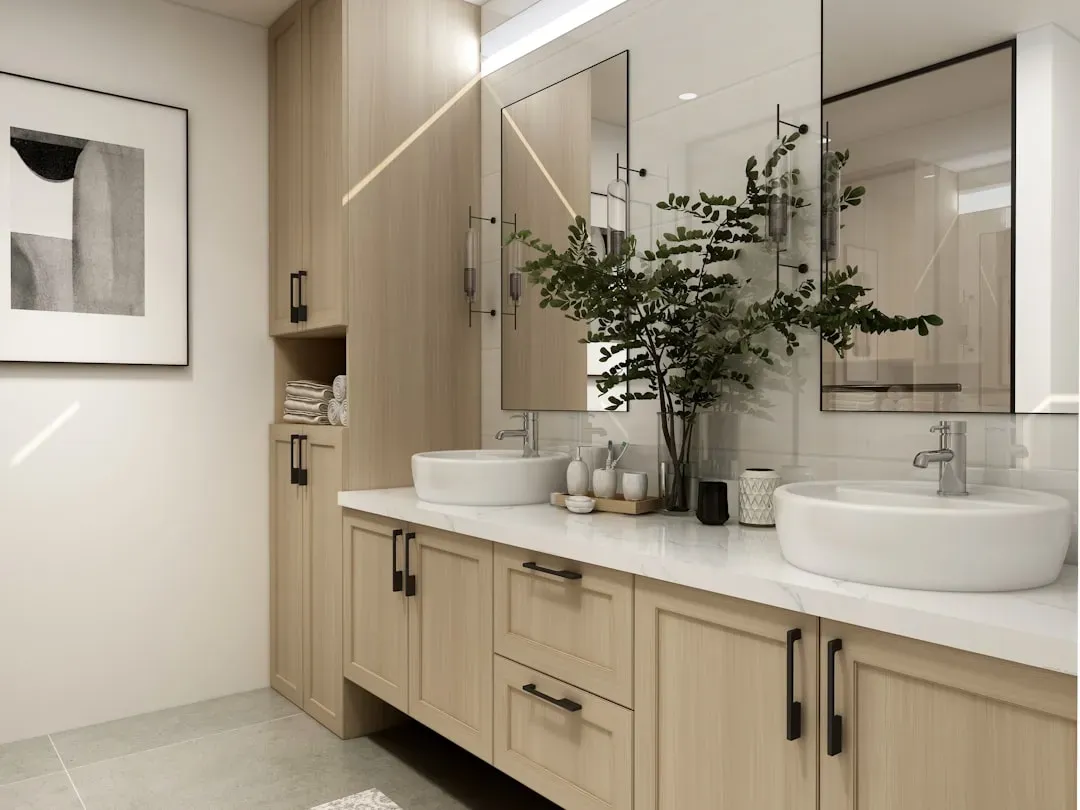
Shiplap, barn doors, all-white kitchens, “Gather” signs above the dining table. The modern farmhouse look had a magnificent decade-long reign, and it deserves credit for making comfortable, rural-inspired interiors accessible to millions of homeowners. But there’s a point where ubiquity becomes a liability.
Shiplap panels, reclaimed wood, barn-accent lighting, and white paint are hallmarks of the modern farmhouse, which first emerged in 2016. It has been a go-to design aesthetic for years, beloved for its welcoming and cozy elements that add rustic charm to contemporary homes. However, designers say the trend is evolving.
Despite having a stellar rise over the last few years, the modern farmhouse aesthetic is likely on its way out. Modern farmhouse devotees are now swapping out its tried-and-true elements, like reclaimed cabinets and shiplap, for newer design details like secondhand mid-century pieces and color-drenched walls. The good news? Genuine warmth and natural textures are timeless. Only the formula feels dated.
5. The Single Accent Wall
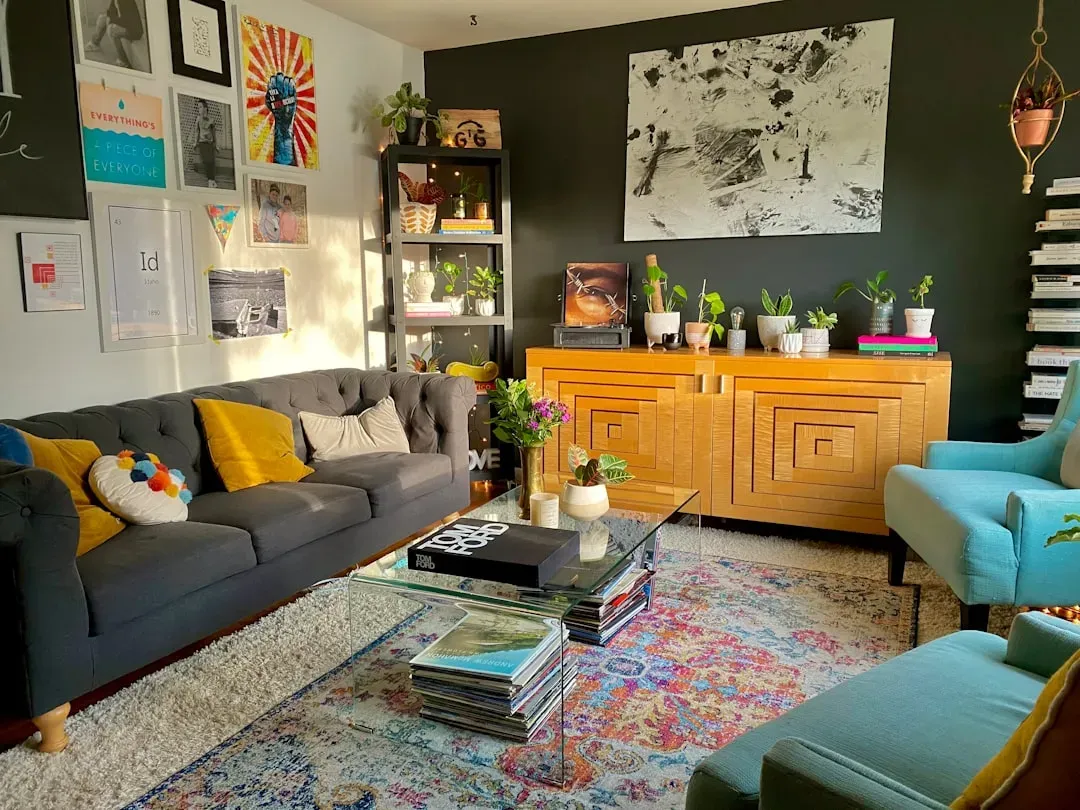
Remember when painting one wall a bold color felt like a revolutionary design move? For a long time, the accent wall was the compromise solution, a way to introduce drama without committing to an entire room. It worked, at least for a while. Now, designers are finding it feels more like an unfinished thought than a bold statement.
Accent walls have had their moment during the past several years, but if you’re adding paint or wallpaper, why not just do the whole room? Yes, it’s less effort to only do one wall, but it’s also far less impactful. Accent walls can make a room look awkward and unfinished instead of creating a harmonious feel.
Designers are hoping 2026 is the year we kindly retire the accent wall. The replacement? Full-room color immersion. Bold, saturated colors are making a comeback, with color-drenched rooms using a single hue in varying shades to create a cohesive and impactful look. This trend is perfect for those who want to make a statement or infuse their spaces with a chic personality.
6. Open Kitchen Shelving
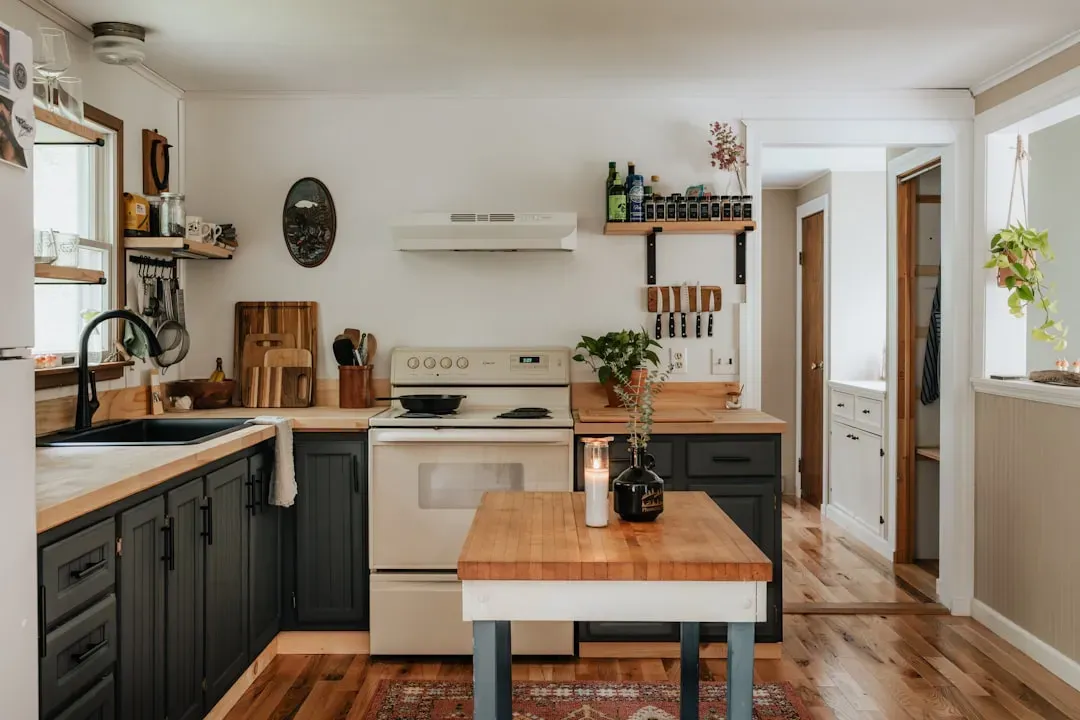
Open shelving in the kitchen had a magical few years on Pinterest and Instagram. The idea was simple and appealing: display your beautiful dishes, vintage glassware, and carefully curated ceramics like a living still life. It photographed brilliantly. Living with it, however, was a different matter entirely.
Open shelving isn’t disappearing entirely, but in newer kitchen remodels, its prevalence is fading. These days, fewer homeowners are ripping out all their upper cabinetry in favor of open shelves, and if they are featured, they’re more strategically placed. People have finally realized that open shelves can be difficult to style, a hassle to dust, and prone to making your kitchen look more cluttered.
In 2026, kitchen design is moving toward concealed storage as homeowners prioritize calm, organized spaces with a clean aesthetic. “When clutter is concealed, the space feels more harmonious,” says designer Alison Needelman, noting a shift away from open shelving and toward streamlined cabinetry. It’s a quiet but significant reversal of a trend that dominated kitchen renovations for nearly a decade.
7. Mid-Century Modern Fatigue
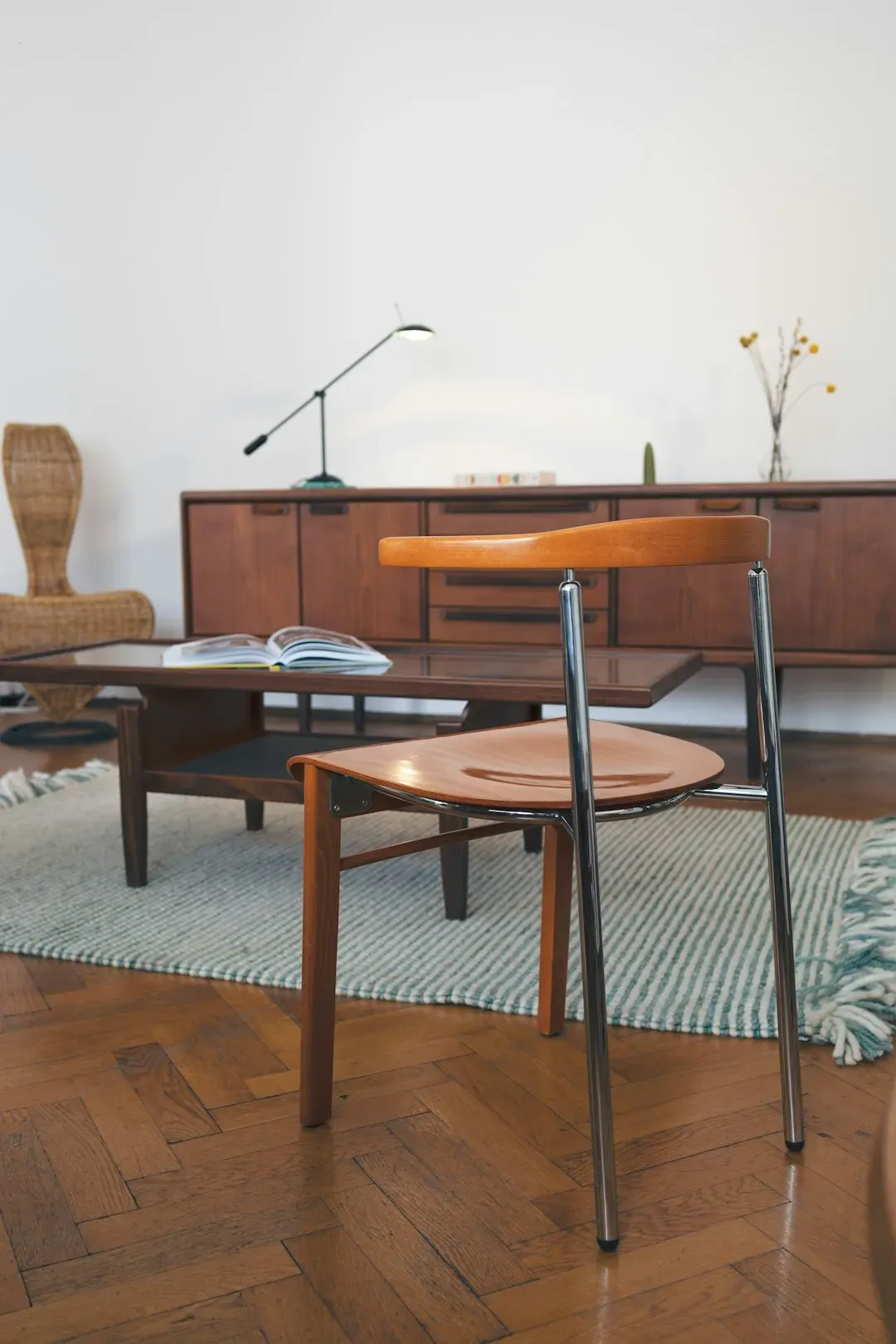
Mid-century modern had enormous staying power. The clean lines, tapered legs, organic shapes, and warm walnut tones made it a beloved aesthetic for decades. Designers and homeowners alike could always find something to love about it. Yet, like all great things overexposed, it finally hit a wall.
Mid-century modernism fatigue finally set in, with just roughly one in five survey takers giving MCM most-favored status going into 2025, down dramatically from its robust share the year before. That is a striking collapse in designer enthusiasm for a style that had seemed almost immortal.
The annual 1stDibs poll indicates a swing toward sophisticated, no-holds-barred maximalism, which a plurality of designers cite as the way they’ll go. Eclecticism, layering, and the mixing of eras is replacing the rigid adherence to mid-century formulas. Think less “matching furniture set” and more “collected over a lifetime.”
8. Scandinavian Minimalism’s Cool, Sparse Rooms
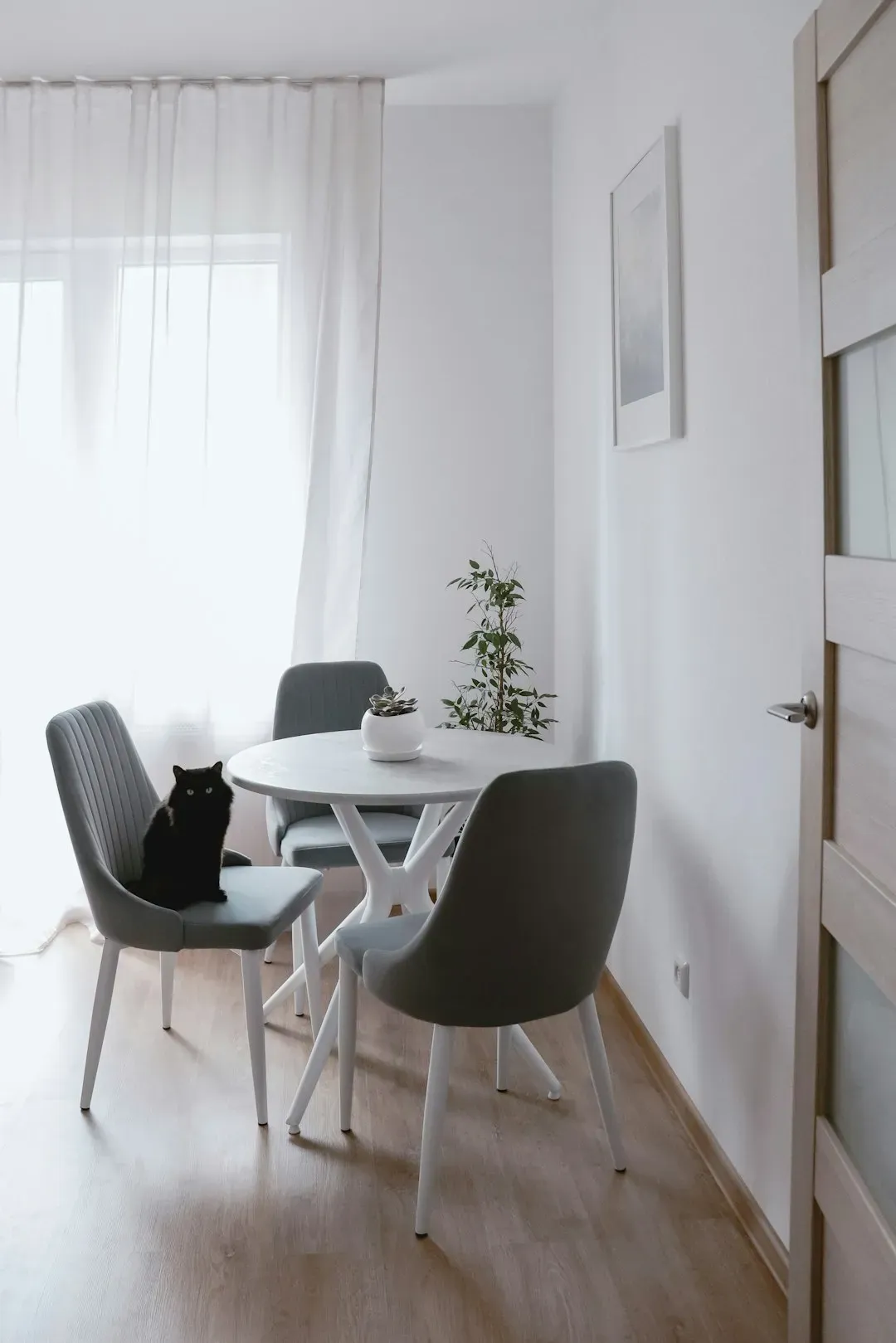
Scandinavian minimalism gave us something genuinely valuable: a permission slip to own less and choose thoughtfully. At its best, it was restrained, intentional, and deeply calming. At its worst, it became an excuse for sterile, personality-free rooms that felt more like showroom floors than actual homes.
Scandinavian modernism and minimalism fell significantly in designer surveys, from their previous high shares to much lower numbers in the latest go-round. The problem wasn’t minimalism itself. It was the cold, bare interpretation that stripped rooms of warmth, story, and soul.
Minimalism isn’t going anywhere, but in 2025 and beyond, it’s softening. The new wave of minimalist design trades stark perfection for warmth and personality. Think creamy neutrals, layered textures, and natural materials that make spaces feel calm yet lived-in. Instead of empty surfaces, designers are curating meaningful pieces that tell a story without adding clutter.
9. Fluted and Ribbed Surfaces Everywhere
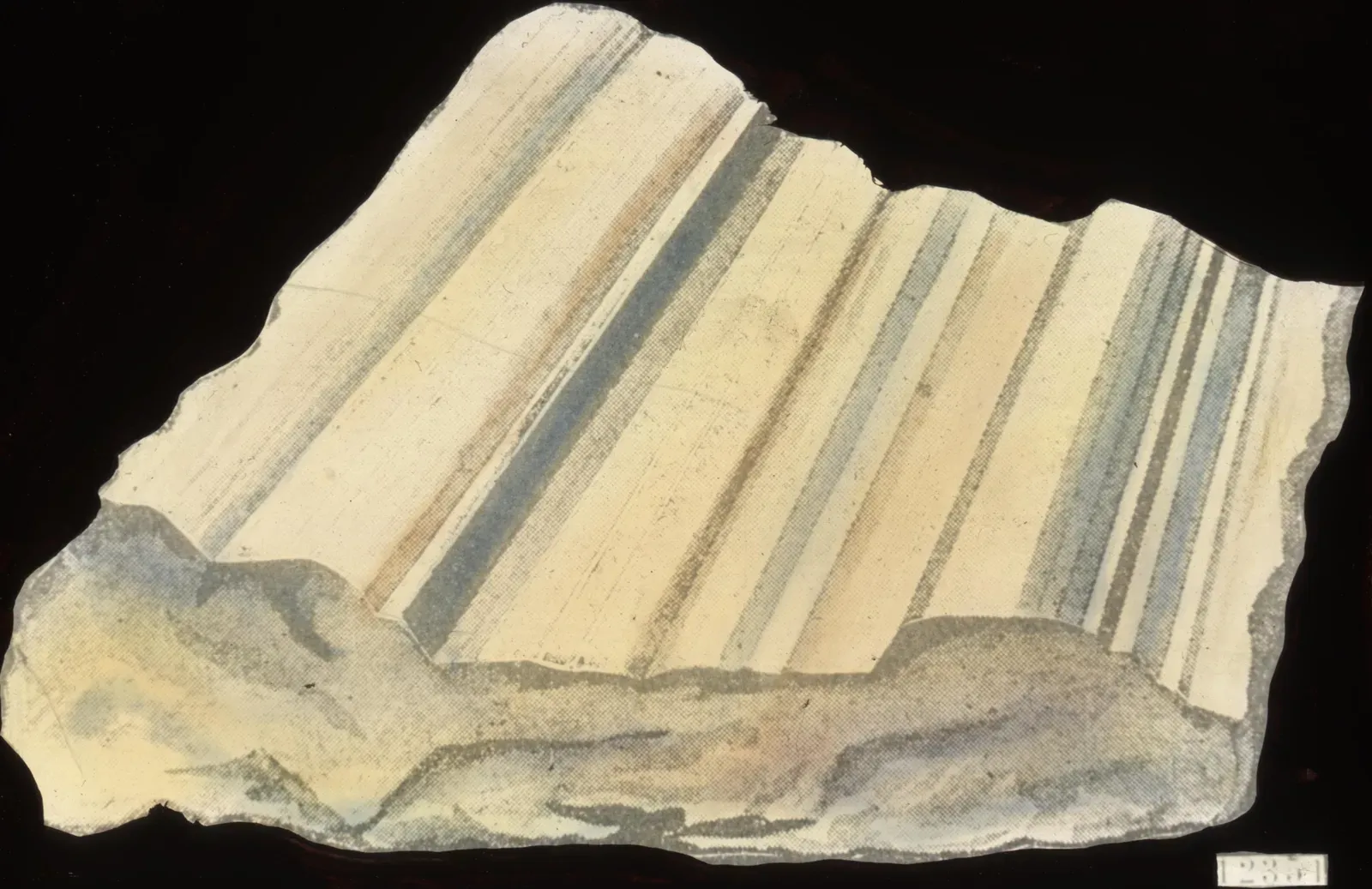
Fluted details, those vertical grooves you see on kitchen islands, cabinetry, furniture legs, and decorative panels, exploded in popularity around 2022 and swept through interior design like wildfire. It felt architectural and refined when used sparingly. The moment it showed up on absolutely everything, the magic started to wear off.
Fluted kitchen islands, ribbed cabinetry, and textured panels became a shortcut to “designer detail.” The result is repetition without purpose. Beyond visual fatigue, these surfaces trap dust and age poorly. Designers are returning to clean planes, intentional joinery, and material contrast instead of decorative grooves everywhere.
Think of it like a really good seasoning. A little fluting on a statement sideboard? Stunning. Fluting on the island, the backsplash tile, the bathroom vanity, and the bedside tables? That’s when it tips from design choice into design habit. This isn’t about what’s “in” or “out.” It’s about recognizing when popular design choices stop adding character and start aging homes faster. Designers say 2026 is the moment to move away from copy-paste interiors and make more deliberate decisions.
10. The Perfectly Staged, Spotless Kitchen
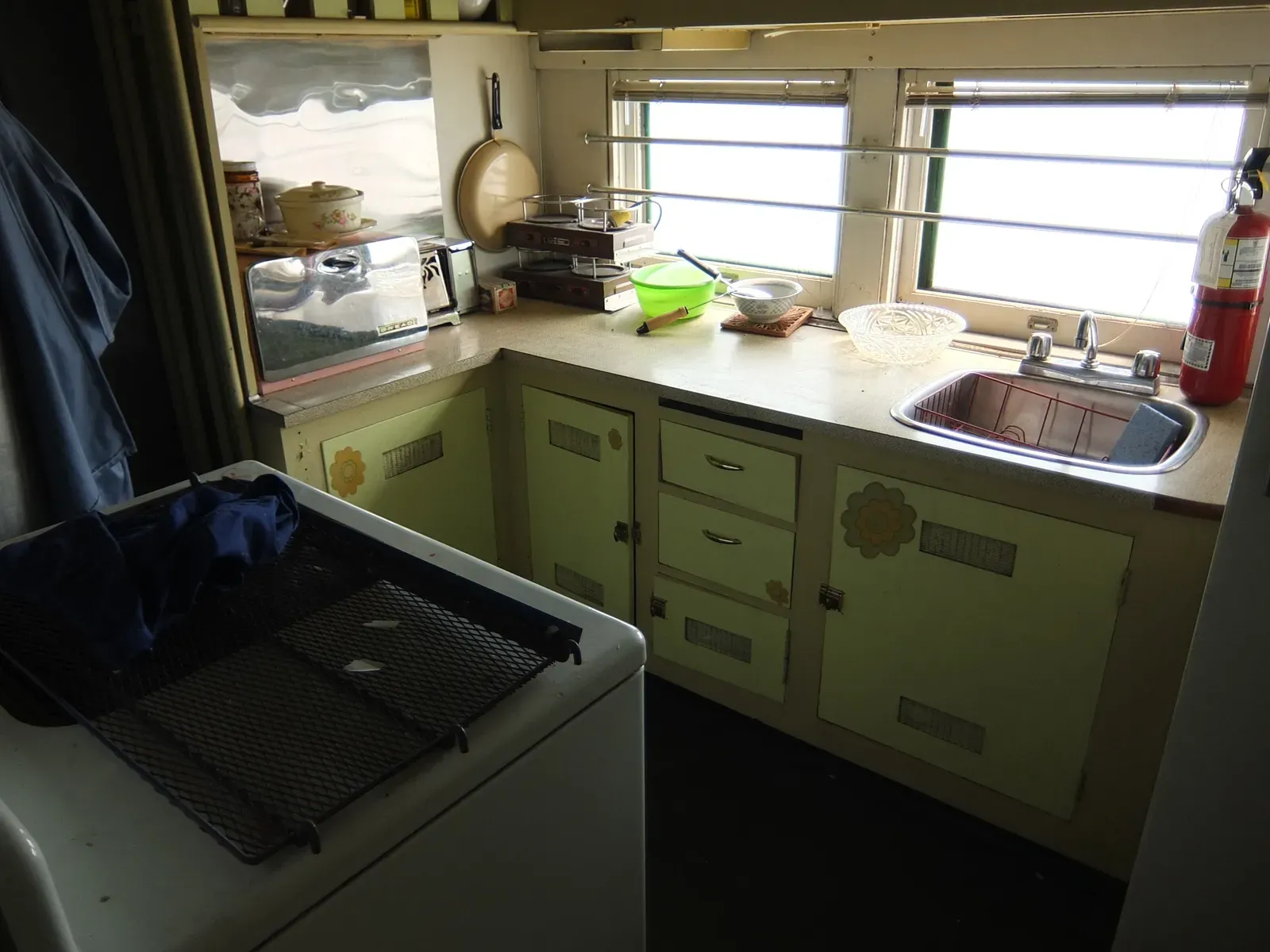
There was a period not long ago when the aspirational kitchen looked like nobody ever cooked in it. Not a crumb on the counter. Not a spatula in sight. Every appliance hidden behind cabinet doors. The aesthetic was immaculate, almost clinical, and deeply impressive in photographs. In real life, it was a daily battle that nobody could win.
Kitchens staged to look untouched no longer resonate. Hidden appliances, zero-counter clutter, and impractical layouts feel disconnected from real cooking habits. By 2026, designers prioritize kitchens that show signs of life: visible storage, accessible tools, and layouts that support everyday routines.
Let’s be real, the kitchen is the most-used room in the house for most families. Designing it primarily for how it looks in photos rather than how it functions at 6:30 PM on a Tuesday was always a losing proposition. The shift toward lived-in warmth and honest functionality feels long overdue and genuinely more human.
11. Checkerboard Floors
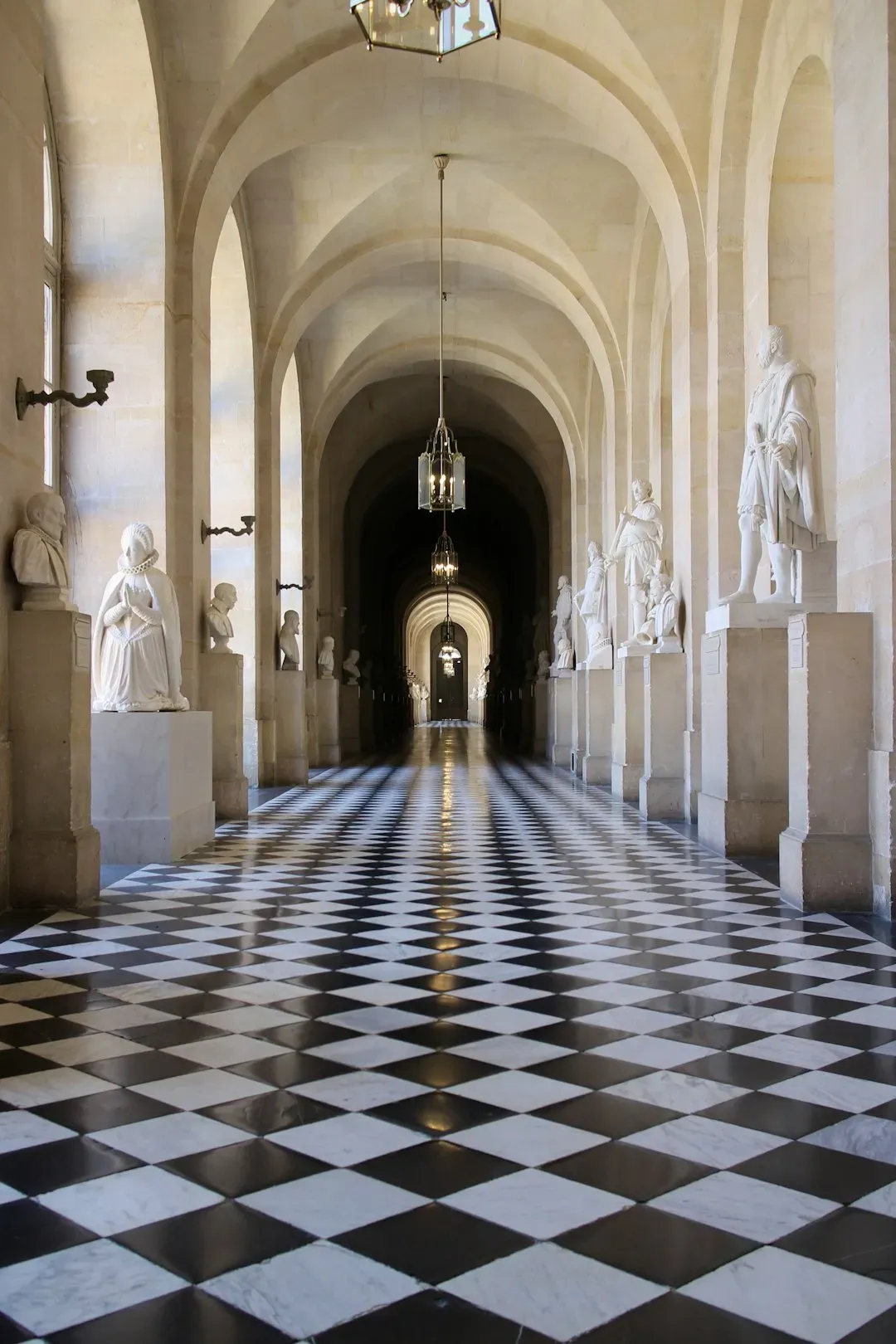
The checkerboard floor had a triumphant comeback. Retro, playful, and unmistakably graphic, it swept through laundry rooms, kitchens, bathrooms, and entryways with remarkable speed. For a moment, it felt fresh and nostalgic at the same time, which is a genuinely difficult balance to strike in design.
Black-and-white checkerboard floors made a strong comeback, but often at the expense of the room’s overall balance. In many spaces, the pattern overwhelms cabinetry, furniture, and natural light. In 2026, designers favor floors that ground a space rather than dominate it, especially in kitchens meant for daily use.
The checkerboard pattern is one of those trends that works brilliantly in small doses, like a powder room or a narrow hallway, and becomes visually exhausting when scaled up to a large kitchen floor. The interior design trends of 2025 and beyond have continued a noticeable shift away from fleeting, pop-culture-driven fads toward designs inspired by the past and focused on longevity. Flooring that ages well and doesn’t compete with everything else in the room is what designers are now after.
12. Coastal Grandma as a Full-Room Formula
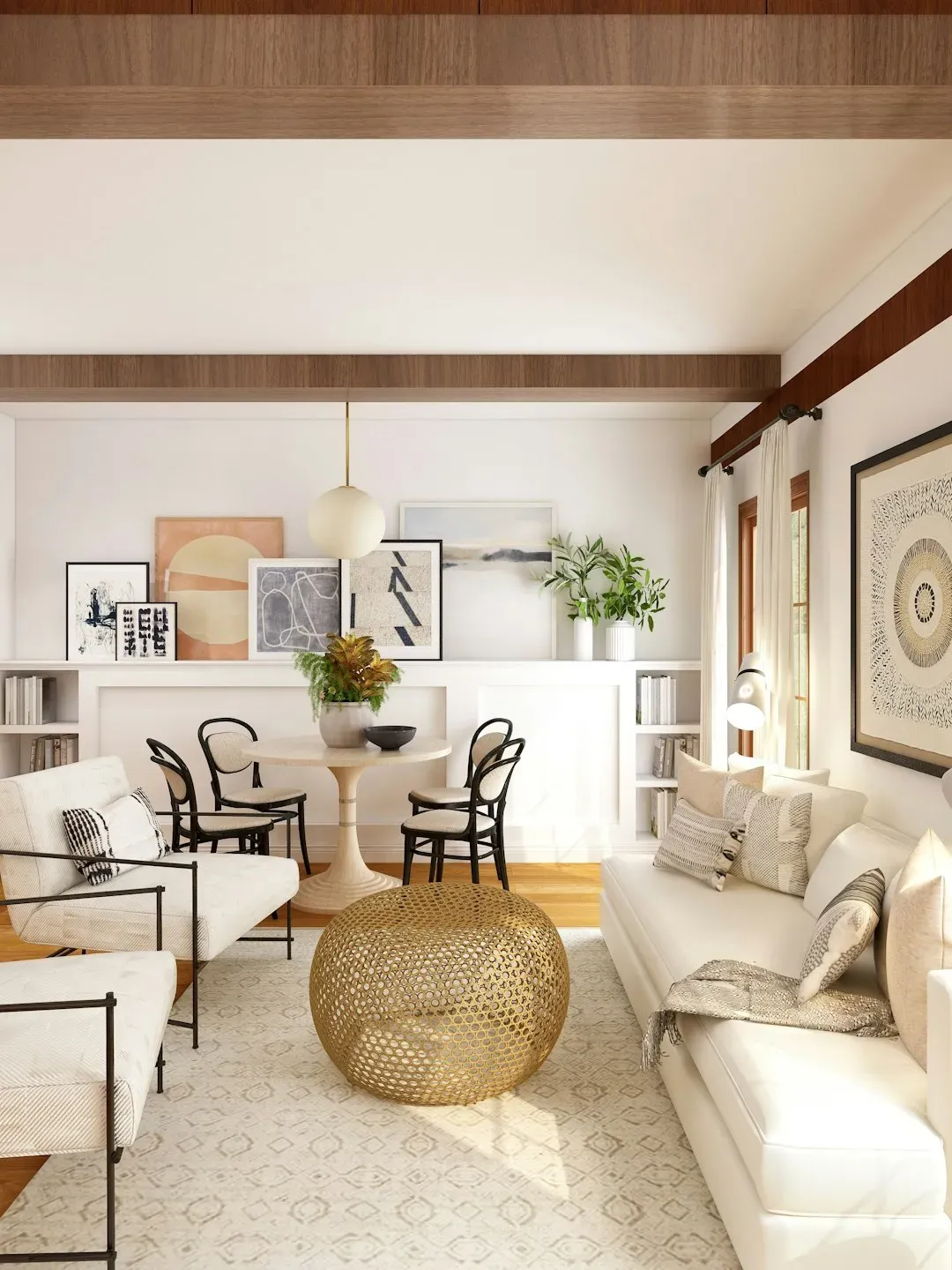
The coastal grandma aesthetic was genuinely lovely for a moment, evoking sun-bleached linen, white slipcovers, jute rugs, and the feeling of a breezy summer afternoon somewhere expensive and relaxed. It offered a softer alternative to the sleekness of modern minimalism, and it had genuine warmth to it. The trouble came when it became a rigid formula rather than a feeling.
The tide has started to turn on the coastal grandma aesthetic. Instead of lusting after that exclusive summer-in-the-Hamptons vibe, people want their homes to feel a little more relaxed and lived-in. Trying to commit to an aesthetic defined by all-white furniture and hard-to-care-for jute rugs is just a little too restrictive for real life.
Heading into 2026, we’re seeing a shift away from copycat, picture-perfect spaces that feels long overdue. Designers hope we’re moving away from the obsession with “perfect” spaces, homes that feel overly staged, overly coordinated, and so polished that there’s no real life or soul in them. What designers would rather see in 2026 are interiors that actually have a story, pieces with personality, rooms that feel collected rather than curated, and materials that show their age and texture. Coastal touches? Still welcome. A strict, copied-from-Pinterest coastal grandma formula? That’s the part that’s walking out the door.