The Unexpected Habits of People Who Stay Creatively Consistent
Most people assume that creatively consistent people are simply born with more drive, more inspiration, or some rare internal fire that the rest of us lack. It’s a flattering story, but it’s not quite accurate. What actually separates people who keep making things, week after week and year after year, from those who flame out after a burst of initial enthusiasm, is far less glamorous and far more actionable.
For highly creative people, their craft is not an occasional activity but a lifelong commitment. The habits behind that commitment tend to be quiet, unglamorous, and often counterintuitive. They’re not about waiting for inspiration. They’re about building a life structured so that showing up is simply the path of least resistance.
They Treat Their Schedule Like a Creative Tool

It’s a common misconception that in order to be creative, one must live life on a whim with no structure, but the habits of highly successful creative people suggest otherwise. In fact, most creative minds schedule their days rigorously. The reasoning behind this is more psychological than logistical. Many creative people tend to stick to a strict schedule and are disciplined about when and how they work, because routines don’t inhibit creativity but allow it to flourish.
This isn’t about rigid time-blocking for its own sake. It’s about reducing the daily cost of getting started. Executive control processes support creative thinking by helping us deliberately plan future actions, remember to use various creative tactics, and keep track of which strategies we’ve already tried. They also help us focus our imagination, blocking out external distractions and allowing us to tune into inner experiences. A reliable schedule essentially handles all of that overhead so the mind can go straight to the work.
They Stay Radically Open to New Experience

Openness to experience, the drive for cognitive exploration of one’s inner and outer worlds, is the single strongest and most consistent personality trait that predicts creative achievement. Openness can be intellectual, characterized by a searching for truth and the drive to engage with ideas; aesthetic, characterized by the drive to explore fantasy and art; or affective, characterized by exploring the depths of human emotion.
Research has found that the desire to learn and discover seems to have significantly more bearing on the quality of creative work than intellect alone. Creatively consistent people tend to keep actively expanding their inputs, deliberately seeking out unfamiliar places, people, and disciplines. Research has also found that extreme positive events, in particular those that evoke feelings of awe, wonder, and inspiration, can encourage creativity. Positive emotions build a person’s psychological resources, broadening attention, inspiring new thoughts and behaviors, and stimulating creative thinking.
They Deliberately Embrace Boredom and Mind-Wandering

Daydreaming, from a creativity standpoint, is a good thing. It’s not something you need to try to prevent as you engage in intellectual tasks. Having your head in the clouds is an opportunity to let your creative powers develop and flourish. Increasing the amount of daydreaming you do can be creatively beneficial simply because it allows your mind to wander across imaginative landscapes not normally a part of your normal routine.
The discovery of the “default network” of the brain, the part of the brain at work when we are not purposefully engaged in other tasks, is one of the most important recent discoveries in neuroscience. The default network enables us to construct personal meaning from our experiences, imagine other perspectives and scenarios, comprehend stories, and reflect on mental and emotional states. Creatively consistent people seem to intuitively protect time for this kind of unscheduled mental drifting, rather than filling every gap with a screen.
They Move Their Bodies to Move Their Minds

There’s plenty of evidence pointing to the benefits of exercise for creativity. Feeling good physically gets you in the right mood to focus and be productive. Exercise also forces you to have disconnected time, and this allows you to reflect on whatever it is you’re working on. The disconnection is the point. A run or a walk creates the conditions for ideas to surface without being forced.
Research at Stanford shows that walking in particular boosts creative thinking. In cognitive psychology, these breaks are called “incubation periods,” and other repetitive mindless tasks such as gardening, running, swimming, sweeping, and showering are also particularly helpful for allowing solutions to problems to pop into your mind out of nowhere. Creatively consistent people often schedule physical movement not as a health obligation, but as a deliberate part of the creative process itself.
They Protect Their Sleep With Surprising Seriousness

Research indicates that consistent quality sleep significantly enhances decision-making and critical thinking. Additionally, a good night’s sleep is linked with a positive mood, fostering an environment where one can think more openly and creatively. Most people treat sleep as a variable they can trade against productivity. Creatively consistent people tend to treat it as non-negotiable infrastructure.
Sleep deprivation doesn’t just lead to physical tiredness; it can stymie creative processes. Cognitive impairments and a reduced ability to think outside the box are just some of the effects of a lack of rest. Long-term sleep deprivation might even have lasting impacts on the brain’s ability to harness its creative powers. The relationship between rest and creative output is not subtle. Consistently creative people seem to have simply accepted this fact earlier than most.
They Build Identity Around the Practice, Not the Output

A significant advancement in habit theory is the recognition that sustainable habits align with personal identity. Research published in the Journal of Personality and Social Psychology in 2024 found that framing habits in terms of identity (“I am a person who exercises daily”) rather than outcomes produces more durable results. The same principle applies powerfully to creative practice. Someone who sees themselves as a writer writes even when they’re not inspired, because it’s simply who they are.
When you consistently engage in healthy behaviors, they become part of your identity. Someone who regularly exercises begins to see themselves as “active” or “fit,” and this shift in self-perception is powerful because it reinforces the desire to maintain these behaviors. For creatively consistent people, the same loop plays out around making things. The practice reinforces the identity, and the identity protects the practice.
They Use Tiny Habits to Stay in Motion During Hard Periods

BJ Fogg, a Stanford behavioural scientist, found that tiny, achievable changes are the best way to create lasting habits. Instead of aiming to “work out every day,” try starting with one push-up or a 10-minute walk. These small wins create momentum and reduce the mental resistance that comes with big, daunting goals. Creatively consistent people apply this logic to their work without drama. A single sentence written, a five-minute sketch, a short voice memo: these are not compromises. They’re the glue that holds consistency together across the hard weeks.
Consistency is the practice of repeated, intentional effort toward a specific goal. It bridges the gap between desire and achievement by creating momentum and reinforcing discipline. Unlike bursts of effort driven by fleeting motivation, consistent actions compound over time, producing incremental gains that ultimately lead to significant transformations. Creatively consistent people seem to genuinely believe in compounding. They’re not chasing breakthroughs. They’re trusting the accumulation.
They Actively Practice Mindfulness Without Overdoing It
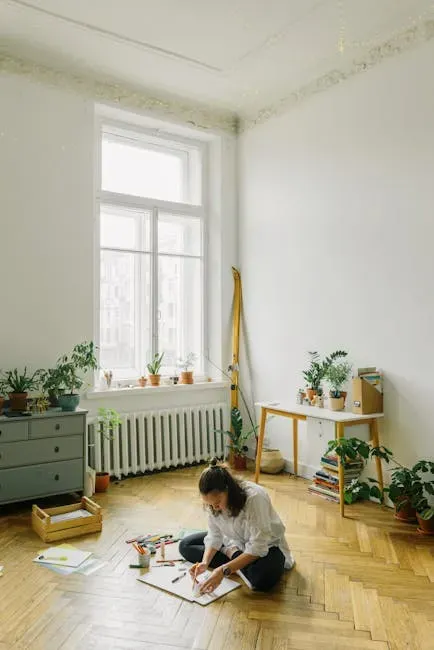
While the capacity to observe the present moment without distraction or judgment is a vital skill for anyone who seeks joy and fulfillment in life, it’s particularly important for creative thinkers. A large body of research has associated mindfulness with many cognitive and psychological benefits like improved task concentration, sustained attention, empathy, introspection, and enhanced memory. Many of these are central to creativity.
For optimum cognitive flexibility and creativity, it’s best to achieve a balance of mindfulness and mind wandering. Some forms of mindfulness may actually work against creativity, specifically those that encourage one to let go of thinking rather than accepting thoughts in a more open manner. Just 10 minutes of meditation a day can increase creative powers, research from Erasmus University in Rotterdam indicates. The takeaway is that creatively consistent people tend to use mindfulness as a way of staying porous and attentive, not as a way of emptying their minds entirely.
They Accept Failure as Structural, Not Personal
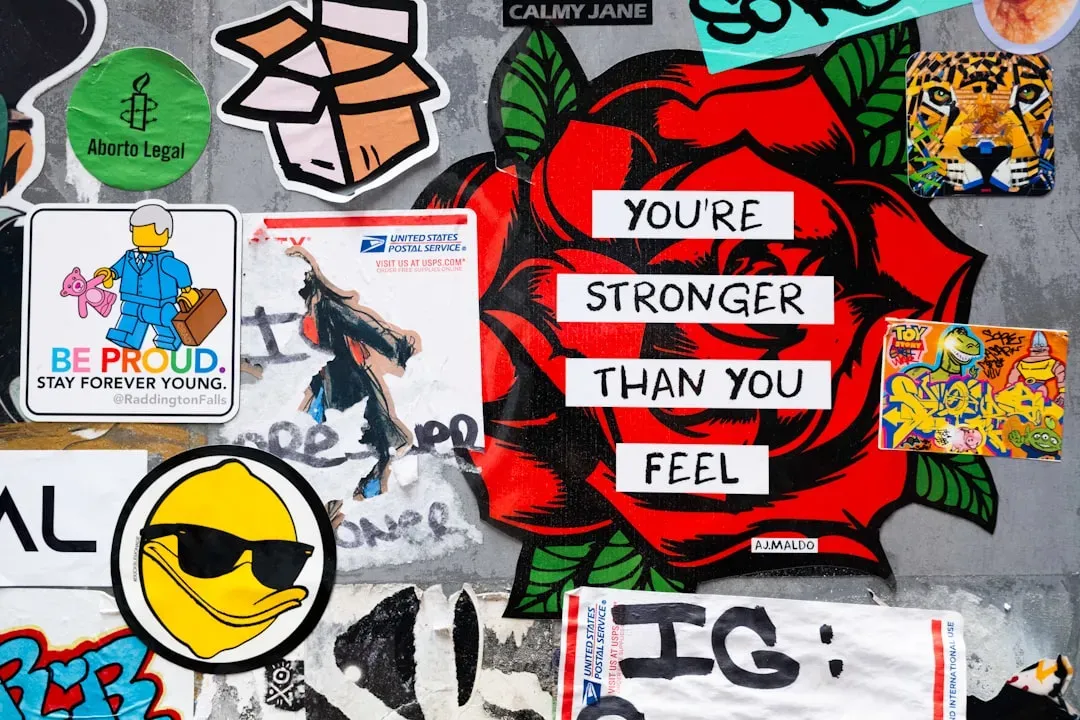
Creative people are united by their unwillingness to abide by conventional ways of thinking and doing things. In choosing to do things differently, they accept the possibility of uncertainty and failure, but it is precisely this risk that opens up the possibility of true innovation. The secret to creative greatness appears to be doing things differently even when that means failing.
Slip-ups don’t mean failure. Studies show that people who build in “if-then” plans, also called implementation intentions, are more likely to stick to habits. For example: “If I miss my session, I’ll do a shorter version at home.” Creatively consistent people apply the same logic to their creative work. A missed day, a bad draft, a project that doesn’t land: none of these are treated as verdicts on identity. They’re just data points. That resilience, more than any particular talent, is what keeps people in the game across years and decades.
Their Brains Actually Age Differently Because of It

A study in Nature Communications suggests that creative engagement may not only elevate mood or self-expression. It may actually slow the clock on brain aging. Researchers analyzed more than 1,400 people across dance, music, visual arts, and strategy-based gaming, then used EEG and machine learning to estimate each person’s brain age gap. People with more creative engagement had younger brains across every domain. The deeper the expertise, the greater the delay in brain aging.
Creative practice strengthens pathways that normally weaken with age and stimulates neuroplasticity, the brain’s ability to adapt and reorganize. This effect was not tied to talent. It was tied to engagement. The more someone practiced and challenged themselves creatively, the younger their brain appeared. Creative consistency, in other words, is not just a lifestyle choice. It turns out to be one of the most evidence-backed investments a person can make in their own long-term cognition.