The Quiet Shift Toward More Intentional Living
Something has been changing beneath the surface of everyday life. It’s not a revolution with a manifesto or a single viral moment that set it off. It’s more like a gradual exhale, a collective decision, made quietly by millions of people across different countries and circumstances, to stop running quite so fast and start asking what they’re actually running toward.
The lifestyle trends of 2025 are characterized by a profound shift toward , prioritizing well-being, sustainability, and meaningful experiences over material possessions. The shift isn’t uniform, and it isn’t simple. But it’s real, and it’s worth understanding.
When “More” Stopped Feeling Like Enough

The consumer landscape has been shaped by what researchers have called a “polycrisis” environment, leading to significant shifts in consumer attitudes and behaviors across various industries. Against that backdrop, many people began to question the logic of accumulation. If having more things wasn’t delivering more peace, maybe the equation itself was wrong.
Minimalism isn’t just about having fewer things; it’s a philosophy centered on . Over the years, it has evolved from a simple aesthetic choice to a comprehensive approach that impacts how people consume, live, and relate to their environment. That evolution is what makes this moment different from earlier waves of minimalist enthusiasm. It goes much deeper than a clean, white apartment.
The Slow Living Movement Finds Its Footing

The rise of slow living reflects a growing dissatisfaction with the relentless pace of modern life. For many, the constant race to achieve, consume, and perform has led to burnout and a sense of disconnection. Slow living offers an antidote to this, encouraging a more balanced and fulfilling approach to life.
According to Google Trends data, “slow living” searches grew by over 250% globally in 2024, and the trend held strong into 2025. That’s not a niche curiosity. At its core, slow living is about matching actions with values. It rejects the notion that productivity is the ultimate goal and instead prioritizes quality over quantity in every aspect of life, whether it’s relationships, possessions, or experiences.
Gen Z Reshapes the Definition of Success

Roughly three quarters of Gen Z workers now prioritize work-life balance over salary, a massive shift from previous generations’ “get rich or die trying” mentality. This isn’t laziness. It reflects a more honest accounting of what a career actually costs in human terms.
Among younger generations, nearly two thirds of Gen Z value mental health over financial growth, with more than half willing to accept lower pay for better work-life balance. Gen Z isn’t rejecting hard work but rather redefining it on their own terms, setting clear boundaries and choosing roles that promote their well-being. They’re focused on sustainable, high-quality performance that fits into their personal lives, not nonstop hustle.
Minimalism With Real Benefits: What the Research Shows
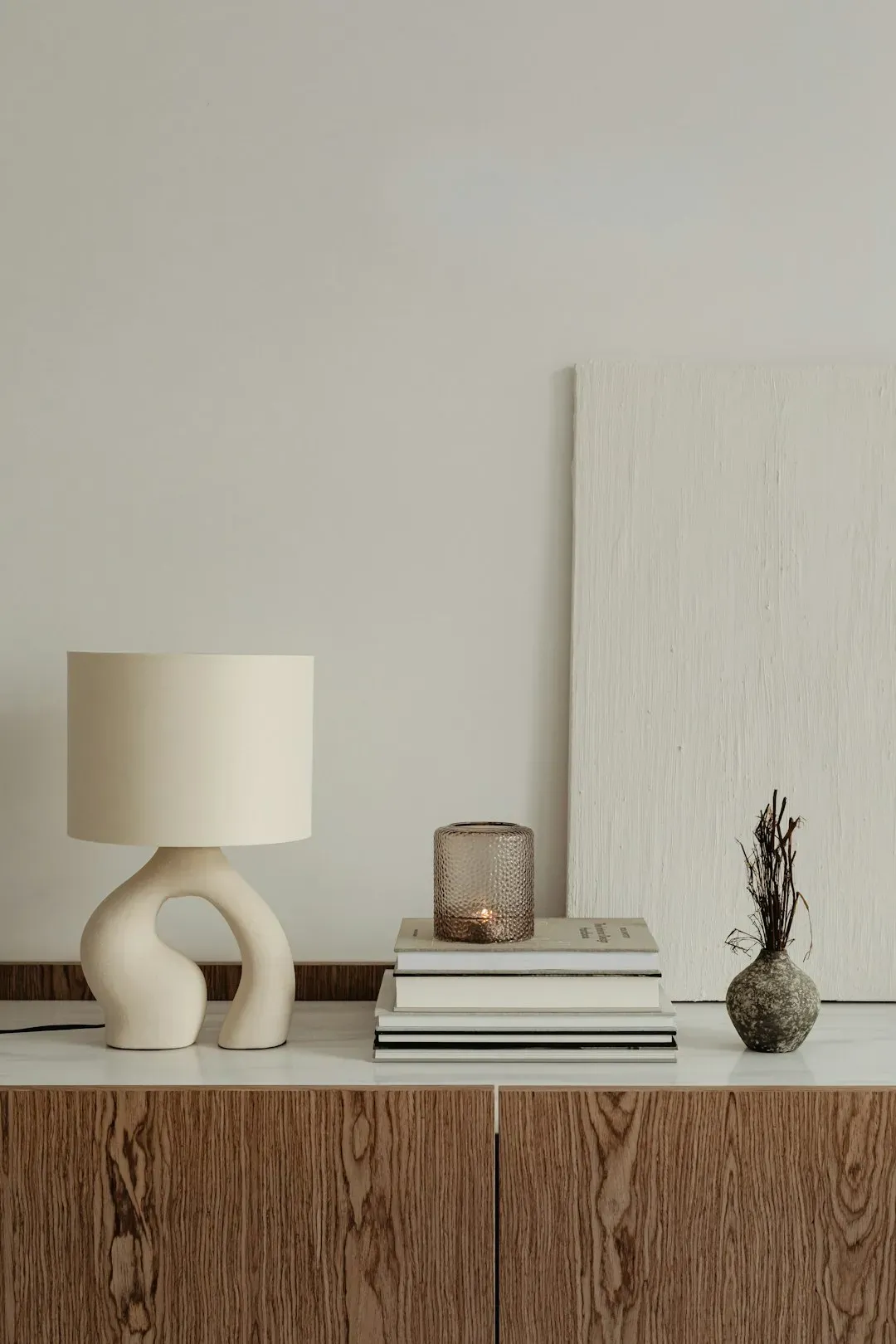
Research has found that higher levels of “few belongings” minimalism and “mindful” minimalism were related to a lower ecological footprint, more positive affect, and greater environmental concern. This type of minimalism was also associated with having a more energy-efficient home, a smaller goods footprint, purchasing fewer clothes, and producing less waste.
These findings suggest that the adoption of minimalism as a low-consumption lifestyle has potential advantages for both the environment and well-being, though some facets of minimalism appear more promising than others. Studies also highlight that consciously curated environments can lower stress and enhance productivity, making minimalist design appealing not just for its clean lines but also for its mental health benefits.
Experiences Over Things: A Spending Shift With Data Behind It

Consumers today are increasingly spending their money on experiences such as music events and travel, rather than on physical products. This trend is highlighted by research from the Mastercard Economics Institute, and signals a significant shift in consumer behavior. Across Europe, spending on experiences such as travel and dining out climbed to roughly a fifth of total spending in 2023, up from 19% in 2019.
Consumer willingness to pay premiums for high-quality experiences has also grown, from 65% in 2024 to 69% in 2025, with income and generational factors indicating this will continue. Traditional differentiators like exclusivity, technology, and social media appeal have declined in importance, suggesting that consumers increasingly value practical convenience, event and activity-based experiences, and holistic well-being over status-driven features.
The Rise of Intentional Spending and Conscious Consumption

There is a growing preference for brands that demonstrate a commitment to sustainability, ethical practices, and social responsibility. Over roughly seven in ten Gen Z and Millennial consumers prioritize sustainable choices, even at a premium price. That’s a meaningful market signal, not just a sentiment.
Consumers are becoming more selective with their purchases, often researching manufacturers, ingredient sources, and product lifespans before buying. The aim is to avoid impulse shopping and choose only items that will be truly used and valued. This shift sparks a move toward local brands, ethically sourced goods, and quality craftsmanship.
Digital Minimalism: Reclaiming Attention in a Noisy World

Digital minimalism involves intentionally choosing technologies that add value and cutting out distractions, such as curating feeds, muting alerts, and creating “tech-free zones.” It aims to reclaim control over digital tools, improve focus, reduce stress, and strengthen real-world connections.
Decluttering digital spaces frees up cognitive bandwidth, helping people think clearly and act intentionally. Many are now scheduling dedicated offline periods, sometimes called “digital sabbaths,” to regain focus and reduce stress. Minimalist digital routines, such as keeping the phone off the bedside table or using screen time reports for self-reflection, have gained traction.
Slow Productivity and the Rejection of Hustle Culture at Work
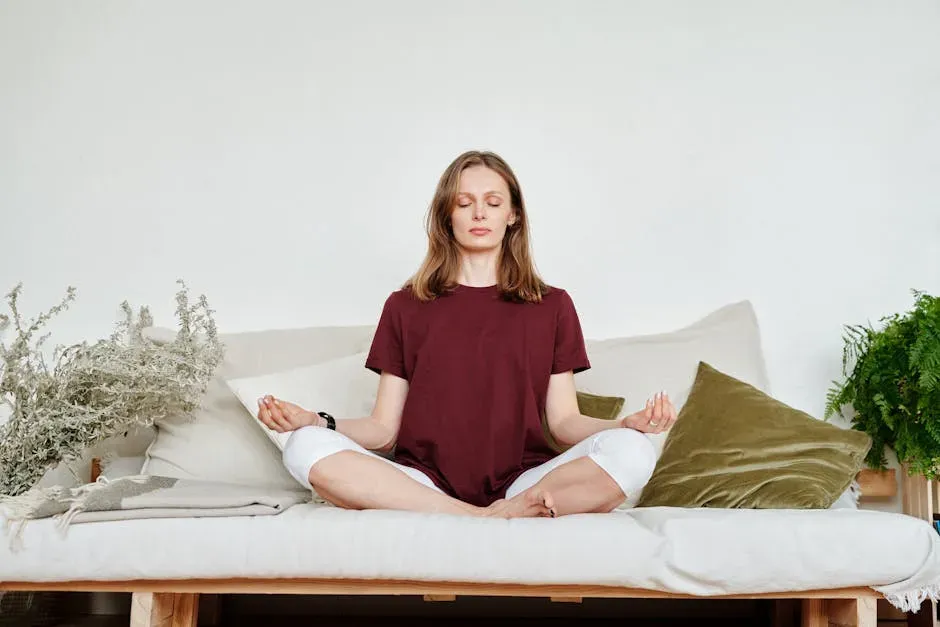
A rejection of hustle culture, “slow productivity” prioritizes fewer tasks, deeper focus, and sustainable creativity, leading to more meaningful results without sacrificing mental well-being. This approach is supported by research showing that breaks and reduced multitasking improve concentration.
Research links slower, mindful routines with lower cortisol levels, better sleep, and improved mental clarity. Even small pauses during the day can reduce stress and support long-term well-being, according to studies summarized by the American Psychological Association. The case for a more measured pace, in other words, is not purely philosophical. It’s physiological.
The Market Behind the Movement

The global minimalist lifestyle products market was valued at roughly ten billion dollars in 2024 and is projected to expand at a compound annual growth rate of around 10%, reaching approximately twenty-five billion dollars by 2032. That scale of growth suggests has moved well beyond a personal preference and into a genuine economic current.
Sustainability is no longer a niche preference but a core expectation for a growing number of consumers. This trend is driven by a heightened awareness of climate change, ethical production, and a desire to live consciously. Minimalism is expected to grow with technological advances that promote sustainable living, smarter consumption, and improved well-being. The movement will likely become a mainstream lifestyle choice well beyond 2025.
What Actually Looks Like Day to Day

People are focusing more on holistic wellness, blending physical, mental, and emotional health into everyday routines through practices like meditation, yoga, and mindful eating. Minimalism also influences how people shape their daily routines. Wellness habits now emphasize simplicity and intention. Mornings may begin with short breathing exercises rather than endless scrolling or multitasking.
Inspired by concepts like Japan’s wabi-sabi, which celebrates imperfection and simplicity, minimalism focuses on quality over quantity. People are curating their possessions, relationships, and schedules to align with their values, prioritizing experiences over material goods. The practical details are less important than the underlying logic: that a life shaped by active choice tends to feel more like your own than one shaped by habit and momentum.
A Shift That Starts Small but Compounds Over Time
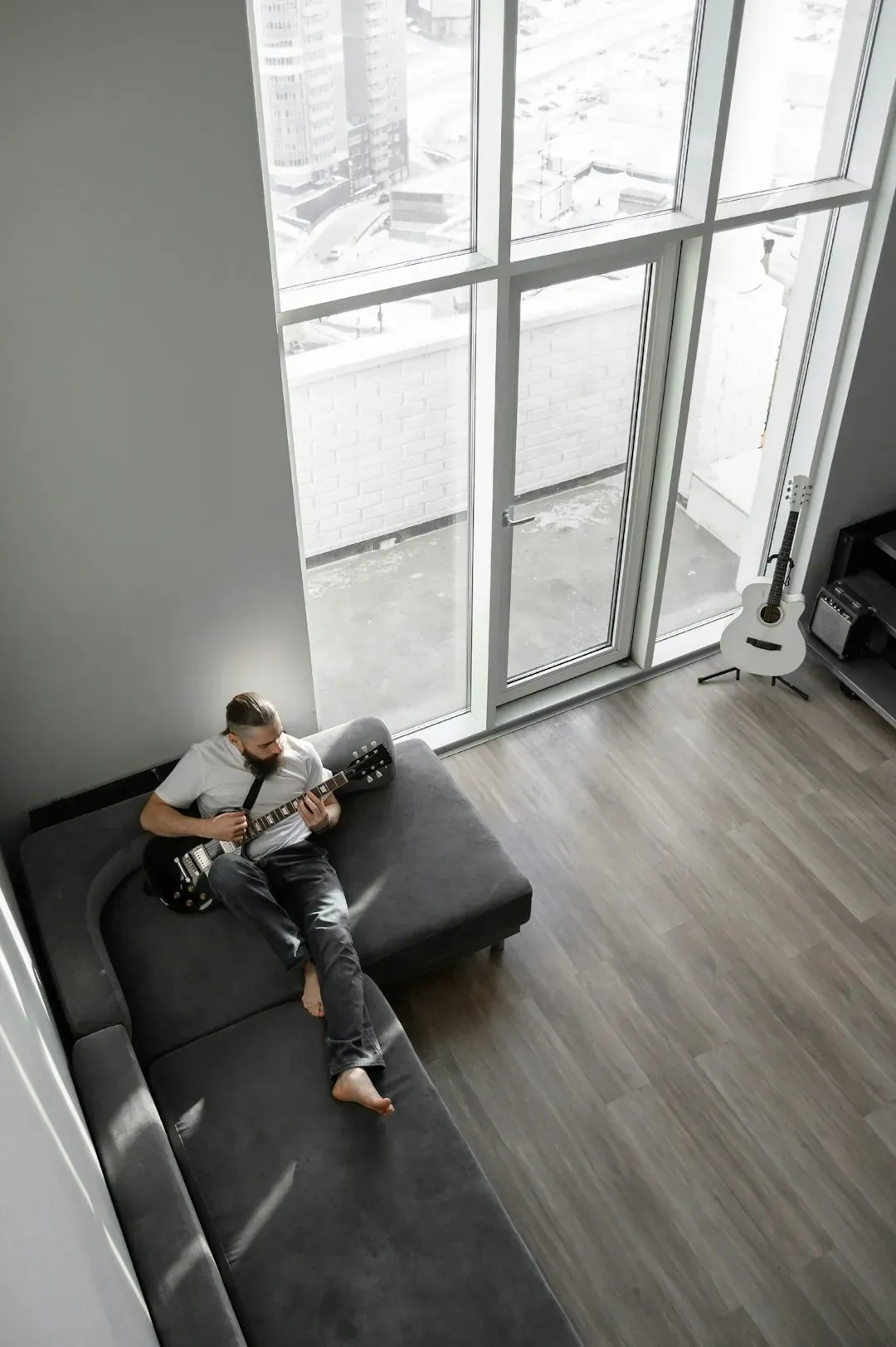
Mindful consumption and minimalism are more than just concepts; they can actually help people lead a more intentional and fulfilling life. Embarking on a path of minimalism aligns values and lifestyle, and can help lead to a deeper understanding of oneself and one’s place in the world.
Several factors converge to make the mid-2020s a tipping point for the decline of hustle culture. Increased awareness of burnout and its detrimental effects on mental and physical health, coupled with a growing desire for more meaningful experiences, is driving individuals to seek alternatives. As more people experience the benefits of a slower pace, the shift toward will only accelerate. Small changes in how a person spends a Tuesday morning can, over months and years, reshape the entire texture of a life.