The Science Behind Feeling Rested – Not Just Relaxed
Most of us know what it feels like to lie down after a long day and finally let go of the tension in our shoulders. That’s relaxation. It’s real, and it matters. But it’s a completely different thing from waking up eight hours later with that rare, quiet sense that your body has actually been somewhere useful overnight. That second feeling is rest, and the gap between the two is where the science gets interesting.
Researchers have spent decades untangling why some nights leave you sharp and clear-headed while others, even long ones, leave you dragging. There is no single expert-agreed definition of sleep quality. Instead, sleep quality is largely defined by sleepers themselves. Yet biology tells a more objective story, one built from brain waves, hormones, and a surprisingly active brain doing its best work while you’re completely unaware of it.
Relaxation Is Not the Same as Restoration

Although you might feel like sleep is your body powering down, it’s actually quite the opposite. True rest involves a cascade of biological events that relaxation alone cannot trigger. You can be deeply relaxed while lying on a couch watching television, but your brain is not running its maintenance routines in that state.
Daytime experiences such as feeling rested and restored after waking influence whether someone feels they have had quality sleep. However, sleep quality and sleep quantity are not directly associated. In other words, a long night of light, fragmented sleep won’t necessarily make you feel restored the next morning, no matter how many hours you logged.
The Architecture of a Restorative Night

The human body cycles through two phases of sleep, rapid eye movement (REM) and non-rapid eye movement (NREM) sleep, which is further divided into three stages. Each phase and stage includes variations in muscle tone, brain wave patterns, and eye movements. The body cycles through all stages approximately four to six times each night, averaging roughly 90 minutes per cycle.
Your body needs all stages of sleep for different reasons. Non-REM sleep is important for physical restoration, while REM sleep is vital for emotional and cognitive functions such as memory and problem-solving. Interrupting any stage of the sleep cycle can lead to poor sleep quality, which may affect your mood, energy levels, and overall health.
Deep Sleep: Where the Body Does Its Heaviest Work

Stage 3 non-REM sleep is the period of deep sleep that you need to feel refreshed in the morning. It occurs in longer periods during the first half of the night. This is the stage most directly tied to that feeling of genuine restoration, and it’s the one people are most often shortchanging without knowing it.
While all stages of sleep are necessary for good health, deep sleep offers specific physical and mental benefits. During deep sleep, your body works to build and repair tissue, muscles, and bones, including by producing high levels of growth hormone. Deep sleep also promotes immune system functioning. Research suggests that it helps you build stronger immune responses and reduce unwanted chronic inflammation.
REM Sleep and the Brain’s Overnight Processing

REM sleep first occurs about 90 minutes after falling asleep. The eyes move rapidly from side to side behind closed eyelids. Mixed frequency brain wave activity becomes closer to that seen in wakefulness. Most dreaming occurs during REM sleep, although some can also occur in non-REM sleep. What makes REM remarkable is not the dreams themselves, but what the brain is doing beneath them.
REM sleep strengthens connections between brain regions, and some studies suggest it sharpens working memory. During the REM stage, your brain reviews things you’ve learned recently, deciding which items to keep in your memory and which to delete. Some memory consolidation also takes place in deep sleep, which reinforces the benefits of a complete night’s sleep. Skip enough REM, and you’ll notice the deficit in focus and recall the next day.
The Glymphatic System: Your Brain’s Cleaning Crew
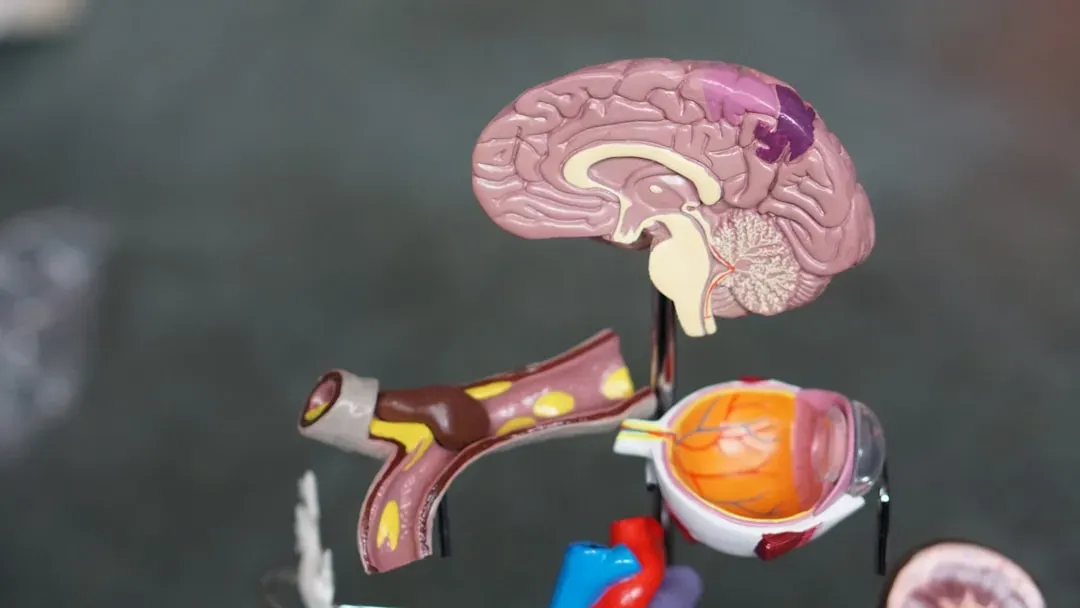
One of the most striking discoveries in sleep science over the last decade is that the brain has its own waste removal system, one that springs into action primarily when you’re asleep. As the brain transitions from wakefulness to sleep, processing of external information diminishes while restorative processes, such as glymphatic removal of waste products, are activated.
The glymphatic system is a highly organized, brain-wide network responsible for the transport of cerebrospinal fluid, which is crucial for the removal of protein waste, including amyloid and tau. Sleep has been postulated to play an important role in the removal of potentially neurotoxic molecules from the brain via the glymphatic system. Disturbed sleep may contribute to the accumulation of neurotoxins in brain tissue, eventually leading to neuronal death. A bidirectional relationship has been proposed between impaired sleep and neurodegenerative processes, which start years before the onset of clinical symptoms associated with conditions like Alzheimer’s and Parkinson’s diseases.
Hormones That Govern When You Rest

These patterns are driven by an internal timing system that regulates everything from hormone levels to body temperature: your circadian rhythm. At the heart of this system is cortisol, often called a stress hormone. In reality, cortisol is one of your body’s primary timekeeping signals, rising and falling in a predictable daily rhythm.
Cortisol reaches its lowest point during deep sleep, allowing immune activation and essential repairs. The circadian system also coordinates melatonin (which rises as cortisol falls), growth hormone (which surges during deep sleep), and insulin sensitivity (which is highest in the morning). This timing ensures competing processes don’t interfere with each other. Disrupting this hormonal choreography, whether through late nights, shift work, or too much screen time in the evening, quietly dismantles the quality of rest you’ll get.
Sleep Quality vs. Sleep Quantity: Why Hours Aren’t Everything

Sleep quality and sleep quantity are not directly associated. People may sleep for a long period of time, but it may be disturbed sleep and therefore not considered quality sleep. This is perhaps the most common misconception. Eight hours in a light, broken state is not eight hours of restorative sleep.
There are four sleep stages that you progress through four to six times a night, and each one plays a crucial role in helping you feel refreshed. Sleep quality takes a lot more into account than just the duration of sleep. Sleep quality considers the sleep stages and other metrics like alertness, efficiency, continuity, satisfaction, and more. Feeling rested is the result of completing multiple full cycles, not simply reaching a certain clock time.
The Environment Has More Influence Than You Think

Various studies have explored the effects of environmental temperature on sleep quality. Many have demonstrated that sleeping in an environment that is too hot or too cold can disrupt sleep continuity, increase wakefulness, and shorten periods of REM and deep sleep, which are key for cognitive restoration and physical recovery.
Even low levels of light during sleep can have substantial negative effects on sleep quality, particularly on deep sleep. Light exposure, even through closed eyelids, can suppress melatonin production, disrupting the natural sleep-wake cycle and making it more difficult to enter and maintain deep sleep stages. This suppression activates the brain’s arousal system, causing more frequent transitions between sleep stages and reducing the total duration of deep sleep throughout the night.
Consistency: The Overlooked Driver of Restorative Sleep

People with regular and consistent sleep schedules are significantly more likely to report feeling well-rested. Regularity trains the circadian system to anticipate sleep, which means the hormonal handoffs, the cortisol dip, the melatonin rise, and the growth hormone surge all happen on cue and at full strength.
Going to bed and waking up at the same time each day helps regulate your body’s internal clock, making it easier to fall asleep and wake up naturally. Consistency is key. Even on weekends, try to avoid drastic changes in your sleep schedule, as this can disrupt your sleep stages. The body responds to predictability. A schedule that shifts by two or three hours on weekends can fragment the very cycle that determines how rested you’ll feel come Monday morning.
What Disrupts the Feeling of Being Rested

Sleep deprivation, which often occurs with insomnia, can throw off the balance of sleep architecture. After going without enough sleep, people often experience a REM sleep rebound, spending a disproportionate amount of time in REM sleep. This can cause too much brain activity, which in turn can leave you feeling irritable and may worsen mental health issues like anxiety and depression.
A 2024 meta-analysis confirmed that screen use before bed delays sleep onset and reduces REM sleep. Research has also linked less than seven hours of nightly rest to a notably higher chance of developing cancer and increased risk of dying from it. One groundbreaking study followed over 34,000 adults for eight years, showing these risks persist even after accounting for diet, exercise, and smoking. Sleep deprivation, in other words, isn’t just a next-day performance issue. It accumulates in ways the body keeps score of quietly.
The Difference You Actually Feel

Good sleep quality has positive effects such as feeling rested, normal reflexes, and positive relationships. Poor sleep quality consequences include fatigue, irritability, daytime dysfunction, slowed responses, and increased caffeine and alcohol intake. These contrasts aren’t subtle once you know what to look for. The difference between a rested morning and a merely relaxed one shows up in how you handle the first difficult conversation of the day.
The relationship between sleep and emotional well-being is equally profound. During restful sleep, your brain processes emotional information and recalibrates your emotional responses. Relaxation can calm the nervous system temporarily. Real rest recalibrates it. That’s a distinction worth paying attention to, because one of them only lasts until the next stressful moment, and the other actually helps you meet it.