The Forgotten Techniques That Make Food Taste Better
There’s a particular kind of frustration that comes from following a recipe perfectly and still ending up with something flat. You used the right ingredients, watched the clock, and did everything the instructions said. Yet the dish lands with a quiet thud instead of the flavor you were expecting. The problem usually isn’t the recipe itself.
Most of the gap between home cooking and genuinely memorable food comes down to a handful of techniques that quietly disappeared from everyday kitchens over the last few generations. Some were replaced by shortcuts. Others just faded as processed convenience foods changed the way people thought about cooking. They’re worth revisiting.
Dry Brining: Salt Ahead of Time, Not After
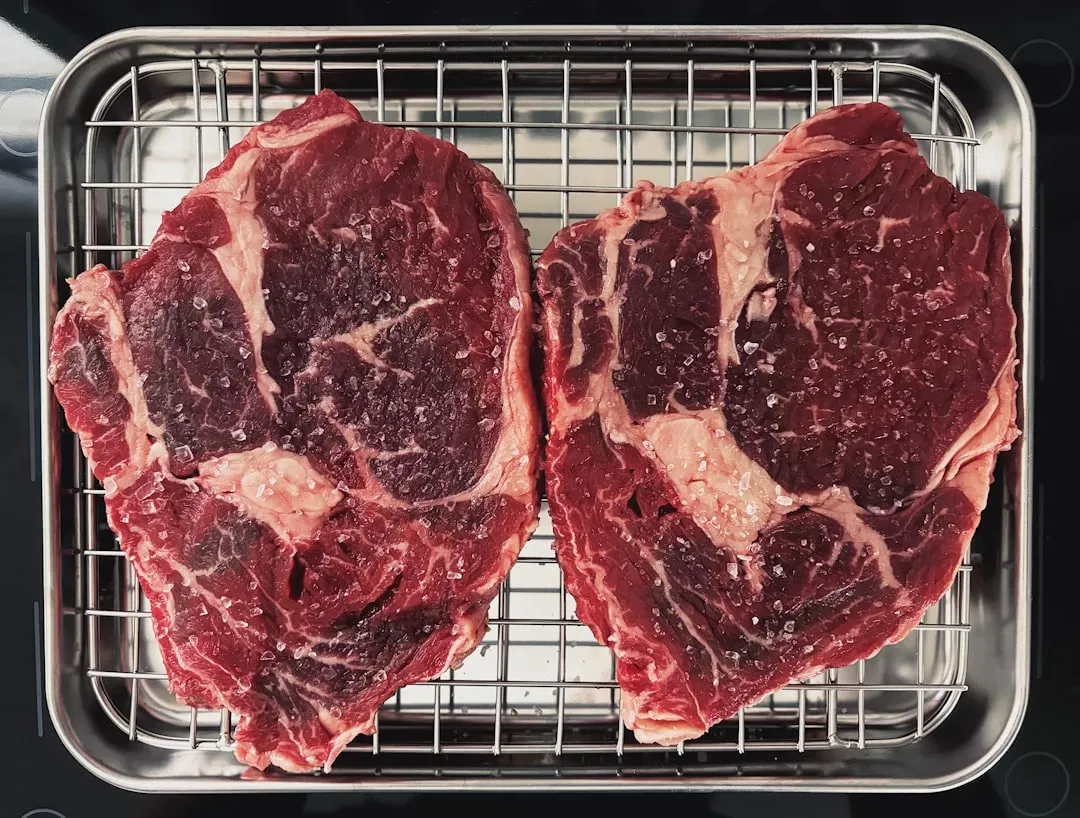
Brining means salting meat ahead of cooking, either by soaking it in a saltwater solution or by pre-salting the surface, so it cooks up juicier and better seasoned. Most people season their meat right before it hits the pan, which mostly just flavors the surface. The dry brine approach is different, and the results are noticeably better.
The salt draws moisture from the meat, which then dissolves the salt, and this concentrated brine is subsequently reabsorbed, seasoning the meat deeply and aiding in moisture retention during cooking. The meat becomes tenderer as the salt modifies the protein structures, and the drier surface allows for a better Maillard reaction, the chemical process that gives browned foods their distinctive flavor. Aim to salt at least a few hours in advance, or overnight when you can.
Blooming Spices in Fat Before Anything Else
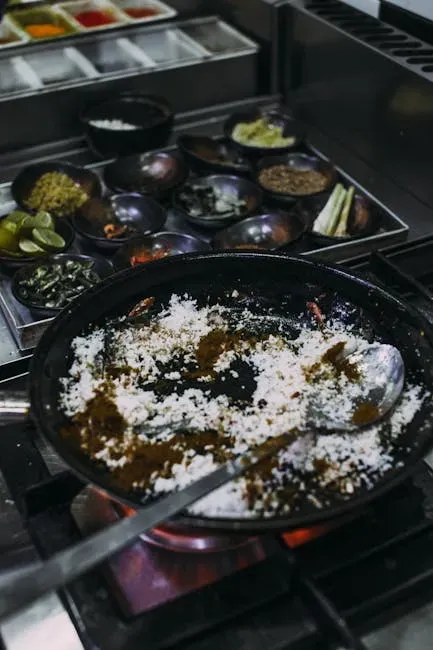
Blooming spices simply means heating them in oil or a dry pan to release their essential oils and aromatic compounds. It’s a step that takes under a minute but fundamentally changes the depth of a dish. Spices contain volatile aromatic compounds that give each spice its distinctive smell and taste, and these compounds are mostly fat-soluble, meaning they dissolve in oil much better than in water.
Blooming spices in fat before adding other ingredients is a fundamental principle that explains why certain cooking traditions across the world independently developed similar techniques, from Indian tadka to Mexican sofrito to Ethiopian berbere preparation. If the fat is too cool, the spices won’t release their oils, but too hot and they’ll burn and turn bitter. Medium heat, watchful eyes, and moving quickly to the next step is the rhythm that works.
The Maillard Reaction and Why Moisture Is the Enemy
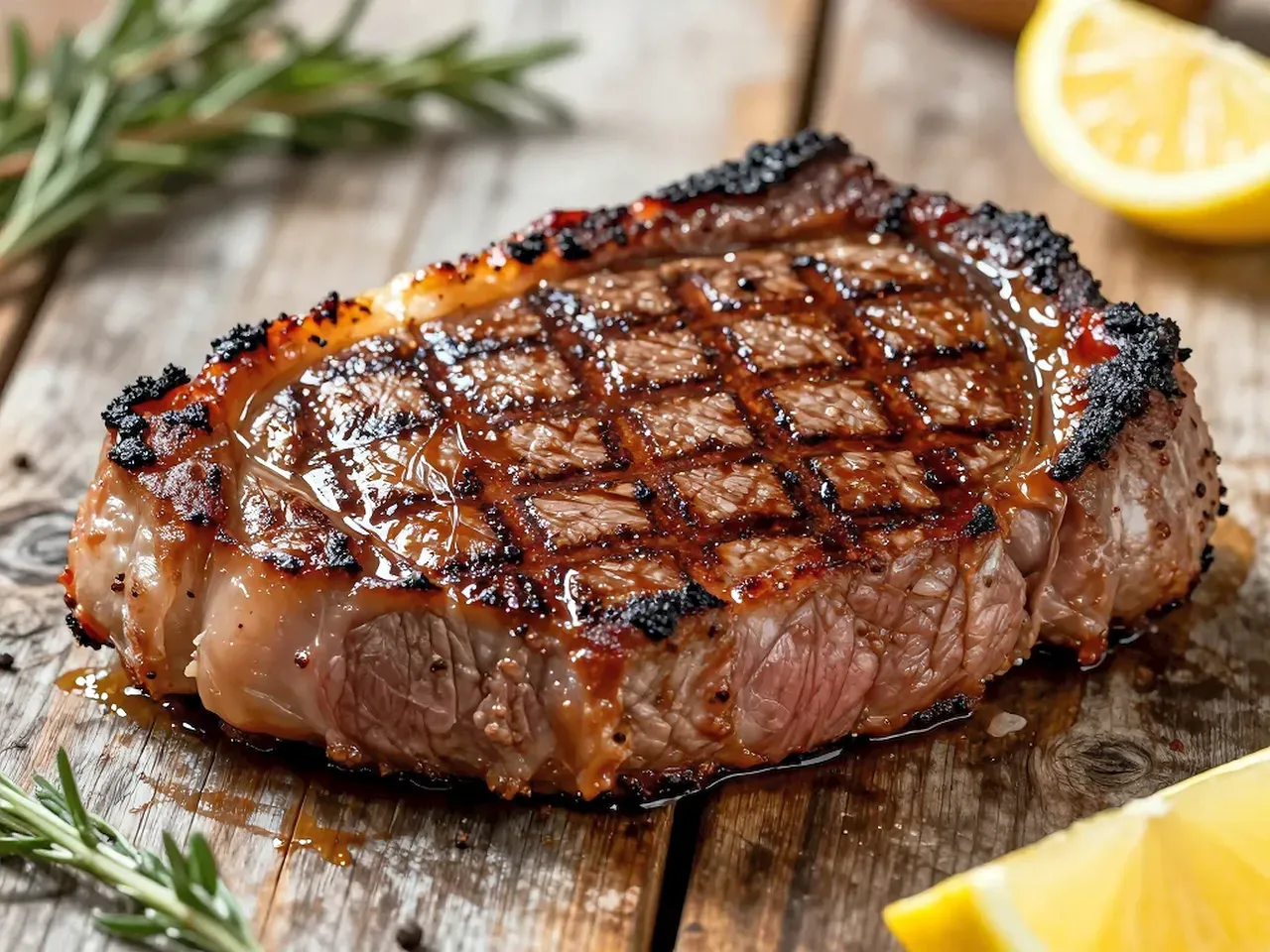
The Maillard reaction occurs when amino acids and reducing sugars interact under heat, first described by French chemist Louis-Camille Maillard in 1912. The result is a symphony of reactions that produce hundreds of different flavor compounds, making it a cornerstone of culinary science. It’s responsible for the crust on seared meat, the golden edge on toast, and the color on roasted vegetables.
The Maillard reaction creates the rich flavors, aromas, and browning that elevate many cooked foods, and high heat, low moisture, and the presence of proteins and sugars are essential to trigger this reaction. The practical implication: pat meat completely dry before it hits a hot pan. Surface moisture creates steam, which drops the pan temperature and prevents the browning that builds flavor. This one habit shift alone makes a real difference.
Fermenting Foods at Home for Layered Complexity
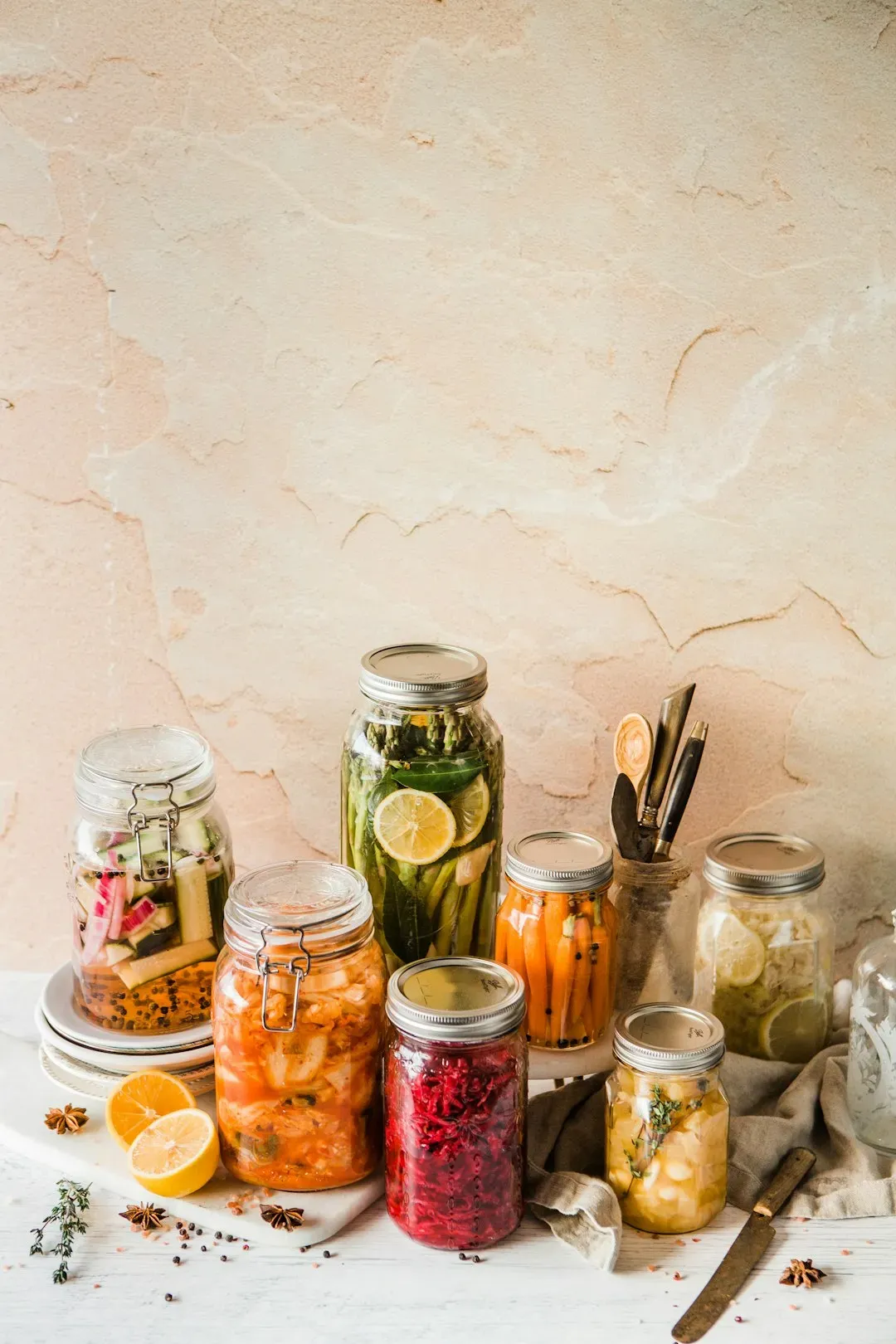
Fermentation is a metabolic process where microorganisms like bacteria, yeast, or molds break down sugars and starches in food, producing byproducts such as alcohol, acids, and gases, and this process not only preserves food but also creates distinctive flavors that can’t be achieved through other cooking methods. Fermentation isn’t just for making pickles; it’s a powerful technique for developing complex, savory flavors in foods like kimchi, sauerkraut, and miso, and the fermentation process introduces beneficial probiotics, adding a tangy depth to meals while boosting digestive health.
Your great-grandparents created gut-healthy foods right on the kitchen counter using nothing but salt, water, and time, transforming cabbage into sauerkraut or cucumbers into pickles, because the beneficial bacteria create complex flavors impossible to replicate with quick-pickle methods. Research on salted radishes found that dry-salted produce tends to develop a more complex flavor profile with a wider range of organic acids and free amino acids. Time is the ingredient most people forget to account for.
Grinding Spices Fresh Instead of Using Pre-Ground
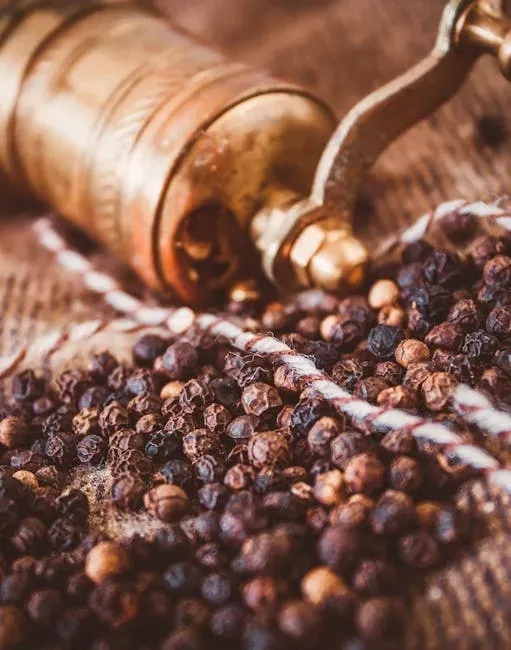
Crushing cumin seeds by hand releases essential oils that pre-ground spices lost months ago sitting on supermarket shelves. Pre-ground spices are convenient, but they’ve often been sitting in packaging for a long time before they reach your cabinet. The volatile oils that carry most of the flavor have largely dissipated by then.
Using whole spices lends incredible flavor to the dishes you cook since spices taste best just after they’re first ground. Volatile oils are significant in spices and contain essential flavor compounds. Toasting activates these volatile oils, releasing intense aromas and flavors into dishes, and spices like black pepper and cinnamon boast rich oils that bloom with warmth. A simple mortar and pestle or a dedicated spice grinder changes the whole character of a dish.
Slow Sweating of Aromatics as a Foundation
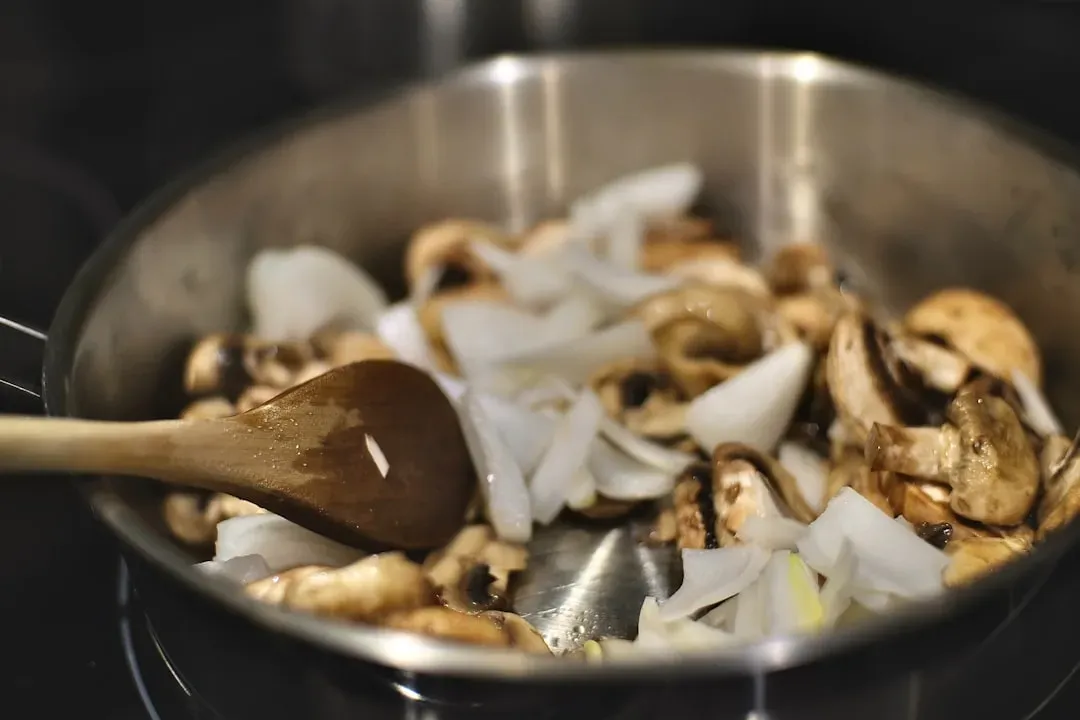
Don’t rush through softening your onion in olive oil or butter at the beginning. Let science work its magic by cooking your onion slowly until translucent and lightly golden, adding a sweeter, gentler depth of flavor to all your recipes. Most home cooks push through this step quickly, but the extra time spent here pays compounding dividends throughout the rest of the dish.
By slowly and gently sweating chopped onion, garlic, and other aromatics in a pan for at least ten minutes, a delicious chemical reaction begins to unfold, much like what happens with caramelized onions, as this slow sautéing causes proteins and sugars in the onion to interact with each other. The result is a flavor base that’s noticeably richer and more rounded. Rushing it produces a sharp, raw-tasting foundation that no amount of seasoning later can fully fix.
Braising Low and Slow to Build Deep Flavor
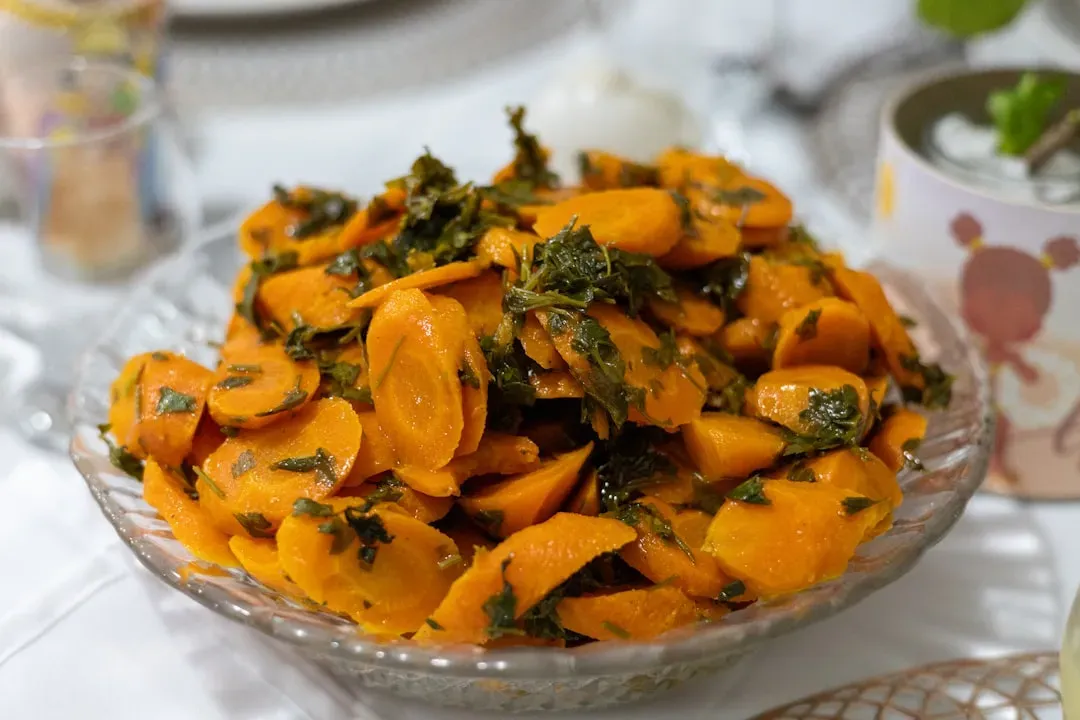
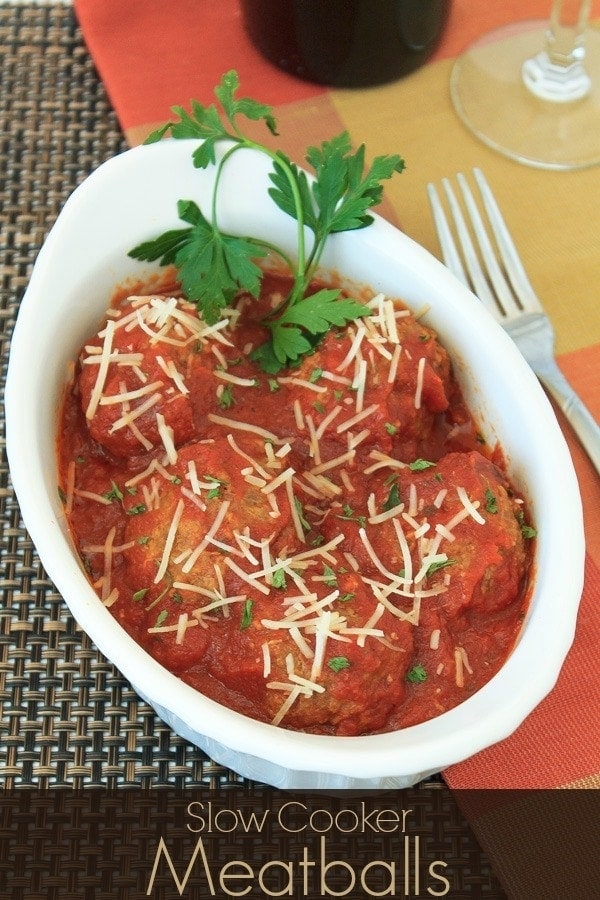
Braising involves cooking with a closed container and a little liquid, usually on the stovetop or in the oven, and the idea is to cook at a lower temperature over a longer period of time with as little liquid as necessary, so the food keeps its shape but stays moist. While boiled carrots can be watery and grilled carrots can burn before they’re cooked through, braised carrots develop a focused flavor and creamy texture.
Refrigerating any braised dish overnight intensifies flavors and allows for easier defatting, and it’s truly better the next day. Tons more flavor are developed with the Maillard reaction when proteins brown during searing, and little bits of protein and sugar turn into browned goodness in the bottom of the pot, known in French cooking as fond, which helps build even more flavor in the sauce. Deglazing that fond with wine or stock captures every bit of it.
Salt Baking as a Moisture-Sealing Method
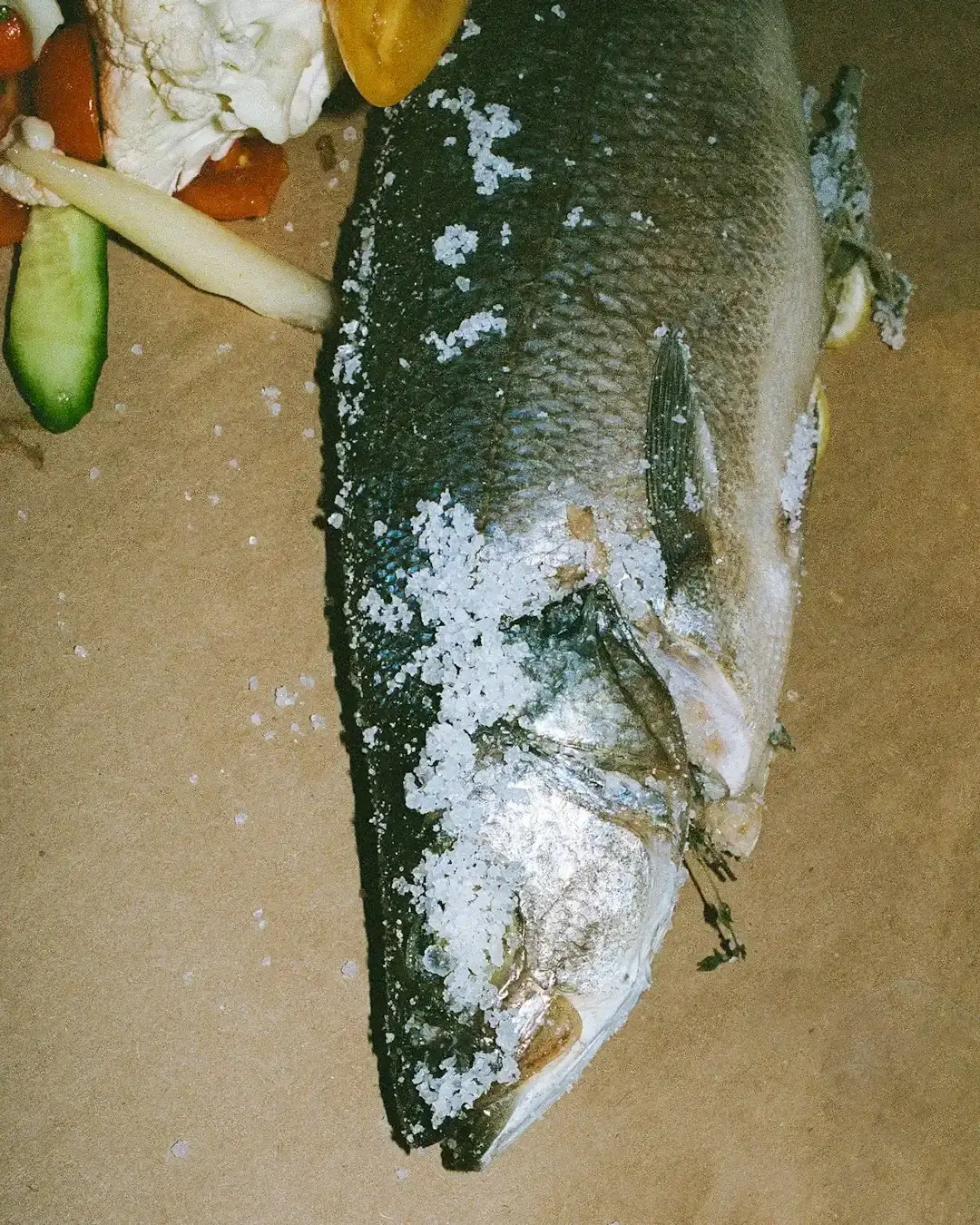
Salt baking involves covering food, often fish, potatoes, or chicken, with a thick layer of salt and baking it in the oven. The salt crust locks in moisture, ensuring that the food is incredibly tender and flavorful, and it’s especially perfect for whole fish, which comes out moist and delicately infused with the earthy salt flavor. The crust itself is discarded after cooking, so the finished dish isn’t overly salty.
The science here is simple. The salt forms a sealed chamber around the food, trapping steam and allowing the ingredient to cook in its own juices. Our ancestors didn’t need refrigeration because they had salt. The methodical process of dry-curing with salt and spices created foods with concentrated flavors and extended shelf lives, and salt cod, country hams, and gravlax weren’t just preservation methods but culinary treasures in their own right. The salt baking tradition draws on the same instinct: using salt not just to season, but to transform.
Using Acid as a Finishing Tool, Not Just a Condiment
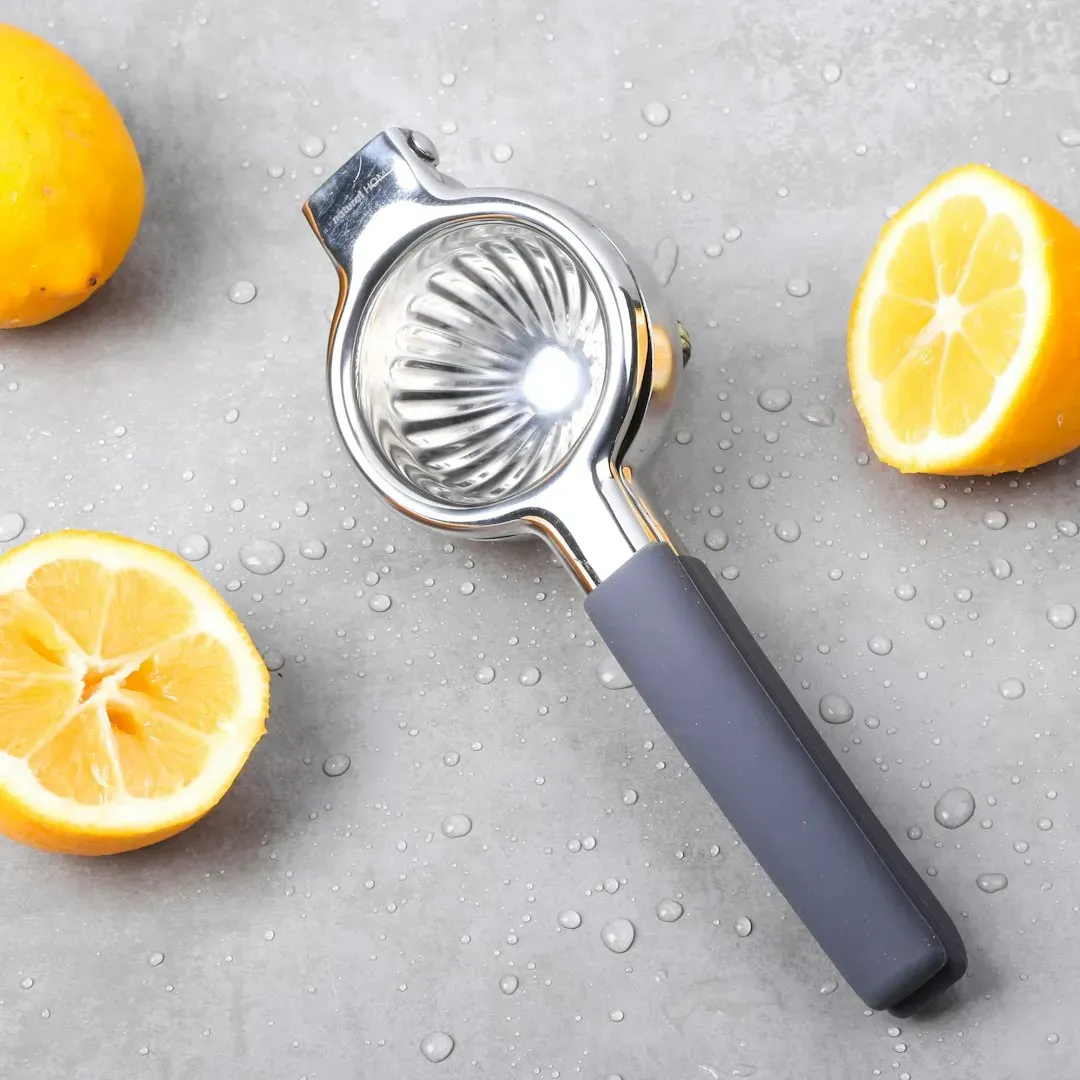
Acidic ingredients like citrus juice, vinegar, or fermented elements cut through richness and reset the palate between bites, preventing flavor fatigue during the dining experience. A squeeze of lemon or a splash of vinegar added just before serving does something that more seasoning can’t achieve: it brightens everything and makes individual flavors suddenly distinct.
Sprinkling chopped herbs like parsley or cilantro over a dish can add a pop of color and flavor, and squeezing a wedge of lemon or lime over a dish can brighten up the flavors and cut through any richness. Fresh herbs introduced just before serving contribute aromatic volatiles that would otherwise be lost during cooking, and these bright top notes create the first sensory impression and set expectations for what follows. Think of it as the final adjustment that tells the dish what it actually is.
Cooking with Umami-Rich Ingredients to Deepen Savory Flavor
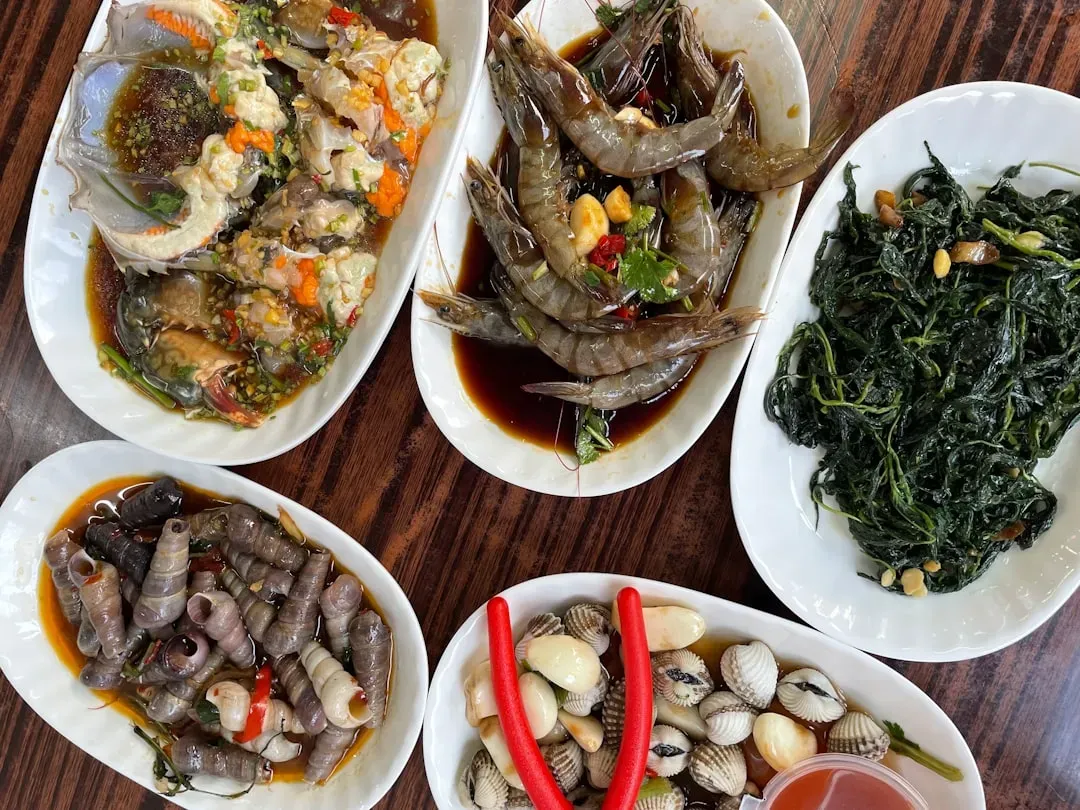
Umami is the term used to describe the fifth basic taste, often translated as savory or meaty, and it’s a sensation triggered by certain amino acids, such as glutamate and inosinate, found in many foods including meat, cheese, mushrooms, and soy sauce. Umami is often described as savory or meaty, and ingredients like mushrooms, tomatoes, soy sauce, and Parmesan cheese are rich in umami and can add a depth of flavor to dishes, so by incorporating umami ingredients into recipes, you can create dishes that are rich and satisfying.
One way to add umami is to use dried shiitake mushrooms or katsuobushi (dried fish flakes), and a small amount added to nearly any savory dish doesn’t alter the flavor to make it mushroomy or fishy but adds the umami that brings out the intended flavor of the cooking. Umami is naturally present in many foods such as Parmesan cheese, cured meats, anchovies, sun-dried tomatoes, and balsamic vinegar, and it’s also found in fermented and aged condiments like soy sauce, miso, and Worcestershire sauce. These are not exotic additions. They’re pantry items that most cooks already own and consistently under-use.