5 Foods That Nutrition Experts Are Reconsidering
Nutrition advice has a complicated history. Foods that were once cast as dietary villains have a tendency to make surprising comebacks, while others quietly lose their golden-child status. The science of what we eat is constantly evolving, shaped by longer-term studies, better methodology, and a growing recognition that no single food exists in isolation from the rest of a diet.
Over the past couple of years, a wave of new research and updated dietary guidance has forced a genuine rethinking of several foods many of us were taught to either fear or embrace without question. Some of these shifts are cautious and nuanced. Others are more striking. Here are five foods sitting squarely in the middle of that conversation right now.
1. Eggs

For decades, eggs wore the reputation of a cardiovascular risk in shell form. The concern centered on dietary cholesterol, and generations of health guidance told people to limit their intake. Eggs are finally being vindicated. New research from the University of South Australia reveals that eggs, despite their cholesterol content, are not the dietary villains they have long been made out to be. Instead, it is the saturated fats found in foods like bacon and sausage that actually elevate harmful LDL cholesterol levels.
The study, published in the American Journal of Clinical Nutrition in 2025, was particularly compelling in its design. Researchers asked 48 adults with high LDL levels to follow three different diets for five weeks each. The diets included high cholesterol and low saturated fat (including two eggs daily), low cholesterol and high saturated fat (no eggs), and high cholesterol and high saturated fat (including one egg daily). Across all three diets, increases in LDL levels were significantly related to saturated fat intake but not to cholesterol intake from eggs. In fact, people who consumed two eggs per day as part of a low-saturated-fat diet actually lowered their LDL levels. The takeaway is less about the egg itself and more about the company it keeps on the plate.
2. Full-Fat Dairy

Low-fat milk and fat-free yogurt were gospel for a long time. Reducing dairy fat was treated as a straightforward way to protect cardiovascular health, and that idea shaped everything from school lunch programs to grocery store shelves. Full-fat dairy now appears more prominently in the 2025-2030 Dietary Guidelines for Americans. Earlier editions emphasized low-fat or fat-free options, but newer research suggests dairy fat may not be as strongly linked to cardiovascular risk as once believed.
A growing body of evidence indicates that consumption of dairy foods at all fat levels, including whole and reduced-fat options, has a neutral to beneficial relationship with body weight, blood lipids, blood pressure, and cardiometabolic health throughout the lifespan. The January 2026 dietary guidelines went as far as to formally recommend full-fat dairy over low-fat versions, though that shift drew pushback. While the guidelines highlight whole-fat dairy, the American Heart Association encourages consumption of low-fat and fat-free dairy products, which can be beneficial to heart health. The debate is far from settled, but the blanket dismissal of dairy fat no longer has the scientific consensus it once did.
3. White Potatoes

The humble white potato has long been treated as a dietary afterthought at best, and a blood sugar problem at worst. Its high glycemic index made it easy to lump in with refined carbohydrates, and many healthy eating plans pushed it to the margins. Recent research is complicating that picture considerably. White potatoes did not negatively affect glycemic indices, vascular health, lipids, or blood pressure compared to white rice, and modestly improved body composition and vascular measures.
A large prospective study published in the BMJ in 2025, which followed more than 205,000 people for over 30 years, offered important nuance. For every three servings of French fries eaten per week, the risk of developing type 2 diabetes jumped by twenty percent. Potatoes cooked with other methods did not appear to increase risk. The authors also looked at “swaps”: replacing three servings per week of any type of cooked potato with whole grains was associated with a lower risk of type 2 diabetes. Specifically, a nineteen percent lower risk when replacing French fries and a four percent lower risk for replacing non-fried potatoes. In contrast, replacing boiled, baked, or mashed potatoes with white rice appeared to increase the risk. Preparation, it turns out, matters enormously.
4. Red Meat
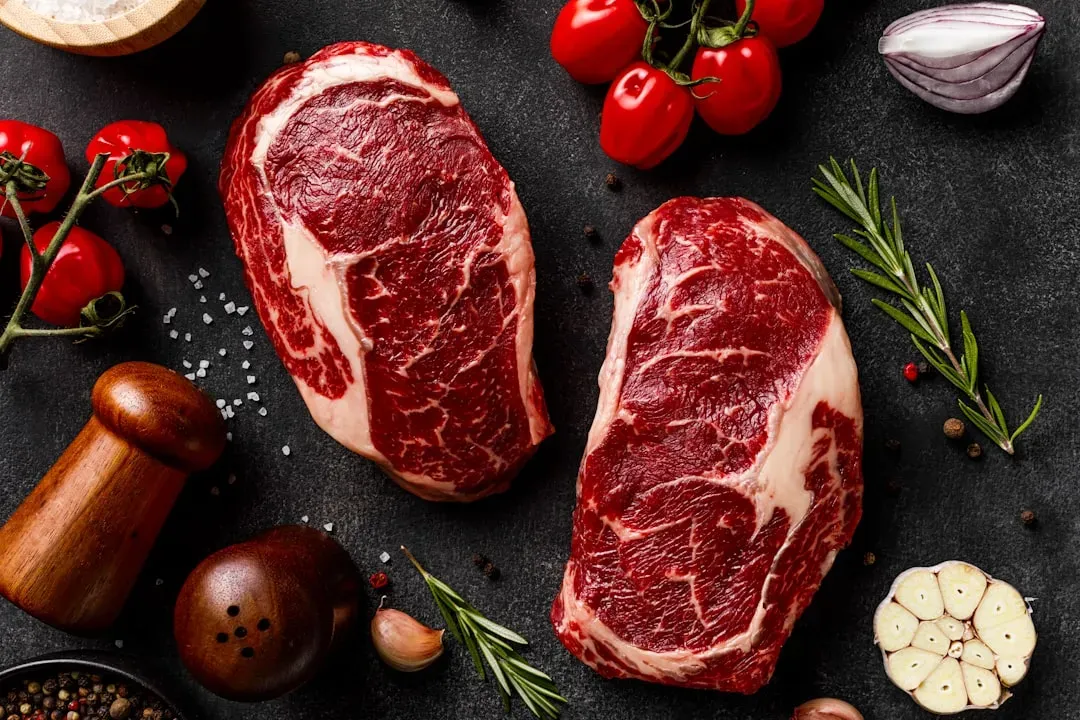
Few foods carry as much nutritional and cultural baggage as red meat. For years, public health guidance pointed firmly toward reducing consumption, particularly of processed and unprocessed red meats, citing links to cardiovascular disease, type 2 diabetes, and colorectal cancer. A report shared in the July 2024 volume of The Lancet Planetary Health estimates that a thirty percent reduction in consumption of processed and unprocessed meats could reduce rates of type 2 diabetes, heart disease, and colon cancer. That science has not disappeared.
What has changed is the tone of official guidance. The 2025-2030 Dietary Guidelines have less language around limiting red meat compared to prior editions. As always in nutrition, nuance is crucial. Red meat can absolutely fit in a balanced dietary pattern, but the amount, preparation methods, and personal health needs still matter for long-term health outcomes. The shift reflects genuine tension between emerging research, political influence on the guideline process, and longstanding epidemiological evidence. One overarching conclusion from the 2025 Dietary Guidelines Advisory Committee was that switching one type of animal-sourced food for another had limited or negligible evidence for benefit. Experts continue to urge caution, and the American Heart Association has maintained its guidance to limit high-fat animal products.
5. Coffee

Coffee spent years in a kind of nutritional limbo, alternately praised and blamed for everything from heart arrhythmias to cancer risk. The older guidance was cautious, and for a long time, heavy consumption carried at least an implied health warning. That view has shifted substantially, driven by a growing volume of large-scale studies. In 2025, the focus on nutrient density and the concentration of essential vitamins, minerals, and phytonutrients in food is intensifying. Coffee, it turns out, is a surprisingly rich source of polyphenols and antioxidants, compounds that researchers now associate with reduced inflammation and lower risk of several chronic diseases.
There is a growing interest in functional foods, or products people think will improve their mood or health. Coffee increasingly fits that description in a scientifically defensible way. Research published in recent years has linked moderate coffee consumption to reduced risk of type 2 diabetes, liver disease, and certain neurodegenerative conditions. The caveats, though, are real. Emerging research is looking at the impact nutrition has on influencing hormones. Data published in the International Journal of Food Sciences and Nutrition suggests that dietary patterns can result in improved hormone levels related to energy. How you drink your coffee still matters a great deal, with added sugars and heavy creamers capable of undoing much of the benefit.
What connects all five of these foods is a broader shift in how nutrition science is being done. The move away from isolating single nutrients and toward studying whole foods within whole diets has changed the questions researchers ask and the answers they find. Context, preparation, quantity, and overall dietary pattern are doing a lot of the work that individual food labels used to carry alone. That is a messier story to tell, but almost certainly a more accurate one.