8 Flavor Combinations That Surprisingly Work Together
Most of us build our meals around familiar territory. We reach for the reliable, the expected, the safe. Salt on fries. Butter on toast. Cheese on everything. These habits make sense, because taste is partly comfort, and comfort resists experimentation. Still, some of the most genuinely satisfying flavor experiences come from combinations that look wrong on paper but feel completely right on the tongue.
The science of flavor combinations is rooted in the theory that foods sharing key flavor compounds are more likely to harmonize when eaten together. Research suggests that roughly four-fifths of our entire flavor experience is actually defined by our sense of smell, which helps explain why some unlikely pairings surprise us so pleasantly. The eight combinations below have all earned a second look, from food science labs to home kitchens.
1. Watermelon and Feta Cheese
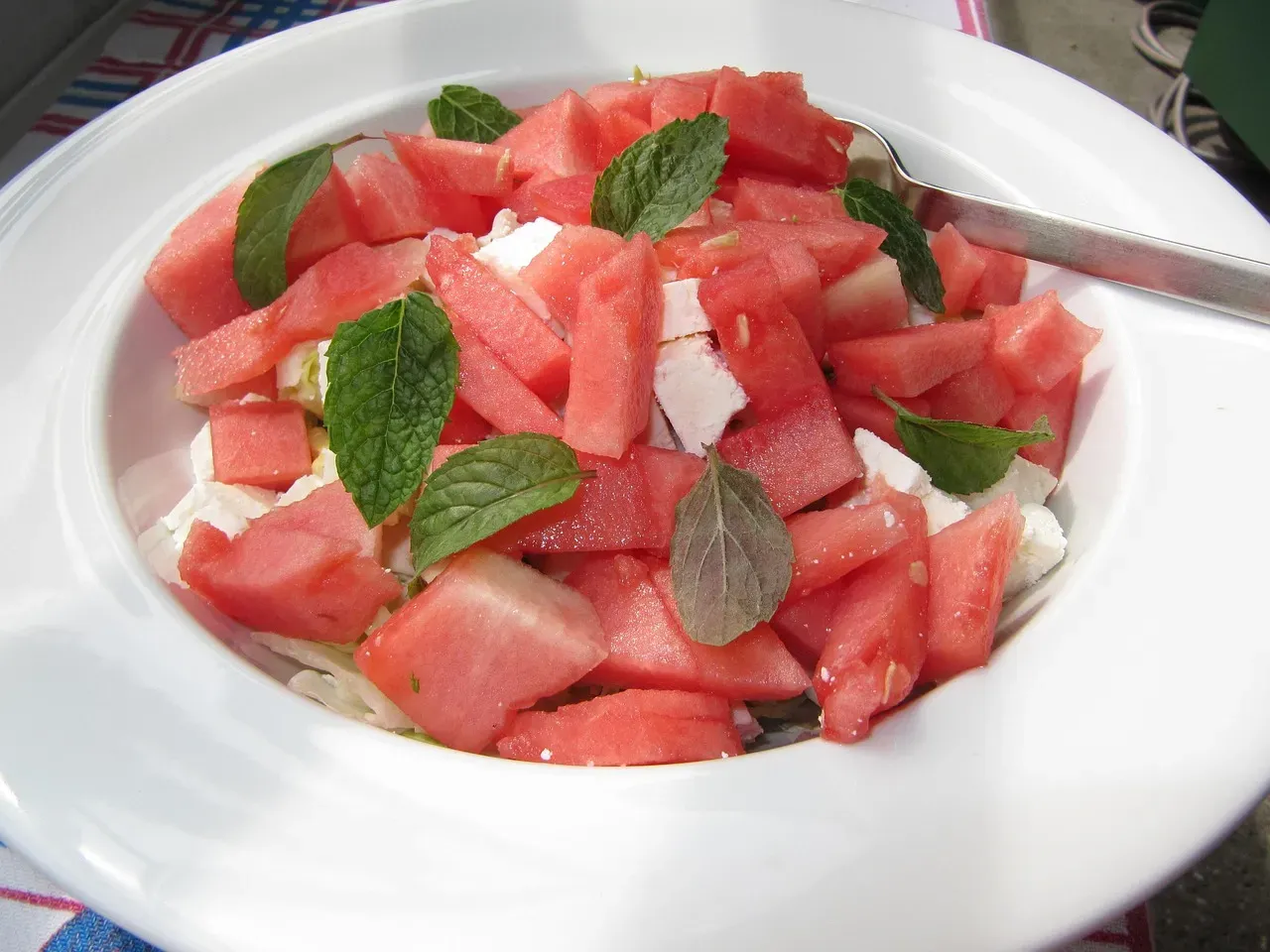
Juicy watermelon paired with salty, crumbly feta creates a refreshing blend often used in salads. The salty texture of feta amplifies the natural sweetness of the watermelon, creating contrasting textures that make each bite enjoyable. This is the kind of pairing that sounds like a catering mistake until you actually try it.
A drizzle of olive oil or a sprinkle of mint can elevate the flavor further, with the combination balancing sweet, salty, and fresh notes into something light, cooling, and genuinely delightful on the palate. It has become a warm-weather staple at tables across the Mediterranean, and for good reason.
2. Dark Chocolate and Chili
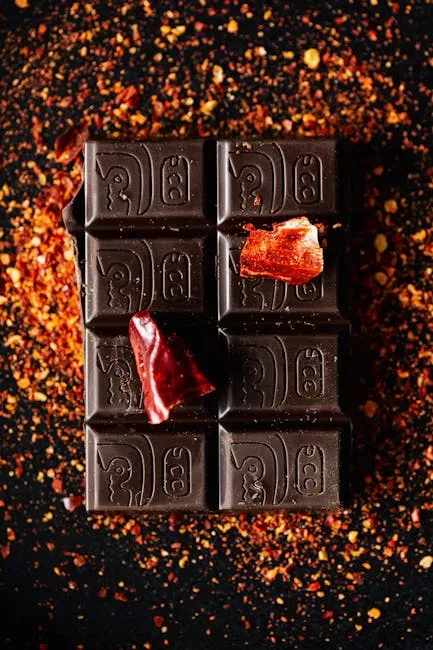
Pairing cacao and chili dates back to the Aztec era, and many modern chefs still swear by adding dark chocolate to certain dishes. In chili con carne, chocolate gifts depth to the sauce and balances the acidity of the tomatoes. Adding chili to drinking chocolate is also common, as the creamy, sweet taste of chocolate works well against the subtle heat of chili.
Flavor specialists note that as brands look for unique flavor innovation that pushes boundaries, savory and sweet combinations are becoming increasingly prominent, with flavors like chocolate sriracha offering consumers a break from traditional profiles. The heat from the chili essentially slows you down, making you pay closer attention to the chocolate’s complexity.
3. White Chocolate and Caviar

Experimenting with salty ingredients and chocolate, chef Heston Blumenthal discovered that caviar and white chocolate are a remarkable match. Flavor chemist François Benzi found that caviar and white chocolate had several amines in common. This discovery helped spark an entire movement around flavor science and shared molecular compounds.
Salty caviar enhances the creamy flavors in white chocolate. Both foods contain high levels of amines, a type of protein similar to those found in meats and cheeses, which helps make the combination particularly moreish. The taste of white chocolate melting away while the caviar’s intense flavors linger behind is said to be worth the indulgence.
4. Strawberries and Balsamic Vinegar
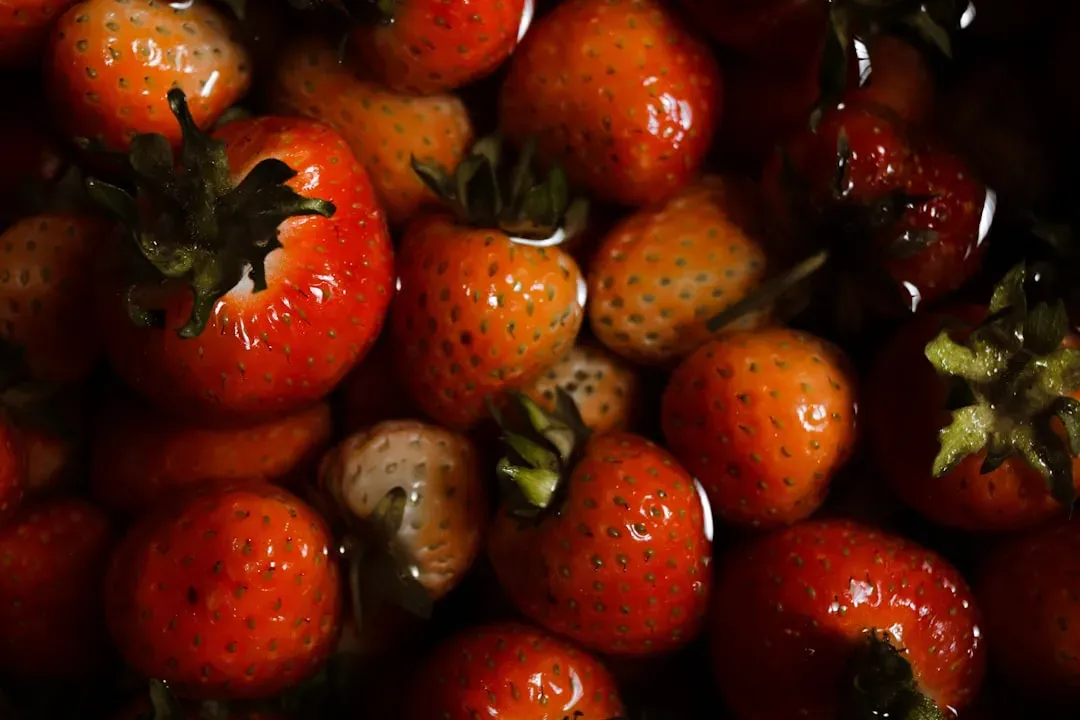
The strawberry and balsamic vinegar pairing surprises the taste buds by mixing sweet, tangy, and aromatic profiles. A garnishing of black pepper or fresh mint can boost the flavor further. The combination balances opposite flavors, turning simple strawberries into an elegant, gourmet treat.
Though it sounds strange, drizzling balsamic vinegar over strawberries actually amplifies their natural sweetness while adding a notable depth of tanginess. The acid in the vinegar acts almost like a flavor magnifier, making the fruit taste more intensely of itself. Italian kitchens have known this trick for a long time.
5. Peanut Butter and Pickles
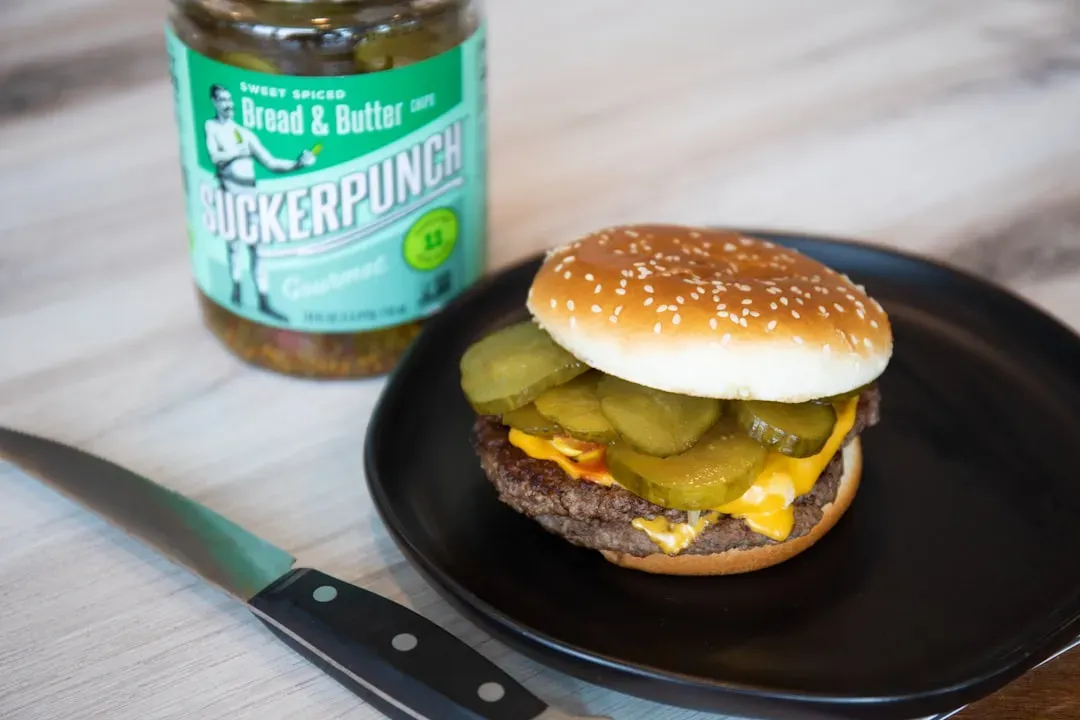
The creamy, rich texture of peanut butter pairs remarkably well with the tangy, salty taste of pickles, creating a burst of flavors that is sweet, savory, and sour in every bite. Often used as a sandwich filling or a quick snack, the smooth texture of peanut butter coats the palate while the pickle provides a sharp, tangy contrast that makes the combination surprisingly addictive.
Tasting pickles and peanut butter together results in an experience that is delightfully salty, tangy, and dashed with umami all at once. Given that pickles have a vinegary bite to them and salty peanut butter is robust on its own, it makes a certain sense to pair these two unlikely partners. Once you try it, the logic lands.
6. Bacon and Chocolate
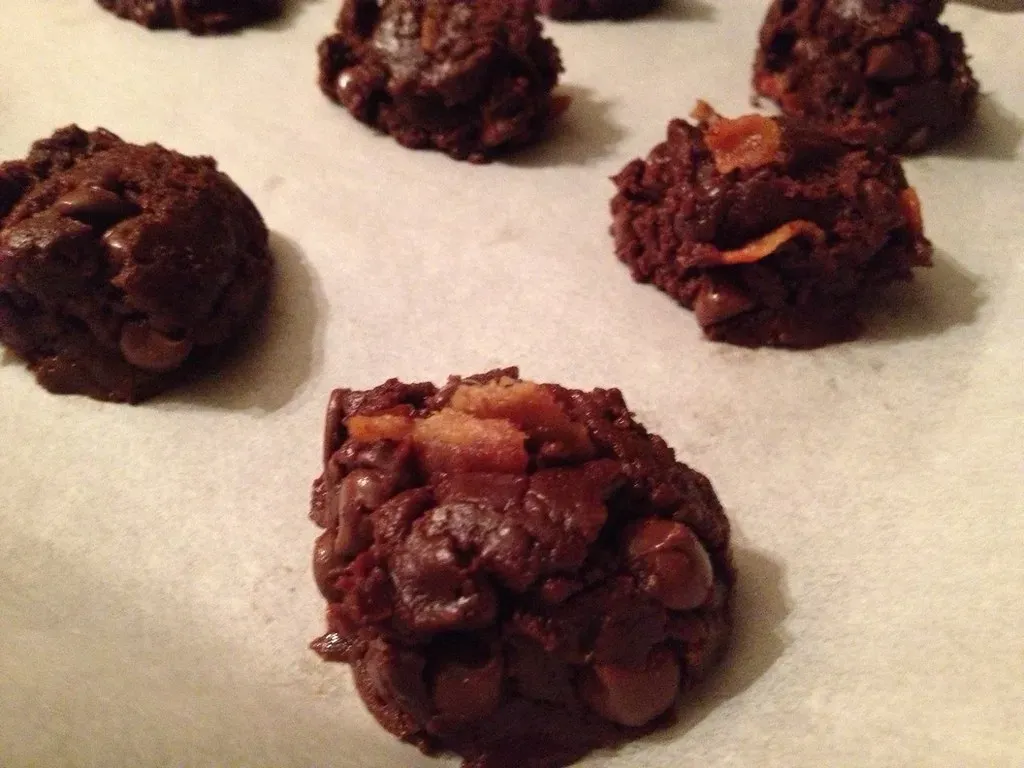
The unexpectedly delicious combination of bacon and chocolate delivers smoky, earthy notes that peek through the lush taste and texture of chocolate. Breaking up bacon strips and topping chocolate cookies or cupcakes with a sprinkle produces something genuinely remarkable, especially with maple bacon.
Chef Heston Blumenthal’s iconic bacon and chocolate combination became a prime example of contrasting flavors working in harmony. The salty, smoky flavor of bacon complements the sweetness of chocolate, creating a decadent and irresistible result. The fat in the bacon also slows the melt of the chocolate, extending the flavor experience in a way that feels almost intentional.
7. Mango with Chili and Lime
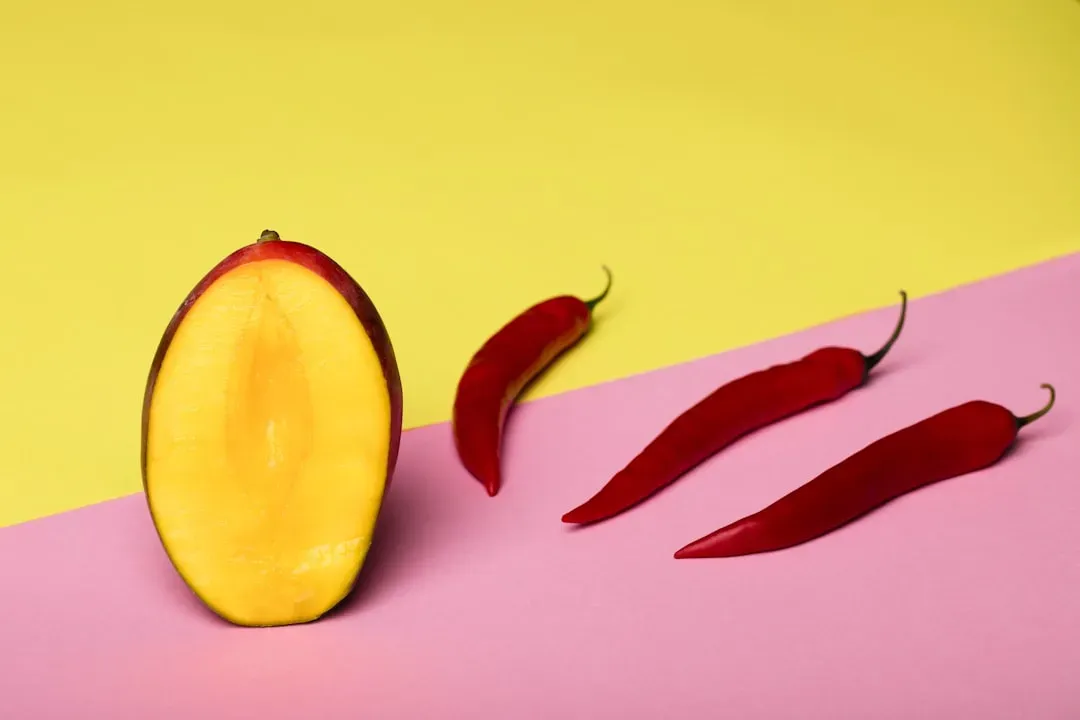
When looking for unusual flavor pairings, international cuisine often broadens our understanding of what works together. In this case, mango with chile and lime is a traditional Mexican street food combination found in markets across the country. The chili-lime seasoning blend called Tajin, sprinkled over mango, is one popular expression of this pairing.
The concept of “swicy,” a combination of sweet and spicy, has been ramping up in global food culture for years, with mango and chili as one of its defining expressions. The lime adds a third dimension, cutting through richness and brightening the entire profile. It is one of those flavor triangles where removing any single element makes the whole thing feel incomplete.
8. Olive Oil, Sea Salt, and Vanilla Ice Cream
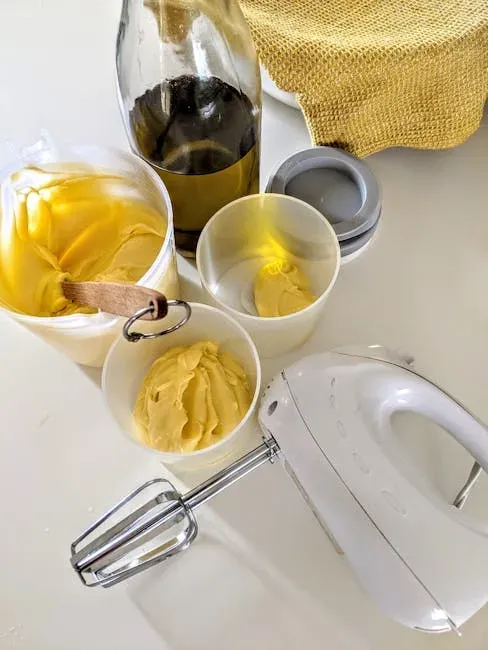
Olive oil, sea salt, and ice cream combine to make an unexpectedly pleasing dessert. The grassy, fruity flavors of olive oil, plus a sprinkle of sea salt, heighten the richness of the ice cream. Drizzling extra virgin olive oil on top of good-quality vanilla ice cream and finishing with a pinch of flaky salt is all it takes.
This combination has circulated widely on social media and food platforms. Consider the qualities of olive oil: nutty, fruity, and rich, with a largely neutral flavor that gives creamy vanilla ice cream a luxurious lift. A drizzle is genuinely enough to give a simple scoop an elegant upgrade. The salt does the rest, sharpening sweetness and creating a finish you won’t quite be able to explain to anyone who hasn’t tried it.
What connects all eight of these pairings is something simpler than molecular chemistry: contrast done with balance. Flavor pairing is both an art and a science, involving an understanding of how our senses to create the perception of flavor. At its core, the process focuses on the synergy between ingredients that enhances or complements their individual qualities. When done right, it creates a taste experience that is greater than the sum of its parts. The most surprising combinations often work precisely because they do something familiar flavors cannot do alone: they make each element taste more fully like itself.