10 Self-Care Myths That Deserve a Second Look
Self-care is one of the most talked-about concepts in wellness culture today, yet it’s also one of the most misunderstood. Somewhere between spa influencers and motivational quotes, the idea drifted far from its roots and got tangled up in a web of half-truths, commercialization, and well-meaning but ultimately misleading advice.
What most people believe about self-care often does more harm than good, creating guilt, confusion, or a sense that they’re doing it wrong. These ten myths are worth a closer, more honest look.
Myth 1: Self-Care Is Selfish

Many people feel guilty about prioritizing their own well-being, believing it detracts from their ability to serve family, friends, or their communities. The truth is that neglecting self-care can lead to burnout, resentment, and a diminished capacity to help others. That guilt isn’t a sign of moral virtue. It’s usually a sign of running on empty.
Self-care is about maintaining your physical, mental, and emotional health so you can show up as your best self for those around you. Research has found that self-compassion practices not only reduce stress but also increase empathy and resilience, enabling individuals to better support others. Taking care of yourself is, in many ways, a prerequisite for caring about anyone else.
Myth 2: Self-Care Is Just Bubble Baths and Face Masks

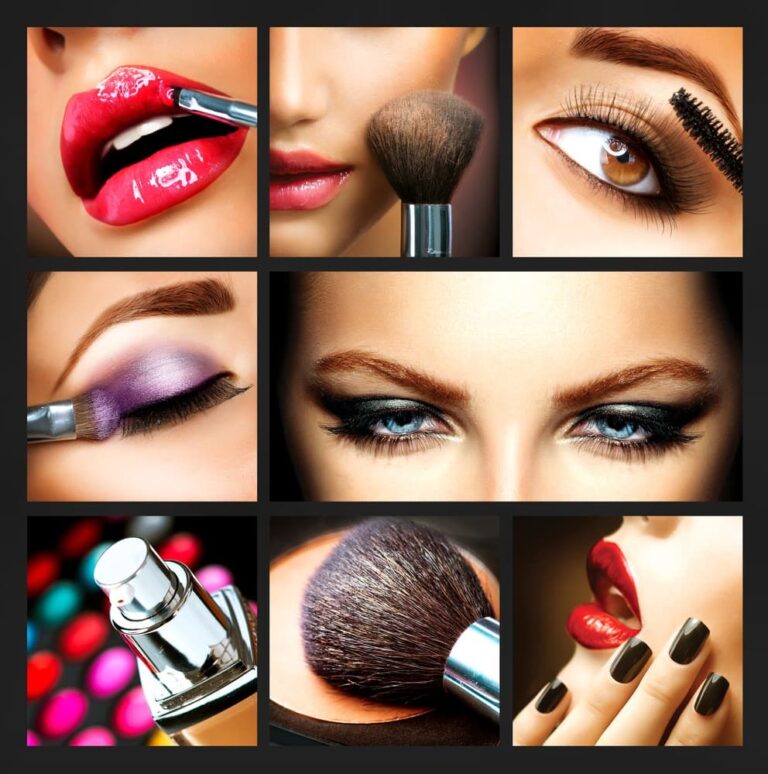
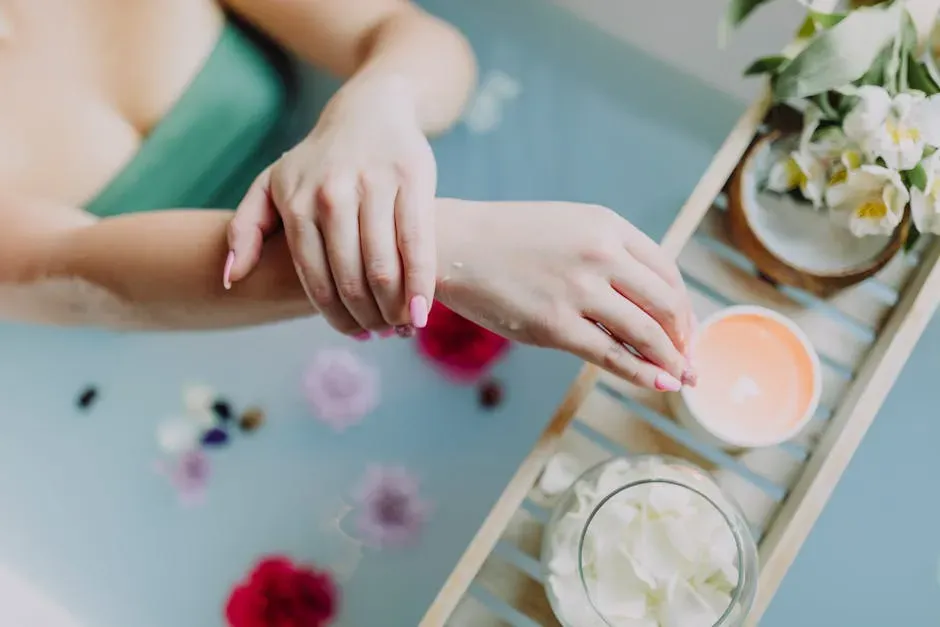
When many of us hear the term “self-care,” we instantly picture bubble baths, face masks, and soothing candles. While there’s nothing wrong with enjoying those things, this image of self-care has become so narrow and commercialized that many people simply don’t relate to it. The aesthetic version of self-care has its own quiet costs.
Self-care is anything you intentionally do to support your own well-being, including physical, emotional, mental, and even social or spiritual needs. Research in cognitive-behavioral therapy has shown that even a five-minute breathing break can reduce tension just as effectively as an elaborate self-care ritual, which suggests that simplicity often wins over spectacle.
Myth 3: Self-Care Has to Be Expensive
One of the most common misconceptions is tying self-care to images of luxurious spas, expensive workout equipment, and exotic food and flowers. The wellness industry has a financial interest in keeping that image alive. Once the wellness industry recognized the profit potential in self-care, it quickly turned the practice into a commercial endeavor, with advertisements and influencers telling us that self-care is about products.
Self-care isn’t so much a one-and-done thing as a lifelong practice. Instead of spending thousands of dollars on a vacation, looking for small, low-cost ways to engage in day-to-day things that make you feel good is often more effective. Walking around your neighborhood, listening to music, taking a nap, saying no, setting boundaries, asking for help – these cost nothing and tend to matter more over time.
Myth 4: Self-Care Is Always About Relaxation

Self-care is not exclusively about relaxation. Everyone restores their energy differently, and while a five-mile jog may seem like an illogical way to recharge, for many people, it actually is energizing. What counts as restorative varies widely from person to person.
It’s tempting to think of self-care as always feeling warm and cozy, but that’s not the whole picture. Sometimes, real self-care means doing the hard things that set you up for long-term health, things that involve practical tasks that don’t always feel pleasant in the moment. Setting a difficult boundary, having an overdue conversation, or finally sorting out your finances can be profoundly restorative acts.
Myth 5: Self-Care Is a Cure for Mental Health Problems

Self-care is a personal choice, and its positive effects on one’s mental well-being are unquestionable. However, it is not a cure for any mental illness. A jog or a walk cannot magically cure depression. Framing it that way puts an unfair burden on people who are genuinely struggling.
Self-care often opens up time and space for people to check in with themselves, and that’s a valuable thing. Sometimes, however, those check-ins reveal that a little more help is needed. Working with a mental health professional may feel similar to self-care, since both can help you align with your values and achieve your goals, but they are not interchangeable tools.
Myth 6: Self-Care Is the Same for Everyone
Self-care is not the same for everyone. While we all have challenges and stressors in our lives, the way we handle those issues is different, and the ways we unwind and recharge also vary from person to person. This sounds obvious, but the wellness industry routinely ignores it.
Self-care practices vary greatly from person to person based on their specific interests, needs, and personalities. What works for you might not work for your best friend, and vice versa. Copying someone else’s routine off social media and feeling disappointed when it doesn’t click isn’t a personal failure. It’s just evidence that self-care needs to be genuinely personal.
Myth 7: Self-Care Requires a Lot of Time

While some self-care practices, like a full workout session or a therapy appointment, require planning, others take only a few minutes. Self-care is about consistency, not complexity. Even small habits like drinking water regularly or taking a deep breath during a stressful moment can make a significant difference.
Even in the smallest increments, actions taken to tend to self-care needs add up. Research from Harvard Medical School highlights that mindful breathing for just five minutes a day can reduce anxiety and improve focus. Five minutes. Most of us spend longer than that deciding what to watch on a streaming platform.
Myth 8: Self-Care Is Something You Do Alone

It is true that many self-care activities are done independently. It is also true that humans are a social species who thrive in community. Practicing good self-care means balancing those activities done alone with ones that happen with others. Leaning on connection isn’t a workaround for self-care. It is self-care.
Emotionally, some people find great value in talking to a therapist or a trusted friend. When talking to a person feels too vulnerable, journaling can serve a similar function. The idea that self-care is inherently a solo act tends to isolate people at the exact moment they’d benefit most from reaching out.
Myth 9: Scrolling Through Your Phone Counts as a Rest Break
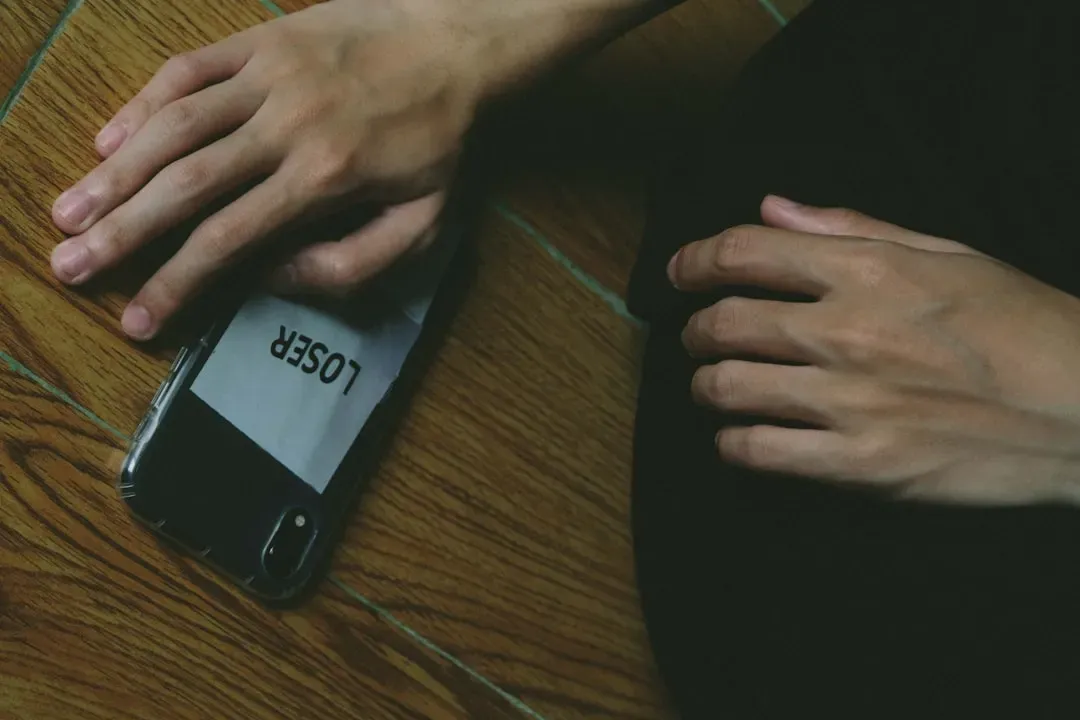
Doomscrolling on social media may feel relaxing, but the mind is never truly resting when absorbing that much content. We’re reacting, comparing, and flooding our eyes with more screen time and subtle stress responses. When we unplug from that entirely, we are truly letting our nervous system rest.
Research synthesizing data from 57 studies and over 570,000 participants found that daily social media use is associated with increased stress, anxiety, depression, loneliness, and poor sleep quality. Problematic social media use reduces emotional regulation while increasing procrastination and perceived stress. Calling it a rest break is, at this point, one of the most widespread self-deceptions in modern wellness culture.
Myth 10: Self-Care Comes After Everything Else Is Done

When everything else comes first, your body will eventually find a way to communicate that you need to come first. You might get sick, or if you are already sick, your symptoms may worsen. The common instinct to push self-care to the bottom of the list is often what creates the need for urgent self-care in the first place.
The workplace burnout crisis has reached significant levels, with new research revealing that a large majority of employees are at risk of burnout, marking a concerning escalation from previous years. Neglecting self-care can lead to burnout, resentment, and a diminished capacity to help others. Treating self-care as something earned rather than something necessary is a pattern worth breaking sooner rather than later.
Most self-care myths share a common thread: they either make it seem too grand or too trivial to be practical. The reality sits somewhere much quieter and more sustainable. Good self-care doesn’t have to be expensive, Instagrammable, or scheduled around a perfectly free Sunday afternoon. It just has to actually work for the person doing it.