What Most People Get Wrong About “Finding Inspiration”
There’s a persistent image most of us carry around without ever examining it too closely: the inspired person, struck by a sudden flash of genius, scribbling furiously before the moment disappears. It’s romantic. It’s also mostly wrong. The way people think about inspiration, where it comes from, who gets to have it, and how to invite it in, turns out to be riddled with assumptions that don’t hold up under scrutiny.
Science has spent the last few decades quietly dismantling many of these assumptions. The research isn’t dramatic, but it’s consistent, and what it reveals is both more interesting and more practical than the myths it replaces.
Inspiration Is Not Something You “Find”

Psychologists conceptualize inspiration as a general construct characterized by evocation, motivation, and transcendence. That first quality, evocation, is the one that most people miss entirely. Researchers Thrash and Elliot found that true inspiration is evoked in an individual, not invoked or initiated through a voluntary process. It’s something that happens, not something that someone chooses to happen.
This is a meaningful distinction. The phrase “finding inspiration” implies you’re the one doing the searching, the active agent in the process. The pressure to feel inspired can cause individuals to force a moment of false inspiration, and research has shown that an inspired state can’t be forced. Inspiration is not something you can will onto yourself. The common advice to “go out and find inspiration” misunderstands the mechanism entirely.
The Eureka Myth Is Wildly Overblown

Research has revealed persistent, widespread biases in the public conception of creativity, including attributing creative achievements to spontaneity and chance rather than persistence and expertise. The lone genius struck by sudden insight is a compelling story. It’s also one that flattens a far messier and more incremental reality.
Creative ideas are almost never the result of a single moment of genius or epiphany, but a long process of deliberation, learning, pondering, experimentation, and exposure to new information. New ideas and insights might seem like they come in a flash, but they usually happen after many cycles of imagining, creating, playing, sharing, and reflecting. The eureka moment, if it exists at all, tends to be the final visible step of a long invisible process.
Nearly Half of People Believe Creativity Myths
Scientists recruited 1,417 people from six countries to indicate whether they believed 15 known falsehoods about creativity were true or false. They found that creativity myths were judged to be accurate by approximately half of the people surveyed. That’s a striking figure, and it matters because the beliefs people hold about inspiration directly shape how they behave around it.
Firmer belief in creativity myths was related to lower education, stronger reliance on undependable sources, and personality traits reflecting the willingness to accept questionable notions and to rely on opinions of others. One factor explaining endorsement of creativity myths was reliance on popular sources of knowledge like TV, social media, and friends. Popular media may play a role in keeping creativity myths alive, and education plays a role in debunking them.
Inspiration Is a Measurable Psychological State, Not Magic
Inspiration is a motivational state that compels individuals to bring ideas into fruition. Creators have long argued that inspiration is important to the creative process, but until recently, scientists have not investigated this claim. The fact that inspiration went understudied for so long partly explains why the mythology around it grew so unchecked.
Inspiration, characterized by evocation and transcendence, enhances cognitive functions such as divergent thinking and conceptual blending, leading to increased idea generation and improved problem-solving skills. Emotionally, inspiration induces positive states that boost motivation, persistence, and emotional resilience. In three studies of different types of writing, including poetry, science, and fiction, self-reported state inspiration during the writing process uniquely predicted creativity of the final product, as assessed by expert judges. Inspiration, in other words, has real and measurable consequences for creative output.
Your Brain Does Its Best Work When You Stop Trying So Hard

Emerging neuroscience, paired with longstanding psychological insights, suggests that rest and even boredom are not enemies of creativity but essential ingredients. Central to this understanding is a part of the brain known as the default mode network, or DMN. This system activates when we are not consciously focused on a task, when we are daydreaming, resting, walking without a goal, or letting our mind wander.
A study found that individuals who engage in frequent mind-wandering tend to score higher on measures of creativity. The researchers discovered that the DMN remains active during mind-wandering episodes, suggesting that this network allows the brain to make novel connections between seemingly unrelated ideas. DMN activity during periods of creative imagination can promote the association of seemingly disconnected concepts, leading to insights and innovative solutions. The shower, the long walk, the idle afternoon, these aren’t distractions from inspiration. They may be precisely where it incubates.
The Idea That Creativity Belongs to Special People Is Simply Wrong
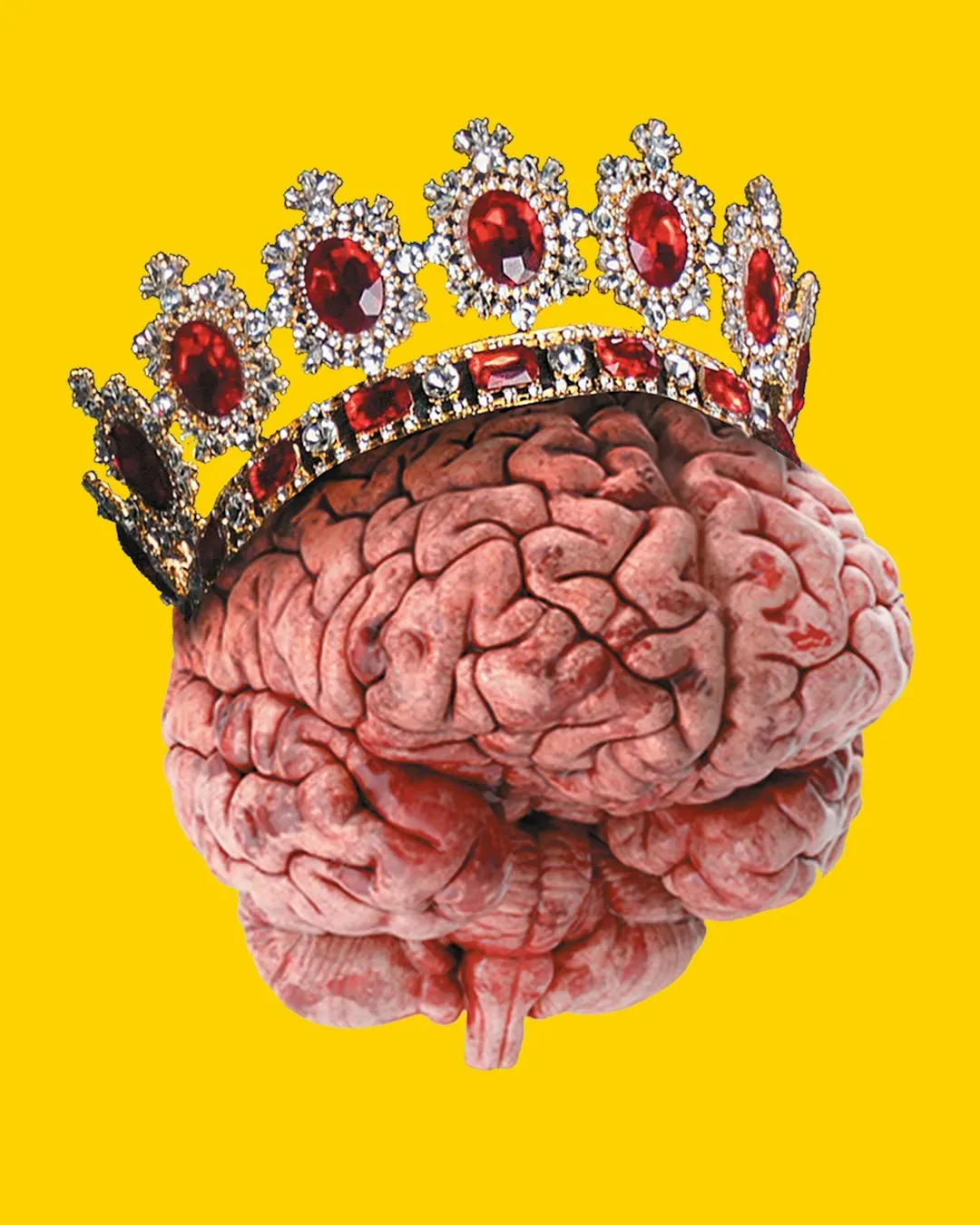
Researchers believe the biggest myth barring many people from their creative capabilities is the notion that there is a predetermined personality trait that makes some more creative than others. This belief is both pervasive and discouraging, and the science doesn’t support it. Creativity is not purely and solely innate; it’s a skill that can be learned, developed, and improved over time. The scientific reasoning behind it is neuroplasticity, the ability of the brain to change and adapt in response to experience and learning. When people engage in creative activities, the brain creates new neural pathways, strengthening existing connections.
Still, personality does play a role in how readily inspiration tends to visit. Empirical research has identified a positive correlation between the personality trait known as Openness to Experience and various expressions of creativity, such as divergent ideation, innovative problem-solving strategies, and cumulative creative accomplishments. Individuals high in trait openness are more likely to engage in activities that expose them to a broad range of experiences, and this exposure can provide them with a greater repertoire of knowledge and ideas that can be drawn upon during the creative process. Openness, unlike raw talent, can be cultivated.
Sleep Is an Underrated Creative Tool

Recent scientific findings suggest that sleep onset, known as N1, may be an ideal brain state for creative ideation. The twilight zone between wakefulness and sleep seems to loosen the rigid associations that dominate conscious thinking, allowing the mind to make more unusual connections. Research findings show enhanced creative performance and greater semantic distance in task responses following a period of N1 sleep as compared to wake, corroborating recent work identifying N1 as a creative sweet spot and offering novel evidence for N1 enabling a cognitive state with greater associative divergence.
This means the habit of keeping a notebook by the bed isn’t just romantic quirk. It reflects something real about where insights surface. The importance of mental breaks for productivity is further supported by research on the Default Mode Network, a network of brain regions that becomes active during periods of rest and mind-wandering. Studies have shown that activation of the DMN during breaks is associated with enhanced creativity, problem-solving, and insight. Treating sleep and rest as passive wastes of creative time is perhaps the most practically costly misconception people carry about inspiration.
Inspiration and Creativity Are Not the Same Thing
People use the words almost interchangeably in casual conversation, but the distinction matters. Ambiguity about whether inspiration is distinct from other constructs has been an impediment to research. If one presumes that inspiration is the same thing as creativity or insight, then one has no reason to study it separately. Researchers have worked to clarify the distinctions between inspiration and several other constructs, including creativity, insight, and positive affect.
Within psychology, there is some degree of consensus that creativity implies two qualities: novelty and usefulness. Inspiration, by contrast, is the motivational state that bridges a good idea and its execution. Inspiration has been shown to mediate between the creativity of seminal ideas and the creativity of final products. You can have a creative idea without feeling inspired to execute it. Inspiration is what carries the idea forward, not what generates it in the first place. Conflating the two leads people to wait for a feeling when what they actually need is a system.
Inspired People Set Higher Goals, and Tend to Reach Them
A study on college students demonstrated that those students reporting higher inspiration also achieved greater progress towards their goals. This led to the inspired students setting increasingly more ambitious goals. The relationship isn’t a one-time boost. The psychology of inspiration works like a snowball down a hill. Inspired goal-setting can cause people to enter a feedback loop of positive rewards that ultimately increases productivity and sets their sights higher.
This feedback loop has a practical implication that gets overlooked. An inspired state has been shown as a key predictor for the level of creative output from an individual. One study showed that writing samples from inspired individuals were graded as more creative than samples from uninspired peers, judged independent of intelligence or technical merit. The goal, then, isn’t to wait for inspiration before starting work. It’s to understand what conditions tend to produce it, and to arrange your life accordingly.
What Actually Cultivates Inspiration
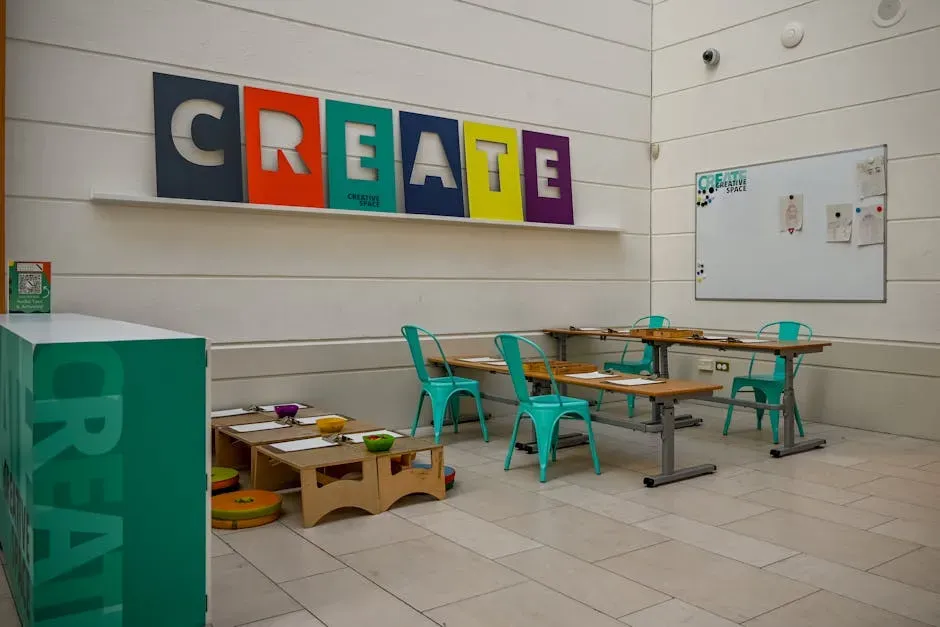
The role of environmental and social factors in fostering inspiration is significant, highlighting the importance of physical settings, social interactions, and cultural context. Immersing yourself in diverse experiences, spending time with people who think differently, and deliberately exposing yourself to fields outside your own, these are conditions that measurably increase the likelihood of being inspired. Research suggests that openness to cultural diversity acts to foster creativity by generating greater exposure to diverse cross-cultural interactions. Multicultural exposure, when facilitated by a habit of openness, encourages individuals to be curious about novel perspectives and beliefs. Gaining a deeper understanding of the nuances that make each culture unique provides new knowledge and inspiration for innovative thinking and problem-solving.
The environment matters more than most people realize, and so does what you’re willing to consume mentally. Inspiration doesn’t come out of thin air. Surrounding yourself with things and ideas you find meaningful, working to improve your knowledge and being open to new experiences, and seeking out narratives of inspiring creators are all relevant. Inspiration can’t be forced, but it can be prepared for. The difference between waiting passively and creating the right conditions is, ultimately, the whole game.