13 Household Items Worth Reevaluating for Storage or Safety
Most of us have a pretty solid mental map of our homes. We know where the scissors are, where the cleaning products live under the sink, and which drawer is the official “junk drawer” of chaos. But here’s the uncomfortable truth: a lot of the things we store casually, without much thought, can quietly become serious hazards. Storage is one of those topics that sounds totally unglamorous until something goes wrong.
The good news is that fixing these problems usually takes very little effort. A different shelf, a locked cabinet, a smarter location. That’s often all it takes. Let’s dive into 13 common household items that are genuinely worth a second look, whether for your safety, your family’s wellbeing, or both.
1. Prescription and Over-the-Counter Medications

Each year, roughly 50,000 children under age five end up in emergency departments for poisoning after swallowing medicine they shouldn’t have. That number alone should make anyone pause. Even small amounts of some common medicines can be deadly for babies and young children, including opioids, heart and diabetes medications, and even vitamins or supplements.
Over the past decade, gummy products have become increasingly common on pharmacy shelves, offering a candy-like option for vitamins and supplements like melatonin. These gummy products come in appealing flavors and textures, which can make them extremely appealing to young children and increase the risk of overdoses. The fix is straightforward: store all prescription and over-the-counter medicines in their original packages in locked cabinets or containers. High up, out of sight, and locked. Always.
2. Lithium-Ion Batteries and Devices
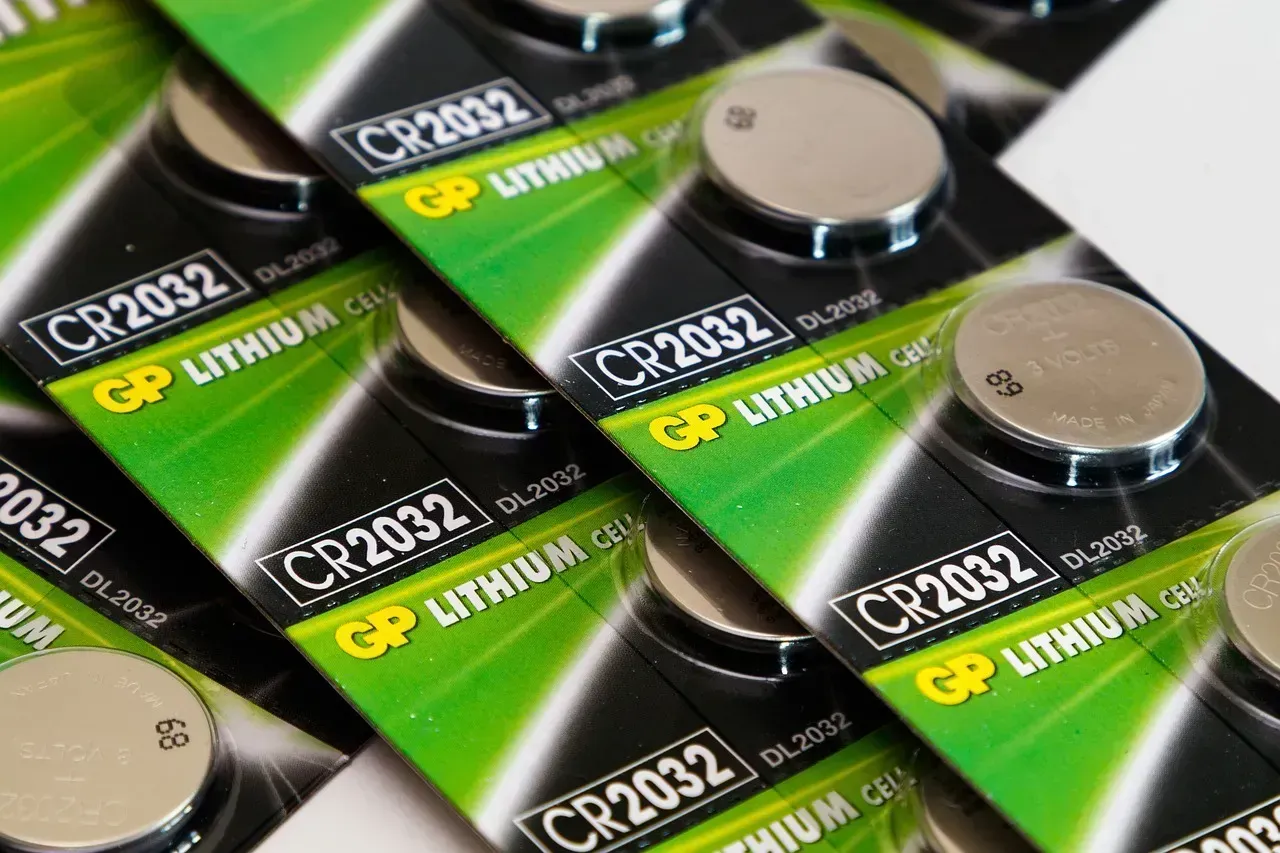
Here’s the thing about lithium-ion batteries: they’re everywhere, and most people have no idea how dangerous they can be if handled or stored wrong. Over 2,000 fires each year in the United States stem from these compact powerhouses. Lithium-ion battery fires are not your typical house fire. When these batteries fail, they undergo what experts call “thermal runaway,” an uncontrollable chain reaction that creates extreme temperatures far exceeding those of typical fires.
You should store lithium-ion batteries at room temperature when possible. Do not charge them at temperatures below 32 degrees Fahrenheit or above 105 degrees Fahrenheit. Devices should be charged on hard surfaces, not on beds, couches, or other soft materials which could trap heat and lead to fire. Overcharging was also identified as a hazard, and the NFPA advises unplugging or removing batteries once fully charged to reduce overheating. Fire Prevention Week 2025 focused entirely on this issue. That tells you something.
3. Household Cleaning Products
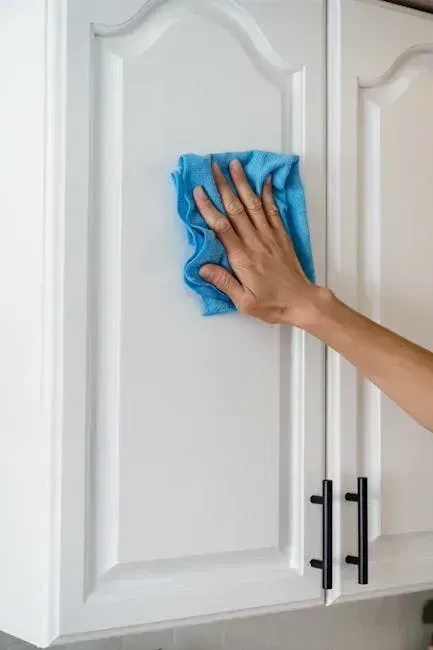
Safe storage of hazardous household products is important to prevent accidental poisonings and spills. Cleaning products and other hazardous household products are among the most dangerous poisons in the home. Yet most of us tuck them under the kitchen sink without a second thought, right at knee height for a curious toddler. Household cleaning products like bleach, oven sprays, and drain openers are widely used but rarely recognized as toxic household items. Many contain corrosive substances that can burn skin, cause respiratory issues, or react dangerously when mixed with other cleaners.
Fumes from products such as bleach can cause harm to the eyes, nose, throat, and respiratory tract when used in an enclosed space. Never mix products containing bleach and ammonia. The chemical reaction between those two common products releases chloramine gas, which is genuinely dangerous. Always keep products in their original containers, and store them in a locked or latched cabinet that children cannot access.
4. Paint Cans and Solvents
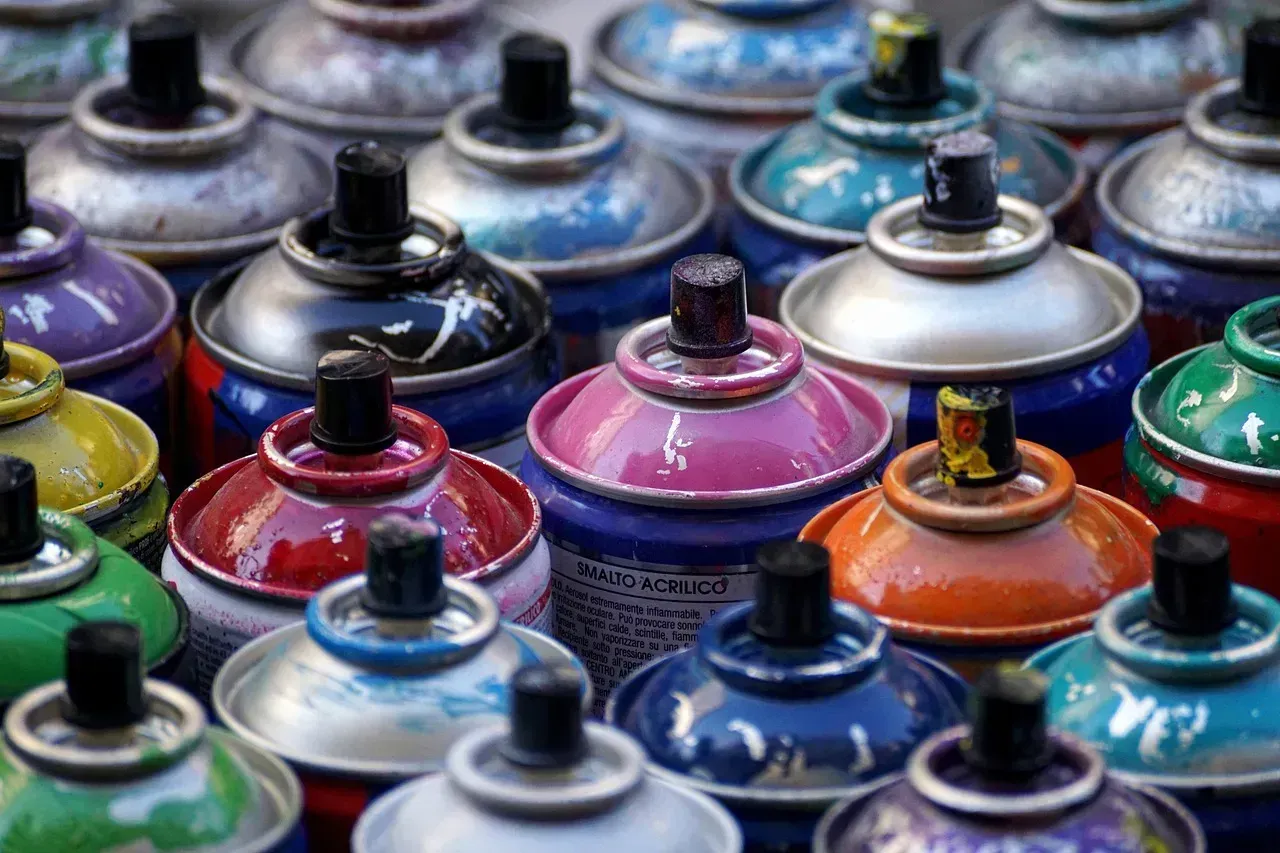
That stack of leftover paint cans in the garage from the last home renovation? Probably time to take a hard look at those. Many garages and basements hold half-empty paint cans, paint thinners, or varnishes left over from past projects. These are classic examples of household hazardous waste because they often contain volatile organic compounds, or VOCs. If dumped improperly, VOCs can evaporate into the air or leach into groundwater, posing long-term risks to both people and the planet.
Paint thinners are especially dangerous because they’re highly flammable. Storing them incorrectly can lead to fire hazards in your own home. Paint, pesticides, gasoline, and strong cleaning products are often stored in garages or attics without proper ventilation. The proper approach is to store flammable products in a cool, dry, well-ventilated space, keep chemicals separated to avoid dangerous reactions, and always follow label safety guidance. Think of your garage as a mini hazardous materials zone. Because honestly, it kind of is.
5. Loose Batteries
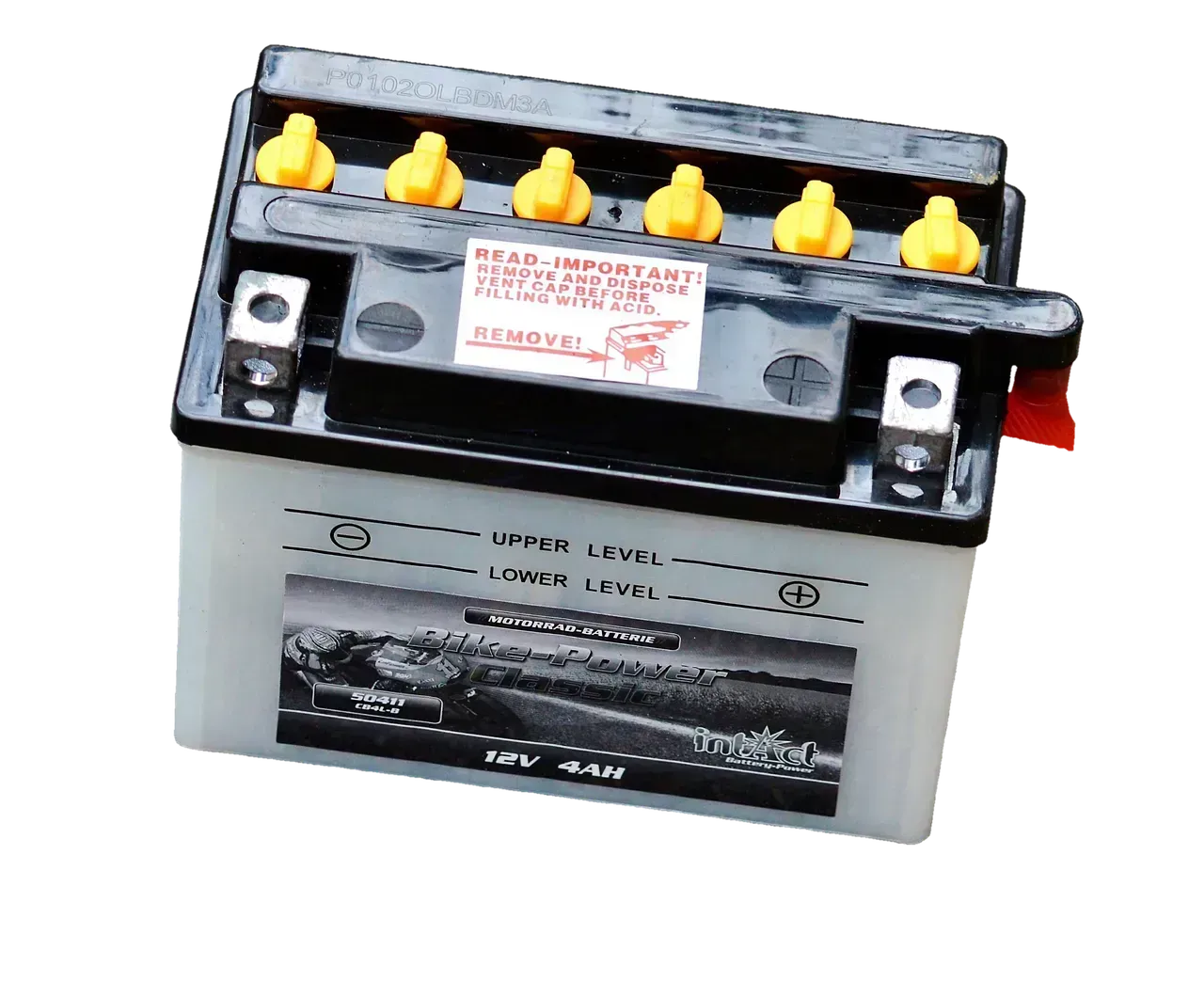
Batteries seem so harmless. They’re tiny. They’re everywhere. They sit in that junk drawer mixing freely with paper clips, rubber bands, and old takeout menus. That image alone should sound some alarm bells. Loose batteries tossed into junk drawers can leak or short-circuit when they come into contact with metal objects or heat. This is especially true for lithium button batteries, which are a swallowing hazard for small children and can cause serious internal injuries within hours of ingestion.
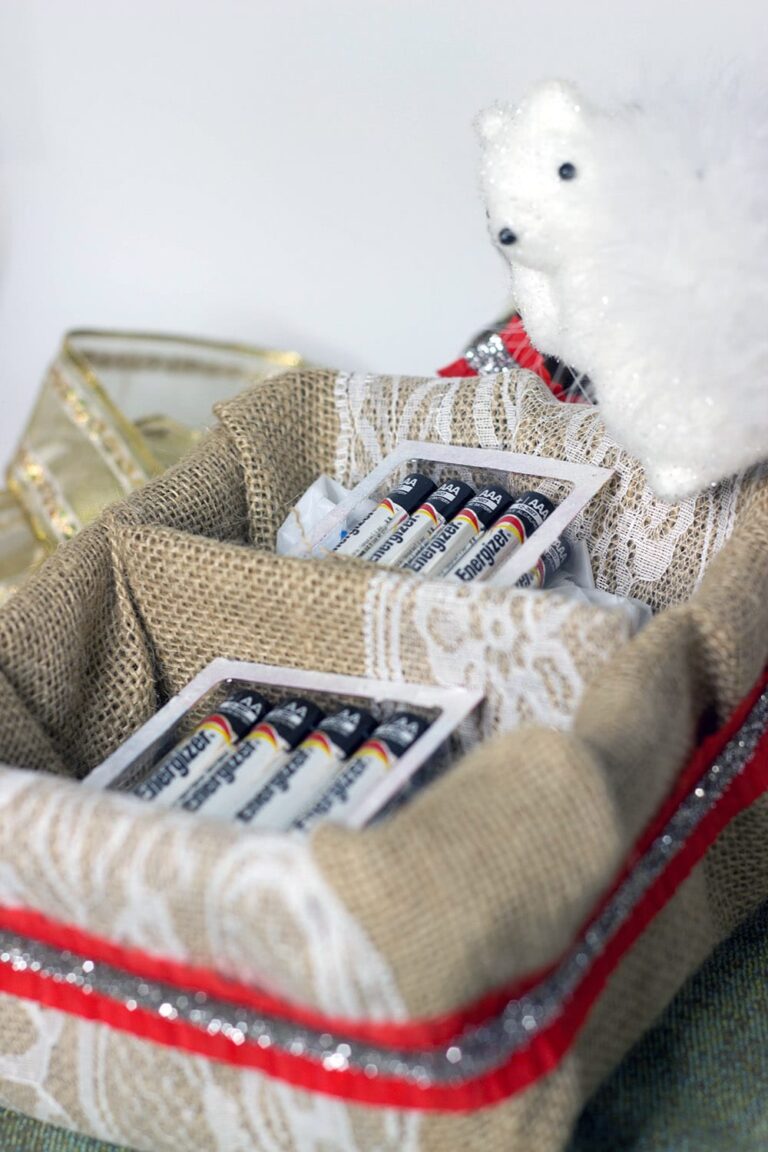
Storing batteries in a dedicated organizer that separates them by size and keeps them away from metal items and heat sources is the recommended approach. It’s also worth checking for expired or leaking batteries regularly. Even seemingly harmless things like batteries can pose safety risks when exposed to fluctuating conditions, particularly in garages or uninsulated storage spaces during summer heat. A small, dedicated battery box costs almost nothing and solves the problem entirely.
6. Gasoline and Fuel Containers
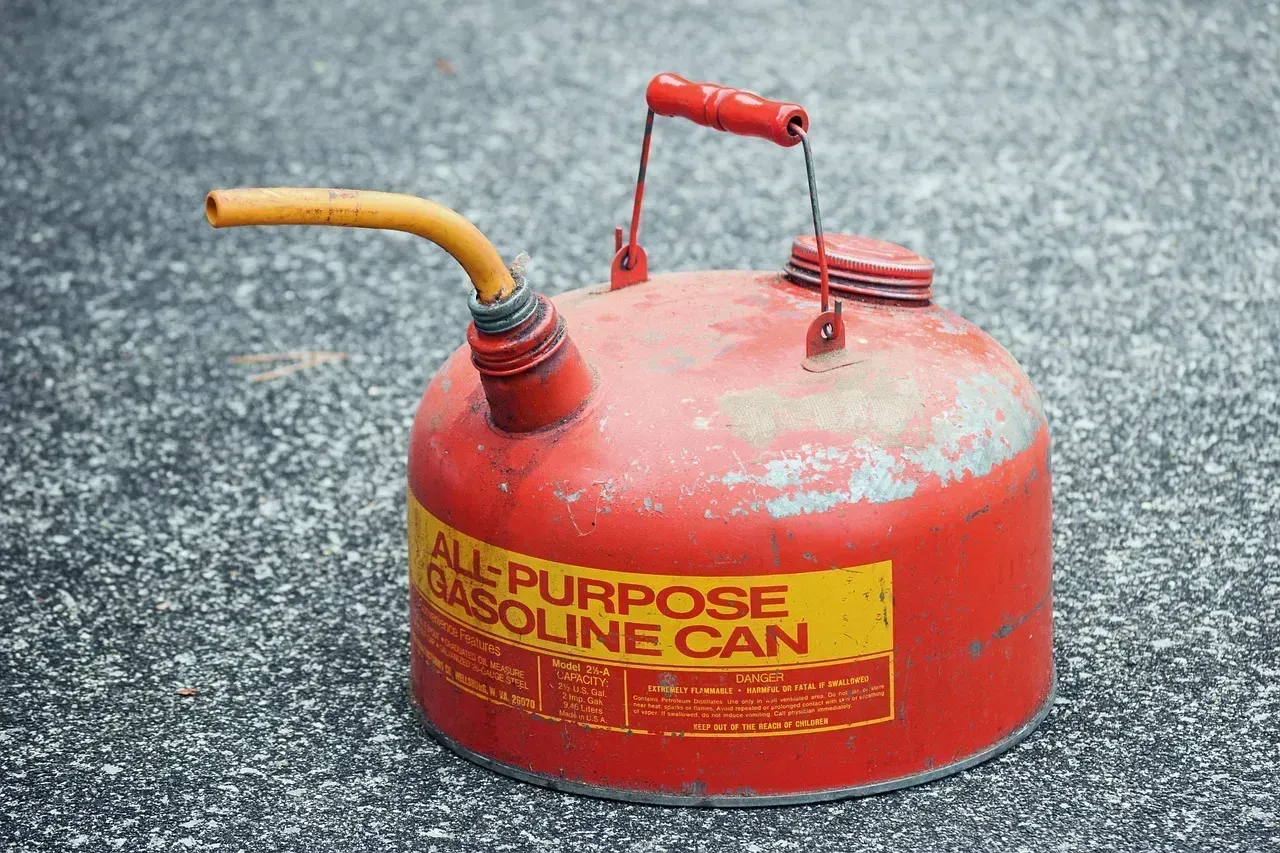
Gasoline is one of those items that people treat way too casually at home. It’s used for lawn mowers, generators, and snow blowers, and it almost always ends up in a garage or basement corner, often in the wrong kind of container. Numerous fires and injuries occur each year when flammable liquids are misused or are improperly stored next to sources of heat, spark, flame, or ignition. These sources include water heaters, light switches, pilot lights, and motors. Gasoline is extremely flammable and its vapors can be ignited from a single spark.
I honestly think the danger of gasoline vapor is one of the most underestimated household risks. The vapors travel. They can ignite from a water heater pilot light on the other side of the room. If the product is flammable, store it away from all sources of heat, spark, flame, or ignition. Use only approved containers with proper seals, store outside your main living space when possible, and never store more than what you actually need in the short term.
7. Pesticides and Herbicides

Weed killers and bug sprays tend to accumulate over the years. A bottle of this, a partially used bag of that, all piled together on a garage shelf without much thought. In every area of your home, you can find potentially dangerous products and substances. Taking care of your home requires the use of many products that contain toxic, flammable, or corrosive ingredients that can be hazardous if used, stored, or disposed of incorrectly.
Pesticides and herbicides should be kept sealed tightly, labeled, and stored out of reach of children and pets until you can dispose of them through hazardous waste collection events. It’s also worth noting that many older formulations contain chemicals that have since been restricted or banned. At least once a year, review storage areas like basements, garages, and sheds for old pesticides, batteries, and other hazardous items. If you can’t remember when you bought something, that’s probably a sign it’s time to go.
8. Plastic Food Storage Containers

This one has shifted a lot in the public conversation recently, and for good reason. According to a Numerator Clean Living Survey from April 2025, roughly 86 percent of US respondents expressed concern about microplastics in household products, with nearly half reporting high or extreme anxiety about it. That’s an enormous number. Notably, more than a quarter of respondents have already swapped out plastic for glass containers in their kitchens.
Glass containers are durable, easy to clean, resistant to stains, and highly aesthetic, satisfying preferences for a safe home environment. The concern with older or low-quality plastic containers is that they can leach chemicals, particularly when heated, scratched, or washed repeatedly. The EPA forecasts nationwide harmonization of plastic-reduction strategies by 2026 to 2027, further encouraging both manufacturers and consumers to choose glass. Whether you make a full switch or simply retire your oldest plastic containers, it’s a worthwhile reevaluation.
9. Firearms

Safe firearm storage deserves a direct, honest conversation. This isn’t about politics. It’s about the simple fact that unsecured guns in the home represent a real, quantifiable danger, especially where children are present. In 2024, California significantly expanded its safe storage laws by passing Senate Bill 53. Beginning January 1, 2026, all gun owners must store their firearms securely in their residences whenever the firearms are not being carried or readily controlled by the owner or another authorized user.
A firearm will be considered securely stored when maintained within, locked by, or disabled using a California Department of Justice-certified firearm safety device or a secure gun safe. Failure to securely store firearms may result in fines and is considered a misdemeanor upon a third or subsequent violation. Even in states without such laws, the logic holds on its own. Colorado law also requires firearms to be safely stored when not in use to prevent access by unsupervised juveniles and other unauthorized users. A locked safe or certified storage device is the minimum standard worth meeting.
10. Old Electronics and E-Waste
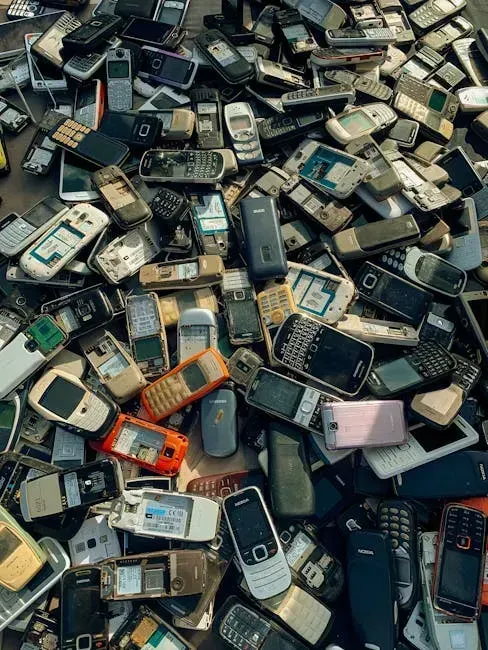
Old phones, tablets, and laptops tend to pile up in drawers and closets over the years. It’s a relatable habit. But those devices deserve more careful handling than most people give them. Devices contain heavy metals like lead, mercury, and arsenic that leach into landfills, creating toxic risks for decades to come. At the same time, e-waste contains valuable materials like copper, gold, and platinum that can be recovered through proper recycling.
There’s also a battery consideration. Old devices with degraded lithium-ion batteries stored in closets, especially in warm environments, carry a genuine fire risk. Rechargeable devices are often scattered across homes, creating multiple potential ignition points. Certified e-waste recycling centers and many electronics retailers accept phones, laptops, and TVs for safe recycling. If you haven’t used a device in two years, it’s time to responsibly retire it rather than let it age in a drawer.
11. Items Blocking Exit Paths

Let’s be real: most of us have been guilty of stashing a box near the door, letting shoes pile up in the hallway, or parking a storage bin right at the bottom of the stairs. It seems harmless. Until it isn’t. Storing too many items near exits like front doors, staircases, or hallway paths can slow down evacuation during emergencies. Fires, floods, or even intrusions become more dangerous when the way out is blocked. This falls directly under storage risks that not only damage your home but could cost lives.
Cluttered exits also make it harder for emergency responders to enter your home quickly. Think of your exit paths the way an airport thinks about its emergency aisles. They need to be clear, always, without exception. Improper storage can lead to safety concerns, damaged belongings, wasted food, and unnecessary stress, but blocking exits is the most immediately life-threatening version of that problem. A quick walkthrough of your home’s exit routes is something everyone should do at least once a year.
12. Mothballs

Mothballs have a retro reputation, almost nostalgic, the smell of grandma’s closet. But they’re worth a real second look. Mothballs contain either naphthalene or paradichlorobenzene, both of which release toxic vapors at room temperature. Bedrooms can harbor hazardous substances including mothballs alongside dry cleaning chemicals and other overlooked items. The vapors are especially harmful in enclosed, poorly ventilated spaces like closets or cedar chests, and the solid balls themselves pose a serious ingestion risk for young children and pets who may mistake them for candy or toys.
There are far safer alternatives for protecting clothing and linens, including cedar blocks, lavender sachets, and sealed storage bags. If you’re still using traditional mothballs, the storage location matters enormously. The level of indoor air pollution created by household hazardous products may be especially high in energy-tight homes, where the rate at which outside air replaces indoor air is low. Pollutants have been found in concentrations far higher inside the home than in outside air. Indoor air pollution can cause or worsen illnesses such as allergies, asthma, emphysema, and chronic bronchitis. Mothballs stored in enclosed bedroom closets are a direct contributor to that problem.
13. Pet Food
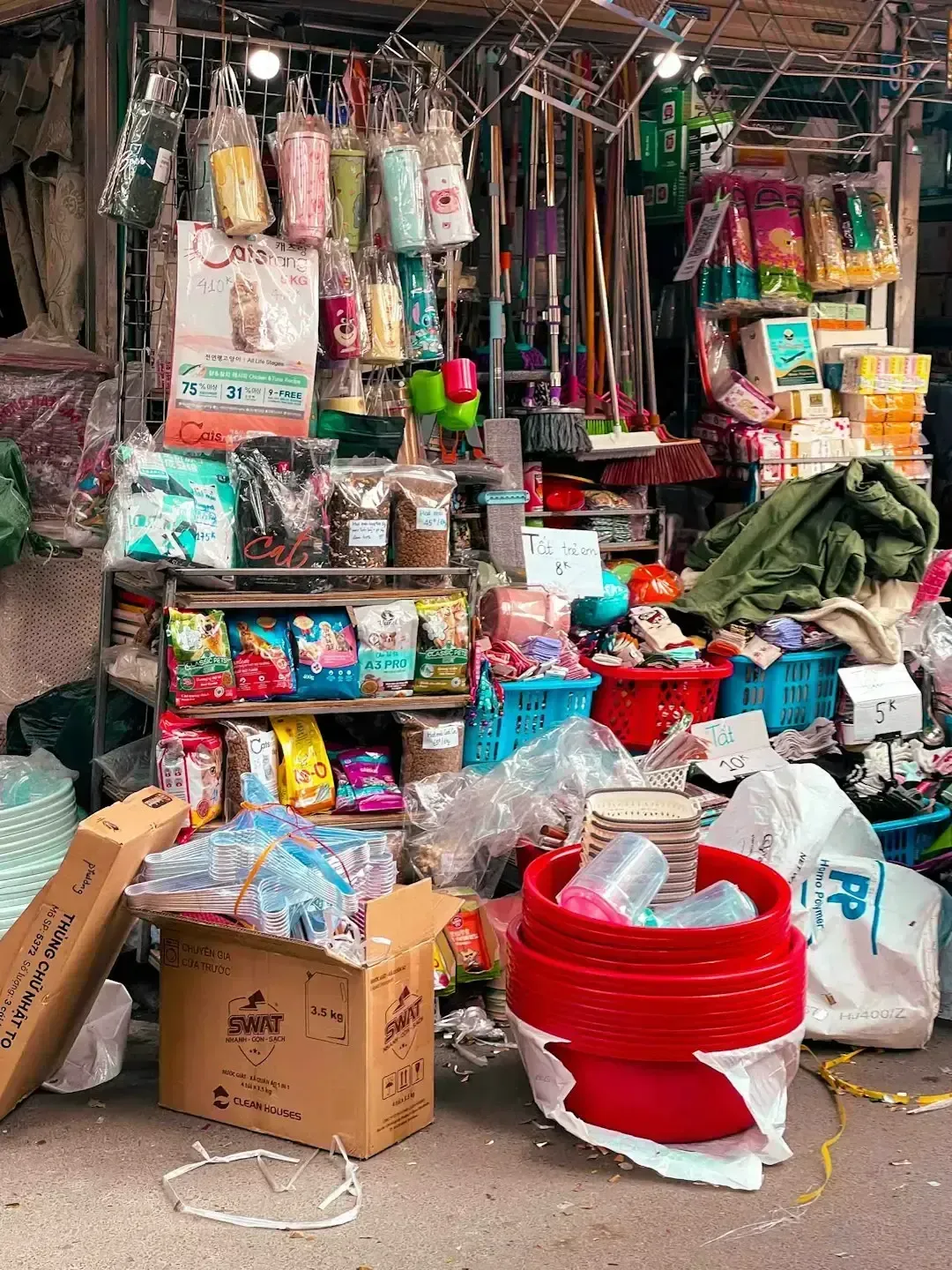
This one surprises people. Pet food doesn’t feel dangerous in the way that bleach or gasoline does, so it rarely gets thought about from a storage perspective. Yet improper storage can lead to real problems. Open bags of pet food can quickly go stale and attract pests when stored improperly. The recommendation is to transfer pet food into airtight containers and store it indoors where temperature and humidity remain consistent. A large open bag in a hot garage is practically an open invitation to rodents and insects.
Beyond pests, moisture and heat can cause pet food to develop mold or harmful bacteria. This is particularly true of wet food that’s been left in open cans in the refrigerator too long, or dry kibble stored in humid environments. Improper storage can be a safety hazard or turn usable products into waste. That applies just as much to pet food as it does to cleaning chemicals. An airtight container stored in a cool, dry, indoor location is the simple, effective solution that most pet owners haven’t gotten around to yet.
None of the items on this list require a major home renovation or a significant budget to address. Most fixes take ten minutes and cost very little. The honest truth is that the biggest barrier is usually just awareness. Now that you have it, the next step is entirely in your hands. What would you tackle first?