8 Gardening Tools Facing Increased Regulation in Some Areas
Something quietly dramatic has been happening in garages and garden sheds across the country. Tools that millions of Americans have relied on for decades are now under scrutiny – not because they don’t work, but because of what they emit, how loud they are, and what they leave behind in the soil, water, and air. From California to Maryland to the EU, regulators are drawing new lines in the grass.
It’s not just environmentalists pushing this change. Health agencies, air quality boards, and city councils are all piling on, driven by data that’s hard to ignore. Whether you’re a weekend hobbyist or a professional landscaper, the tools you pick up this season may soon look very different. Let’s dive in.
1. Gas-Powered Leaf Blowers
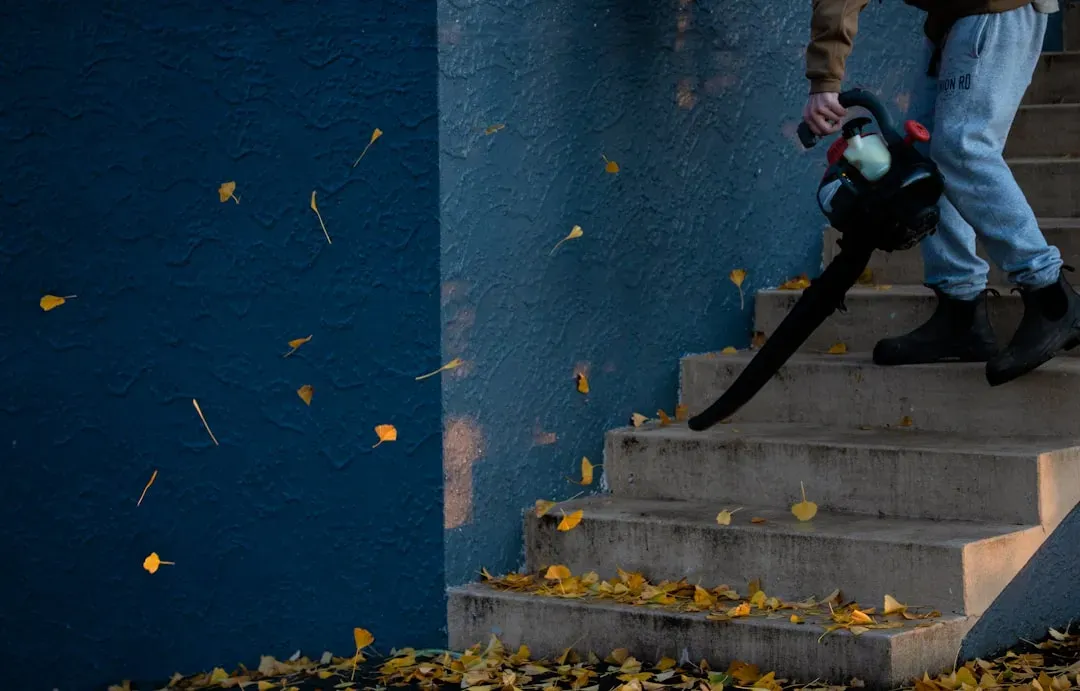
Honestly, the gas-powered leaf blower has become something of a lightning rod in this whole debate, and with good reason. The California Air Resources Board estimates that using a lawn mower for one hour produces emissions equivalent to 300 miles of driving, and using a leaf blower for the same amount of time equates to driving 1,100 miles. That’s a staggering number when you think about how casually these machines get used on a Tuesday morning.
Washington, D.C., has banned both the sale and use of gas-powered leaf blowers. Companies or individuals using these blowers in the District are now subject to fines of up to $500 for each offense. Meanwhile, Montgomery County, Maryland, has banned the sale of new gas-powered leaf blowers, with their use prohibited starting in July 2025, and the county offers residents and landscaping businesses rebates for the purchase of electric equipment. The wave is clearly spreading.
2. Gas-Powered Lawn Mowers
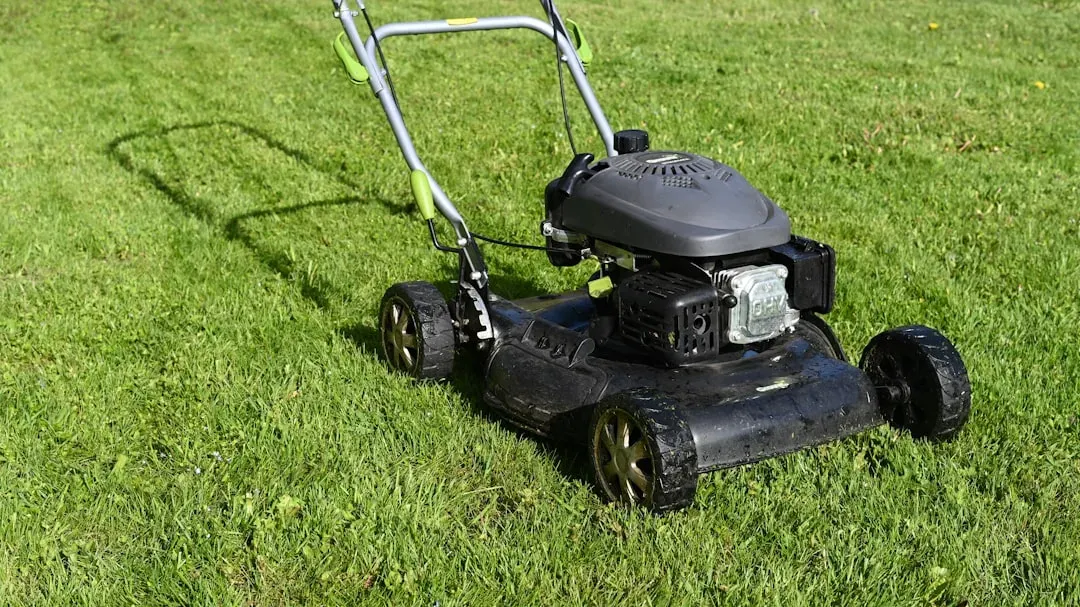
Lawn mowers are arguably the biggest target in the regulatory crosshairs right now. The state of California banned the commercial sale of all gas-powered lawn equipment at the beginning of 2024. That’s not a phaseout. That’s a hard stop on new sales. The Environmental Protection Agency estimates that gas-powered lawn equipment contributes nearly 5% of urban air pollution in the United States.
The EPA estimates that operating a new gas-powered lawn mower emits the same amount of pollution as driving a car for 45 miles, and that more than 17 million gallons of gasoline are spilled while refueling lawn and garden equipment each year. Still, not everyone is on board. Policies such as these have triggered a backlash, with states like Texas, Florida, and Ohio prohibiting outright bans on gas-powered equipment in an effort to protect the oil and gas industry. It’s a genuine national tug-of-war.
3. Gas-Powered String Trimmers
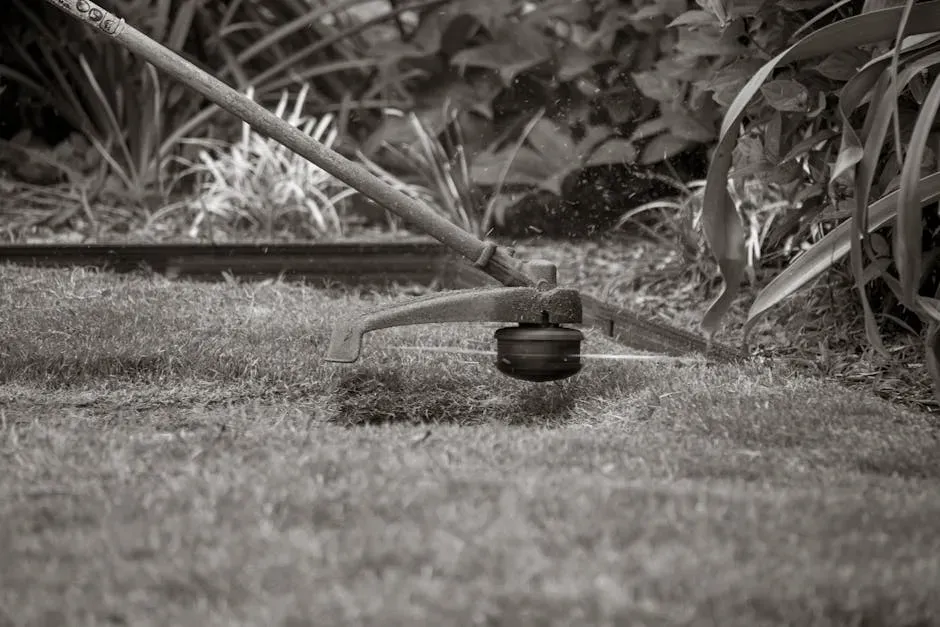
String trimmers – also called weed whackers, weed eaters, or whatever your family called them growing up – are included in the same sweeping bans as mowers and blowers. In January 2024, the State of California banned the sale of new small off-road engine-powered garden equipment, such as leaf blowers, lawn mowers, string trimmers, hedge trimmers, and small chainsaws. These aren’t niche tools either – nearly every household with a yard owns one.
Besides chemical pollution, gas-powered lawn mowers and string trimmers are also very loud and known to cause hearing damage with prolonged exposure, with heavy-duty models often generating over 85 decibels, similar to a loud concert. In Colorado, a summer-long ban means gas-powered lawn equipment is banned on state property from June 1 through August 31, applying to all public entities including city, county, and federally owned properties and schools in the nine Front Range cities in the EPA’s ozone non-attainment area – this being the first year the state implemented Regulation 29, a statewide air quality rule adopted in February 2024.
4. Gas-Powered Hedge Trimmers
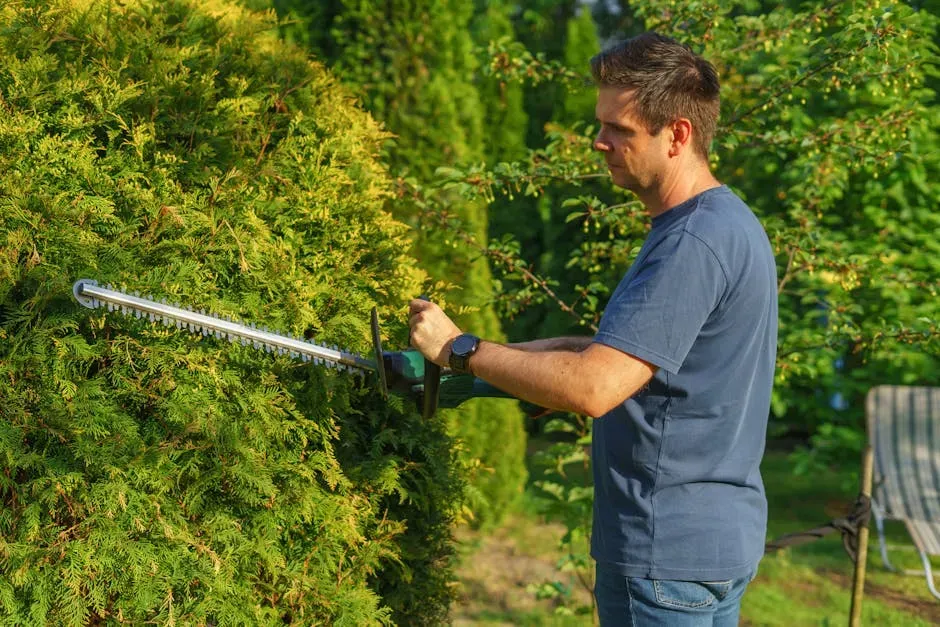
Hedge trimmers run on the same small off-road engines that have made this entire product category a regulatory target. Gas-powered landscaping equipment, including hedge trimmers, has been banned for use by large businesses in the City of Irvine, California, and in January 2026, gas-powered landscaping equipment will be banned for residents and small businesses there too. It’s a phased approach, but the direction of travel is unmistakable.
Regulations concerning emissions for petrol-powered tools and noise pollution are increasingly impactful, driving the shift towards electric and battery-powered alternatives. The transition isn’t just about the environment either – gas-powered equipment can clock in at up to 90 decibels, a sound level that the WHO advises limiting to four hours a week, a challenge for commercial lawn care workers. For professionals trimming hedges all day, that’s a genuine health risk.
5. Gas-Powered Chainsaws
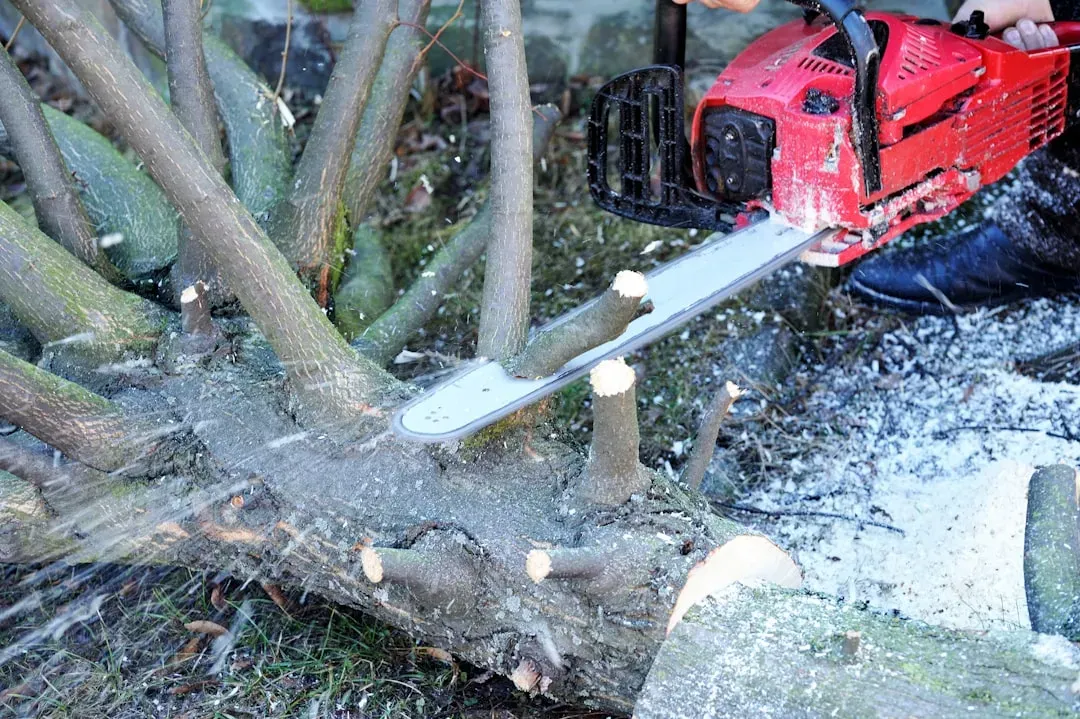
Here’s where things get genuinely complicated. Chainsaws are practical, powerful tools used not just for yard cleanup but for fire mitigation and emergency response. California’s ban applies primarily to landscaping equipment, including chainsaws, lawn mowers, leaf blowers, and string trimmers. That inclusion has raised real concerns. There are concerns about how the ban on gas-powered chainsaws will affect firefighters who rely on them to cut brush during California’s frequent wildfires.
It’s hard to say for sure how regulators will ultimately handle that tension in the long run. In tests by Consumer Reports, electric chainsaws held their own against gas models, with the best actually outperforming larger gas saws. That’s encouraging. Still, a new professional gasoline-powered riding lawn mower costs some estimates between $7,000 and $11,000, while an all-electric version can cost twice that amount. The cost barrier is real and pressing for small operators.
6. Neonicotinoid Pesticide Sprayers

This one catches a lot of home gardeners by surprise. The tool itself – a garden sprayer – isn’t banned, but what you put inside it increasingly is. A California law requires businesses selling neonicotinoid pesticides for non-agricultural outdoor uses to be licensed by the state’s Department of Pesticide Regulation, allowing only licensed applicators to buy or use neonicotinoids around homes, businesses, or other non-agricultural landscapes. That’s a significant restriction on what an everyday gardener can spray in their backyard.
The law allows only licensed applicators to buy or use neonicotinoids around homes, businesses, or other non-agricultural landscapes, and it complements agricultural neonic regulations implemented in January 2024. Neonicotinoids have been closely linked to the collapse of bee populations, which is a much bigger problem than most people realize – if you’ve ever eaten an apple, an almond, or a strawberry, you’ve benefited from pollinators. Restricting these chemicals in residential settings is, I think, one of the more defensible regulatory moves on this list.
7. Herbicide Sprayers (Dacthal/DCPA Weed Killers)

Garden and lawn weed sprayers loaded with certain herbicides have come under dramatic regulatory action. Using emergency authority, a first in nearly 40 years, the EPA banned the pesticide Dacthal under the “imminent hazard” clause of the federal pesticide law in August 2024. This was not a routine regulatory shuffle. It was a rare, urgent intervention. EPA identified serious concerns about fetal hormone disruption and resulting low birth weight and irreversible, lifelong impacts to children exposed in utero, including impaired brain development, decreased IQ, and impaired motor skills.
Dacthal was used to kill weeds on farms and, until recently, grassy fields like golf courses. The EPA has deemed it a “possible human carcinogen” since the 1990s, and the European Union banned it fifteen years ago. The fact that it took this long to act in the United States is sobering. Anyone still holding a container of this product in their garden shed should take note – the regulatory clock has already struck.
8. Gas-Powered Snow Blowers and Multi-Use Outdoor Power Equipment

Snow blowers are a lesser-discussed part of this regulatory wave, but they’re caught in the same net. Gas-powered leaf blowers, lawn mowers, and snow blowers are known to emit dramatically high amounts of carbon monoxide, carbon dioxide, hydrocarbons, volatile organic compounds, nitrogen oxides, and particulate matter into the air, far surpassing the amount produced by the average car or truck. That puts them squarely in the sights of air quality regulators everywhere.
The United States has been swept by a wave of bans and restrictions on garden tools running on gas, for example in the prohibition on the use of gasoline-powered leaf blowers in the District of Columbia and Miami Beach. Companies already producing or shifting to battery-powered hand tools and garden machines also face new regulatory constraints that go beyond simple emissions rules, including new battery standards in the EU. Home Depot expects more than 85% of its lawn care equipment sales to run on rechargeable batteries by the end of fiscal year 2028. That single retailer statistic tells you everything about where the entire market is headed.
The regulatory tide around gardening tools is rising fast, and it’s worth paying attention to even if you’re just a casual weekend gardener. Tools that were standard equipment a decade ago are being reclassified as polluters, health hazards, or both. Some of these changes are long overdue. Others are fiercely contested. What’s clear is that the garden shed of 2030 will look very different from the one you have today. What would you have predicted – and does any of this surprise you? Share your thoughts in the comments.