6 Backyard Burning Practices to Avoid for Safety and Compliance
There’s something almost primal about a backyard fire. The crackle, the warmth, the way time seems to slow down. It’s easy to understand why fire pits and outdoor burning have become such a beloved part of home life across the country. But here’s the thing – what feels like a casual evening ritual can quickly land you in serious legal and financial trouble if you’re not careful.
The rules around backyard burning are more layered than most homeowners realize. Local ordinances, state regulations, seasonal bans, and insurance clauses all pile on top of each other, and ignorance is simply not a defense. So before you strike that next match, let’s dive into the six most common backyard burning practices that get people into real trouble.
1. Burning Prohibited Materials Like Trash, Plastic, and Treated Wood
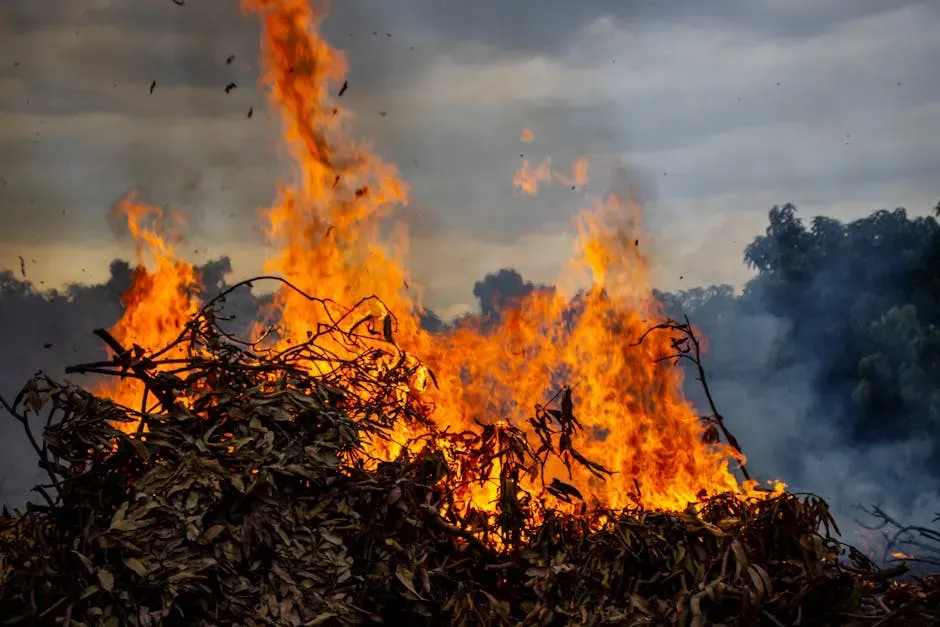
This is probably the most violated rule in backyard burning, and it’s also one of the most dangerous. Every state prohibits burning household trash, tires, waste petroleum products, roofing and construction materials, hazardous waste products, and their containers. That scrap of plywood from your garage renovation? That old magazine? Toss them in the recycling bin, not the fire pit.
Studies show that open burning of an individual household’s trash can release pollutants in higher levels than burning the trash of thousands of homes by a municipal waste incinerator. Lower combustion temperatures of open burning prevent complete incineration, releasing dioxins, volatile organic compounds, acetaldehyde, formaldehyde, hydrogen chloride, and naphthalene. Toxic emissions like these may irritate eyes, skin, and the upper respiratory tract. In some cases, the central nervous system can also be affected, causing headaches, dizziness, and fatigue. Honestly, when you look at it that way, no bonfire convenience is worth it.
2. Leaving a Fire Unattended
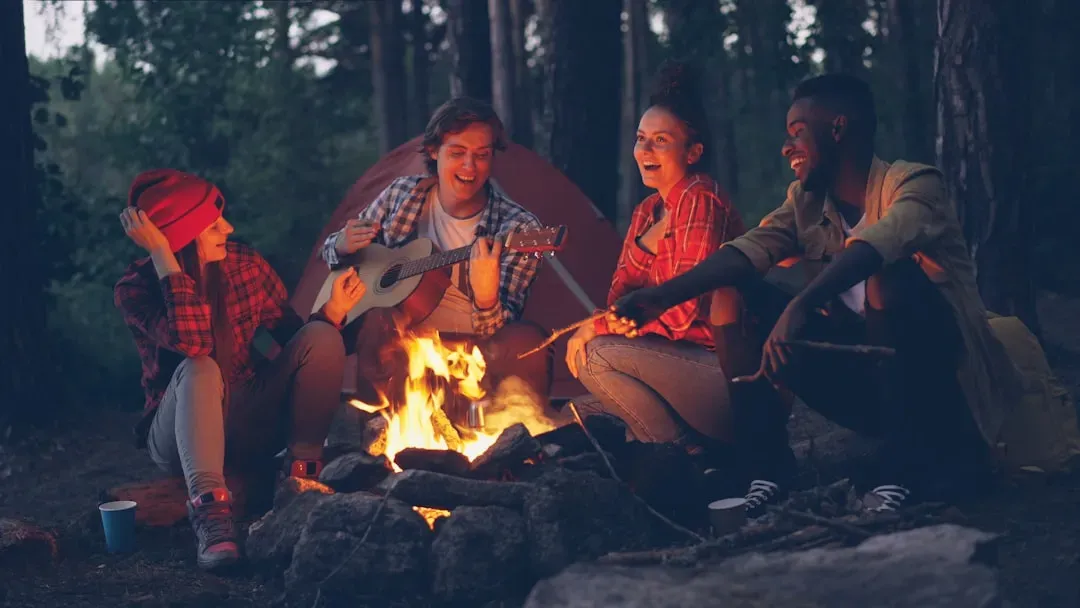
You’d be surprised how many people think stepping inside for a few minutes is no big deal. It absolutely is. Most counties and homeowners associations require that a fire be supervised by an adult the entire time it is burning. Leftover embers can retain enough heat overnight that a strong gust of wind can kick the fire back up again. This supervision requirement exists because wind conditions can change rapidly, turning a controlled fire into a neighborhood disaster.
People should never leave these fires unattended and must extinguish them. That applies even when the visible flames have died down. Think of it like this – embers are basically fire on pause, just waiting for the right conditions to resume. When you’re finished enjoying your backyard fire, you can spread out the coals and stir them with dirt or sand to ensure they are completely extinguished. That’s not optional; in most jurisdictions, it’s the law.
3. Ignoring Minimum Distance and Placement Rules
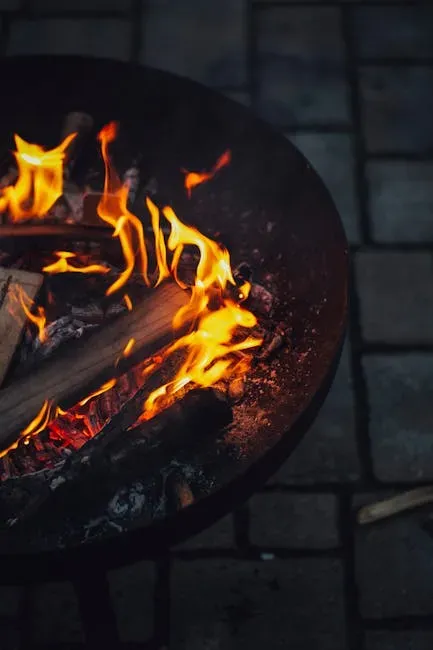
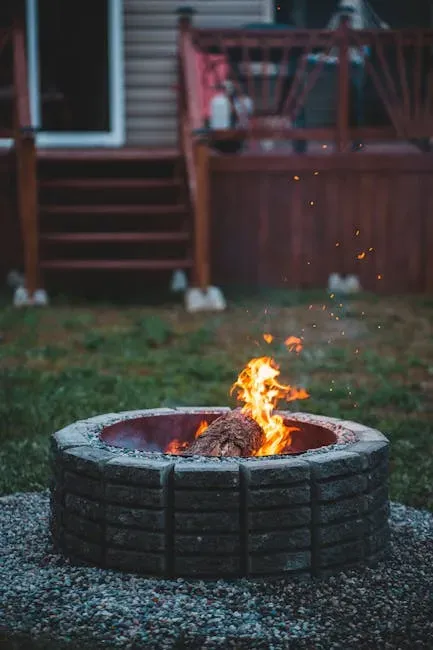
A lot of homeowners set up their fire pit wherever it looks nice, without giving a second thought to clearance distances. That’s a costly mistake. Both portable and permanent fire pits should be placed at least 10 feet away from the property line, according to most regulations. Fires in a portable pit or barbecue must remain 15 feet away from any structure or flammable materials. Some jurisdictions are even stricter.
Portable fire pits need to be placed on fire-resistant surfaces like a brick patio or over stone pavers. Flying embers can be a fire risk if you put your portable fire pit directly onto your grass or place it on a wooden deck. It’s also worth noting that violating these placement rules can result in hefty fines and leave you liable for any property damage that occurs. Many homeowners discover this rule only after their insurance company refuses to cover fire damage, or worse, after a neighbor files a complaint.
4. Burning During Active Burn Bans or Air Quality Alert Days
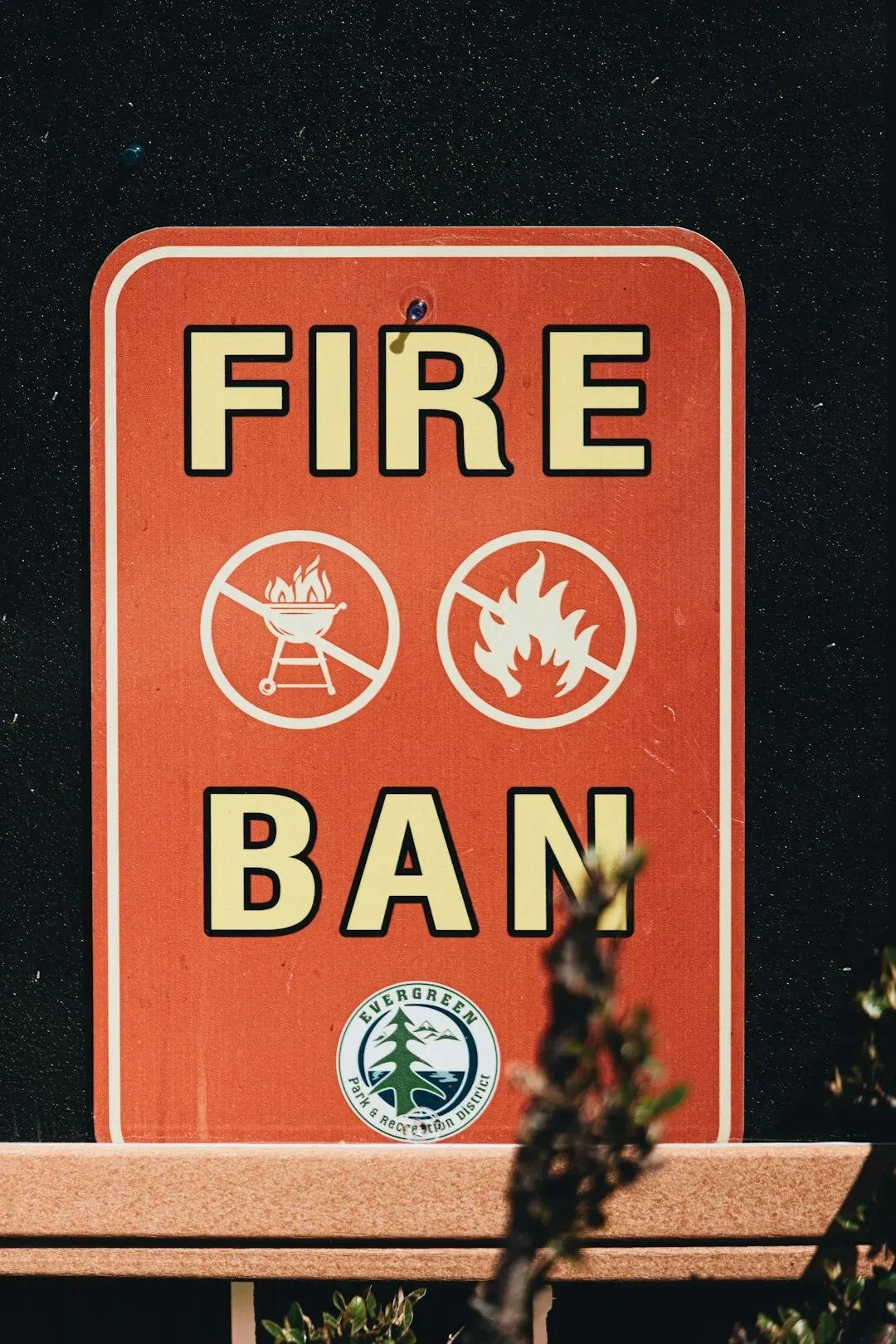
Burn bans are not suggestions. They carry real legal teeth, and ignoring them during a declared emergency is one of the fastest ways to rack up fines. A recent example of burn ban enforcement occurred on March 9, 2025, when Governor Kathy Hochul issued an immediate burn ban for Long Island, New York City, and parts of the Hudson Valley in response to brush fires in Suffolk County. Events like these are becoming more common, not less.
Forest Rangers, DEC Environmental Conservation Police Officers, and local authorities enforce the burn ban. Violators of the state’s open burning regulation are subject to criminal and civil enforcement actions, with a minimum fine of $500 for a first offense. On top of that, you should never burn wood during air quality alert days, when air pollution is already higher. Never use an open burn pit when there’s an emergency burning restriction issued or when there’s been an air quality alert given for your area. Check before you burn, every single time.
5. Exceeding Fire Size Limits
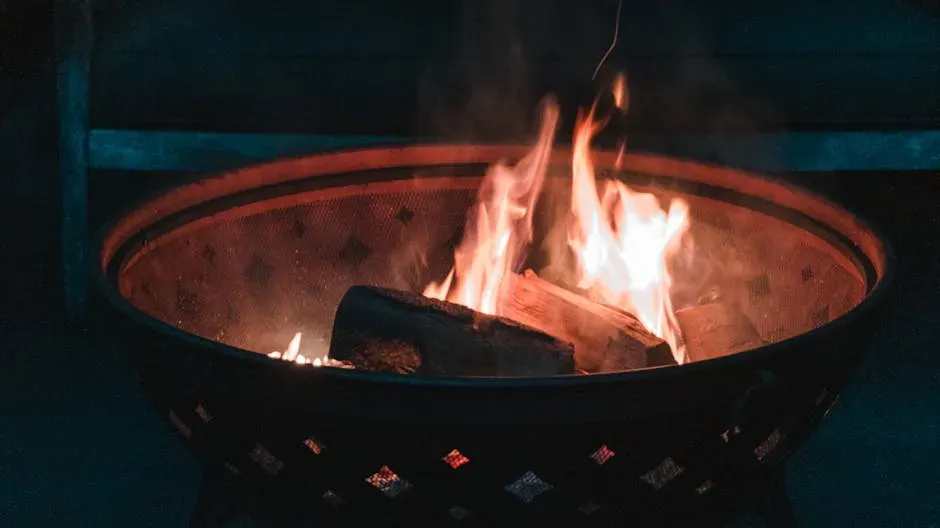
I know it sounds crazy, but the physical dimensions of your fire can actually make it illegal. This isn’t some obscure technicality either – size limits are consistently enforced across jurisdictions nationwide. According to the Unified Fire Authority, residents can have a fire pit in their backyard, but the fuel area of the fire pit must be equal to or less than two feet in height and three feet in diameter. Fires must not exceed three feet in diameter or two feet in height. The total fuel area of a recreational fire must not exceed three feet in diameter and two feet in height. These size limits aren’t arbitrary – they’re designed to prevent fires from becoming uncontrollable and reducing the risk of flying embers that can start secondary fires.
Going bigger might seem like more fun, but it carries serious consequences. Open burning that is larger than that permitted for recreational fires typically requires a Fire Safety Permit issued by the Fire Prevention Bureau. Permits are issued or denied at the discretion of the Fire Marshal. Think of your fire like a house guest – keep it within reasonable bounds and everyone gets along fine. Let it get out of hand and the whole situation unravels fast.
6. Burning Without Checking Local Permit Requirements
Here’s where a lot of well-intentioned people get tripped up. They assume that because backyard fires are “normal,” they don’t need any kind of permit or approval. That assumption can be wildly wrong depending on where you live. Open burning is a complicated issue. Each state has requirements, and each local township, village, city, and county will likely have additional regulations. The rules genuinely vary that much.
You might need official permits for your fire pit, even if it seems like a simple backyard addition. Your town or homeowner’s association may also require a site inspection if you plan to build a permanent fire pit. While smaller fire pits might not require a permit, larger setups often do. It’s crucial to review local regulations and obtain any necessary permits before installing your fire pit. The permit process isn’t just bureaucratic red tape – it ensures your fire pit meets safety standards and won’t create liability issues. And beyond permits, insurance companies are increasingly scrutinizing fire pit installations and usage, especially in wildfire-prone areas. Many policies now include specific clauses about fire pit compliance, and failing to follow local laws can void your coverage entirely.
At the end of the day, backyard burning is one of those activities where a little homework goes a very long way. The risks aren’t hypothetical. In 2024, there were a total of 61,685 wildfires in the U.S., and debris burning is the number one cause of wildfires. That context makes every one of these six practices worth taking seriously. Stay informed, check your local rules, and keep the fire where it belongs – under control and within the law.
What do you think? Have you ever unknowingly broken one of these rules? Share your experience in the comments below.