8 Plants That Require Extra Care During Peak Summer Months
Summer should be the season your garden absolutely shines. Long days, plenty of light, warm soil. For many plants, it genuinely is the best time of year. Yet for quite a few beloved varieties, peak summer heat is something closer to a slow-motion disaster waiting to happen.
The reality is that every summer seems to get hotter, and plants that used to survive the summer season may not be able to adapt to rising global temperatures. Knowing which plants need your attention most, and exactly what to do about it, can be the difference between a thriving garden and a crispy, wilted mess. Let’s dive in.
1. Hydrangeas: Beautiful, Thirsty, and Surprisingly Fragile
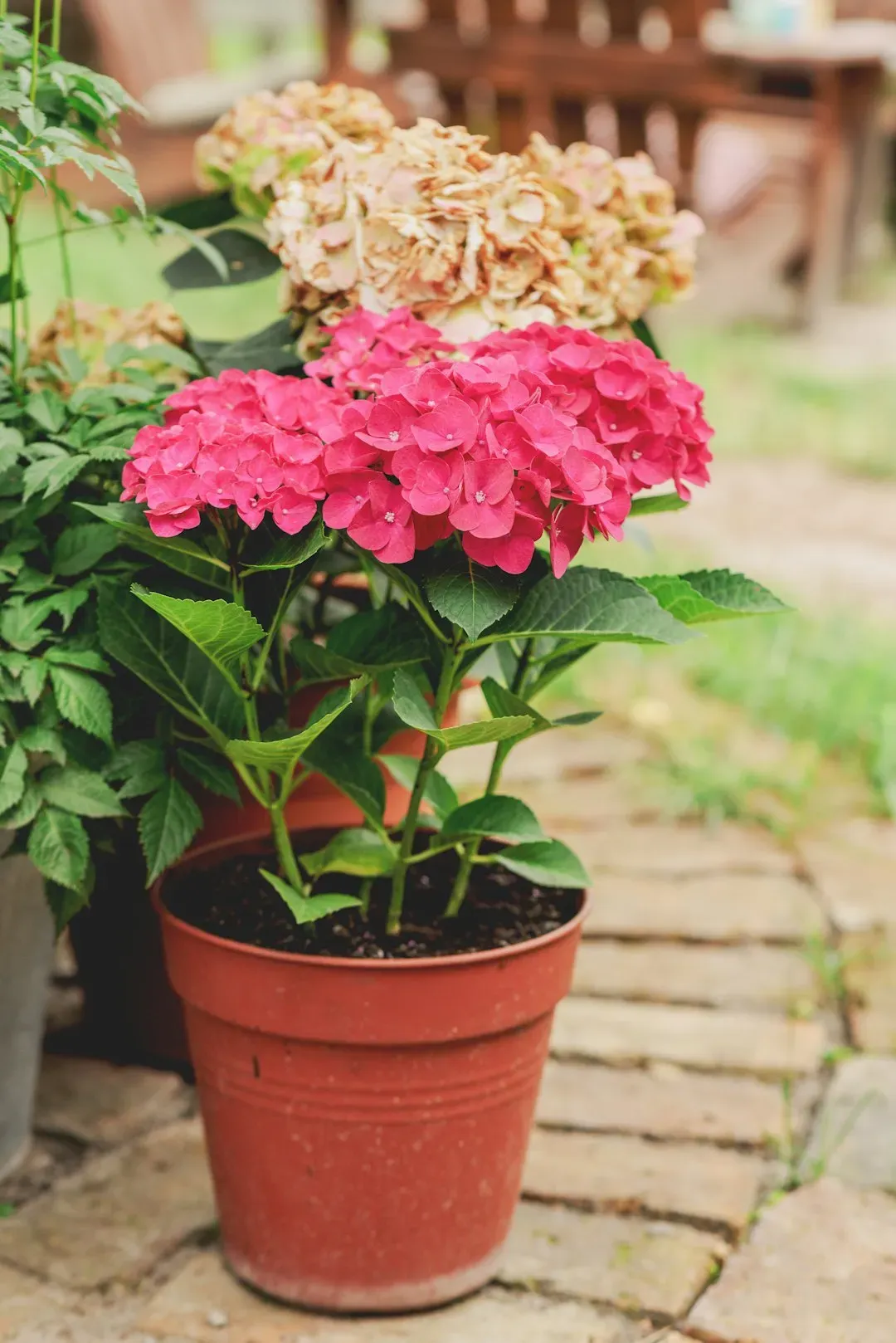
Hydrangeas have one of the most deceiving reputations in gardening. They look lush and full, almost invincible. Honestly, though, they are among the first plants to buckle when temperatures soar. Hydrangeas are plants that love water, which makes the heat particularly tough for them. Known for their lush foliage and stunning blooms, hydrangeas can genuinely struggle in intense heat.
Even well-watered hydrangeas can show signs of heat stress, and it is not recommended to prune them during the heat, as this can stress the plant further. When planting new hydrangeas, choose a location where they get morning sun and afternoon shade. This allows them to get the light they need without the stress of midday heat. A thick layer of mulch around the base also goes a long way toward keeping the root zone cool and moist through the worst of the season.
2. Ferns: Lovers of Shade and Moisture Who Hate the Sun
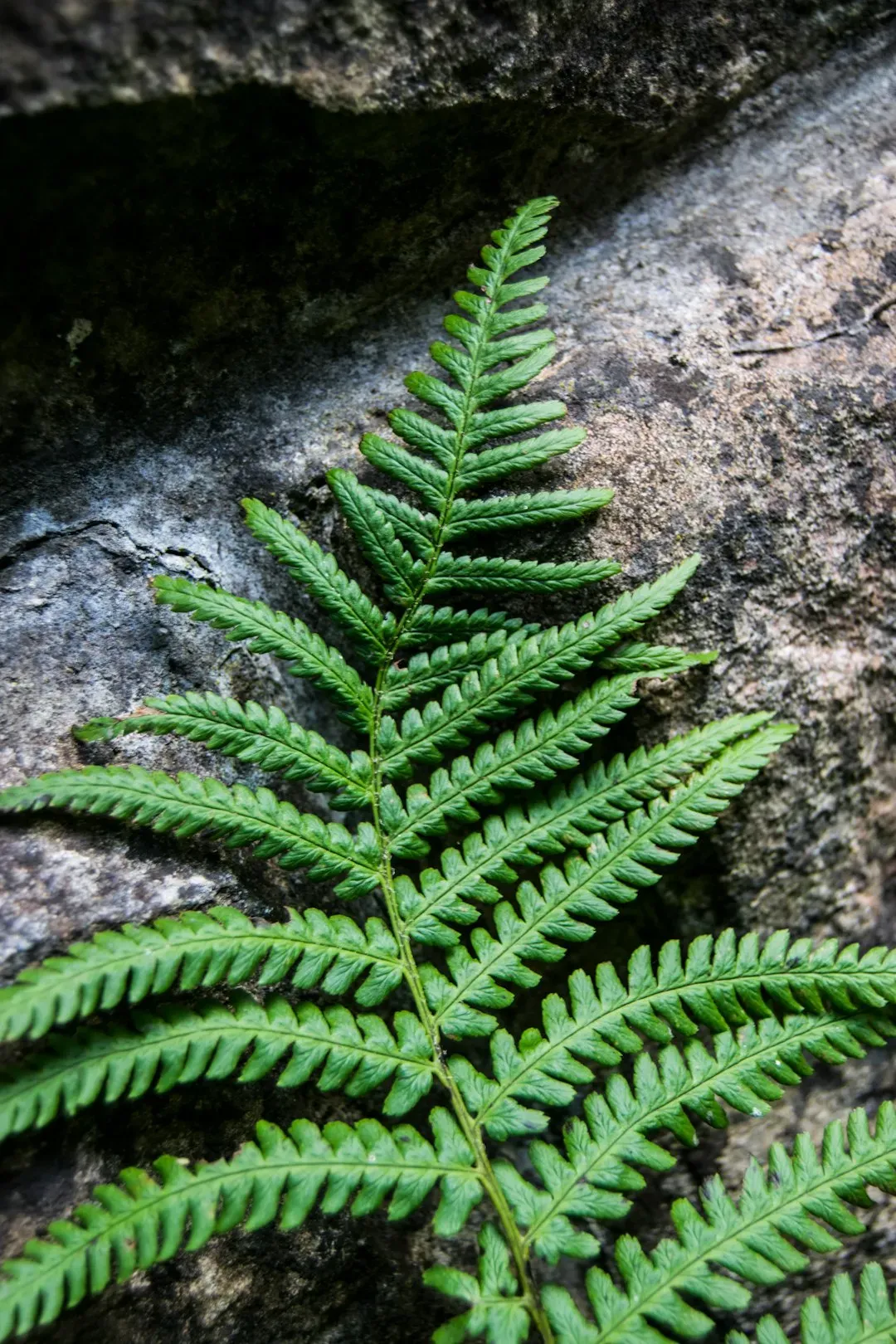
Ferns are one of those plants that practically scream “keep me in the shade.” They evolved in cool forest understories, not sun-scorched borders. Ferns are some of the very best shade plants that thrive in shelter and dappled shade, which is why many gardeners recommend them for north-facing garden spots. Most ferns thrive in temperatures between 60°F and 75°F, and when temperatures soar above 85°F, ferns begin to experience stress.
If you have ferns in containers, the first thing to do is move them into the shade and out of direct sunlight. It is essential that ferns in containers are watered much more regularly during a heatwave, since containers need more watering than flower beds and ferns are very thirsty plants. Plants that like high humidity, including most ferns, should be frequently misted through periods of heat. Think of a fern like a person who absolutely cannot function in a stuffy, airless room. Give them cool, humid conditions and they will reward you generously.
3. Roses: Glamorous Bloomers With a Heat-Sensitive Side
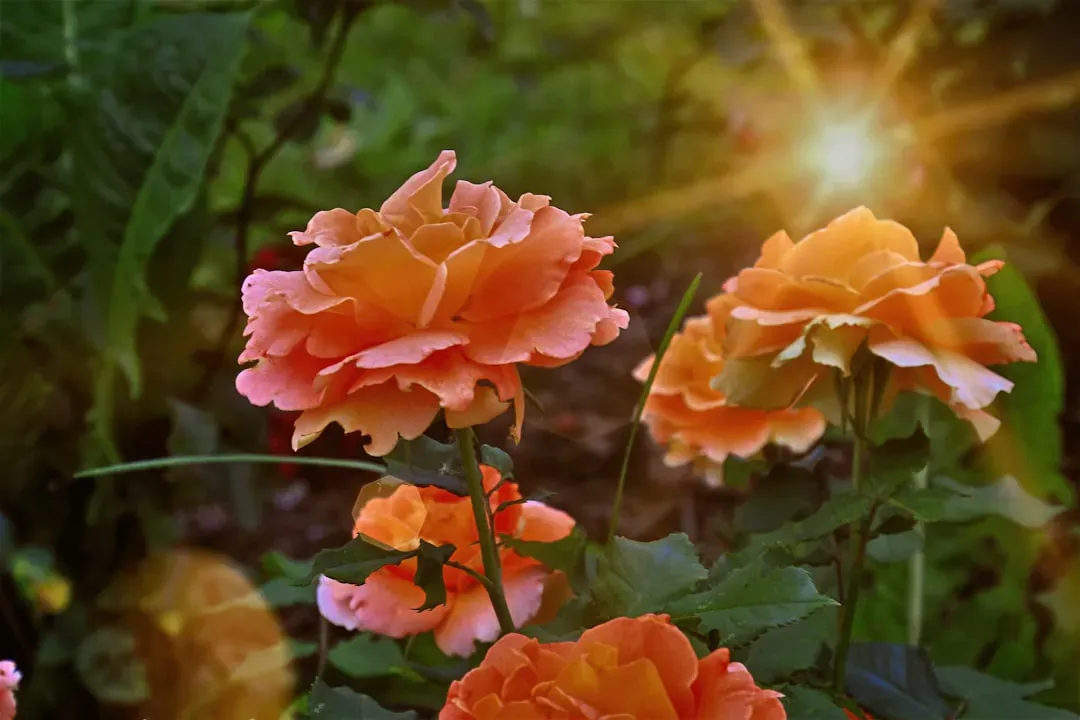
There is a reason people dedicate entire gardens to roses. They are extraordinary. They are also surprisingly vulnerable when temperatures push past what most people consider “normal summer heat.” Heat stress occurs when roses cannot get enough water or nutrients to cope with high temperatures. The sun evaporates moisture from the soil and leaves faster than the plant can replenish it, leaving roses dehydrated and vulnerable.
Never grab a hose and mist your roses during a hot, bright, sunny day in an attempt to cool them down. Water droplets under strong sunlight act like a magnifying glass, helping the sun penetrate and burn the rose leaves. Water in the early morning to reduce evaporation and allow plants to absorb moisture before the hottest part of the day. It sounds like a small detail, but the timing of watering roses during summer honestly makes all the difference.
4. Hostas: Shade-Garden Stars That Wilt Fast in the Heat
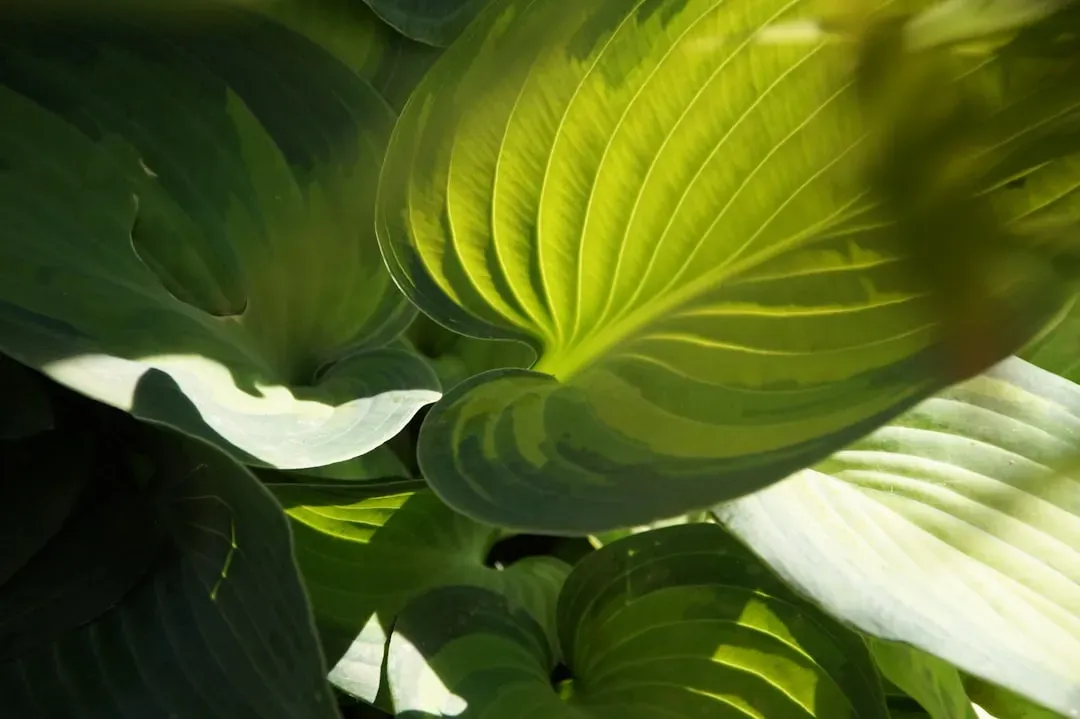
Hostas are one of the most popular shade perennials in cultivation, and for good reason. Their bold, architectural leaves look spectacular. The problem is that their large surface area also makes them lose moisture at a startling rate. Hostas’ notoriously large leaves cause evaporation of water at the leaf level, pulling water from the root system, which makes regular watering the most important tool for hosta care.
Hostas perform best in cooler climates, and while they can handle hot summers, too much heat combined with direct sunlight can stress the plant and cause leaf scorching. During summer, keep the soil consistently moist, especially during dry periods, and use mulching to help retain moisture and protect the roots from heat. If the weather is hotter, increase the watering to three times per week. Large hostas should be watered two times per week and daily during hot weather, especially if they receive more sun.
5. Calathea: The Dramatic Indoor Diva of Summer
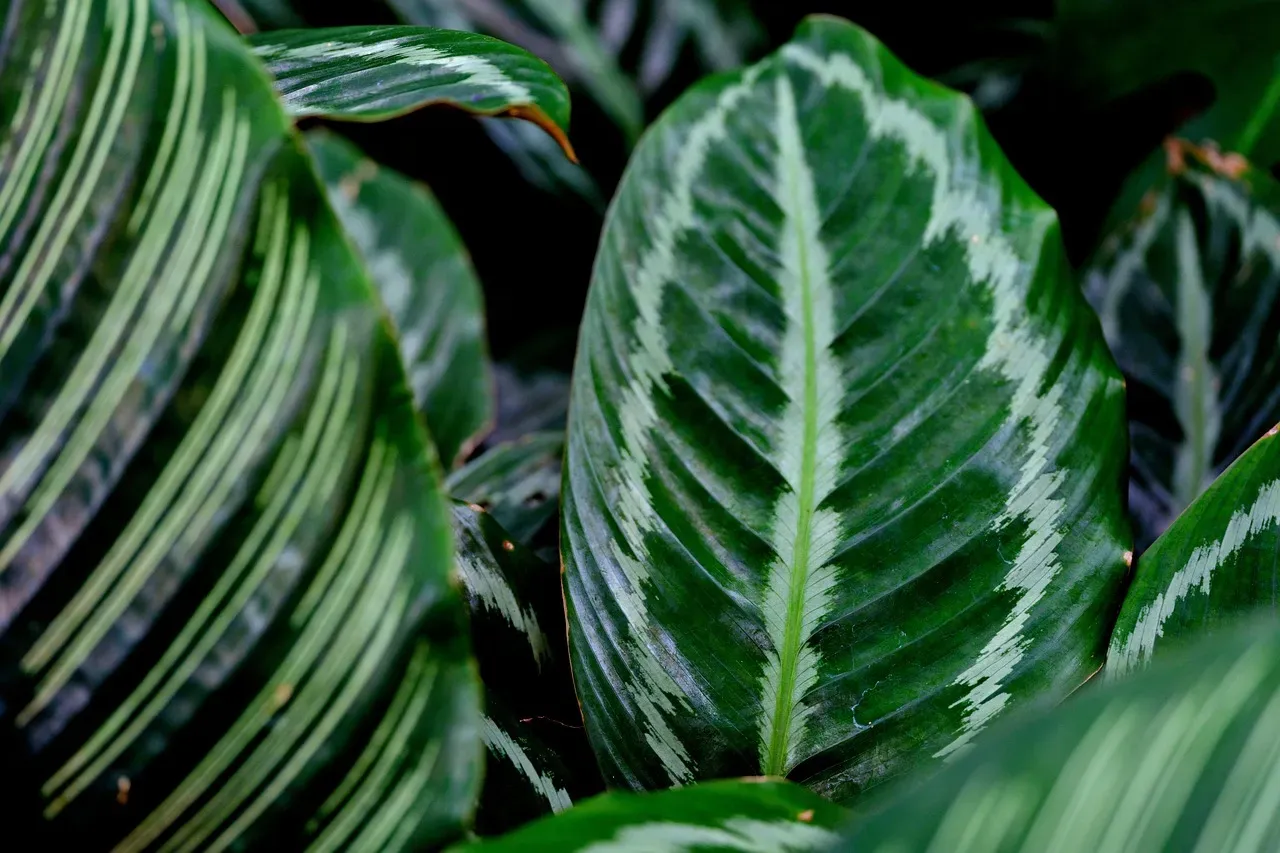
If you have a calathea and summer suddenly arrives in full force, get ready. This plant will let you know, loudly and visually, that it is not happy. Calatheas have their origins in the tropical regions of South America, where temperatures are consistently warm and humidity levels are high. To mimic their natural habitat, you should aim to maintain indoor temperatures between 65°F and 80°F. Anything hotter, particularly combined with dry air from a blasting air conditioner, is a recipe for brown, crispy leaf edges.
Calatheas thrive in bright, indirect light and prefer filtered conditions that mimic the dappled light of their native tropical understory. Unlike many houseplants, they are sensitive to direct sunlight, which can cause their vibrant leaf patterns to fade and their delicate edges to crisp. To keep your calathea healthy and colorful, avoid placing it in harsh or prolonged direct sun, especially during peak afternoon hours. Maintaining humidity levels between 50% and 60% is ideal for most calatheas. If you notice the leaves getting crispy or brown, low humidity might be to blame.
6. Impatiens: Pretty Annuals With Shockingly Shallow Roots
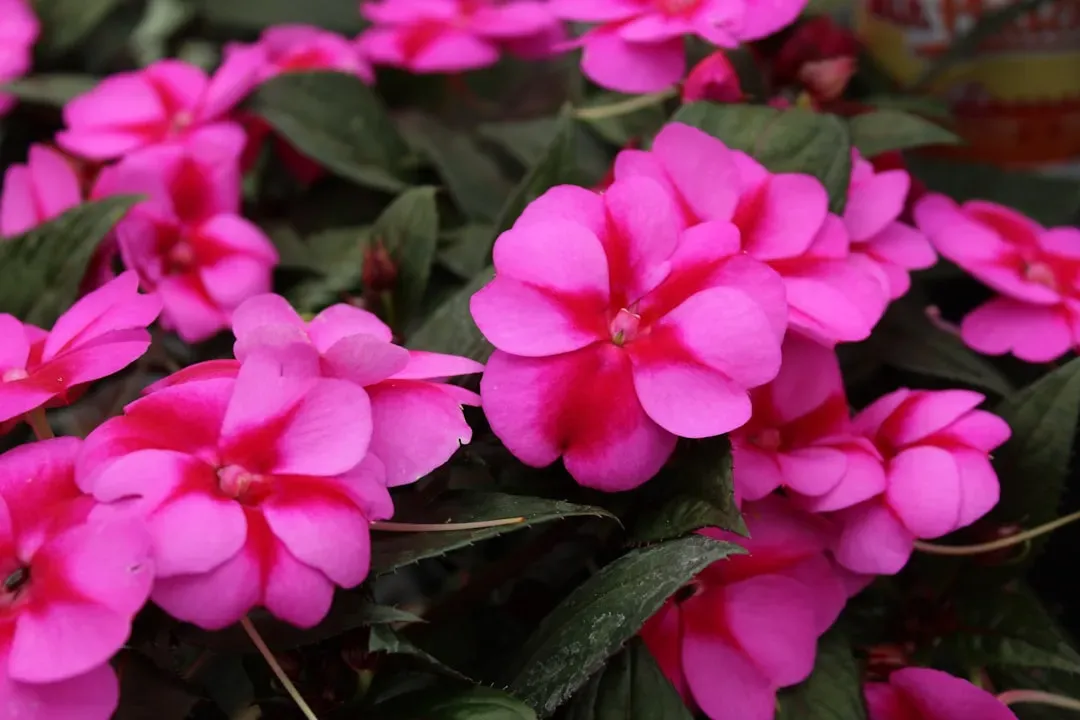
Impatiens are a gardener’s go-to for instant color in shady borders. They fill out beautifully, bloom reliably, and look wonderful all spring. Come midsummer heat, however, they are among the first annuals to give up the fight. Petunias, impatiens, and begonias show immediate wilting and flower drop in extreme heat. Their shallow roots provide little heat protection. Think of them like someone wearing sandals in a hot parking lot. There is just not enough insulation between them and the baking ground below.
Young seedlings and newly transplanted plants are more vulnerable to heat stress than established plants with well-developed root systems. For impatiens, this means keeping a close eye on soil moisture throughout the day during heat spikes. Plants in containers and hanging baskets will dry out faster, which is worth remembering, since impatiens in hanging baskets are practically a summer tradition. Water them deeply in the morning, and consider moving containers to a shadier spot during extreme afternoons.
7. Lettuce: The Vegetable That Summer Simply Cannot Stand
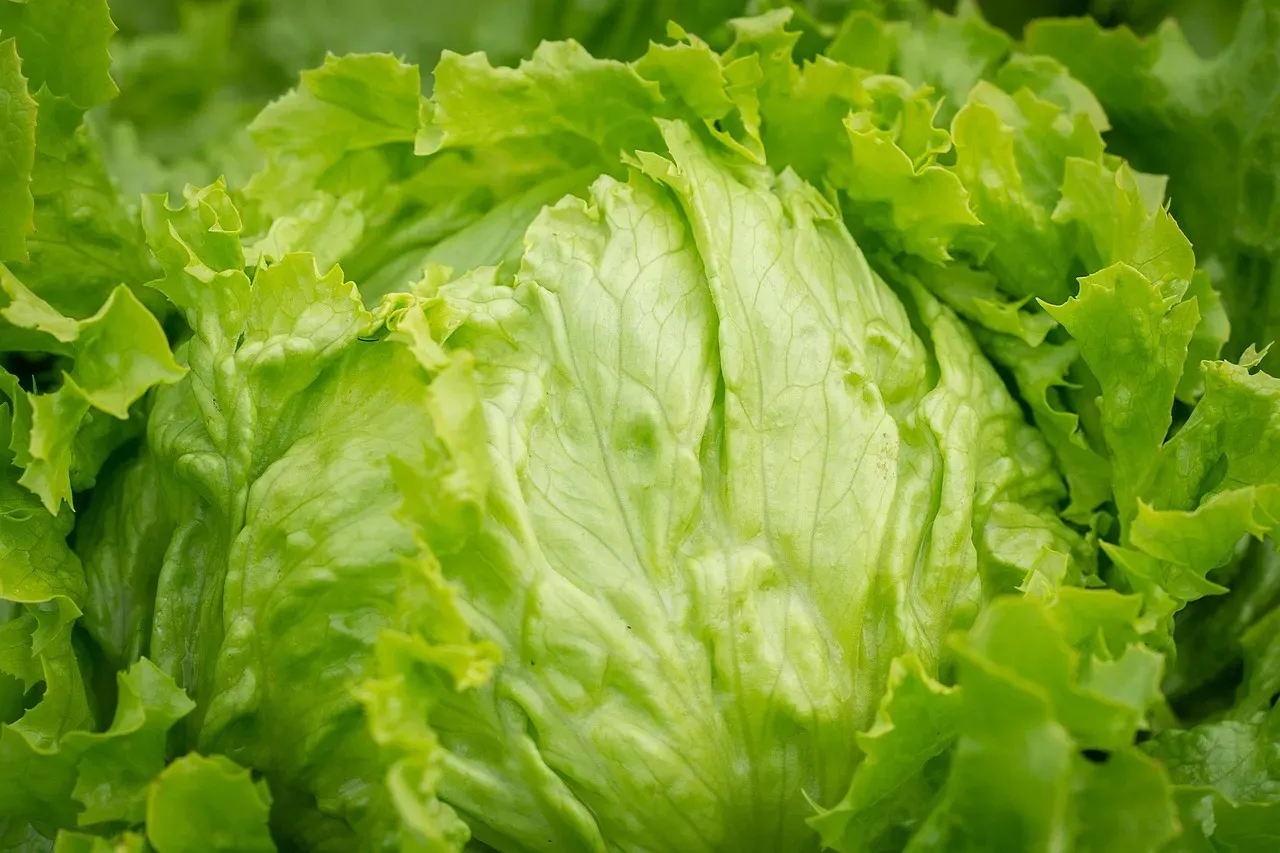
Here is the thing about growing salad greens in summer. They absolutely do not want to be there. Lettuce is a cool-season crop through and through. Plants native to cooler regions, such as many vegetables including lettuce, spinach, and peas, often struggle when exposed to high temperatures. These plants are typically acclimated to thrive in temperatures ranging from 60°F to 75°F. When temperatures soar above 85°F, they can experience heat stress, resulting in wilting, sunburn on leaves, and reduced growth.
Lettuce, spinach, and herbs bolt, meaning they go to seed prematurely, often within days of heat stress onset. Once a lettuce plant bolts, it turns bitter and essentially becomes inedible. To keep it going into the warmer months, grow it in containers you can move to afternoon shade, use shade cloth over beds, and water consistently in the early morning. It is a high-maintenance relationship in summer, but for fans of homegrown salads, it is absolutely worth the effort.
8. Tomatoes: The Summer Staple That Secretly Struggles in Extreme Heat
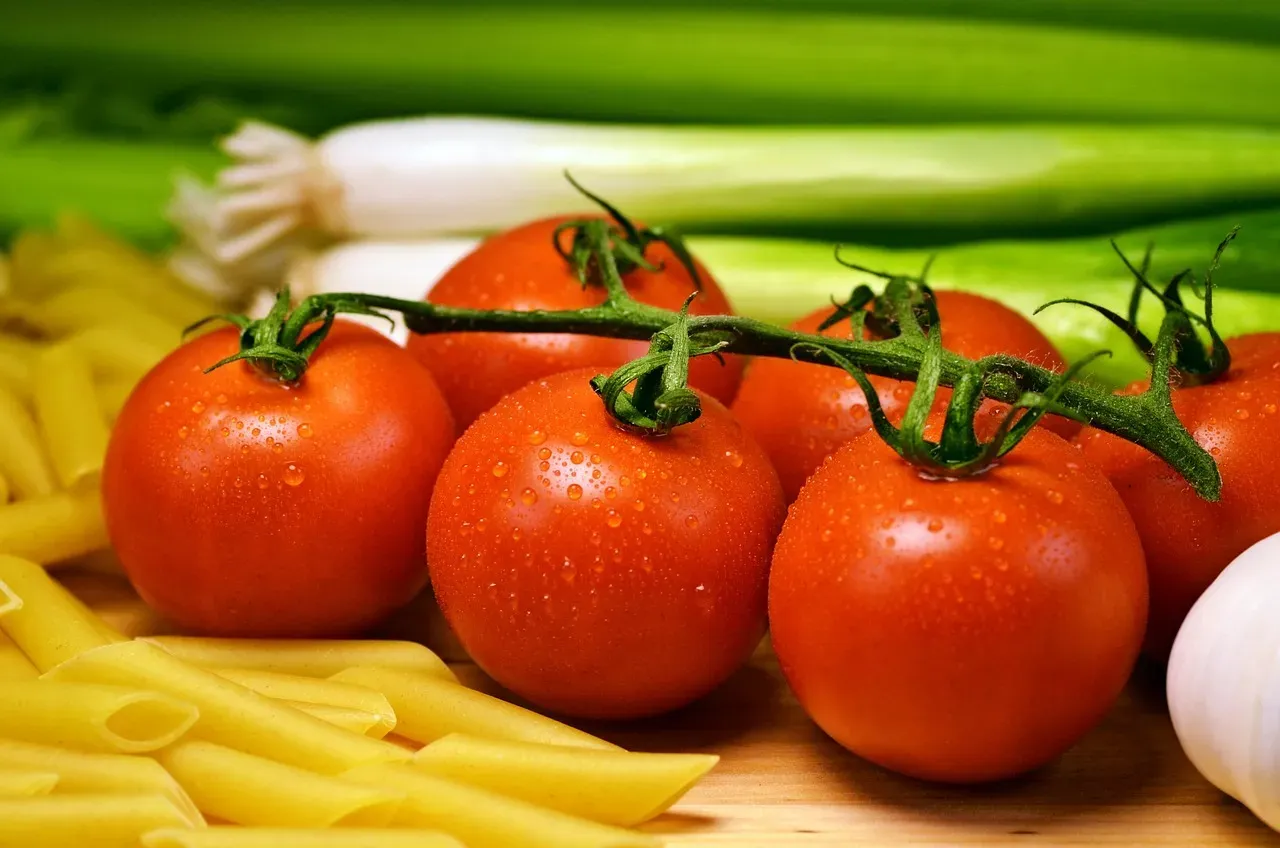
Tomatoes are practically synonymous with summer gardening. Everyone grows them, everyone loves them. What many people do not realize is that extreme summer heat actually works against them. Although we hope for good summer heat for our tomatoes to ripen, sustained temperatures over 95°F tend to hinder fruit set and can even sunburn developing tomatoes. Plants that bloom over the summer may drop their flowers prematurely or not produce as many blossoms, and high temperatures can also cause trees and plants to drop undeveloped fruit in order to save energy.
Heat stress can disrupt photosynthesis and nutrient intake, which results in slow or stunted growth. Applying a few inches of organic mulch such as straw, wood chips, or compost around plants helps retain soil moisture, regulate soil temperature, and reduce evaporation – all things that make a real, measurable difference for tomatoes during the hottest stretch of summer. Water deeply and consistently, avoiding wetting the foliage, and your plants stand a much better chance of producing that harvest you are counting on.
The plants on this list are not lost causes during summer. Far from it. They just need a little more awareness and attention when the mercury climbs. A bit of shade, smarter watering habits, and some well-placed mulch can carry almost all of them through the heat in solid shape. Which of these surprised you the most? Drop your thoughts in the comments.