The Curb Appeal Curse: 5 Exterior Colors That Make a House Look “Cheap” to Appraisers
First impressions in real estate are made in seconds, and nothing shapes that initial judgment faster than the color on your home’s exterior walls. Choosing the right exterior paint color is an essential decision that carries significant impact, and research shows that certain hues even have the potential to affect a home’s selling price. While appraisers formally evaluate structural integrity and comparable sales, if the paint on the exterior of a house is peeling, the appraisal value may decline, and if wall colors are too bold and bright, that can turn off many home buyers. The relationship between exterior color and perceived value is very real, and ignoring it can cost homeowners thousands of dollars at the closing table.
1. Bright, Saturated Yellow
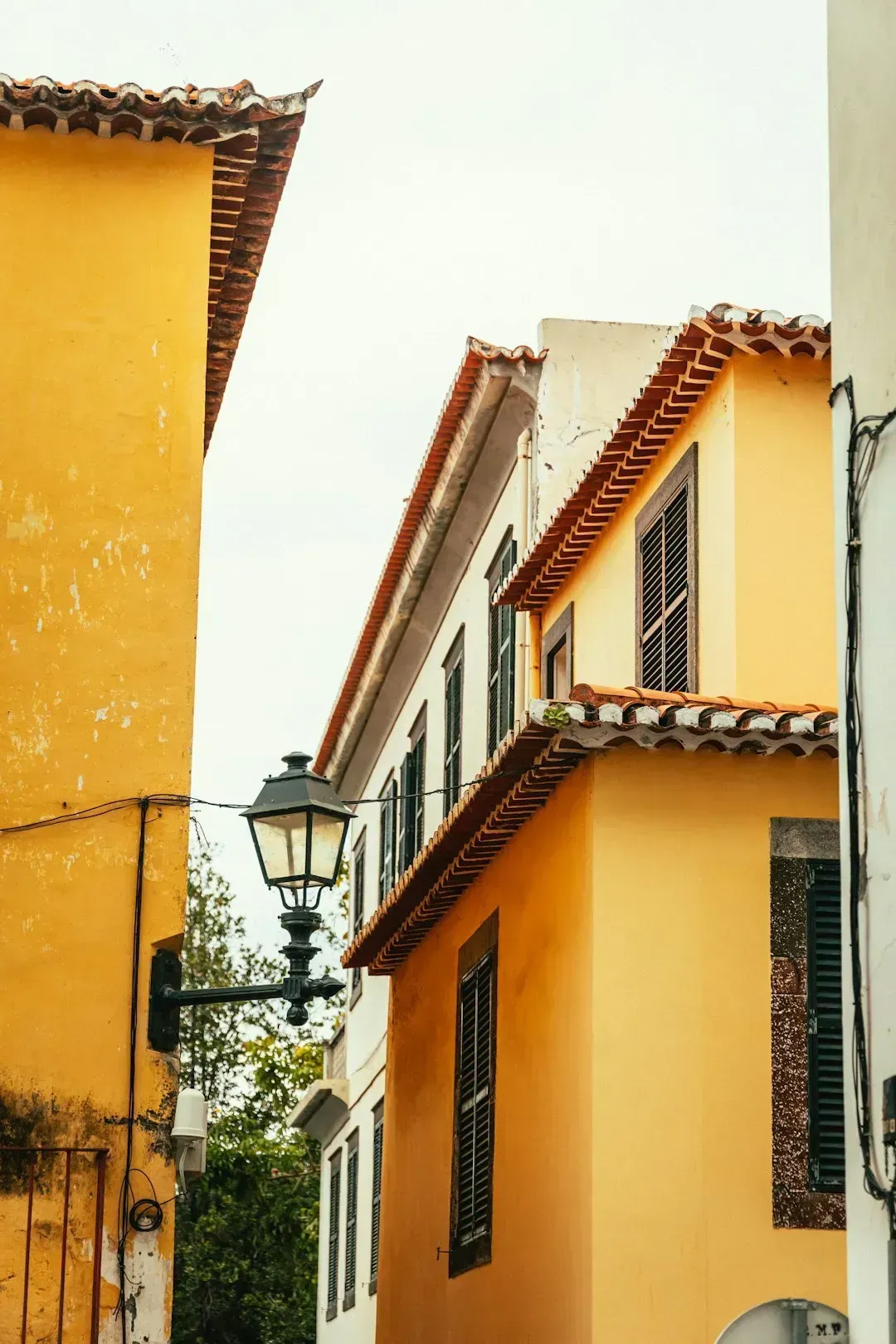
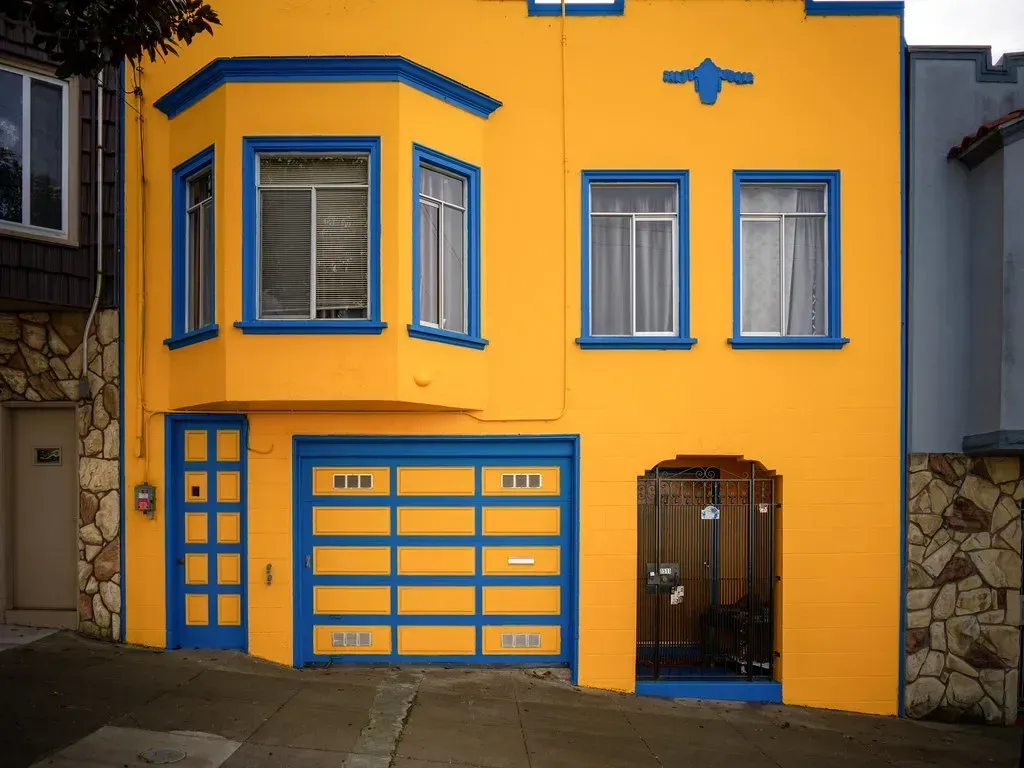
Most bright exterior paint colors can be bad news for resale, and yellow is one of the worst offenders. Zillow revealed that yellow-painted houses sold for $3,408 less than houses in other hues. The problem isn’t yellow in all its forms – it’s the loud, high-intensity version that reads like a fast-food chain from the curb. Zillow’s home trends expert Amanda Pendleton explained that “high-intensity colors are associated with lower offer prices,” noting that a bright yellow living room can lower the sales price by about $3,000.
Once popular in mid-century homes, mustard yellow now reads as outdated. It’s hard to pair with modern finishes and often casts an unflattering light in photos and in person. If you’re updating your home for resale, steer clear. The color tends to age poorly in listing photography as well, which matters enormously in a market where most buyers start their search online. Bold colors signal a few unhelpful things to potential buyers, including high maintenance assumptions and the sense that design choices may already be fading.
2. Deep, Saturated Red
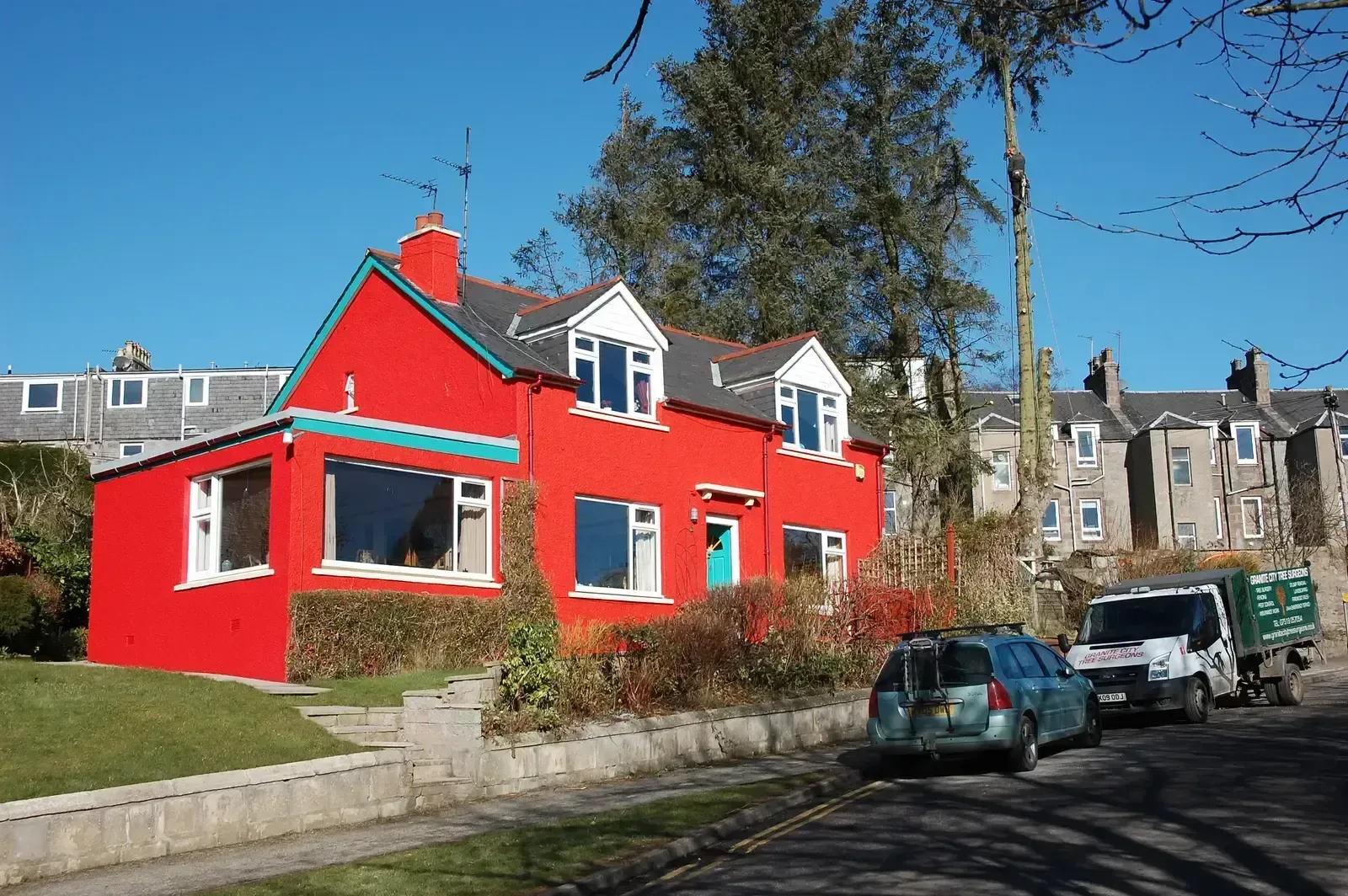
Red is a strong color and doesn’t align with everyone’s tastes. Several real estate professionals agree that deep shades of red are a no-go when it comes to resale value. On an exterior, bright red is especially punishing because it dominates the visual field, making the home difficult to photograph well and hard to envision against changing seasons and landscaping. According to a survey of home staging and design professionals conducted by Fixr.com, red is the most off-putting color for buyers.
Loud, polarizing colors like neon, bright red, or dark green can make spaces feel small or outdated and turn off potential buyers. When buyers see a red exterior, they’re mentally calculating repainting costs before they’ve even stepped out of the car. When buyers see bright or unusual paint colors, they don’t think “fun” or “stylish” – they think “project,” “expense,” and “time,” and in a competitive market, the last thing you want is to give buyers a reason to walk away.
3. Neon or Fluorescent Shades
If a buyer glances toward a home painted in Pepto Bismol pink or a blinding neon green, it could instantly sour their impression. Neon and fluorescent colors on a home exterior represent perhaps the single most damaging category of all, because they signal a complete disconnect from market norms. Real estate professionals warn, “No matter what your house color is, I would avoid anything neon for a front door color” – let alone the entire exterior.
Neon colors are a big no-no, and even seemingly safe bold bets can ding resale value. The marketing damage is compounded in the digital age: listing photos are the first point of contact for most buyers, and a fluorescent exterior often leads to immediate disqualification in online searches. As Kayla Hein, Creative Director at Modern Castle, advises: “If you’re most concerned with being able to quickly resell this home, avoid bright colors. While these may look good on Pinterest, it’s a rare case when a bright home exterior is the best choice. Furthermore, bright homes tend to be a very personal choice. They’re generally not a good choice for the average buyer and can make it harder to sell a home.”
4. Overly Bright or Saturated Pink
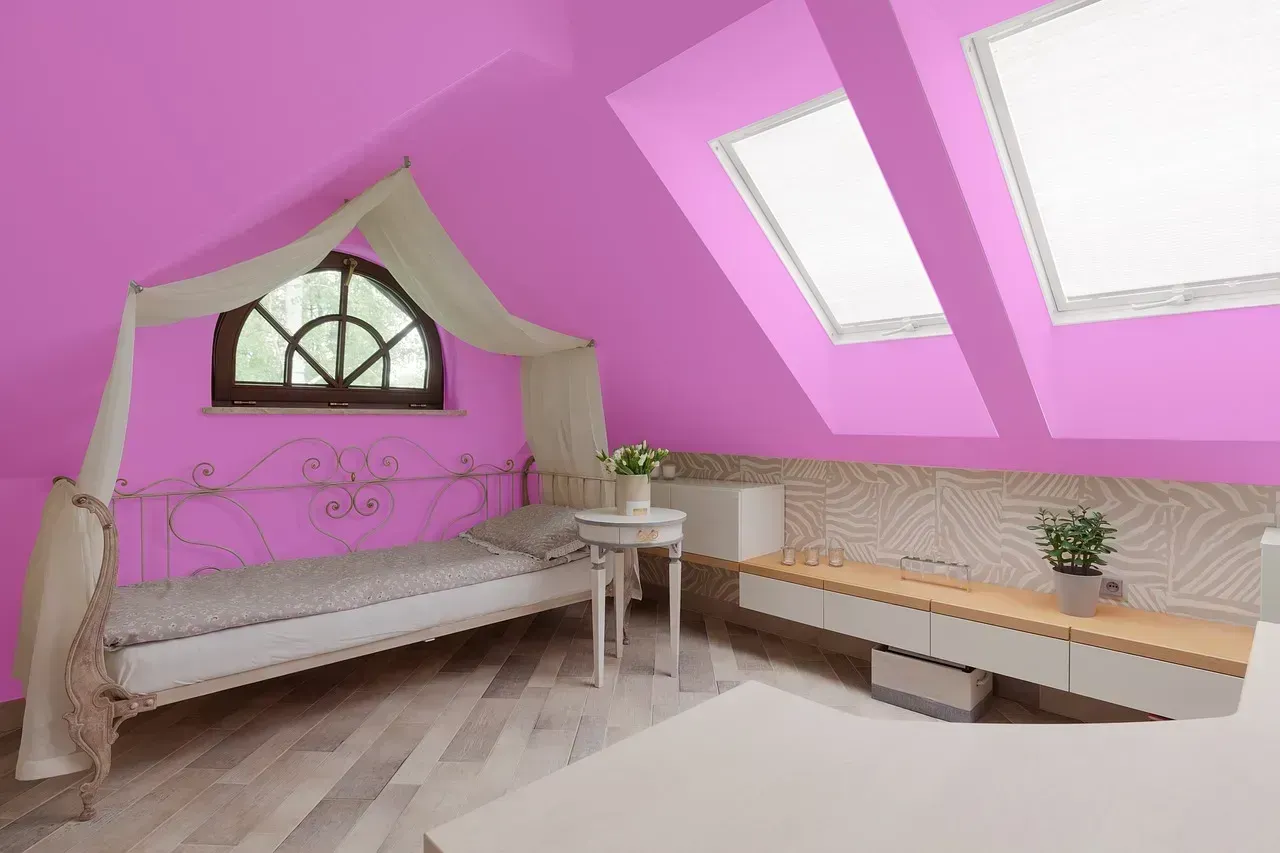
Many buyers find pink off-putting or hard to envision with their own design preferences, which directly limits resale appeal. Pink exteriors are especially risky because they carry strong stylistic associations that alienate a wide segment of buyers. The color can feel kitschy, dated, or out of place in most American neighborhoods, regardless of architectural style. Real estate professionals recommend avoiding bright reds and greens and keeping pink out entirely – while the idea of a bold pink exterior might seem appealing, it can significantly hurt the resale value of your home.
In real estate, the goal is simple: attract as many qualified buyers as possible. When your home’s paint color screams a very specific style, you narrow your buyer pool. Bold colors are also more likely to be associated with a specific era or trend – one that may already be fading. If a muted or blush tone appeals to you, design professionals suggest going for muted terra cotta or blush tones, as these feel more sophisticated and can actually work well with the right accent colors.
5. Stark, Blinding White Without Contrast
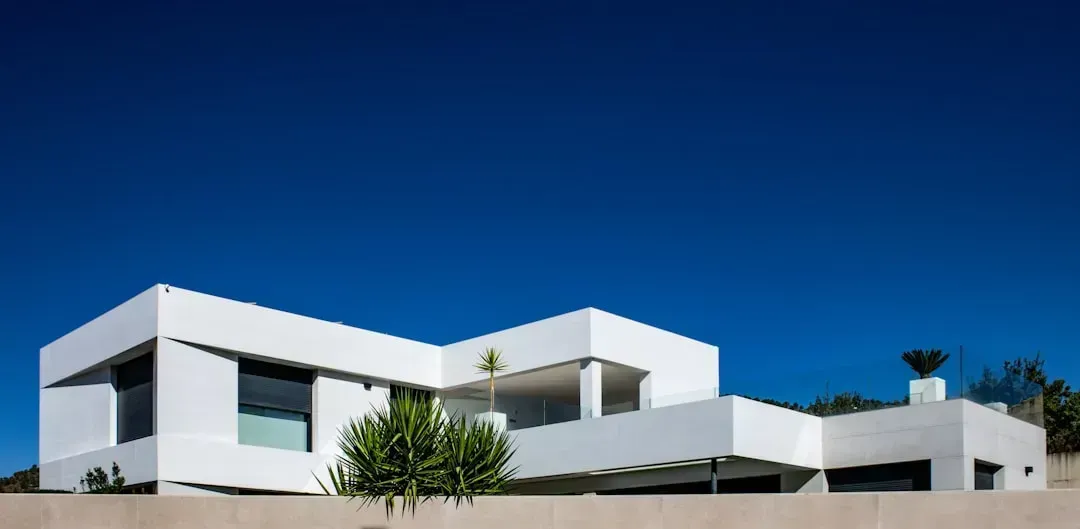
White will always remain a classic color choice, but too much of it can wash out your home, especially in bright sunlight or snowy climates. Stark white reflects light aggressively, making a home harsh to look at, and without contrasting elements it can feel sterile and boring. Dirt and grime are also more noticeable on pure white exteriors. This is a trap that catches many sellers who assume “clean and white” is a safe universal choice. Professional application and color strategy both matter, and poor execution with visible brush marks, uneven coverage, or sloppy edges can actually hurt your home’s value by suggesting DIY shortcuts or maintenance issues.
According to Zillow research, the most attractive exterior color to new homebuyers lands somewhere between light gray and beige – or “greige” – a soothing color with an organic feel. A completely unrelieved white exterior, by contrast, signals a lack of design intent rather than timeless elegance. Appraisers specifically look for signs of deferred maintenance, and tired paint can signal neglect even when the home’s structure and systems are sound, so fresh paint in the right colors helps counter negative perceptions that might otherwise hurt your appraisal value.
What the Data Says About Color and Market Value
Painting your house can add significant value, with exterior painting potentially increasing home value by 2 to 5 percent and interior painting offering a return on investment of about 107 percent. That potential return evaporates quickly when the wrong color is chosen. According to real estate market data and recent home staging surveys, homes painted in neutral tones tend to sell faster and at higher prices. The financial stakes are real: the median existing home price reached $415,200 in September 2025 according to the National Association of Realtors, and with mortgage rates hovering near 6 percent, every dollar of appraised value matters more than ever.
Homes with white, beige, gray, or off-white exteriors typically perform better sales-wise than their rainbow counterparts, and a 2022 survey by Opendoor illustrates that most homes studied were gray at 30 percent or beige at 26 percent. The market signal is clear and consistent across regions. As Jason Kraus from RE/MAX Advanced Realty has noted, bold color choices are very personalized – while they suit homeowners making decisions for their own homes, they still aren’t the best idea for resale. When painting an exterior to sell, staying neutral remains the strategy, because the goal is to appeal to the largest buyer pool. A bold color may limit your buyers.