10 Home Improvement Projects That May Require Permits
Most homeowners dive headfirst into renovation plans, picking out paint colors and comparing contractor quotes, before ever asking the one question that could save them thousands of dollars and mountains of stress: do I need a permit for this? It sounds like a minor bureaucratic detail. Honestly, it’s anything but. Building permits are written authorizations issued by a city or county to construct a project, and they are required by law or local ordinance for most types of construction or remodeling projects.
The tricky part is that rules vary wildly from one municipality to the next. What requires a permit in one city might be totally fine in the next town over. Still, there are categories of work that almost universally raise a red flag with local building departments, and knowing them ahead of time can protect your investment, your safety, and your ability to sell your home someday. Let’s get into it.
1. Structural Changes: Removing or Adding Walls
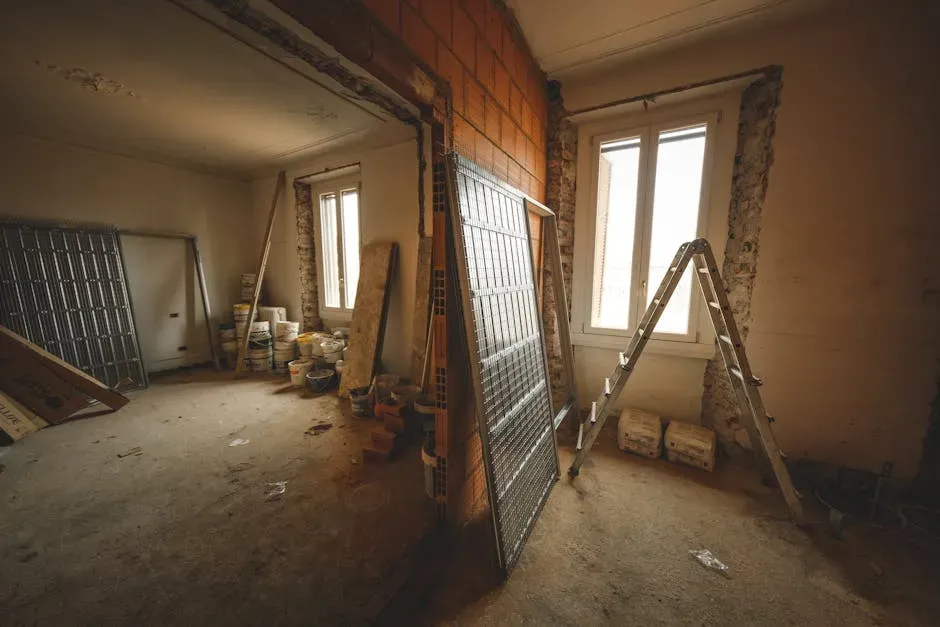
Here’s the thing – tearing down a wall to create that open-concept kitchen you’ve been dreaming about feels like the ultimate home upgrade. These types of projects almost always require a permit to ensure that the work maintains the structural integrity of your house, and without one, you might accidentally compromise a load-bearing wall, leading to disastrous consequences for your home’s safety and long-term value.
Even if you’re not adding any structures or expanding your home, you will usually have to obtain a building permit for interior remodeling that involves the addition or removal of a load-bearing wall. Your house literally depends on its load-bearing supports, and any alteration is a major structural change that must be done with professional planning and supervision. Think of it like removing a support column in a parking garage. You really, really don’t want to guess on that one.
2. Electrical Rewiring and Panel Upgrades

Many homeowners assume that swapping out a light switch is the same as rewiring a room. It is not. Minor work like changing a light fixture is unlikely to require a permit, but the large changes must be overseen – specifically, adding electrical wiring, adding circuits, replacing your electric panel, or rewiring your home.
In most cities and towns across the U.S., permits are required for any project that touches the structural integrity, wiring, or plumbing of your home. The stakes here are particularly high. There is a reason these permits are required and why the government is so careful about certain projects. If you alter wiring without the proper permits or training, you could put your home at risk for a fire. That risk doesn’t go away just because nobody is watching.
3. Plumbing Work: Adding or Relocating Pipes

Adding a bathroom, moving a kitchen sink, or running new water lines into a basement are exactly the kinds of projects that land homeowners in hot water (no pun intended) when they skip the permit stage. You’ll need a plumbing permit for projects that involve changes to your home’s water supply, drainage, or sewage systems. It’s not about fixing a leaky faucet – that’s typically fine without paperwork.
If you alter plumbing without the proper licensing, not only could you flood your own house – you may affect your entire neighborhood’s water and plumbing systems. That’s a sobering thought. Renovations that affect multiple systems, like adding a bathroom where new walls, plumbing, and electrical work will be done, may require separate permits that focus on each part of the work. So what starts as “just a bathroom addition” can quickly become a multi-permit undertaking.
4. HVAC Installation and Replacement
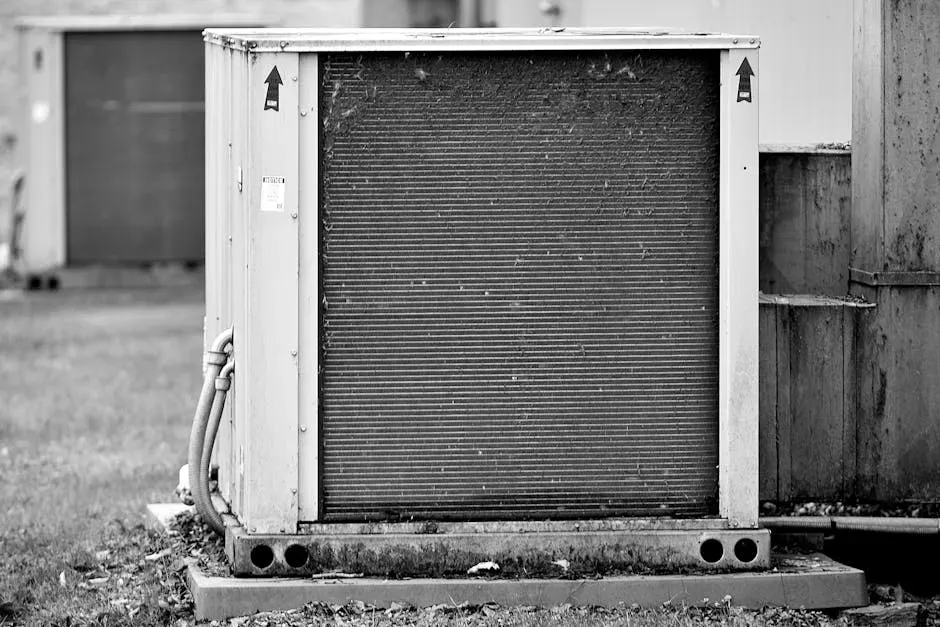
Here’s one that surprises a lot of people. Even replacing your old furnace or air conditioner with a brand new one can require a permit. You almost always need a permit to replace HVAC equipment. Most U.S. building departments treat any installation or modification of heating or cooling equipment – including a one-for-one swap – as “mechanical work,” which requires a permit and at least one inspection.
An HVAC system interacts with various elements of your home, including electrical wiring, gas lines, and ventilation pathways. A permit ensures that the replacement aligns with current codes, reducing risks such as electrical fires, gas leaks, or inefficient system performance. In some states, the rules are getting stricter, not looser. Effective for permit applications submitted on or after January 1, 2026, the 2025 Building Energy Efficiency Standards will expand the use of heat pumps and strengthen ventilation requirements for both residential and commercial properties.
5. Deck and Patio Construction
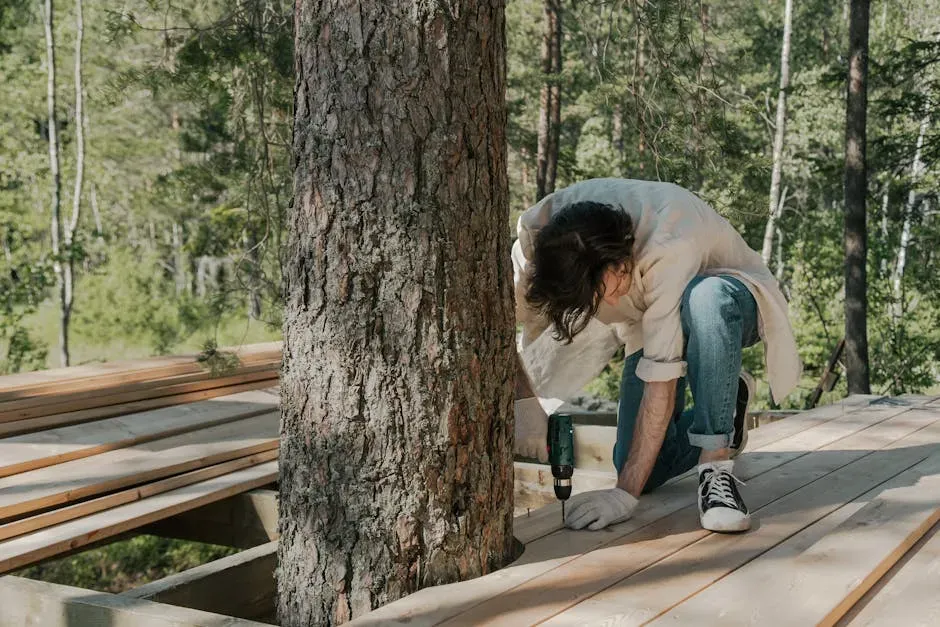
Building a deck feels like a classic weekend project. Grab some lumber, grab some friends, and you’ve got a backyard hangout by Sunday evening. The reality is a little more complicated. A simple ground-level deck is within the skill level of most DIYers, but you’ll probably still need a permit for the work.
Homeowners constructing decks or patios must meet specific guidelines regarding height, load capacity, and railing safety. These aren’t arbitrary rules. A deck that’s not properly attached to the house, or one with undersized footings, can collapse under the weight of a full family gathering. If you’re adding outdoor living spaces or room extensions, they also come with strict permit requirements, and building codes often dictate specific design criteria, including how close the structure can be to property lines and what materials to use.
6. Roof Replacement
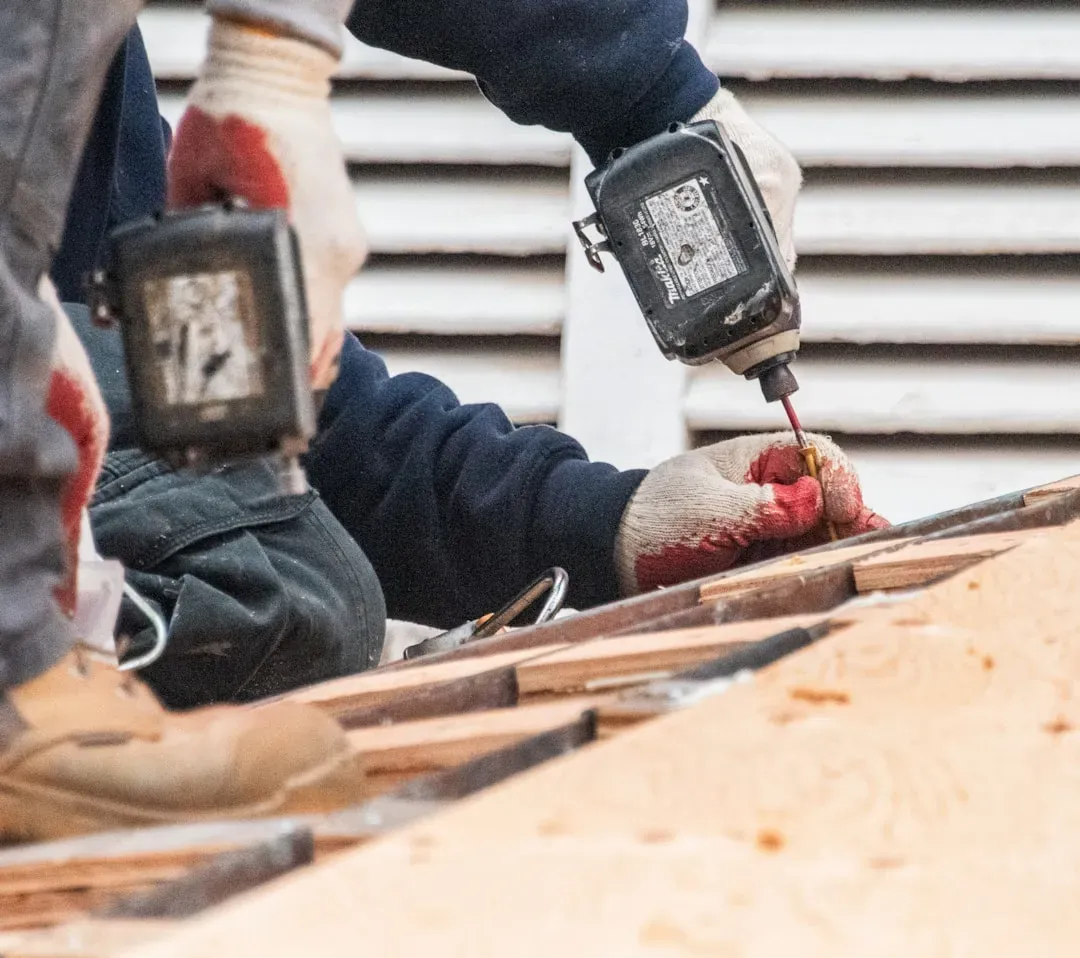
Full roof replacements are one of those projects where many homeowners assume a contractor just handles everything behind the scenes. Sometimes they do. But the permit question still falls partly on you as the homeowner. Larger projects like full roof replacements, structural changes, or major electrical and HVAC work nearly always require a permit. Most significant renovations require permits, including roof replacements, siding, decks, additions, electrical upgrades, plumbing changes, HVAC replacements, and structural modifications.
Skipping this step can come back to bite you in a really painful way. Homeowner’s insurance policies may have clauses regarding unpermitted work. If a problem arises with your roof that is linked to unpermitted repairs or replacement, your insurance claim could be denied, leaving you responsible for the full cost of repairs. I think that’s the kind of detail most people only learn the hard way. Don’t be that person.
7. Home Additions and Room Extensions
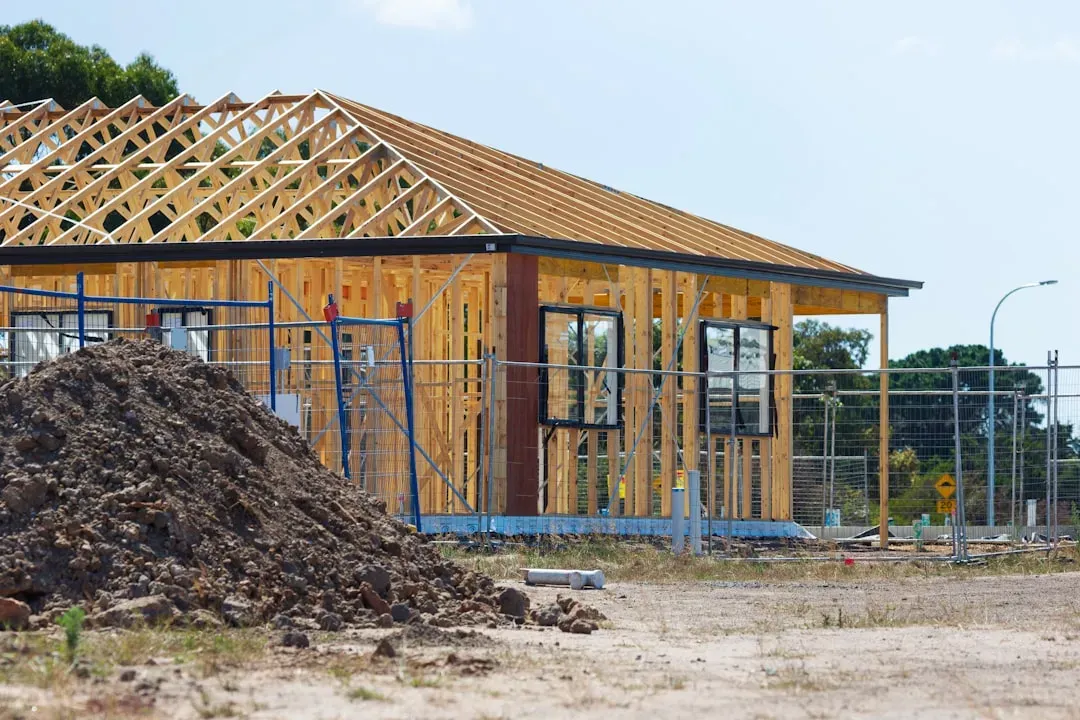
Adding a sunroom, a second story, or even a simple bedroom extension is a major undertaking that involves almost every trade imaginable. Building a home addition is a complicated home improvement project, so depending on your plans for the construction, you’ll need several different types of permits before you begin. In almost all municipalities, you’ll at least need a general construction permit to build a home addition.
All permanent improvements to your land, including home additions, will require permits. You may get fined or have to demolish your home addition if you fail to pull permits. Demolition. As in, tearing down what you already built. Permits for home additions cost between $500 and $2,000 and can climb higher in some areas – which is a relatively small price to pay compared to the alternative of forced removal.
8. Swimming Pool Installation

An in-ground pool is essentially a permanent structure in your backyard, and it should come as no surprise that it triggers a serious permitting process. Swimming pools are very different from any existing structures, so local municipalities set specific requirements for their construction. Regardless of the town or county of residence, the property owner does not have the right to install the pool wherever they want, as there are setback requirements.
A swimming pool permit costs roughly $100 to $300, not including the site plans or drawings. Above-ground pool permits are cheaper, and some cities do not require permits for pools under a specific size. Many cities also require plumbing and electrical permits for swimming pools. So the permit itself may be relatively affordable, but the overall compliance picture is more complex than the base fee suggests. It’s hard to say for sure how much the whole process costs without checking locally, but expect multiple permit categories to apply.
9. Basement Finishing and Conversion
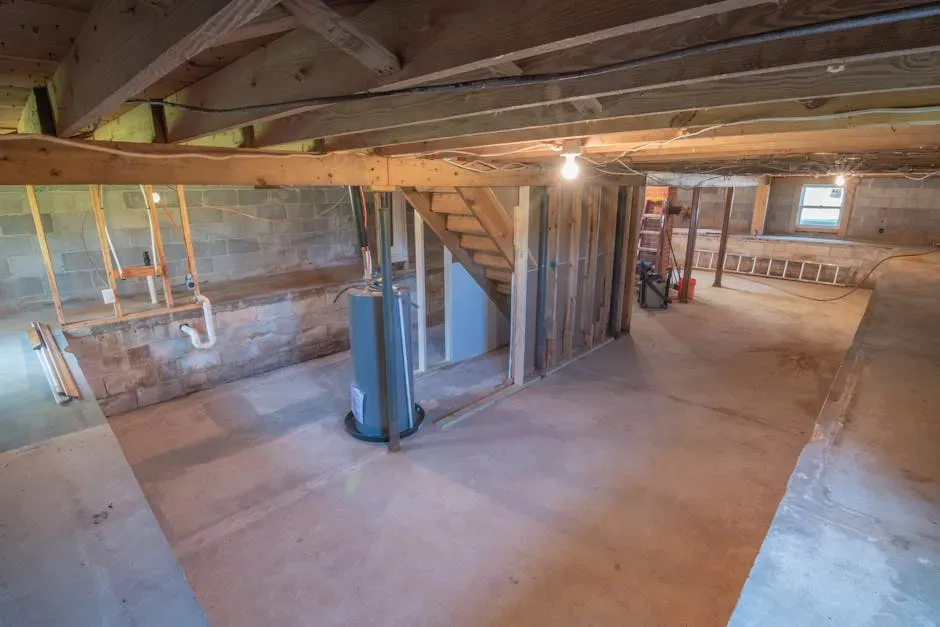
Transforming an unfinished basement into a proper living space, home office, or family room is one of the most popular renovation projects in North America. It also almost always requires a permit. While a basement remodel is a great DIY project, particularly if it was originally unfinished, it still requires a permit. It’s especially important to adhere to code requirements about clearance around the electrical breaker box, furnace or other mechanicals.
You’ll likely need a permit to remodel if you’re altering mechanical, electrical, or plumbing (MEP) systems, even if the layout stays the same. That catches a lot of people off guard. Even if you’re not moving walls, touching any of those systems likely triggers the permit requirement. Cities can issue stop-work orders, fines, or even require you to tear out completed work if it wasn’t inspected and approved. There goes your finished basement, and your weekend mood.
10. Garage Conversion or ADU Construction

Converting a garage into a living space or an accessory dwelling unit (ADU) is one of the hottest home improvement trends of the 2020s, particularly in states like California where housing demand is intense. Building a new garage or driveway, or even converting a garage into livable space, usually requires permitting. This is true even when the structure already exists.
Most garage-to-ADU projects require zoning review, permits, utility upgrades, and interior build-out, with timelines typically spanning several months depending on city review, scope, and structural conditions. The good news is that permitting processes have been streamlining in many cities. Though garage ADUs must obtain a building permit like other types of ADU construction, the permitting process for garage conversions can be faster, as the exterior structure is already built. Still, cutting corners here is a serious mistake. Building without permits is incredibly risky, as it can result in stop-work orders, mandatory demolition, and fines up to $5,000 per violation.
The common thread running through all ten of these projects is simple: when in doubt, check. Permits are an additional form of consumer protection, ensuring projects will be completed in accordance with the most up-to-date building codes. A quick call to your local building department costs nothing and could save you from a very expensive mistake. If you try to sell your home in the future, unpermitted renovations could impact the home’s value and make it more difficult to sell. Your future self – and your future buyer – will thank you for doing it right the first time. What project are you planning next?