Why Creative Burnout Is Rising – and How Some Avoid It
Creative work has always carried a certain weight. The expectation to produce something original, on demand, across multiple platforms, while managing clients, algorithms, and your own psychological reserves, is a peculiar kind of pressure that most other professions don’t quite replicate. It’s the kind of pressure that doesn’t announce itself loudly. It builds quietly, then one day the blank page just stays blank.
What’s different now is the scale. The data coming out of the mid-2020s tells a consistent story: creative professionals are burning out at rates that outpace the broader workforce, and the systems meant to support them have largely failed to catch up. Still, some people are managing it differently. Understanding what separates them from the rest is worth a closer look.
The Numbers Are Hard to Ignore
The 2024 Mentally-Healthy Survey revealed that seven in ten professionals in the media, marketing, and creative sectors experienced burnout in the past 12 months, highlighting ongoing challenges related to workload, expectations, and the evolving nature of workplace environments. That isn’t a marginal finding. It means the majority of people working in creative fields are regularly hitting a wall.
The burnout rate in the creative sector was notably higher than the broader Australian workforce, with creative professionals reporting burnout at roughly seventy percent compared to around fifty-three percent of workers overall. Similar patterns have emerged across the US and UK. Research from global creator-first agency Billion Dollar Boy found that over half of creators surveyed have experienced burnout as a direct result of their career, with nearly two in five seriously considering leaving the industry.
What Makes Creative Work Uniquely Draining
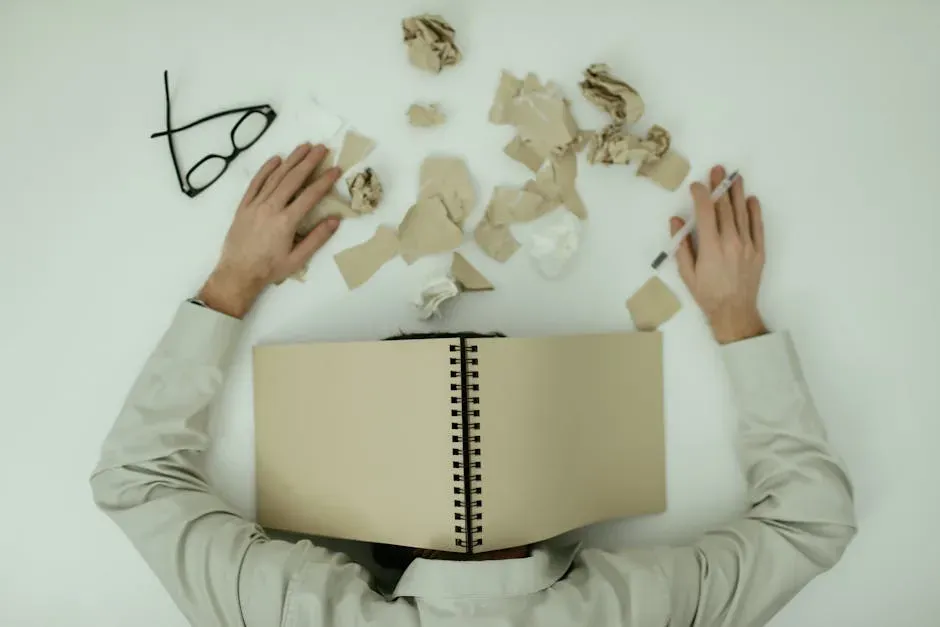
Many creatives view their work as a calling rather than a job, which can complicate the work-life balance and increase self-imposed pressure. When your work is your passion, the lines between personal fulfillment and professional demands blur, often leading to overwork and mental exhaustion. This is the core tension. The very thing that draws people to creative fields becomes the mechanism that traps them.
Research by Professor Mark Deuze of the University of Amsterdam argues that the industry’s reliance on workers’ passion normalizes exploitation, noting that what makes media work special, including creativity, autonomy, and storytelling, is also what traps people in cycles of self-sacrifice. The unpredictable nature of creative work, often characterized by tight deadlines, financial instability, and high expectations, contributes significantly to mental health challenges.
The Algorithm Problem
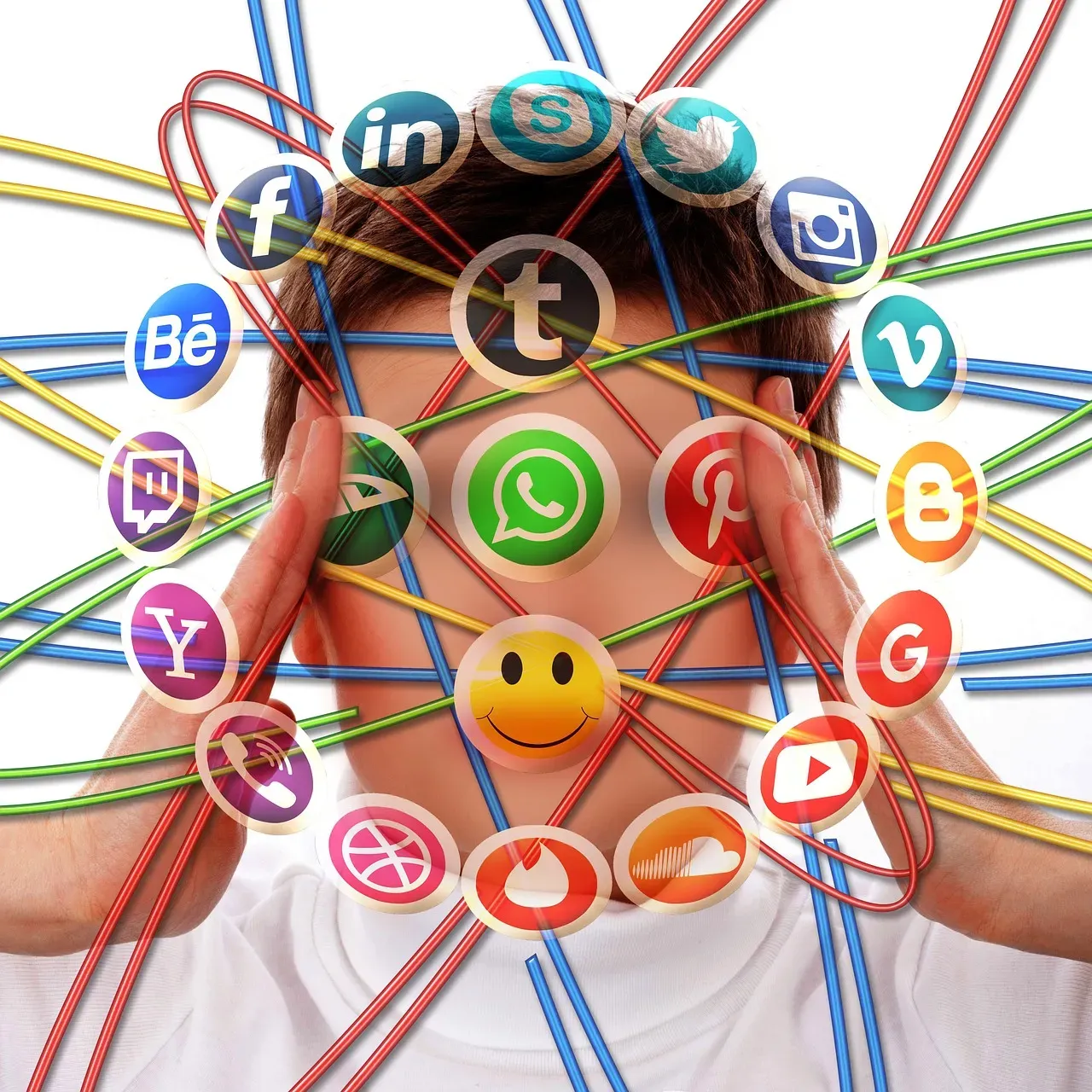
The digital realm demands a constant stream of content, pushing creators into an unrelenting cycle. The expectation of daily posts on platforms like TikTok and Instagram Reels leaves little room for rest or creative incubation, and algorithmic shifts keep many in a state of constant adaptation, forcing them to chase trends without any assurance of consistent visibility or income.
Data shows a nuanced picture, with UK creators reporting screen time as a more significant stressor, while US creators are more affected by the pressure of navigating the demands of platform algorithms. The need to continuously produce content to maintain visibility and income, in an environment that typically rewards only a high-performing minority, exacerbates self-exploitation and burnout. The platforms aren’t neutral; they’re structurally demanding.
AI: Pressure Relief or New Pressure Source?

Three quarters of surveyed workers were using AI in the workplace in 2024, but instead of experiencing liberation, many found themselves caught in an efficiency trap. A survey of over a thousand US workers in 2024 revealed that three in four employees expressed fear about AI use and were concerned it may increase burnout. Faster tools don’t automatically mean lighter loads if the goalposts simply shift further.
As time savings in one area immediately convert to increased expectations in the same domain, workers who experience this dynamic report feeling simultaneously more productive and more overwhelmed. The cognitive assistance that should create space for higher-order thinking instead fills schedules with exponentially increased task volumes. Yet some creators are turning AI into a genuine relief tool, integrating it into their content creation process to tackle time pressure, burnout, and creative fatigue.
Mental Health Is Worse in Creative Fields Than Most People Realize

A study by Creative Many reported that nearly half of creatives have faced depression during their careers, a figure substantially higher than the general population’s lifetime prevalence. Depression isn’t just an outcome of burnout in this context; it runs alongside it, often silently. A 2024 survey by the UK’s Film and TV Charity found that more than a third of screen workers rated their mental health as poor or very poor, with a significant proportion considering leaving the industry.
Gaming has long faced scrutiny due to extended periods of overtime before releases, which contribute to chronic fatigue and stress. When high responsibility meets high emotional investment, anxiety becomes normalized, and when anxiety persists without recovery, depression often follows. Younger professionals under thirty reported significantly higher levels of anxiety and depression, and those from marginalized groups showed considerably higher rates of anxiety than their counterparts in more privileged positions.
The Financial Instability Factor

When creators were asked to rank causes of burnout by severity, financial instability emerged as the number one factor among those who have experienced it. This is easy to overlook in conversations that focus primarily on workload or creative block. Money, or the absence of reliable income, is its own category of stress. Many professionals in creative industries, especially freelancers, face unpredictable work schedules, financial instability, and a lack of traditional workplace support systems like paid leave or health benefits, making them highly susceptible to burnout when stress and anxiety are compounded by tight deadlines and high client expectations.
Over half of creators globally earn under fifteen thousand dollars per year, with financial rewards heavily skewed toward the top. Earning thirty thousand dollars annually places a creator ahead of roughly eighty percent of the field. For most people working in the creative economy, financial precarity isn’t a side effect of the work. It’s a defining feature of it.
What the Research Says Actually Works
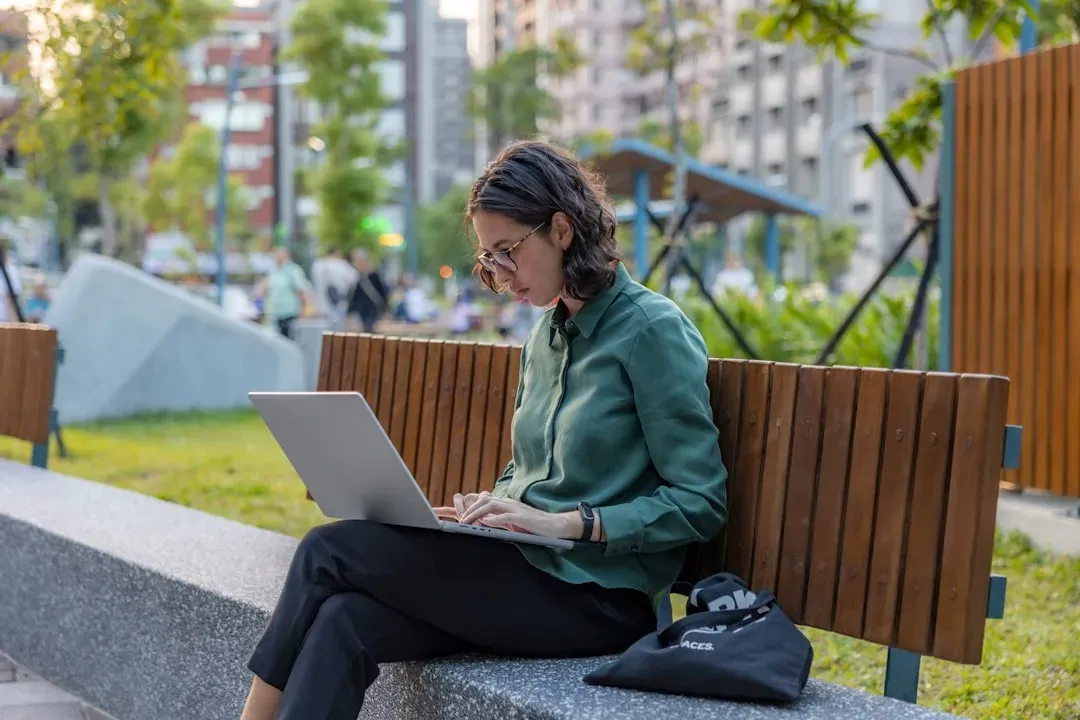
The 2024 Mentally-Healthy Survey found that flexible working environments were best for mental health, with those in flexible arrangements reporting the least amount of depression and anxiety. This doesn’t mean remote work is automatically protective. Those working from home showed higher levels of depression, while those working in an office showed higher levels of anxiety, suggesting that hybrid or flexible arrangements offer something that neither extreme alone provides.
Establishing firm boundaries between work and personal time is crucial for maintaining long-term creative health, though this is difficult with looming deadlines, and extended hours only impact the quality of the work as well as employees’ desire to stay. While occasional late-night work sessions may be inevitable in deadline-driven industries, they should not become the norm. The creatives who seem to navigate burnout most effectively are the ones who treat their working hours like infrastructure rather than a suggestion.
How Some Creatives Stay in the Game Longer
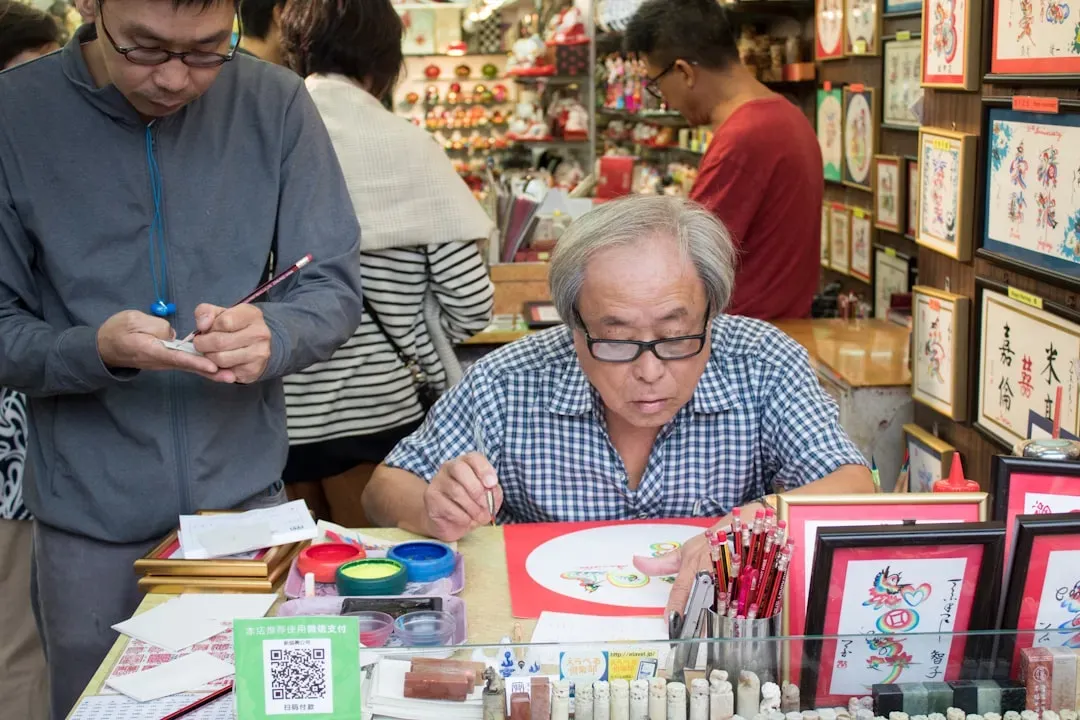
Practicing metacognition, which means thinking about one’s own thinking, includes being mindful of behavioral patterns, feelings, and stressors. This self-awareness allows individuals to recognize warning signs early and address them before they amplify into full-scale burnout. That kind of internal monitoring doesn’t come naturally to everyone, but it can be developed deliberately. Many creatives feel pressured to produce fresh ideas constantly, but experts argue that revisiting and reimagining existing projects can be just as valuable.
Creating something purely for personal enjoyment, with no goals, no audience, and no pressure, can refill the creative well and remind people why their craft matters in the first place. Alongside that, scheduling regular breaks, well-being days, and holidays allows for rejuvenation and prevents burnout from intensifying, with disconnection from work helping to restore mental health, especially when combined with community support and creative activities pursued outside professional obligations.
The Industry’s Role in All of This

Research reveals that both creators and marketers agree that responsibility for addressing burnout is shared across the industry, with nearly three quarters of creators believing that brands and platforms have a responsibility to protect their welfare. The challenge is that structural accountability often lags behind individual suffering. A surprising number of business leaders have stated they are not aware of relevant psychosocial hazards legislation, and the systemic changes ranked highest for improving mental wellbeing at work include commitment to better ways of working, clearer role descriptions, and more sustainable business models.
People who interact with creators daily, including talent managers, marketing teams, and platform representatives, need to be trained to recognize signs of burnout or distress, much as HR departments are in other industries. The goal isn’t just more wellness events; it’s about embedding mental health into the way the industry operates, from how creator programs are designed to how success is measured. That’s a meaningful shift in framing. Burnout isn’t a personal failing to be managed privately; it’s a structural outcome that requires structural thinking.
A Quieter Kind of Resilience
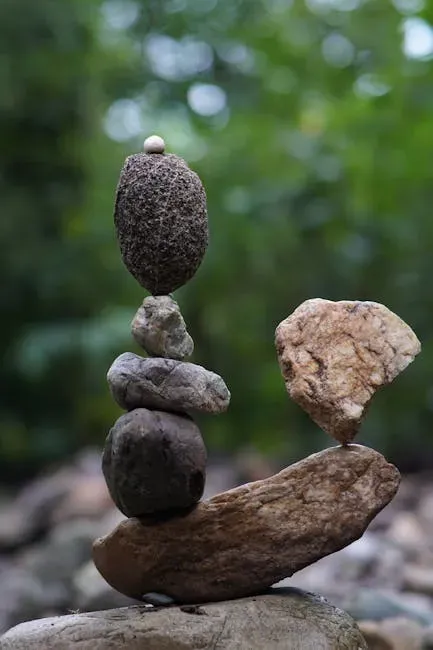
Addressing creative burnout will take a mix of personal habit changes like setting boundaries, cultural shifts like normalizing breaks and saying no to projects, and operational adjustments like smarter tools and workflows. The common thread is building a sustainable approach to creative work that values long-term wellbeing over short-term output. That framing matters. Sustainability isn’t about doing less; it’s about doing in a way that can continue.
In the current creator landscape, it’s not talent that separates sustainable creators from those who disappear. It’s balance. The ones who last are the ones who learn how to protect their creativity from their own workflow. That’s a harder lesson than any productivity hack. The creatives who avoid burnout aren’t necessarily the most disciplined or the most talented. They’re the ones who figured out, often through painful experience, that the work can’t be maintained if the person doing it isn’t maintained first.