The Overlooked Ingredients That Elevate Ordinary Recipes
Most home cooks already have a decent grasp on the fundamentals. Salt, pepper, olive oil, garlic. These are the building blocks that show up in nearly every recipe, and for good reason. But there’s a quieter category of ingredients that rarely makes it onto grocery lists on purpose yet routinely transforms the results in ways that are hard to explain at the table.
The difference between a dish that tastes fine and one that tastes genuinely memorable often comes down to a tablespoon of something unexpected. These aren’t exotic, hard-to-source items. Many are already sitting in the back of your fridge or pantry. They just don’t get the credit they deserve.
Miso Paste: Far Beyond the Soup Bowl
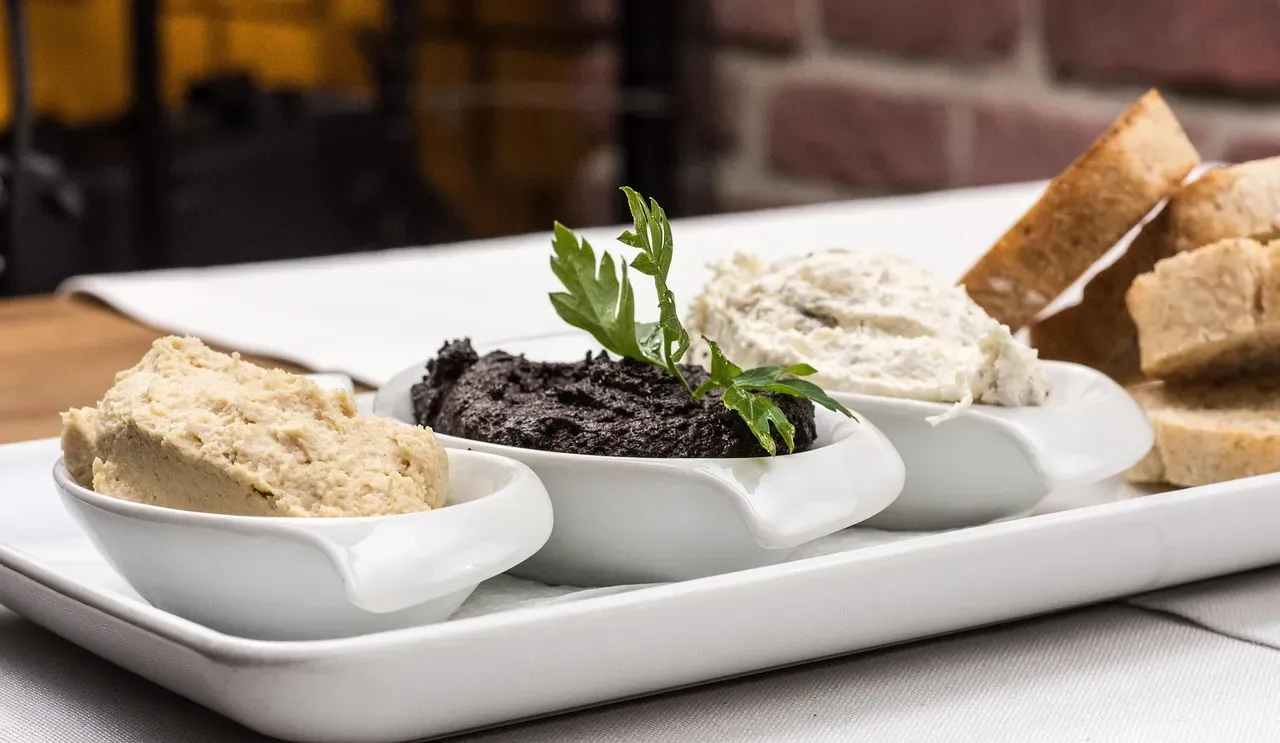
Miso paste is made of soybeans fermented with salt and koji, an edible mold formally known as Aspergillus oryzae. That fermentation is precisely what gives it such layered, complex flavor. Cooking with miso is like adding a natural umami flavor booster, suitable for everything from stews and marinades to coffee drinks and baked goods.
Miso comes in different varieties with slightly different flavor profiles: white (sweeter and mild), yellow (rich and earthy), or red (nutty and hearty). What surprises most cooks is where it works best outside of Japanese cuisine. Because it’s a fermented seasoning, miso paste contains probiotics, healthy bacteria which may boost your immunity, promote a healthier gut, and help alleviate some of the symptoms of depression and anxiety. Flavor and function rarely overlap this neatly.
Anchovies and Anchovy Paste: The Reluctant Pantry Hero

Anchovy paste packs a powerful punch of umami flavor, capable of transforming everyday dishes into culinary masterpieces. Most people who shy away from anchovies do so based on the whole fillet, but the paste behaves very differently in cooking. Used in small amounts as an ingredient for other dishes, anchovies bring a rounded saltiness to the overall flavor, and the fishy quality disappears when used this way.
Anchovy paste acts as a natural flavor enhancer in a way similar to MSG. When cooked, it dissolves and blends seamlessly, leaving no trace of fishiness. It’s also nutritionally worth noting: anchovy paste is rich in omega-3 fatty acids that support heart health and brain function, high in protein that aids muscle repair, and contains calcium, iron, and magnesium for bone and blood health.
Kombu: The Quiet Force Behind Deep Broths
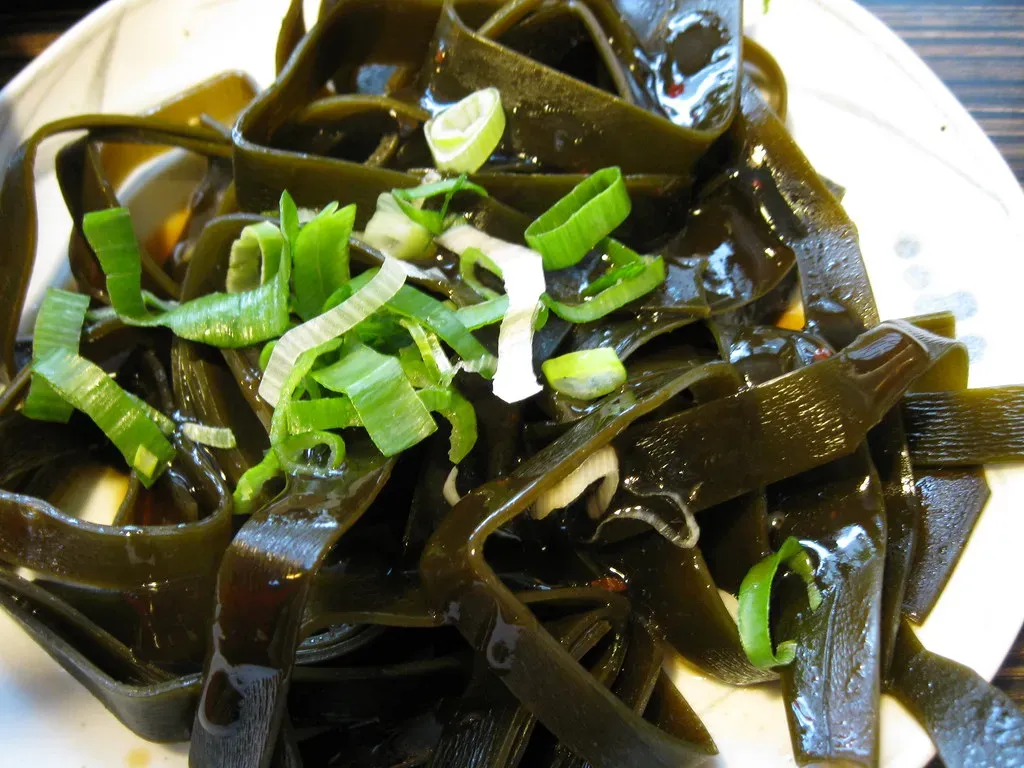
Recipes that feature nori have been prolific for years thanks to its use in sushi, but other forms of seaweed also have culinary applications, including wakame, hiziki, hijiki, and kombu. As one culinary instructor puts it, kombu is the essence of umami. It’s the foundation of dashi, the broth that underpins much of Japanese cooking, but its potential extends far beyond that single application.
Kombu is key in making dashi, a broth that serves as a base for many soups and sauces. Along with the rise in popularity of plant-based cooking, seaweed and other sea vegetables are expected to be front and center in the culinary conversation. Simply simmering a small piece of dried kombu in stock or soups adds a mineral depth that’s difficult to achieve otherwise, and it requires almost no active effort.
Tamarind: Sour, Sweet, and Totally Underestimated
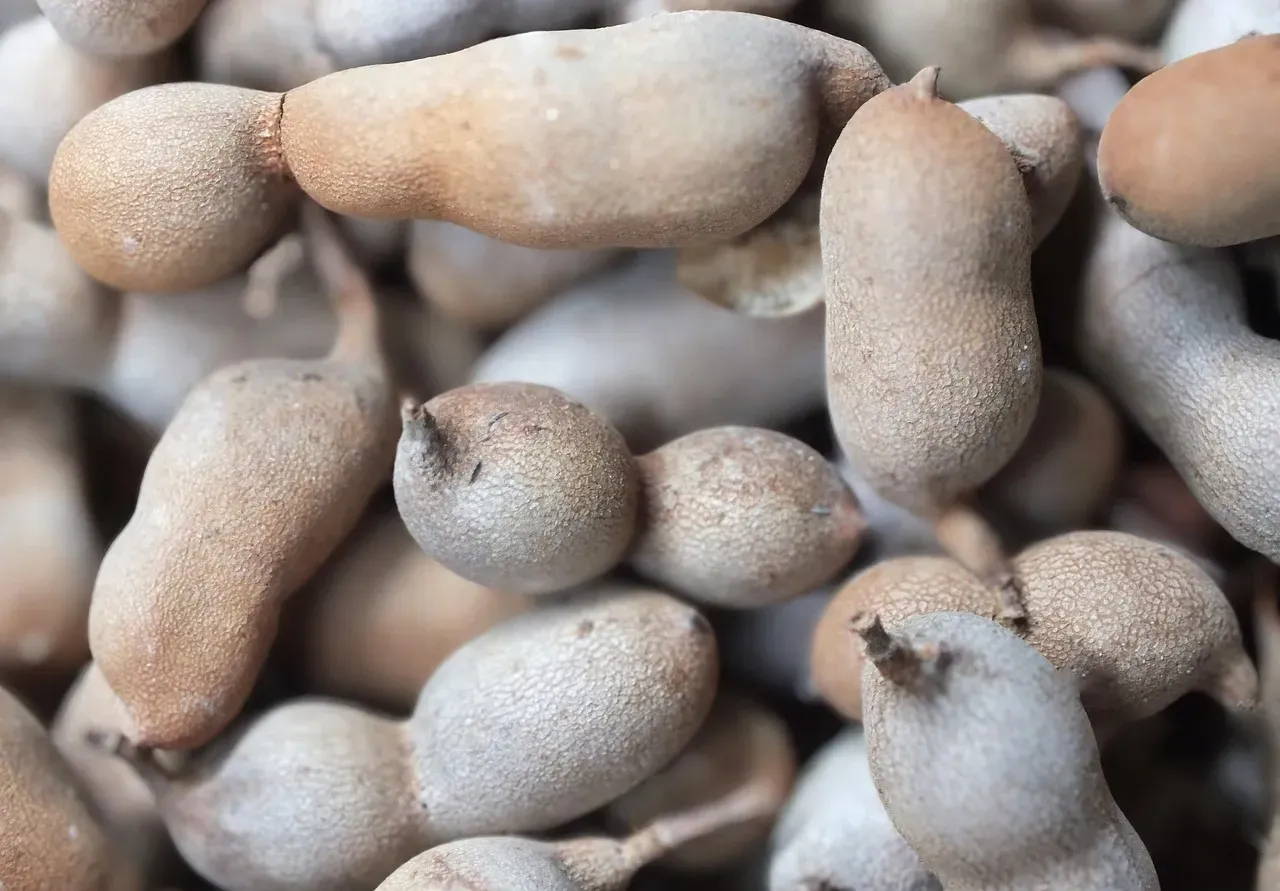
Both sweet and sour in character, and a staple of Southeast Asian cuisine, tamarind is the sticky pulp from a fruit pod produced by a tree from the legume family. Though familiar to many thanks to dishes like pad thai, tamarind is typically a background ingredient, though it’s expected to play more starring roles going forward. It adds a tartness to sauces and dressings that feels rounder and more complex than vinegar alone.
Tamarind paste works well stirred into braised meats, marinades, and even certain cocktails. Its natural sweetness means it can balance aggressively spicy or salty flavors without needing much sugar. The concept of “complex heat” is all about layering different flavors with a spicy element to create something special, and tamarind pairs naturally with this approach, whether in smoky chipotle marinades or aromatic ginger sauces.
Nutritional Yeast: The Vegan Secret with Universal Appeal

Nutritional yeast is a real insider tip, especially in vegan and vegetarian dishes. It delivers a cheesy, nutty quality that functions almost like a seasoning rather than an ingredient. Umami-packed miso paste and nutritional yeast together can evoke the savory, nutty quality of cheese in dairy-free preparations, making it a legitimate substitute rather than a compromise.
Sprinkled over pasta, popcorn, roasted vegetables, or stirred into soups, nutritional yeast contributes without drawing attention to itself. It’s one of those additions that makes people take a second bite and try to figure out why something tastes so good. Using flavor enhancers in various stages of cooking helps create different flavor notes, and a final sprinkle of something like seaweed flakes or powdered mushrooms just before serving adds noticeable depth and complexity.
Dried Mushrooms: Concentrated Flavor in Lightweight Form
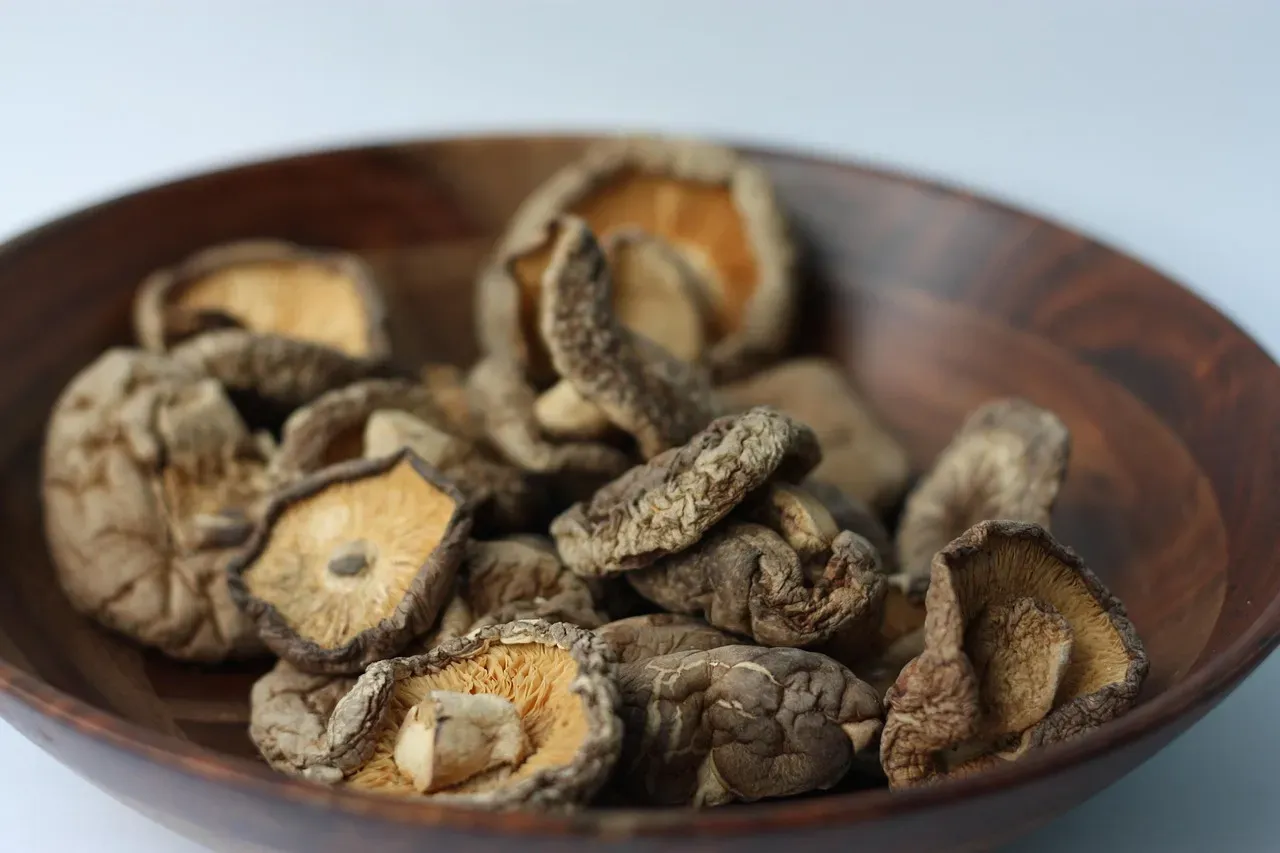
Pan-roasting portobello mushrooms until browned to the point of being caramelized intensifies their rich umami flavor, and shiitake mushrooms are also particularly high in umami flavor. The dried version concentrates all of that further. From a scientific perspective, both mushrooms and seaweed contain high levels of glutamate, which is one of the key compounds responsible for the umami taste, and glutamate is an amino acid found naturally in many foods but particularly abundant in these two ingredients.
Using dried mushrooms to make a homemade umami-rich seasoning blend is surprisingly effective. Simply grind the dried mushrooms into a powder and mix with salt, pepper, and other seasonings of your choice. A spoonful of that powder folded into a gravy, stew, or even scrambled eggs elevates the result significantly. It’s one of the most cost-effective flavor upgrades available in a standard kitchen.
Worcestershire Sauce: The Oldest Trick You’re Not Using Enough
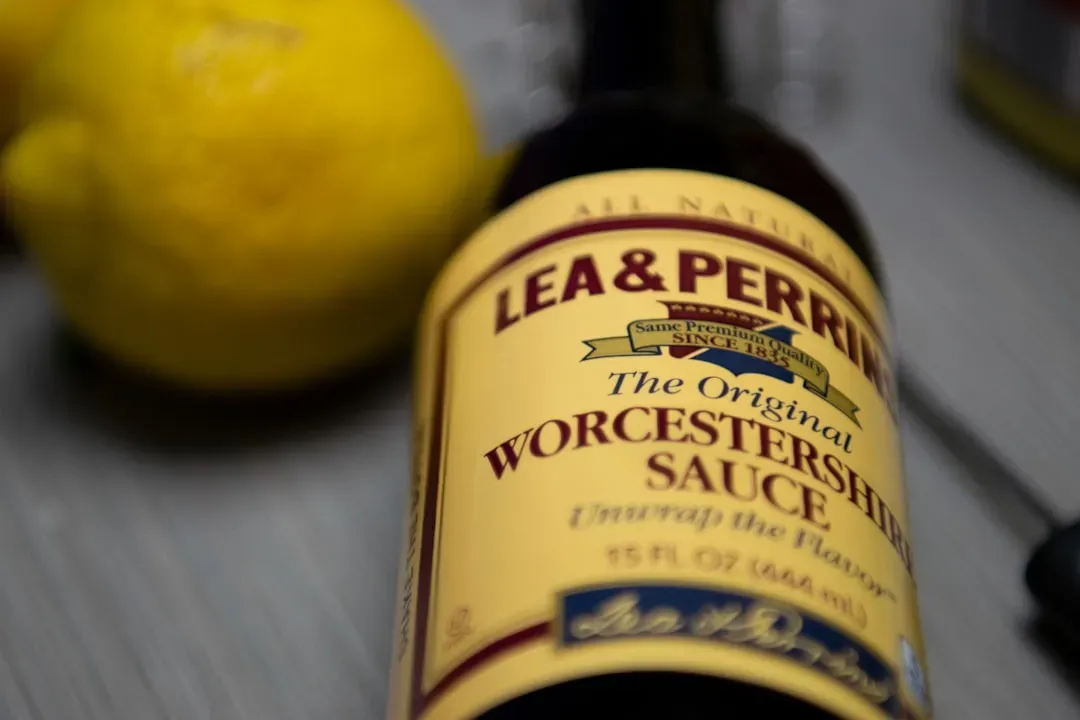
Seasoning with ingredients like soy sauce, fish sauce, or Worcestershire sauce works because they contain high concentrations of free glutamates and add that extra “pop” to any dish. Worcestershire is especially useful because its flavor profile is complex and layered: tangy, slightly sweet, with an earthy fermented undertone. Many cooks add it only to beef dishes, which significantly undersells it.
Incorporating umami into foods can reduce the reliance on salt, as umami enhances the perception of saltiness without diminishing overall flavor. A small pour of Worcestershire into a tomato-based pasta sauce, a marinade, or even a simple vinaigrette adds dimension without making the sauce taste specifically of Worcestershire. That’s the hallmark of a good background ingredient. It supports rather than dominates.
Sun-Dried Tomatoes: More Than a Salad Topping

Ripe tomatoes and tomato products like sun-dried tomatoes are rich in umami, making them perfect for sauces and stews or for refining dressings. The drying process removes water and concentrates both sugar and glutamate, which means a small amount carries a flavor load far beyond what fresh tomatoes can achieve. Tomatoes are high in the free form of glutamate which provides natural umami flavor, and roasting them further intensifies this. Roasted tomatoes also freeze well and serve as an excellent flavor booster for many dishes.
Chopped into pasta sauces, blended into dips, or roughly torn into grain salads, sun-dried tomatoes bring a sweet-savory intensity that fresh tomatoes simply can’t replicate. In pasta preparations, lightly fried sun-dried tomatoes alongside garlic, miso, and liquid smoke each add a savory layer of umami to a sauce that’s otherwise straightforward. Combined thoughtfully, they turn simple weeknight cooking into something that genuinely tastes considered.
Fermented Foods: The Science Behind Better Flavor
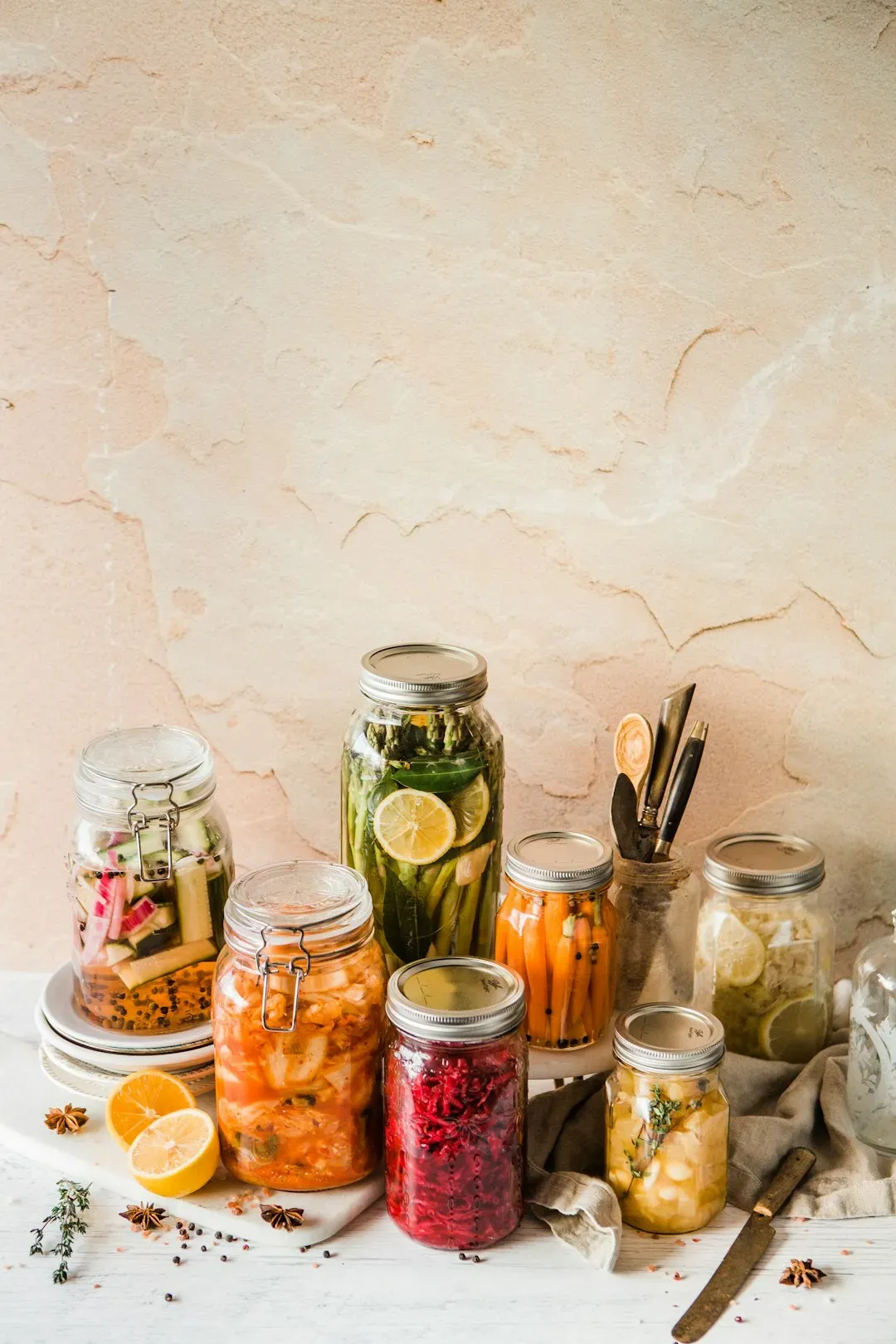
Aging and fermentation develop umami by breaking down proteins into amino acids such as glutamate. Foods like cheese and cured meats are classic examples where this is utilized, and fermentation involves the use of bacteria or yeast to alter the food, as seen with soy sauce or kimchi. These processes build complex flavors over time. That time investment shows up on the palate in ways that are worth understanding.
Fermented foods have high umami content, and ingredients such as miso paste and soy sauce are easy ways to bring that into your cooking. Flavoring ingredients from natural sources can provide several benefits in addition to giving umami flavor; they also provide health effects due to the content of secondary metabolites and antioxidant effects that are good for the body. Kimchi stirred into fried rice, a spoonful of soy-braised vegetables over plain grains, or kefir used instead of buttermilk in baking: these small swaps carry real weight.
Smoked Paprika and Dried Chilies: Heat That’s Actually Layered
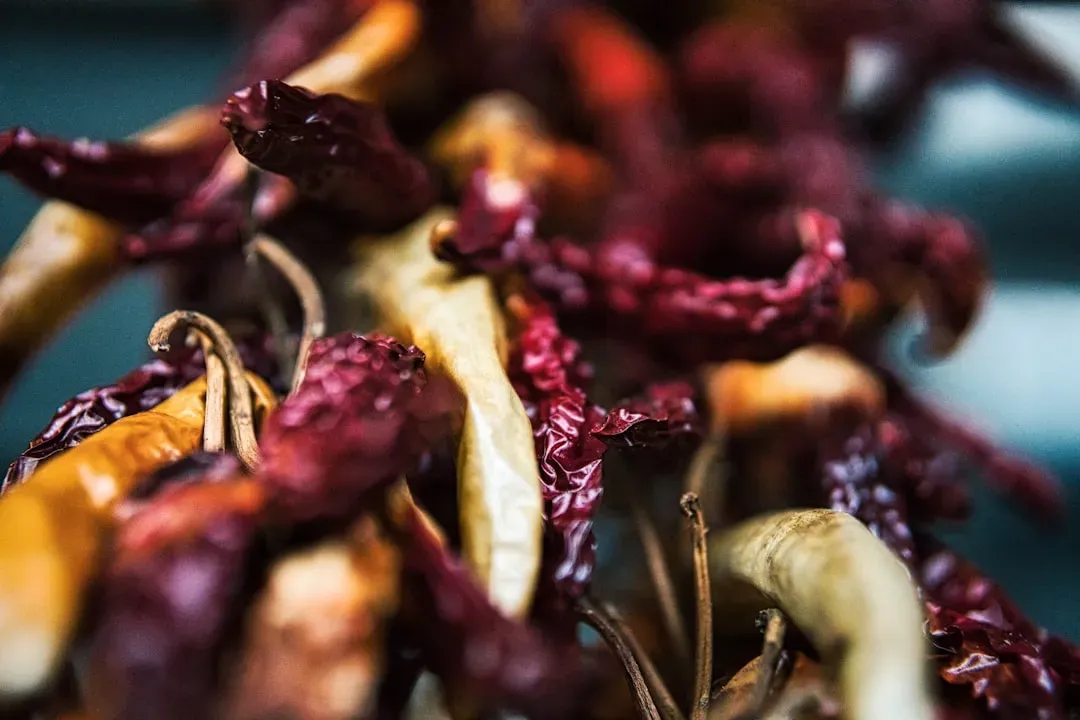
Within Latin American cuisine, peppers in both fresh and dried varieties are prolific, and forecasters have expected the broader market to increasingly celebrate them. Smoked paprika in particular works as a flavor booster rather than a heat source. Its smokiness mimics the Maillard reaction, tricking the brain into perceiving more depth even in dishes that haven’t been roasted or charred.
Dried chilies like guajillo, pasilla, and ancho are the most typical ones used in dishes like mole. They require more preparation than fresh, but the best approach is to lightly toast them to soften them up, remove the stem and seeds, soak them to make them more pliable, and then blend into sauces. Combining dried mushrooms, seaweed, and smoked paprika creates an umami blend that brings dishes to life in a way that’s genuinely surprising. The layering of smoke, earthiness, and mild heat outperforms any single spice by a wide margin.