Why Slow Travel Is Becoming More Appealing Than Ever
There’s something quietly radical about spending three weeks in a single Portuguese town instead of ticking off five European capitals. No frantic check-ins, no bleary-eyed airport terminals at dawn, no nagging feeling that you’ve only skimmed the surface of every place you’ve visited. Slow travel asks a simple question: what if the point of a trip wasn’t to see as much as possible, but to actually be somewhere?
That question is resonating more widely than ever in 2026. Slow travel is gaining popularity, driven by a desire to take a step back and enjoy immersing in different cultures for longer periods, explore less-touristy destinations, and think more sustainably about how we travel. The shift is visible in booking data, travel industry reports, and the growing number of people who are quietly choosing depth over speed.
The End of “Revenge Travel” and the Rise of Purposeful Trips
The era of “revenge travel” is now a thing of the past. Rather than traveling at any cost, consumers are slowing down and traveling more meaningfully, even if that means they travel less often. This isn’t a retreat from travel. It’s a recalibration of what travel is actually for.
Travel has become more purpose-driven, and when a trip has purpose, the spending that goes toward it becomes more meaningful. This mindset is driving up value and is expected to lift the market into a more equitable and sustainable future. Major industry analysts noted the shift across presentations at the World Travel Market in late 2024, calling it a consistent theme running through the entire sector.
What Slow Travel Actually Means in Practice
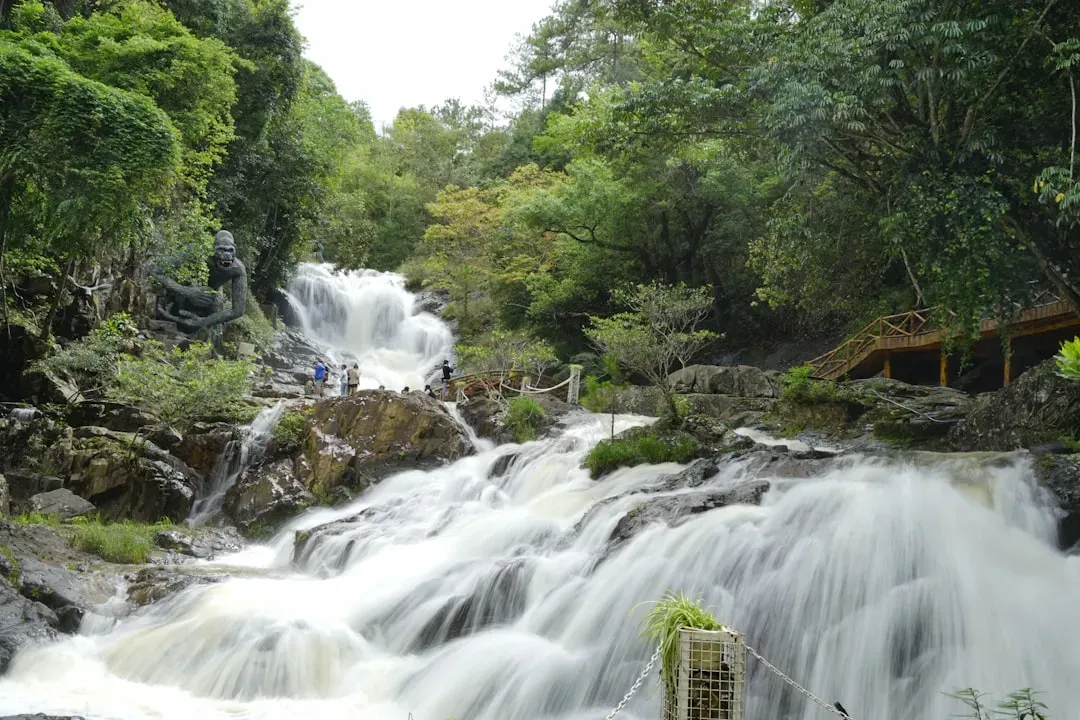
Slow travel is more about a mindset than a pace of movement. It’s exploring somewhere on a deeper level, making space mentally and physically for things to happen spontaneously – for example, taking time to walk in nature, cycle through the countryside, engage with the locals, or take a long-distance rail journey. The definition is broad by design, because the practice itself resists rigid formulas.
The trend reflects the tendency of leisure travelers to take longer-duration holidays, explore off-the-beaten-path destinations, and value more immersive experiences by connecting with the local culture, environment, and people. More people are also now combining leisure with business travel or living and working remotely in another country for extended periods of time. These different expressions all share a common thread: fewer places, more time, greater presence.
The Data Behind the Trend
A survey of 2,000 US adults revealed that a significant share of travelers were planning their vacations with the main intention of slowing down and switching off, as mental health and wellbeing became a growing priority. Road trips were the most popular form of travel in 2024, along with slow travel – defined as traveling without a plan – which came in as the second most popular approach.
Slow travel, which often means staying in fewer places or immersing in a local culture for an extended time, is gaining popularity, according to 2025 trend reports from Hilton and Booking.com. Listed as a top trend in the Hilton 2025 Trends Report, slow travel emphasizes a more mindful and immersive travel experience. Driven by a desire to reduce speed and build connections with others and one’s surroundings during a stay, slow travel encourages a genuinely leisurely approach.
Mental Health Is Driving the Shift

Research consistently shows that stepping out of your routine and into a new setting can significantly lower stress, improve mood, and even enhance cognitive flexibility. A recent survey of 2,000 Americans found that the average American feels significantly better mentally after going on a trip. Slow travel amplifies these benefits precisely because it removes the time pressure that often turns vacations into their own kind of stress.
Novel experiences combined with relaxation create optimal conditions for cognitive rejuvenation. When we explore unfamiliar environments without time pressure, our brains form new neural connections while releasing tension. This combination helps reset habitual thought patterns that contribute to burnout, allowing fresh perspectives to emerge. Many of us don’t start to truly relax on holiday until after two or three days, so it’s healthy to allow ourselves time to feel fully removed from a work environment for a prolonged period.
The Environmental Case for Slowing Down
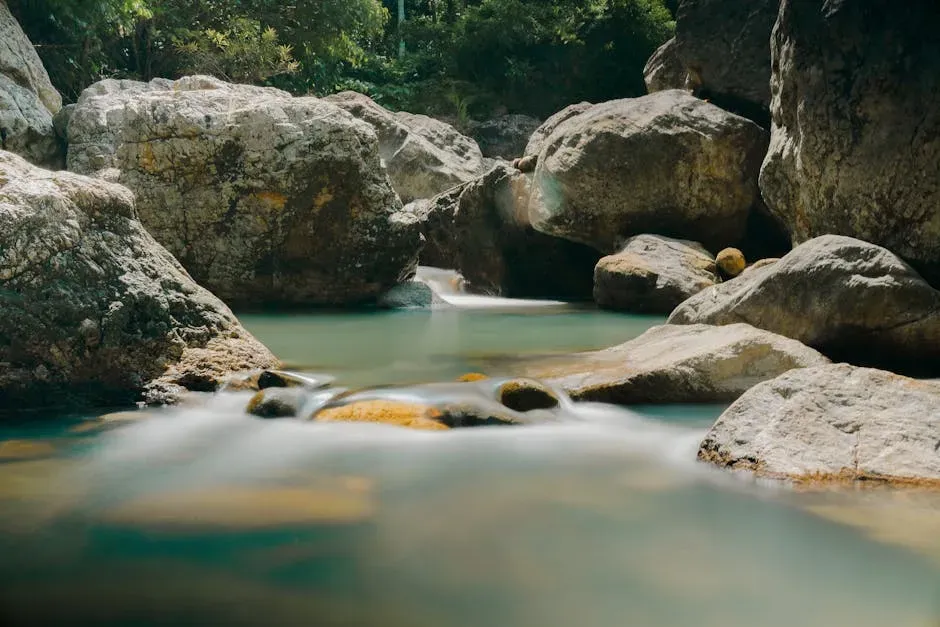
Tourism is responsible for roughly 8% of the world’s carbon emissions. From plane flights and boat rides to souvenirs and lodging, various activities contribute to tourism’s carbon footprint, with the majority of this footprint emitted by visitors from high-income countries. Frequent short trips, each requiring a flight, are among the most carbon-intensive choices a traveler can make.
One key benefit of slow tourism is its positive environmental impact. By choosing slower transportation methods such as trains instead of planes and extending stays in each destination, travelers considerably lower their carbon footprint. Slow tourism also develops cultural appreciation and insight, motivating tourists to delve into the subtleties of local life – while benefiting local economies by channeling tourist expenditure toward smaller enterprises and mitigating the negative effects associated with overcrowded tourism.
The Train Renaissance and Slower Modes of Getting There
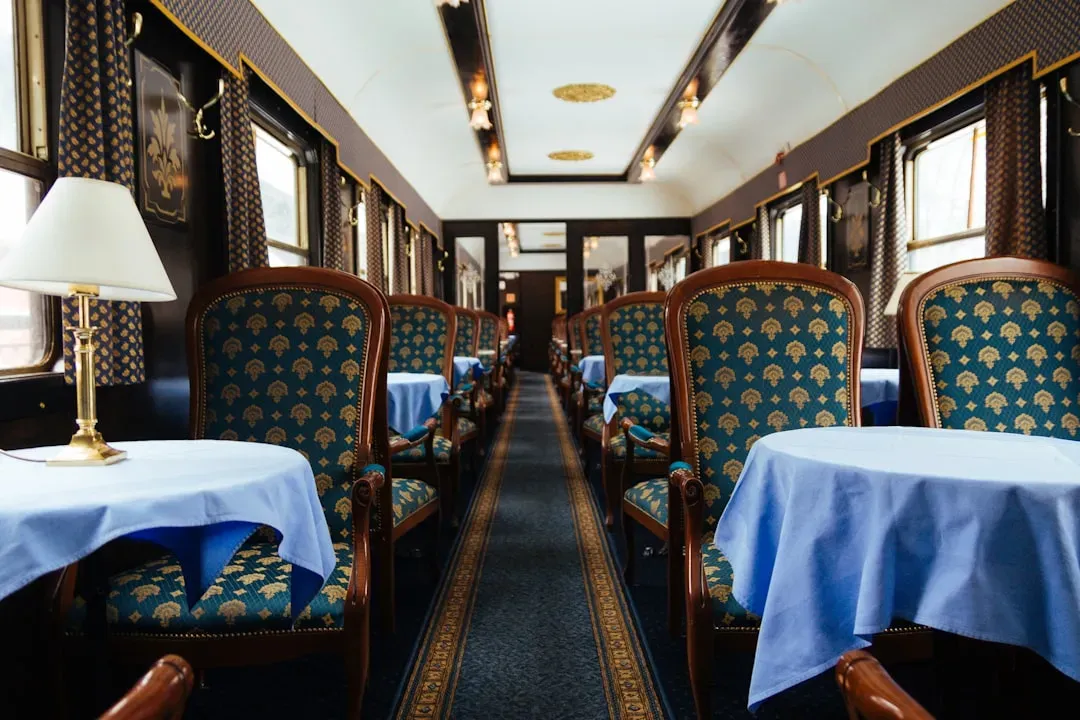
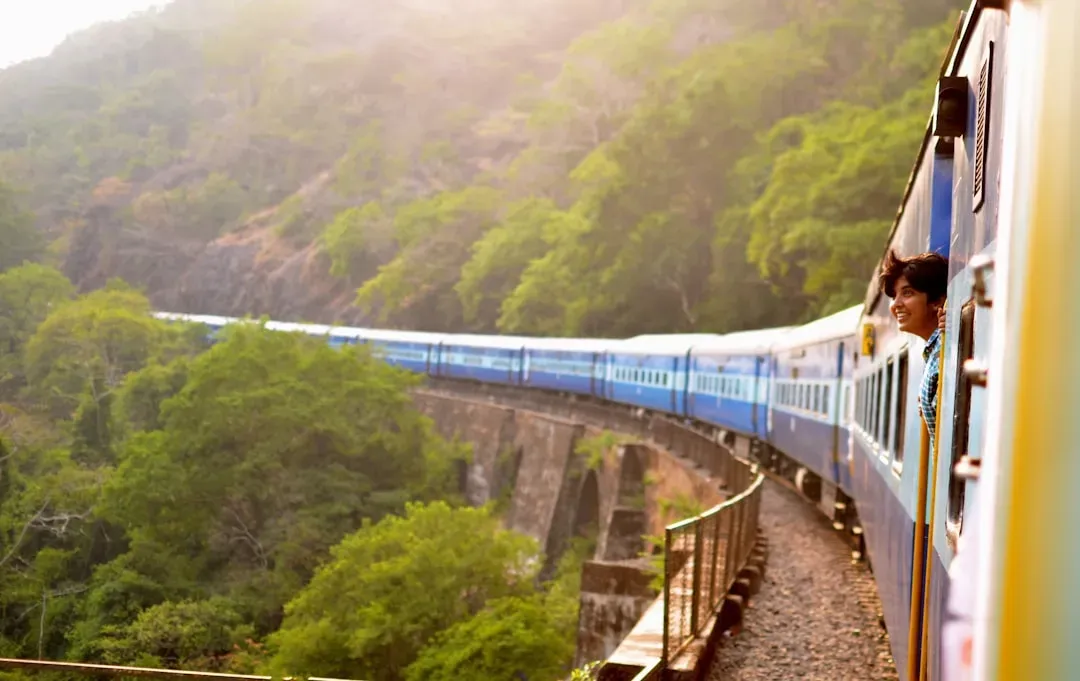
Amtrak had a record 33 million riders in fiscal year 2024 and plans to double ridership over the next 15 years. The rise of rail is not coincidental. It maps almost perfectly onto the slow travel mindset, where the journey itself becomes part of the experience rather than a delay before it begins.
The resurgence of luxury train travel aligns naturally with slow travel, where the focus shifts from speed to savoring the journey. With high-end rail experiences offering slower, scenic routes to less-explored destinations, travelers can immerse themselves in local cultures and landscapes at a more relaxed pace. On a 200-mile trip, a flight would emit around 109 pounds of CO2 per passenger, while the same trip on a train would emit just 26 pounds per passenger. The environmental arithmetic is hard to ignore.
Secondary Destinations Are Benefiting
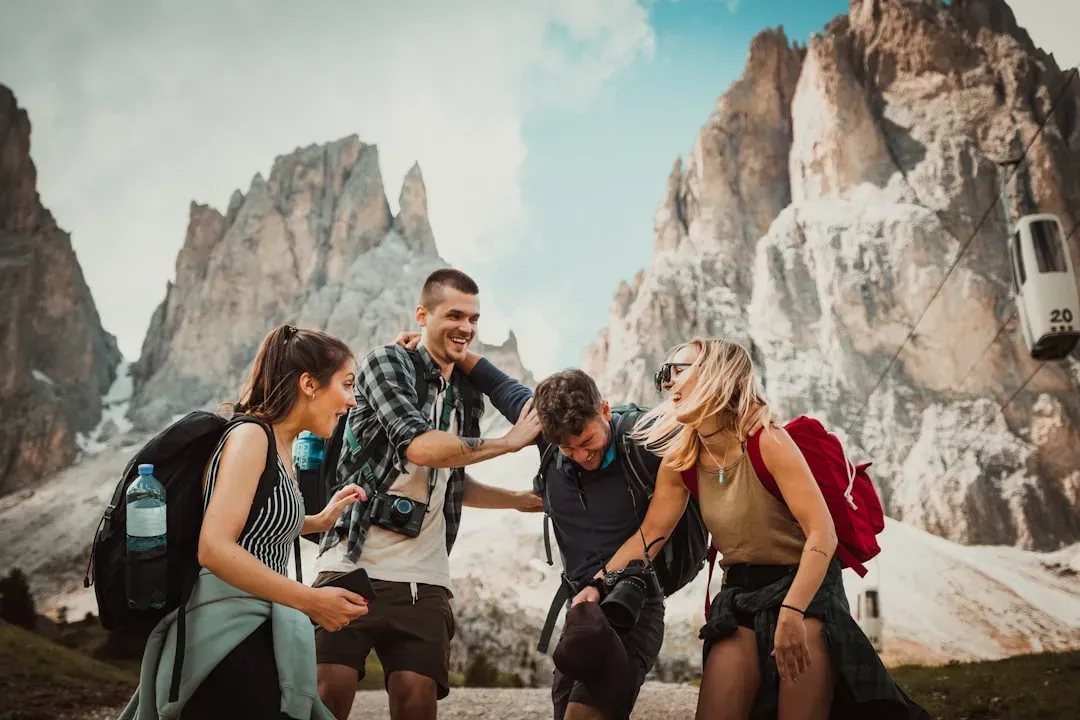
With slow travel on the rise, more travelers are exploring secondary cities and destinations instead of the overcrowded tourist hotspots. This is showing up in real booking numbers. One resort in Sardinia saw a roughly 90% year-over-year increase in US travelers from 2023 to 2024, while another property on the same island recorded a 150% increase in US visitors over the same period. These are not marginal changes.
Other travelers crave an even slower pace. Self-guided trips that involve hiking and cycling are trending more than culinary vacations or safaris among some Baby Boomers and Gen Xers, in popular locations like Austria, Scotland, and the Patagonia region of Chile and Argentina. The appeal cuts across generations, even if it looks different depending on who you ask.
Digital Nomad Visas Are Reshaping Long-Term Slow Travel

Digital Nomad Visas are now mainstream, with more than 50 countries offering dedicated remote-work residence visas as of 2025. This legal infrastructure is one of the most concrete ways governments have responded to the slow travel trend. Digital nomadism in 2026 is mainstream and more of the norm, with over 40 million people worldwide now identifying as digital nomads, a lifestyle that is clearly reshaping how global talent moves and works.
Making it easier for remote workers to settle abroad in the medium to long term means that more people will have access to a slower, more deliberate way of experiencing a foreign country. Not all will flock to metropolises like Lisbon and Barcelona. Digital nomad visa programs are also helping fix crowd problems, as hotspots choke on day-trippers. Governments are now using these visas to spread visitors out, capping short stays in busy zones while long-term nomads fill quieter towns instead.
What Slow Travel Means for Local Economies
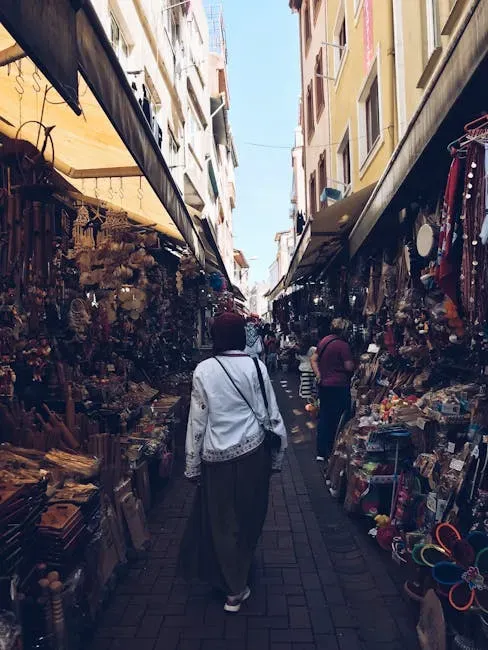
Slow tourism develops cultural appreciation and understanding, encouraging tourists to explore the nuances of regional life and benefiting local communities by directing tourist spending toward small businesses, and reducing the adverse effects of mass tourism. Staying longer in one place means spending more in that place, which tends to benefit smaller, locally owned businesses rather than international chains.
An analysis of average spending by tourists from around the world shows that countries offering digital nomad visas experienced the biggest change in average spending compared to pre-pandemic levels. Slow travelers, almost by definition, buy groceries from local markets, rent apartments from residents, and eat at neighborhood restaurants. That economic pattern is qualitatively different from a tourist who checks in for two nights and moves on.
A Different Kind of Traveler Is Emerging
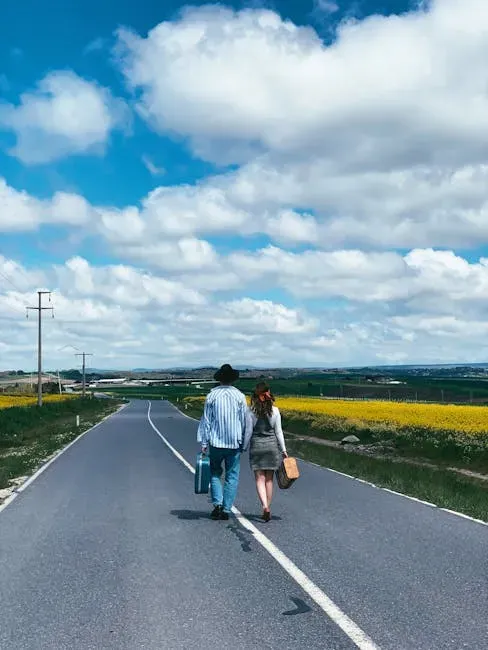
Slow travel is more than just a leisurely pace. It’s a philosophy that prioritizes quality over quantity, experience over speed, and connection over consumption. The idea is simple: spend more time in fewer places, engage with local culture and community, and allow yourself the space to truly breathe while traveling. This is a meaningful departure from the checklist tourism that dominated travel culture for decades.
Research found that nearly 3 in 10 UK adults have been on at least one trip or holiday in the past year that hasn’t involved flying, while nearly a quarter would prioritize slow travel options for future trips if they were more widely available and accessible. Infrastructure and habit are still barriers for many people, but the appetite is clearly there. The traveler who wants to genuinely know a place, rather than merely document that they visited it, is no longer a niche figure.