5 Cooking Habits That Make Everyday Meals Taste Better
Most people assume that great-tasting food comes down to expensive ingredients or complicated techniques. In reality, the gap between a forgettable meal and a genuinely satisfying one is often much smaller than that. It comes down to a handful of specific habits that experienced cooks follow almost instinctively, and that home cooks often skip without realizing what they’re missing.
These habits aren’t flashy. They won’t require a kitchen renovation or a culinary degree. What they do require is a little attention and the willingness to change a few small defaults. Here are five of them.
1. Season Early, and Season in Layers
Adding salt at the beginning of cooking gives it time to migrate into the food, seasoning it throughout. This is one of the most important and most overlooked distinctions in home cooking. Food salted early in the cooking process is nicely seasoned and flavorful throughout – and in the case of something like a beef stew, the meat in particular tastes measurably more meaty and flavorful.
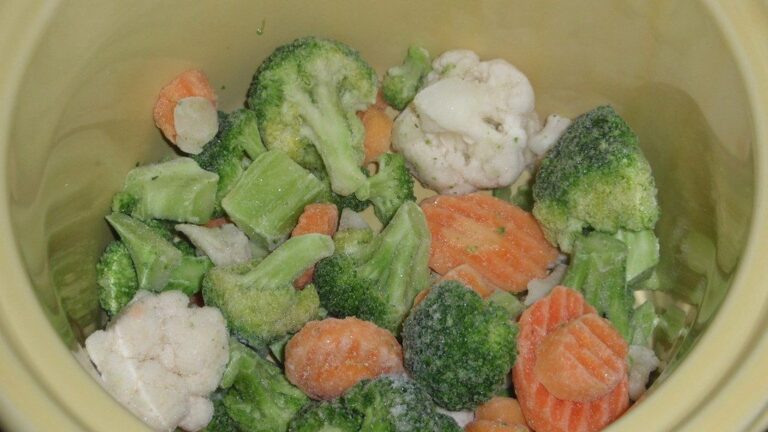
Carrots and stew salted at the end of cooking, using the exact same amount of salt, are seasoned only on their exteriors and often taste far too salty. The fix is simple: every time you add a new batch of ingredients to the pot, season it appropriately, building layers of flavor as you go. Salt is the foundation of good cooking – it enhances sweetness, tames bitterness, and brings balance to almost every dish.
2. Let the Maillard Reaction Do Its Job
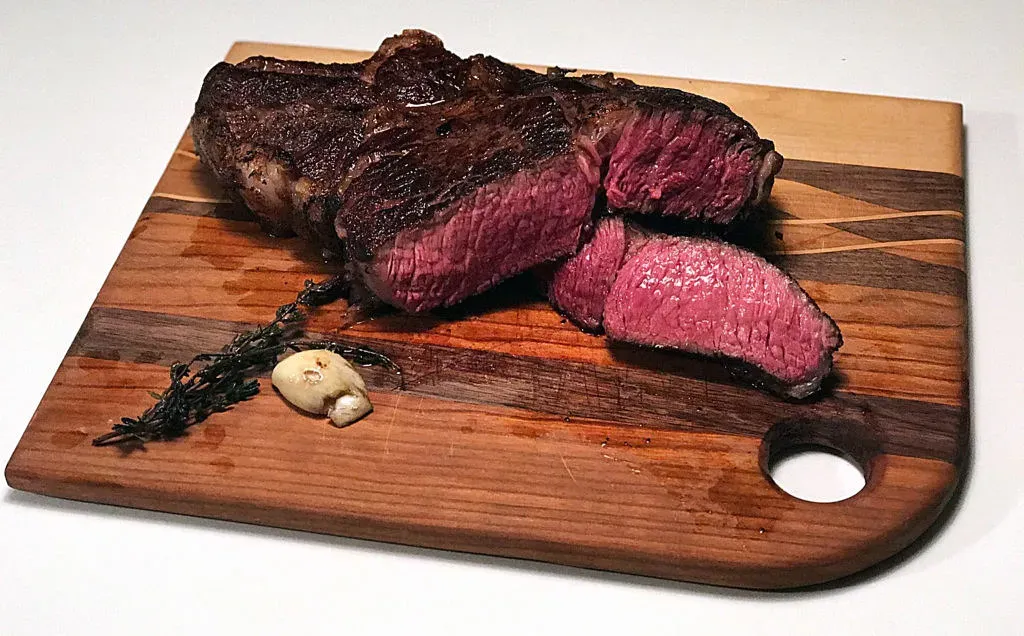
The Maillard reaction is a chemical reaction between amino acids and reducing sugars that creates melanoidins, the compounds that give browned food its distinctive flavor. This is the science behind why seared steak tastes so different from boiled steak, and why toasted bread is far more interesting than soft white bread. The important thing about the Maillard reaction isn’t the color – it should really be called “the flavor reaction,” not the browning reaction. The molecules it produces provide the potent aromas responsible for the characteristic smells of roasting, baking, and frying.
In the cooking process, Maillard reactions can produce hundreds of different flavor compounds depending on the chemical constituents in the food, the temperature, the cooking time, and the presence of air. These compounds, in turn, often break down to form yet more flavor compounds. To get this reaction working for you, the surface of whatever you’re cooking needs to be dry and the pan genuinely hot. If the oil isn’t ready, food will soak it up instead of sizzling in it, and the end result won’t taste as good. Pat proteins dry before they hit the pan, and don’t rush the preheat.
3. Finish with Acid

Salt is key to a final dish, but acid is a close second. Acid, like vinegar or citrus, helps elevate and counterbalance flavors. This is one of those habits that feels almost too simple until you try it. A squeeze of lemon over roasted vegetables, a splash of vinegar stirred into a finished soup, a little white wine worked into a pan sauce – these additions don’t make a dish taste sour. They make it taste more alive.
If all the flavor-sensing areas of your mouth are stimulated, your food will taste delicious and balanced. Acid is one of the key tools for getting there. If your dish tastes flat and you’ve already added salt, try a squeeze or spoonful of acid to round things out. The combination of salt, fat, and acid working together is what separates a meal that tastes complete from one that leaves you reaching for the salt shaker at the table.
4. Rest Your Meat Before Cutting
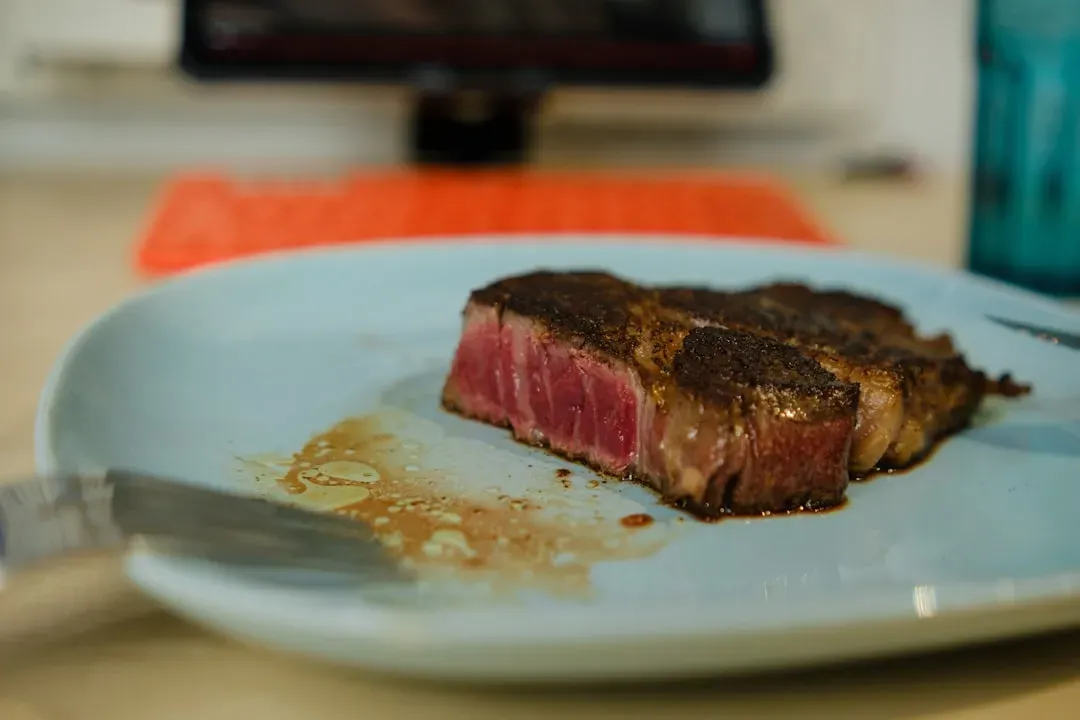
During cooking, meat’s muscle fibers tighten and push tasty juices toward the center. If you cut right away, all that juice escapes, leaving you with a dry, less flavorful result. Giving it a few minutes lets the fibers relax, and the juices spread evenly through each bite. The numbers here are worth paying attention to. Steaks sliced immediately after cooking lose about nine percent of their weight in juices, but if you let them rest, that loss drops to just two percent – a small change that makes a huge difference in juiciness and flavor.
If you’re not resting your meat, all those delicious juices will spill out onto the cutting board, resulting in a dry, tough cut no matter how perfectly you cooked it. The resting time doesn’t need to be dramatic. For smaller cuts such as steak or chicken breast, five to ten minutes is usually enough. Larger cuts such as pork shoulder or brisket benefit from thirty minutes or more. Use that time to finish your sides, and the patience practically pays for itself.
5. Bloom Your Spices in Fat
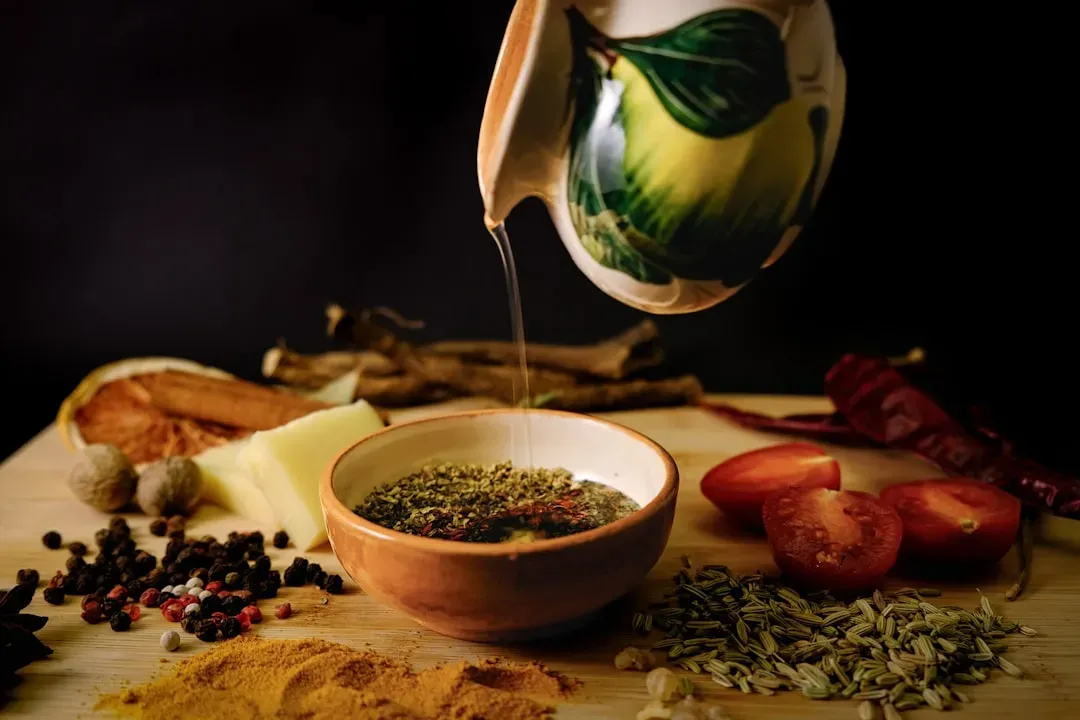
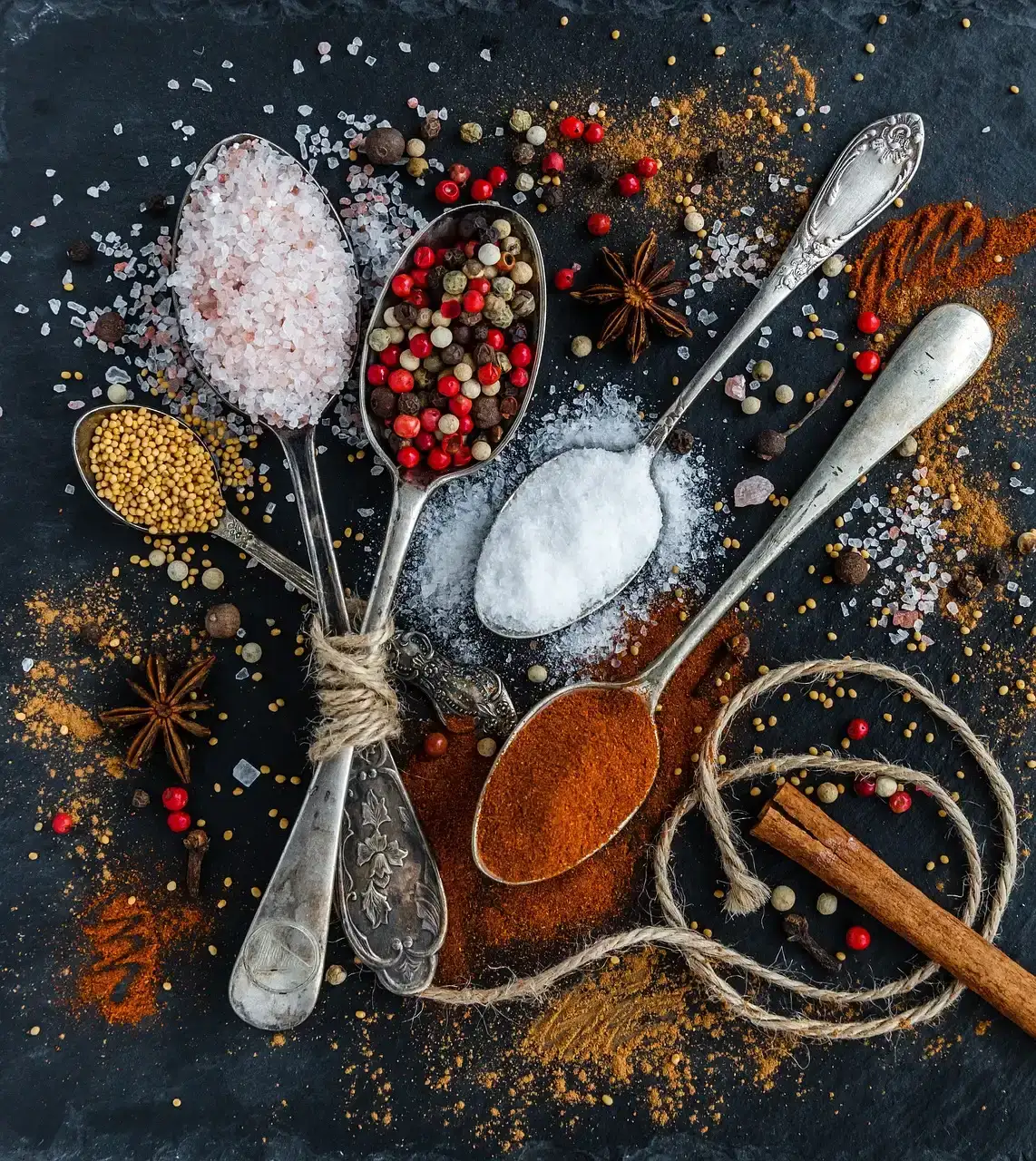
To intensify the flavor of ground spices and dried herbs, cook them for a minute or two in a little butter or oil before adding liquid to the pan. This technique, sometimes called blooming, works because many of the flavor compounds in spices are fat-soluble rather than water-soluble. When you add cumin or smoked paprika directly into a wet dish, much of their aromatic potential goes to waste. When you let them briefly cook in oil, those compounds release fully and carry throughout the entire dish.
Hardy herbs like thyme, rosemary, oregano, sage, and marjoram should be added to dishes early in the cooking process so they release maximum flavor, while delicate herbs like parsley, cilantro, tarragon, chives, and basil should be saved for the last minute, or they will lose their fresh flavor and bright color. Knowing which herbs belong at the start and which belong at the end is itself one of the most practical upgrades a home cook can make. Those caramelized browned bits that stick to the bottom of the pan after cooking are packed with savory flavor, and deglazing the hot pan with liquid, then scraping them free, is one of the easiest ways to build depth into sauces, soups, or stews.
None of these habits demand extra time or special equipment. What they demand is intention: paying a little more attention to when and how things happen in the pan. Salt early, get a proper sear, brighten with acid, let proteins rest, and give your spices the heat they need to open up. Do those five things consistently, and the food coming out of your kitchen will taste noticeably, reliably better.