7 Food Trends That Are Subtly Changing What We Eat
Most shifts in how we eat don’t announce themselves. They arrive quietly, in the form of a new product on a grocery shelf, a change to a restaurant menu, or a habit that slowly becomes second nature. What’s happening in food right now is exactly that kind of gradual, cumulative change.
From the microbiome to weight-loss medications, from social media to the protein aisle, the forces reshaping our plates in 2026 are real, measurable, and worth paying attention to. Here’s what’s actually moving the needle.
1. Gut Health Is Moving from Wellness Niche to Everyday Expectation

Innova Market Insights named gut health the number one food and beverage trend for 2026, with the majority of global consumers, roughly three in five, increasingly choosing functional ingredients like probiotics and prebiotics to support both physical and mental health. That’s not a fringe wellness pursuit anymore. It’s becoming a baseline expectation in the grocery store.
Global food and drink launches carrying a gut-health claim jumped by more than sixty percent between 2024 and 2025 alone, according to Innova Market Insights. One of the more telling shifts is the language around the category itself: the once-dominant umbrella term “gut health” is being phased out in favor of specific functional ingredients like fiber, prebiotics, probiotics, and postbiotics. Consumers are becoming more precise about what they want, and brands are responding in kind.
2. The Protein Obsession Is Broadening and Deepening
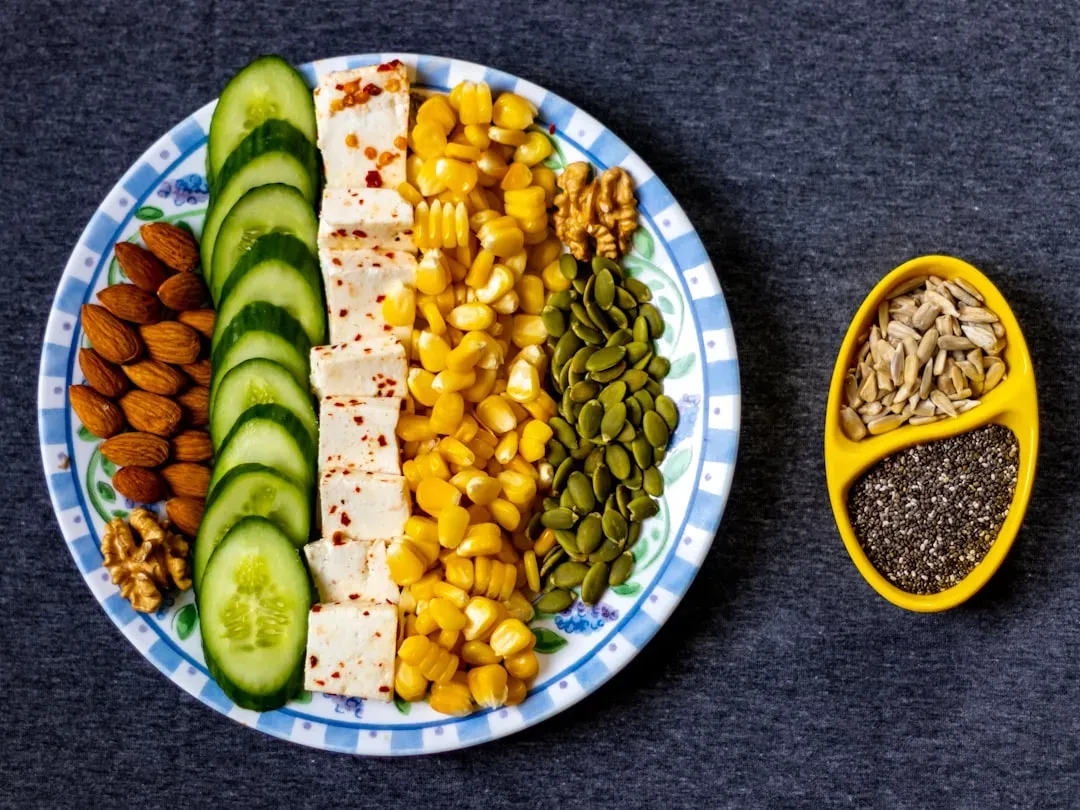
High protein was the most popular eating pattern consumers followed in 2024, and roughly seven in ten Americans were actively trying to consume more protein, up from fewer than six in ten just two years prior. The appetite for protein isn’t slowing down. If anything, it’s spreading to new categories.
The functional food and beverage market is currently worth hundreds of billions globally and is expected to more than double by 2032. Within that space, a trend called “protein-plus” is gaining traction, combining high protein content with added functional ingredients that deliver a second layer of health benefit. Protein sodas, protein lattes, and protein-fortified dairy are no longer novelties. They’re edging toward the mainstream.
3. GLP-1 Medications Are Quietly Reshaping the Grocery Basket

The number of Americans taking semaglutide or tirzepatide drugs for weight loss more than doubled in roughly a year and a half, with about one in eight adults using them by late 2025, according to a Gallup National Health and Well-Being Index survey. The physical effects are well-documented. The dietary ripple effects are proving just as significant.
Cornell University researchers found that within six months of starting a GLP-1 medication, households reduced their average grocery spending by more than five percent, with higher-income households seeing drops of over eight percent, while spending at fast-food restaurants and coffee shops fell by roughly the same amount. Ultra-processed and calorie-dense foods saw the sharpest declines, with spending on savory snacks dropping by around ten percent, alongside similarly large decreases in sweets, baked goods, and cookies. The food industry is now actively reformulating and repositioning products to serve this growing population of users.
4. Social Media Has Become a Genuine Market Force for Food

Dubai chocolate’s popularity originated as a TikTok trend, and TikTok food trends exert an outsize influence on food and beverage, especially among younger consumers, and the platform was the first of these trends but certainly won’t be the last. According to consumer analytics firm Spate, Dubai Chocolate Bar alone achieved more than one thousand percent year-over-year growth in TikTok mentions and nearly four hundred percent growth in Google searches.
TikTok is collapsing the gap between viral food trends and brand innovation, with what once took years to move from niche subcultures to store shelves now happening in months or even weeks. Food remains one of TikTok’s most engaged categories globally, and platform data shows users are more likely to try foods they’ve seen on TikTok than on other social channels, particularly among Gen Z and younger millennials. That speed of discovery is changing how brands think about product development entirely.
5. Snacking Is Evolving Into Something More Intentional
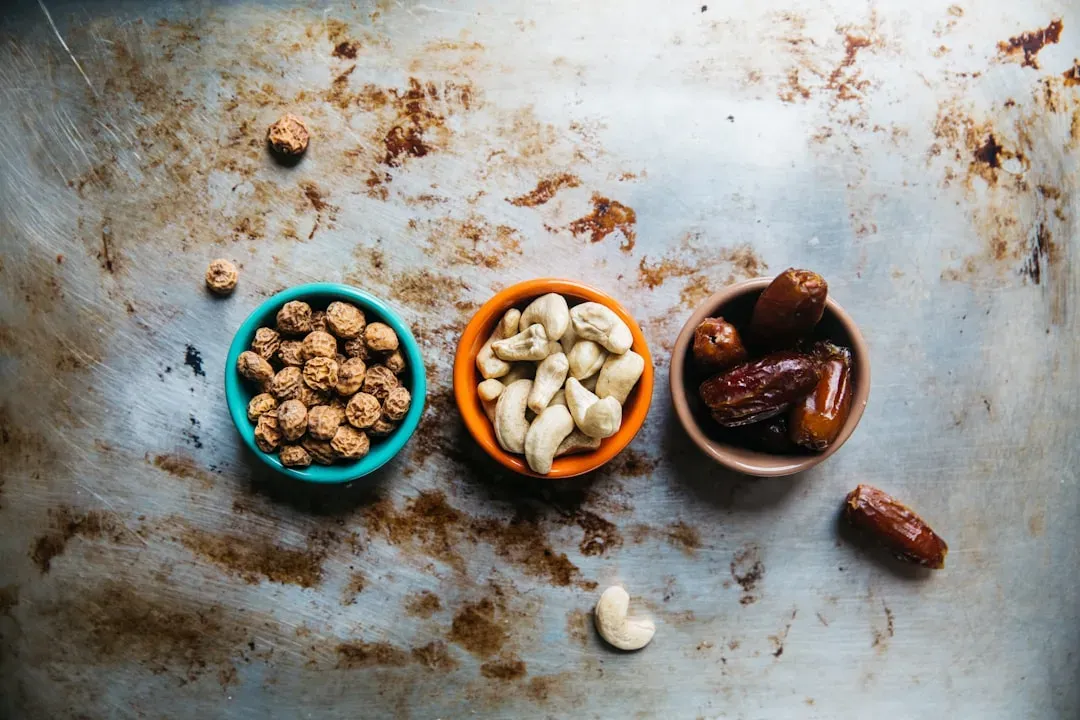
Most consumers now snack at least once a day, with only about one percent saying they never snack at all, and a growing share now “graze” throughout the day instead of eating three distinct meals. The habit itself isn’t new, but what people are reaching for has shifted considerably.
Snacking has grown up in meaningful ways: it’s become health-oriented, it’s become image-conscious, and it’s no longer simply about getting full. Texture has become as important as flavor in snack innovation, with one early 2026 analysis finding sharp year-over-year increases in consumer interest for qualities like flaky, crispy, airy, and gooey. The combination of health claims, premium ingredients, and sensory appeal is turning the snack aisle into one of the most competitive spaces in food retail.
6. Fermented Foods Are Finding a Much Wider Audience

Amazon’s grocery unit reported roughly twelve percent year-over-year growth in cabbage sales in 2025, with a twenty-five percent increase specifically for fermented cabbage products like sauerkraut and kimchi. Those numbers are a useful proxy for a broader trend. Fermented foods, long a staple in Asian and Eastern European kitchens, are now reaching consumers who would never have sought them out a decade ago.
Trending applications include fermented plant-based beverages such as kombucha, kefir, and plant-based yoghurts enriched with microbiome-supporting fibers and botanicals. Quick-service chains are even experimenting with prebiotic-rich dressings, fermented condiments like kimchi, and fiber-packed sides. The gut-health conversation has done something remarkable: it’s made fermentation feel relevant to people who shop at ordinary grocery stores, not just specialty health shops.
7. “Food as Medicine” Is Crossing from Concept to Buying Behavior
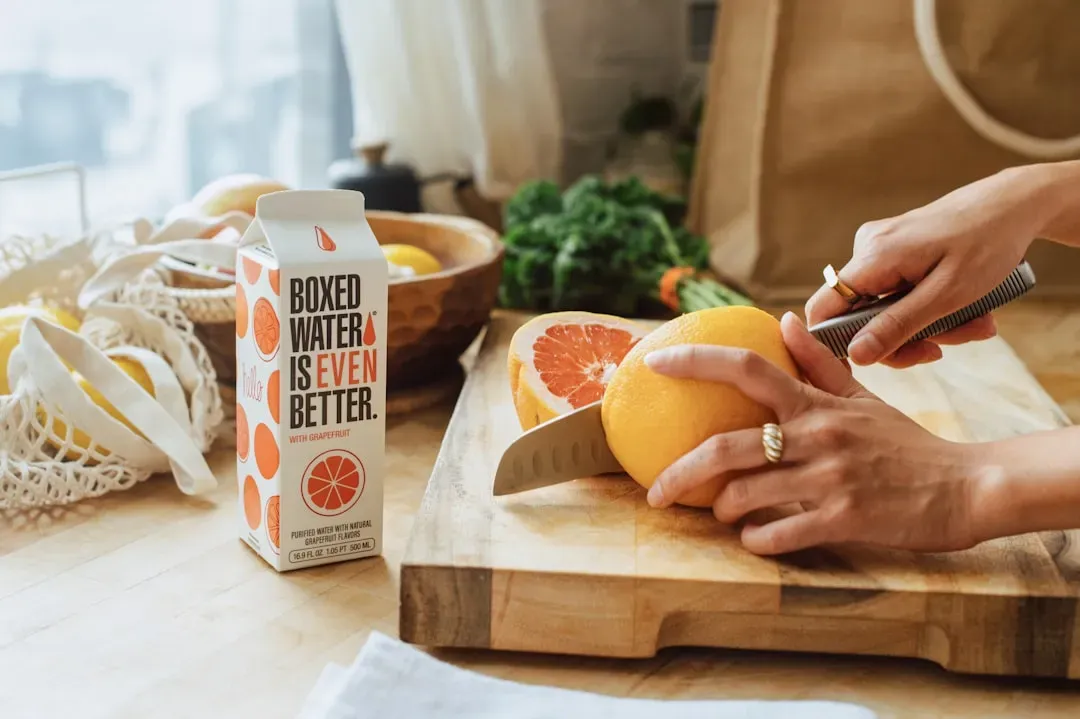
The “food as medicine” movement has shifted from a wellness niche to a mass-market expectation, with consumers increasingly viewing nutrition as preventative healthcare and seeking foods that deliver specific health outcomes beyond basic sustenance. Roughly sixty percent of U.S. consumers actively look for health-supporting products when shopping, and the global market for functional foods was projected to reach well over one hundred billion dollars by 2026.
A new crop of functional ingredients is moving into mainstream products, including fiber and colostrum for gut health, sea moss and collagen for skin and nails, and lion’s mane and ashwagandha for energy support. Consumers increasingly seek products with tangible, identifiable benefits, and functional drinks with hydration, mental clarity, and nutritional support claims are among the fastest-growing product segments globally. The shift is real enough that it’s showing up in purchasing data, not just survey responses.
None of these seven trends exist in isolation. They feed into each other: gut health drives fermentation, social media accelerates protein trends, GLP-1 use intensifies demand for nutrient density, and the food-as-medicine mindset pulls all of it into a single, coherent shift in how people think about what they put on their plates. The food industry is adapting, sometimes ahead of consumers, sometimes a step behind. Either way, the direction is clear.