The Slow Movement Changing How We Think About Wellness
There’s a quiet rebellion underway in how people are choosing to live. Not loud, not political, not particularly photogenic on social media. It’s happening in the early morning, when someone decides to sit with their coffee before checking their phone. It shows up in the deliberate choice to take the train instead of the plane, or to cook a meal from scratch on a Tuesday night for no reason other than the process itself.
Slow living is a mindset and social movement that encourages individuals to embrace a more intentional and mindful way of life, prioritizing enjoyment and connection over the fast-paced demands of modern society. It emerged as a response to the rapid technological advancements that have transformed communication, work, and daily routines, often at the expense of personal well-being. What’s striking is how mainstream this once-niche philosophy has become, weaving itself through conversations about health, fitness, travel, food, and even home design in ways that feel far less like a trend and far more like a genuine correction.
Where It All Began: The Slow Food Origins
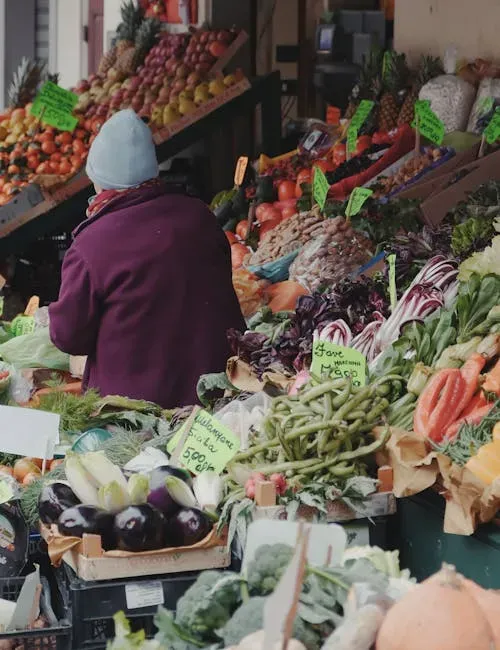
Slow Food is an organization that promotes local food and traditional cooking. It was founded by Carlo Petrini in Italy in 1986 and has since spread worldwide. The Slow Food Movement sought to preserve traditional methods of cooking, sustainable agriculture, and the cultural significance of food. It was a pushback against convenience-driven, industrialized consumption that often disregarded quality, community, and the environment. Over time, these principles expanded into a broader lifestyle philosophy, touching every aspect of life, from work and leisure to relationships and personal growth.
With roots in the Italian Slow Food movement of the 1980s, slow living emphasizes the importance of quality, local traditions, and a slower pace, promoting practices like slow food, slow cities, and slow design. What started as a culinary movement eventually became something much larger. The rejection of industrial speed found its way into architecture, urban planning, travel, fitness, and eventually into the very vocabulary of modern wellness.
The Science Behind Slowing Down
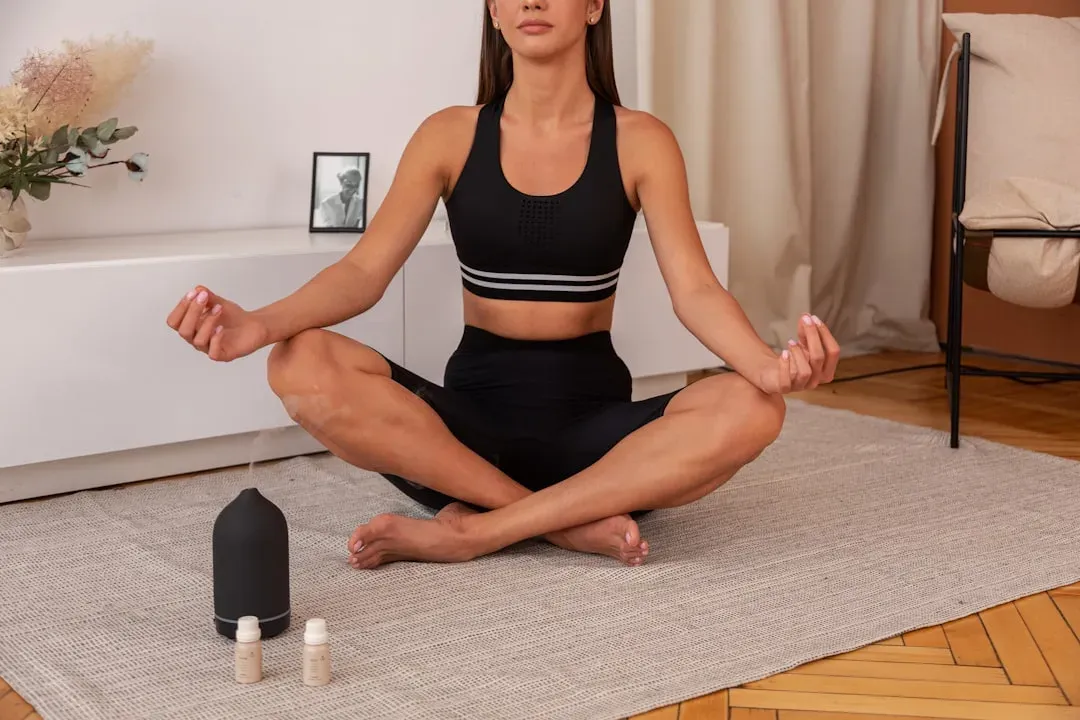
Practicing slow living may indirectly offer health benefits, such as lowering your stress level and blood pressure as you become more mindful during the day. It also can improve your social interactions by teaching you to be more engaged in conversations where you listen more and talk less. In addition, slow living encourages greater awareness of your surroundings and how your body moves, so you are less likely to make missteps that could cause injury.
Neuroscience suggests that downtime is essential for mental processing. The brain’s “default mode network,” active during rest, plays a role in memory consolidation, creativity, and self-reflection. When we are constantly task-switching and multitasking, we disrupt this restorative mode, which can ultimately impair decision-making and emotional regulation. A study published in Applied Psychology: Health and Well-Being evaluated whether practicing mindfulness may attenuate time pressure and lead to more time affluence. The study found that compared with a physically exercising control group, participation in a mindfulness-based stress reduction program led to increases in time affluence and subjective well-being.
Slow Fitness: The End of the “Go Harder” Mentality
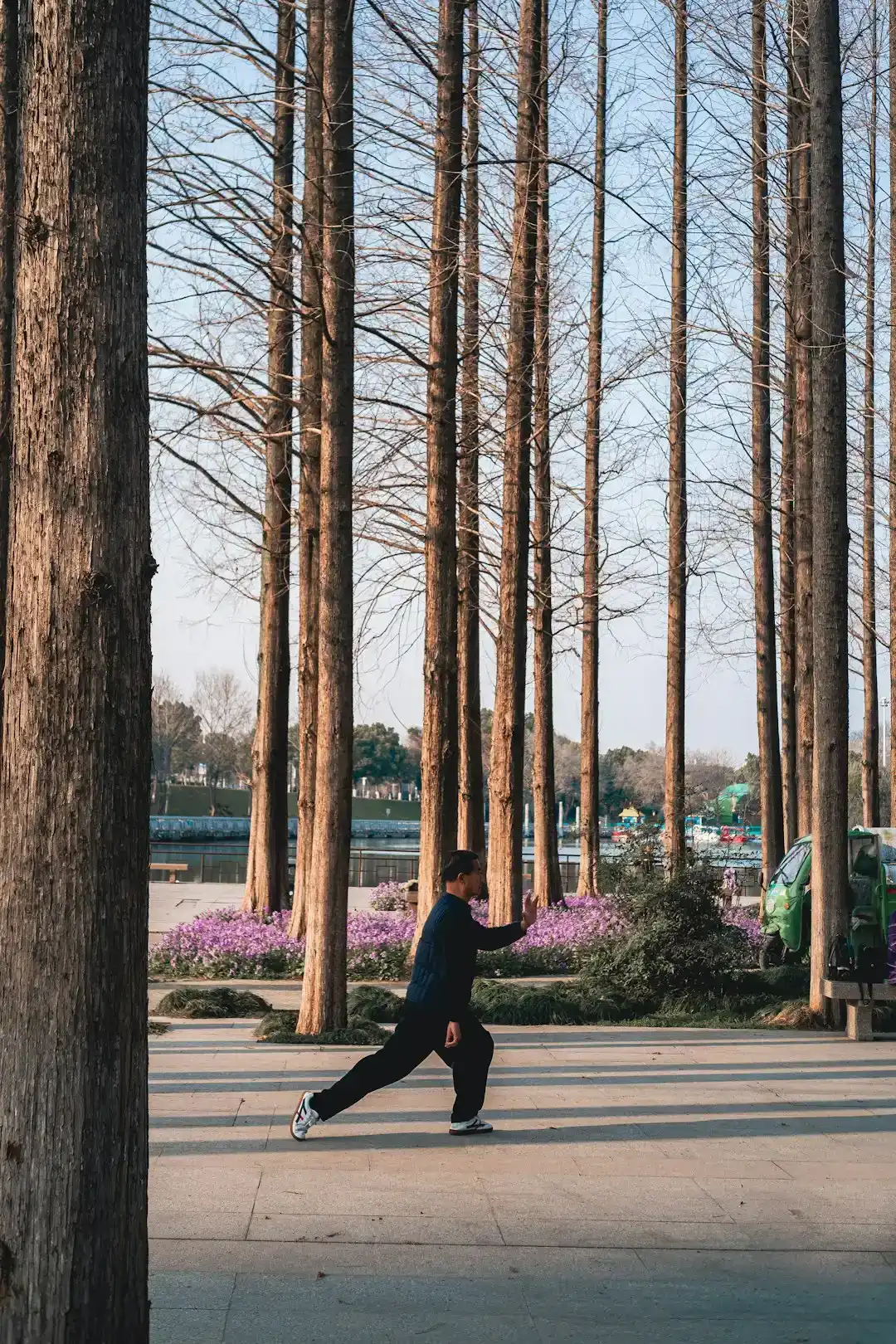
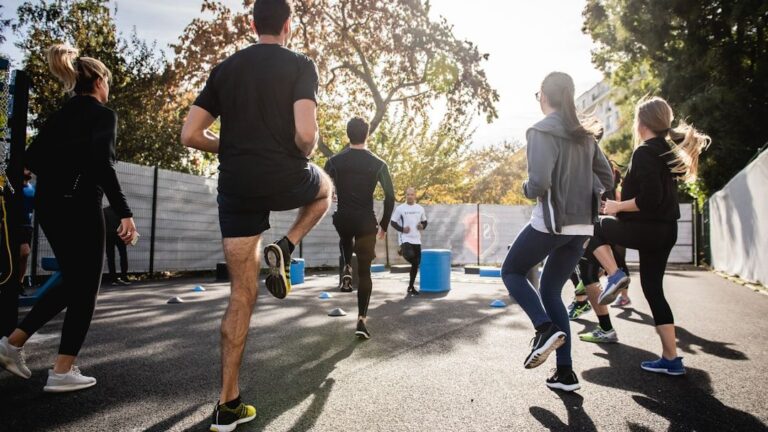
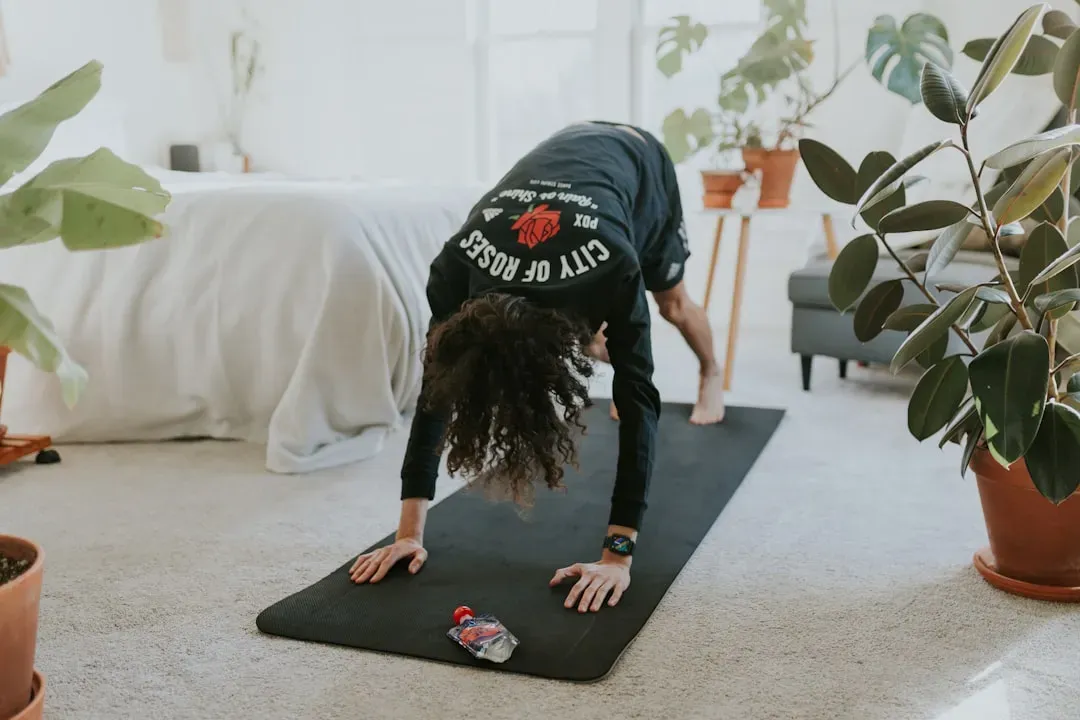
In 2026, fitness is shifting away from all-out intensity and toward something more intentional. Slow fitness is a movement built around controlled strength work, mindful mobility, Pilates-style precision, low-impact conditioning, and purposeful recovery. People are recognizing that longevity, hormone balance, and joint health thrive under consistency, not punishment. Slower modalities support better alignment, reduce inflammation, and help maintain energy instead of draining it.
Slower fitness approaches are also more accessible to a wider range of ages, body types, and lifestyles, making them an inclusive alternative to the traditional “go harder” mentality. In this new era, mastery matters more than max effort. Controlled reps, perfect form, breath-led movement, and progressive strength training are redefining what it means to be fit. It’s a shift that mirrors the broader slow living philosophy: the goal isn’t less effort, it’s smarter effort directed with intention.
Analog Wellness: Logging Off as Self-Care

Analog Wellness was cited as the number one trend of ten in the Global Wellness Summit’s Future of Wellness: 2025 Trends report. As coined in that report, analog wellness is the mainstreaming of digital detoxing, logging off and embracing retro, pre-digital technologies, hobbies and other offline, in-person, and in-nature experiences for well-being. The trend emphasizes a deliberate return to offline, sensory-rich experiences that foster genuine human connection and mindfulness. Unlike temporary digital detoxes, analog wellness represents a sustained lifestyle shift towards engaging in activities that are tactile, communal, and rooted in the physical world.
The “Great Logging Off” emerged as 2025’s defining wellness movement, as consumers increasingly recognized the toll of constant connectivity. As concerns about AI manipulation, online disinformation, and algorithmic addiction reached new heights, people actively sought ways to disconnect from the digital world. Data Reportal estimated in 2024 that Americans interacted with screens for an average of over seven hours a day, a statistic that increasingly reads less as a fact about productivity and more as a health warning.
The Mental Health Case for Intentional Living
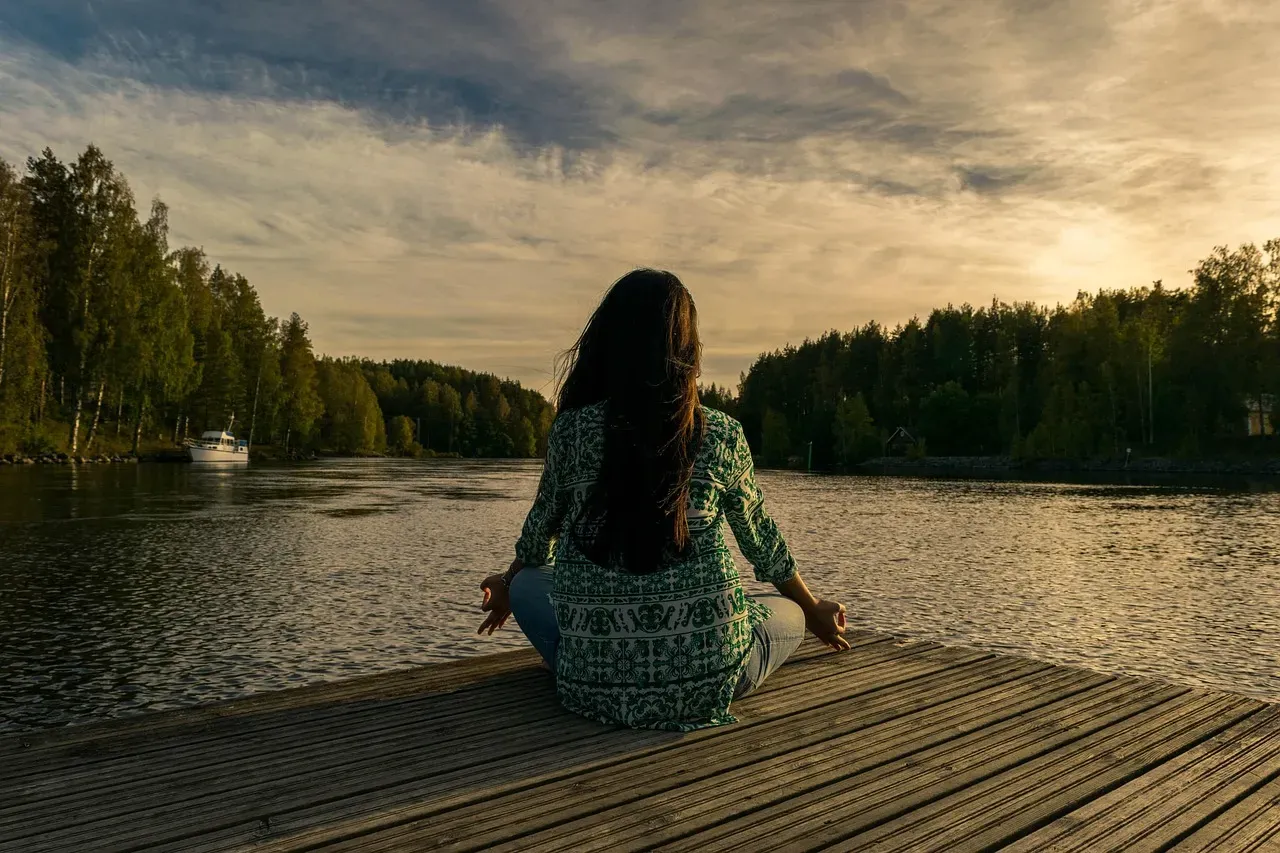
Slow living practices, such as mindfulness and deliberate relaxation, activate the parasympathetic nervous system, often referred to as the “rest and digest” system. This shift promotes a physiological state of calm, reducing heart rate, blood pressure, and cortisol levels, thereby creating an internal environment conducive to cognitive clarity and emotional stability.
A 2019 study by the American Psychological Association found that individuals who incorporated mindfulness and slower routines into their lives were more resilient in dealing with stress and uncertainty. Research from the Journal of Positive Psychology found that individuals who practiced mindfulness and intentional living reported a stronger sense of purpose and a lower level of stress. By slowing down, they gained clarity and a deep sense of peace and fulfillment. These aren’t abstract outcomes. They show up in sleep quality, relationship depth, and the everyday sense that life is actually being lived rather than endured.
Slow Travel: The Journey as the Destination

Travelers aren’t just seeking spa experiences anymore. They’re looking for regenerative, immersive, slow-travel wellness experiences. The concept of “slowcations,” extended stays in a single location, gained remarkable popularity among Gen Z and millennials in 2024. This trend emphasized restful and mindful travel, allowing individuals to fully immerse themselves in local cultures and natural environments without the rush typically associated with traditional tourism. It provided travelers with the time to engage deeply with their surroundings, fostering a more meaningful connection with the destination.
The global wellness tourism market was recorded at nearly a trillion dollars in 2024 and is anticipated to reach over two trillion dollars by 2034. There’s a rail renaissance, with wellness on the tracks in dedicated spa carriages bringing slow travel to the fore and journeys by train connecting today’s travelers to age-old spa towns. The idea that getting somewhere slowly can be more restorative than arriving quickly is one of slow living’s most quietly radical propositions.
Slow Living and the Gut: What Stress Does to Digestion
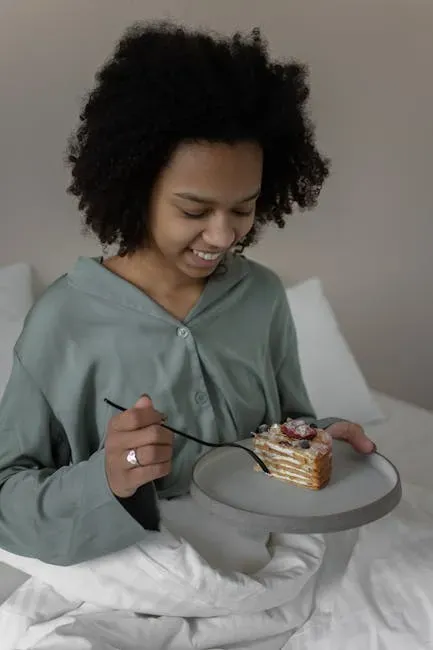
Stress can slow digestion and lead to problems like bloating, heartburn, or constipation. When you slow down, especially at meals, your gut gets a break. This lets your digestive system do its job without extra pressure. The connection between chronic stress and digestive health is well established, and it’s one area where the slow movement’s practical advice overlaps directly with clinical nutrition guidance.
Gut health remains a central pillar of wellness, with emphasis on microbiome support through fiber, fermented foods, and targeted nutrition. Eating slowly, eating mindfully, and eating at a table rather than a desk are habits that sound almost embarrassingly simple. Yet consumers are gravitating toward what some researchers call “bioharmony nutrition,” eating in alignment with circadian rhythms, metabolic needs, and digestive comfort. Slowing down at meals turns out to be one of the more effective interventions available, and it costs nothing.
Cultural Models: Countries That Already Live Slowly
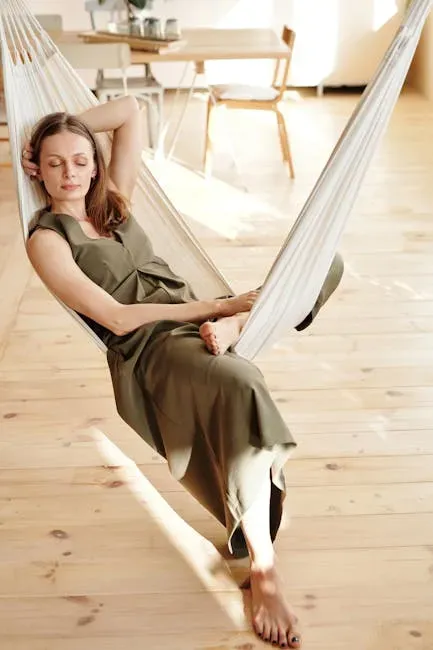
Denmark, ranked the second-happiest country in the 2025 World Happiness Report, with an average score of 7.5 out of 10 in self-reported life satisfaction, is a compelling example. In Denmark, people follow a lifestyle called hygge, which means enjoying simple things like spending time with loved ones and relaxing in general. Life is not rushed, and the focus is more on well-being.
The world’s longest-living communities, the Blue Zones, teach us that wellness is not complicated. Eat mostly plants. Move naturally every day. Invest in friendships. Honor rituals that reduce stress. These habits, repeated over a lifetime, create extraordinary longevity. There is something grounding about the fact that communities around the world, across very different cultures, have arrived at the same quiet conclusion: pace matters deeply.
The Nervous System as a Wellness Priority

The concept of neuroplasticity, the brain’s ability to reorganize itself by forming new neural connections, is central to understanding the long-term benefits of slow living. When we repeatedly engage in practices that promote a slower, more intentional state of being, we are actively creating and reinforcing new neural pathways. These pathways, associated with calm, focus, and deliberate decision-making, become more dominant over time, while the neural circuits linked to stress, anxiety, and reactivity are correspondingly weakened.
In a world that has been running at a chaotic pace, people are now choosing slower mornings, intentional routines, mindful meals, and uninterrupted blocks of deep work. The science is increasingly clear: slowing down enhances creativity, reduces inflammation, balances hormones, and improves emotional regulation. Wellness in 2026 embraces rest and recovery as foundational, with skyrocketing interest in sleep sanctuaries, slow evenings featuring screen-free routines, and gentle movement such as slow yoga and restorative stretching.
Who’s Driving the Shift: Demographics and Market Forces
Younger generations are driving wellness trends in 2026. McKinsey reports nearly a third of Gen Z and millennial consumers in the US prioritize wellness significantly more compared with one year ago, versus roughly a quarter among older generations. For these consumers, wellness means more than just going to the gym and drinking green juice. A McKinsey survey found that more than four out of five US consumers now rate wellness as a top or important life priority.
The wellness industry is now valued at roughly six trillion dollars and projected to reach nine trillion by 2028, experiencing what Global Wellness Summit experts describe as a polarization between “hardcare” and “softcare” wellness. Hardcare encompasses the high-tech, medical, and complex optimization market. Softcare represents the growing desire for simpler, slower, and more accessible wellness experiences that prioritize social and mental well-being. That the slower, simpler side of wellness is holding its own against the biohacking wave says something meaningful about what people actually need right now.
Making It Practical: How Slow Living Fits Real Life
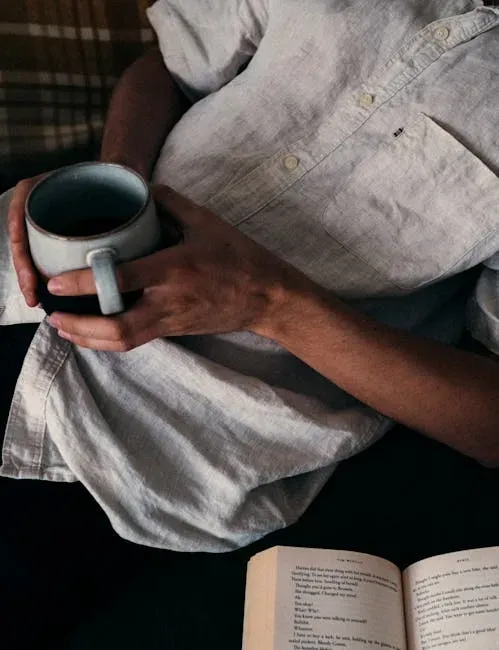
You don’t need to make sweeping changes to embrace slow living. The recommendation is to incorporate slow living into your daily routines, or choose certain moments to practice it, so over time it becomes a more natural part of your behavior. Slow living is not about rejecting modern life; it’s about reclaiming it. By choosing to live with intention, presence, and purpose, you can create a lifestyle that supports your well-being, strengthens relationships, and fosters a deeper connection to the world around you.
Ironically, we often need to plan for slowness. Blocking out white space in your calendar can protect your time for rest and spontaneity. Overall, slowing down allows you to consider the habits you want to support in your life and the impact you’re having on your community. Whether that looks like a morning walk without headphones, a meal cooked without multitasking, or a weekend trip by train rather than plane, the entry points are as varied as the people looking for them. The slow movement doesn’t require a total reinvention of your life. It tends to ask for something smaller, and arguably harder: your full attention, for just a moment at a time.