5 Travel Ideas That Go Beyond the Typical Itinerary
Most people plan a trip the same way: pick a famous city, book a flight, photograph the landmarks, repeat. It works, in the sense that you technically went somewhere. But a growing number of travelers are quietly questioning whether that checklist approach is actually leaving them with anything lasting.
If travel in 2026 has a defining mood, it’s immersion – the kind of adventures that stir something deeper, and that linger long after we leave a destination. The five ideas below reflect exactly that shift, each one offering a genuinely different angle on what a trip can be.
1. Slow Down and Stay Longer in One Place
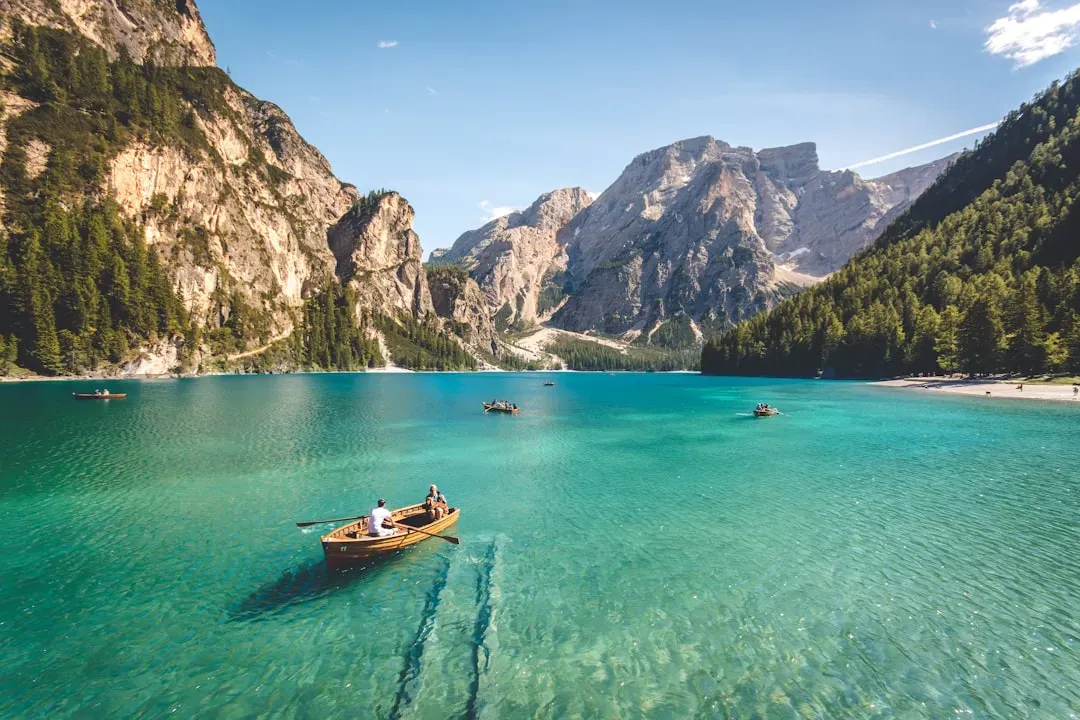
As life accelerates, slow travel – immersing oneself into a destination for an extended time as a local – is gaining serious popularity. Rather than cramming five cities into ten days, the slow travel approach asks you to actually inhabit one place: to walk the same streets twice, find a favorite café, and let the rhythms of a neighborhood sink in naturally.
A slow-travel-focused analysis summarizes the pattern as “fewer cities, longer stays,” with travelers deliberately choosing one or two bases over multi-stop blitz itineraries. Slow travel is gaining measurable momentum, increasing from roughly one in five long-haul travelers in 2025 to about one in four in 2026. The evidence is hard to ignore. Staying longer isn’t a compromise. It’s the actual point.
2. Townsizing: Trade the Metropolis for a Small Town

The way we travel is changing. Instead of flocking to overcrowded cities, more travelers are embracing townsizing – a trend focused on exploring smaller towns and hidden gems rather than major tourist hotspots. According to Priceline’s 2025 travel trends report, townsizing is all about the search for, or return to, simplicity. For some travelers, it’s the rediscovery of something that feels familiar and relaxing.
Townsizing opens the door to experiences that feel more authentic and rooted in local culture. Small towns often celebrate traditions, festivals, and crafts that have been preserved for generations, giving travelers genuine insight into regional lifestyles. Places like Takayama in Japan’s Alps, Matera in southern Italy, or Hoi An in Vietnam rarely make the top-of-the-funnel travel lists, yet they tend to be the ones people talk about for years afterward. Swapping the big cities for destinations like Siwa in Egypt, Rye in England, or the quaint coastal towns of Maine means finding local, authentic places where everyday life becomes your itinerary.
3. Learn a Traditional Craft from a Working Artisan
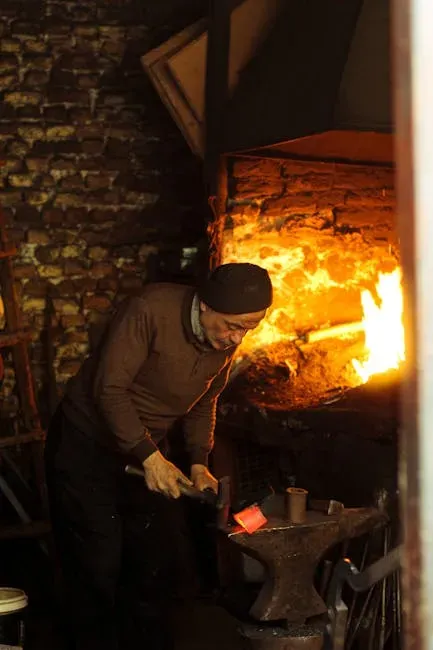
Learning traditional craftsmanship in Japan’s knife-making workshops is one way to explore this trend. Interest in samurai heritage continues to grow, and forging your own Japanese kitchen knife is becoming increasingly popular among travelers who love learning something new on vacation. What makes these experiences truly unique is the opportunity to create a functional object through a hands-on process guided by a local blacksmith – guests actively take part in shaping and refining their own blade using traditional tools, gaining firsthand insight into the precision, patience, and craftsmanship that define Japanese knife-making.
Japan is the most prominent example, but this approach works almost anywhere with living craft traditions. Kyoto alone is home to over 70 types of traditional crafts recognized by the government, each reflecting the deep connection between the people and their natural environment. Whether it’s ceramics in Faenza, indigo dyeing in Tokushima, or gold-leaf work in Kanazawa, the real draw is the same: you leave with something made by your own hands, and a conversation you couldn’t have had in any museum.
4. Glacier Hiking Before the Landscape Changes
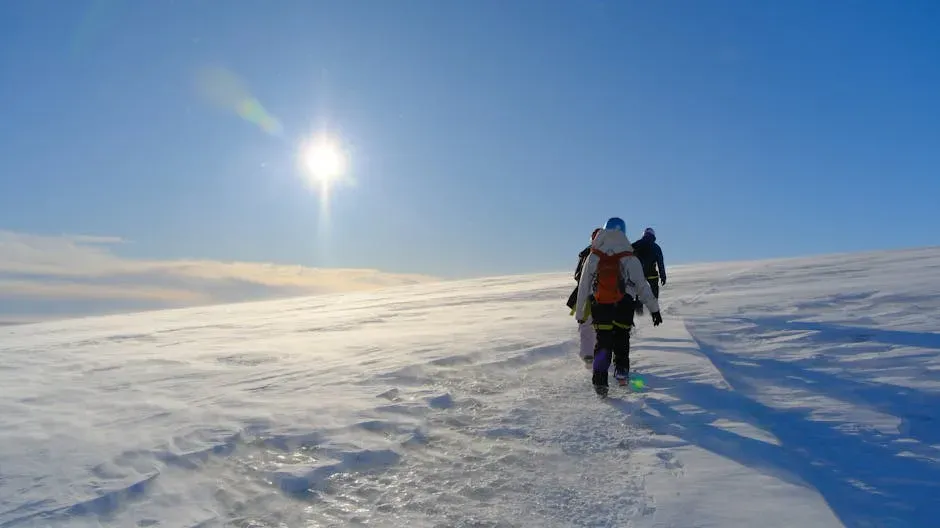
Glacier exploration in Chile, Iceland, and beyond allows adventurous travelers to step directly onto ancient ice fields and experience deep crevasses, frozen caves, and stunning ice formations. Glacier hiking combines dramatic scenery with physical challenge and the rare chance to touch landscapes sculpted over thousands of years. This is one category of travel where timing genuinely matters, not in the sense of booking early for a discount, but in the much more significant sense that the landscapes themselves are shifting.
Because routes shift as glaciers retreat or become unstable, opportunities can vanish quickly, making this one experience in 2026 you don’t want to leave waiting on your bucket list for too long. Iceland’s Vatnajökull, Patagonia’s Perito Moreno, and the Juneau Icefield in Alaska all offer guided glacier treks for different fitness levels. The World Travel and Tourism Council has highlighted a pronounced shift toward what it calls transformational travel, noting that travelers are increasingly seeking journeys that offer personal growth and environmental connection. Walking on a glacier tends to deliver both at once.
5. Gig-Tripping: Build a Trip Around a Live Experience

American Express’s 2025 Global Travel Trends Report found that roughly three in five participants were planning to travel specifically for live entertainment. The term for this is gig-tripping, and it’s broader than just stadium concerts. It covers theater runs, jazz festivals, underground electronic music weekends, local folk gatherings, and niche cultural events that don’t show up in mainstream travel guides.
An increasing number of travelers are taking off for more niche events, from futurist raves in South Africa and underground electronic events in Germany to desert DJ sets in Morocco. What makes gig-tripping different from simply attending a show is the travel logic behind it: you let the event anchor the itinerary, then build everything else around it. The destination starts to feel less like a backdrop and more like a reason. That shift in framing, modest as it sounds, tends to produce trips that feel genuinely memorable rather than just completed.
None of these five ideas require a dramatic overhaul of how you think about travel. They just ask for a slightly different starting point: lead with curiosity or experience rather than logistics. The itinerary follows naturally from there, and it tends to be a far more interesting one.