10 Lawn Care Mistakes to Avoid After Mowing
You just finished mowing. The lawn looks neat, you put the mower away, and you’re done – right? Well, not exactly. Honestly, what happens in the hours and days after you cut the grass can matter just as much as the mowing itself. A freshly cut lawn is a bit like freshly worked skin: it’s more exposed, more vulnerable, and a lot more reactive to what you do next.
Most homeowners invest time in the actual mowing but completely ignore the post-mow window. That’s where the real damage quietly happens – through watering at the wrong time, leaving clippings to smother the turf, or skipping that five-minute mower cleanup. If any of that sounds familiar, keep reading. Some of these mistakes are surprisingly common, and fixing them is easier than you think. Let’s dive in.
1. Watering Your Lawn Immediately at the Wrong Time of Day
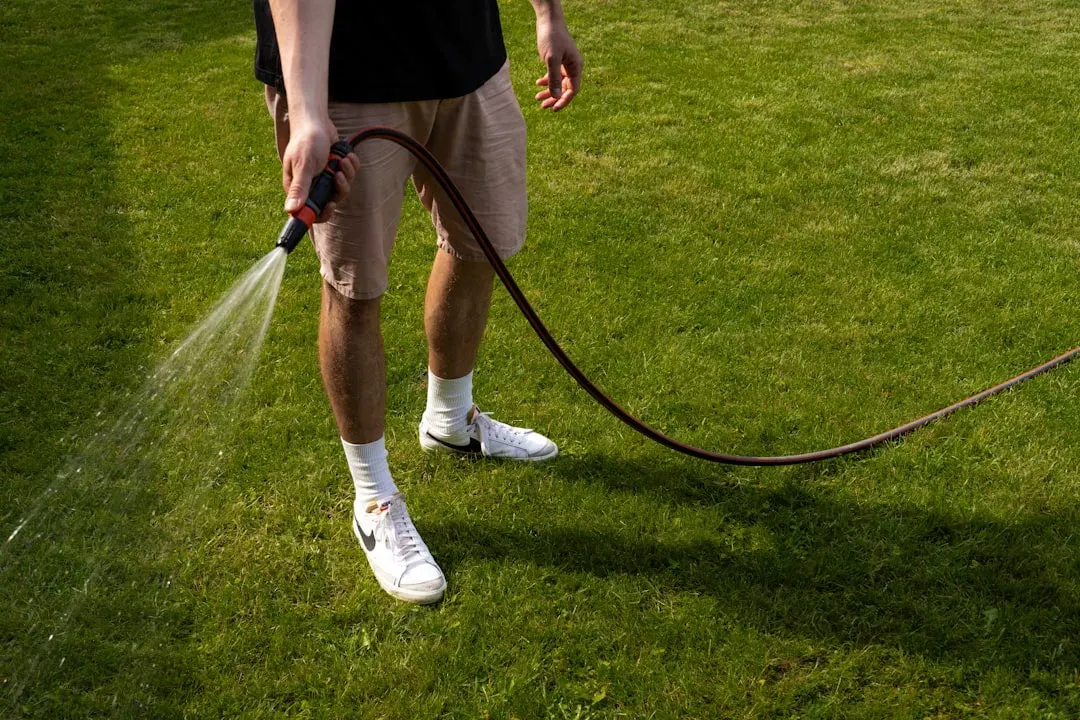
Here’s the thing about watering right after mowing: it’s not always bad, but timing is everything. Watering too frequently can drown the roots, promote fungal diseases, and create shallow root systems, while underwatering causes grass to dry out and weaken. After a fresh cut, those grass blades are exposed and stressed, making the timing of your watering session more important than ever.
Water deeply and infrequently rather than daily. Most lawns need about one to one and a half inches of water per week, including rainfall. Watering early in the morning before ten in the morning reduces evaporation and allows grass to absorb moisture efficiently. Watering in the evening after a mow, on the other hand, keeps the grass damp overnight and rolls out the welcome mat for fungal problems.
2. Neglecting to Clean the Mower Deck
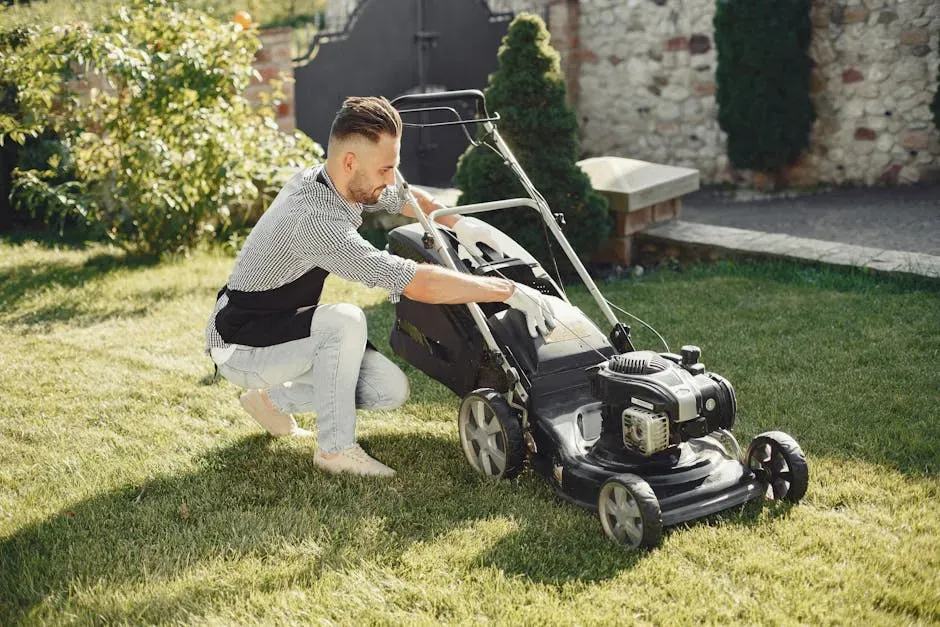
Nobody wants to clean tools after yard work – I completely get it. Still, skipping the mower deck cleanup after every session is one of the most damaging habits you can have. It’s important to clean your lawn mower deck after trimming the turfgrass since grass clippings are harder to clean off once the grass dries. If you don’t clean your lawn mower, grass clippings can corrode the mower deck or cause the mower to overheat.
Clean the underside of your lawn mower with a brush or by rinsing it out with water. This will protect your lawn mower from wear and tear caused by grass clippings stuck on the machinery. Think of it like rinsing a knife after cooking. It takes two minutes and it saves you a fortune down the road. After mowing, take five minutes to clean the mower deck, check for grass buildup, and empty the bag. Clean tools mean healthier grass and a longer-lasting machine.
3. Bagging and Removing All Your Grass Clippings
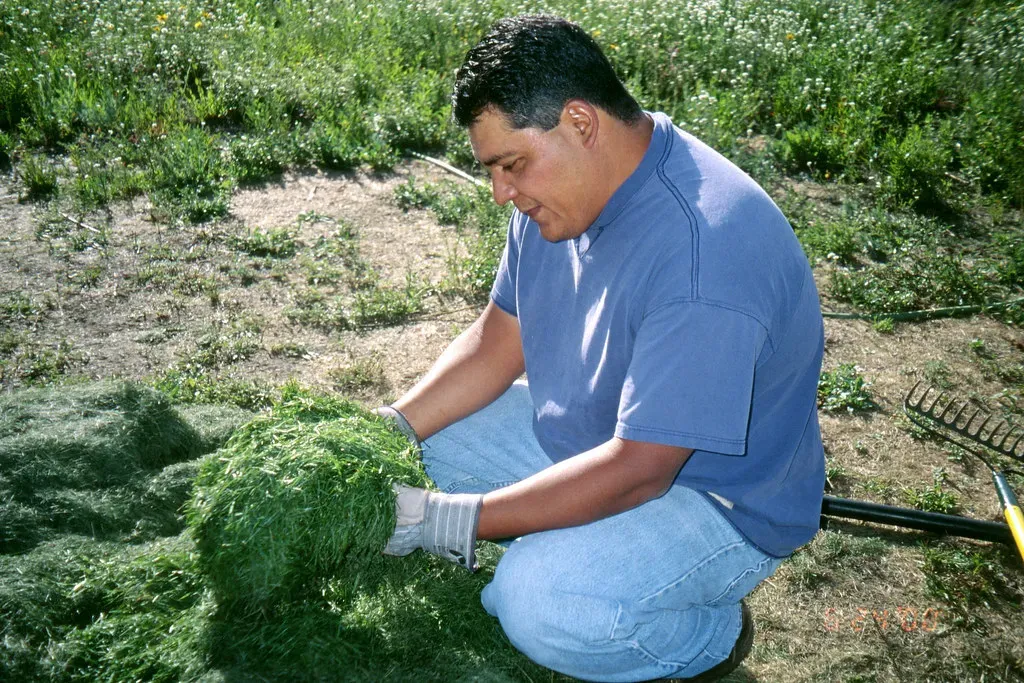
This one surprises a lot of people. The instinct to bag up every clipping and haul it away feels tidy, responsible even. The reality, though, is that you’re throwing away free fertilizer. Do not bag grass clippings after mowing. Bagging your clippings may be tempting cosmetically; however, it’s generally better for your lawn if you leave them. Clippings act as a natural fertilizer for your lawn, feeding the grass as they decompose.
Rather than bagging your grass clippings, grasscycling – leaving clippings on the lawn to decompose – is recommended as they act as a natural fertilizer. The caveat worth mentioning here is moderation. Leftover clippings can smother your grass if not managed properly. While some clippings decompose and enrich the soil, too many can lead to thatch buildup. So leave them when they’re light and thin, and remove them only when they’re clumped or excessive.
4. Fertilizing Immediately After Mowing in the Wrong Conditions
A freshly mowed lawn can absolutely benefit from fertilization, but context matters enormously here. Many homeowners reach for the fertilizer bag right after mowing with the best intentions and actually end up causing harm. More fertilizer doesn’t necessarily equate to better lawn health. Excessive fertilizer can sometimes result in a burn effect, where nitrogen and salt concentrations are too much for plants. The fertilizer makes the soil too salty, reversing the flow of water from plant leaves back into the soil.
Your freshly cut lawn is more receptive to nutrients, making post-mow a great time to feed it – but follow your seasonal schedule and never apply in extreme heat. Also, avoid fertilizing before heavy rain, which can wash nutrients away. Timing, temperature, and moisture levels all need to line up before you break out the spreader.
5. Skipping a Post-Mow Lawn Inspection
Most people mow and walk away without a second glance. That’s a missed opportunity. After mowing, walk your lawn to check for scalping, uneven grass height, or tire ruts. Uneven mowing might be due to dull blades, low tire pressure, or rushing through the task. Catching these issues early means you can address them before they become real problems.
Freshly mowed lawns expose more of the grass base, making it easier to spot problems early. This is actually the perfect time to notice thinning patches, pest damage, or early signs of fungal disease. Mowing makes thin or bald spots more noticeable. Keep the area moist until new grass grows in. Think of your post-mow walk as a brief health check for your yard – it costs nothing but two minutes of attention.
6. Always Mowing in the Same Pattern
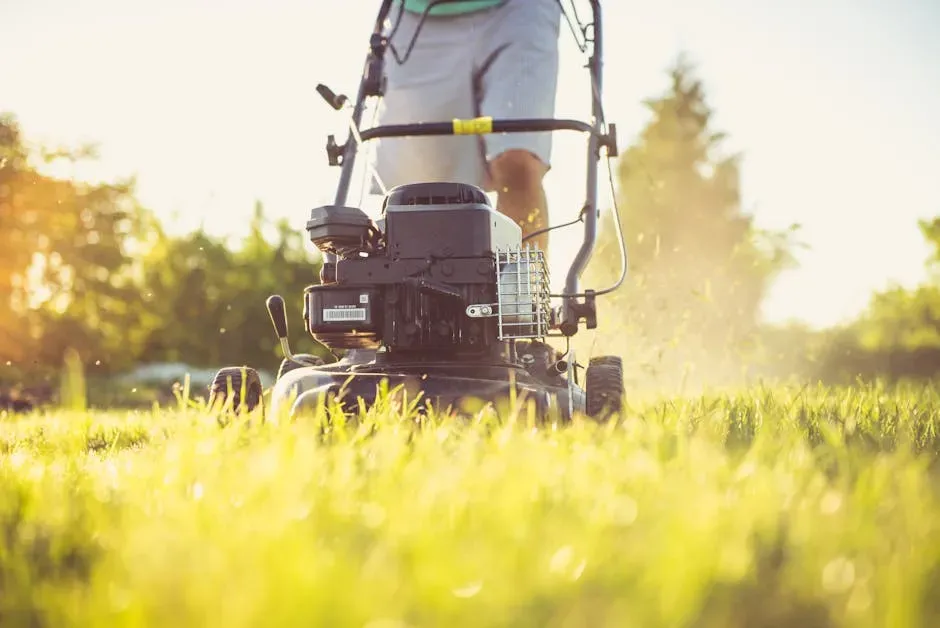
If you always push the mower in the same direction, week after week, your lawn is quietly suffering for it. This is one of those habits that feels harmless but compounds into real issues over time. Alternate the direction in which you mow the lawn each time. Grass blades tend to grow in the direction in which they are mowed. Alternating your mowing pattern allows the blades to return to a more upright position, helping them grow straighter and healthier.
Try not to make your lawn mowing routine too repetitive. Instead, mow in a different direction every time: front to back, back to front, diagonal. Repeatedly mowing the exact same way will cause the grass blades to grow at an angle, and you may develop permanent tracks from the mower wheels. Rotating your pattern also helps prevent soil compaction in the same lines across your yard. It’s a small habit change with a surprisingly big payoff.
7. Ignoring Soil Compaction After High-Traffic Mowing

Every time you roll a heavy mower across your lawn, you’re pressing down on the soil below. Over time, especially in areas with frequent foot traffic, that pressure builds up in ways that are genuinely damaging to grass health. Compacted soil makes it difficult for water, oxygen, and nutrients to reach the root zone, leading to thinning grass, drainage problems, and stubborn bare patches. Heavy clay soils and areas with frequent foot traffic are especially prone to compaction, yet many homeowners skip aeration entirely.
If your lawn sees lots of foot traffic, mowing compacts the soil even more. Aeration breaks it up and allows roots to breathe. Aerate your lawn annually to improve airflow and allow nutrients to penetrate the soil. Regularly test your soil’s pH levels and supplement it with the right fertilizers or organic matter to keep it balanced and nutrient rich. Aeration is honestly one of the most underused tools in a homeowner’s lawn care arsenal.
8. Blowing Clippings onto Driveways and Sidewalks
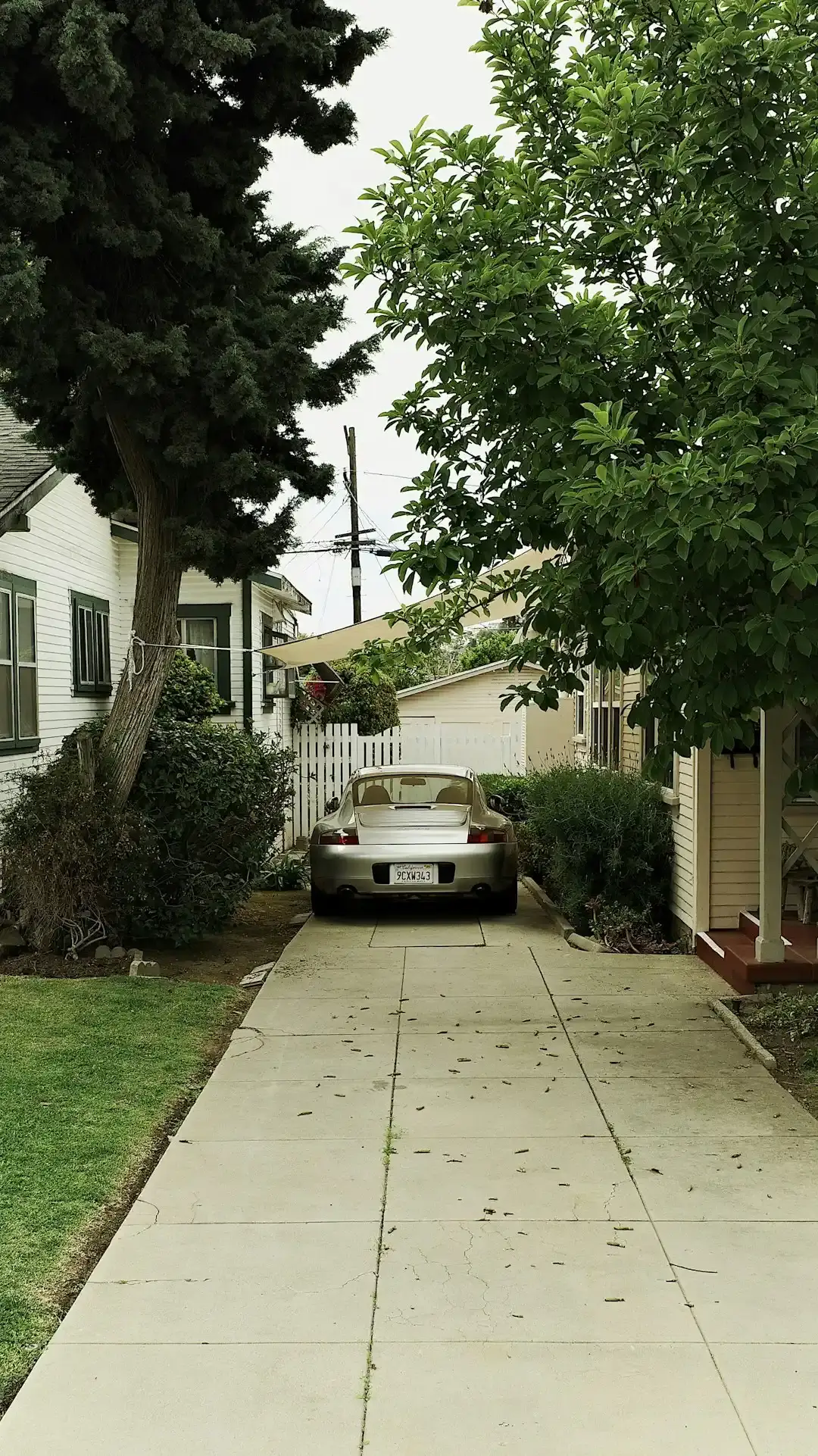
This mistake is all about direction and awareness. It seems like a minor thing, but freshly cut grass clippings blown onto hard surfaces create a mess that’s harder to clean than you’d expect – and can even stain concrete over time. Freshly cut grass can stick to and stain concrete driveways and sidewalks. Instead of blowing grass onto them, change the direction you’re mowing so that the cut grass blows back into the yard to avoid a big mess on the hardscapes.
Beyond aesthetics, clippings on sidewalks can get tracked back inside the house, become slippery when wet, and end up washing into storm drains with the next rain. The fix is straightforward: just plan your mowing path so the discharge chute faces the lawn rather than the pavement. It requires a bit of forethought, but it pays off in ways you’ll notice the moment it rains.
9. Letting Grass Go Too Long Before the Next Mow
There’s a temptation after mowing to kick back and enjoy the results for as long as possible. Fair enough. The problem starts when “a few extra days” turns into two or three weeks. Mowing is a chore that’s easy to put off. But delay is bad for your grass. The taller it gets, the more you’ll cut off when you finally mow. The more you cut off, the more you’ll “shock” the grass. That weakens each individual plant and leads to other problems later on.
Don’t mow infrequently, especially during your grass’s peak season. A common rookie mistake is to wait too long to cut the grass. Once grass has grown tall and dense, it’s more difficult to mow. The golden rule here is simple: never remove more than one third of the height of the lawn in any one mowing. If you’ve let it run wild, bring it back down gradually over two or three sessions instead of hacking it all at once.
10. Forgetting to Check and Sharpen Your Mower Blades
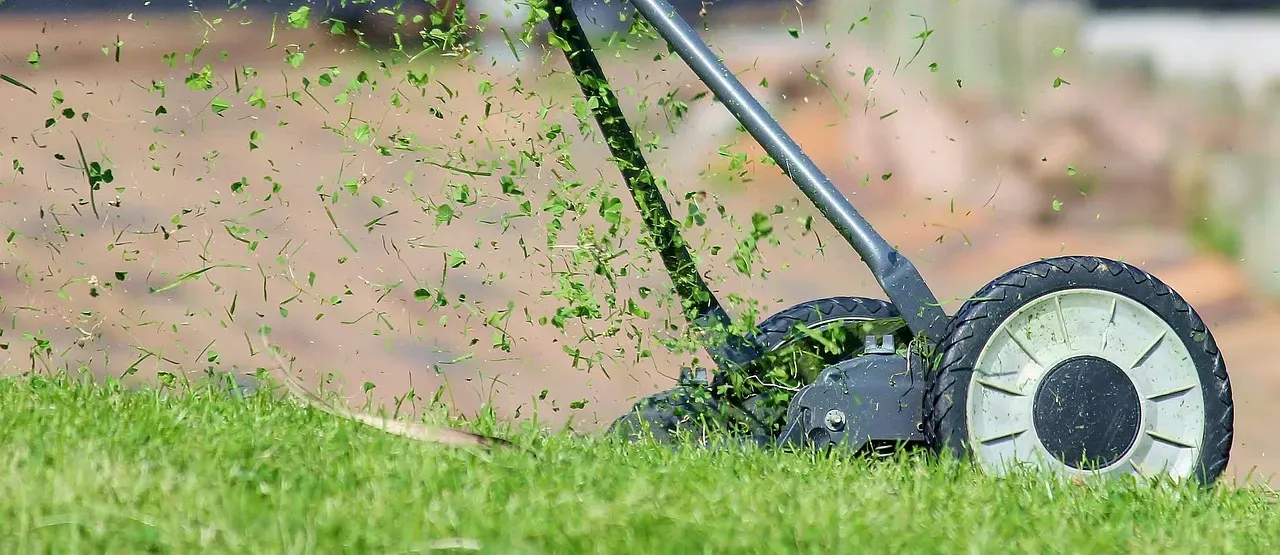
I’d argue this is the single most overlooked post-mow task. Dull blades don’t just look like a mowing problem. They are a disease problem, a stress problem, and an aesthetic problem all rolled into one. Mowing with dull blades is a recipe for a yard full of brown or yellow grass. Not only do dull mower blades make your grass look ragged and uneven, torn grass also leaves your lawn susceptible to diseases and lawn pests.
Dull mower blades can tear grass instead of cutting it, leading to ragged edges with increased susceptibility to disease and pests. In contrast, sharp mower blades allow for clean cuts that promote faster healing and regrowth. So when should you sharpen? Sharpen your mower blades at least once per season. This ensures clean cuts that heal quickly rather than jagged tears that stress the grass and create entry points for disease. Many pros recommend doing it even more frequently, roughly every twenty to twenty-five hours of mowing use.
Lawn care doesn’t end when the mower goes back in the shed. The post-mow window is where a lot of silent damage happens – and where a lot of silent improvement can happen too, if you’re paying attention. A few small habit changes, like checking your blades, varying your mowing pattern, skipping the late evening watering, and doing a quick walk-around inspection, can genuinely transform the health and appearance of your lawn over a single season.
Most of these mistakes are easy to avoid once you know to look for them. The question worth asking yourself is: how many of them did you recognize? Drop your thoughts in the comments – you might be surprised by how many other homeowners are making the same ones.