13 Household Items Better Stored Outside of Plastic Containers
Most of us have a kitchen cabinet stuffed with plastic containers of every shape and size. They’re cheap, they stack nicely, and they’ve become as automatic as reaching for a glass of water. Honestly, it’s hard to imagine the modern kitchen without them.
Here’s the thing though – plastic isn’t as neutral as it looks. These containers are not totally inert and leach varying levels of metals and chemicals into the foods they store, especially if subjected to elevated temperatures. Beyond the chemistry, some of the everyday items we store in plastic actually degrade faster, lose flavor, or pick up odors they should never have. Let’s take a closer look at thirteen things you are genuinely better off keeping somewhere else.
1. Fresh Bread
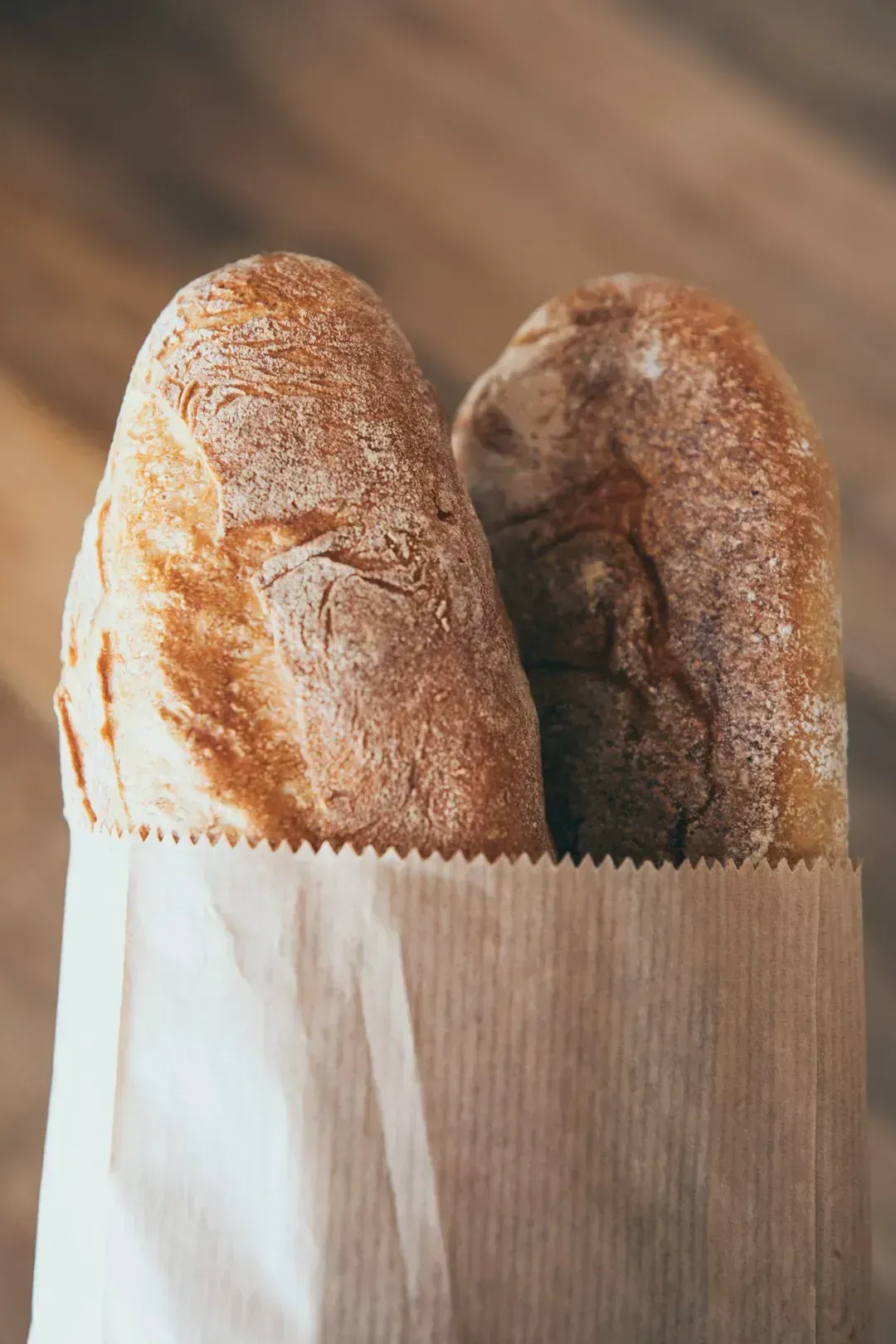
Few kitchen mistakes are as common – or as quietly ruinous – as sealing fresh bread in a plastic bag. When bread is stored in plastic, it retains its moisture, becomes soft, and is more likely to grow mold after a couple of days. If you’ve ever stored fresh bread in a plastic bag, you’ll notice that condensation starts to form and the bread becomes overly moist – because plastic isn’t breathable, and the moisture inside the bread works its way outward into the bag’s atmosphere.
The plastic bag prevents the bread from breathing, which in turn keeps the moisture inside the bag. When storing bread in a plastic bag, it actually acts as an incubator for all the microorganisms still left in the bread, thus creating the perfect environment to grow mold. A simple linen bag, a classic bread box, or even a paper bag allows just enough airflow to keep things crusty and fresh far longer. That’s not a complicated fix – it’s just a smarter one.
2. Coffee Beans and Ground Coffee
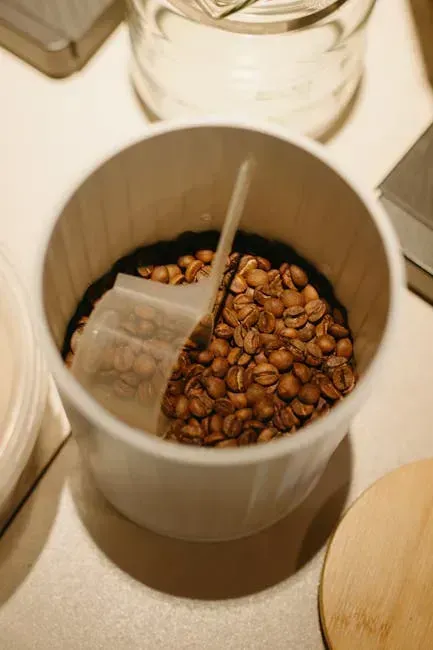
Coffee lovers, pay attention. Improper storage is one of the fastest ways to ruin good coffee. Even the highest-quality beans will quickly lose their flavor if exposed to air, light, moisture, or heat. Plastic has a particular knack for robbing coffee of its magic because it tends to absorb odors and transfer them back into the beans over time.
Using plastic for coffee storage carries a risk of flavor absorption, can leach chemicals unless it is BPA-free, and often offers lower airtightness in low-quality options. Stainless steel or ceramic canisters with airtight seals are the gold standard here. Think of it like keeping wine in a cardboard box – technically possible, but a waste of something wonderful.
3. Tomato-Based Sauces
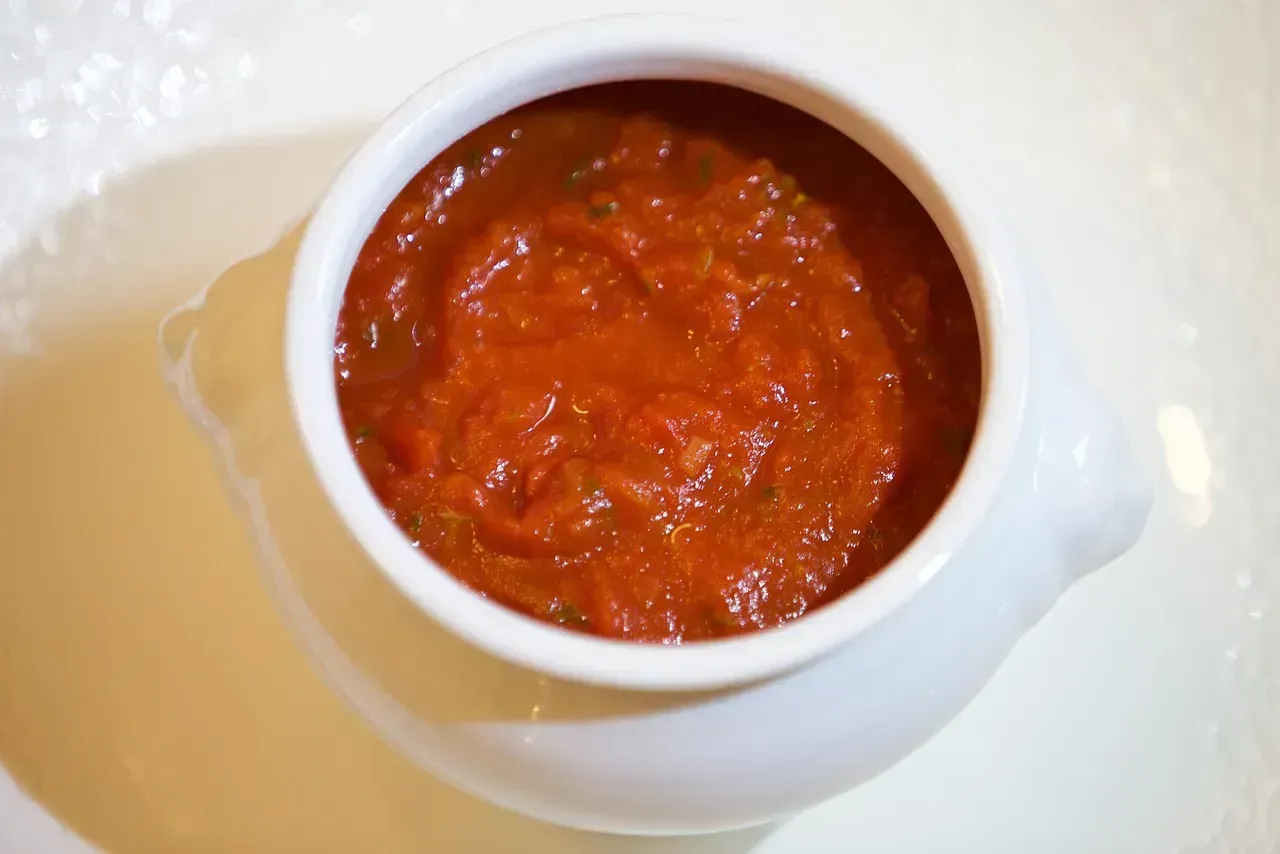
If you’ve ever opened a plastic container that once held marinara sauce only to find it stained a deep orange and smelling like last Tuesday’s pasta, you already know this one instinctively. Acidic foods such as tomatoes, citrus fruits, vinegar-based dressings, and pickled vegetables can react with the chemicals in some plastic containers. That vivid red stain isn’t just cosmetic – it’s a sign of genuine chemical interaction at the surface level.
Tomato-based sauces are highly acidic and should be stored in glass jars instead of PET or PP containers. Glass does not absorb colors, odors, or the acids in tomatoes, making it the obvious winner here. Because of its non-porous surface, glass doesn’t absorb odors the way plastic does, making it ideal for storing a variety of foods without compromising flavors. Next time you batch-cook a sauce, pour it straight into mason jars. Your containers – and your leftovers – will thank you.
4. Cooking Oils
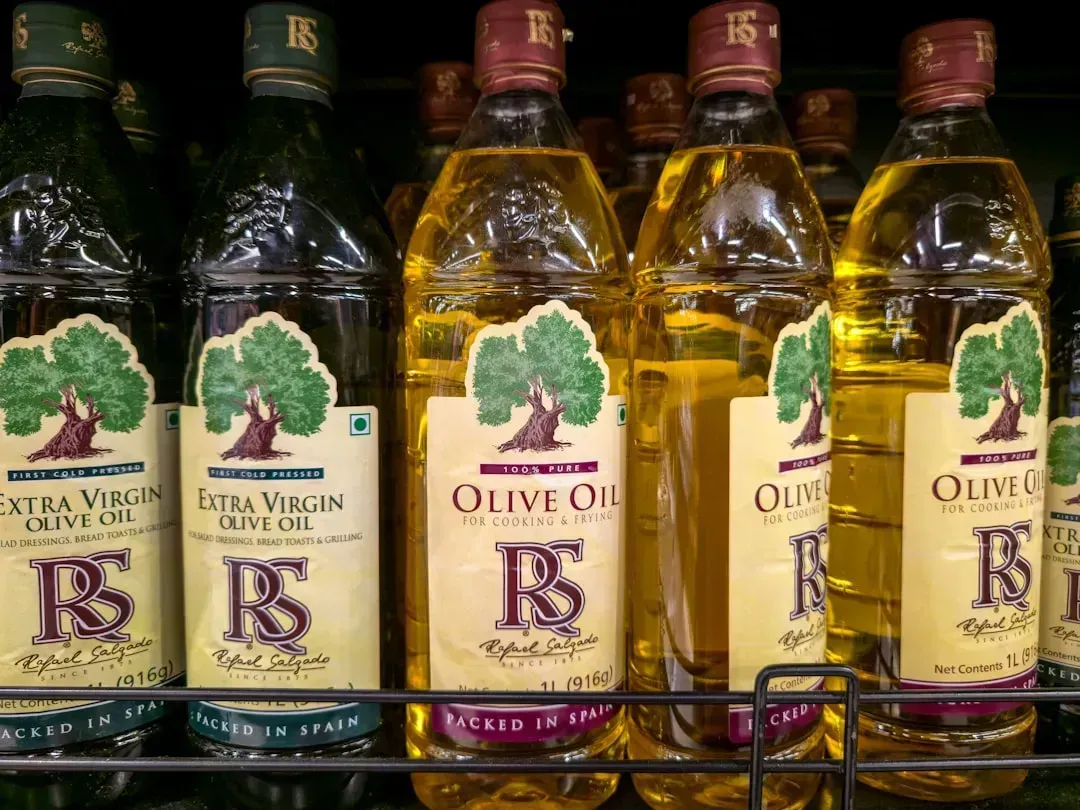
Cooking oil seems innocent enough in a plastic bottle, but the chemistry tells a different story over time. The oil seeps into the plastic, absorbing odors and sometimes leaving a sticky residue. Over time, this can affect the quality and flavor of the sauce, turning it rancid faster. Glass jars or stainless steel containers are a much better choice for oil-based sauces – these materials are non-porous and won’t absorb the oils or their flavors.
Foods high in fat or acidic content are known to absorb these chemicals more readily when they come into contact with plastic packaging. Olive oil stored long-term in plastic picks up off-flavors at a rate that glassware simply doesn’t allow. Store your daily-use oils in a dark glass bottle on the counter and keep larger reserves sealed in glass away from direct sunlight. Simple, effective, and your cooking will taste better for it.
5. Fermented and Pickled Foods
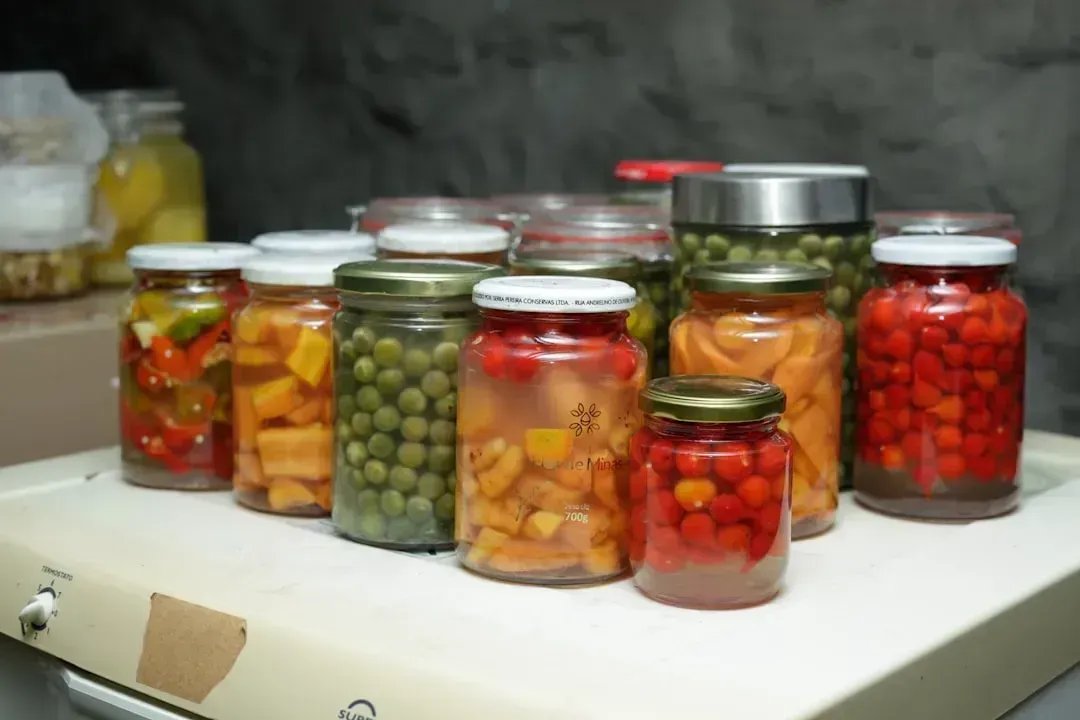
Kimchi, sauerkraut, pickles, and lacto-fermented vegetables are very much having their moment right now. These foods are powerhouses of gut-healthy bacteria, but they are also highly acidic – and that acidity wages war on plastic from the inside out. When marinating the veggies, brines, vinegars, and other preservatives unleash lactic acids, kicking off the aging process that creates the trademark zesty bite. Those microbes produce strong gases, and a flimsy synthetic tub is no match for them. Because plastic is pliable, the material will get distorted, especially after months of allowing the food to steep under a closed lid.
Springing for glassware is the optimal choice. Mason jars offer a tighter seal, helping to promote the conditions needed to allow the crisp veggies to flourish. The good news is that mason jars are inexpensive and widely available. Glass fermentation crocks, too, have been the traditional vessel of choice for centuries – for good reason.
6. Fatty and Oily Foods Like Cheese and Butter
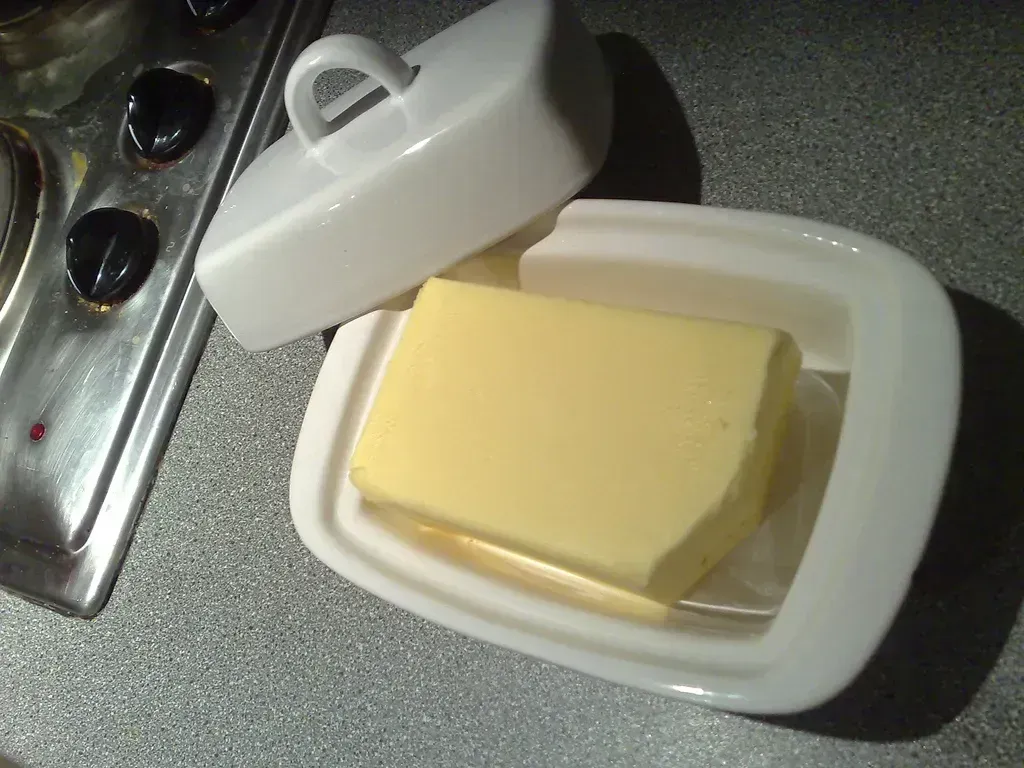
Uploaded by ArielGlenn, CC BY 2.0)
Here’s something that surprises a lot of people. Fat is essentially a solvent for plastic chemicals. Oily and fatty foods like butter, cheese, and meat can absorb chemicals from plastic containers, especially when stored for long periods or at high temperatures. The fat molecules actively draw those chemical additives out of the plastic walls and into your food. That’s not a small detail – it’s a direct route of exposure.
Oily and fatty foods like butter, cheese, and meat can absorb chemicals from plastic containers, especially when stored for long periods. The high fat content in nut butters makes them particularly susceptible to chemical absorption. For everyday butter, wax paper or a ceramic butter dish at room temperature is a classic and genuinely effective solution. For hard cheeses, a light wrap in parchment paper followed by beeswax wrap preserves texture and flavor far better than an airtight plastic tub ever could.
7. Spicy Foods and Curries
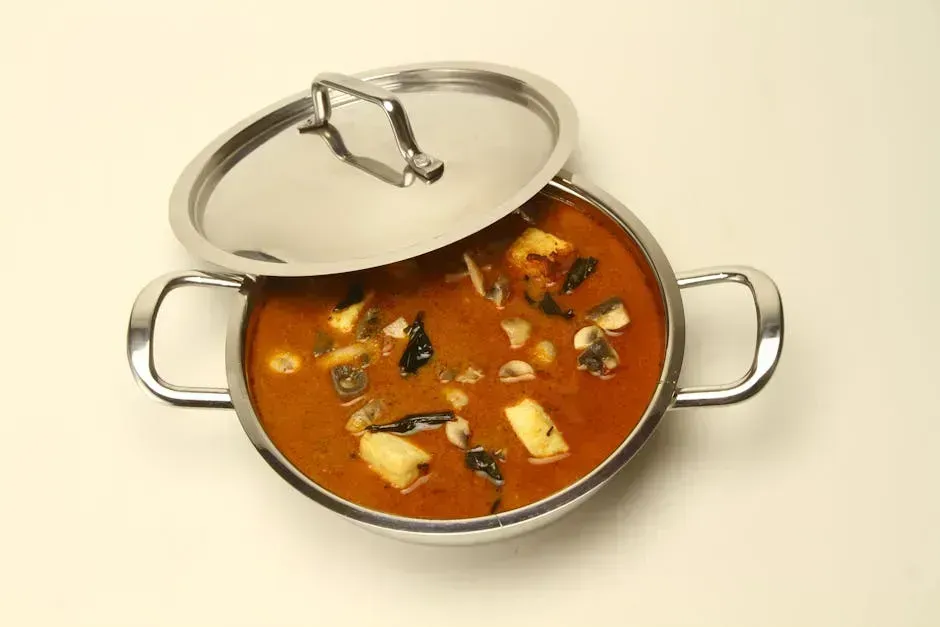
You’ve almost certainly seen those slightly tragic plastic containers stained a permanent shade of turmeric yellow. That visual alone should make the case, but the problem runs deeper than appearance. Spicy foods, like curries or hot chili, can stain and leave strong odors in plastic containers. The oils from spices like turmeric, cumin, and chili peppers can cling to plastic, making it difficult to clean. These oils can also leach into the plastic over time, affecting the flavor of any other foods stored in the same container later.
Essentially, that container is now permanently seasoned in a way you did not plan for. To avoid staining and odor issues, consider using ceramic or glass containers for spicy foods. Once those spice oils penetrate the plastic, they’re nearly impossible to remove completely. Heavy glazed ceramic bowls with snug lids are particularly good for storing curries and work beautifully in the fridge for days at a time.
8. Vinegar and Vinegar-Based Dressings
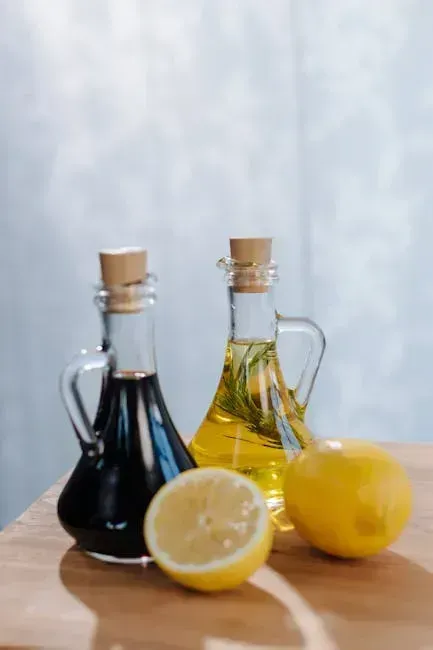
Vinegar is an acid – a rather effective one at that. It may be gentle enough for salad dressing, but it is not gentle on plastic over time. Vinegar’s tangy kick is a must for dressings and marinades, but it’s tough on plastic. The acidity gradually breaks down the container surface, especially with repeated storage and retrieval. This creates a slow exchange of chemical compounds between the plastic and the liquid inside.
Soy sauce may seem harmless, but its high salt content makes it unsuitable for plastic storage over long periods. Salt can erode certain types of plastic, compromising the bottle’s integrity and potentially altering the sauce. The strong umami flavor of soy sauce can absorb plastic odors, affecting its taste. The same logic applies to any vinegar-based condiment. Decant your homemade dressings into small glass bottles with tight lids and your flavors will remain sharp, clean, and exactly as you intended them.
9. Hot Leftovers
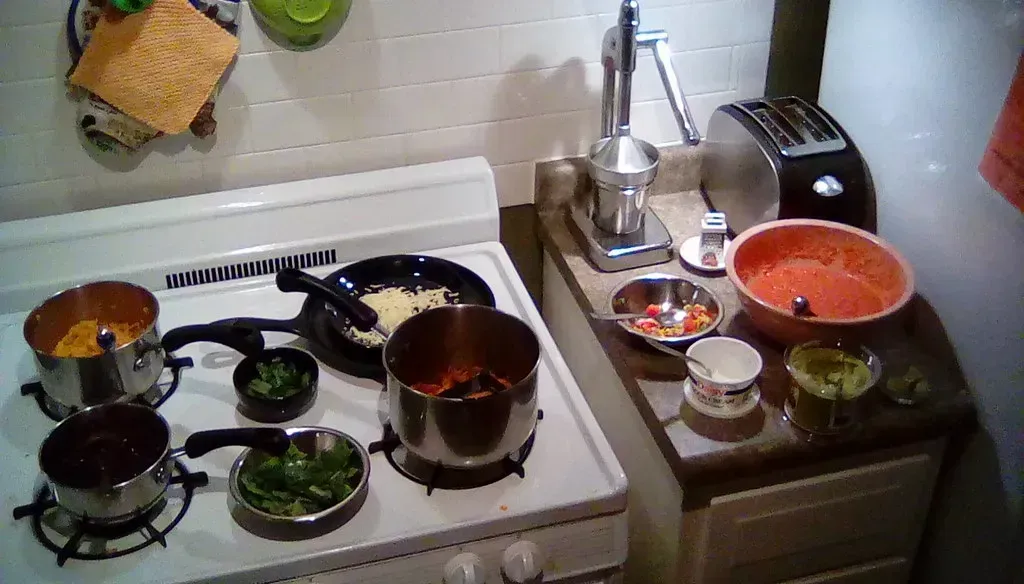
I think this is the one most households get wrong most often. We cook, we scrape the food straight into a plastic container, and we shove it in the fridge. Feels efficient. Storage of hot food in takeout containers accelerates the rate of leaching of microplastics and other potentially hazardous substances. Heat and plastic are genuinely a bad pairing, whether you are talking about refrigerating or microwaving.
When you reheat food in plastic containers, there’s a risk of chemicals migrating from the plastic into your food, particularly when the plastic is exposed to high temperatures. The process of leaching occurs because heat weakens the chemical bonds of polymers and increases the mobility of additives within the material, allowing chemicals to break down and escape into food or liquids. Repeated use, wear and tear, and high temperatures intensify this risk. Let hot food cool in the pan, then transfer it to a glass or ceramic container for the fridge. This one habit change is probably the highest-impact swap on this entire list.
10. Leather Goods and Accessories

Now we step out of the kitchen entirely – and into your wardrobe. Leather needs to breathe. A leather jacket, handbag, belt, or pair of shoes sealed inside a plastic bin or bag is essentially being suffocated. Although plastic storage solutions are durable, versatile, and transparent to easily see what’s inside, the plastic material is also prone to trapping moisture and absorbing odors. What’s more, this is worsened by fluctuating temperatures in the home, especially if not placed in a cool, dry space.
Trapped humidity inside a sealed plastic container creates the ideal conditions for mold, mildew, and a musty smell that seeps deep into leather fibers and is extraordinarily difficult to remove. Breathable cotton dust bags, open shelving, or even a pillowcase are all vastly superior for leather storage. If you are putting seasonal pieces away, wrap them loosely in acid-free tissue paper and place them in a cardboard box with a cedar block nearby. Leather genuinely rewards good storage.
11. Wool and Natural Fiber Clothing
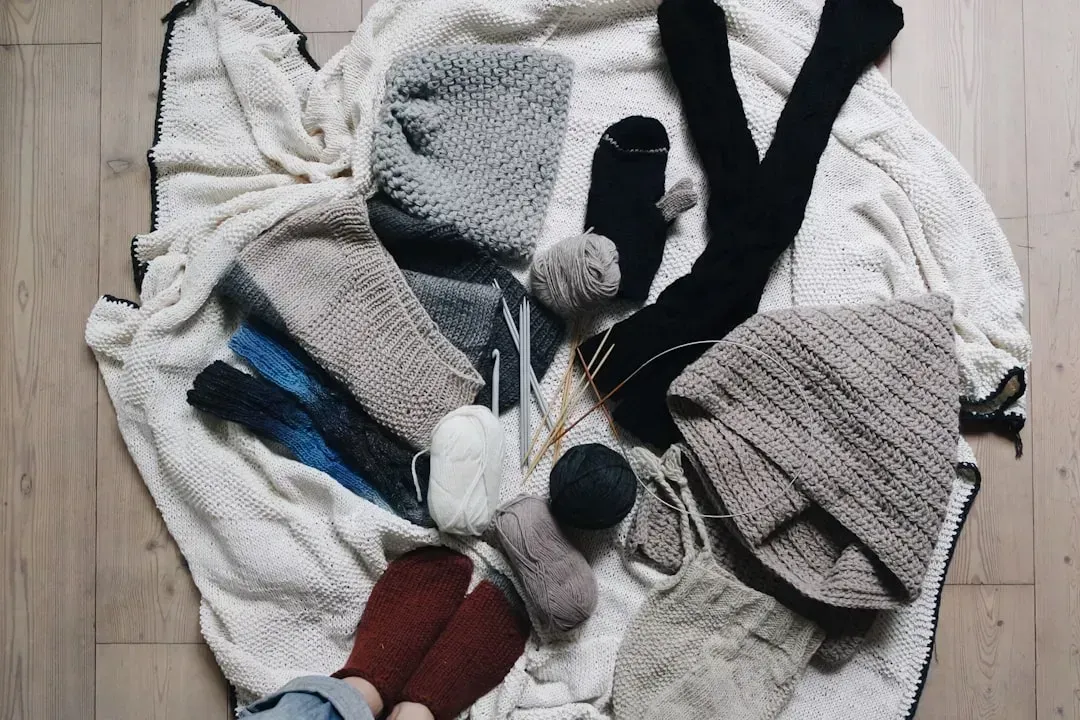
Wool is one of those materials that seems robust but is actually quite sensitive to how it is kept. Much like leather, it needs a degree of breathability that solid plastic bins simply cannot provide. Most everyday plastic boxes don’t let air through. If any moisture gets trapped inside from the clothes or the air, it can’t escape. This can make wool turn yellow, get mildew, or develop a musty smell over time.
Vacuum-sealed bags are usually not good for wool for long-term storage. They squash the wool fibers, removing their natural fluffiness, airiness, and ability to insulate. Wool needs to breathe. While they save space, they can damage the texture of wool. Canvas bins, cotton storage bags, or wooden blanket chests with cedar lining are far kinder to natural fibers. Cedar naturally repels the moths that love wool, which is an added bonus you definitely do not get from plastic.
12. Honey
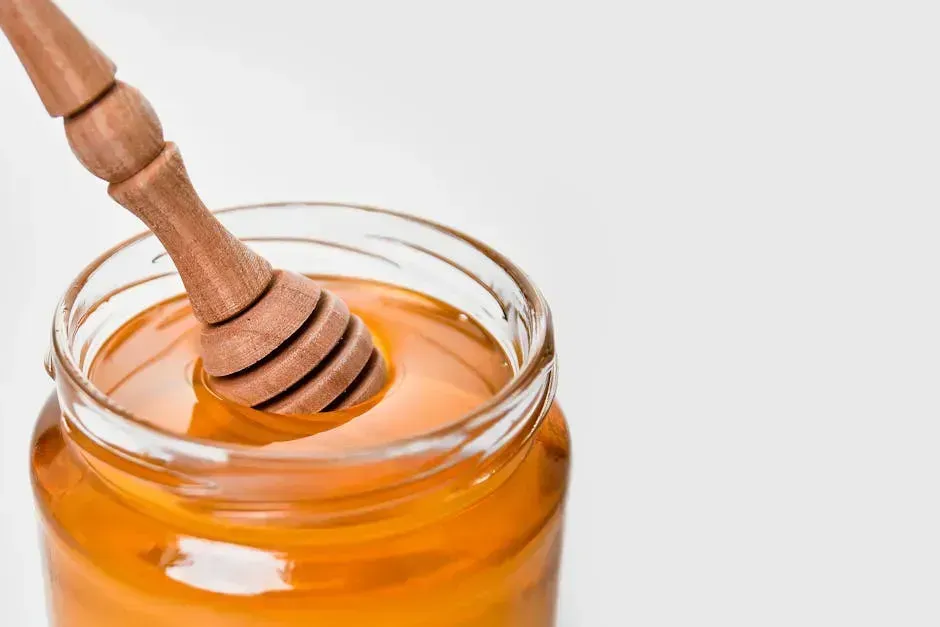
Honey is one of the most extraordinary natural products on earth. Honey is a natural wonder. Because of its low moisture amount and high acidic pH, honey is the only food from nature that does not spoil. In fact, clay jars of edible honey have been found in ancient Egyptian tombs. Given that incredible chemistry, it deserves better than an average plastic squeeze bottle for long-term storage.
Plastic is permeable, meaning it allows very slow gas exchange over time. For a product as delicate as honey – particularly raw, unfiltered varieties rich in pollen and enzymes – this gradual interaction can affect subtle flavors over months. Glass is genuinely inert in a way that plastic is not. Glass is inert, which means it does not chemically interact with other materials. Glass is nonporous, so it does not transfer smells or flavors – making it ideal for food storage. A well-sealed glass jar in a cool, dark cupboard is essentially the perfect honey home.
13. Dry Spices and Herbs
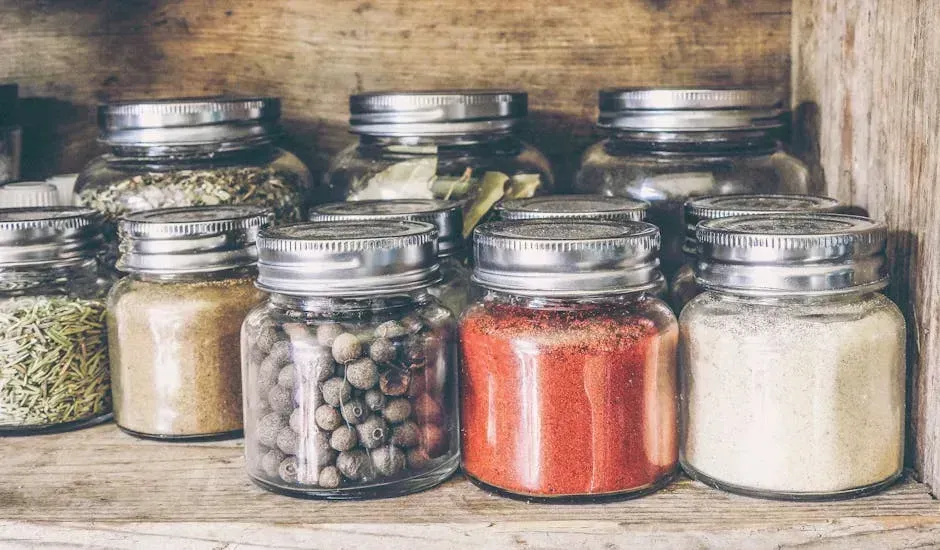
Spices stored in thin plastic jars or bags lose their potency surprisingly fast. As soon as coffee beans are roasted, they begin to release gases and degrade due to oxygen exposure, which triggers oxidation and dulls the vibrant flavors, while UV light breaks down oils and aromatics. The very same principles apply to dried spices and herbs – the volatile aromatic oils that give spices their power are sensitive to light, oxygen, and the very faint chemical interactions that happen at a plastic surface over time.
Plastic is porous and can absorb odors from food. Synthetic containers pose notable disadvantages for produce with stronger aromas, which are capable of hanging around a container after repeated uses. Dark glass jars with tight metal or cork lids are what professional spice merchants have used for centuries. They are not expensive, they look beautiful on a spice rack, and they genuinely preserve flavor longer. The difference between a cumin stored in glass for six months and one that has sat in a thin plastic bag is unmistakable the moment you open it.
It’s easy to overlook these details when plastic is so convenient and affordable. Yet the evidence, both in terms of chemistry and simple quality of life, points consistently in one direction. Glass, stainless steel, ceramic, natural fiber, and breathable materials are almost always the better choice for the long haul. Small swaps made one item at a time can add up to a genuinely healthier, better-smelling, and better-tasting household. What item on this list surprised you most? Share your thoughts in the comments below.