13 Decorative Choices That Can Affect the Feel of Your Space
Walk into a beautifully designed room and something just clicks. The air feels different. You relax without even realizing why. It is not magic – it is the result of dozens of small decisions that quietly shape your emotional experience. What you hang on the wall, what you lay on the floor, how much light you let in – all of it adds up to something bigger than its individual parts.
Most people redecorate hoping for a fresh look. But honestly, the real prize is a fresh feel. The way a space makes you breathe, think, or unwind is just as important as how it photographs. So let’s get into the 13 decorative choices that can genuinely move the needle on how your room feels – some of them might surprise you.
1. Wall Color and Color Psychology
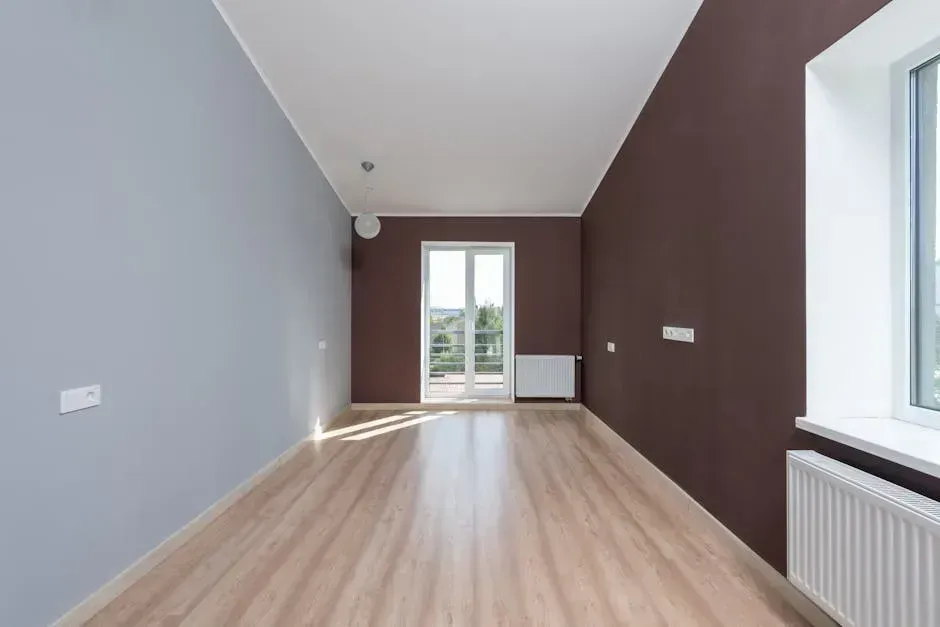
Interior design colors are more than just visual elements – they influence emotions, behaviors, and the overall perception of a space. Color theory incorporates scientific, psychological, and artistic principles to create a harmonious environment that aligns with the function of a given space. Think about it like emotional tuning. Swapping a stark white wall for a soft terracotta is not just an aesthetic upgrade – it literally shifts how your nervous system responds to being in that room.
Warm tones like terracotta, beige, and muted gold evoke connection and comfort, making them ideal for social spaces. Cool tones such as blue, teal, and soft gray promote clarity and calm, supporting concentration in study or work areas. Research has even found that blue as an interior color is considered to facilitate studying activity. Choosing a color without thinking about the room’s purpose is like seasoning food without tasting it first.
2. Lighting Layers and Fixture Choices
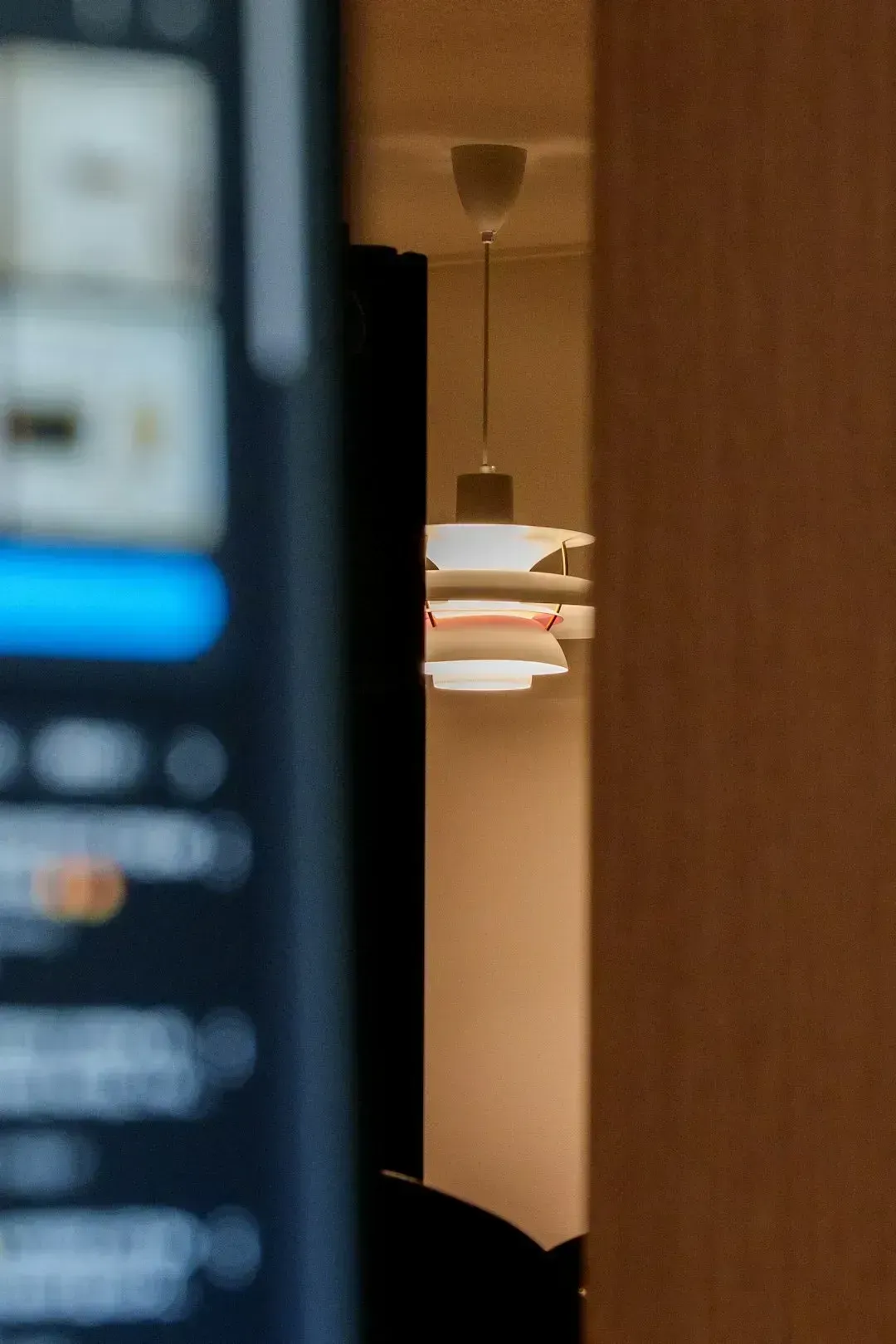
Lighting is not just functional anymore – it is emotional. Bold color lighting has stepped into the spotlight, transforming rooms with personality and control. Customizable LED systems let you shift the atmosphere in seconds – soothing blues for calm evenings, vibrant ambers for energy, soft pinks for warmth. A single overhead bulb is not a lighting plan. It is a missed opportunity.
Layering different types of lighting allows for customization of both ambiance and mood in any space. A combination of natural and artificial lighting – such as large windows paired with overhead fixtures – and the use of multiple light sources throughout a room create a warmer and more inviting atmosphere. Exposure to natural light also helps regulate the circadian rhythm, improving sleep, alertness, and emotional balance throughout the day. Morning light enhances focus, while softer evening light promotes relaxation.
3. Mirrors and Their Placement
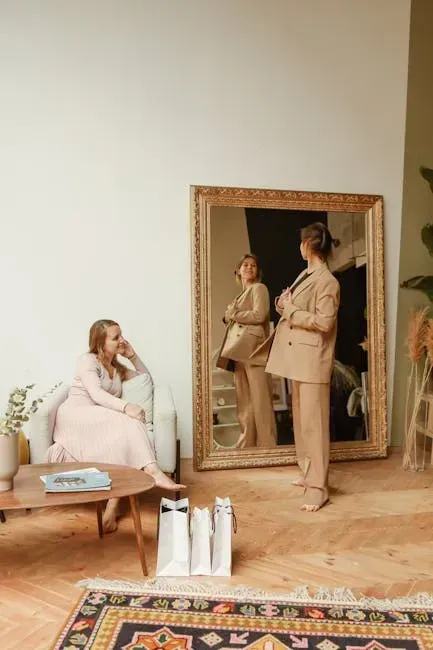
Mirrors expand visual boundaries by reflecting the surrounding environment. This reflection can make a space feel boundless, and designers can create the potential for limitless depth by using multiple mirrors. By placing large mirrors along a wall, a designer can effectively double a room’s perceived size. It is almost a cheat code for small apartments, honestly. A single well-placed mirror can add what feels like an entire extra room.
Placed on a wall that opposes a window or on a wall that is perpendicular to a window, a mirror will reflect the view and spread natural light throughout a room. Always check what your mirror reflects – avoid pointing it toward clutter, exposed cords, or blank walls. Getting mirror placement wrong is almost worse than having no mirror at all, so thoughtful positioning matters enormously.
4. Furniture Scale and Proportion
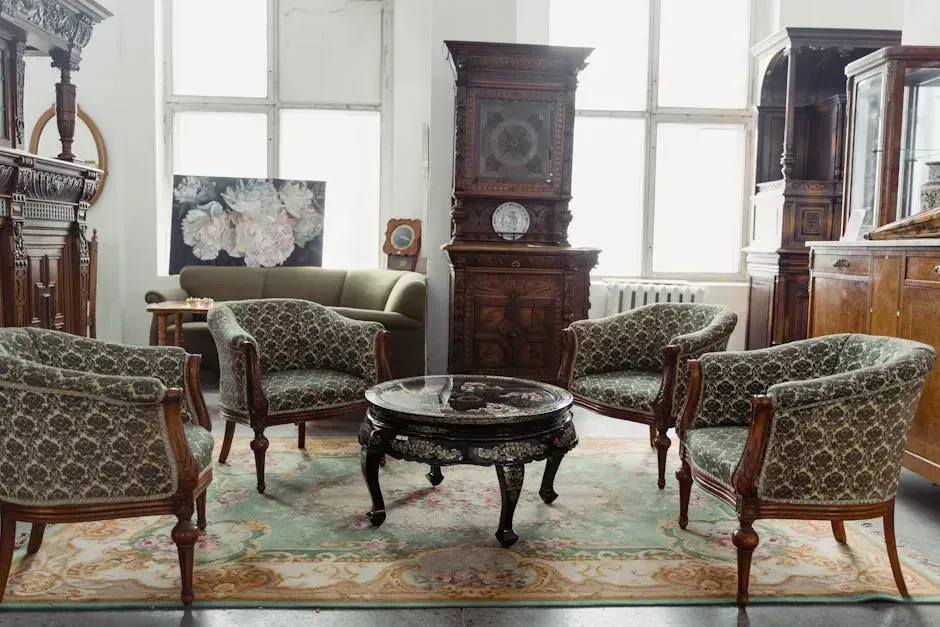
Ever walk into a room where the furniture just feels off? This might be due to improper scale or proportion. When selecting furniture, be mindful of how it fits into the room in terms of size and placement. Too-small furniture will feel lost, while oversized pieces can overwhelm the space. This is one of those things that is obvious the moment someone points it out and yet endlessly overlooked in practice.
Furniture should fit comfortably in the space and in relation to other pieces. A room with high ceilings, for example, can accommodate larger, more imposing pieces, while a smaller room may require more compact or low-profile items. Think of furniture scale like audio volume – the right level creates harmony, while the wrong level creates immediate discomfort, even if you cannot quite name why.
5. Rugs and Floor Definition
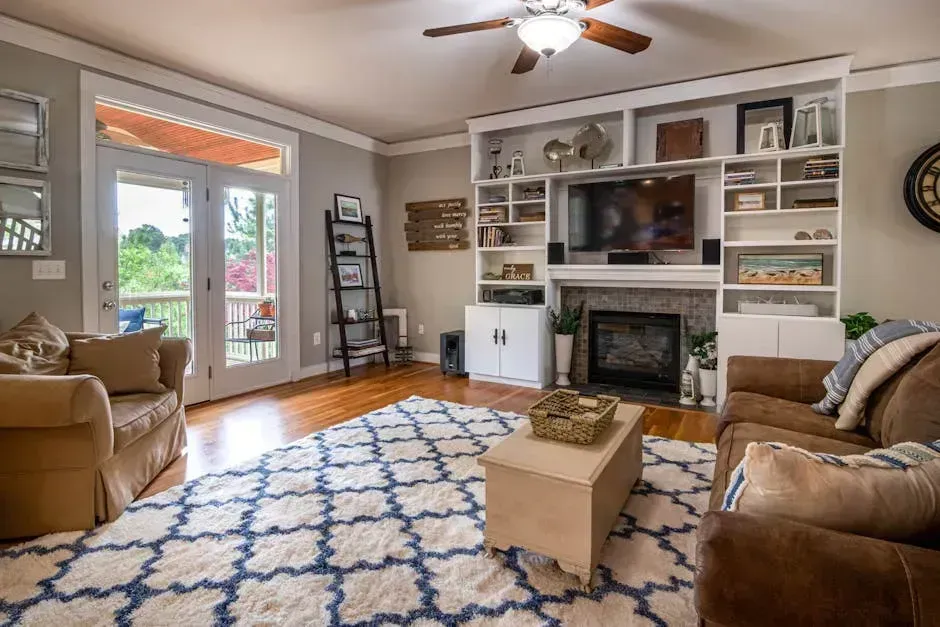
A properly sized rug anchors the furniture and defines the conversation area within a room. It adds warmth and texture to hard flooring surfaces while reducing noise levels. The front legs of all major furniture pieces should sit on the rug to create cohesion. Rugs are not just for comfort – they are powerful design tools. A well-placed rug can define a seating area, add texture, and even introduce new colors to a room.
Light-colored rugs such as ivory, pale gray, and soft beige act like mirrors on the floor, reflecting both natural and artificial light. This reflection not only brightens the room but also blurs the boundaries between furniture, floor, and walls, making everything feel more fluid and expansive. Small, dense patterns tend to chop up the floor into tiny sections, making a room feel cluttered and visually overwhelming. On the other hand, heavy textures or complex, small-scale patterns tend to absorb light and attention.
6. Texture Layering Through Fabrics and Materials
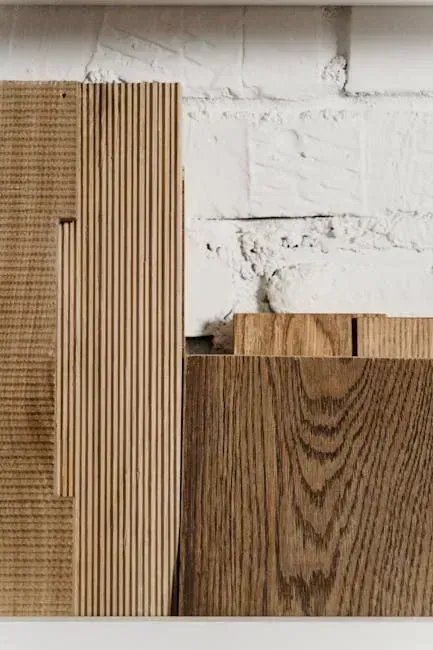
Interior design extends beyond color and lighting – materials and textures play a crucial role in shaping how a space feels and functions. The tactile experience of a home directly influences comfort, mood, and perception, affecting everything from relaxation to productivity. The choice between soft and hard materials, natural or synthetic surfaces, and how textures are layered within a space can create vastly different emotional responses.
Natural textures continue to define living room decor. Wood, stone, and linen bring an organic feel to the space with their earthy, tactile quality that feels both grounding and luxurious. When skillfully applied and layered, organic textures convey a harmonious blend of nature and design that soothes the senses. Mixing a rough jute rug with a silky throw and a linen sofa, for example, engages the senses in a way that a single-texture room simply never can.
7. Plants and Biophilic Elements
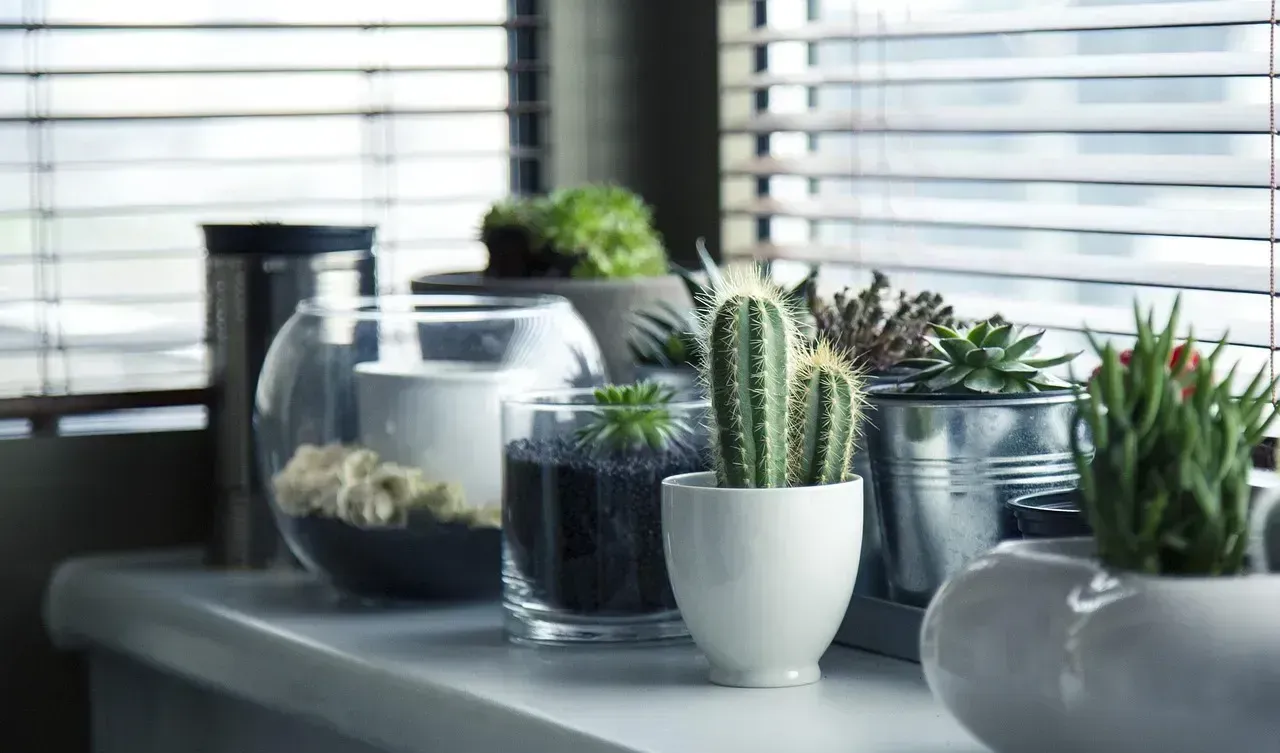
In 2025, biophilic design was no longer a luxury – it is a lifestyle. As people crave calm and connection, designers are weaving natural elements into everyday interiors to nurture both beauty and well-being. From indoor gardens and potted greenery to organic materials like wood, stone, and rattan, this trend transforms homes into restorative sanctuaries.
Plants, artwork, cushions, and rugs not only improve aesthetics but also create more welcoming and stimulating environments. Plants not only bring natural beauty but have also been proven to positively affect mood and air quality, contributing to a sense of well-being. Studies show that surrounding yourself with nature-inspired textures and light can reduce stress and boost creativity. A single fiddle-leaf fig in the corner of a stark room can shift the entire emotional register of the space.
8. Artwork and Visual Focal Points
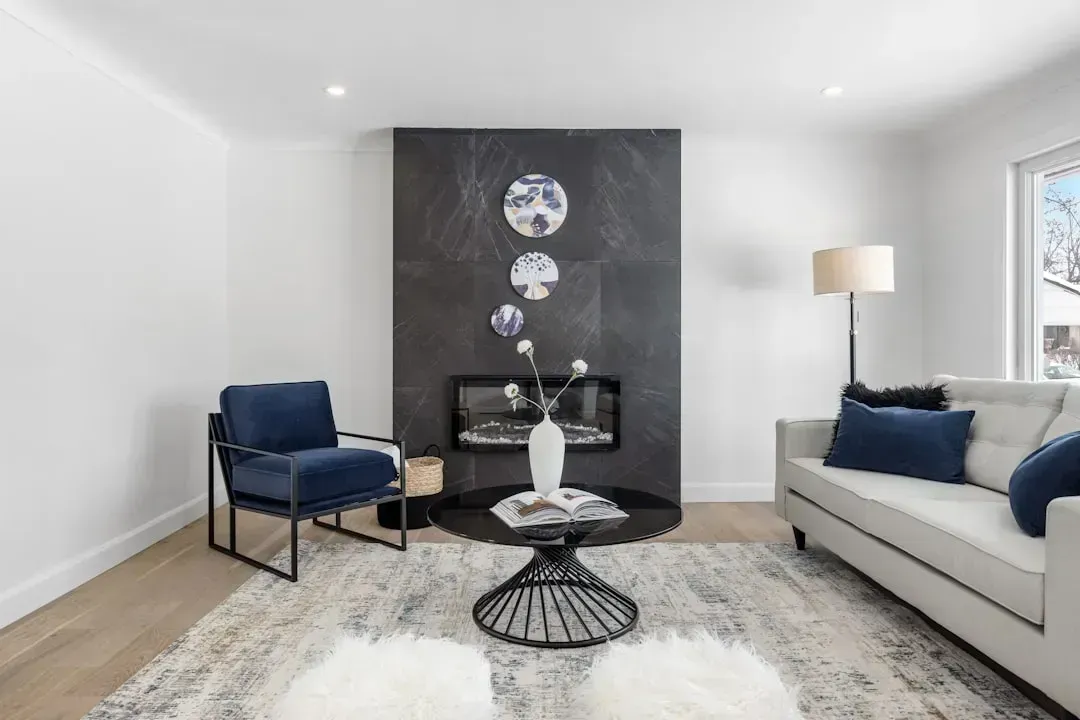
A well-designed focal point draws attention, anchors the room, and gives purpose. Whether it is a piece of artwork, a fireplace, or a large window, a focal point provides visual interest and balance. Without one, a room feels like a sentence without a subject – technically complete but oddly unsatisfying to experience.
Wall decor has transcended beyond mere embellishment to become a reflection of personal style and contemporary aesthetics. The evolution of gallery walls continues to be a key trend, allowing for a delightful collage of personal photographs, art, and keepsakes, turning your living space into a narrative of your life’s journey. The allure of oversized art pieces remains strong, offering bold, statement-making visuals that anchor the room with sophistication and style.
9. Clutter Control and Negative Space
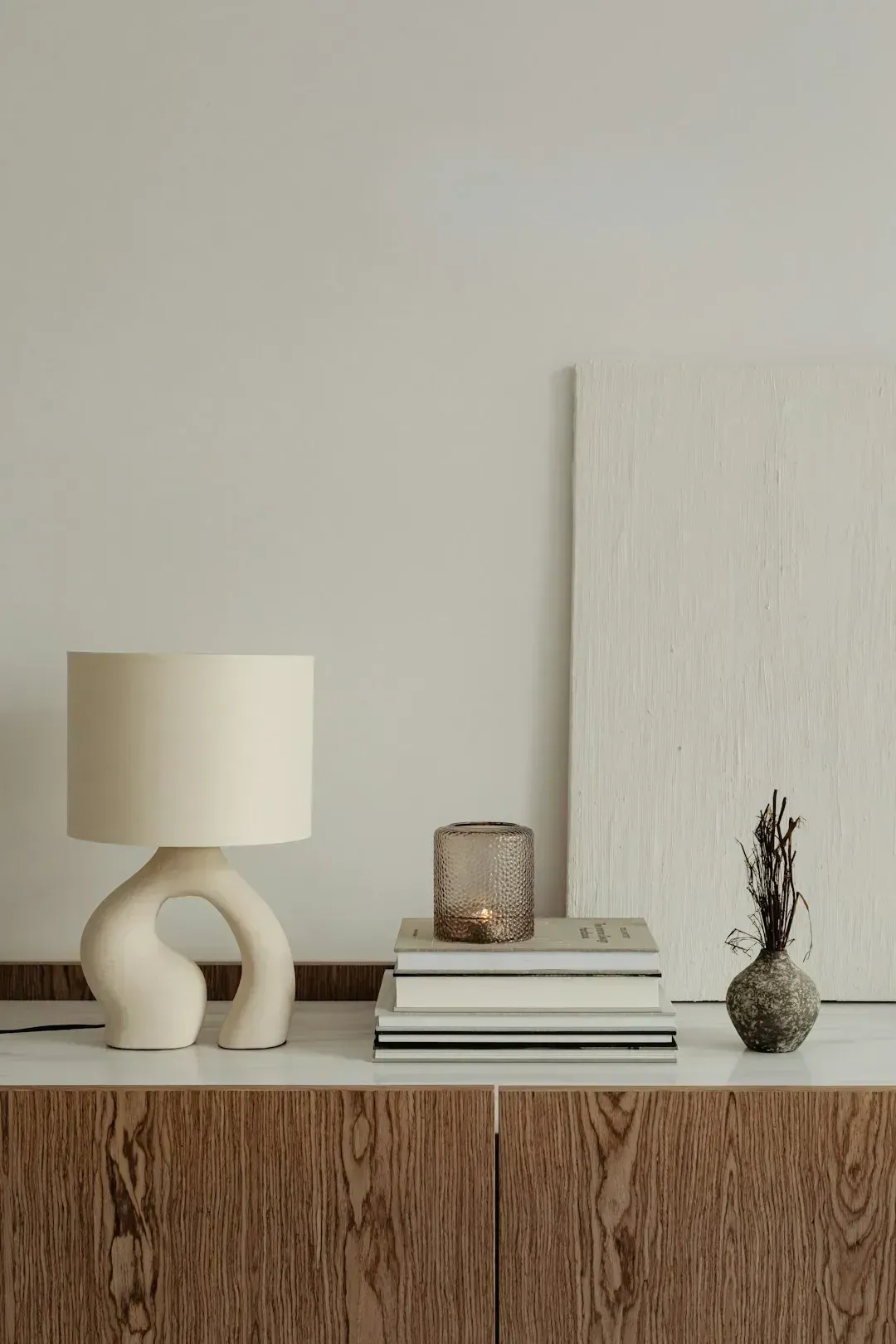
A tidy, well-organized space feels more luxurious and inviting. Stylish storage solutions like decorative baskets and built-in shelving help. Hidden compartments keep everyday essentials neatly tucked away. Minimal clutter allows each decor element to shine without distraction. Here is the thing – no amount of beautiful furniture and art can overcome the visual noise of a cluttered room. Clutter is like static on a radio. You can still hear the music, but it is painful.
Vignettes – small, curated groupings of objects – add personality without causing the room to feel cluttered. Decluttering makes small spaces appear bigger because extra things instantly create chaos. Keeping clutter to a minimum retains that cleanliness and airy sensation inside. Warm minimalism is among the most balanced interior design approaches – it promotes mindfulness and slowing down, and perfectly balances simplicity, functionality, comfort, and style.
10. Window Treatments and Natural Light Management
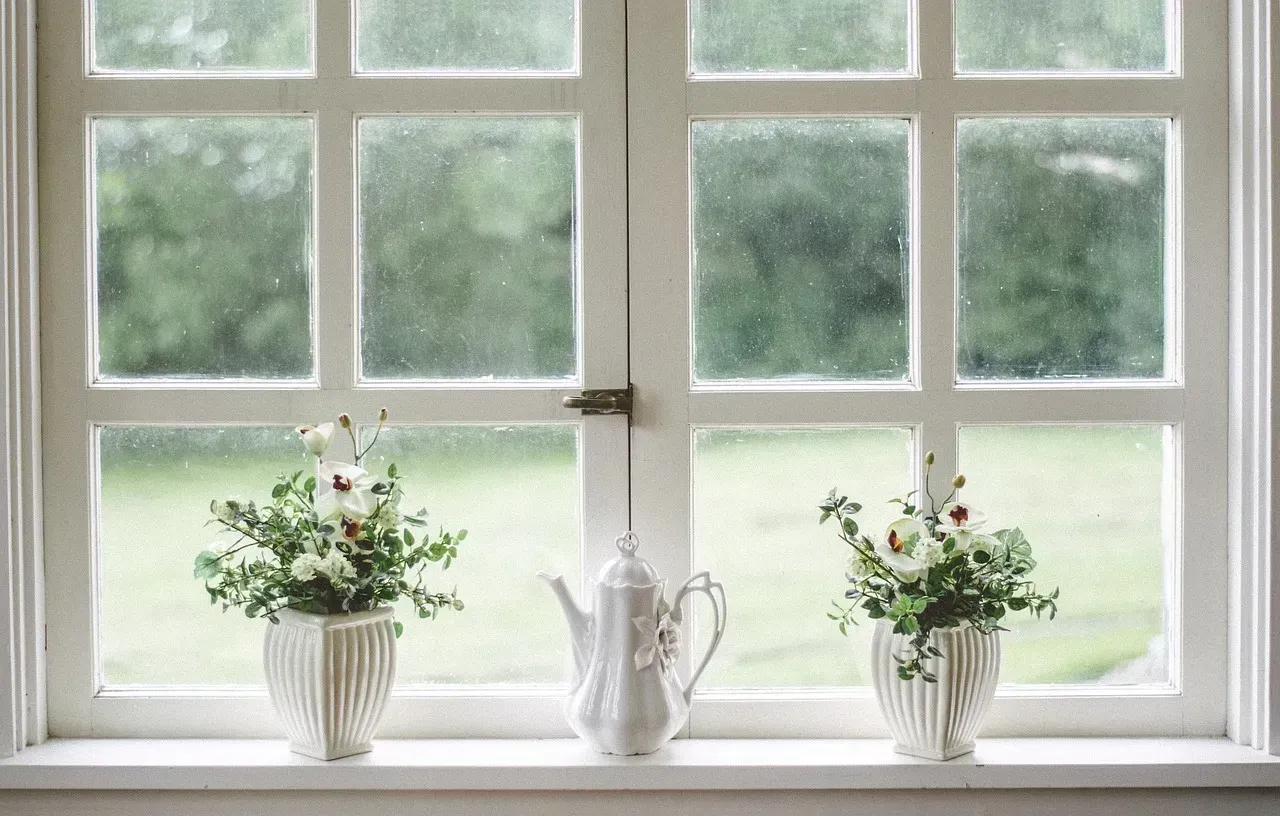
Natural and artificial light determine the temperature, intensity, and clarity of color. Morning daylight tends to be cool and crisp, enhancing blues and greens, while afternoon light introduces warmth that brings out yellows, reds, and earthy tones. North-facing rooms usually receive cooler, more diffused light, which can make colors appear muted, whereas south-facing spaces emphasize warmth and saturation.
Natural light plays an important role in biophilic design, so consider window treatments that allow maximum daylight to filter in. Naturally lit interiors feel inviting and airy, and they also encourage vitamin D production, focus, and well-being. You can maximize natural light with a light color scheme and reflective surfaces, like mirrors and shimmery accent pillows. Heavy, light-blocking drapes can make a perfectly sized room feel like a cave – sometimes the most powerful decorative choice is choosing to let the light win.
11. Curved Versus Angular Furniture Shapes
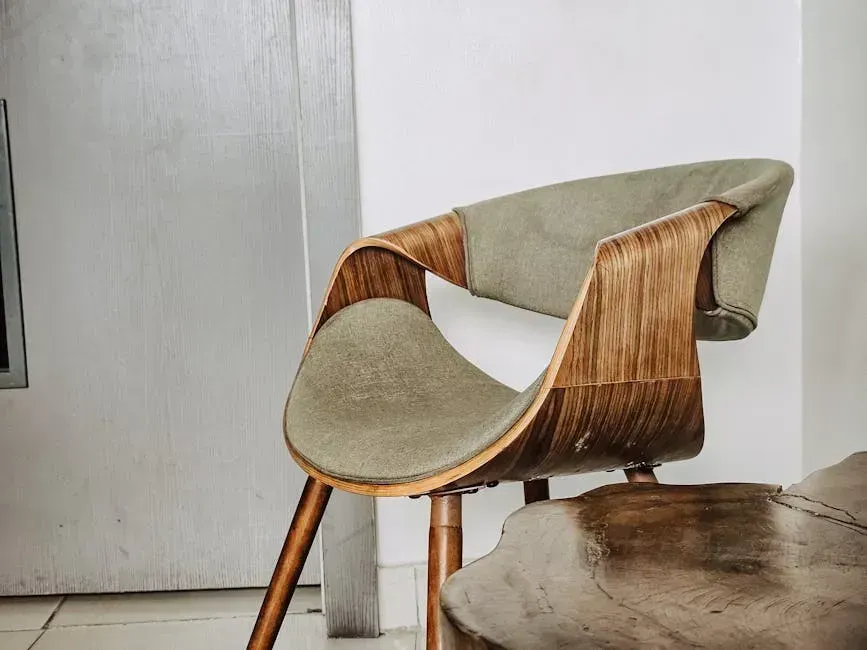
Hard edges are out. Curves are being fully embraced, and incorporating soft edges into your living room will make it all the more cozy. Curved furniture pieces like a sofa or chair create a welcoming and cozy space that is easy to flow through – whether it is just you at home or you and your closest friends.
Horizontal lines make a space feel wider and more expansive. Long, low furniture, wide paintings, or wall moldings can create a sense of calm and stability. Vertical elements like tall windows, high-backed chairs, or full-length curtains draw the eye upward, making ceilings feel higher and the room more open. The lines your furniture creates are essentially a silent architectural language – and learning even a little of it changes how you shop forever.
12. Scent as a Decorative Layer
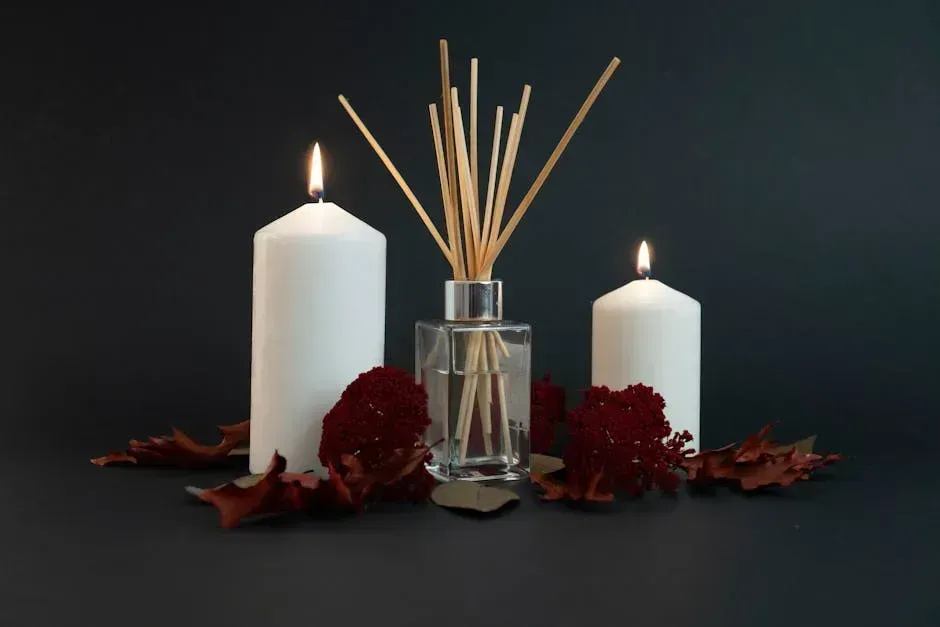
Scent plays a crucial role in how a home is perceived and experienced. Candles or essential oil diffusers can be used to distribute a subtle and pleasant aroma. Grouping candles on a tray adds a warm glow and a visual element to the decor. Seasonal scents can shift the mood to match the weather outside. A pleasant fragrance makes the environment feel clean and curated.
Using candles, diffusers, or fresh flowers to create a signature scent works well. Fragrances like lavender or citrus evoke a calming and refreshing atmosphere. Scent adds an often-overlooked layer of luxury to any space. It is hard to say for sure exactly why, but scent bypasses rational thought more effectively than almost any visual element – walk into a room that smells of warm vanilla and cedar, and you feel at home before your eyes even register what you are looking at.
13. Color and Pattern on Ceilings and Statement Walls
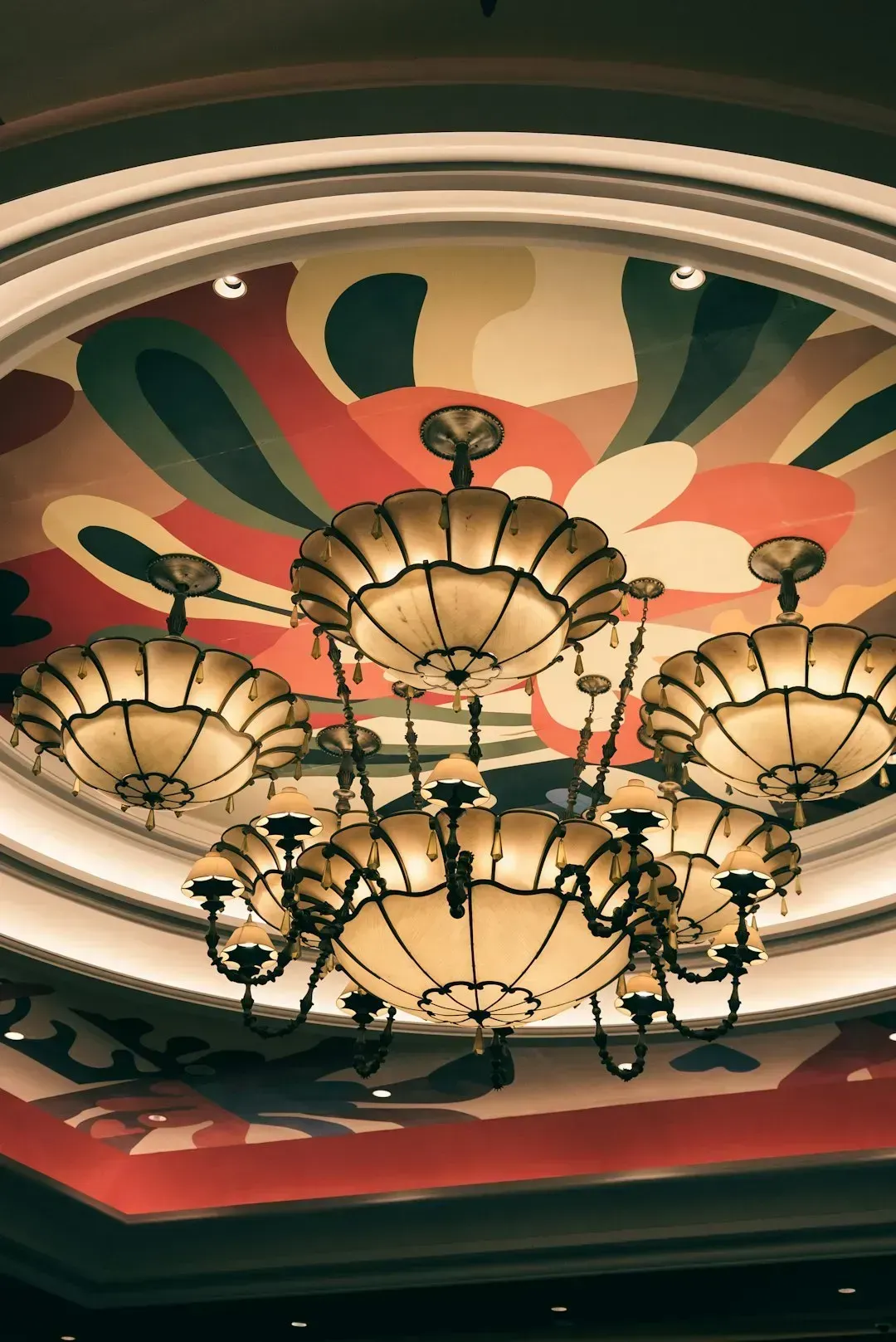
Today’s wallpaper comes in a variety of colors, textures, and patterns, and it is being used not just on vertical walls but even on ceilings. Its revival unlocks endless opportunities for incorporating texture, color, and pattern into spaces, encouraging more creative and bold design choices. A unique ceiling treatment can add height, drama, and sophistication to your interiors.
Colorful carpentry celebrates the beauty of wood while adding a fresh twist through creative paint choices. This trend can be introduced via cabinetry, wet bars, baseboards, crown molding, or doors. Bold colors convey a striking contrast and create unexpected focal points, breathing new, vibrant life into old layouts. A thoughtfully planned interior design can serve as a strategic tool to enhance mental health, boosting productivity, creativity, and overall well-being. A painted ceiling or bold accent wall is often the single change that makes a formerly forgettable room impossible to forget.
Every room tells a story, and your decorative choices are the words. The fascinating part is that so many of these decisions – a warm rug, a well-placed mirror, the right amount of green – cost far less than a renovation but deliver surprisingly profound results. Small, intentional changes have a way of compounding into something that genuinely shifts how you feel at home each day. What would you change first?