12 Home Decor Trends Designers Say Are Quietly Phasing Out
There’s something almost comforting about the way home design trends come and go. One year, your living room looks like a page out of a trendy magazine. A few years later, that same room can feel oddly dated. It happens faster than you’d think, and honestly, it’s happening right now to some looks that felt absolutely fresh just a short while ago.
No one decorates their home expecting it to feel outdated within a few months. With endless interior design trends flooding social media feeds, it’s easy to mistake a fleeting fad for a timeless upgrade, only to be left with buyer’s remorse. From bouclé sofas to the entire saga of gray walls, the design world is in the middle of a real shift. Be surprised by what’s quietly being retired.
1. The Bouclé Everything Obsession
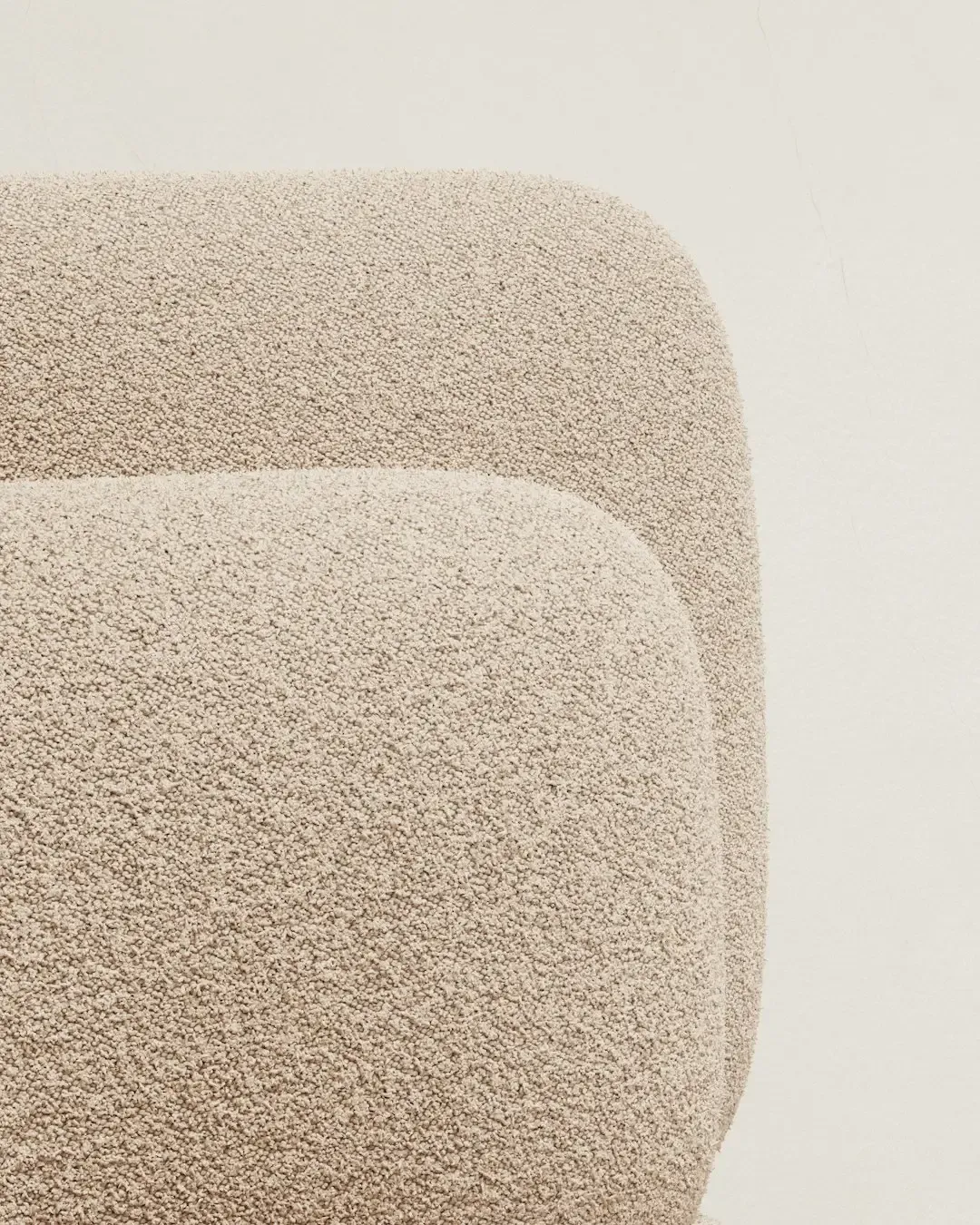
Let’s be real. At some point, it felt like every single sofa, armchair, and accent piece was wrapped in bouclé. The texture was everywhere, and for a short while, it worked. Bouclé furniture dominated seating and accent pieces for years, but designers are now fed up seeing white bouclé sofas everywhere. The fabric doesn’t wear very well, especially in areas of friction.
Bouclé is on its way out in 2026. It is uncomfortable to sit on, collects every speck of dust or crumb it touches, and is impossible to clean. It really had no business taking over like it did. There are so many other, more durable fabrics, like linen, velvet, and leather, that are better suited for everyday life.
The industry data backs this up hard. In the 1stDibs Designer Trends Survey, bouclé, rose gold, and acrylic were each at or under three percent of designer preferences, making them clearly on the outs. The move is toward textiles that actually age well, like a good leather jacket that only gets better over time.
2. All-White Interiors
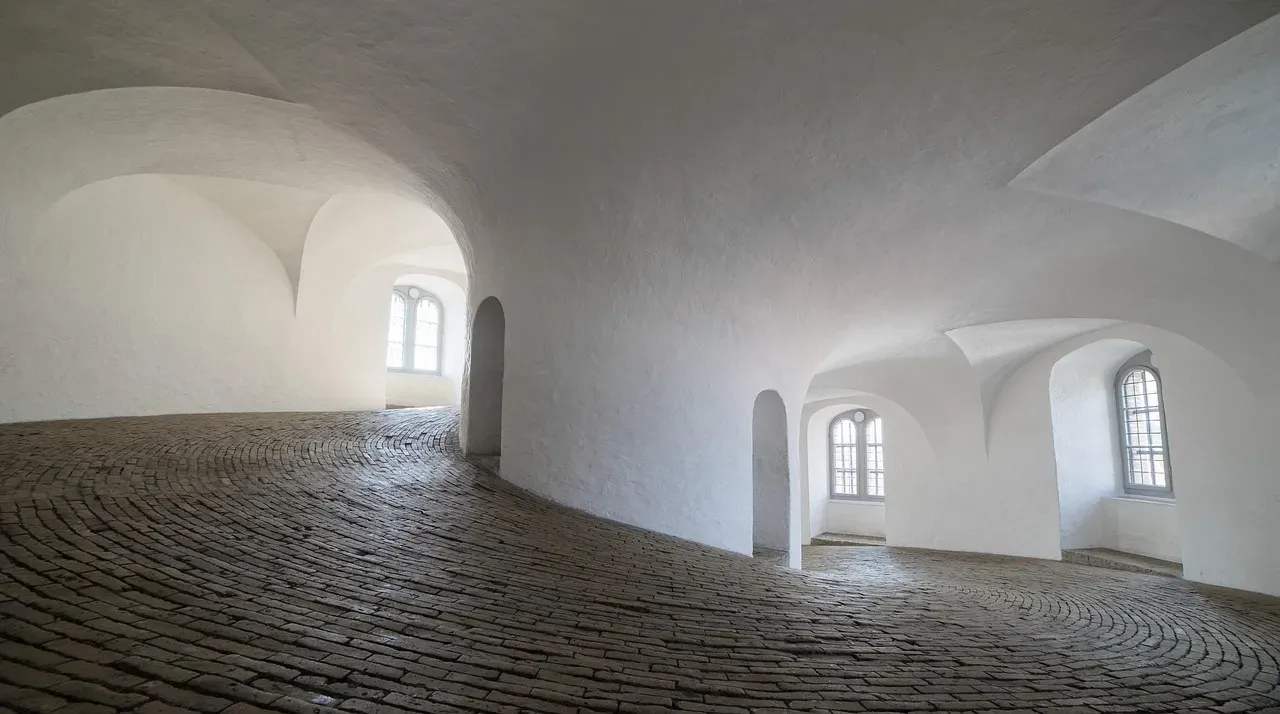
Interior design is transforming. What was once in vogue, like pristine all-white interiors and stark, minimalist spaces, is giving way to more inviting and personalized environments. Homeowners are now embracing warmer colors, rich textures, and sustainable materials that reflect their individuality and create a sense of comfort.
According to the National Kitchen and Bath Association’s 2025 trend reports, roughly seven out of ten designers now prefer a colorful kitchen to the all-white designs that were long a staple in the trade. That’s a genuinely striking shift. Designers say there is a movement away from anything white and sterile minimalism, with interiors that feel warmer, darker, and more expressive taking their place, ones that favor moody atmosphere over brightness.
3. Millennial Gray Walls and Floors
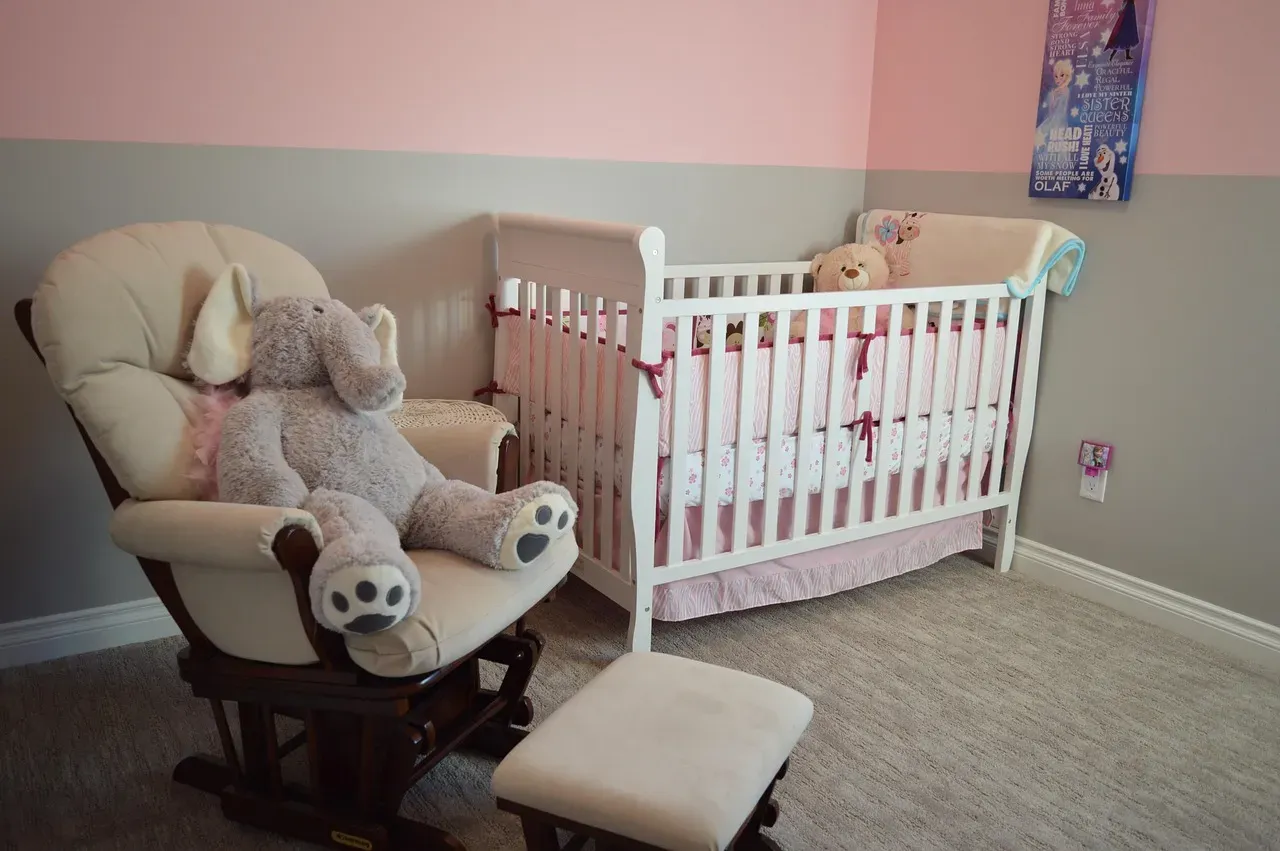
Gray had its moment. A long one. It replaced the Tuscan-craze-beige of the 1990s and ruled interiors for well over a decade. Following the Tuscan craze of the ’90s, gray became synonymous with a more “modern” look. After many years of splashing gray on everything, it just feels tired, cold, and boring. Trends are continuing to steer away from the millennial gray aesthetic as more people embrace bolder colors and warmer neutrals.
“Gray is falling out of favor as we’re rejecting anything clinical or cold in pursuit of warm, cozy palettes,” notes Neel Bradham, CEO at flooring company Parador. Beiges, medium browns like light walnut, dark chocolatey wood, and soft white are what designers are leaning into now. Think of it this way: gray walls were the design equivalent of a white office cubicle. Functional. Forgettable.
4. The Single Accent Wall
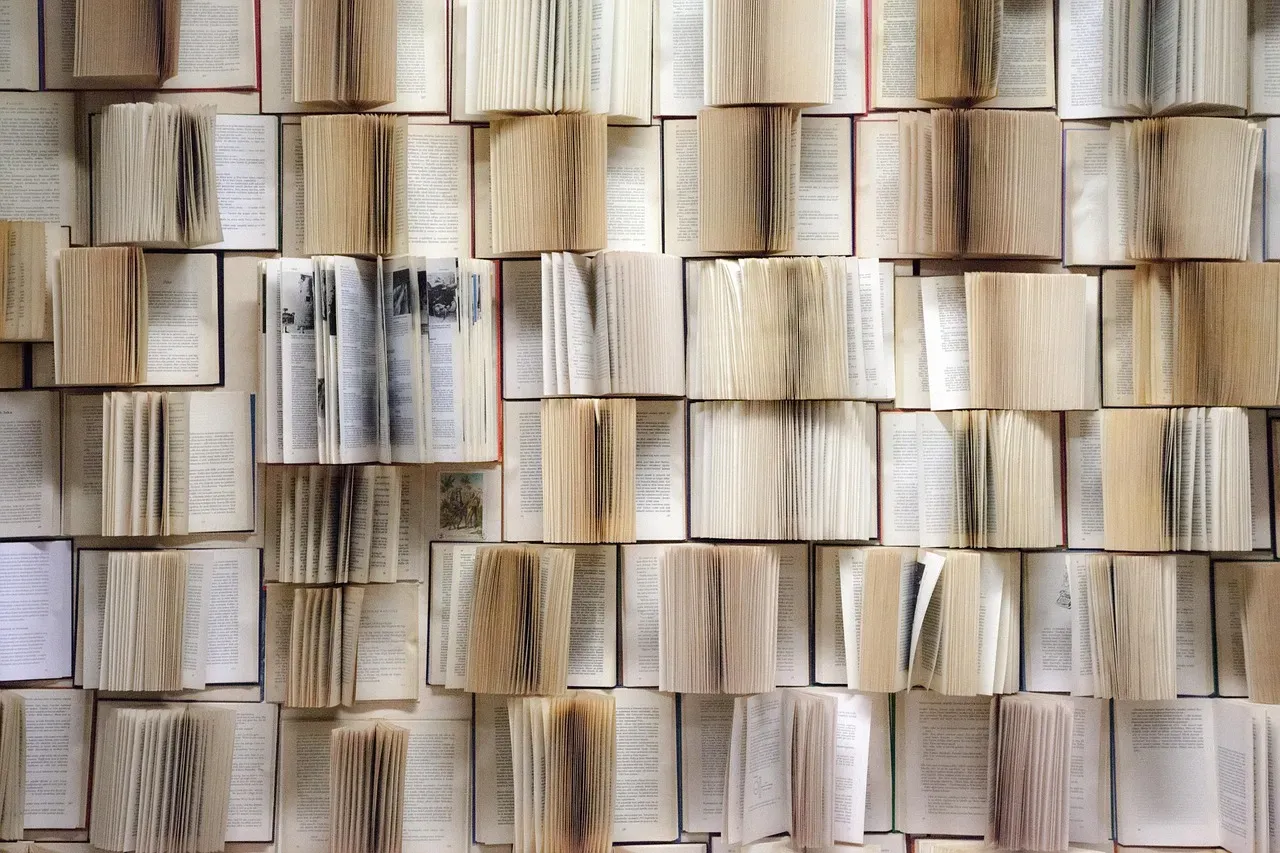
The accent wall. One bold wall in an otherwise neutral room. It was the “I want color but I’m scared of color” solution for roughly a generation of homeowners. Designers are hoping 2026 is the year we kindly retire the accent wall. Instead, the lean is toward color drenching, painting everything including the walls, ceiling, doors, and moldings all the same color, making a room feel instantly warm and playful without trying too hard.
Accent walls are being phased out in favor of cohesive color schemes. Homeowners prefer a consistent flow of color throughout a room instead of a single bold wall. Color drenching, where the entire room commits to one saturated hue, is emerging as the richer, more considered alternative.
5. Open-Concept Floor Plans
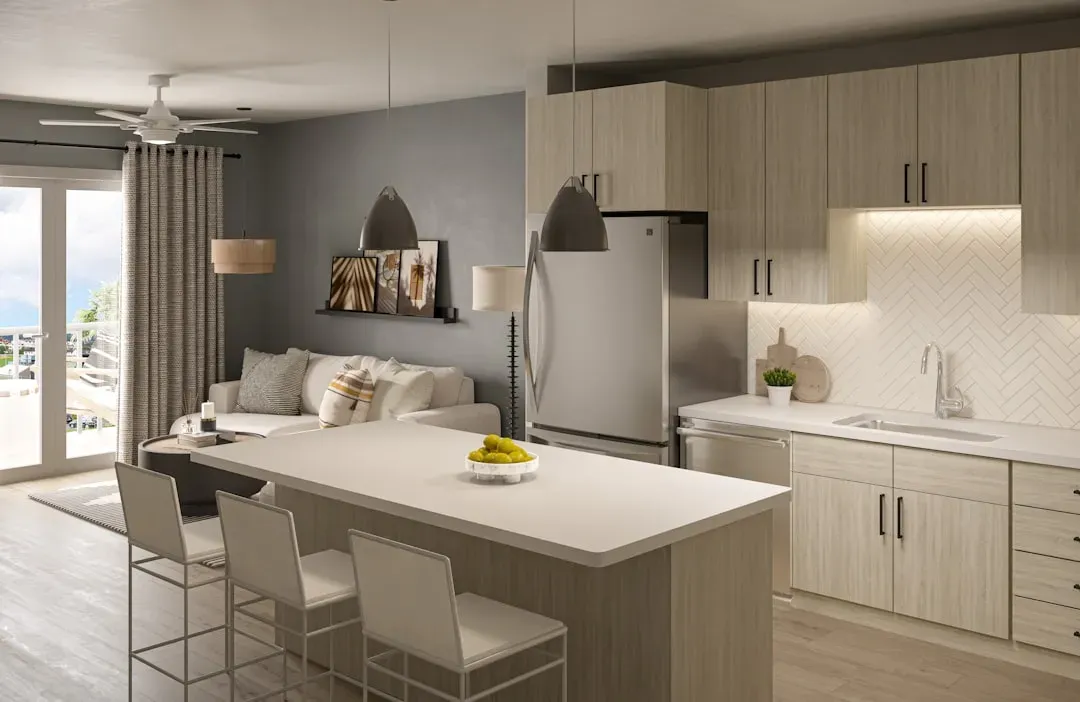
Here’s the thing: the open-concept layout was practically the definition of modern living for over a decade. It was airy, social, and made small homes feel larger. The open-concept layout is continuing to face pushback from designers who value privacy, defined function, and acoustic separation. One designer described homes with open-concept layouts as loud, hard to furnish, and leaving little room for real design moments.
The pandemic forced many people to turn their homes into offices, classrooms, and places of rest. As a result, fully open layouts can be challenging when trying to find quiet or private areas for work or study. This has led to a growing interest in hybrid designs that balance open spaces with defined areas for specific activities. It’s not dead, but it’s definitely evolving into something more thoughtful.
6. Open Kitchen Shelving
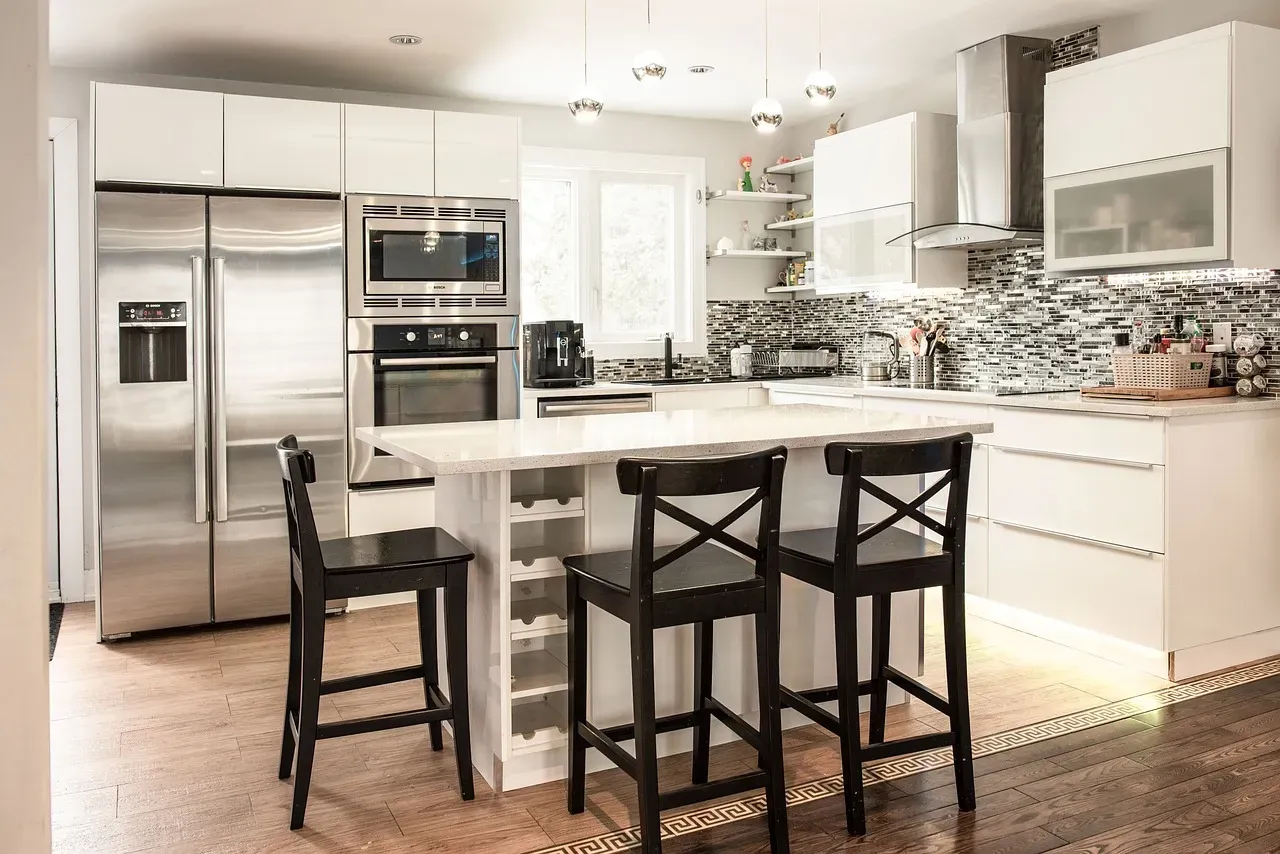
This one is going to sting a bit for people who spent a lot of time arranging their dishes just so. Open kitchen shelving had its heroic era. It felt Instagram-ready, airy, and intentionally casual. Open shelving has been a favorite for showcasing beautiful dishware, but its impracticality is causing a decline in popularity.
Designers are advocating function over form in 2026, particularly in the kitchen. Practical storage is a must-have for keeping things looking clean and stylish. That’s why they’re turning away from open shelving. Honestly, most of us don’t have perfectly curated dish collections, and the daily layer of grease and dust on those exposed plates is reason enough to close those cabinets back up.
7. Overly Staged and “Perfected” Spaces
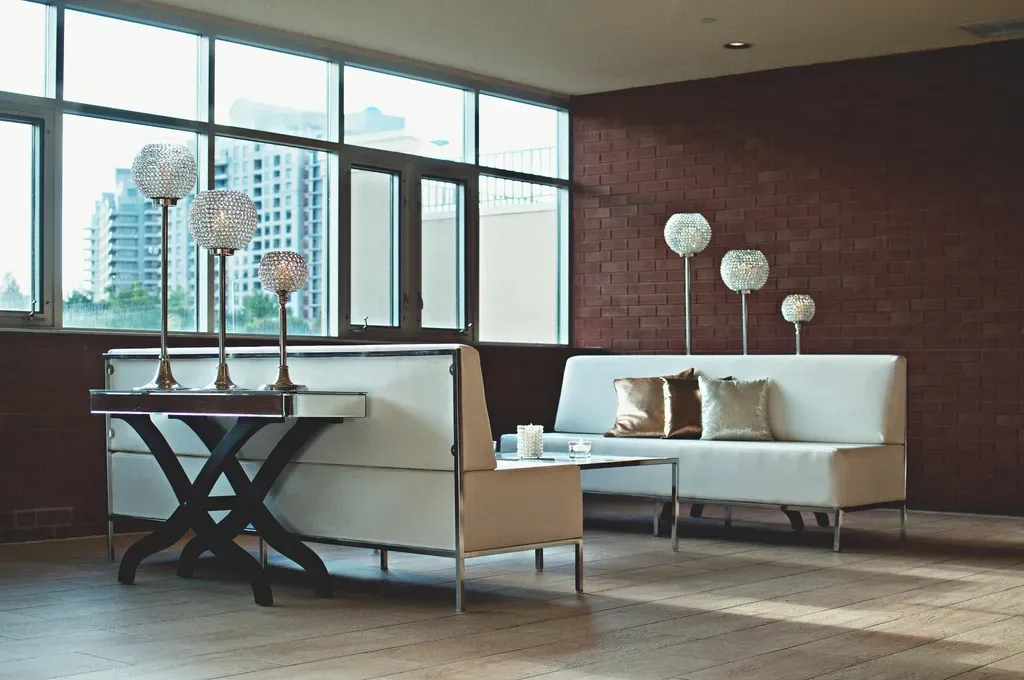
Designers are hoping to move away from the obsession with “perfect” spaces, homes that feel overly staged, overly coordinated, and so polished that there’s no real life or soul in them. What they’d rather see in 2026 are interiors that actually have a story, with pieces with personality, rooms that feel collected rather than curated, and materials that show their age and texture.
Designers agree that just because you double-tapped a viral trend doesn’t mean it belongs in your home. Homes that feel curated solely to chase trends lack any emotional resonance. The overly perfect stack of books, the untouched sculptural object, the chair no one can sit in because its silhouette is more concept than function. These choices might perform well online, but they rarely support real living.
8. Matching Furniture Sets
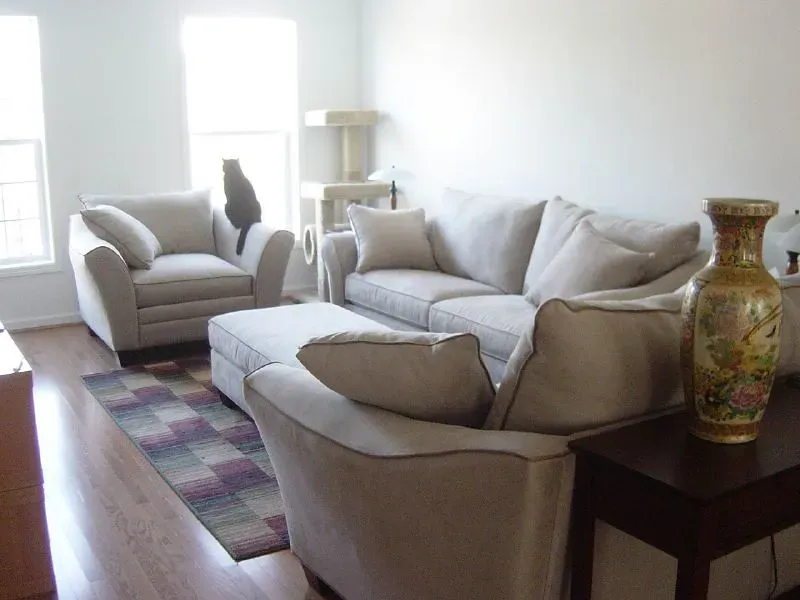
There was a time when buying a matching bedroom set or a coordinating living room suite felt like the grown-up thing to do. Everything in the same wood tone, the same fabric, the same finish. Neat. Predictable. Matching furniture sets haven’t really been a “trend” for years, yet plenty of them are still being seen in homes in 2025. The trends for the years to come are going to lean into secondhand, layered, organic vibes.
Whether you buy pieces as needed or scour your favorite vintage store, mismatched furniture can give your living room a personable, curated edge. Think of it less like a showroom and more like a home that has actually been lived in and loved over time. That’s the energy designers are chasing in 2026.
9. Overplayed Shiplap
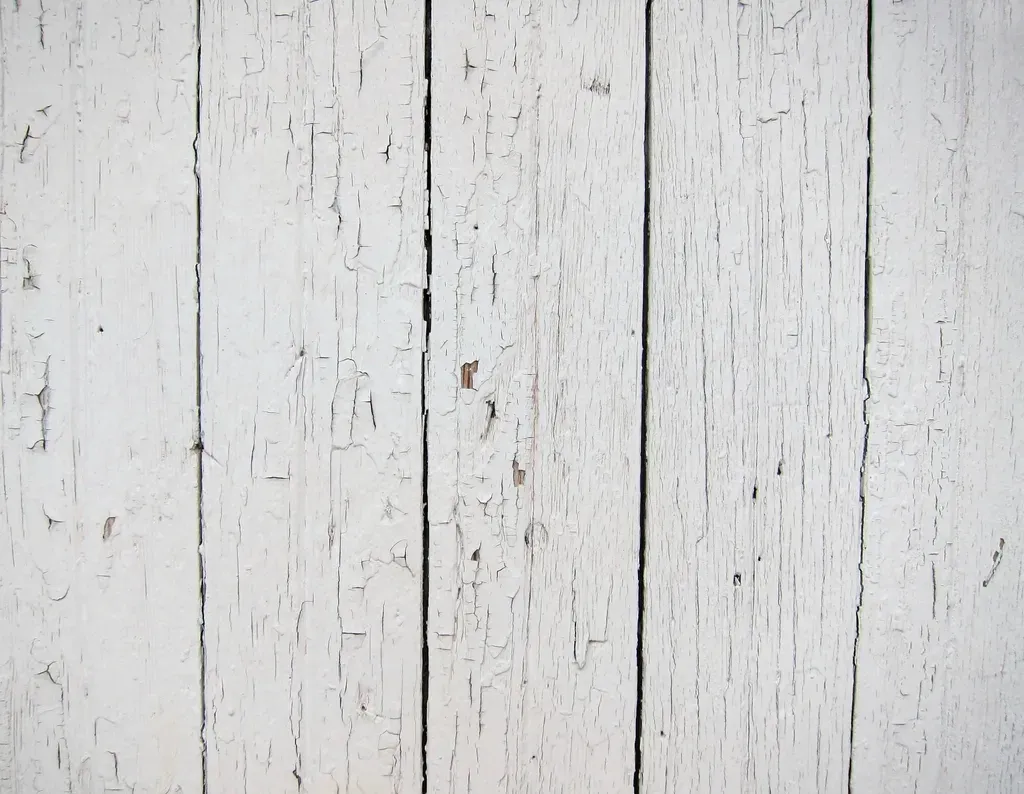
Shiplap became synonymous with a certain rustic, farmhouse aesthetic that swept through television renovation shows and Instagram feeds alike. For a while, it was everywhere. While this was a popular design feature for a while, shiplap is a trend designers aren’t loving in 2025. There were mixed opinions even as far back as 2023 when people first started asking whether shiplap was going out of style.
One designer described seeing shiplap used everywhere, calling it overplayed. She noted that the whole point of a feature wall is to make it special, and shiplap makes it feel builder-grade. It may read timeless to some, but to others, it reads like playing it too safe. Geometric patterns, tiles, and textured wallpapers are being recommended as more interesting replacements.
10. Pale, Washed-Out Wood Tones

The bleached, blonde wood aesthetic had a good run. It felt clean, Scandinavian, fresh. In the 1stDibs Designer Trends Survey, blonde wood slid to just nine percent of designer preferences, down from an enthusiastic twenty-four percent just two years prior, a significant drop. That’s a dramatic fall from grace for a look that used to dominate kitchen cabinets and floors alike.
In 2026, it’s time to say goodbye to this last vestige of the minimalist Scandi aesthetic. Darker, richer wood finishes have so much more depth, warmth, and character, which is exactly what people are craving in their homes right now. After years of the cool grey and washed-out look dominating interiors, 2026 is shaping up to be a time when warm tones make a strong comeback: honey oak, caramel, chestnut, and other rich, comforting tones that add depth, coziness, and pair beautifully with natural materials.
11. Sage Green Overload
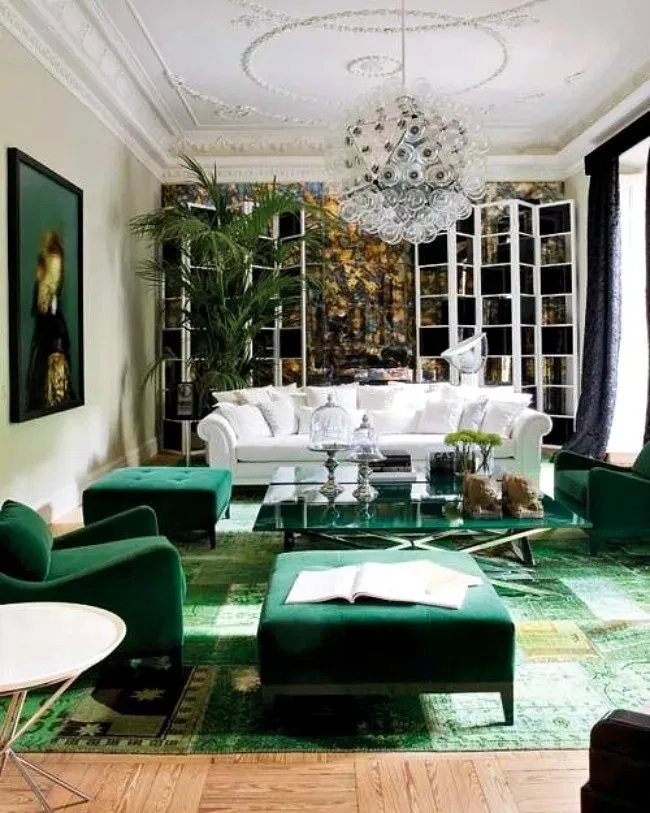
Sage green had one of those remarkable runs where it went from fresh and interesting to completely inescapable in what felt like eighteen months. As 2026 arrives, a number of design trends that have been “in” for far too long are being said goodbye to. Sage walls and accents, indoor jungles, pale wood, and stainless everything once felt fresh, trendy, and progressive in all the right ways. While a touch of sage is still loved, like anything, once it’s overused it becomes stale. These tired design trends are crowding out more personal, layered design options.
House Digest’s design historian notes that on-trend designers are really shifting towards jewel tones and dark palettes: dark, edgy, veined marble, velvet ruby-colored curtains, and rich, textured wallpapers in moody shades. Sage had its moment. Now it’s being outshone by deeper, more saturated greens with far more character and presence.
12. Overly Maximalist, Chaotic Spaces
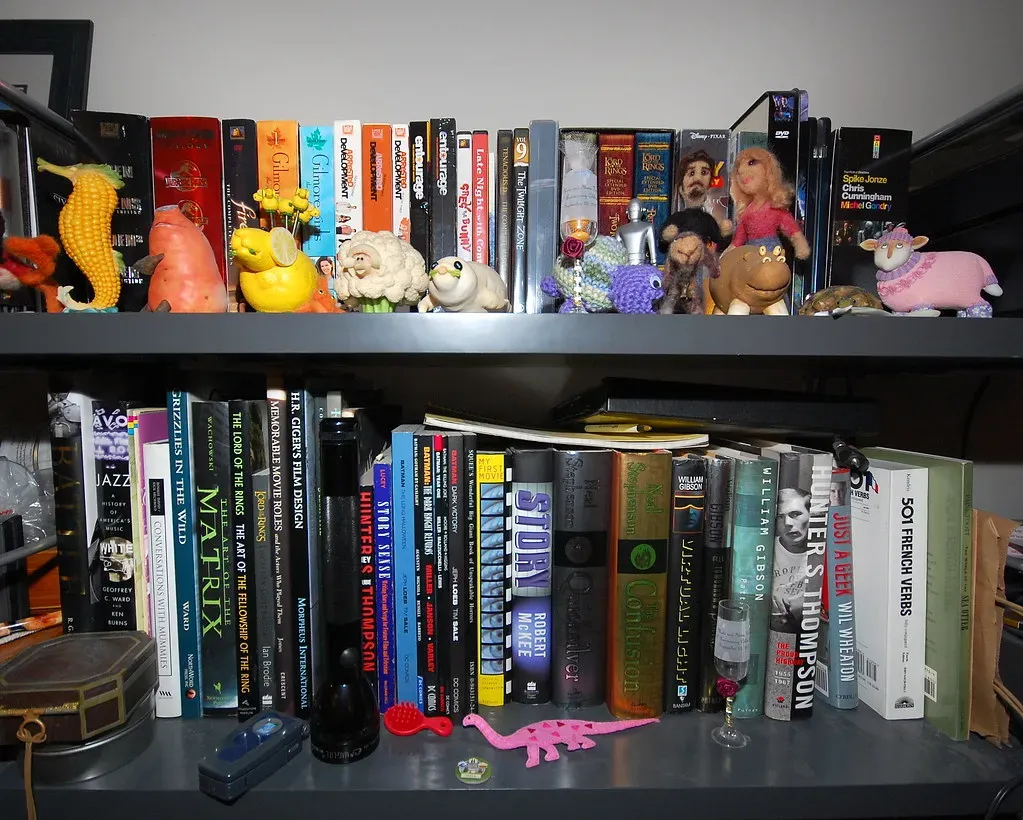
It’s worth separating two very different things: maximalism done with intention, and maximalism that just means buying a lot of stuff. The latter is what designers are pushing back against heading into 2026. Although many enjoy the characterful look, one interior designer noted that maximalist homes tend to feel chaotic and cluttered. When there’s too much going on, it creates visual chaos and a subtle sense of anxiety in a space. A home should reflect your personality, yes, but it should also make you feel calm and grounded every time you walk into it.
What’s being seen now is a shift away from mass-produced, one-size-fits-all design. Clients are craving more meaning and uniqueness in their homes. Heading into 2026, there’s a shift away from copycat, picture-perfect spaces that feels long overdue. The new goal isn’t more of everything. It’s the right things, chosen with actual intention, telling a story that’s genuinely yours.