12 Materials You Should Not Dispose of on Your Driveway
Your driveway feels like your own territory. It’s your property, your concrete, your asphalt. So when cleanup day rolls around and you’ve got a pile of junk to get rid of, it’s tempting to think – what’s the harm in leaving it on the driveway for a bit, or letting it drain out right there? The honest truth is that quite a few common materials can cause serious environmental damage, carry legal consequences, or harm your neighbors, your soil, and even your drinking water when disposed of improperly at home.
Some of these items are ones you’d never expect to be a problem. Others are things most people already suspect are dangerous but don’t quite know why. From motor oil to old electronics and everything in between, here’s a look at the 12 materials that should never find their way onto your driveway as a makeshift disposal site. Let’s dive in.
1. Motor Oil
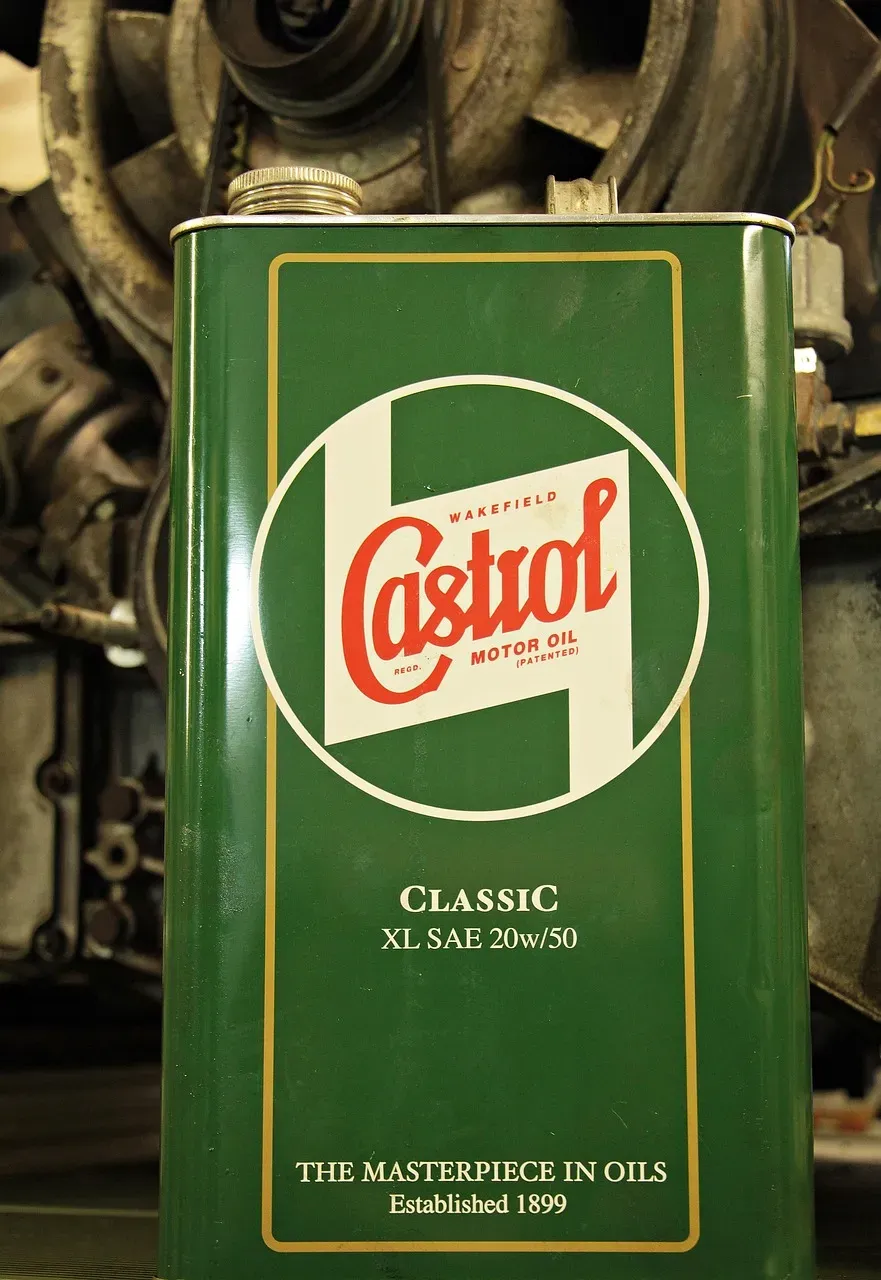
Motor oil poses a significant danger to the environment. Shockingly, just one gallon has the potential to make a million gallons of fresh water undrinkable. That’s not a typo. One gallon. A film of oil on top of water blocks oxygen and sunlight, making it harder for plants to grow and damaging an entire ecosystem.
You should never dispose of hazardous wastes down the sink drain or the toilet, and you should not dump any household chemicals on the ground either, as chemicals may flow into surface waters and eventually into groundwater sources, where they can pollute drinking water. Instead, drop your used oil at a vehicle service center that accepts it, or take it to a local hazardous waste disposal center, where it can be refined into lubricants, processed into fuel oils, or used as raw materials in industry.
2. Car Batteries and Lead-Acid Batteries
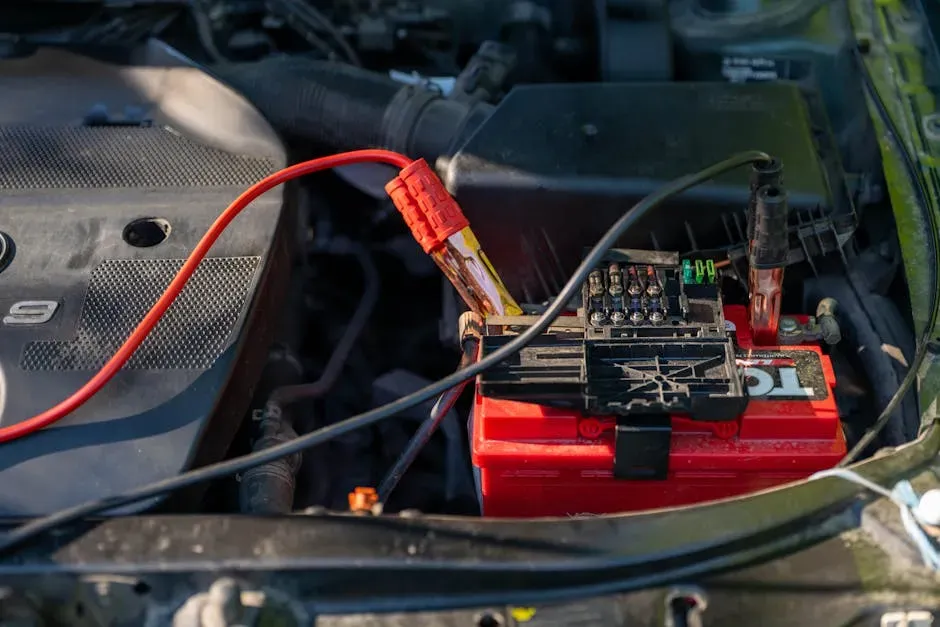
Car batteries and lead-acid batteries are packed with toxic chemicals like sulfuric acid and lead. When dumped improperly, they can leak and contaminate soil and groundwater, posing long-term health hazards. It’s the kind of slow-moving, invisible damage that takes years to surface. Lead-acid batteries, found in cars, motorcycles, and RVs, may corrode if placed in a landfill and release lead and lead-contaminated sulfuric acid.
Batteries contain heavy metals such as mercury, lead, cadmium, and nickel, which can contaminate the environment when improperly disposed of and may be regulated under the Resource Conservation and Recovery Act as hazardous waste. Drop your used battery off at an auto service center, exchange your old one for a new battery, or sell it to a salvage yard or recycling center, as lead from used batteries can be recycled to make new batteries and cable coverings.
3. Old Tires
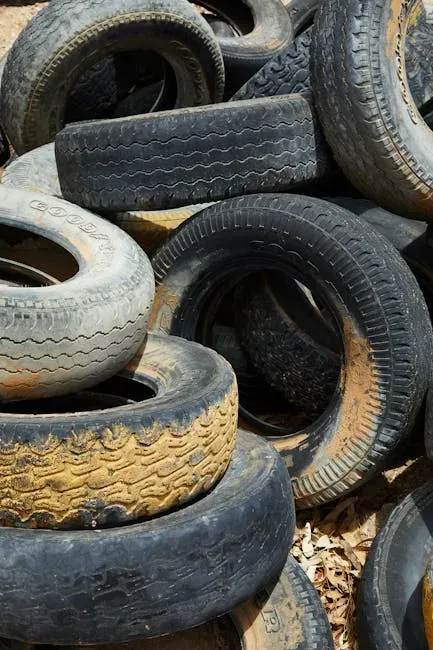
Whole tires are notoriously hard to dispose of. They trap gas, float in landfills, and breed disease-causing mosquitoes. Leaving them on your driveway is arguably even worse, especially in wet climates. Tires do not decompose and can release pollutants into the ground and water, and tires left exposed to sunlight can release methane into the air. If left outside, they collect rainwater and create a breeding ground for mosquitoes and other insects that can carry diseases harmful to humans.
Tires can also be a serious fire hazard. Once they catch fire, they’re extremely hard to extinguish, and the flames can spread to other waste, releasing harmful toxins into the air. Fortunately, tire retailers and local recycling centers usually take used tires for a small fee, and some communities also hold tire collection events.
4. Paint and Paint Thinner
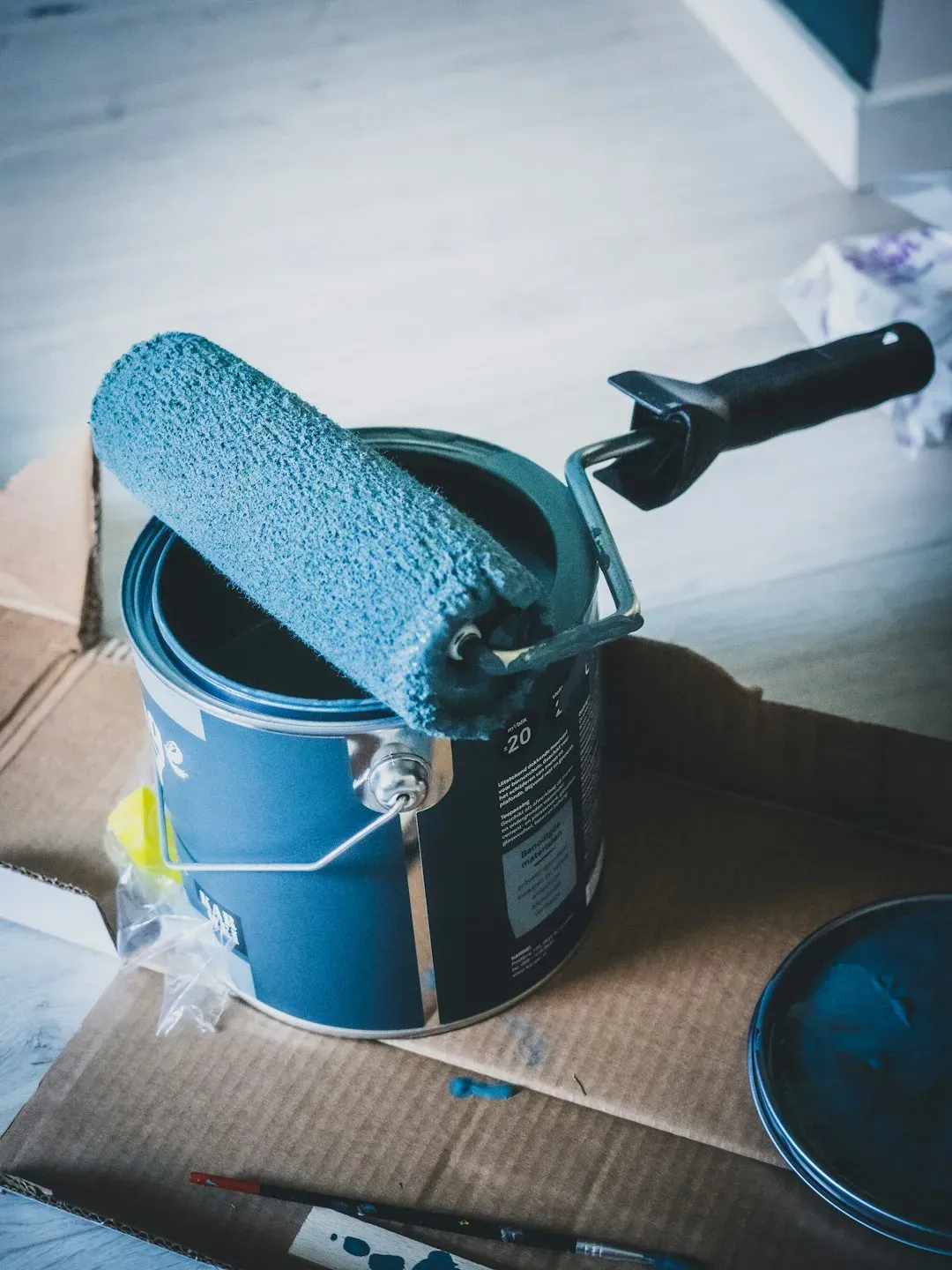
You should never throw oil-based paint, lead-based paint, paint thinner, and other similar products in with the regular garbage. These products can leak into the ground and contaminate groundwater and septic tanks, and they can also cause physical injury if they get onto a sanitation worker. Honestly, a single can of old oil paint sitting in the sun on your driveway, slowly degrading, is already a problem waiting to happen.
Oil-based paints are considered Household Hazardous Waste and are illegal to throw out in trash or recycling. Paints of this type are toxic, flammable, and contain harmful chemicals, and older cans from 1978 and before may contain lead. Improper disposal of these wastes can pollute the environment and pose a threat to human health, with dangers that might not be immediately obvious.
5. Electronics and E-Waste
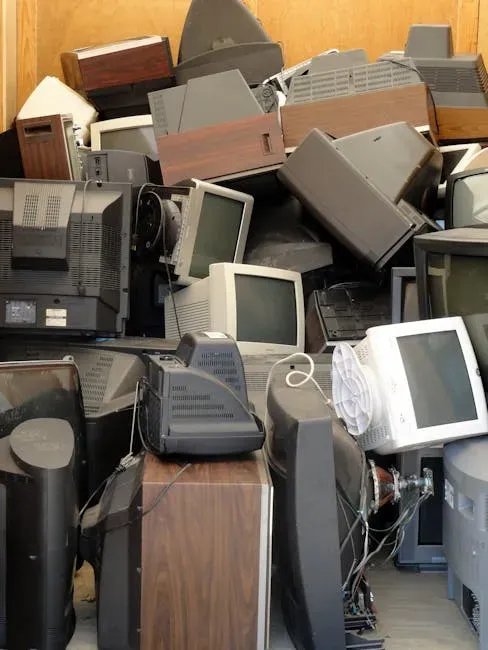
Old computers, TVs, printers, and other electronics contain heavy metals like lead and mercury, and these substances are banned from landfills under state law. Tossing them onto your driveway for the trash collectors to grab, or letting them sit out in the rain, is one of those things that feels harmless but really isn’t. Products such as cellular telephones, computers, televisions, and solar panels contain toxic chemicals that can harm the environment if not disposed of properly, leading to air pollution and the contamination of soils and water.
Mercury and lead contamination poses major human health risks, especially to developing children. These substances accumulate in tissue, build up over time, and can lead to cancer, seizures, poisoning, and death. Instead, use e-waste recycling centers or household hazardous waste drop-offs to safely recycle and recover valuable materials.
6. Fluorescent Light Bulbs
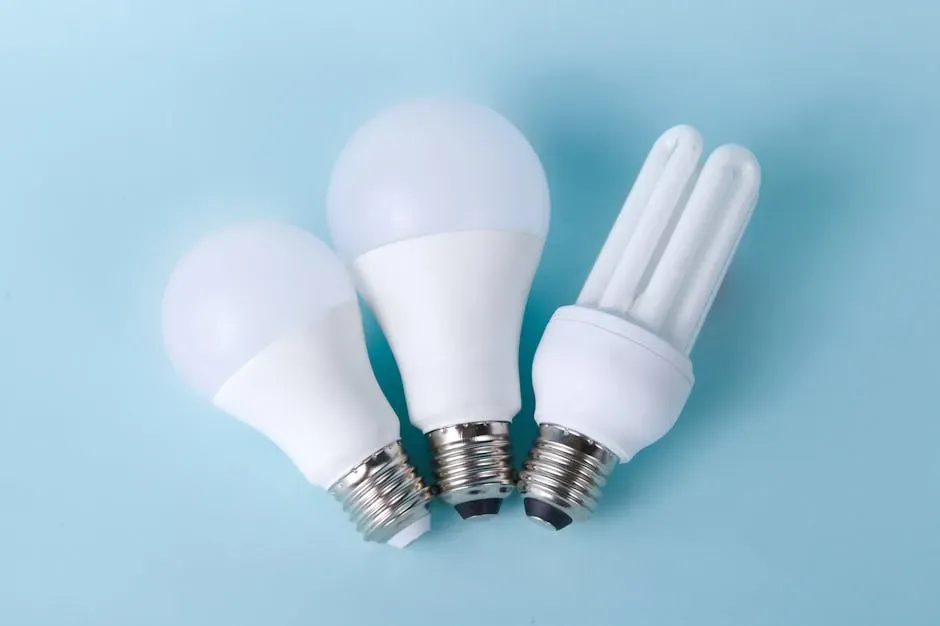
CFLs, fluorescent tubes, and thermostats often contain mercury, which can poison both humans and wildlife. You might think that tossing a burned-out bulb on the driveway to be swept away is a minor offense. It’s not. Fluorescent and compact fluorescent lightbulbs contain small amounts of mercury and must be disposed of separately from regular trash. If they end up in a landfill, they will contaminate the soil and water.
You should never put LED lights in the trash either, because they often contain toxic metals. Most home improvement stores and large retailers now accept spent fluorescent bulbs for recycling. To avoid the potential risks associated with household hazardous wastes, it is important that people always monitor the use, storage, and disposal of products with potentially hazardous substances in their homes.
7. Asbestos-Containing Materials
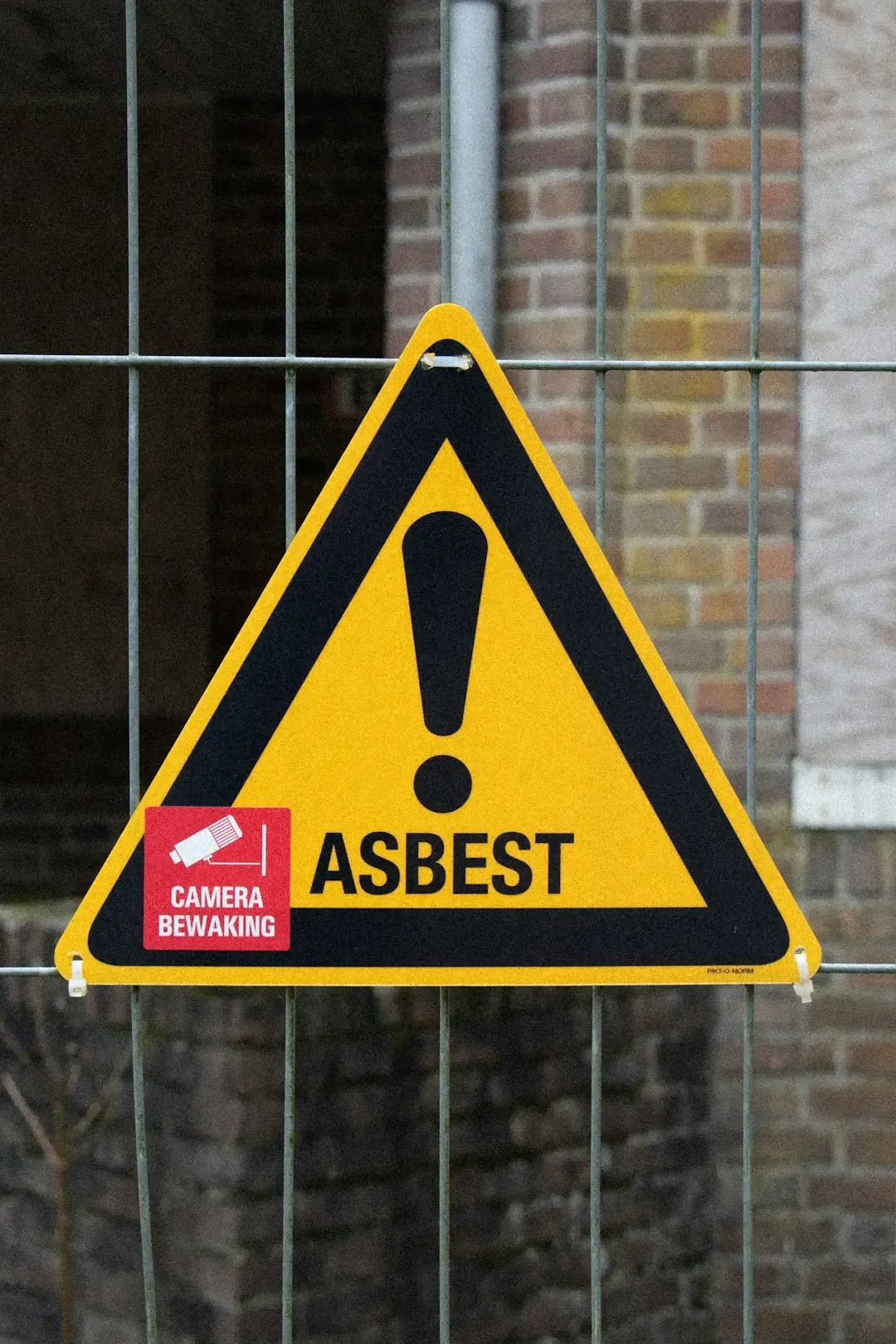
Asbestos was once used as a heat insulator in a wide range of building materials and consumer products. Over time asbestos may become brittle, and during renovation or demolition it may break apart and become airborne. If asbestos fibers are inhaled, breathing problems may occur, and asbestos has been linked to an increased risk of lung cancer, mesothelioma, and asbestosis.
Asbestos is found in some older cement, roofing, flooring, and siding. This means that if you’re renovating an older home and ripping out materials without testing them first, you might not even know what you’re leaving on your driveway. In March 2024, the EPA finalized a rule to prohibit the manufacture, processing, distribution in commerce, and commercial use and disposal of chrysotile asbestos to prevent unreasonable risk of injury to health. Always call a certified contractor when you suspect asbestos is involved.
8. Propane Tanks and Compressed Gas Cylinders
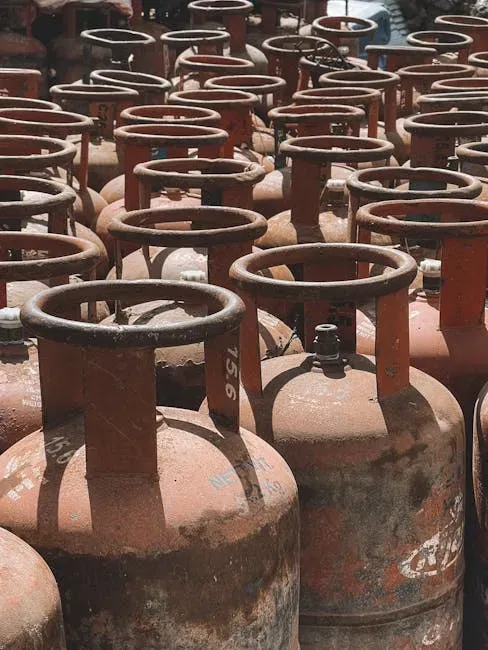
Propane tanks, stains, varnishes, and other flammables are dangerous to dump because they can explode or ignite in transit or at landfills, and dumping them on your driveway could be illegal or even criminal. Think of a propane tank like a ticking clock left in direct sunlight. Even a small one is capable of explosive decompression under the right conditions. Compressed gas cylinders, including propane tanks used for BBQ, camping, or plumbing, are among the items banned from regular trash.
Some household chemicals, including those in pressurized containers, are flammable. When not handled properly, these chemicals can cause fires or explosions. Instead, take propane tanks to gas retailers, hazardous waste centers, or fire department-sponsored disposal days. It’s a short trip that could prevent a catastrophic accident.
9. Pesticides and Herbicides
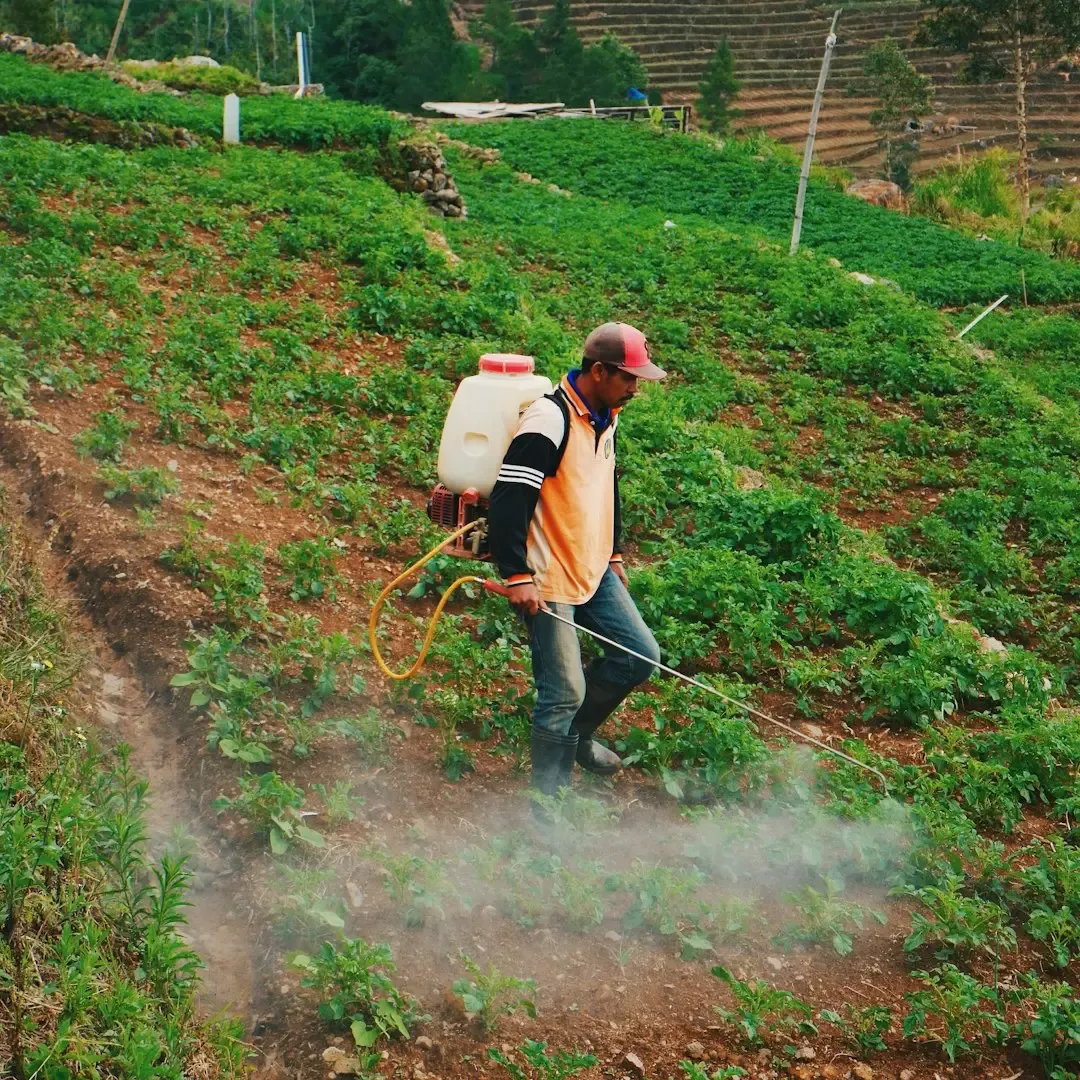
Pesticides should not be thrown in the dumpster, regardless of whether they are chemical, granule, liquid, or spray. Pesticides can harm plants, wildlife, and even people if disposed of incorrectly, and should not be thrown away in the garbage or dumped in a sink, toilet, or sewer drain. On a driveway, any liquid that washes off goes straight to the storm drain, and from there, straight into local waterways.
You should not apply lawn chemicals near curbs, gutters, streets, and driveways – and the same logic applies to their disposal. Pesticides often require chemical waste services, such as chemical recycling or specialized disposal techniques. Many counties run free or low-cost pesticide drop-off events throughout the year, so there’s genuinely no reason to dump them at home.
10. Pressure-Treated Wood and Railroad Ties
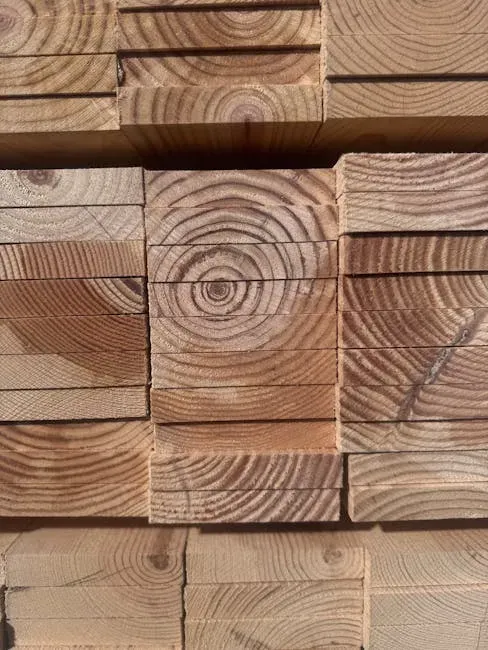
Railroad ties and pressure-treated wood contain toxic preservatives like creosote. They’re banned from residential dumping and must be handled via special facilities, and these materials can leach chemicals into soil, which is bad news for gardens or groundwater. I think a lot of people underestimate this one. Old wooden planks look harmless, but the chemistry inside them is anything but.
Treated wood with chemical preservatives, used to protect it from insect and fungal decay, must be managed as hazardous waste. Stacking it on a driveway and letting rain wash over it essentially turns your outdoor space into a slow-drip chemical spill. Improper disposal of hazardous products can lead to long-term environmental damage. When these materials seep into the ground or wash into storm drains, they can contaminate local water supplies, harming both wildlife and human populations.
11. Refrigerants and Freon-Containing Appliances
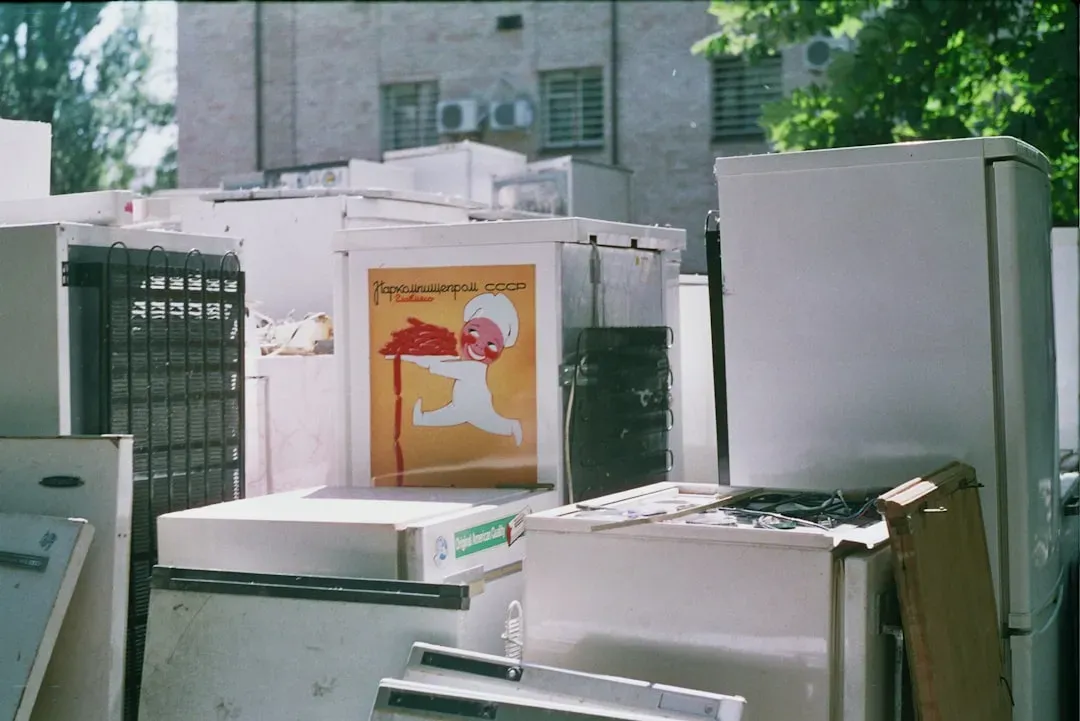
Old water heaters and refrigerators contain gases and chemicals that can be dangerous if released, and such items are banned from regular disposal unless technicians remove refrigerants like Freon. Dragging an old fridge out to the driveway and leaving it there isn’t just an eyesore – it’s potentially a legal violation in most jurisdictions. Appliances containing Freon, such as refrigerators, freezers, and air conditioners, are typically prohibited from regular disposal due to the need for proper refrigerant removal to prevent environmental harm.
Appliances like microwaves, refrigerators, and toaster ovens contain electronic components that become hazardous when not disposed of properly. Appliances often have batteries, screens, and other electronic materials and chemicals that should not be placed in a dumpster. Most municipalities offer bulk appliance pickup, and many retailers will haul away old units when delivering new ones. Use those options.
12. Coal-Tar Driveway Sealant
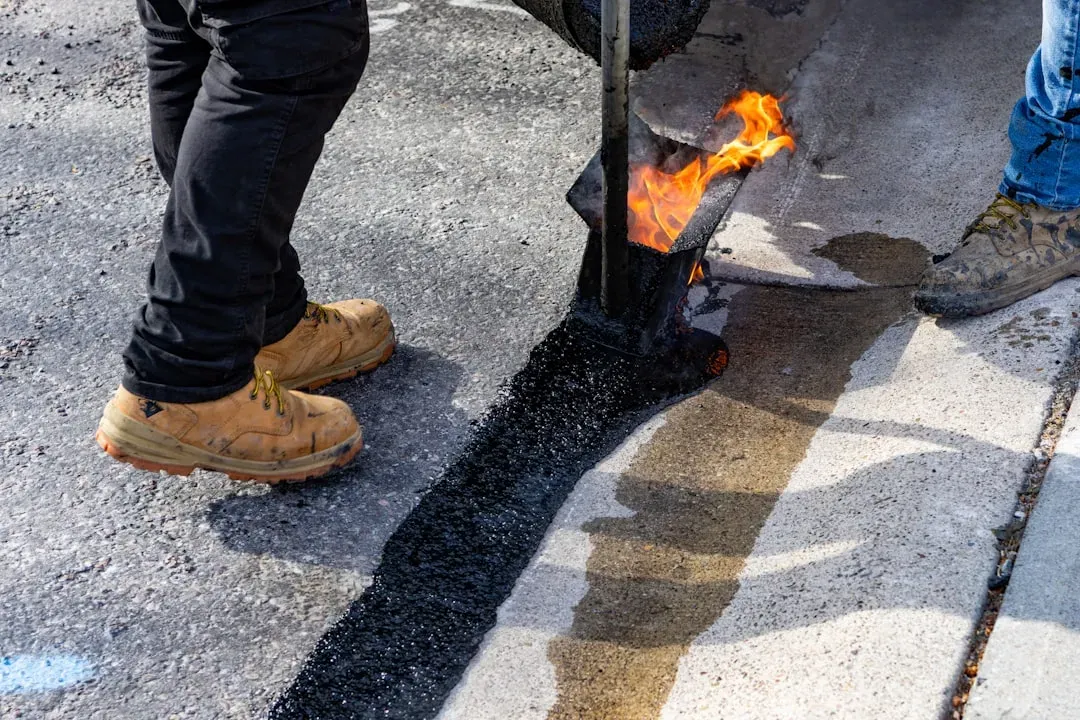
Here’s one that’s especially ironic: the very product designed to protect your driveway can become a major hazard if you dispose of it on that same surface. One look at the warning label on older driveway sealant products will show this stuff can be pretty toxic, containing Polycyclic Aromatic Hydrocarbons (PAHs), and if the sealant you have contains PAHs, you need to take special care in both handling and disposal of this hazardous household product.
These Polycyclic Aromatic Hydrocarbons are known carcinogens and pose a threat to residents and the environment. The runoff of PAHs from sealants and other coal-tar products can also affect the environment, especially aquatic wildlife, with studies showing a notable impact on juvenile amphibians and fish. Many newer driveway sealants use latex instead of coal-tar pitch, and while these do not have the same toxic properties, they still need to be stored in insulated areas, as freezing will destroy the product. Always check your local household hazardous waste program for safe disposal options.
The common thread running through all 12 of these materials is simple: what seems like a convenient shortcut on disposal day often becomes a much bigger, much more expensive problem for your soil, your water, your neighborhood, and potentially your wallet if enforcement catches up. Violations of the law, like dumping untreated hazardous waste on the ground or in town landfills to avoid paying fees charged by designated waste facilities, may result in hefty fines or even jail time. Most communities have free or low-cost collection programs for all of these materials – it just takes a quick search to find them.
The next time you’re cleaning out the garage or doing a renovation, pause before anything hits the driveway. A little extra effort in proper disposal protects far more than just your property. What would you have done if you didn’t know? Share your thoughts in the comments below.