9 Phrases That Can Have a Lasting Impact on Emotional Health
Words are invisible forces. We toss them around all day without much thought, yet they leave fingerprints on our minds that can last for years. A single sentence spoken at the right moment – or the wrong one – can genuinely reshape how someone sees themselves, their relationships, and their capacity to cope. That’s not a poetic exaggeration. That’s neuroscience.
Most of us rarely stop to think about how the words we use, both aloud and in our minds, affect our health. Yet language plays a powerful role in shaping our mindset, emotions, and overall wellbeing. Some phrases quietly do enormous damage over time. Others can anchor a person through their worst seasons. The nine phrases below fall into both camps, and knowing the difference might be more important than you think. Let’s dive in.
1. “I Am Enough”

There is something disarmingly simple about three little words that push back against a lifetime of comparison and self-doubt. Self-love and self-worth affirmations are statements that help us appreciate and value ourselves. They remind us that we deserve love and respect. Examples like “I am enough” help us build a healthy relationship with ourselves and boost our self-esteem. Honestly, in a world that constantly nudges us to achieve more, look better, and earn more, this phrase is almost radical.
The science behind affirmations and mental health reveals their impact on cognitive restructuring and emotional regulation. When consistently practiced, affirmations can help reshape neural pathways associated with self-esteem and self-worth. Think of it like wearing a groove into stone. Say it enough, and the brain actually starts to believe it, rewiring old stories of inadequacy into something more compassionate and stable.
2. “This Is Not Your Fault”

Few phrases carry such immediate emotional relief as this one. When someone is trapped under a mountain of shame, particularly in the aftermath of trauma, abuse, or personal failure, hearing “this is not your fault” can crack something open. Words are a barrier to help-seeking and a motivator for making discrimination acceptable. They can provide a context for many people, which further entraps them in a vicious cycle of thinking that they’re suffering from something they really shouldn’t be. Removing blame from the equation cuts that cycle at its root.
Emotional language can express emotions and inform us about the emotional reactions of others in social interplay, and attentive listening to our emotional speech can influence and change our emotions. Both positive and negative mental health could be related to language and communication. When someone in pain hears accountability-releasing language, the nervous system genuinely responds. Shame decreases. The capacity to heal opens up. It is one of the most underrated things a human being can say to another.
3. “You Don’t Have to Go Through This Alone”

Loneliness and mental health are tangled together in ways that researchers keep confirming. The simple act of being reminded that connection exists, that someone is actually there, can break the psychological isolation that makes almost every emotional difficulty worse. Positive psychology highlights how emotions like gratitude, joy, and hope can enhance life satisfaction and mental well-being. Connection is a central pillar of that wellbeing, and this phrase delivers it directly.
Our word choices have a powerful effect on how we view mental health and well-being. Even the choice of “mental health condition” instead of “mental illness” has consequences. In the same way, framing suffering as something shared rather than isolating shifts the entire emotional landscape. Let’s be real: most people aren’t looking for solutions when they’re struggling. They’re looking for a reason to believe they’re not invisible.
4. “I Hear You”

So short. So massively underused. Validation is one of the cornerstones of emotional recovery, and “I hear you” delivers it without judgment, without advice, and without any attempt to fix what doesn’t yet need fixing. Emotions are vital signs of systemic health. Recognizing emotions as infrastructure – real-time indicators of social health – is a concept now being introduced in global health policy discussions. At the individual level, that same principle applies: when someone acknowledges your emotional reality, it registers as genuine safety.
Because mental health carries a lot of stigma, people tend to not talk about emotions, especially using internal state feeling words, like “sad,” “hurt,” “ashamed,” or “in pain.” That silence festers. “I hear you” gives someone explicit permission to use those words, to bring what was internal into the open without fear of dismissal. It is deceptively powerful for such a short response.
5. “I Need Help”
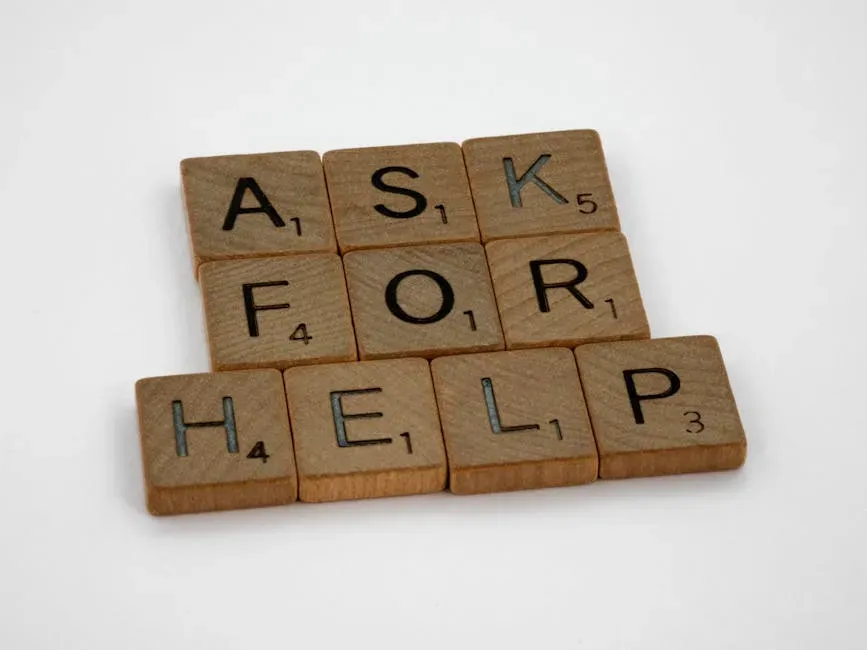
This one might surprise you because it is not a phrase we say to someone else. It is one we say to ourselves, or finally say out loud to the world. And it is arguably one of the hardest phrases on this entire list to speak. Words are a barrier to help-seeking and a motivator for making discrimination acceptable. Stigma is what keeps this phrase locked behind people’s teeth for months, sometimes years longer than it should be.
Consistently negative language can reinforce a “glass mostly empty” mindset, leaving us feeling dissatisfied, stressed, or overwhelmed. Over time, this pattern can contribute to ongoing stress, anxiety, and even depression if we don’t become aware of it and take steps to change it. Saying “I need help” is the pivot point – the moment someone stops reinforcing the internal story of silent suffering and starts creating the possibility of something different. It is a phrase that saves lives. Quietly, and without fanfare.
6. “It’s Okay to Feel That Way”

Emotional permission is a concept that does not get nearly enough attention. For a large number of people, especially those who grew up in households where certain emotions were punished or dismissed, the very act of feeling anger, grief, fear, or sadness becomes wrapped in guilt. Resilience is the ability to bounce back from adversity. Positive psychology teaches people to develop resilience through intentional strategies, such as reframing negative events, fostering a growth mindset, and building supportive relationships. These tools help people recover quickly from setbacks and maintain emotional stability in challenging times.
Telling someone – or yourself – “it’s okay to feel that way” is the first step in that reframing process. It strips the guilt away from the experience, allowing the emotion to move through rather than calcify. A rich and nuanced emotional vocabulary may be beneficial for mental health by serving emotion regulation and social support. Granting emotional permission is part of building that vocabulary in the first place. Think of it as opening a window in a room that has been sealed shut for too long.
7. “You Are Not Your Diagnosis”

This phrase carries a weight that only people who have received a mental health diagnosis may fully understand. The moment a label is applied, there is a real risk that the label swallows the person. Identifying someone as simply a “patient,” “service user,” or a “schizophrenic” implies that this is all the person is, that this diagnosis defines them. Instead, describing someone as experiencing mental illness can help to allow for other parts of their identity to still exist.
Through language, a person can be presented not by their humanity, but as an embodiment of their diagnosis. This is why it is important that the emphasis is based upon person-first language when discussing mental health, so that people with mental illnesses are still entitled to the dignity of their own personhood. “You are not your diagnosis” is that principle in its most human and direct form. It protects identity. And protecting identity, it turns out, is central to emotional recovery.
8. “I’m Proud of You”

Here is the thing: most people with emotional health struggles measure progress in ways that others simply cannot see. Getting out of bed on a terrible day. Not sending a destructive message. Choosing the therapy appointment over avoidance. None of these show up on any scoreboard. In 2024, feeling treated with respect at 88 percent is one of the highest levels the Gallup survey measured. Respect, recognition, and acknowledgment are emotional nutrients. They matter at a population level, and they matter at the level of a single conversation.
Gratitude involves recognizing and appreciating the good things in life. Studies have shown that people who regularly practice gratitude experience more positive emotions, sleep better, and have lower levels of stress and depression. Telling someone “I’m proud of you” activates something similar in the recipient. It signals that their effort has been seen, that the invisible work counts. For someone who has been fighting internal battles that nobody else witnesses, those four words can sustain momentum for a surprisingly long time.
9. “This Feeling Will Pass”

When you are in the middle of acute emotional pain, it genuinely feels like a permanent state. The brain, flooded with cortisol and stripped of its usual context, loses its ability to imagine a future where things feel different. That is not weakness. That is biology. Stress is a complex phenomenon that leads to mental health disorders and chronic health conditions. “Eustress,” a positive psychological response to a stressor, is beneficial because it motivates the individual to cope, but chronic and prolonged stress overwhelms the body’s coping mechanisms. The phrase “this feeling will pass” directly interrupts that overwhelm.
When we use positive, constructive language, it can help us feel optimistic, resilient, and motivated. It encourages a “glass mostly full” outlook that supports both mental and physical health. Reminding someone, or yourself, that emotions are not permanent states is one of the most grounding things language can do. It reintroduces the dimension of time into a moment where time has seemingly vanished. It is a phrase that costs nothing to say but can mean everything to hear.
Words shape the emotional architecture of a life. The phrases above are not magic spells, but they are genuine tools, each backed by what we understand about how language interacts with the brain, identity, and emotional recovery. Some of them take courage to say out loud. Others require someone brave enough to offer them to another person at just the right moment. What’s striking, though, is how accessible they all are. No special training required. No prescription needed. Just a willingness to choose words with a little more care.
Which of these phrases do you think has the most impact? We’d love to hear your thoughts in the comments.