11 Everyday Stretches That Support Better Posture
Most of us have been told at some point to “sit up straight.” But here’s the thing – good posture isn’t just about willpower or remembering to stop slouching. It’s about what your muscles are doing all day long, whether you’re paying attention or not. When certain muscles get chronically tight and others grow weak, your body simply drifts out of alignment. No amount of reminding yourself will fix that without some actual physical work.
The good news? You don’t need a gym membership or a complicated fitness plan to start making a real difference. Gentle daily stretching helps maintain range of motion and supports muscle balance, which are both key factors for long-term mobility and injury prevention. These 11 everyday stretches are simple, accessible, and genuinely effective. Let’s dive in.
1. Child’s Pose
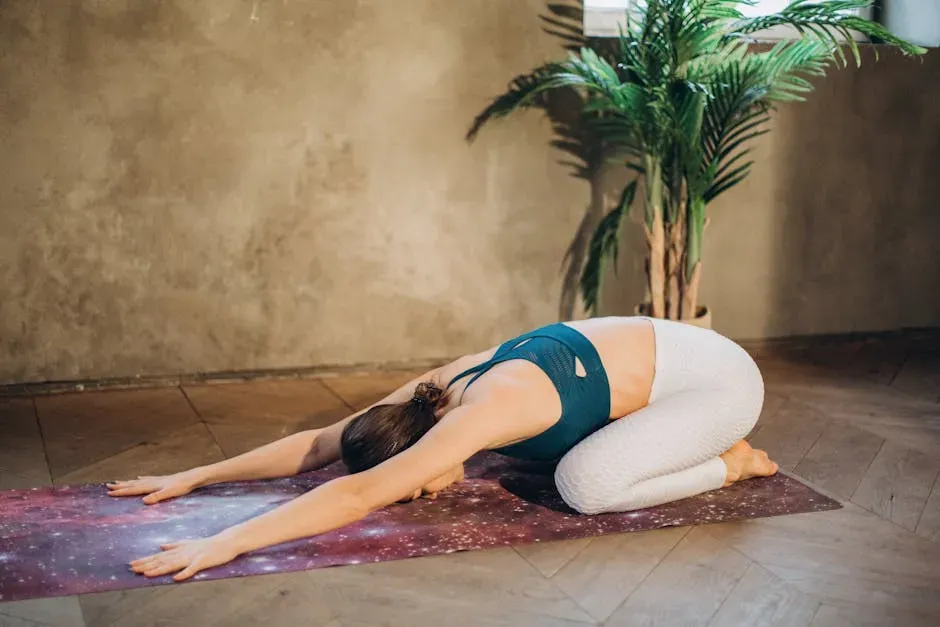
Child’s Pose stretches and lengthens your spine, glutes, and hamstrings, and it may also release tension in your lower back and neck. Think of it as a full reset button for your spine. When you sink your hips back toward your heels and extend your arms forward, you’re essentially creating space in all the places that modern sitting compresses. Honestly, it feels almost embarrassingly good.
Child’s Pose helps you explore the range of motion in your shoulders by stretching your arms above your head. Hold it for five to ten slow, deep breaths. That’s it. One minute of this stretch, done regularly, can start to counteract hours of hunching over a desk or a phone screen.
2. Chest Opener Stretch
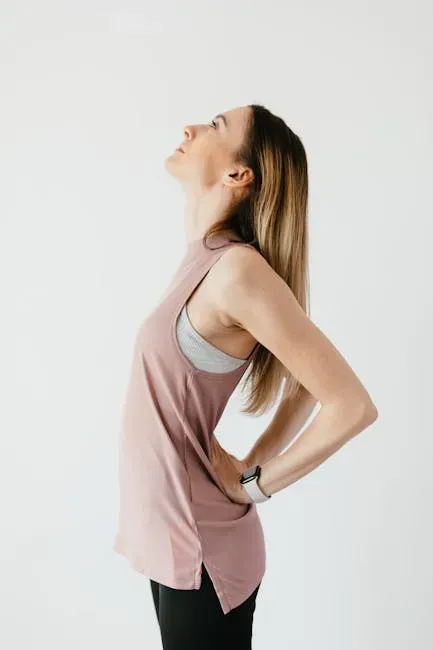
Opening and stretching your chest could help improve your posture, especially if you spend most of the day sitting, which tends to make your chest move inward. To do it, stand with your feet hip-width apart, bring your arms behind you, and interlace your fingers. Draw your shoulders back and down while lifting your chest toward the ceiling. It’s one of those stretches that makes you wonder why you don’t do it every single morning.
Stretching the chest muscles can help counteract the forward rounding of the shoulders that often occurs with slouching posture, and it also reduces forward head posture, where the head juts forward from the shoulders. For anyone spending long hours at a screen, this stretch addresses two of the most common postural complaints at once. That’s a pretty good deal for something that takes less than a minute.
3. Cat-Cow Stretch
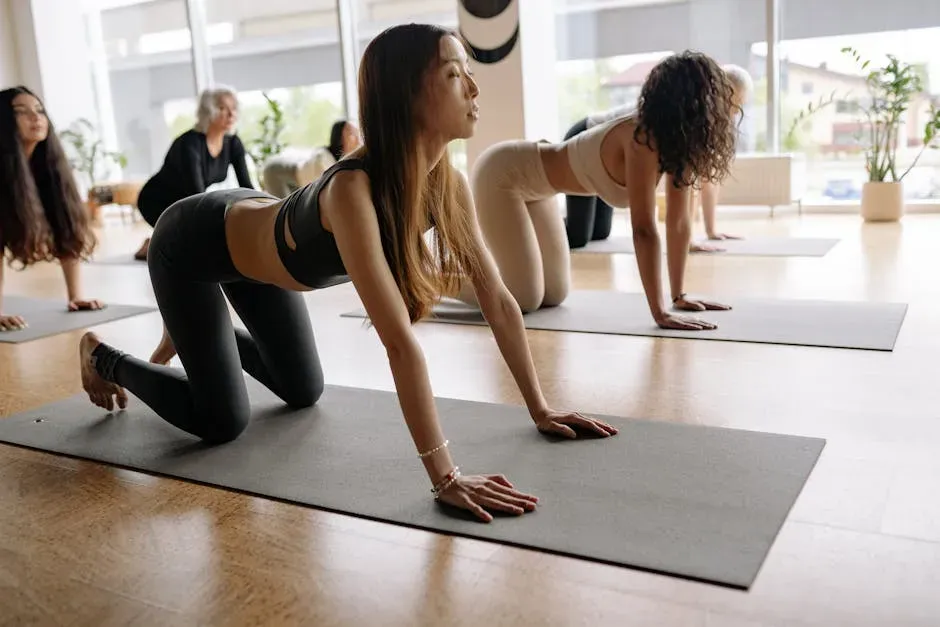
A variation on the standard Cat-Cow may help loosen up the tightness in your back, hips, and glutes. The movement itself is beautifully simple: you alternate between arching your back and rounding it, flowing between the two positions with your breath. It sounds almost too easy to be useful, but it’s remarkably effective for waking up a stiff spine at the start of the day or after prolonged sitting.
Thoracic spine mobility is extremely important for loosening tightness in the back muscles, and the point of this exercise is to take the muscles around the spine through its full range of motion. Five slow, mindful repetitions in each direction is plenty. Your spine will thank you, especially if you’ve been frozen in one position for a while.
4. Hip Flexor Lunge Stretch
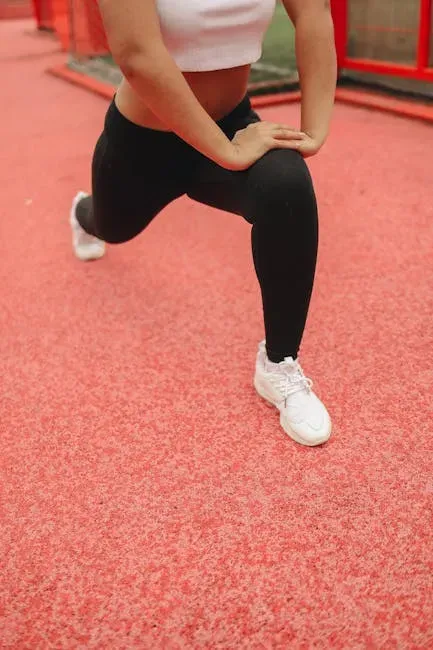
Poor posture is often a result of tight muscles that pull the body out of alignment. Sitting for a long period of time can lead to tightness in the hip flexors, which can tilt the pelvis forward and create an exaggerated curve in the back. Stretching these tight muscles helps to lengthen them, reducing the pull on the body and allowing for better alignment. A kneeling lunge stretch targets exactly this problem. Drop one knee to the floor, shift your weight forward gently, and feel the front of the hip open up.
Tight hip flexors are among the most common physical complaints for people spending long hours sitting. The lunge stretch is one of the most direct ways to address it. Hold for thirty seconds per side, and if you’re feeling adventurous, reach your opposite arm overhead to deepen the spinal extension. It feels like undoing a knot you forgot was there.
5. Doorway Pectoral Stretch
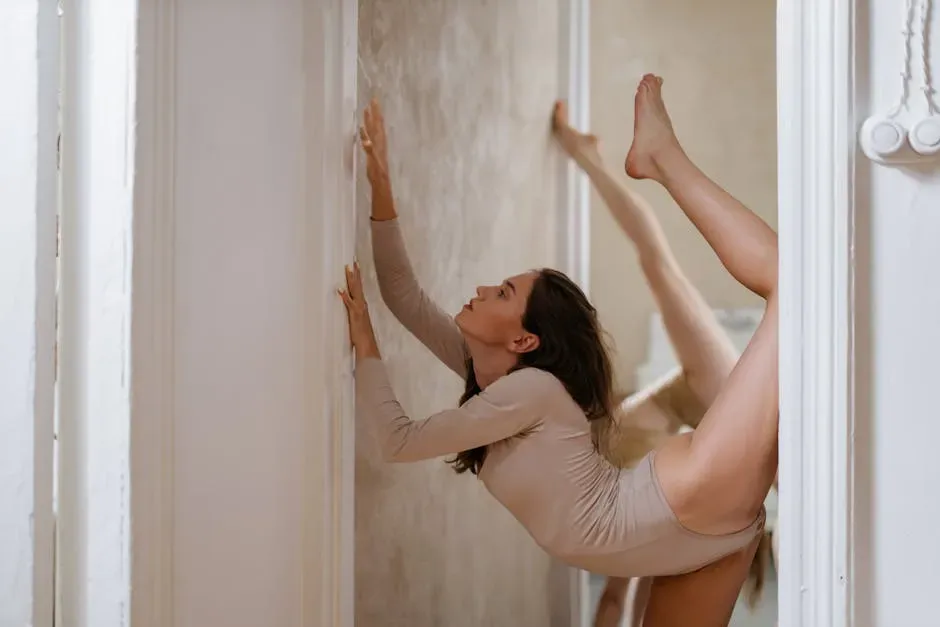
Here’s a stretch that requires nothing more than a standard doorway. Place both forearms against the door frame at shoulder height, step one foot forward, and gently lean into the opening. You’ll feel an immediate and very satisfying stretch across your chest and the front of your shoulders. Opening the chest, lengthening the front of the hips, and moving the upper back muscles all help counteract the effects of sitting. This one tackles the chest directly.
When your muscles are flexible, your body can maintain proper alignment, and this flexibility is crucial for good posture, as it allows the body to hold and move in structurally optimal positions. The doorway stretch is a classic for good reason. It’s zero-equipment, takes under a minute, and fits naturally into any moment when you’re moving between rooms. Personally, I do it every time I walk through the kitchen doorway.
6. Upper Trapezius Neck Stretch
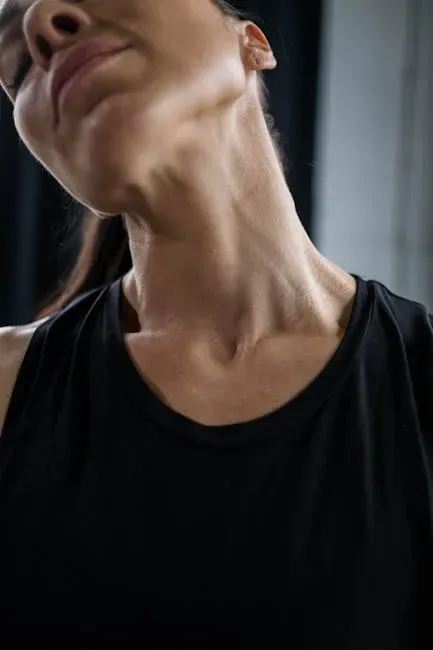
The trapezius muscle stabilizes your spine and helps you move your upper body. It starts at the base of the neck and extends from your shoulders to the middle of your back. Sitting with poor posture can tighten the traps. To stretch them, sit or stand tall, reach one arm overhead, place your palm gently on the opposite side of your head, and let your ear drop toward your shoulder. No forcing. Just gentle gravity and breath.
Tension headaches and jaw tightness are common in people who sit at computers all day, and moving your neck, shoulders, and upper back helps relieve pressure on small muscles at the base of your skull that trigger headaches. If you’re someone who ends their workday with a tight neck and a dull headache, this stretch might be the single most useful thing you add to your routine. Hold for twenty to thirty seconds per side, and don’t be surprised if you feel relief almost immediately.
7. Thoracic Rotation Stretch
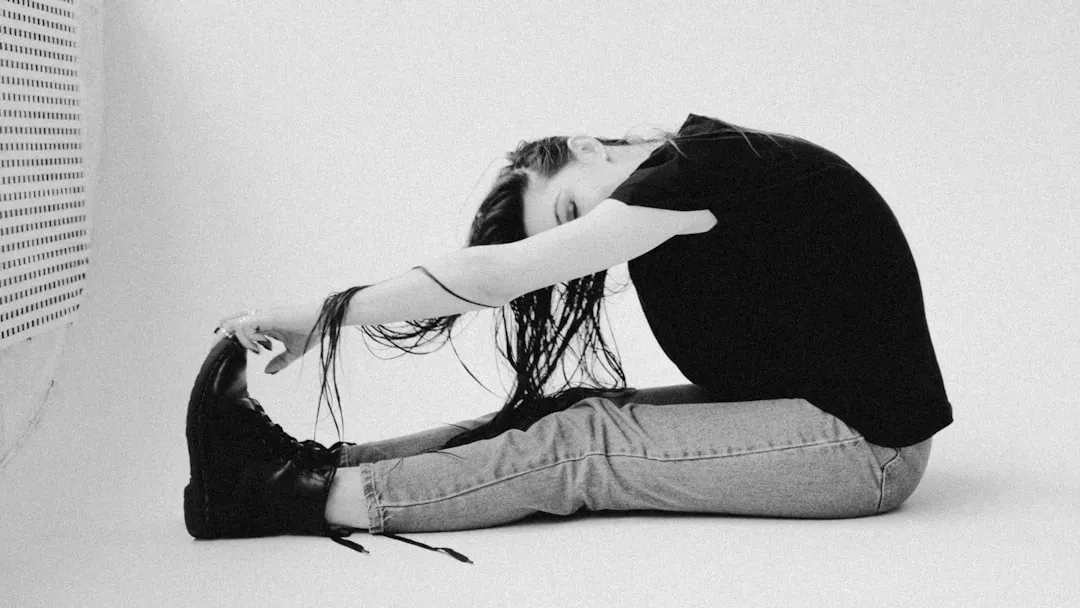
Rotating your elbow to the sky while exhaling stretches the front of your torso. Start on all fours with one hand behind your head. Rotate that elbow toward the ceiling, then back down, repeating smoothly for five to ten breaths before switching sides. It’s a gentle, almost meditative movement, but it does serious work on thoracic mobility, which is one of the most commonly neglected areas in posture correction.
Different types of exercises involving strengthening and stretching the musculature and its antagonist seem to be effective for improving postural dysfunction. Thoracic rotation is a perfect example of this principle in action. The mid-back often becomes rigid from prolonged sitting, and this stretch specifically targets that rigidity. Improved mid-back mobility translates directly into better shoulder positioning and less neck strain throughout the day.
8. Standing Forward Fold
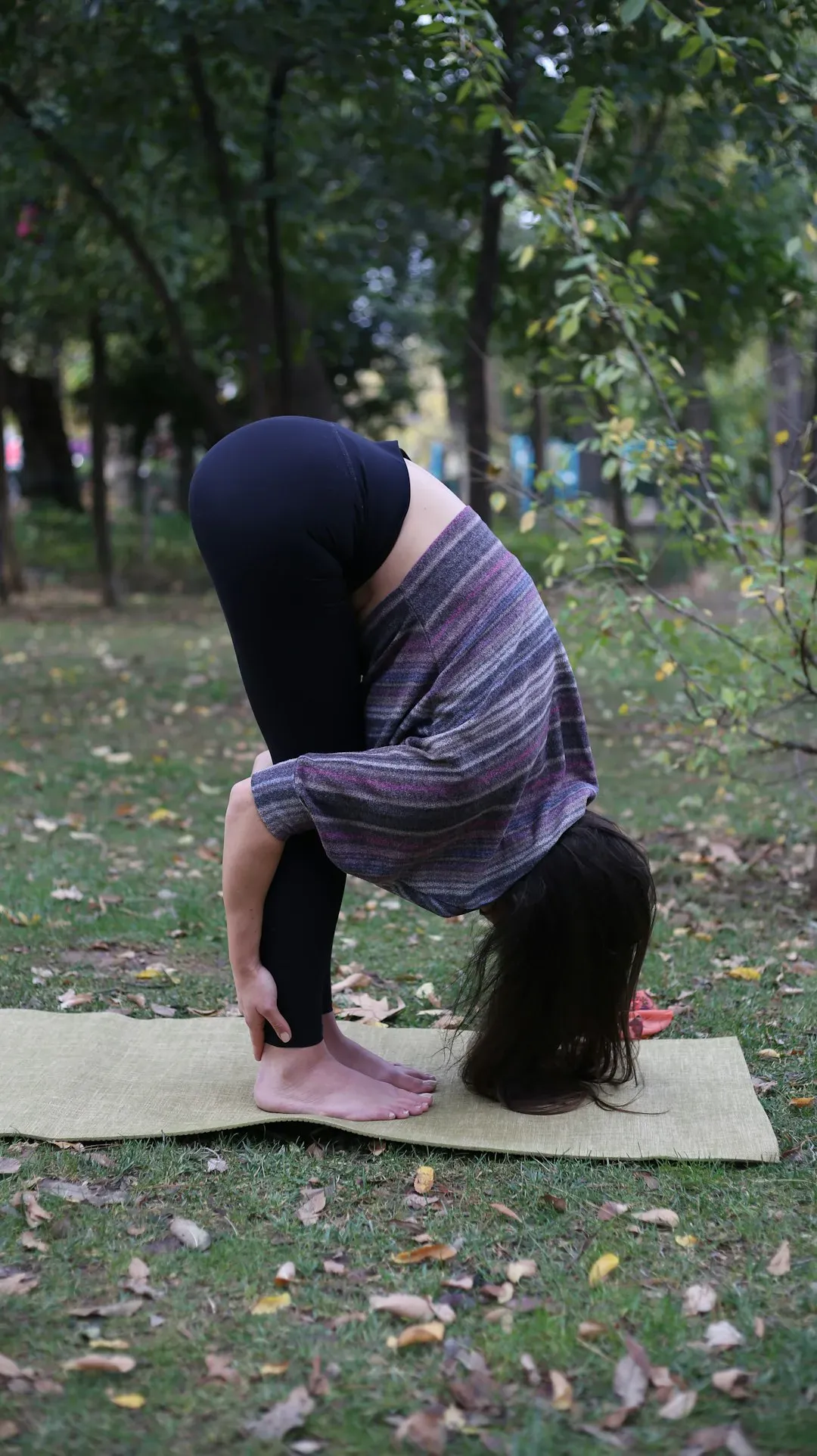
This standing stretch could help release tension in your spine, glutes, and hamstrings. It also stretches your hips and legs. Simply stand with your feet hip-width apart, soften your knees slightly, and let your upper body hang toward the floor. No need to touch your toes. The goal is decompression, not performance. Let gravity do the work while you breathe slowly and relax your neck completely.
Daily stretching can significantly alleviate back and neck pain by relaxing tense muscles, improving blood flow, and strengthening core support for the spine. The forward fold is one of the best ways to accomplish all three at once. It’s also deeply calming for the nervous system, which is a bonus for anyone who stretches at the end of a stressful day. Hold for thirty seconds and come up slowly, rolling through each vertebra one at a time.
9. Glute Bridge
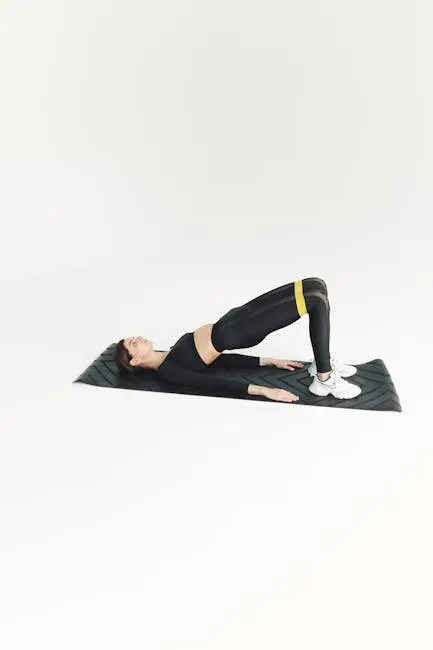
Glute bridges help strengthen and activate your glutes while relieving lower back pain. This may help improve the functioning and alignment of your hips and pelvis, leading to . Lie on your back, bend your knees, keep your feet flat on the floor, and lift your hips toward the ceiling by squeezing your glutes. It’s both a stretch and a gentle strengthening movement, which makes it especially efficient.
Stretching tight muscles while strengthening the antagonists represents the most common method to treat muscle imbalance. The glute bridge does exactly this: it activates and strengthens the posterior chain muscles that tend to become underactive from prolonged sitting, while simultaneously releasing tension in the hip flexors and lower back. Even three sets of ten reps a day can make a noticeable difference over a few weeks.
10. Wall Angel
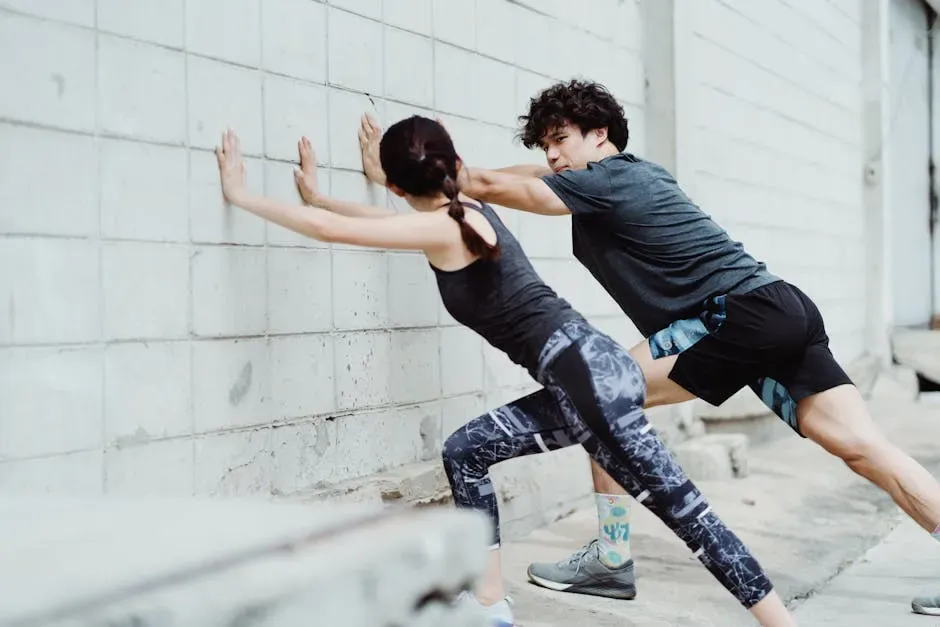
Simple exercises like wall angels and pelvic tilts can help keep your body in an optimal position and help undo years of improper posture habits. Stand with your back, shoulders, and head flat against a wall, and slowly slide your arms up and down while keeping contact with the wall. It sounds straightforward, but for many people, maintaining all those contact points while moving their arms is genuinely challenging at first. That difficulty is precisely the point.
By encouraging your shoulders to move back, this stretch supports a more balanced and comfortable posture. Wall angels teach your body what aligned posture actually feels like in real time, which is information most people have never consciously registered. Stretching regularly also makes you more aware of your body in general. You learn to recognize poor posture and adjust it more quickly, and you can also become more aware of which muscles are tighter than others. Wall angels accelerate that awareness faster than almost any other exercise.
11. Seated Spinal Twist
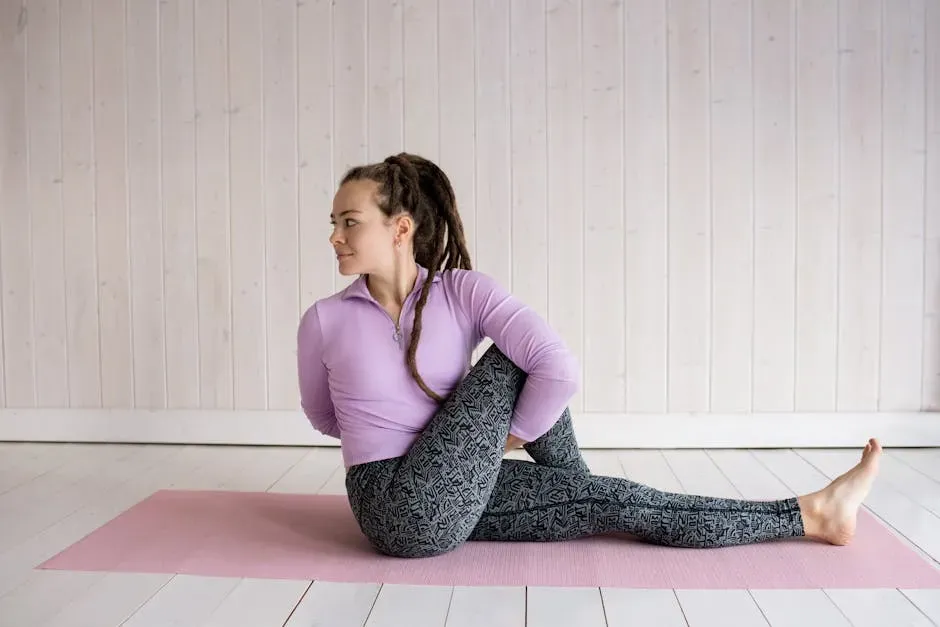
Sit on the floor or in a chair with your spine tall. Cross one leg over the other and twist your torso in the direction of the top knee, using your opposite arm to gently deepen the rotation. Stretching increases flexibility, improves posture, enhances circulation, and reduces muscle tension, all of which are essential for a healthy spine. The spinal twist delivers all four benefits in one smooth, satisfying movement that almost everyone can do regardless of age or fitness level.
The benefits of stretching daily extend well beyond flexibility – it helps prevent arthritis, supports spinal alignment, and maintains the structural balance your body needs to thrive. The seated spinal twist is a fitting stretch to end on, because it brings the whole spine into motion and serves as a kind of reset for the entire torso. Hold each side for thirty seconds, breathe deeply, and notice how different your back feels immediately afterward. It’s one of those stretches that feels almost like a quiet, private luxury.
Here’s the real takeaway from all eleven of these stretches: none of them require special equipment, a dedicated gym slot, or even a large amount of time. People who stretched at least three times per week had significantly lower reports of back and hip pain than those who did not. That’s not a massive commitment. Even picking three or four of these stretches and doing them consistently each morning or evening is enough to start shifting the way your body holds itself. isn’t a personality trait some people are born with. It’s a physical skill your body can learn, one stretch at a time. So, which one will you try first?