10 Baking Staples That Can Become Unsafe After They Expire
Most of us have been there. You open the pantry to bake something on a Sunday afternoon, and somewhere behind three half-empty bags and a forgotten jar of cocoa, you find an ingredient that expired… a while ago. Maybe a long while ago. The question that follows is almost always the same: is this still okay to use?
Here’s the thing, not all expiration dates carry equal weight. Most date labels on food are about peak quality, not necessarily food safety. That said, certain baking staples genuinely do cross a line where they can become a real concern for your health. Knowing which is which could save you from a ruined batch of cookies – or something much worse. Let’s dive in.
1. All-Purpose and Whole Wheat Flour
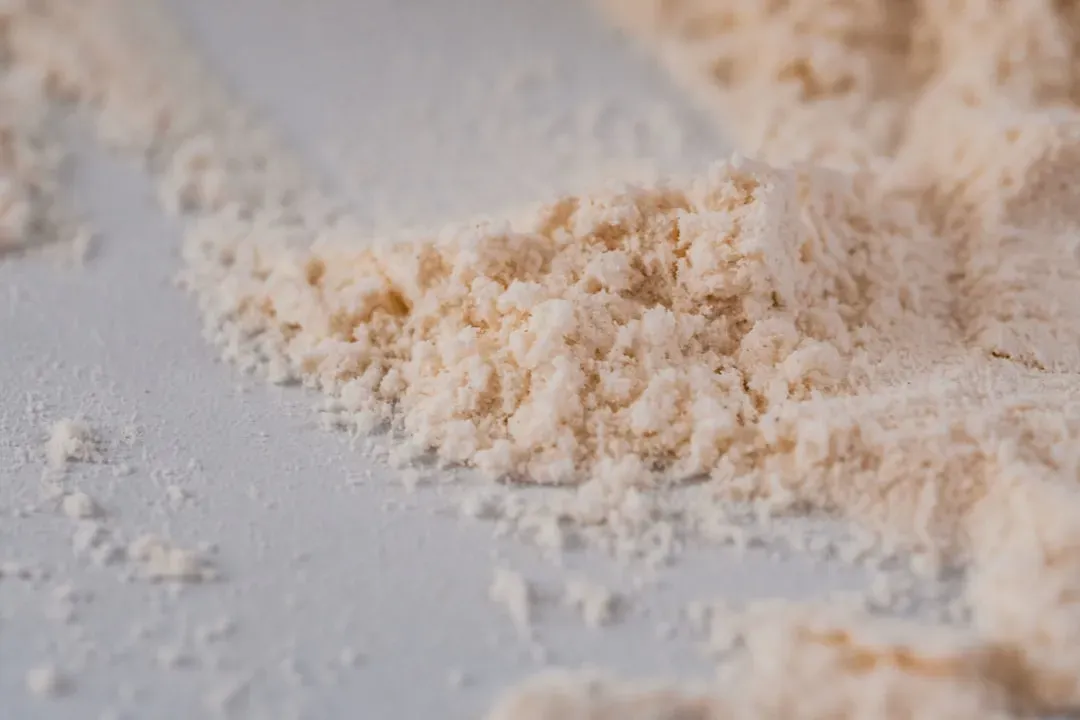
Flour is probably the most misunderstood ingredient when it comes to expiration. It looks the same for months, so people assume it stays safe indefinitely. That assumption can be costly. The most important reason to avoid expired flour is the health risk. Expired flour may harbor molds and dangerous toxins such as mycotoxins. Consuming such flour can lead to food poisoning, digestive problems, and serious health complications.
Just like what can happen if you eat raw flour, eating rancid flour can cause symptoms of food poisoning like stomach pain, vomiting, or diarrhea. Whole wheat varieties are especially vulnerable because they contain more natural oils. Whole wheat flour is richer in proteins and fats, which makes it more susceptible to spoilage and hence it has a shorter shelf life compared to refined flour.
Even fresh flour can sometimes contain harmful bacteria such as E. coli because it is a raw agricultural product that has not been heat-treated. This means it should never be consumed raw, whether it is expired or not. Always cook or bake flour-based products thoroughly to eliminate any potential pathogens.
All-purpose flour lasts 6 to 8 months on the shelf but up to 1 year if refrigerated and 2 years if frozen. When in doubt, give it a sniff. Flour that’s turned will smell off, with a markedly sour, unpleasant mustiness to it.
2. Active Dry and Instant Yeast
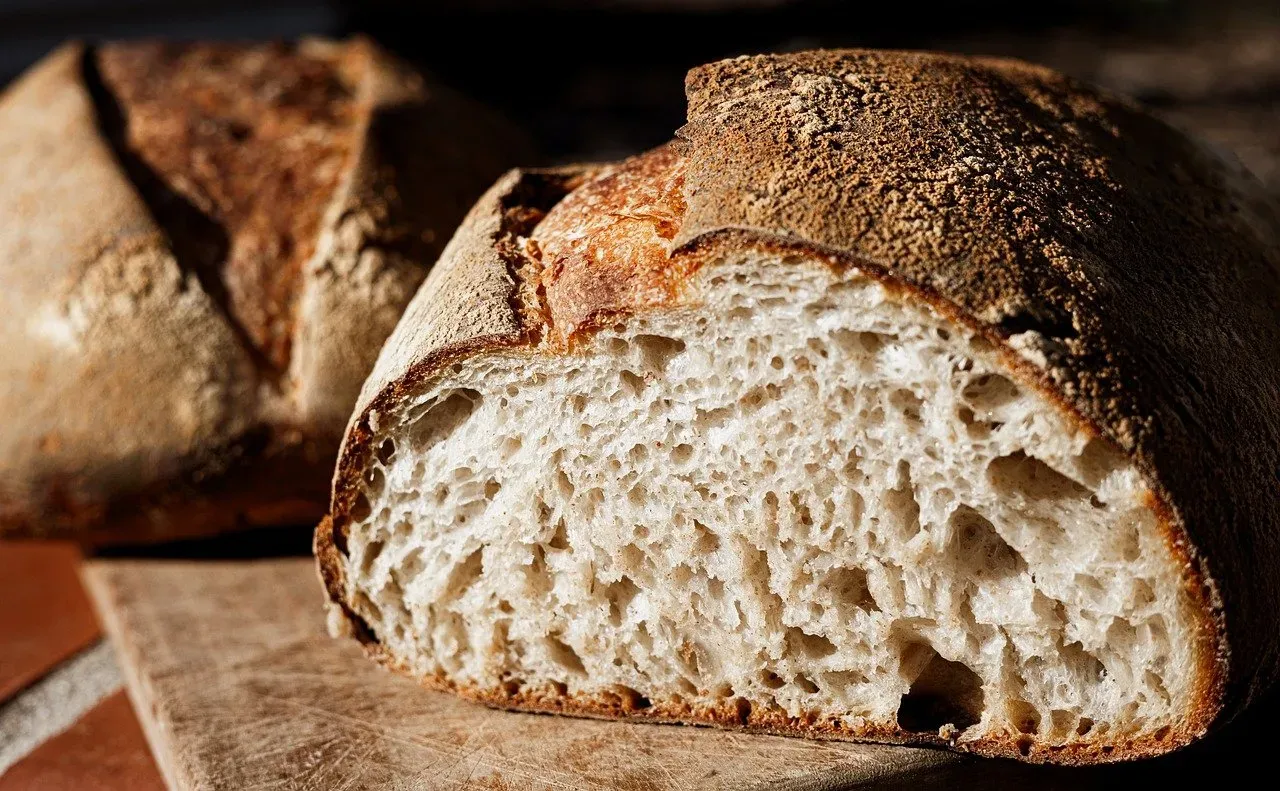
Yeast is a living organism. That fact alone makes it different from almost every other baking staple on your shelf. Yeast is a living fungus that eats sugar and releases gas, helping bread dough rise. If the yeast is dead, your dough will stay dense no matter how long you let it sit. This means your bread won’t turn out, and you’ll waste your time and ingredients.
Expired yeast is completely useless, as the living organisms inside eventually die off. According to Fleischmann’s Yeast, a leading manufacturer, an unopened package of yeast retains its best quality for about 2 years past the production date, but its viability decreases thereafter. Beyond just flat bread, there are additional concerns. When yeast dies and begins to decompose after expiration, purine levels can become even more concentrated and potentially dangerous. Dead yeast cells that have been sitting around past their expiration date can become a breeding ground for harmful bacteria and produce toxic byproducts.
Active dry and instant yeast can sometimes still work weeks after the date, but only if it passes the proofing test: mix with warm water and sugar – if it bubbles in 10 minutes, it’s still alive. If there’s no bubbling, toss it without hesitation.
3. Baking Powder
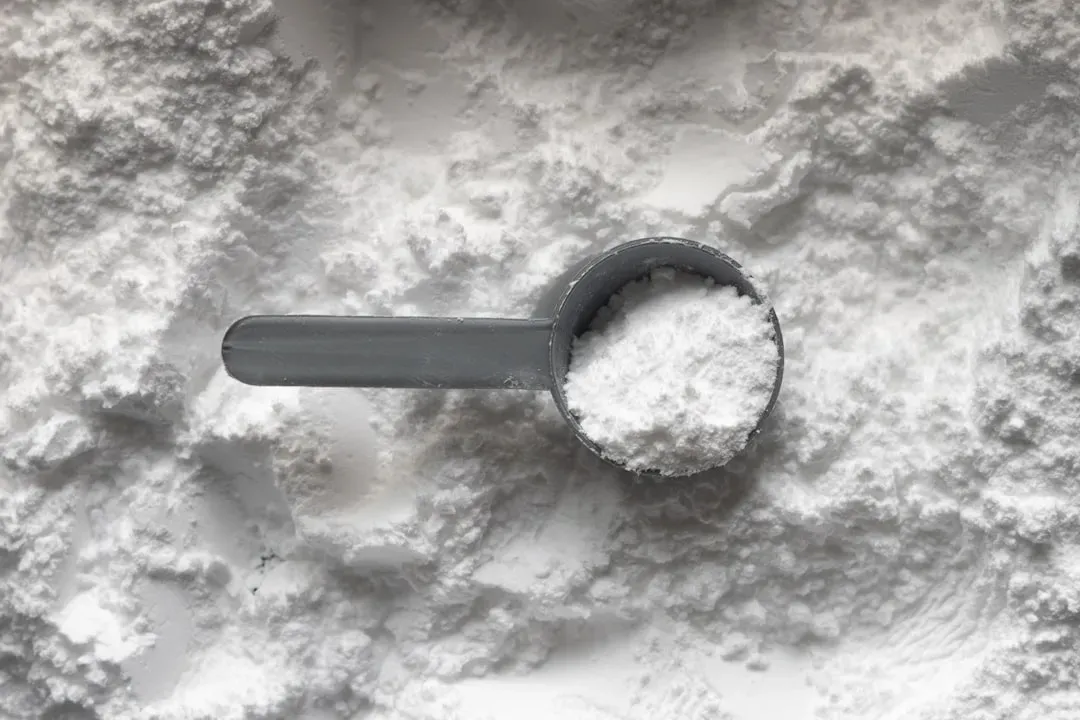
Baking powder seems harmless enough. It’s just a white powder sitting in a tin. But once it’s past its prime, it does more than just stop working. Baking powder and boxed cake or cookie mixes don’t last forever, even if they look fine. Baking powder can go flat months after its expiry, leaving you with sad, dense bakes.
Baking powder will remain potent between six months and a year, while baking soda is good for up to two years. The test is simple and worth doing. While baking soda rises when it comes in contact with liquid, baking powder needs a little more than that to get bubbly. Baking powder begins to rise when it is heated, so you’ll need to use hot water for your experiment. Pour boiling water into some of your baking powder and see how it reacts. Did it bubble? If so, you can still use it. If not, it’s flat and no longer viable.
Honestly, baking powder is one of the cheapest items on your grocery list. Replacing it regularly is a no-brainer compared to the risk of an unrisen cake or a batch of dense muffins that disappoint everyone at the table.
4. Whole Grain and Nut-Based Flours
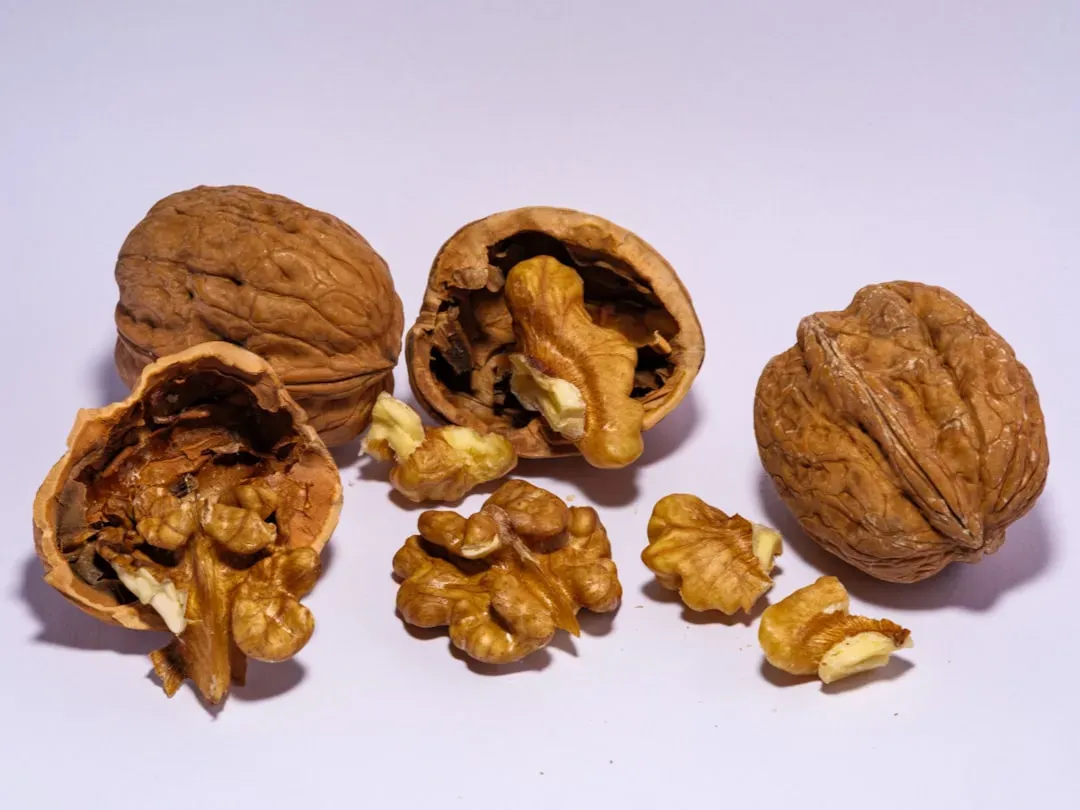
Almond flour, oat flour, coconut flour. These trendy, nutrient-rich baking alternatives have exploded in popularity over the past several years. They are also some of the most perishable baking ingredients you can stock. Nuts and nut-based flours contain high levels of unsaturated fats, which sounds healthy until you realize these fats go rancid faster than almost any other baking ingredient. When nuts turn rancid, they don’t just taste bad – they produce harmful compounds called peroxides and aldehydes that can damage your cells and increase inflammation throughout your body.
What’s truly alarming is that rancid nuts have been linked to increased oxidative stress, which accelerates aging and has been associated with serious conditions like heart disease and cancer. What makes this trickier is that you might not always notice the rancidity. You might not even taste the rancidity if you’re mixing these nuts into cookies or brownies with strong flavors like chocolate. Ground nut flours are even more vulnerable because grinding exposes more surface area to oxygen, speeding up the oxidation process dramatically.
Because gluten-free alternatives like almond or coconut flour are often high in oil, they may also be more prone to rancidity than white flour. Additionally, gluten-free all-purpose flour, which typically combines several nut- or root-based flours, may be more vulnerable to mold due to its high moisture content.
5. Baking Soda
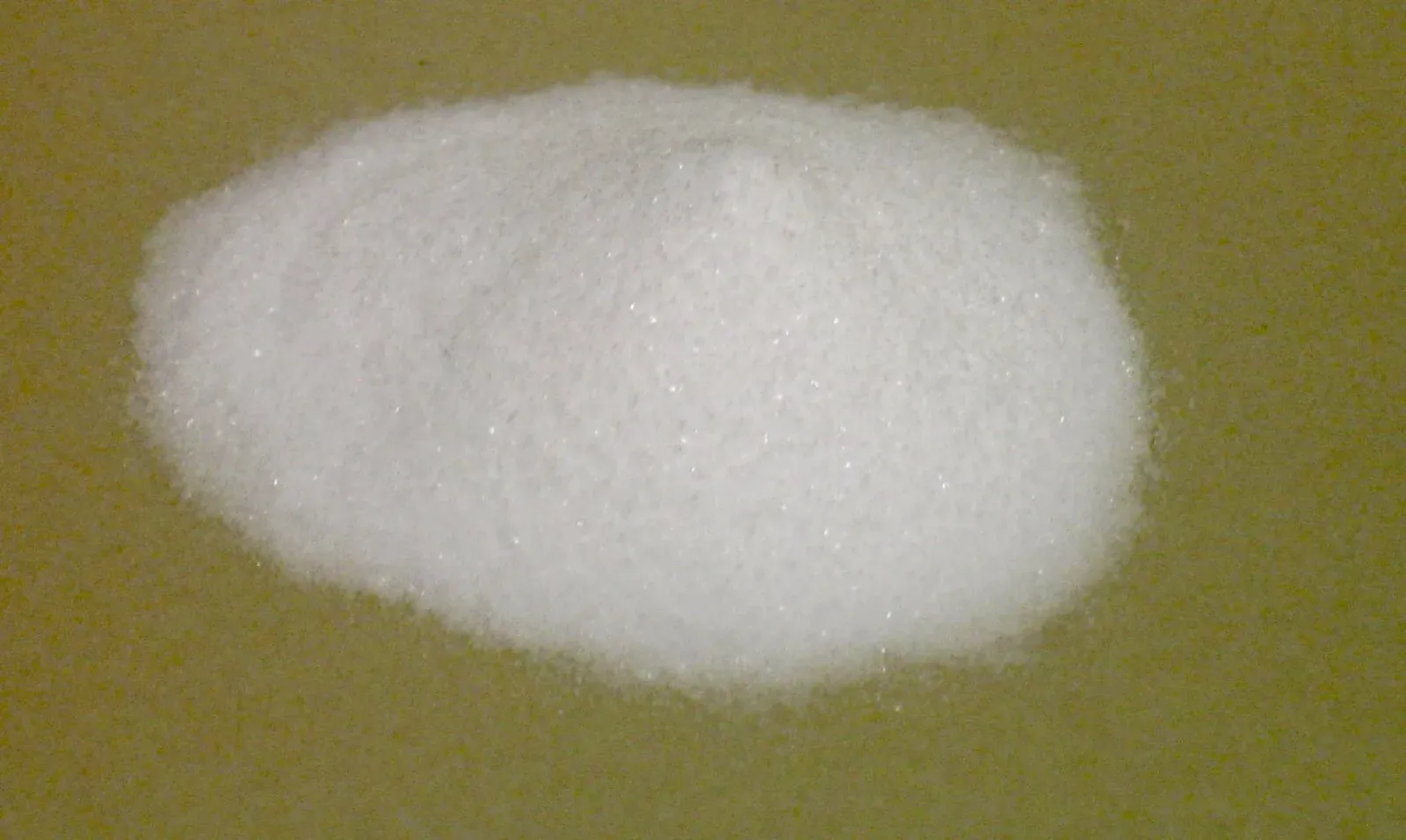
Baking soda is often treated like it lives forever. Open a box, use a pinch, close it back up, and forget about it for two years. That approach is riskier than it seems. Like baking powder, baking soda is used as a leavening agent. It also absorbs odors, meaning it can take on the smells of your fridge or pantry over time.
Baking soda can take on odours and lose its fizzing power, and yeast can die. For baking soda, count on about six months for an open package. That’s shorter than most people realize. Sprinkle a spoonful into a cup and add vinegar or lemon juice. If it fizzes enthusiastically, it’s still good. If it barely bubbles, it’s lost its potency.
When baking soda stops reacting properly, it doesn’t just ruin your recipes. It means the leavening chemistry is broken, and your baked goods end up flat and potentially dense in ways that affect digestibility too. Store it sealed and away from moisture to make it last closer to the full two years.
6. Ground Spices Used in Baking
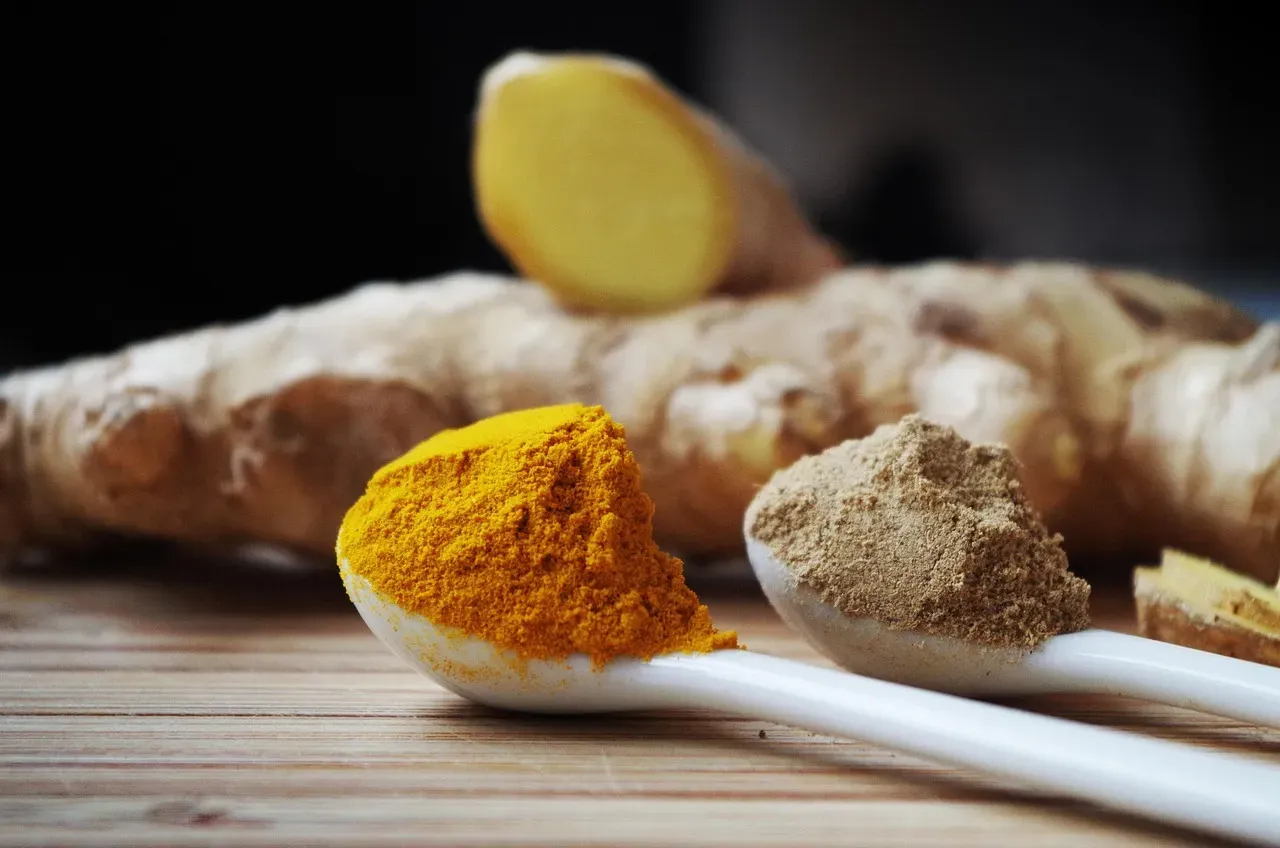
Cinnamon, nutmeg, ginger, allspice. These spices are essential for everything from apple pie to gingerbread, and they also sit in cabinets largely forgotten until the holiday season rolls around. Aged spices, especially ground varieties, can develop dangerous mold and lose their vibrant flavor. According to ResearchGate, spices are vulnerable to fungal infection, which can lead to mycotoxin contamination when conditions are favorable for fungal growth. When spices are ground, they have more surface area and are exposed to air, moisture, and light, which makes them spoil faster. Spoiled spices don’t just taste dull; they can also be a real health risk. Using them could mean adding hidden toxins to your food.
Aged spices, especially ground varieties, can develop dangerous mold and lose their vibrant flavor. According to ResearchGate, spices are vulnerable to fungal infection, which can lead to mycotoxin contamination when conditions are favorable for fungal growth. The contamination is invisible to the eye, which is what makes it particularly concerning.
I think a lot of bakers dramatically underestimate how quickly ground spices lose both safety and flavor. As a general rule of thumb, replace ground spices every one to two years and whole spices every three to four. It is a small investment for a big payoff in both taste and peace of mind.
7. Pre-Made Baking Mixes and Boxed Cake Kits
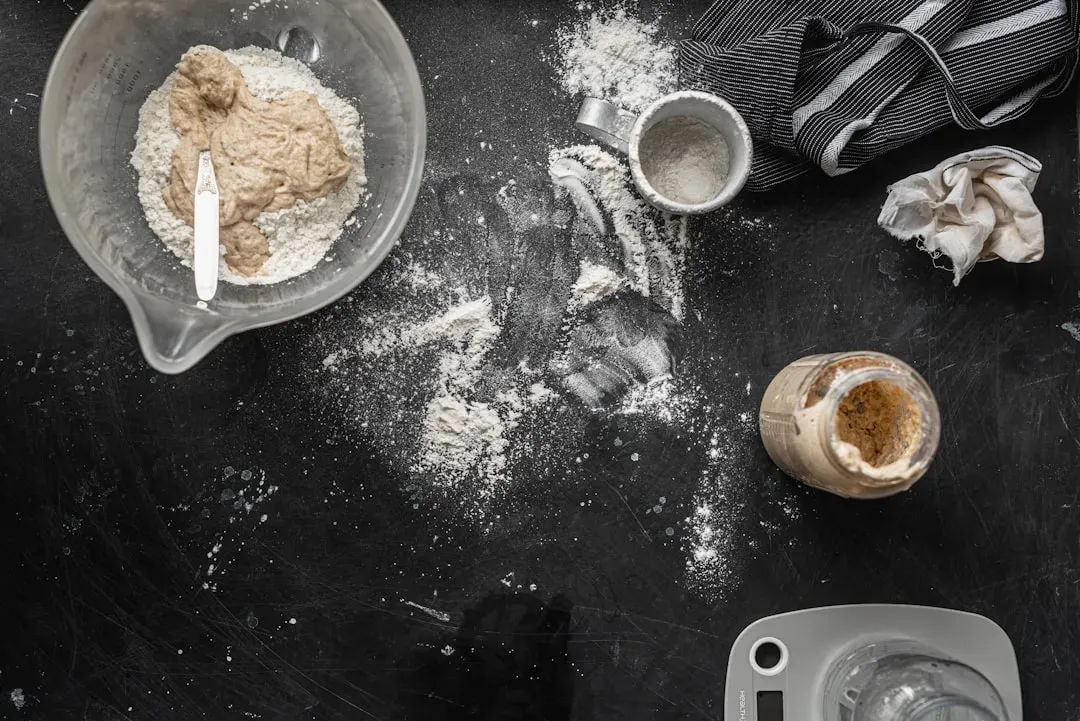
Those boxed cake mixes sitting in the back of your pantry might seem like they last forever. They don’t. Pre-mixed baking kits might still be safe, but the raising agents can lose oomph, and fats in brownies or cookies can go rancid. If it smells off or has clumps or unwanted visitors, it’s time to bin it.
Consuming expired or stale food poses significant health risks due to the potential growth of harmful bacteria that can lead to foodborne illnesses. Studies have shown that prepackaged and bakery products nearing their expiration dates often harbor increased bacterial communities, many of which are resistant to common antibiotics, thus posing a serious health threat.
Bakery products are susceptible to physical, chemical, and microbiological deterioration. While physical and chemical decomposition may limit the shelf life of low and intermediate moisture bakery items, high moisture products are particularly prone to microbiological spoilage caused by bacteria, yeast, and molds. Boxed mixes that contain powdered egg, powdered milk, or shortening are especially susceptible. Open them past the date, and you are inviting more risk than you might expect from something that looks so dry and stable.
8. Cocoa Powder
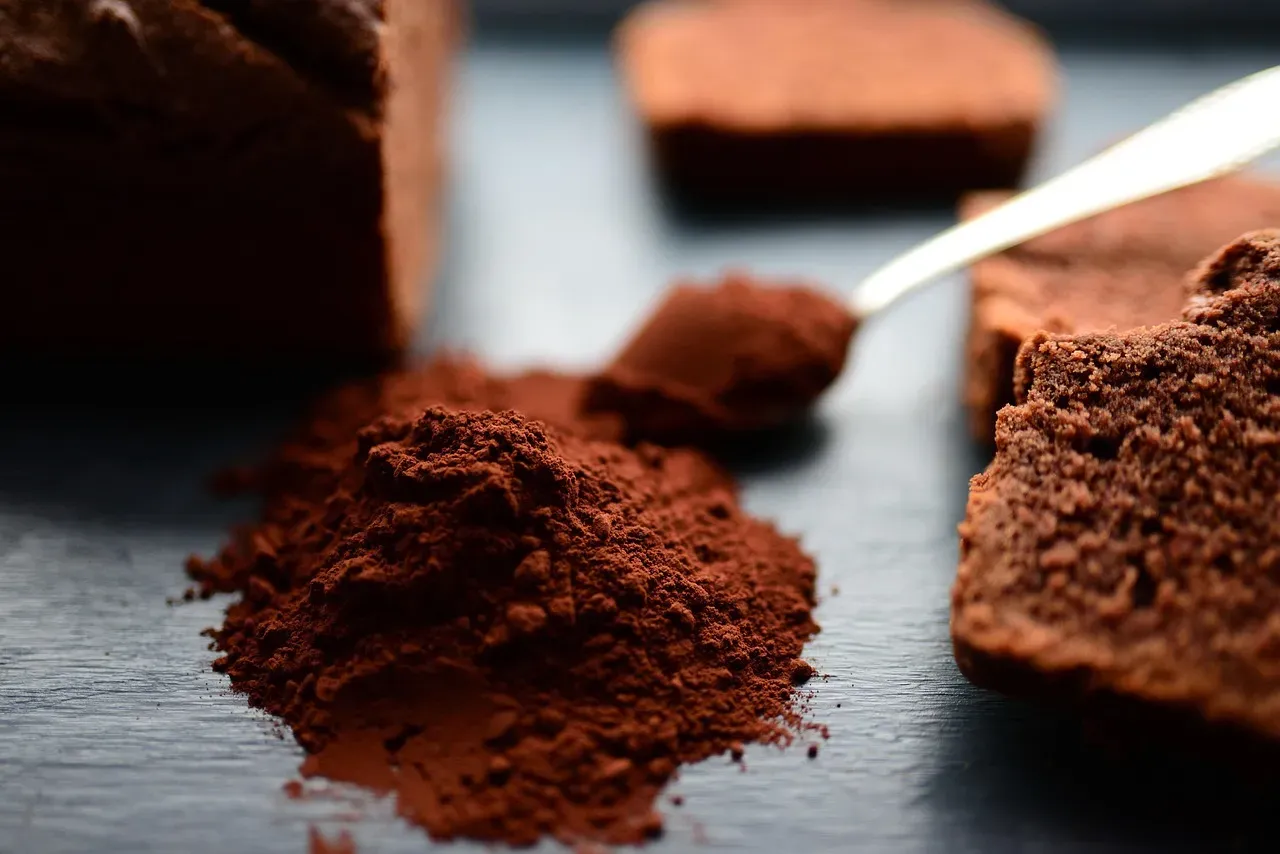
Cocoa powder is a bit of a middle-ground ingredient when it comes to expiration. It is more stable than most people think, yet it still carries a real risk if improperly stored. The only real, albeit rare, safety risks arise from improper storage. If water or moisture gets into your cocoa powder container, it could potentially lead to mold growth.
From a food safety perspective, the risk from using old, dry cocoa powder is extremely low. The low moisture content of cocoa powder makes it a very inhospitable environment for bacteria and mold to grow. For spoilage to occur, you typically need moisture. The danger, then, is almost entirely tied to how you store it. A damp kitchen or a poorly sealed container changes the equation entirely.
If cocoa smells musty, sour, rancid, or just plain “off,” it’s time to throw it away. This could indicate moisture contamination or that the fats have gone rancid. The good news is that your nose will almost always tip you off before things get truly dangerous.
9. Cornstarch
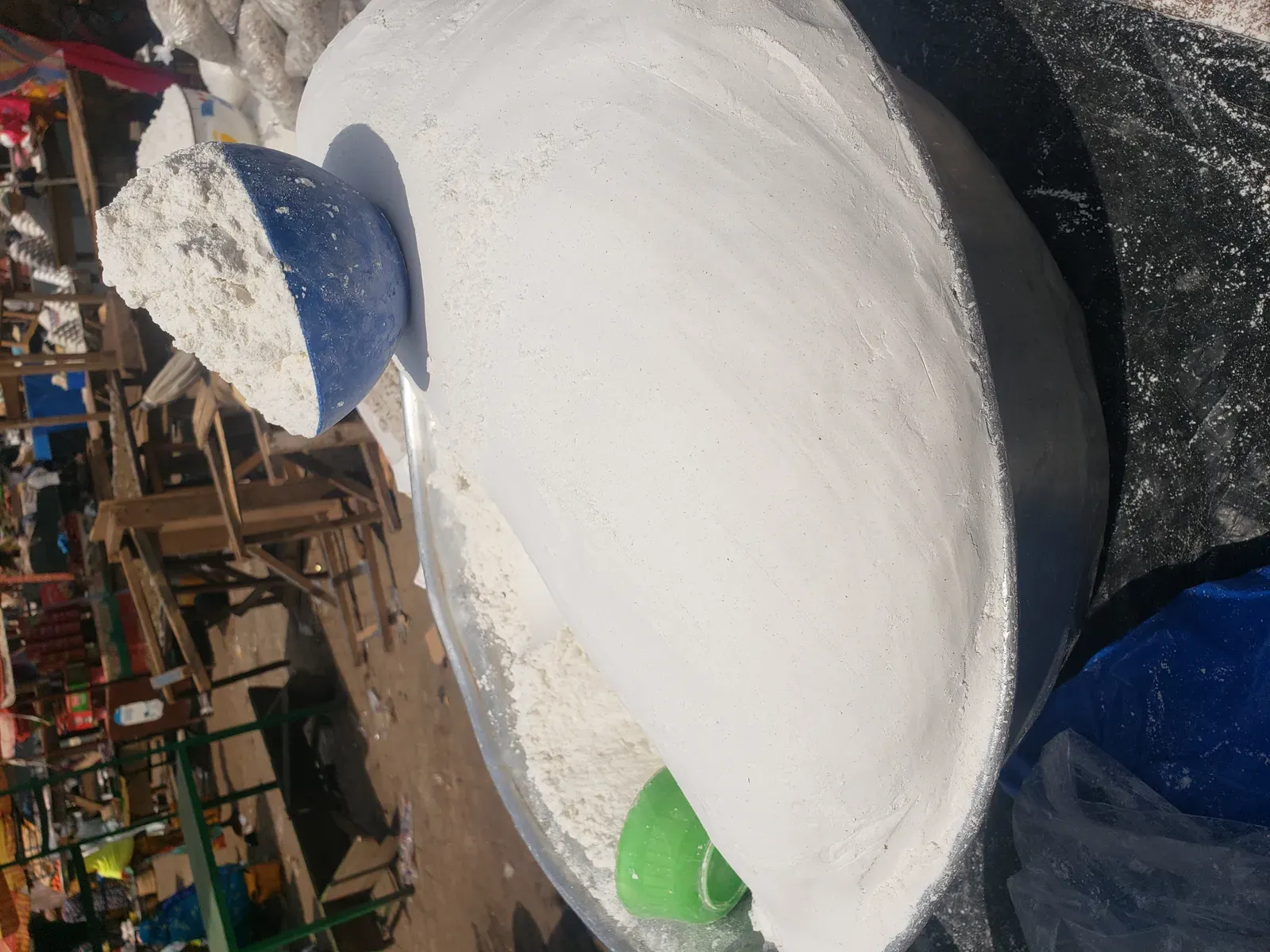
Cornstarch feels like the ultimate safe pantry staple. It’s practically just pure starch. No oils, no fats, no living cells. Cornstarch is basically too dry for trouble. Microbes can’t survive without moisture, which gives this fine powder a long lifespan. Kept away from humidity, it’s always ready to thicken soups, sauces, or even double as a soothing ingredient for homemade remedies.
However, cornstarch’s safety is entirely dependent on how it is stored. Cornstarch producer Argo says that as long as cornstarch is kept dry and stored in an airtight container, it’ll practically last forever. That said, if it looks like it’s turned to paste, liquid has found its way into the container and it may be rancid. Throw it out.
It also plays a hidden role in one other baking ingredient. Unlike granulated sugar, powdered sugar often contains cornstarch as an anti-caking agent, which can spoil and create toxic conditions. The real danger with expired powdered sugar lies in its ability to harbor harmful microorganisms without showing obvious signs of contamination. So when powdered sugar goes off, the cornstarch component is often the culprit behind the hidden mold risk. Worth knowing before you dust a birthday cake.
10. Vanilla and Imitation Baking Extracts
Pure vanilla extract, made with real alcohol and vanilla beans, is surprisingly long-lasting. Alcohol gives pure vanilla extract its timeless strength. Once the beans steep, the liquid becomes naturally self-preserving. Unopened bottles last indefinitely, which keeps that rich flavor alive for years. The story changes, though, once you reach into the realm of imitation extracts and other flavoring agents.
Expired extracts, particularly imitation versions, can spoil and lose all their flavor. The flavor compounds in extracts, such as vanillin in vanilla, break down over time due to oxidation and evaporation. What is less widely discussed is what happens chemically as these compounds break down. Expired almond extract, lemon extract, and artificial flavorings can undergo chemical changes that produce harmful compounds. The alcohol base in many extracts can evaporate over time, concentrating potentially dangerous chemicals that were once diluted to safe levels.
The practical takeaway here is simple. Pure vanilla extract is almost always worth the extra cost, both for flavor and longevity. Imitation extracts are cheaper but far less forgiving once they age, and their chemical instability after expiration is a genuine concern that most bakers never even think to consider.