Why Former Restaurant Staff Recommend Checking the Menu Before Sitting
There’s a certain kind of confidence that comes with walking into a restaurant, taking a seat, and then realizing the menu is nothing like you expected. The prices are higher than you budgeted for, there’s nothing for your dietary needs, and the whole evening has already taken a slightly uncomfortable turn. Sound familiar? Former restaurant workers have seen this scene play out hundreds of times from the other side of the table.
The advice they keep repeating is simple, almost surprisingly so: check the menu before you sit down. It sounds like a minor thing. It’s really not. Let’s dive in.
The Menu Is a Contract You Didn’t Know You Were Signing
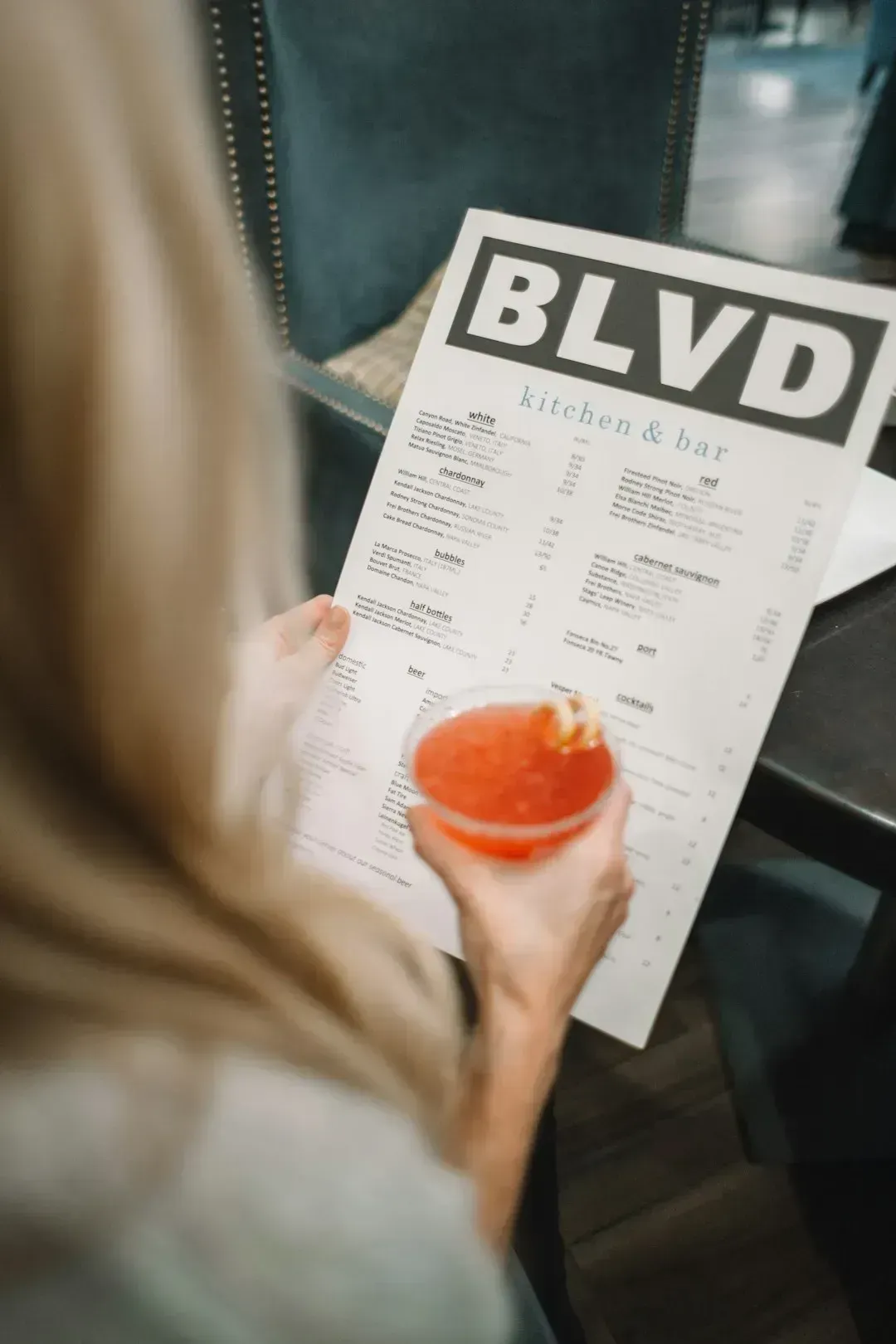
When you sit down at a restaurant, you’re implicitly agreeing to the terms of the dining experience that establishment is offering. The menu is essentially that agreement, and most diners never read it until they’re already committed. Think of it like clicking “I agree” on terms and conditions you’ve never read. You may end up paying for things you didn’t anticipate.
Restaurants are sophisticated businesses. Menu pricing is business-critical since it’s the sole source of revenue for most restaurants, and how and where prices appear on a menu can actually influence how often you order. That layout you’re holding in your hands is the result of deliberate design decisions made to influence your behavior from the moment you open it.
Price anchoring means that a very expensive item makes everything else look like a deal. Put a $50 steak at the top of the menu, and a $30 chicken seems far more reasonable by comparison. Checking the menu ahead of time gives you a chance to see these tactics with fresh eyes, before the atmosphere of the restaurant, the hunger in your stomach, and the smell of food clouds your judgment.
Restaurant Prices Have Been Climbing Faster Than You Think
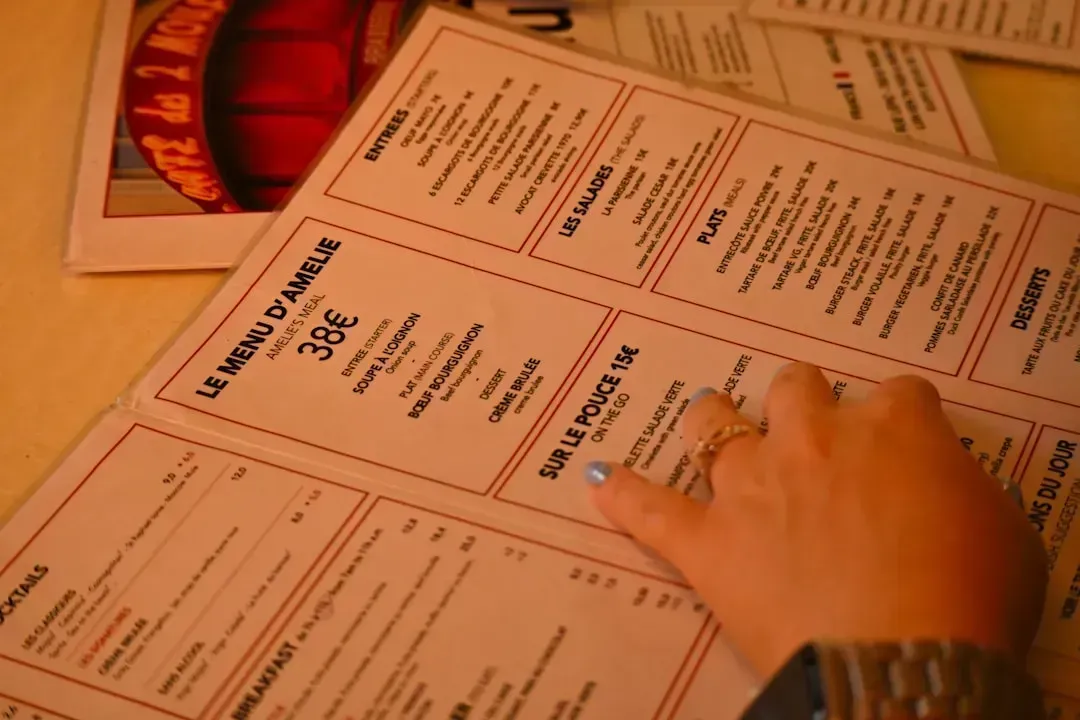
Here’s the thing: eating out has gotten significantly more expensive in recent years, and the numbers confirm it. After years of rising menu prices, diners in 2024 reported spending an average of $54 when dining out at a restaurant, up from $48 in 2023, with Millennials and Gen X leading the way as the biggest spenders. That’s a meaningful jump in just one year.
As of December 2024, menu prices jumped 0.7% in a single month, the fastest growth since October 2022, according to the National Restaurant Association. Reviewing a menu ahead of time helps you avoid the unpleasant shock of sticker prices once you’re already seated, drink in hand, feeling socially awkward about leaving.
Over the last two years, US food inflation has diverged. Restaurant and takeout costs climbed faster than grocery prices, which started to level off after sharp increases in 2022. According to the US Consumer Price Index, “food away from home” rose about 6 percent from January 2024 to September 2025. Knowing this context, doing a quick menu check online before heading out isn’t overthinking. It’s just smart budgeting.
The Invisible Tactics Restaurants Use to Steer Your Choices
Honestly, the psychological design of restaurant menus is fascinating and a little unsettling once you understand it. Most diners have no idea how deliberately their choices are being shaped. In the 1970s, restaurants started to use dynamic pricing, which involves adjusting prices based on demand. Today, psychological pricing in the restaurant industry has evolved to include various strategies, including charm, premium, and decoy pricing.
Some owners use what menu engineers informally call “decoy dishes,” positioning a more expensive food item at the very top of the menu. Seeing an expensive dish of sea bass for $25 can have quite a powerful impact on a customer. They’ll actually be inclined to choose some of the other, cheaper dishes because they’ll feel they get better value for their money. Checking prices before entering puts you in a much stronger mental position to resist these nudges.
Some studies even suggest that removing dollar signs from menus can make guests less price-conscious. That’s a remarkably simple trick, and it works. Reading the menu at home, at your own pace, without the ambient lighting and hovering staff, gives you a clearer picture of what you’re actually paying.
Food Allergies and Dietary Needs: Where a Menu Check Can Be Life-Saving
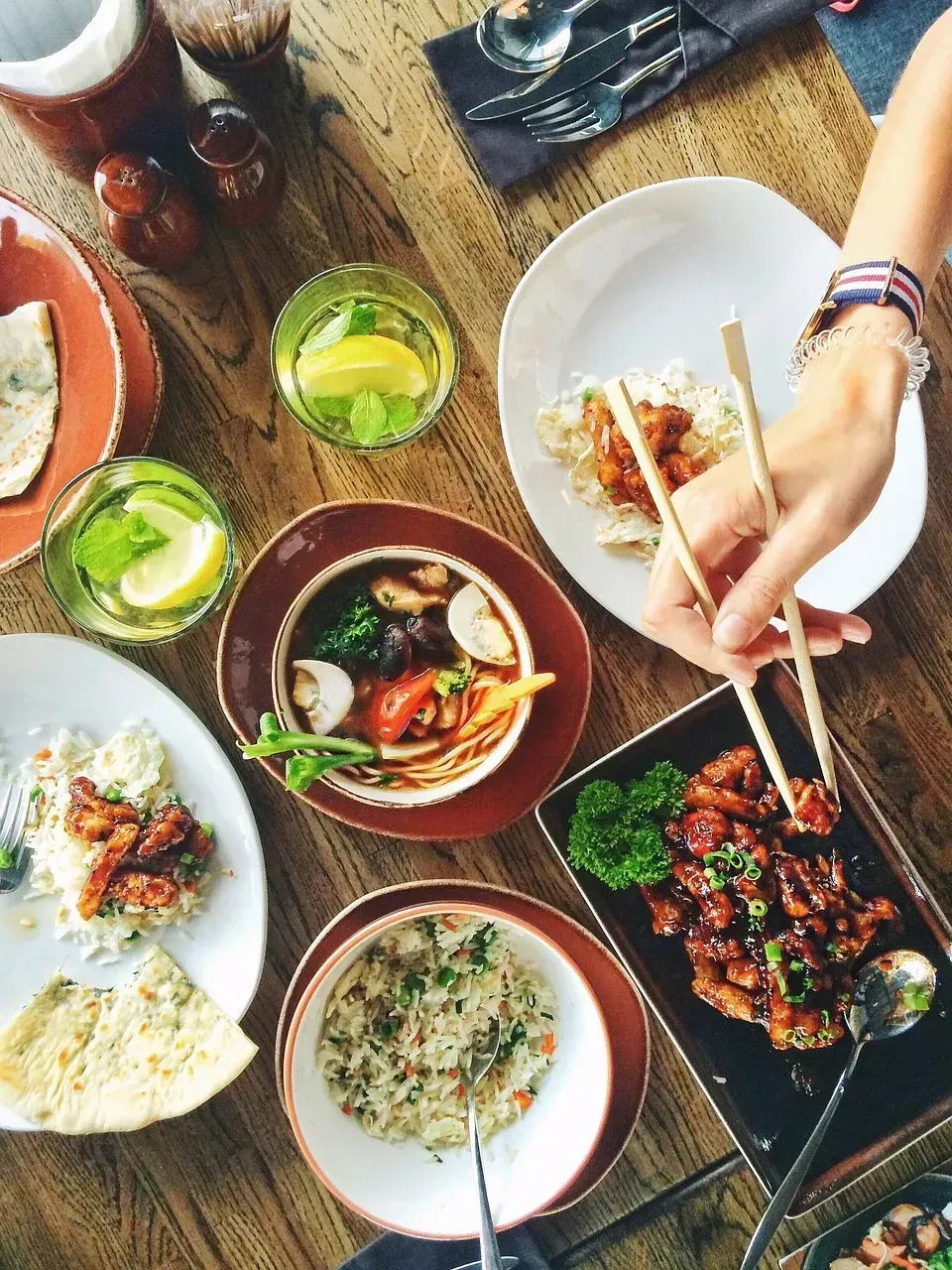
This is where the casual dining advice shifts into something genuinely serious. For millions of people, checking a menu before arriving isn’t just a preference. It’s a safety requirement. Food allergies cause over 200,000 emergency room visits annually in the United States alone, and among these severe allergen-related incidents, nearly three-quarters arise at restaurants.
After one’s home, dining out at a restaurant is the second most common location for food allergies to occur. Customers with food allergies or Celiac disease may hesitate to dine out due to the risk of cross-contact, where allergens unintentionally transfer to allergen-free foods. Reviewing the menu in advance, and calling ahead if necessary, can dramatically reduce that risk before it even becomes a factor.
To see if a particular restaurant may be a good choice, check out their website and review the menu in advance. Consider chain restaurants, especially when you’re traveling, as these establishments tend to have more standardized allergy protocols and more consistently updated online menus. The difference between a great night out and a medical emergency can genuinely hinge on this one pre-visit step.
The Rise of Online Menus and Why Diners Still Prefer Print
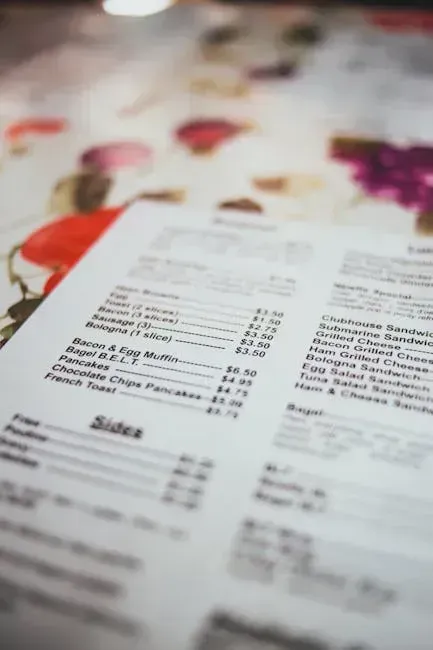
There’s an interesting tension happening right now in how people interact with restaurant menus. Technology has made it easier than ever to check menus ahead of time online. Yet when people actually sit down, their preference is clear. Even as digital options grow, 90% of U.S. diners in 2024 said they prefer a physical menu over scanning a QR code, an even higher share than the year before.
This tells us something important about human psychology. People want the convenience of digital access before they arrive, but the tangible experience of a physical menu once seated. Diners seem to want technology to enhance hospitality, not replace it. They still value interaction with waitstaff and the hospitality element of eating out. Checking the menu online in advance, then enjoying the physical menu in the restaurant, is genuinely the best of both approaches.
Around three-quarters of diners use social media to decide where to eat, which shows just how much pre-visit research is already embedded in dining culture. Extending that research to actually reading the menu itself is a logical and frankly obvious next step that surprisingly few diners take seriously.
What Restaurant Staff See That Diners Don’t
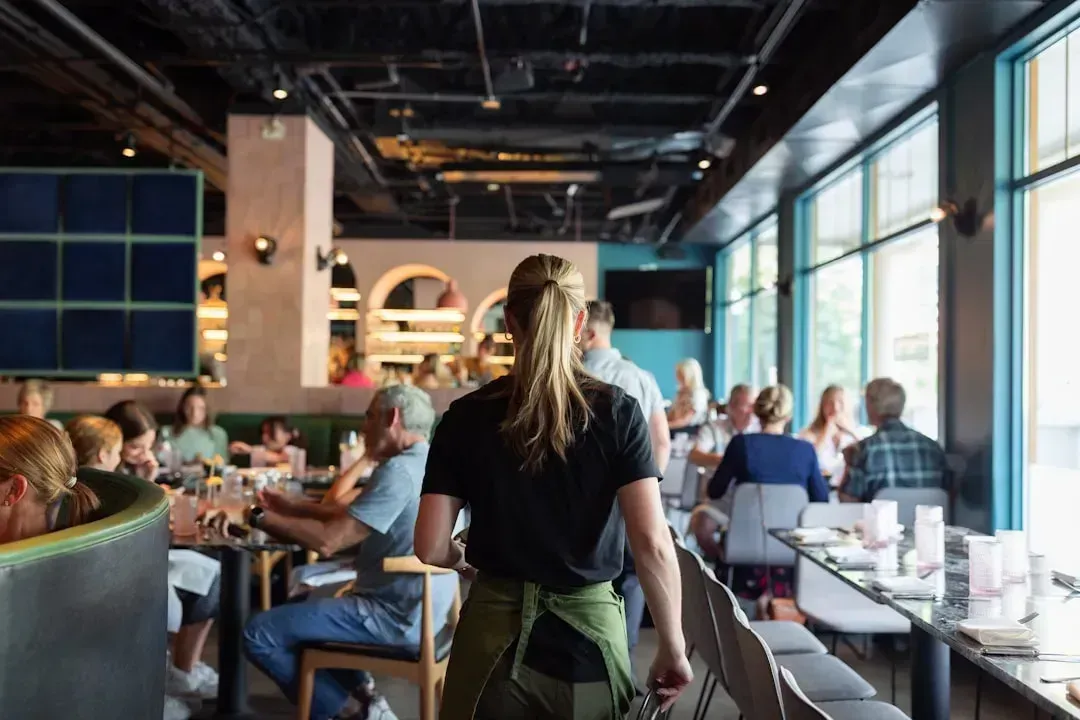
People who have worked in restaurants develop a sixth sense for the diner who didn’t do their homework. They walk in confidently, sit down, open the menu, and then their expression changes. The price point is wrong. The cuisine doesn’t match what they imagined. There’s nothing on the menu for the dietary restriction they forgot to mention. Former staff will tell you this creates friction for everyone involved.
Before service begins, managers typically meet with the executive chef to confirm the evening menu and discuss any ingredient substitutions or specials. The menu you see at a restaurant has often already gone through that conversation before you even arrive. But that same menu online, available before your visit, contains the same information. There is genuinely no reason to walk in blind.
The restaurant industry has shown remarkable perseverance despite the pressures of persistent staffing shortages, increased labor and supply costs, and changing consumer expectations. As restaurants respond to these new realities, they are finding ways to drive efficiency in front-of-house operations. A diner who arrives prepared makes that efficiency possible. One who arrives confused adds pressure to an already demanding environment, and that pressure often affects service quality for everyone at the table.
New Laws Are Pushing Transparency, But You Shouldn’t Wait for Legislation
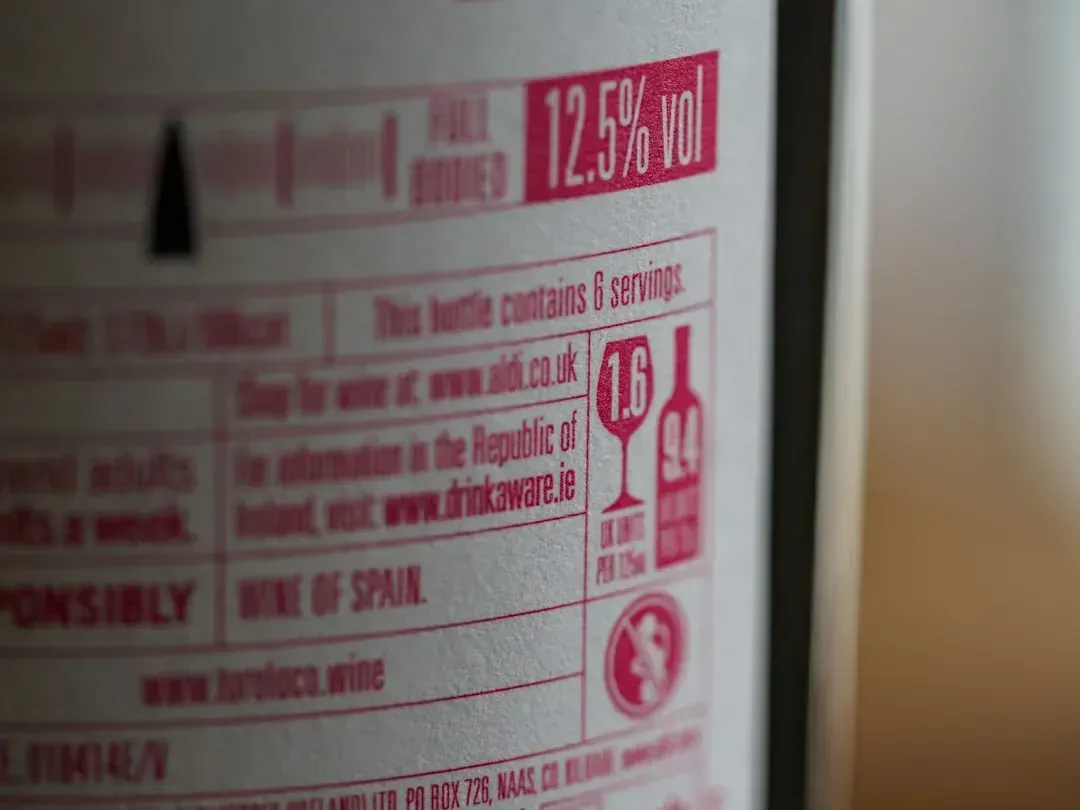
Something genuinely significant is happening at the legislative level in 2025 and 2026. States are starting to push for mandatory allergen labeling on restaurant menus. California broke ground in October 2025 when the ADDE Act (SB 68) became law, mandating that large chain restaurants list major food allergens on menus. That’s a real step forward, and it signals that the industry understands menu transparency is now a public expectation, not just a courtesy.
The bills on the table in Michigan, New Jersey, and Maryland are similar, but go even further. They propose allergen transparency requirements for all restaurants in their states. This is a growing movement, driven largely by people who experienced preventable harm at restaurants. EveryBite’s first quarterly report, released April 8, 2025, provides detailed analysis of data on food allergy-related dining habits, with FARE collaborating with the digital firm to benefit the food allergy community of 33 million Americans.
Still, legislation moves slowly. Until full national standards exist, the most reliable form of protection is personal due diligence. Since customers with food allergies often research restaurants online, it is essential for restaurants to display clear and accurate allergen information on their online menus. This helps customers make informed decisions and safely choose restaurants that meet their dietary needs. Until every restaurant complies with these kinds of standards, is the simplest and most effective protective measure available.