10 Things Truly Wealthy People Never Waste Money On
Most people picture the ultra-rich as big spenders. Champagne in private jets, Lamborghinis, closets full of designer clothes. Honestly, that image is mostly fiction. The real story of how wealthy people treat money is far more interesting, and in many ways, surprisingly ordinary.
What separates truly wealthy individuals from everyone else isn’t just how much they earn. It’s what they refuse to spend on. Research again and again points to the same quiet discipline hiding behind the biggest fortunes. Let’s dive in.
1. High-Interest Consumer Debt
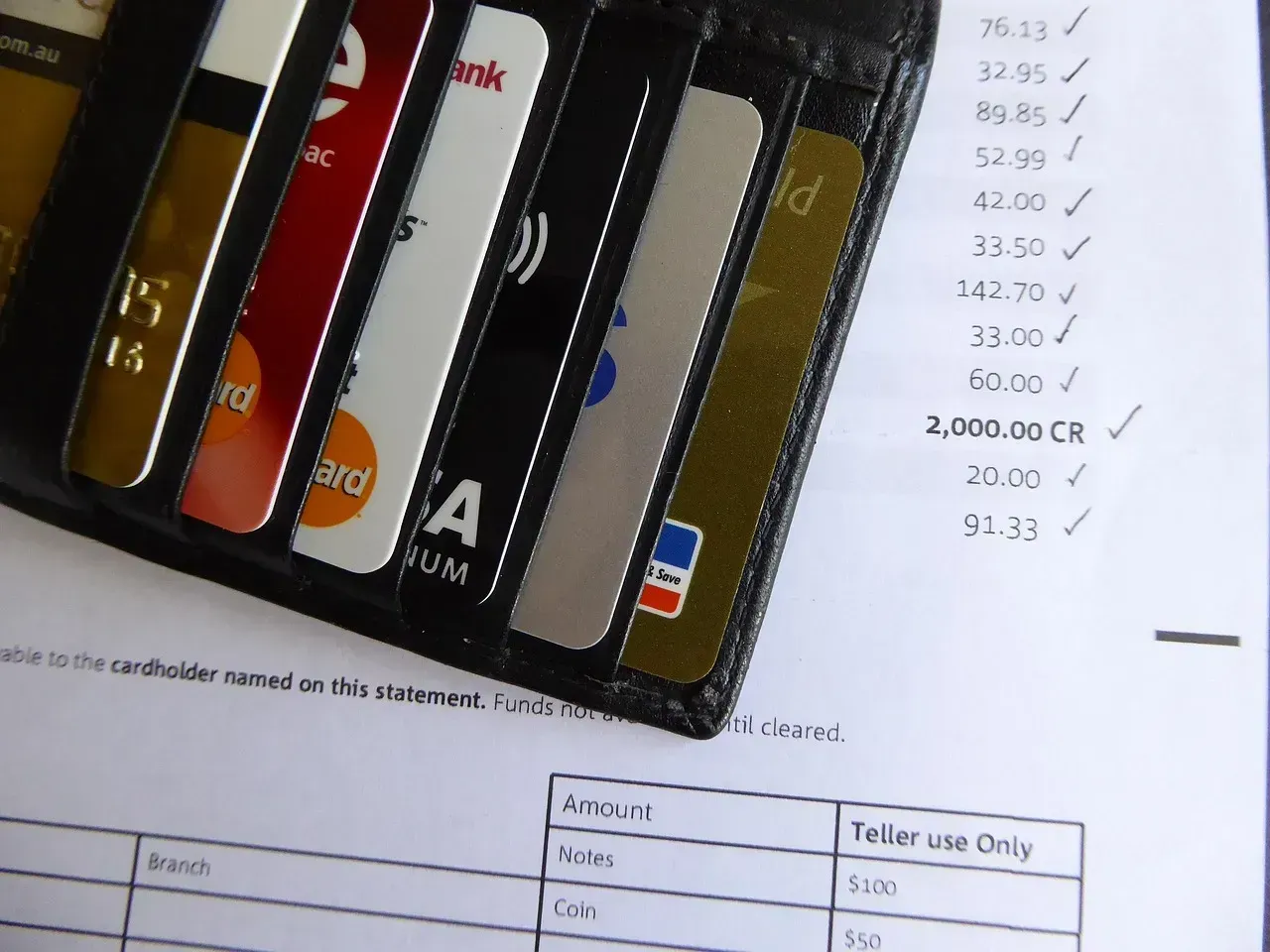
Certified financial planner Faron Daugs of Harrison Wallace Financial Group puts it plainly: if you want to build wealth, you cannot waste money on paying interest on consumer credit, such as credit cards and even car loans. That’s not a mild suggestion. That’s a firm rule the wealthy tend to live by.
According to the National Study of Millionaires by Ramsey Solutions, which surveyed 10,000 participants, nearly three-quarters of millionaires have never carried a credit card balance in their lives. Think about that for a second. While the rest of us carry balances month to month, truly wealthy people treat credit cards as a tool, not a crutch.
The bulk of millionaires are very reluctant to take on debt. In fact, roughly three-quarters of millionaires surveyed in the US have never carried a credit card balance, while more than half of active credit card accounts in the United States currently carry one. The math is simply not in favor of debt.
2. Flashy Cars They Don’t Need
Wealthy individuals don’t get or stay that way by spending excessive amounts of money on depreciating assets like vehicles. The vast majority of millionaires drive cars that cost less than $75,000, and the overwhelming share of people who drive traditionally “prestigious” brands are not millionaires. So much for keeping up appearances.
For the most part, cars depreciate in value the second you drive one off the lot. Daugs says his self-made millionaire clients typically buy rather than lease any new car, with plans to hold onto it for a while. By keeping their cars long-term, they can use the time between car purchases to save up cash that would otherwise go toward a monthly payment.
Think of a car like a melting ice cube. The moment it’s yours, it’s shrinking in value. The wealthy understand this deeply. They’d rather invest the difference than fund the illusion of status.
3. Extended Warranties

Steve Adcock, who publishes his Millionaire Habits newsletter as part of an effort to lead people toward financial independence, says one thing you’ll never see him spend on is extended warranties on household appliances and electronics from big-box stores. “You’re probably not going to use it. It’s just additional profit for the store,” he says.
Instead of paying for the warranty, Adcock puts a little cash into his emergency fund each month to cover repairs. When an item breaks, he has the funds to cover it. If it lasts forever, he can put the money toward other expenses. It’s a self-insurance model that actually makes financial sense.
Here’s the thing: most extended warranties are priced to profit the retailer, not the buyer. Wealthy people recognize this trap immediately and walk right past it without blinking.
4. Lottery Tickets and Get-Rich-Quick Schemes
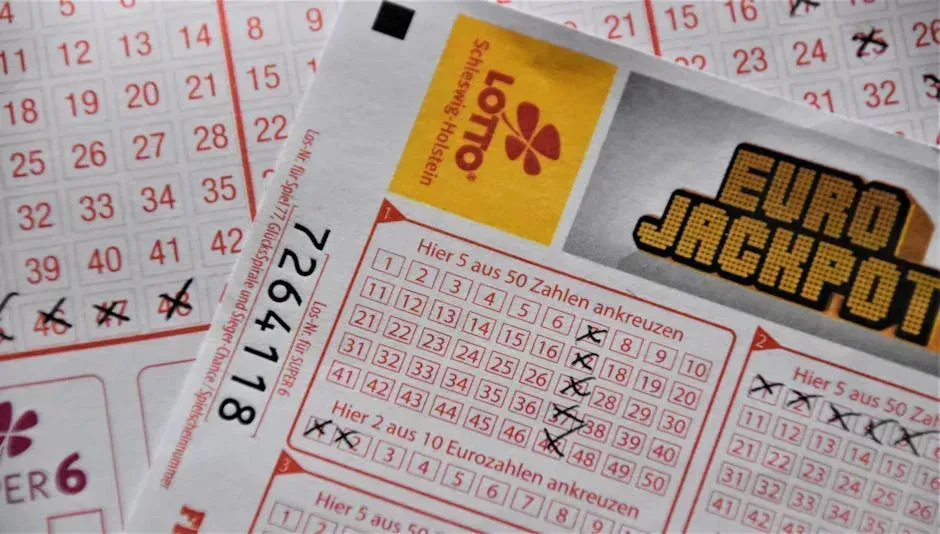
Lottery tickets may seem like a harmless expense, but they can quickly add up and contribute to consumer debt. Millionaires understand that the odds of winning the lottery are incredibly low and instead choose to invest their money in more stable financial opportunities. The chance of winning the Powerball is roughly 1 in 292 million. Those aren’t odds, that’s a fantasy.
People who make less than $10,000 a year spend, on average, nearly $600 on lottery tickets annually, which amounts to roughly six percent of their income. By avoiding lottery tickets, millionaires can maintain their financial situation and avoid the stress of debt. The contrast here is stark and a little heartbreaking.
I know it sounds crazy, but this is one of the clearest dividing lines between financial mindsets. Wealthy people build wealth through consistent investment. Everyone else bets on luck they’ll probably never see.
5. Fast Fashion and Trend-Driven Clothing

Research by financial planner and author Tom Corley showed that wealthy people were more likely to purchase high-quality clothing and furniture than people who bring in less than the national median household income. They avoid buying fast fashion or cheaply made goods in favor of clothes or furniture that last much longer. Even if high-quality products cost more, the wealthy prefer longer-lasting products to cheaper items that have to be replaced frequently.
Clothing is now worn only 7 to 10 times on average before being thrown away, a decline of more than 35 percent in just 15 years. The fast fashion treadmill is expensive in a way most people don’t track. You keep buying because nothing lasts. Wealthy people buy once and buy well.
They choose items that last because they save money long-term and don’t require constant replacement. Dressing to impress strangers is appealing until you realize those strangers aren’t contributing to your retirement plan. Quiet quality builds wealth; loud labels drain it.
6. Mindless Impulse Purchases

Financial security is a top priority for millionaires. To achieve this, they avoid making impulse purchases. By carefully considering each expense, they can ensure that their spending aligns with their long-term financial goals. Every dollar has a job to do, and they take that seriously.
Tom Corley found that wealthy people never fall into the trap of “want spending.” Census Bureau data shows there are approximately 30 million people who make more than they need but who are, nonetheless, one paycheck away from poverty. These individuals engage in something called want spending, which includes surrendering to instant gratification by forgoing savings to buy things they want now, like a 60-inch TV, a nice vacation, an expensive car, or a fancy pair of shoes.
The average monthly spend on impulse buys fell to $150 per person in 2024. This doesn’t mean impulse buying is disappearing, just that impulse spending trends are shifting due to inflation and buyer caution. Even so, the wealthy were already ahead of this curve long before inflation forced anyone’s hand.
7. Unnecessary Banking and ATM Fees
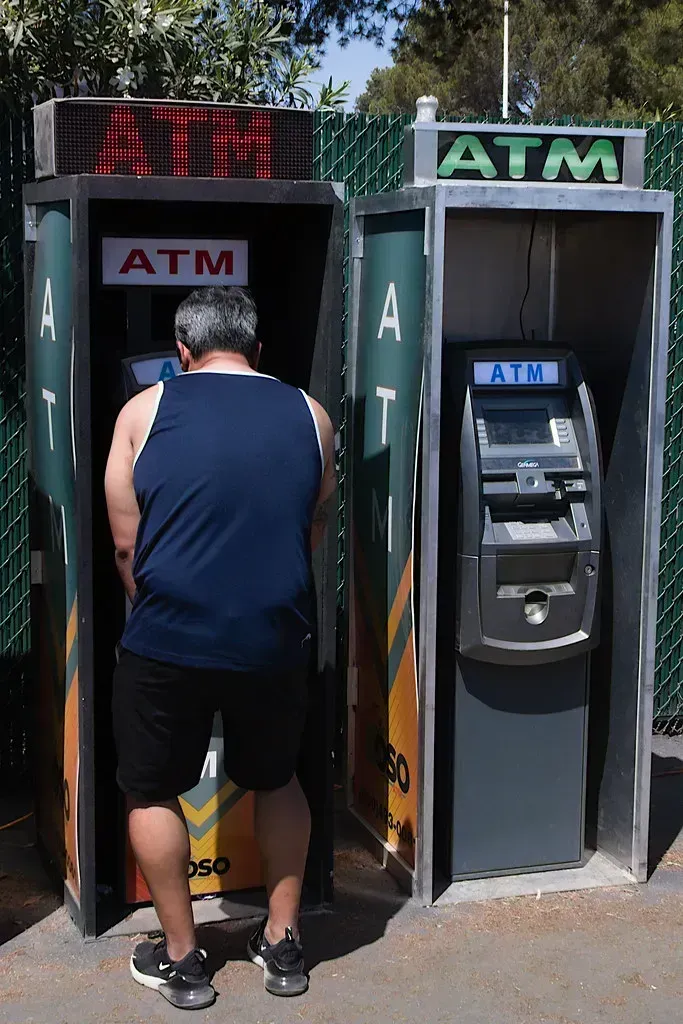
According to financial advisor insights, millionaires rarely have to pay ATM fees, bank fees for wire transfers, or monthly fees for their bank accounts. If you have the means to open a bank account, you may also be able to avoid these types of fees by choosing a bank with no monthly fees, no minimum deposit or minimum balance requirements, and no overdraft fees.
Wealthy people also avoid late fees, specifically by setting up autopay for their credit cards and other bills. If you know the money will be in your account when the bill is due, making the payment automatic is simply the smart move. Whatever your income level, you may be able to avoid late fees with autopay as well.
It might sound trivial, but fees are tiny leaks that sink financial ships over time. Truly wealthy people systematically eliminate them. It’s not about the $3 ATM fee. It’s about the mindset that no dollar gets lost for nothing.
8. An Oversized, Status-Driven Home

Even though some pro athletes and celebrities boast about living in expensive homes, most millionaires don’t. Most millionaires live in houses worth far less than they can afford, allowing them enough money to invest in cash-flowing assets. Warren Buffett, for instance, continues to live in the original five-bedroom house he purchased in 1958 for $31,500.
Tom Corley’s research found that roughly two-thirds of self-made millionaires lived in a modest, middle-class home, while about two-fifths purchased used cars, and about two-fifths spent less than $3,000 on their annual vacation. These numbers shatter just about every assumption most of us carry about what wealth looks like day-to-day.
Twenty-five years ago, researchers Thomas Stanley and William Danko found that most millionaires lived in middle-class neighborhoods, drove modest cars, and avoided ostentatious displays of wealth. Despite our current era of Instagram influencers and luxury brand obsession, their findings remain largely true today. A recent survey by Ramsey Solutions found that roughly 94 percent of millionaires still live in middle-class or modest neighborhoods, and nearly two-thirds drive vehicles that are at least two years old.
9. Excessive Dining Out and Restaurant Bills

Millionaires, according to the National Study of Millionaires, spend $200 or less each month at restaurants. Furthermore, roughly 93 percent of millionaires use coupons all or some of the time when shopping. By staying out of debt and watching expenses, they’re able to build their bank accounts instead of trying to get out of a financial hole every month.
Grabbing lunch on your break, meeting friends for dinner, or ordering delivery during a busy week might seem harmless in the moment, but it can get quite expensive over time. Even just spending $20 a day on restaurant meals adds up fast. For example, eating out three times a week could mean $240 extra a month and nearly $3,000 a year.
Let’s be real: $3,000 a year sounds manageable until you realize that invested at a reasonable return, it becomes a very different number over a decade. Wealthy people do the math. They eat well and they eat smartly.
10. Lifestyle Inflation After a Pay Rise

Spending increases with both net worth and income, but only to a point. Spending levels off for those with an annual income of $1 million or a net worth of $25 million. That’s the 2024 Long Angle High-Net-Worth Spending Study talking, based on data from over 3,000 high-net-worth individuals. Wealth, at a certain level, doesn’t accelerate spending. It accelerates saving.
Approximately two-thirds of high-net-worth income is saved, translating to a remarkable $621,000 saved each year on average among Long Angle’s membership community. That savings rate is the engine. Everything else, the modest cars, the coupons, the avoided fees, is just fuel.
The truly wealthy don’t waste money on things that don’t add genuine value to their lives. They question every expense, avoid lifestyle inflation, and understand that every dollar wasted on something meaningless is a dollar that can’t work for them in investments. That single mindset, more than any income figure, is what separates wealth that lasts from money that disappears.