Realtors Say Buyers Are Now Turning Away from These 9 Once-Trendy Home Features
The housing market of 2026 is, honestly, a completely different world than it was just ten years ago. What once sent buyers into a bidding frenzy can now stop a showing dead in its tracks. Tastes have shifted, budgets have tightened, and buyers have simply gotten smarter.
Buyers have become sharper, more discerning, and frankly less forgiving when they walk through a home and see something that screams “2014 Pinterest board.” Sellers who haven’t kept up with shifting buyer preferences are finding themselves in a tough spot. The features on this list were all the rage at one point. Some were signs of wealth. Others were just impossibly practical. Let’s dive into what’s quietly killing deals today.
1. The Jetted Jacuzzi Tub: From Luxury Symbol to Maintenance Nightmare
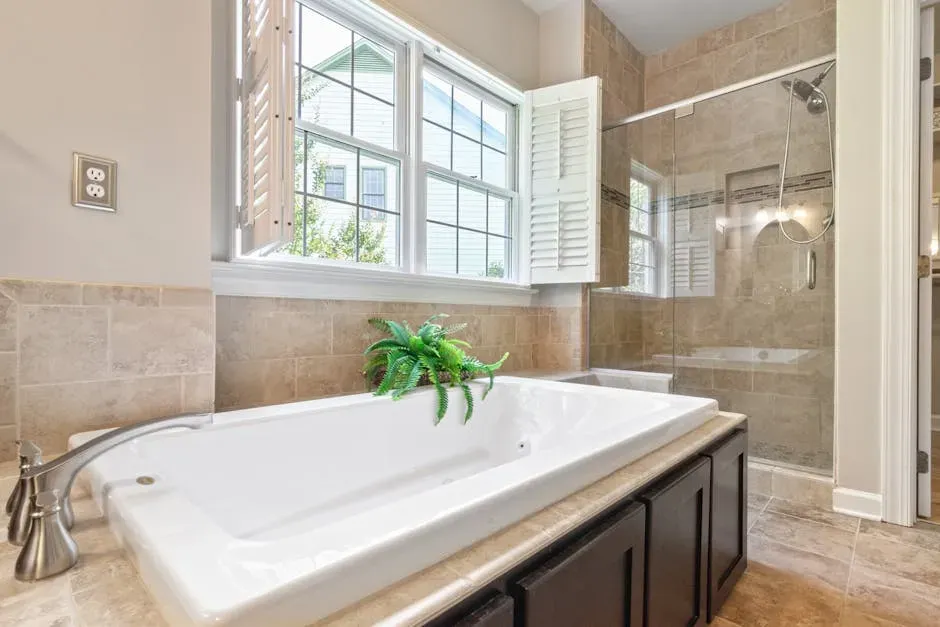
There was a time when a jetted tub in the master bath was the ultimate symbol of having made it. You pictured yourself soaking in it after a long week, maybe with a glass of something cold nearby. That image has almost entirely faded.
Large jetted tubs once symbolized luxury, but many buyers now consider them impractical. They consume significant space and require extensive cleaning because the jets can accumulate bacteria. That’s not just aesthetically off-putting, it’s genuinely concerning from a health standpoint.
In a recent Redfin survey, Redfin Premier Agents shared that the vast majority of buyers are not at all interested in this feature. They also increase water and energy usage compared to standard tubs, and real estate agents report that homeowners often remove them in favor of large walk-in showers, which better match current bathroom trends. The jetted tub’s days as a selling point are, by all measures, well and truly over.
2. The All-Gray Interior: A Color Palette That Aged Overnight
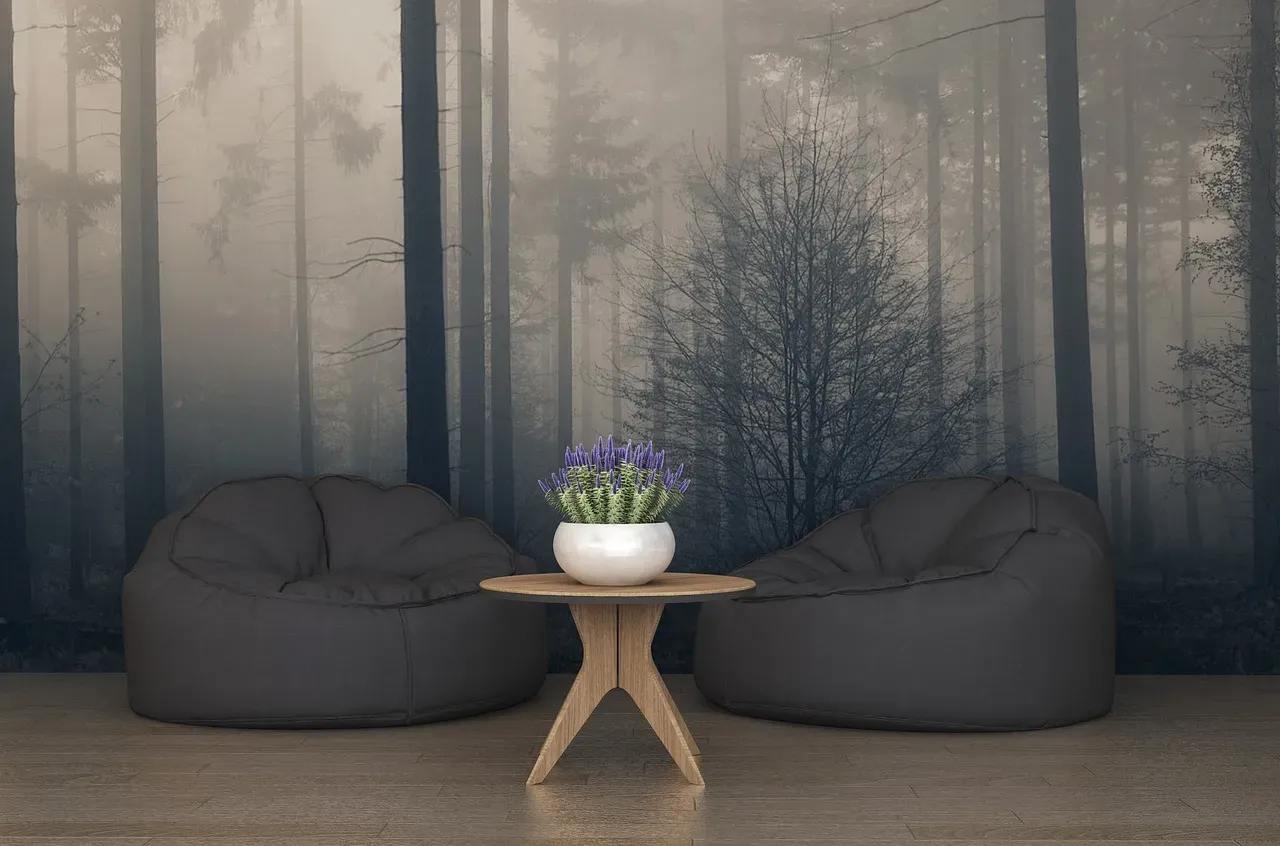
Gray was everywhere. Gray walls, gray cabinets, gray floors. For a stretch, it genuinely looked clean and sharp, the kind of neutral that appealed to nearly everyone. Then, almost overnight, it started feeling cold and sterile, like a waiting room or a slightly depressing office lobby.
For years, real estate investors and home flippers relied on gray walls, gray flooring, and gray cabinets to create a “modern” look. In 2025, this trend is dead. Buyers now see all-gray interiors as cold, outdated, and overdone.
Warm neutrals like soft beiges, taupes, and earthy tones are now what buyers prefer instead. Natural wood finishes and subtle color variation help homes feel more inviting and easier to imagine living in. The shift is subtle but powerful. Warmth, it turns out, sells homes. Cold surfaces do not.
3. The Formal Dining Room: Wasted Square Footage in a Flexible World
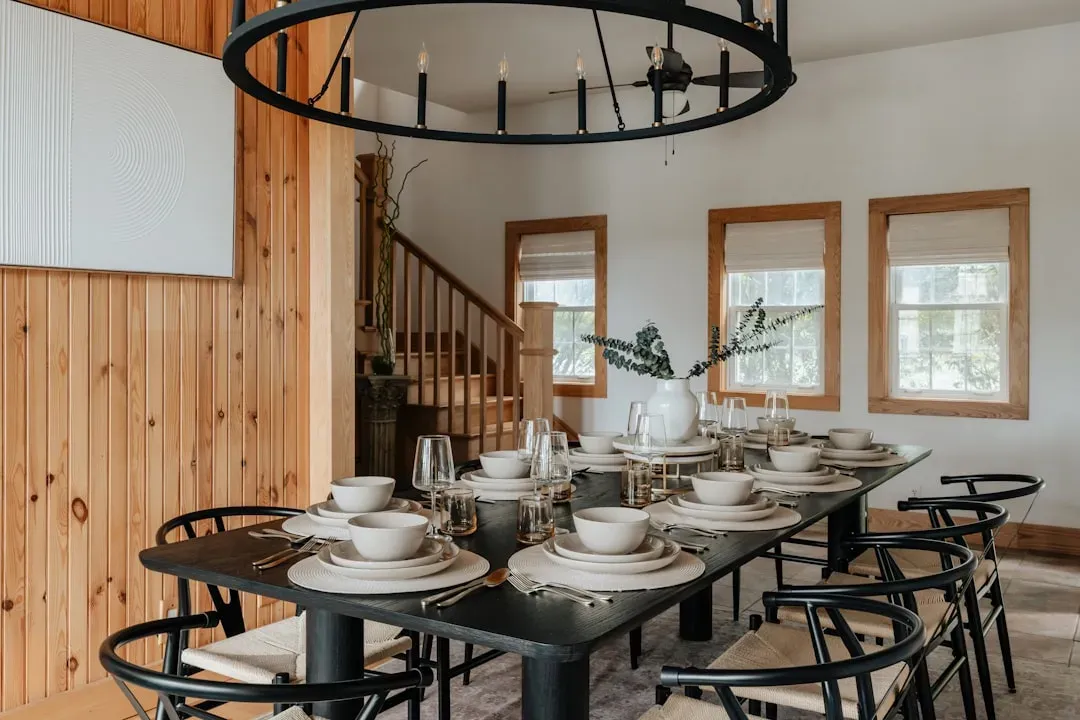
Here’s the thing about formal dining rooms. They look beautiful in listing photos, set with a long table and ambient lighting, but buyers are increasingly walking through them and doing the math on lost square footage.
The dedicated dining room is rapidly becoming a casualty of the work-from-home revolution and a preference for casual entertaining. Buyers look at a room used only for Thanksgiving and see wasted potential that could be a home office or a playroom. The modern lifestyle favors open, flexible spaces where eating, working, and relaxing can happen simultaneously without rigid boundaries.
A trend report released by Realtor.com in late 2025 revealed that listings featuring formal dining rooms with built-ins saw a 25.3 percent year-over-year decline, signaling a massive drop in buyer interest. That is not a small dip. That is a real and measurable rejection of an entire room type.
4. Wall-to-Wall Carpeting: The Floor Covering Buyers Are Fleeing
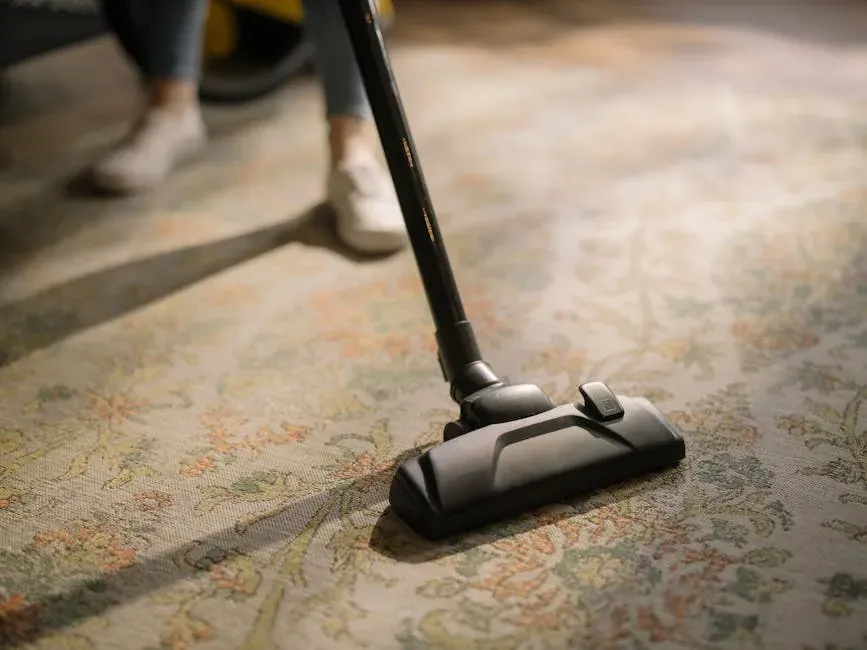
Carpet used to be considered cozy and practical. Today’s buyers see it differently. They see a sponge for allergens, pet dander, and stains. They see a floor covering that ages poorly and signals that a home may need updating before move-in.
Carpeting used to be a staple in home design, but buyers in 2025 expect hard flooring in main living areas. Carpet is seen as high-maintenance, prone to stains, and less durable than modern flooring options.
Buyers now view carpeting as unsanitary and difficult to maintain. Vacuum cleaners struggle to remove debris from long fibers, and the carpets tend to hold allergens. Flooring specialists note that buyers overwhelmingly prefer hardwood, vinyl plank, or low-pile carpeting, all of which offer better durability and easier cleaning. Luxury vinyl plank, in particular, has become the go-to upgrade that offers the look of hardwood without the cost.
5. Open-Concept Floor Plans: The Layout That Peaked Too Soon
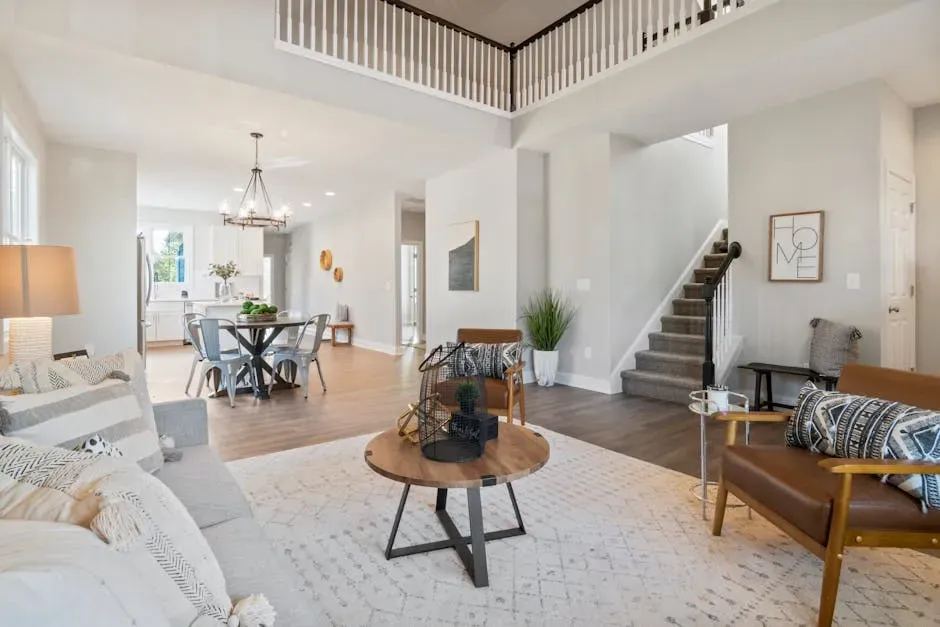
Open-concept living was the design dream of the 2000s and 2010s. Knock down the walls, flood the space with light, and let the kitchen, dining, and living room blur together into one glorious communal zone. It was everywhere. It was aspirational. Now, it’s starting to feel like a problem.
As these floorplans became the status quo, the people living in them started to notice trade-offs. Noise travels easily, clutter looks more visible, and finding quiet or private areas can be challenging. Remote work changed everything here. You cannot hop on a focused Zoom call when your kitchen sounds carry directly into your workspace.
A 2023 survey conducted by Rocket Mortgage found that preferences are split, with 51 percent of Americans preferring an open layout and 49 percent preferring a more traditional, closed layout. Many buyers still appreciate open living, but don’t dismiss the nearly half of Americans who said they’re feeling a pull toward homes with clearer boundaries. In fact, some homeowners are even spending money to add walls back into houses that had previously been taken down. That says it all, really.
6. The Farmhouse Aesthetic: Shiplap’s Long Goodbye
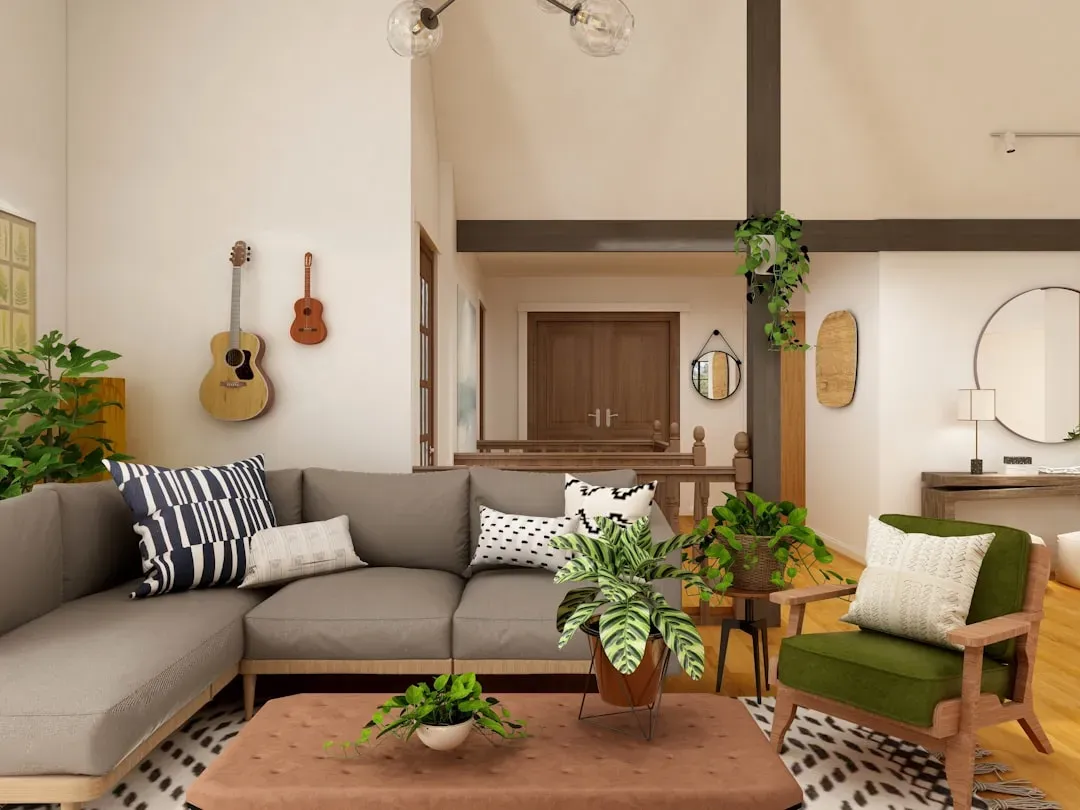
Barn doors, shiplap walls, distressed wood beams, and mason jar light fixtures. For years, the modern farmhouse look dominated home flips and design blogs alike. It felt fresh, approachable, and unpretentiously stylish. Today, it reads as a theme park version of rural life.
For the last decade, farmhouse design has dominated house flips, with shiplap walls, barn doors, and rustic beams defining the look. In 2025, the overly “rustic chic” look is officially outdated. Buyers are moving towards sleek, modern, and transitional designs that feel less theme heavy.
Once trendy, barn doors are now increasingly polarizing. They don’t offer much privacy or sound control, and buyers are noticing. What buyers prefer instead are pocket doors, traditional hinged doors, or modern sliding options that blend better with the architecture of the home. The farmhouse trend did not age badly because it was ugly. It aged badly because it was everywhere, endlessly copied until all the charm wore off.
7. The Infinity-Edge Pool: A Luxury That No Longer Pays Off
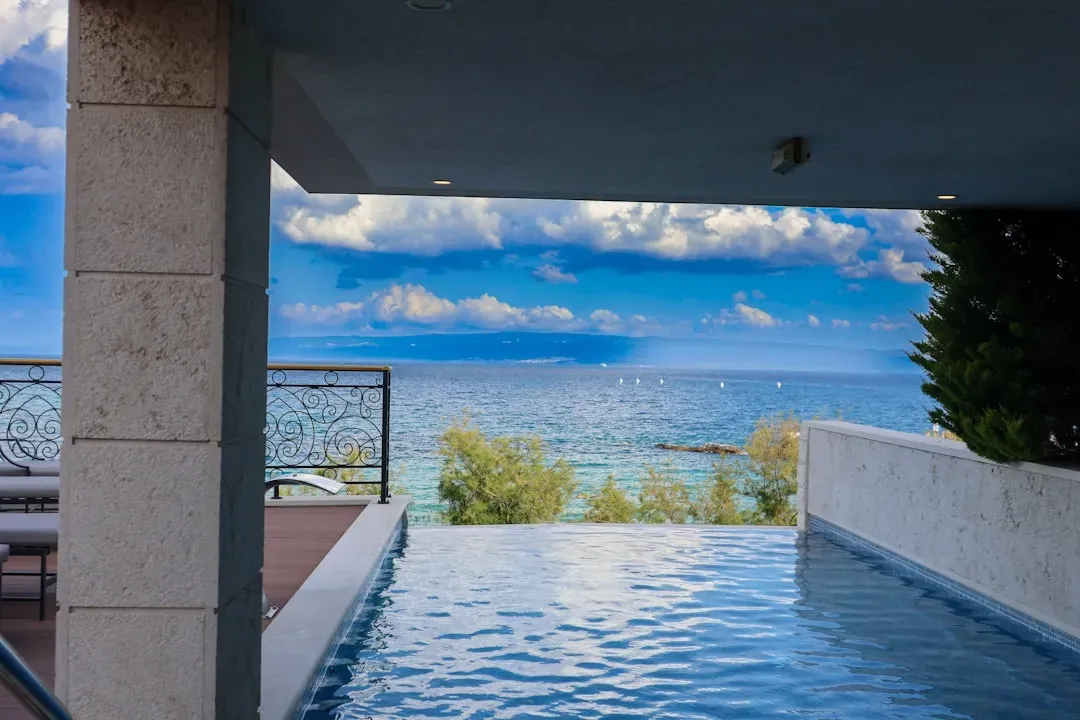
Infinity-edge pools look absolutely spectacular in photographs. They are resort-level dramatic, the kind of feature that stops a scroll on social media. The problem is that photographs do not pay the bills, and maintaining one is a different story entirely.
Realtor.com’s 2025 report found that infinity-edge pools saw a 24.7 percent year-over-year decline in listing mentions, as buyers favor modern, natural, and right-sized design choices over ornate or oversized spaces. That is a sharp drop for something once considered the pinnacle of backyard luxury.
An infinity edge pool is expensive to operate due to the constant pumping of large amounts of water from its catch basin. Extending the season beyond a few months generally requires a huge heater, and these pools cannot be covered, so expect high energy bills. Features like wine vaults and infinity-edge pools, while still luxurious, no longer carry the universal appeal they once did, and they often come with higher maintenance costs. Buyers have done the math, and it does not work in the pool’s favor.
8. Dark Granite Countertops: The Kitchen Staple That Lost Its Shine
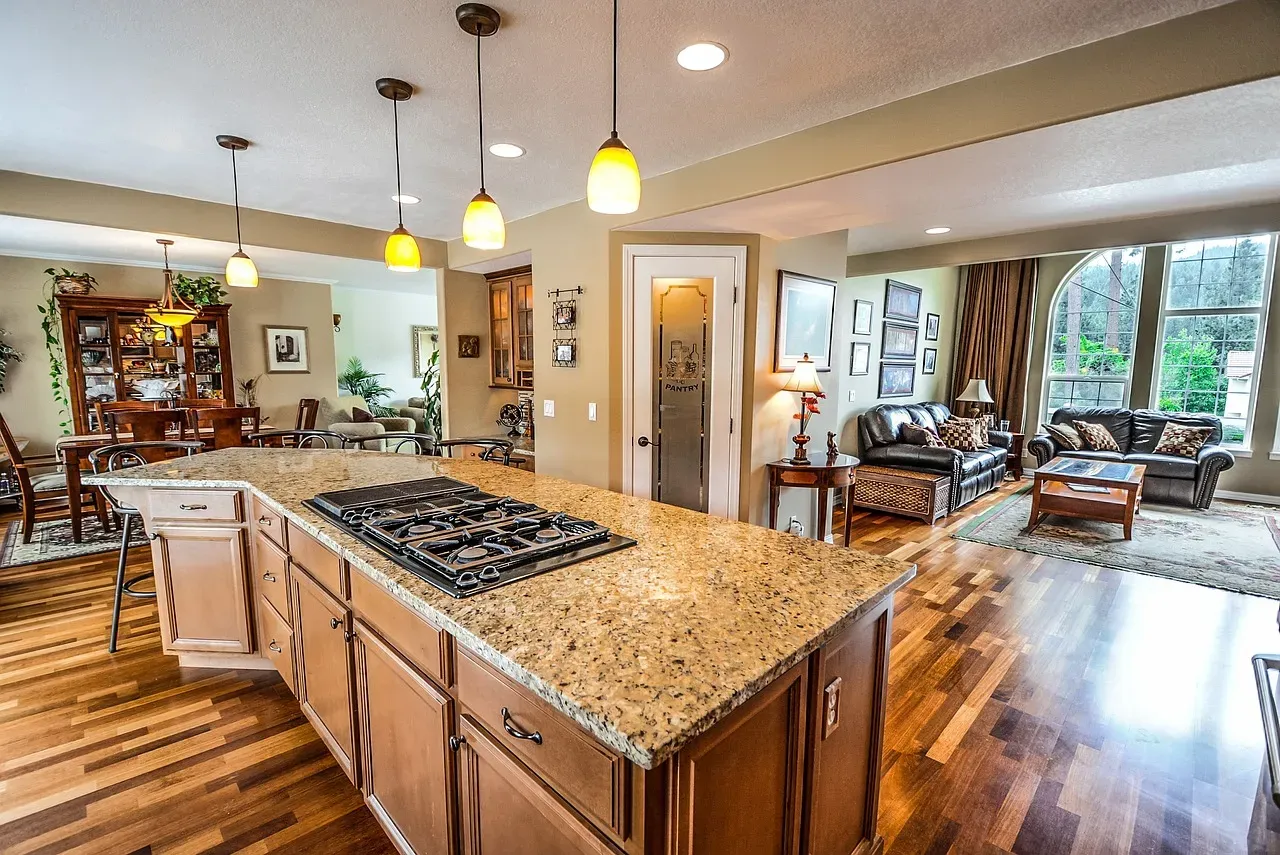
For roughly two decades, dark granite countertops were the undisputed crown jewel of kitchen renovations. They said “upgraded.” They said “serious kitchen.” They said “we spent money here.” Now they mostly say “this kitchen was last renovated around 2008.”
Dark granite used to be a sign of an upscale kitchen, but trends have moved on. Today’s buyers want light, bright spaces, and that includes countertops. White quartz, butcher block, or soft veining is now the preferred look. Dark granite can make a kitchen feel dated and heavy, even if the layout is modern.
Realtor.com’s 2025 Home Trends Report found that efficiency, sustainability, and nature-inspired design are on the rise, while more opulent or space-heavy features are losing ground, highlighting a clear shift in how Americans define comfort and value. Kitchens, in particular, are ground zero for this shift. Light, warm, and natural is what moves listings today.
9. The Three-Car Garage: Oversized, Overlooked, and Declining Fast
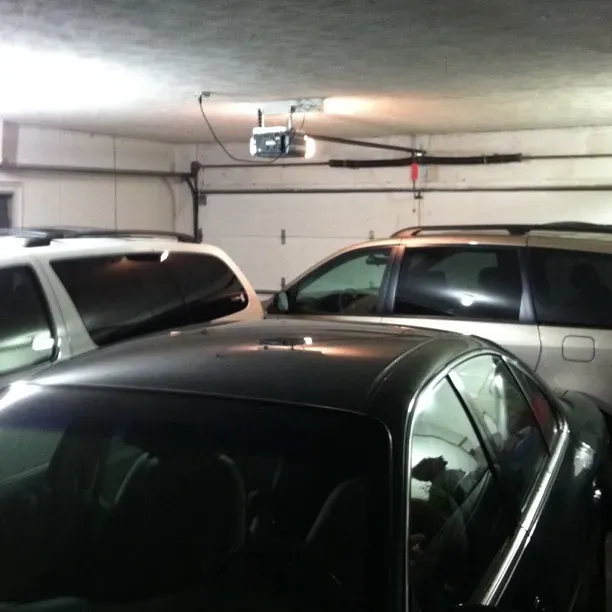
It is hard to say for sure when the three-car garage went from status symbol to liability, but the numbers are pretty clear. What once signaled spaciousness and serious storage now signals excess at a time when buyers are rethinking what they actually need from a home.
According to Realtor.com’s analysis, three-car garages saw a 19.1 percent year-over-year decline in buyer interest, as buyers favor modern, natural, and right-sized design choices over oversized spaces. That is a consistent, not trivial, drop in appeal. Fewer buyers are entering the market with three cars, and many would frankly rather have a usable backyard or flex room than a cavernous garage.
Search behavior in 2025 shifted away from square footage and high-end features toward homes that support lifestyles. A three-car garage, for most households, does not support a lifestyle. It supports storage overflow and forgotten gym equipment. Trends in real estate are moving away from excess and toward a highly functional form of simplicity. Buyers are no longer impressed by features that look expensive but add chores to their weekend to-do lists.
What This All Means for Sellers in 2026
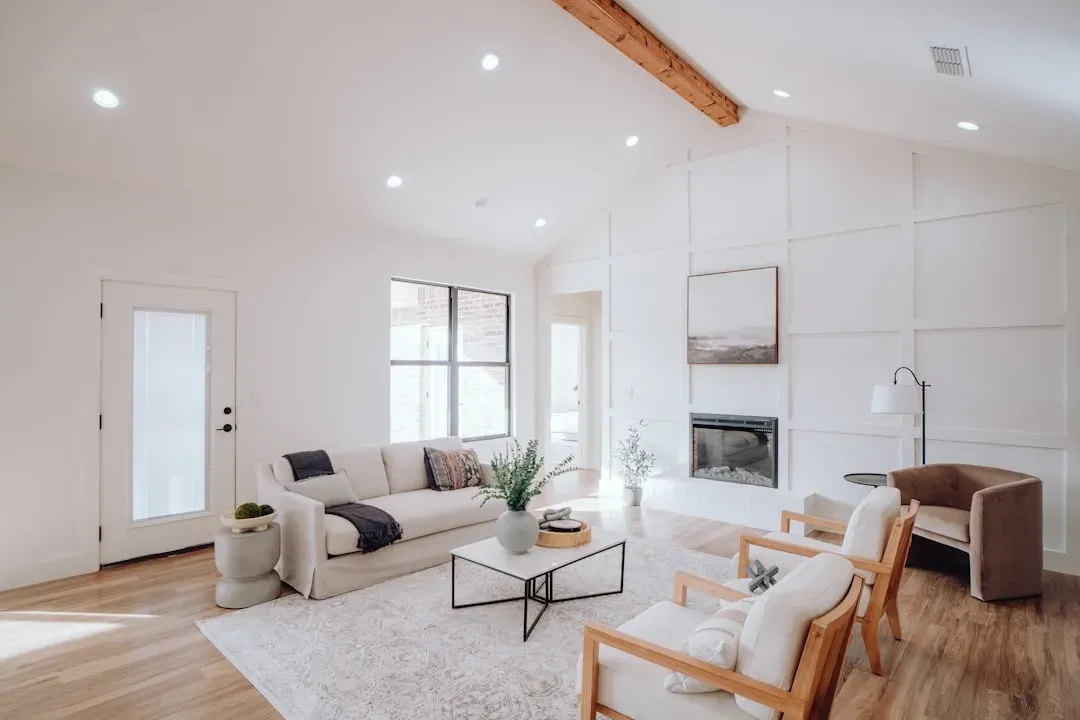
The market is telling a very clear story right now. Realtor.com’s 2025 Home Trends Report confirms that efficiency, sustainability, and nature-inspired design are on the rise, while more opulent or space-heavy features are losing ground. Buyers are not looking for impressiveness. They are looking for livability.
Sales of previously occupied homes hit a nearly 30-year low in 2024, according to the National Association of Realtors. That means sellers are competing harder for fewer active buyers, and those buyers have options they didn’t always have before. In a market like that, dated features are not neutral. They are active liabilities.
Home design right now reflects a shift toward smarter living, natural influence, and intentional comfort. Buyers want homes that feel modern but warm, efficient but inviting, stylish yet functional. The sellers who understand that shift will be fine. The ones still staging around a jetted tub and shiplap accent wall may find themselves waiting a very long time for an offer. What would you have guessed was the biggest deal-breaker of the bunch?