A Bartender With 15 Years Behind the Bar Reveals 6 Drinks They’d Never Order
There’s a particular kind of knowledge that only comes from years of being on the wrong side of the bar rail. Not from reading cocktail books or watching YouTube tutorials, but from the kind of bruising, hands-dirty experience that teaches you things no menu ever could. After 15 years slinging drinks through Friday night rushes, holiday madness, and the occasional Wednesday afternoon with exactly three customers, certain beverages start looking very different.
You learn what a drink really costs. Not in money, but in time, effort, and honesty about what’s actually in the glass. The six drinks below aren’t necessarily bad in concept. Some are classics. Some are beloved. Yet there’s a reason a seasoned bartender would never personally order them. Let’s find out why.
1. The Long Island Iced Tea: A Glass Full of Red Flags
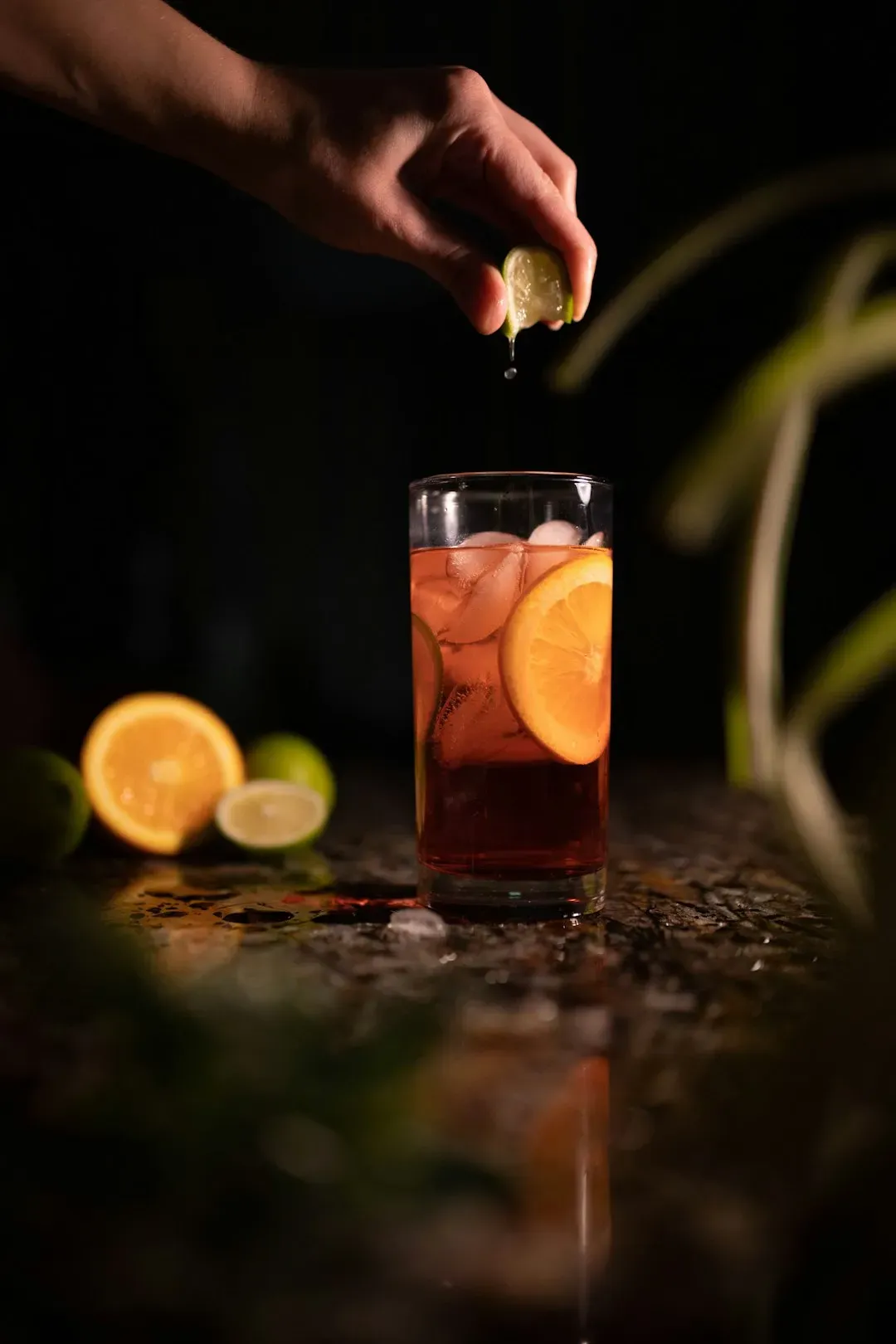
Honestly, few drinks carry as much quiet judgment from behind the bar as the Long Island Iced Tea. There is no drink that sends a louder signal about your intentions. Despite its color and its mix of alcoholic and non-alcoholic ingredients, bartenders rarely assume you’re ordering it for its looks or flavor. It’s widely considered an instant red flag.
Here’s the thing: the drink is a structural mess. It carries an alcohol concentration of approximately twenty-two percent, far higher than most highball drinks, due to the relatively small amount of mixer. You’re essentially ordering a glass of straight liquor wearing a disguise. A five-dollar Long Island will taste pretty much the same as a twenty-five-dollar one. You don’t get to appreciate the unique flavors of the spirits, and the wash of sweetness overpowers everything anyway.
This cocktail might seem like a great bang for your buck due to its high alcohol content, but bartenders dread it for its complexity and the number of ingredients required. It’s time-consuming to make, especially on a busy night, and can quickly deplete a bar’s liquor supply. No self-respecting bartender would put themselves on the receiving end of that equation.
2. The Mojito: A Beautiful Drink That Belongs in a Different Era
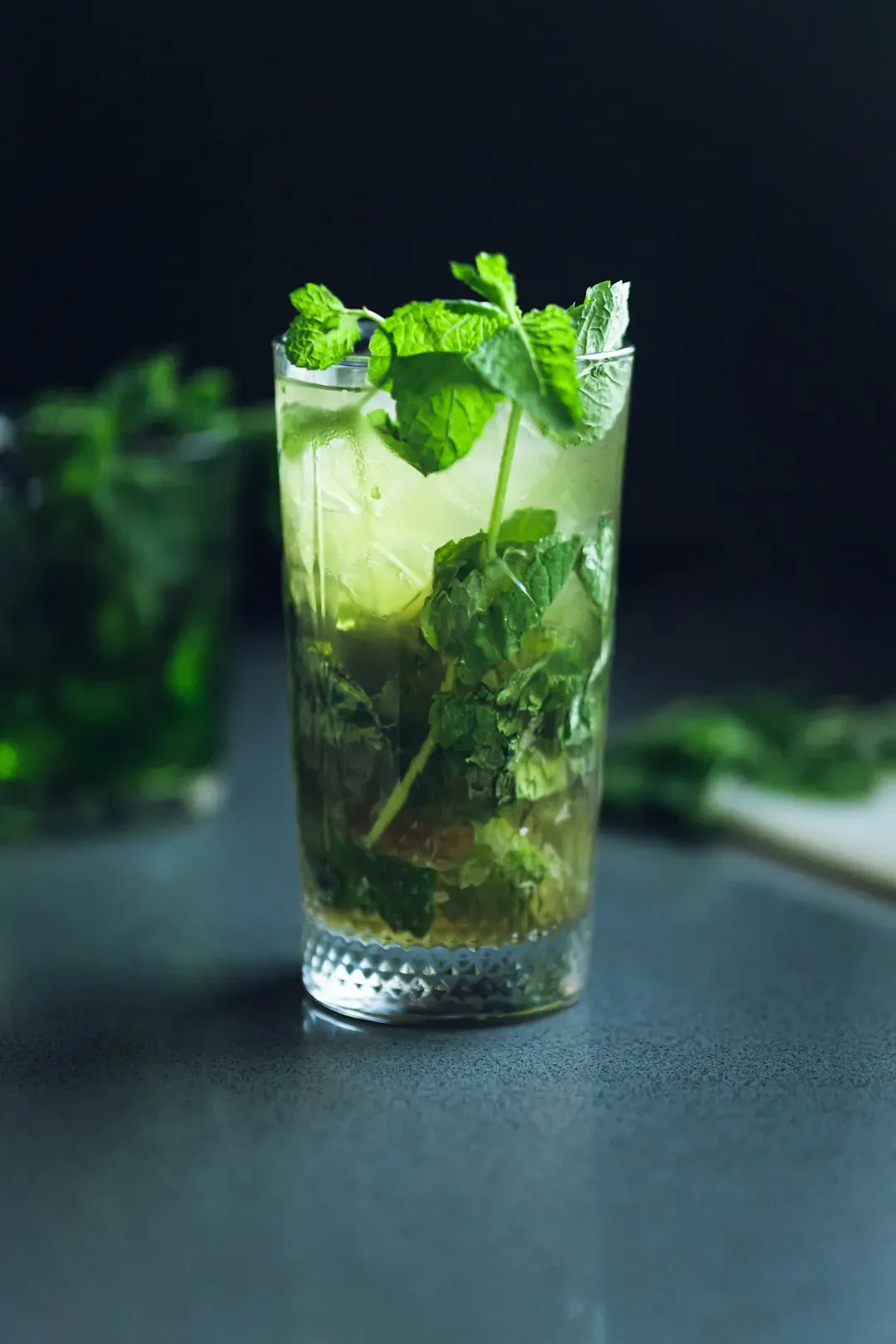
I genuinely love the mojito as a concept. Fresh mint, lime, rum, sugar, soda. It’s a gorgeous Cuban classic with real history behind it. Mojitos have been popular since the 1800s, when many tourists were making their way to Cuba and rightfully enjoying the cocktail throughout their travels. Its popularity has stuck into the 2020s. Unfortunately, the popularity of a mojito extends only to the customers ordering them, not to the bartenders forced to make them.
A good mojito requires fresh mint leaves to be carefully muddled, not crushed or shredded, to release their oils without becoming bitter. This process takes time and skill. Additionally, the use of fresh ingredients means that bars need to keep a constant supply of mint on hand, which has a limited shelf life and can be a breeding ground for bacteria if not properly stored and used quickly.
Making one or two isn’t necessarily a problem, but the real issue is that with attractive drinks like that, people will see it and want one, and the next thing you know, you’re just a mojito machine for the next several hours. To avoid this kind of situation, some bartenders have even been known to lie about not having fresh mint to force patrons to order simpler drinks. No judgment there, honestly.
3. The Ramos Gin Fizz: The Drink That Belongs in a Gym
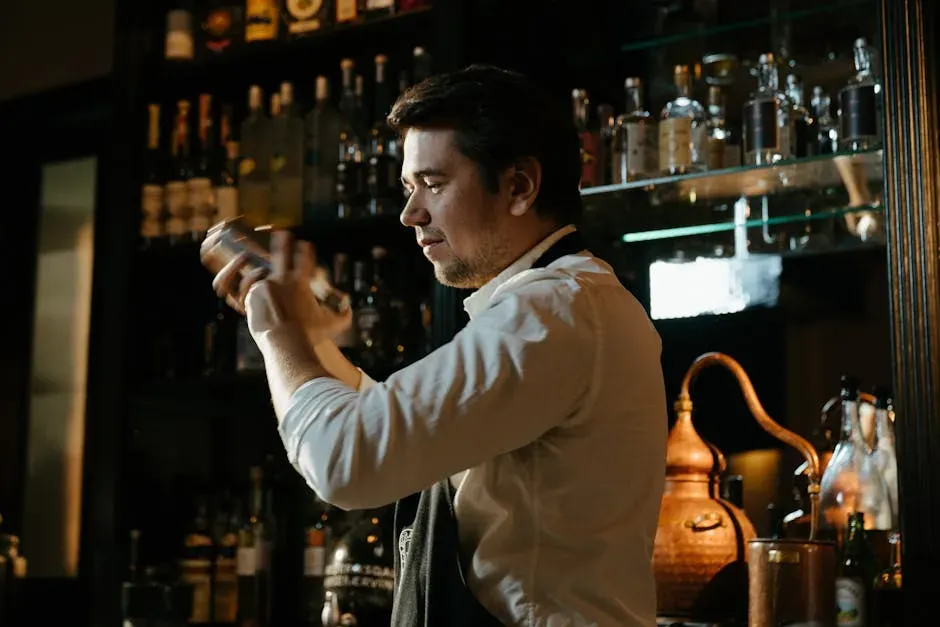
If you’ve never heard of the Ramos Gin Fizz, consider yourself lucky. Bartenders across the country despise this labor-intensive New Orleans classic. Made of gin, egg white, lime, lemon, cream, orange blossom water, sugar, and soda, this foamy cocktail requires an obnoxiously long time to prepare, including at least ten to fifteen minutes of shaking to achieve the perfect frothy texture.
What’s more, it requires a frankly absurd amount of shaking, with the original recipe calling for a full fifteen minutes. Historically, the drink was so demanding that bartender Henry C. Ramos employed dedicated “shaker boys” whose sole job was to shake the drink continuously. Let that sink in. A dedicated human being hired exclusively to shake one drink.
Almost unanimously, bartenders across the country are staunchly opposed to subjecting a fellow bartender to the relative labor intensity of making a Ramos Gin Fizz. There is an unspoken code among people who work bars: you don’t do that to someone. Ordering one on a packed Saturday night is roughly the equivalent of asking someone to assemble furniture mid-conversation.
4. Frozen Blended Drinks: The Blender Is Nobody’s Friend
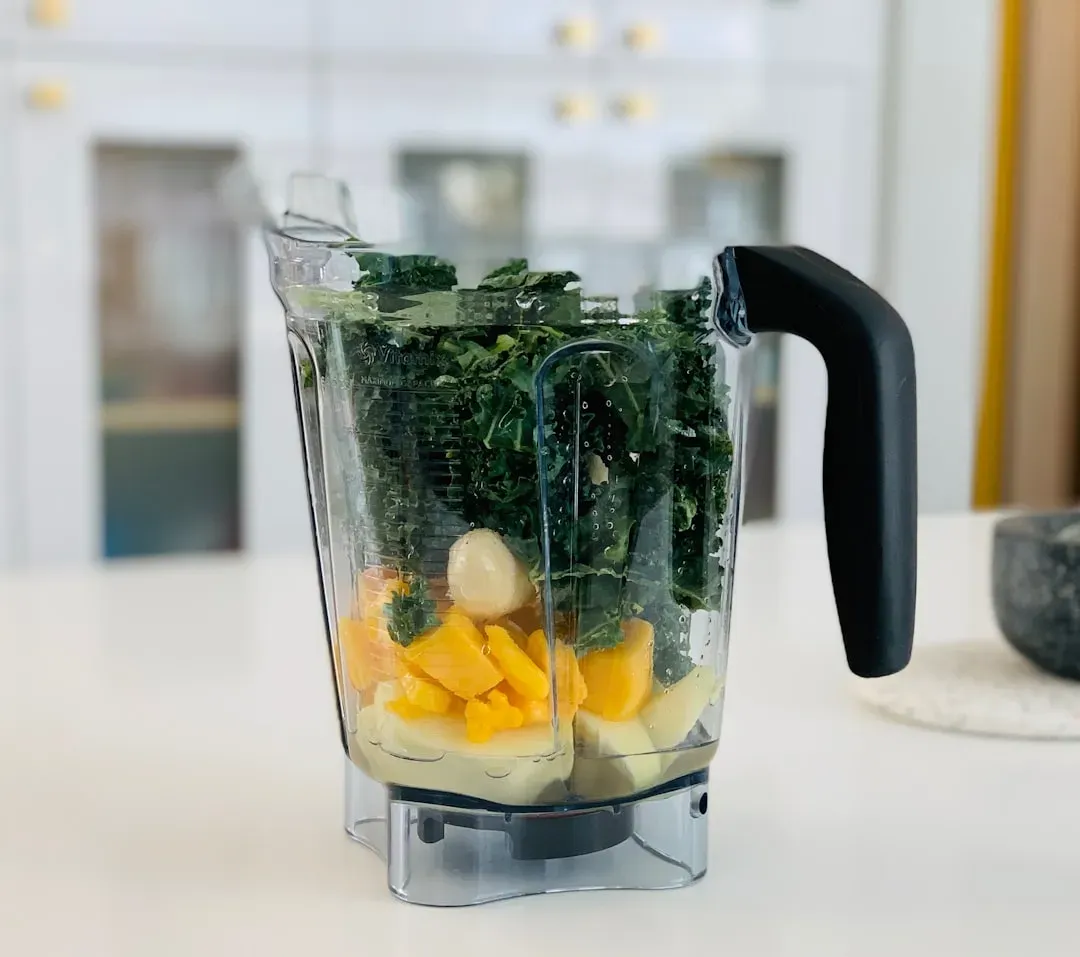
Picture a bar that’s three-deep on a Friday. The music is loud, tickets are stacking up, and someone orders a frozen piña colada. Frozen drinks are notorious for being high up on the list of bartenders’ least favorite cocktails to make, partly because unless a bar specializes in frozen drinks, most bars only have one blender. That means washing the blender in between every different cocktail, making a time-consuming beverage even more arduous.
As one bartender put it, “In the time it takes to make two frozen drinks, I could have made six or more standard cocktails.” That ratio matters enormously when people are waiting. If a bar is busy, it’s best not to order a frozen drink. When folks at a busy bar see a frozen drink arrive, they all seem to want one, compounding the problem for the busy bartender.
Frozen drinks often mask the taste of alcohol with their sugary sweetness, leading to faster and often unexpected intoxication. They’re also notoriously high in calories, which might not align with everyone’s dietary preferences. So beyond the logistics, there’s a genuine quality issue with what ends up in your glass too.
5. The Espresso Martini: A Trend That Broke Bartenders’ Backs
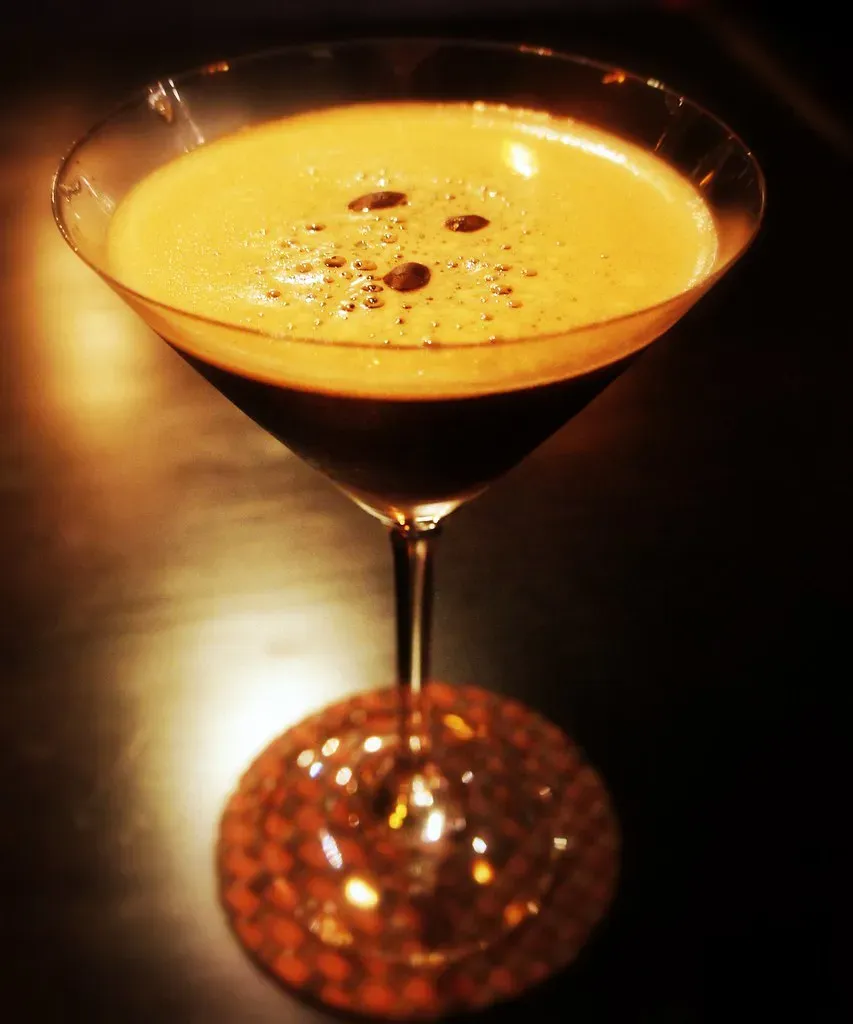
Few drinks have had a stranger decade than the espresso martini. Espresso martini sales in the U.S. surged by fifty percent by the end of 2023, making it the third top-selling cocktail. Online interest also increased, with searches growing by eighty-nine percent among Gen Z in 2024, reaching 1.3 million per month by January 2025. The cocktail climbed five spots in popularity rankings in the past year.
While this drink is not inherently complicated, it’s normally a mix of espresso, vodka, and coffee liqueur. However, the hot component makes it inconvenient. Bartenders must first pull espresso, then let it cool before adding it to a cocktail. With the drink’s rise in popularity in recent years, it can be challenging to make this caffeinated cocktail on a busy night.
The biggest challenge bartenders highlight tends to come down to one thing: espresso. The original spec calls for a freshly pulled shot, which is a logistical nightmare for most bars. Few have space for an espresso machine, and adding a piping hot shot to a shaker full of ice can lead to dilution issues. I know it sounds crazy, but that single complication is enough to make ordering one feel inconsiderate at the wrong moment.
6. The Bloody Mary After Dark: Know Your Time and Place
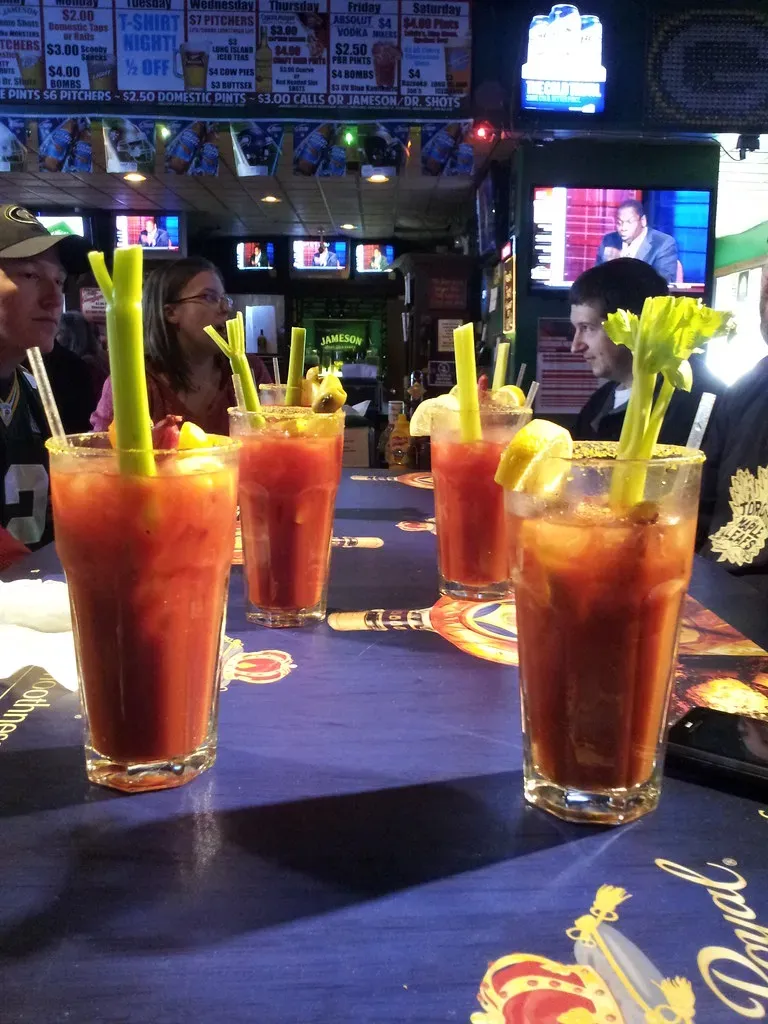
The Bloody Mary is genuinely one of the most interesting cocktails ever invented. Popular theory puts the Bloody Mary’s birthplace in Paris in 1921, where Fernand “Pete” Petiot was credited with creating an alcoholic tomato juice cocktail spiced with salt, pepper, and Worcestershire sauce. It has a long, proud history. The problem isn’t the drink itself. It’s the clock.
The real reason you should stick to consuming these potent beverages at brunch is that bartenders are typically not set up to make them at night. Bloody Marys usually aren’t on dinnertime or late-night cocktail menus, meaning the ingredients have been put away after brunch. As New York City beverage director Sean McClure noted, “The mise en place is probably not even on the bar if you’re ordering this outside of brunch hours.”
Many bars simply don’t keep all these ingredients readily available throughout the day. The tomato juice might be tucked away in storage, the garnishes may not be prepped, and the spice mix could be buried behind bottles of more frequently used spirits. This means your bartender has to scramble to gather everything needed, significantly slowing down service for everyone else. The drink you receive after dark is very often a pale, half-hearted shadow of what you’d get at noon.
There’s no shame in loving any of these drinks. The espresso martini is genuinely delicious. The mojito is a legitimate classic. The Bloody Mary is practically a meal. But 15 years behind the bar teaches you one thing above all else: context is everything. The same drink that’s perfect in one setting becomes a small act of chaos in another. Order smart, read the room, and your bartender will quietly love you for it. What would you have guessed would top this list?