The “Skip It” List: 11 Restaurant Chains Chefs Say Aren’t Worth It
The American restaurant industry is going through something of a reckoning right now. Prices keep creeping up, portions keep shrinking, and customers are more vocal than ever about feeling cheated at the table. Honestly, it’s hard to remember the last time so many familiar chain names showed up in bankruptcy headlines or on complaint forums at the same time.
According to a 2025 survey by the American Customer Satisfaction Index, precious few quick-service restaurant chains improved over the last year. In fact, for every chain that moved up in customer satisfaction, two of them dropped a point or more. That is a staggering trend, and it tells you something important: the warning signs are real, and they are piling up fast.
So before you pull into that familiar parking lot out of habit, here is what the data, the chefs, and the customers are actually saying. Let’s dive in.
1. Denny’s: The Diner That Forgot How to Be a Diner
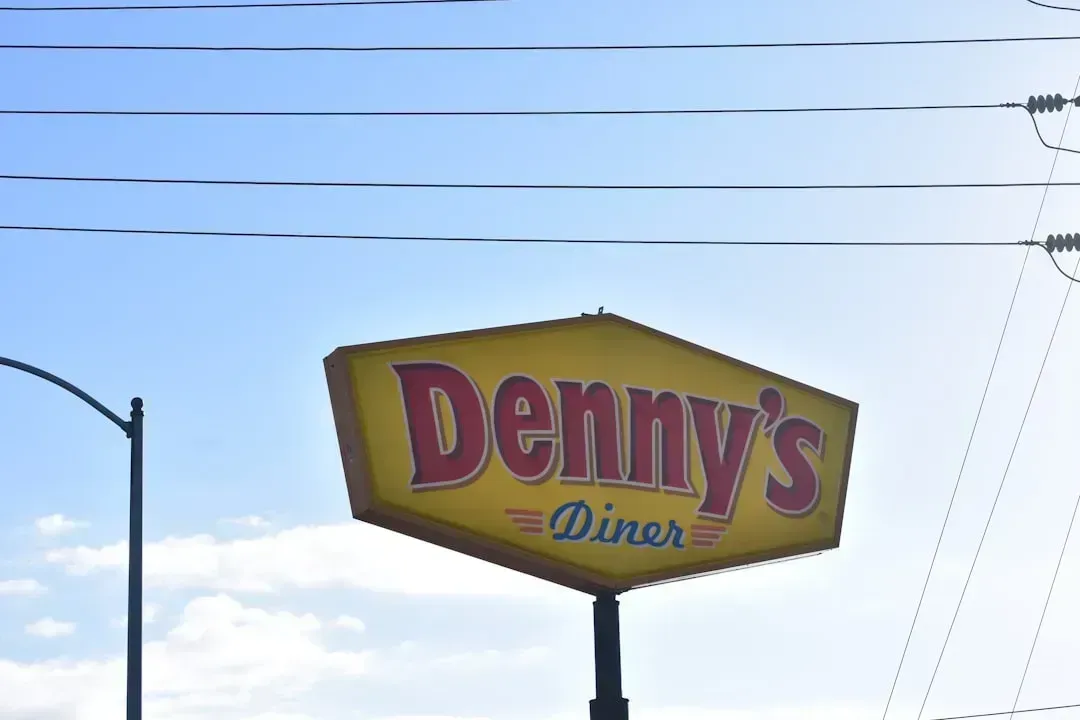
There is something genuinely sad about a diner that used to stay open all night deciding it can no longer afford to do so. That is essentially where Denny’s finds itself right now. According to the American Consumer Satisfaction Index, Denny’s was the worst-rated full-service restaurant chain in 2025, with a rating of 75 out of 100.
Denny’s experienced a terrible 2024 and has been struggling to stay in business, announcing it was closing 50 of its restaurants in just a few months, citing underperformance as the main reason. This shuttering operation followed a difficult period for the brand, which saw a large number of its restaurants stop operating round-the-clock, in a bid to save money. Think about that for a second. A diner that no longer stays open all night is a bit like a gym with no weights.
By the end of 2025, Denny’s had closed about 150 underperforming restaurants. The bigger shift came when the company agreed to a roughly $620 million sale to a private equity ownership group, with the deal expected to close in early 2026. Customers consistently take issue with the long wait times and inconsistent service quality. To top things off, prices are only going up, adding insult to injury for dissatisfied consumers.
2. TGI Fridays: Bankruptcy and a Shrinking Footprint
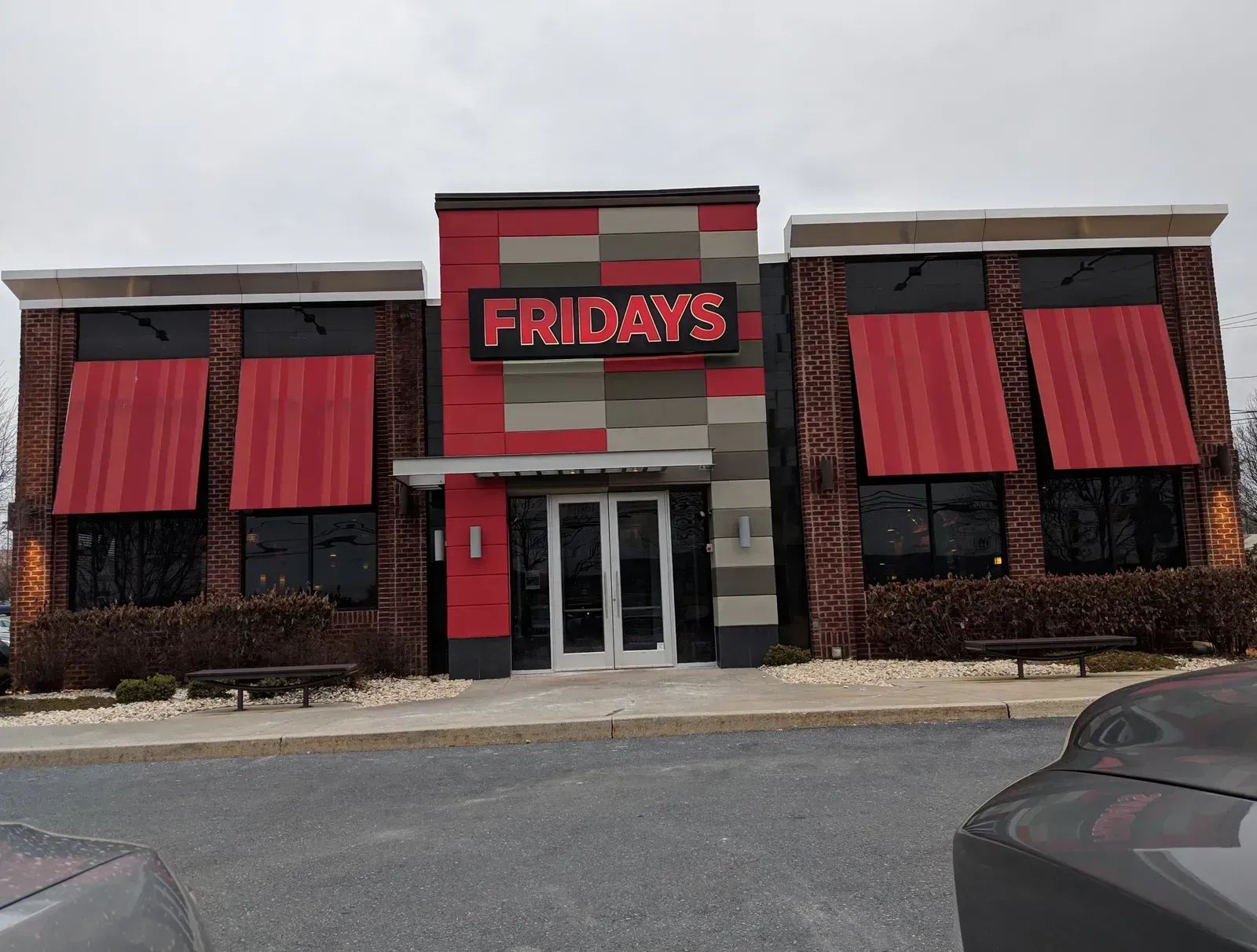
TGI Fridays was once the kind of place people went to celebrate. Birthdays, promotions, a Friday after a long week. That nostalgic goodwill only goes so far, though. TGI Friday’s confirmed it filed for Chapter 11 bankruptcy in 2024 and has continued shuttering restaurants in 2025. According to its website, only 85 remain open.
The chain was once one of the most beloved restaurants in the country, but over time, it began being viewed as a somewhat outdated place to eat. As new competitors came in and began taking over, TGI Fridays struggled, facing a lack of enthusiasm, and all of this culminated in a bankruptcy claim in November 2024.
The brand has overhauled 85% of its menu in an attempt to turn things around, with the new menu being part of what is hoped to be a comeback story for the chain which filed for bankruptcy in November 2024. A menu overhaul after bankruptcy is a bold move, but here’s the thing: customers have short memories for good news and long memories for disappointment. The jury is very much still out.
3. Red Lobster: The Endless Shrimp Disaster That Broke a Legend
The story of Red Lobster’s downfall is almost too dramatic to believe. Over the years, Red Lobster struggled with several issues, including high food and labor costs and significant operating losses, which include the $11 million loss tied to its Ultimate Endless Shrimp deal. The company subsequently began investigating the role that Thai Union, Red Lobster’s former majority owner, played in the popular promotion.
Red Lobster filed for Chapter 11 bankruptcy late on Sunday, May 19, 2024. The challenges created by the 2020 pandemic and evolving dining habits were more than Red Lobster could handle. In its 2024 bankruptcy filing, the seafood chain reported that guest counts were still well below pre-pandemic levels. That is a stunning statement for a chain that once operated more than 600 locations.
Food prices away from home climbed 4% in the 12 months ended January 2026, according to recent U.S. Bureau of Labor Statistics data. Over the past five years, food and labor costs for the average restaurant have each increased by about 35%, according to the National Restaurant Association. Red Lobster got squeezed from every direction at once, and customers paid the price with a noticeably diminished experience.
4. Panera Bread: The “Fresh” Brand That Stopped Being Fresh
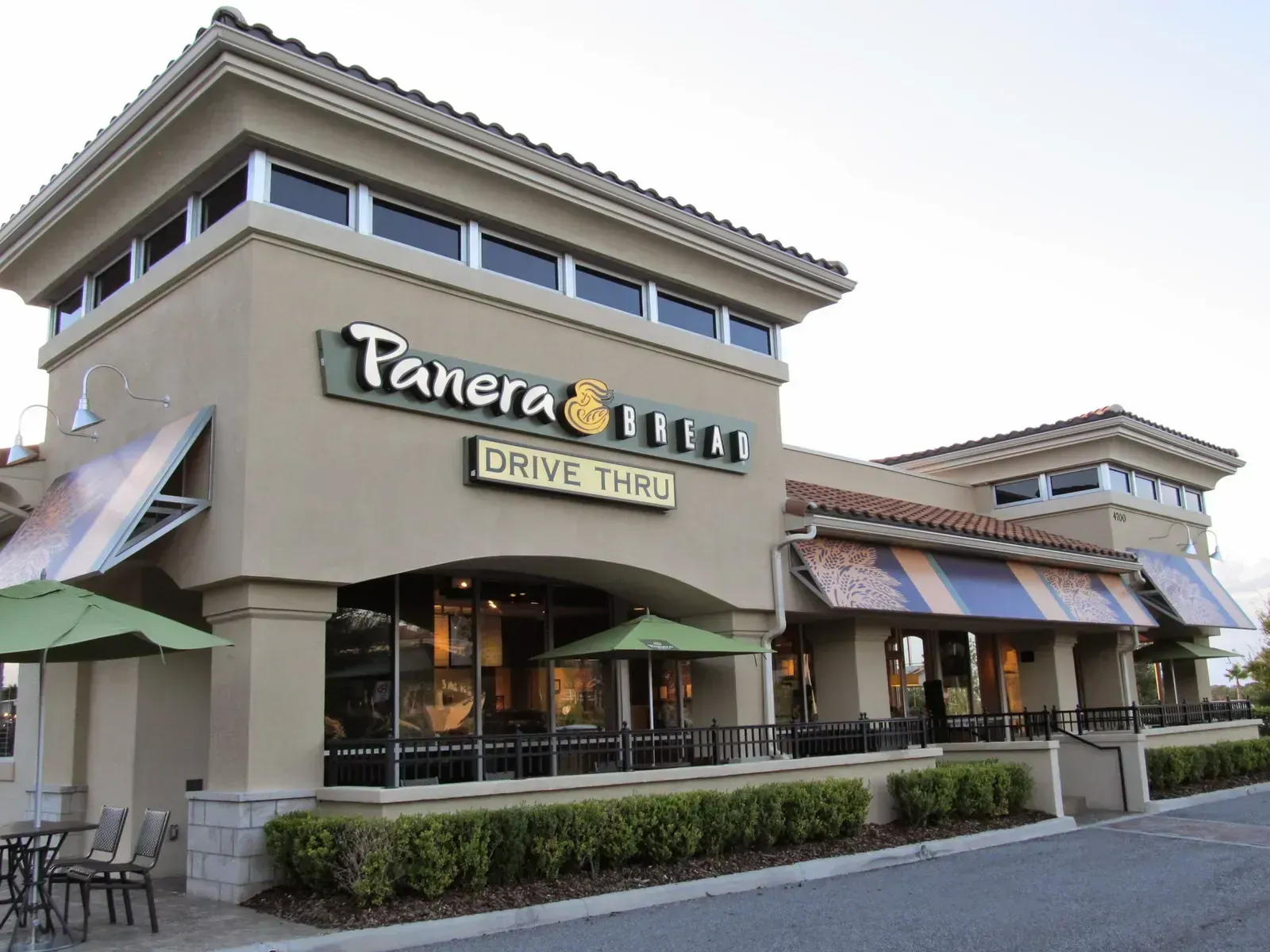
I’ll admit, Panera’s fall from grace is one of the more genuinely shocking stories in recent restaurant history. This was the brand that practically invented fast-casual dining as we know it. Panera’s name translated from Latin is “bread basket,” but the company has moved further away from the product that once defined it. For decades, each Panera café baked bread fresh daily, a signature feature that separated Panera from standard fast-food chains. That changed when the company announced the closure of its last fresh dough facilities. Instead of bakers kneading dough overnight, stores now rely on frozen, partially baked bread shipped in from external suppliers.
Panera’s CEO admitted that once the chain’s traffic started to struggle, the company cut labor from its restaurants and decreased the quality of its food. That ultimately hurt Panera’s reputation, and on social media, some users now compare it to “hospital food.” Hospital food. For a brand that spent decades claiming its food was “as it should be,” that comparison stings.
Panera’s systemwide sales have been slowing since 2021 and in 2024 turned negative, down 6.3 percent to an estimated $5.9 billion, according to Franchise Times Top 400 data. Once the number one fast-casual brand in the U.S., Panera has dipped to number three, ceding the top spots to Chipotle Mexican Grill and Panda Express. That is a long fall for a brand that once had the industry completely figured out.
5. Wendy’s: Closing Fast and Struggling Faster
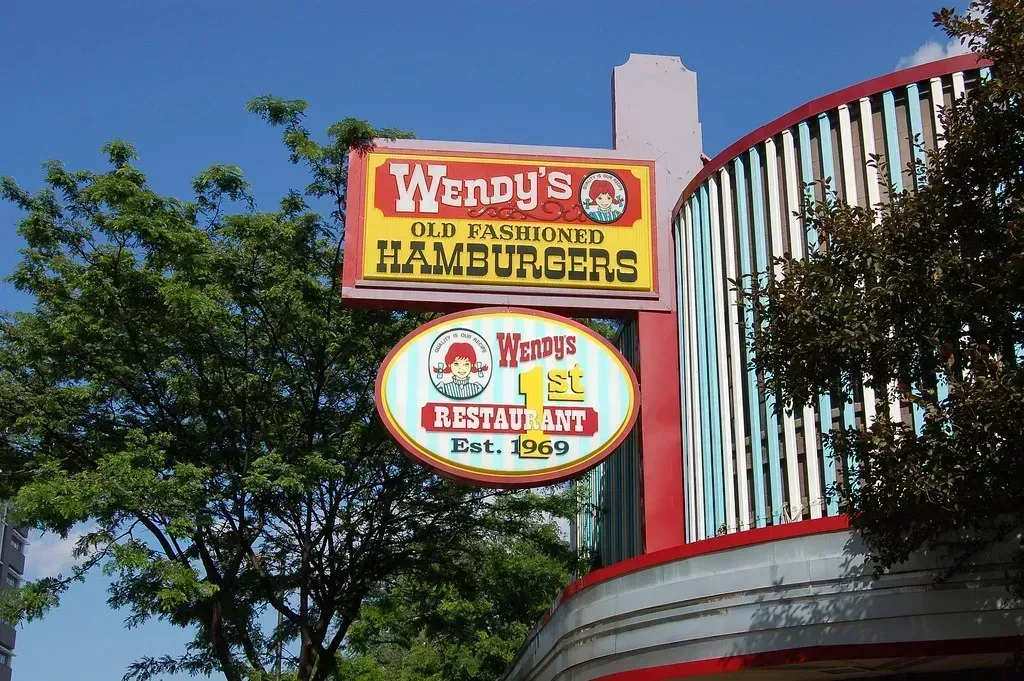
Wendy’s built its entire identity on being the “premium” burger alternative. Fresh beef, square patties, a cheeky attitude on social media. For a while, that worked really well. The chain announced plans to close up to 350 U.S. locations after already shuttering about 140 stores in 2024.
Starting in late 2025, Wendy’s began a large wave of closings affecting hundreds of locations. Corporate leadership insists these shutdowns are part of a strategic realignment, yet the closures seem to be landing hardest in areas where residents rely on affordable fast-food options the most.
Customers have taken to review platforms to express frustration over shuttered stores, unpredictable hours, and stretched-thin staff. There are reports that service at surviving locations feels rushed, understaffed, and inconsistent, and this will only worsen as more stores close. Closing nearly 500 locations across two years is not a strategic pivot. That is a brand fighting for survival, and it shows in the experience.
6. KFC: The Fried Chicken King Nobody Is Rooting For Anymore
Here is something that would have seemed unthinkable even a decade ago: KFC, once the undisputed king of fried chicken, is now one of the worst-performing brands in its own category. The owner of the dubious distinction of the American Consumer Satisfaction Index’s largest drop from 2024 to 2025 was KFC, which fell from a score of 81 to 77 out of 100. That is the biggest single-year drop of any chain tracked.
Competitors like Chick-fil-A and Bojangles have had a stellar few years, while KFC has been plagued by quality issues, with customers having increasingly poor experiences at its stores and disliking its unhealthy menu items. It is almost poetic in a painful way. While newer chicken chains are pulling customers in droves, KFC seems stuck in a loop it cannot break out of.
All of this has translated into KFC having a difficult time in 2025, with sales declining by a massive 5% in the second quarter of the year. This decline continues a downward trend for the brand, with the end of 2024 having seen a similar 5% decreased in sales. Year after year of declining numbers is not a blip. It is a pattern, and customers are clearly voting with their feet.
7. Applebee’s: The Value Chain That Lost Its Value
Applebee’s is the kind of place that coasts on memory. You remember going there as a kid. You remember the riblets. The loaded mashed potatoes. But nostalgia only fills tables for so long. Applebee’s domestic same-store sales have decreased for three consecutive quarters, according to Restaurant Dive. These dropped by 0.5% in the fourth quarter, with this decrease tied to declining traffic.
According to company reports, 2023 was supposed to be the year Applebee’s made its great return, but sadly that wasn’t the case and many of their restaurants are underperforming. Total revenue decreased by double digits. That comeback narrative never really materialized, and the chain has been scrambling ever since to find a coherent identity in a very crowded market.
Here is the uncomfortable truth about Applebee’s: it is caught in a no-man’s land. It is not cheap enough to beat fast food on price, and it is not good enough to compete with actual sit-down restaurants on quality. When you are priced in the middle and delivering something below average, diners notice. And they go somewhere else.
8. Buffalo Wild Wings: The Sports Bar That Keeps Scoring Own Goals
Walk into a Buffalo Wild Wings and you will probably find a lot of big screens, loud music, and a menu that has expanded far beyond its original wing-focused promise. That expansion, ironically, may be part of the problem. According to the American Customer Satisfaction Index 2025, Buffalo Wild Wings sank 4% to a score of 76. That is a significant drop for a brand that relies so heavily on the in-person experience.
Buffalo Wild Wings is known for its sports bar atmosphere, chicken wings, and all-you-can-eat appetizers, but the chain has also earned an unfortunate reputation for having abysmal service and inconsistent food quality. Inconsistent is the word that keeps coming up with this chain. Sometimes great, sometimes awful, and there is rarely a way to predict which version you are going to get on any given visit.
Think of it this way: a sports bar lives and dies by atmosphere and food you can eat while watching a game. If either of those elements slips, the whole proposition falls apart. Right now, based on the numbers, both are slipping for a lot of Buffalo Wild Wings locations across the country.
9. Sonic Drive-In: A Novelty That Has Worn Off
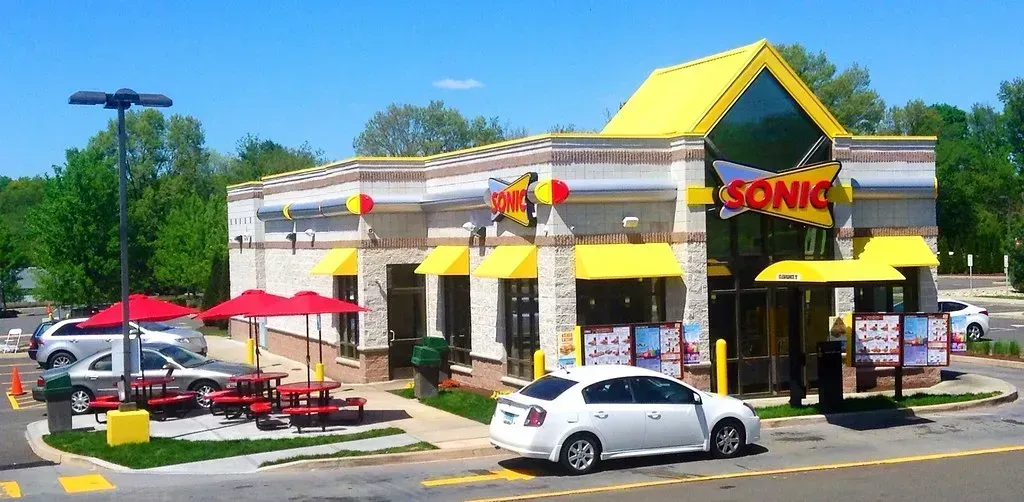
Sonic’s whole identity is built around the experience: rollerskating carhops, slushies in the summer heat, the retro feel of eating in your car. It is a vibe. The problem is that vibes do not compensate for a poor product. Sonic scored a disappointing 73 in 2025, falling well short of the 79-point average for quick-service restaurants. Even more concerning, it has fallen considerably from last year’s score of 76, suggesting things are heading downhill fast.
Over on Trustpilot, Sonic’s reputation takes an even harder hit with a dismal 1.5-star rating. It seems like every problem under the sun is plaguing this chain. Customers report dealing with rude staff, shakes that arrive runny instead of thick, and an ordering system and app that is often not working.
A runny milkshake at a drive-in is the culinary equivalent of a flat tire at a racetrack. It misses the entire point. Sonic’s concept is charming on paper, but charm has a shelf life when the execution keeps disappointing loyal customers again and again.
10. Benihana: When the Grill Show Stops Being Entertaining
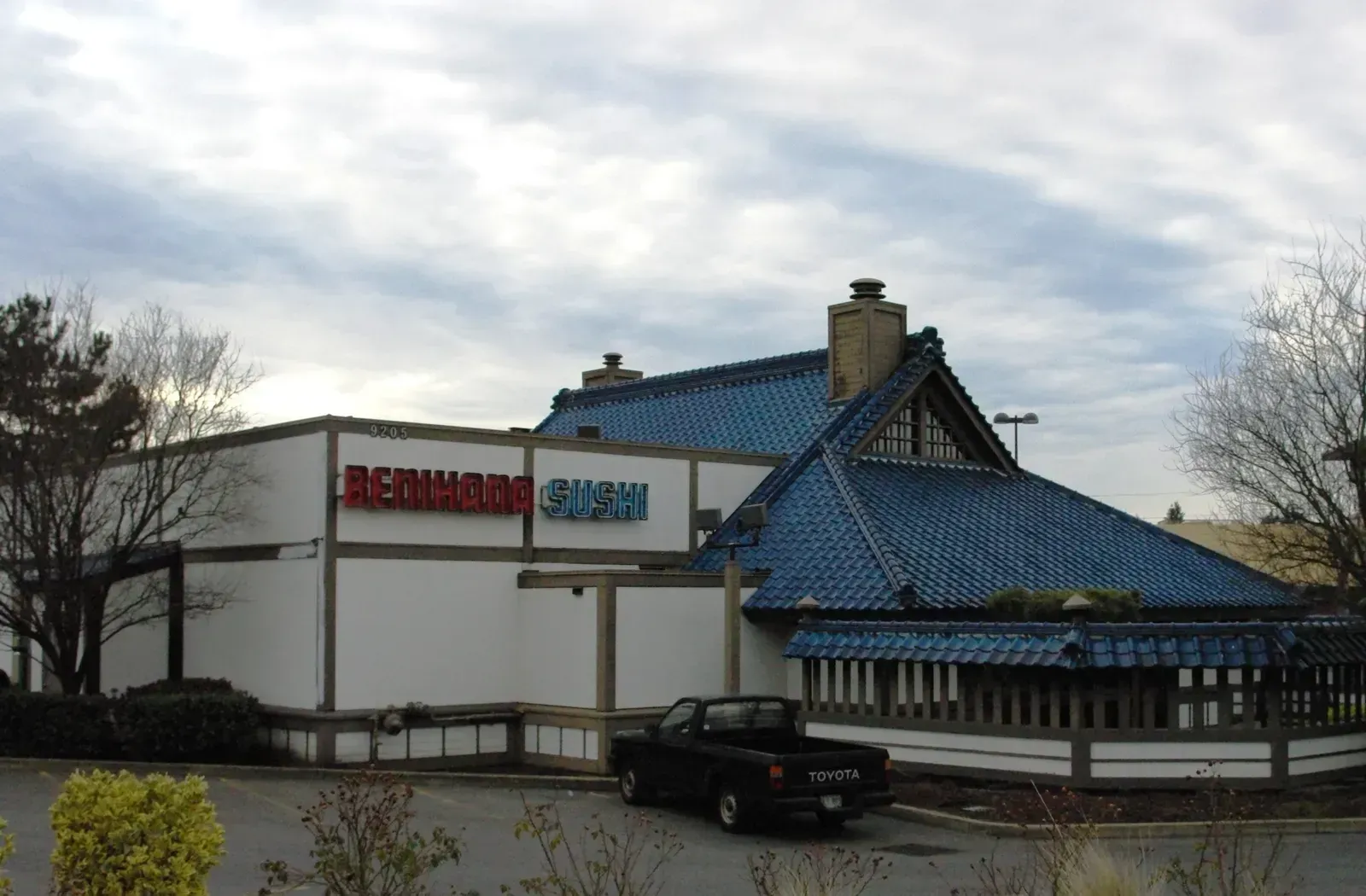
Benihana has always sold an experience as much as a meal. The teppanyaki theatrics, the onion volcano, the shrimp toss. It is dinner and a show. Benihana has spent decades cultivating an image as the go-to teppanyaki destination, and a place where the grill show is part of the meal’s value. But ever since it was acquired by One Group in 2024, the chain has seen an escalating wave of criticism from both diners and its own staff.
Customers report that the chain’s experience no longer feels like it used to, with horrible service, including not taking food allergies seriously. Others describe uneven cooking, long waits despite reservations, and dining rooms that feel less cared for than they once were. Employees have also publicly voiced dissatisfaction, citing concerns about management changes, staffing shortages, and increased pressure to hit service quotas.
There is a real lesson here about what happens when private equity moves in and starts squeezing a concept built on premium experience. You can cut a lot of corners in a fast-food operation without the customer noticing immediately. But when your entire brand promise is a showstopping dinner moment, any degradation in quality is immediately felt, and immediately remembered.
11. Red Robin: The Gourmet Burger Chain Running Out of Road
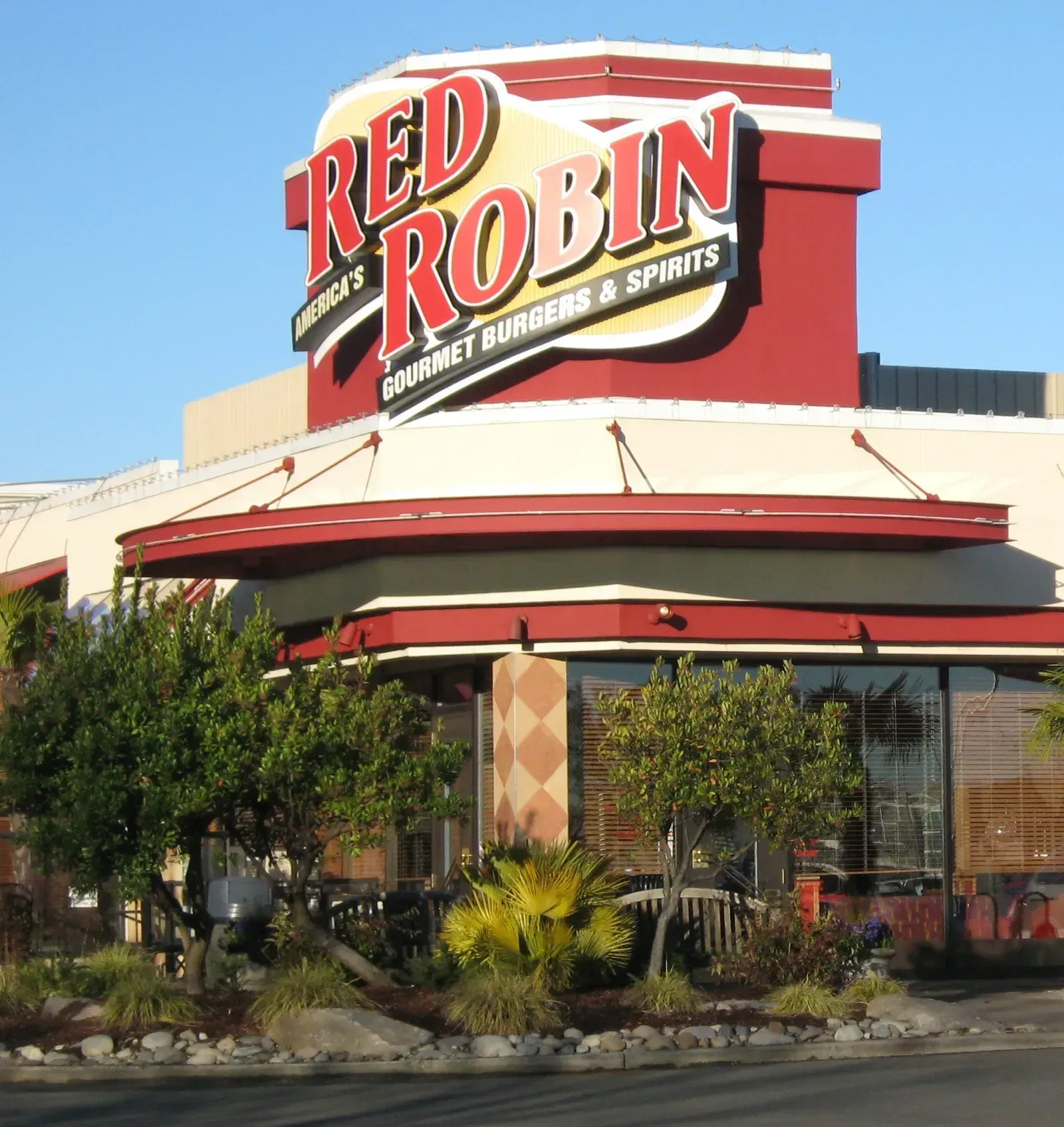
Red Robin built its reputation on the idea of a “gourmet” burger experience in a casual setting. Towering burgers, bottomless fries, fun atmosphere. It sounded like a winning formula. Red Robin’s CEO announced in March 2025 that the burger chain would be considering closing 70 underperforming store locations because of decreased revenue and foot traffic. Consumer sentiment may have something to do with the losses the chain is seeing in recent years.
According to more than 99,000 customer reviews on Yelp, Red Robin has a severe customer satisfaction issue, mostly around its food quality and service. Nearly 100,000 reviews painting a consistent picture is not something a brand can easily dismiss or explain away with weather or economic headwinds.
Red Robin’s problem is one shared by many mid-tier dining chains right now. Many of these brands were once beloved, but now face a combination of rising prices, inconsistent management, shrinking menus, and disappointing food quality compared to their past offerings. The “gourmet burger” space has also gotten fiercely competitive, with better-run independents and fast-casual competitors stealing the value proposition Red Robin used to own entirely.