The 5 Most Hard-Working States In America – And The 5 That Rank Lowest For Hours Worked
Not every state clocks in the same way. Across America, the gap between the hardest-working and the least-working states is wider than many people realize – and it tells a fascinating story about regional culture, economic pressure, and the evolving meaning of work. New data analysis from resume-building platform MyPerfectResume finds that Americans are working significantly more than they were in the mid-2000s, with cumulative national work hours surging to a record 296.7 billion hours in Q4 2024. Americans put in an average of 1,805 hours per year, according to the World Economic Forum – that’s 470 hours more than Germans work, but still 447 fewer than Colombians. The differences within the country, though, are just as dramatic as those between nations.
#1 Most Hard-Working: North Dakota
North Dakota landed on top as the most hardworking state in America for 2025 for another year in a row, earning a score of 66.17 points out of a possible 100. North Dakota has the third-highest employment rate in the country, at nearly 98%, and workers ages 16 to 64 work an average of 39.6 hours per week, the fourth-most in the country. That combination of near-total workforce participation and long hours is almost impossible to match.
People in the Roughrider State don’t take a lot of time for themselves outside of work, holding the 11th-lowest amount of leisure time per day. In addition, 33.5% of workers leave some vacation time unused, the second-highest percentage in the nation. An analysis by MyPerfectResume found that Texas leads the nation with a 34 percent increase in hours worked between 2007 and 2024, with North Dakota following closely with a 31 percent jump. North Dakota’s work ethic is deeply embedded in its agricultural and energy-driven economy.
#2 Most Hard-Working: Alaska
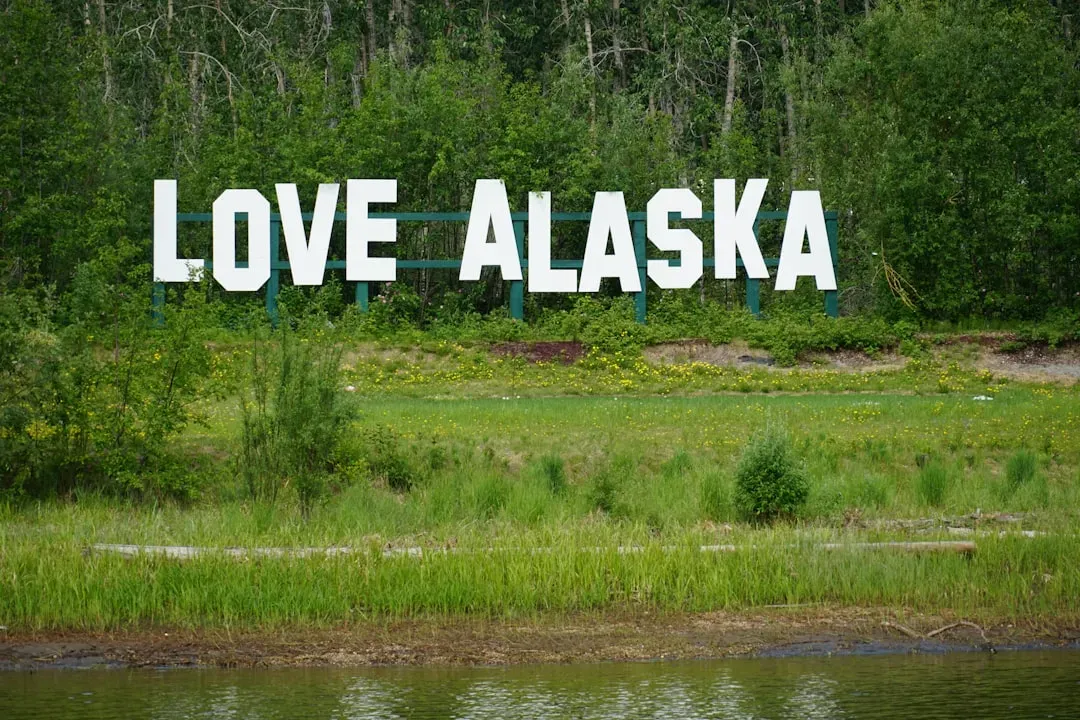
Alaska has the second-hardest-working residents in the country. The average Alaskan worker between the ages of 16 and 64 works 41.6 hours per week, the highest number of hours in the country – and Alaska is the only state where the average exceeds 40 hours per week. That distinction alone sets the state apart from every other in the union. Remote industries, seasonal demands, and a culture built around self-reliance all play a role.
Alaska has the 12th-highest share of workers who leave some vacation time unused, at 27.5%, and also has the third-highest share of workers who have more than one job and the 10th-lowest share of households where no adults work. Anchorage residents are among the second-hardest workers in the country, due largely to the fact that it’s one of only four cities where the average person works more than 40 hours per week. The frontier spirit is alive and measurable.
#3 Most Hard-Working: South Dakota
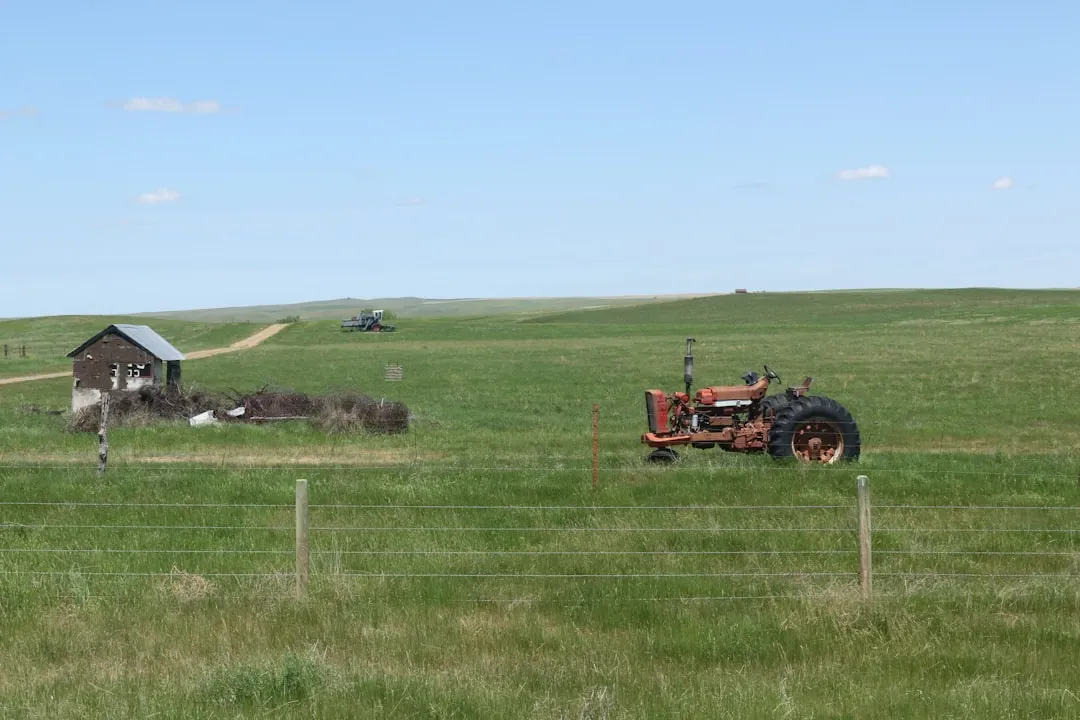
South Dakota ranks third among the hardest-working states, in part because 6.1% of workers have multiple jobs, the 11th-highest percentage in the country. Although this may not be an ideal situation – indicating that people’s main jobs are not always paying enough – it’s still a testament to how hard South Dakota residents are willing to work. People here don’t stop at one paycheck when they can earn two.
South Dakota has the fifth-lowest share of idle youth – people ages 18 to 24 who are not in school, not working, and have no degree beyond a high school diploma – showing that young adults are actively trying to advance their education or career paths. South Dakotans also boast the highest employment rate in the country, at over 98%. The state consistently ranks near the top of nearly every work-related metric that matters.
#4 Most Hard-Working: Texas
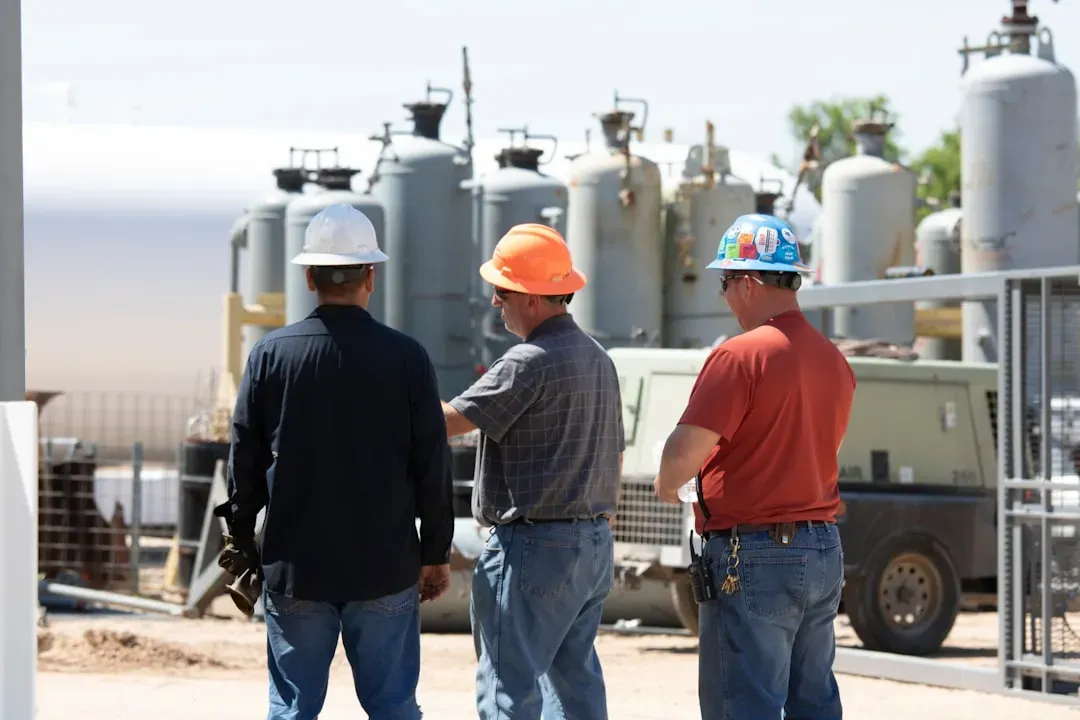
A WalletHub study ranked Texas the fourth most hardworking state for 2025, indicating that its residents are working harder than ever after the state fell into seventh place in 2024. Texas workers average 1,867 hours annually – 101 hours more than the national figure. That’s a meaningful gap, and it reflects the sheer scale and energy of the Texas economy, which spans oil, tech, finance, and manufacturing.
Texans have the second-longest average workweek hours in America and the 12th best average commute times. They also have the 6th lowest amount of average leisure time spent per day. In Sun Belt and Mountain West states such as Texas, population growth, booming industries, and labor shortages are driving up work demands. Texas workers aren’t just putting in hours out of habit – economic conditions are actively pushing output higher.
#5 Most Hard-Working: Hawaii

Alaska, South Dakota, and Hawaii round out the top five hardest-working states according to WalletHub’s 2025 report, with Hawaii claiming the fifth spot. Despite its reputation as a paradise of leisure and tourism, Hawaii’s working residents put in serious hours. The cost of living on the islands is among the highest in the country, and that financial reality pushes people to work hard and often.
WalletHub’s analysts compared all 50 states based on “direct” and “indirect” work factors. The six direct work factors included each state’s average workweek hours, employment rates, the share of households where no adults work, the share of workers leaving vacation time unused, and other data. Hawaii’s placement here surprises many observers, but the data is clear: behind the beaches, Hawaii’s workforce is grinding. The tourism and hospitality industries demand year-round staffing, often at odd hours and extended shifts.
#1 Lowest for Hours Worked: Oregon
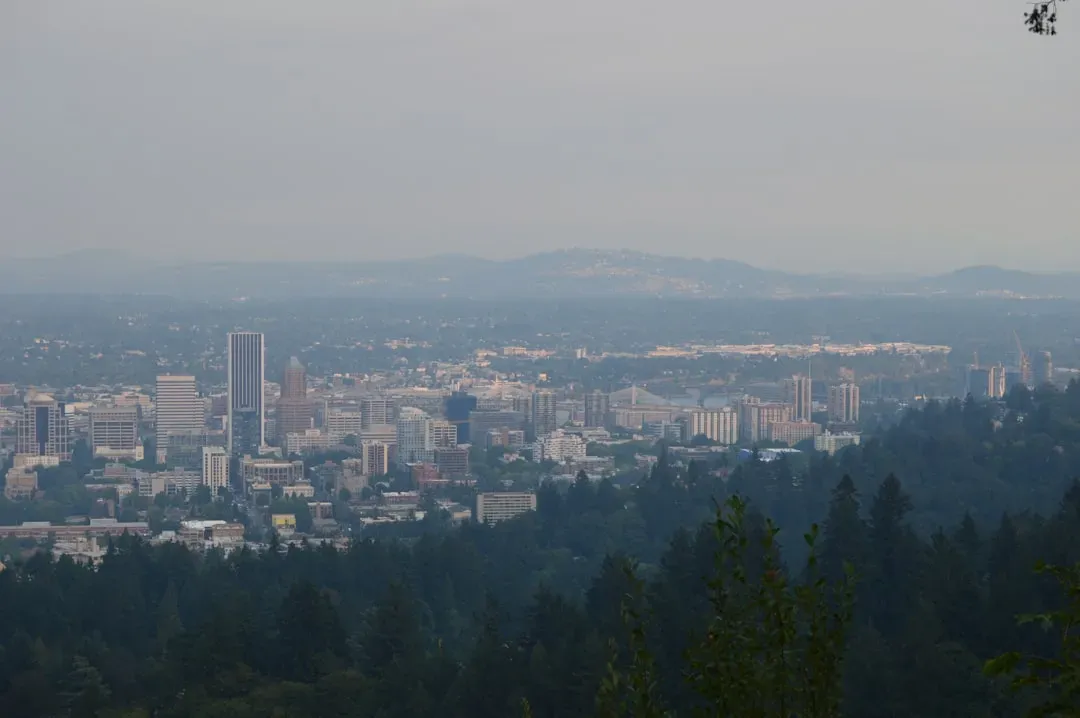
Of every state, Oregon has more problems in the workplace than most states, falling sub-par when it comes to everything from working hours, unemployment rates, and unused vacation time. Ranked as America’s 10th least hardworking state by WalletHub, Oregon tied with Rhode Island as having the third-lowest average number of work hours a week in the country. The progressive-leaning labor culture and high union membership in Oregon have historically prioritized shorter workweeks.
Oregon has one of the country’s shortest work weeks, averaging 37.8 hours, plus a high rate of union representation at 16.9%. Oregon fares a little better when it comes to indirect work factors, landing in the top half of states. Residents have higher than the national average of volunteer rates and are more active outdoors than most states. It’s a state that chooses quality of time over quantity of time at work – but by the numbers, it still ranks near the bottom for raw hours logged.
#2 Lowest for Hours Worked: West Virginia
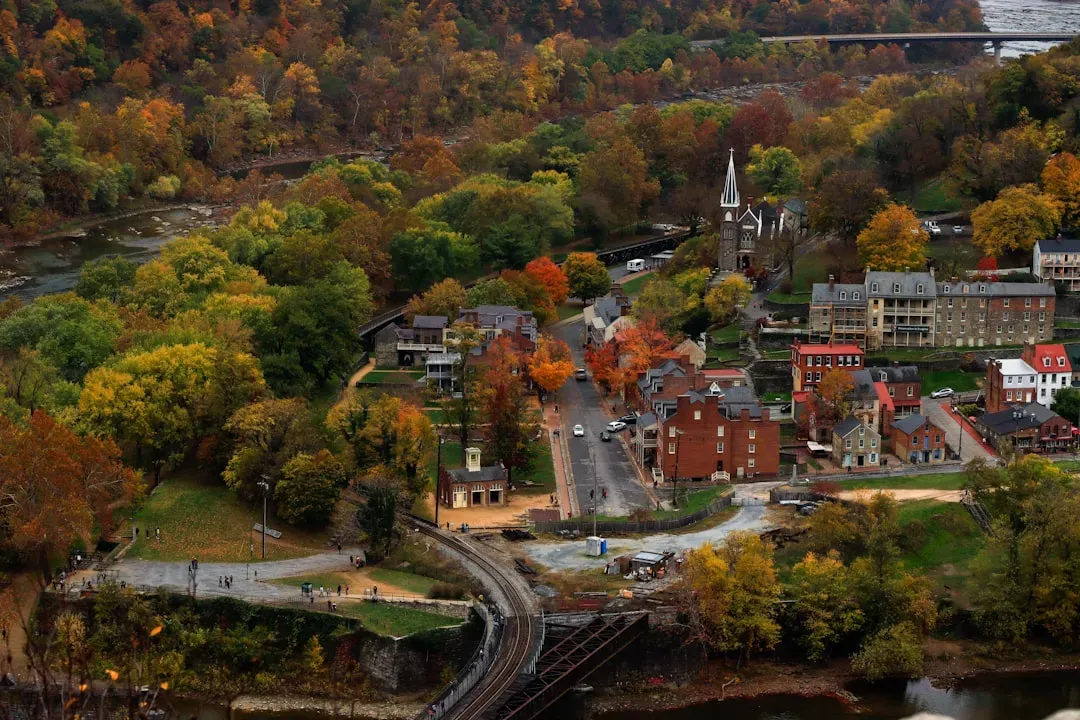
West Virginia, ranked as the second least hard-working state by WalletHub, had some of the highest idle youth rates in the country. Lower employment rates and limited participation in certain direct work categories place West Virginia near the end of the national ranking. Economic challenges weigh heavily on its overall work performance. The state has spent decades dealing with the decline of coal and heavy manufacturing, leaving structural holes in its workforce.
West Virginia has some of the idlest youth you’ll find anywhere in the country, and also has the third lowest employment rate for its working-age population. West Virginia, ranked last year’s worst work environment, remained at the bottom of that list as well. The combination of low engagement across age groups and limited economic opportunity makes this a persistent challenge rather than a temporary blip.
#3 Lowest for Hours Worked: Rhode Island

Ranked as the third least hardworking state, Rhode Island ranked 48th in average volunteer hours per resident and tied in 47th place with Oregon for average workweek hours. For one of New England’s smallest states, those are significant numbers. Rhode Island’s economy has long been in transition, shifting away from its old manufacturing base toward services and tourism, often creating part-time or reduced-hour work situations.
Rhode Islanders have more daily leisure time than most Americans but some of the lowest volunteer hours around. However, the state was also ranked as having the second-lowest idle youth rate in the country in a tie with North Dakota and Massachusetts, which shows that young people are at least in school or employed – just not logging the longest hours. Rhode Island offers a complicated picture: present in the workforce, but not necessarily overextending.
#4 Lowest for Hours Worked: Nevada

Nevada, ranked as the fourth least hardworking state, is tied in the top spot with Mississippi and Louisiana for the highest rate of idle youth and has the country’s lowest employment rate out of all 50 states. That’s a troubling combination of low participation at both ends of the age spectrum. The casino and hospitality economy creates irregular, seasonal, and part-time work that skews the averages downward significantly.
Nevada’s Achilles’ heel is leisure time – residents spend a lot of it. WalletHub’s hardest-working states data places Nevada among the bottom tier, tied at 48th alongside Mississippi. The glittering lights of Las Vegas draw millions of visitors a year, but for the people who live there, a high proportion of daily life seems to run at a slower professional pace than most of the country.
#5 Lowest for Hours Worked: New Mexico

New Mexico made the list of lowest-working states because there is relatively little economic activity driving the workforce. The state is very sparsely populated, and it has the second lowest employment rate in the nation. That low engagement appears to carry over from youth, where the state also has the second highest idle youth rate in the country. That pattern across age groups signals something systemic about workforce participation in the state.
New Mexico ranked 43rd out of all 50 states in WalletHub’s study, and took the 44th spot for indirect work factors, which included average commute time, the number of workers with multiple jobs, and average leisure time spent per day. Delaware took the overall top spot for fewest annual hours worked, clocking just 1,664 hours annually. Compared with Louisiana, people in Delaware work 250 hours less per year – which, assuming an eight-hour workday, means just over 31 fewer days worked per year. New Mexico sits in very similar territory, reflecting a state where low labor force participation has become a defining economic characteristic rather than a temporary condition.